ART WIKI33 040 em exposição
MapaColeçãoArtistasMuseusExposiçõesRevista
Entrar

ART WIKI

Onde está a obra-prima, e a que horas se abre a porta.

Coleções: Art Institute of Chicago, Galeria Nacional de Arte, Galeria Tretiakov, Getty Villa, Harvard Art Museums, Hermitage, Hirshhorn Museum and Sculpture Garden, Instituto de Artes de Minneapolis, Museu de Arte de Cleveland, Museu de Arte Moderna, Museu do Louvre, Museu Estatal de Amesterdão, Museu J. Paul Getty, Museu Metropolitano de Arte, Museu Nacional de Arte da Dinamarca, Museu Pushkin, Museu Russo, Museu Smithsoniano de Arte Americana, Museu Vitória e Alberto, Museu Whitney de Arte Americana, National Museum of Asian Art, National Portrait Gallery, Catálogo Estatal do Fundo Museológico da Rússia (274 museus), Europeana (19 museus), Wikidata (6 museus), Paris Musées (12 museus) e Joconde, a base de museus do Ministério da Cultura de França (495 museus). As imagens pertencem aos titulares dos direitos.

Secções

  • Mapa
  • Pesquisa
  • Coleção
  • Obras-primas
  • Em exposição agora
  • Artistas

Mais

  • Museus e galerias
  • Exposições
  • Revista
  • De onde vêm os dados
  • Privacidade e cookies
InícioMapaCatálogo
  1. Coleção/
  2. Museu de Arte Moderna/
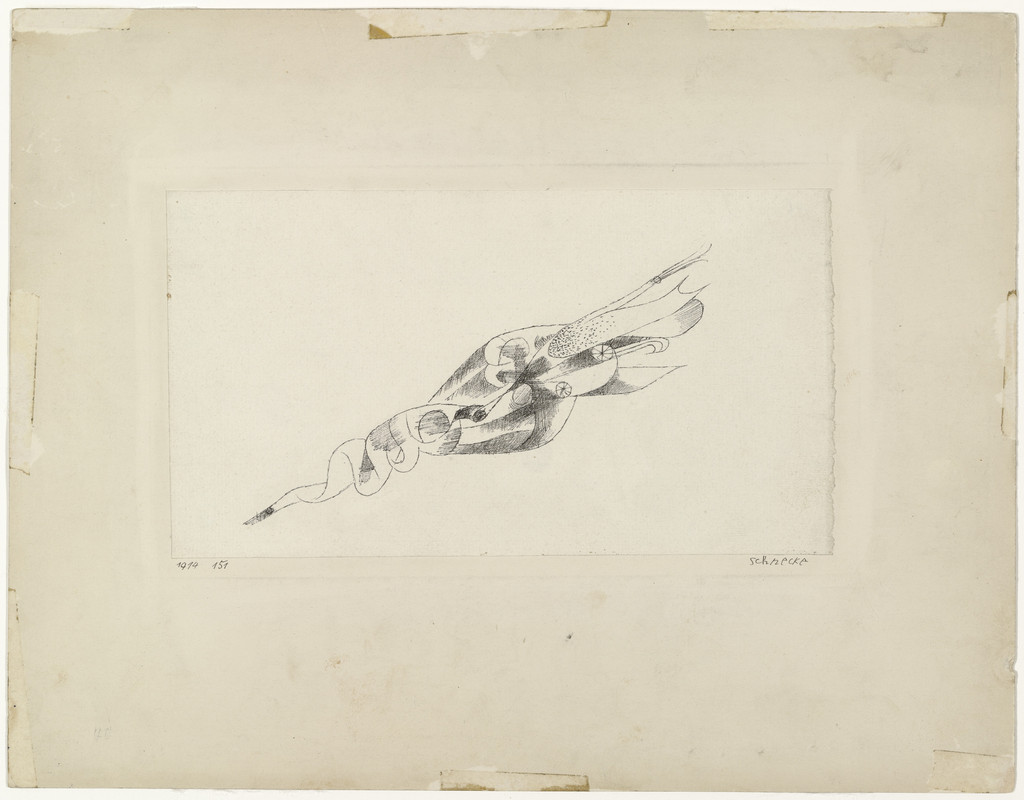
  3. Snail (Schnecke)
Snail (Schnecke), Paul Klee, 1914
Paul Klee, retratoPaul KleeAlemanha, 1879–1940

Snail (Schnecke)

1914 · Drawing

Será possível contemplá-la?

De momento, não recebe

Museu de Arte Moderna

Nova Iorque, Estados Unidos

Pertence à coleção, mas de momento não está exposta.

Verificado
há 16 dias
Fonte
O museu
No mapaPágina do museu

Pormenores

1914 · aos 35 anos
18791940
Número de inventário
161.1953

No catálogo

Desenhos e aguarelasTintaModernismoSéculo XX

Fontes

  • Museu de Arte Moderna
  • Imagem: Museu de Arte Moderna — © the artist or rights holder

Entretanto, na vida de Paul Klee

A vida inteira
  1. 12 February – 18 March 1912

    The second “Blue Rider” exhibition: 17 drawings

    Seventeen of Klee’s graphic works were shown at the second exhibition of the “Blue Rider” editors, at Hans Goltz’s Munich gallery; it was called “Black-White” because it included only graphic works and watercolours. His ink drawing “Steinhauer” was also reproduced in the almanac, whose only issue appeared in May 1912; Klee’s meeting with Hans Arp dates from the same period.

  2. 2 – 18 April 1912

    Second trip to Paris: Kahnweiler, Uhde, Picasso

    With his wife, Klee visited Daniel-Henry Kahnweiler’s gallery, saw the collection of Wilhelm Uhde and works by Braque, Derain, Matisse, Picasso, Rousseau and Vlaminck. He also met Henri Le Fauconnier and Karl Hofer.

  3. 11 April 1912

    Robert Delaunay’s studio: discovering abstraction

    On 11 April Klee visited Robert Delaunay’s studio in Paris and discovered abstract painting detached from natural forms; his understanding of light and colour changed substantially. In December he began translating Delaunay’s essay “On Light” (La Lumière) for Herwarth Walden’s magazine Der Sturm, and in 1914, under Delaunay’s influence, he painted “Abstraction. Coloured Circles Interwoven with Coloured Ribbons”.

  4. 25 May 1912 – September 1913

    Exhibitions in Cologne (1912) and Berlin (1913)

    Four of Klee’s drawings were shown at the international art exhibition of the association of West German artists and friends of art in Cologne (25 May – 30 September 1912). In September 1913 he exhibited watercolours and drawings at the First German Autumn Salon in Berlin.

  5. from 3 April 1914

    Tunisia with Macke and Moilliet: Klee the painter

    On 3 April 1914 Klee set out from Bern with August Macke and Louis Moilliet, via Lyon and Marseille to Tunisia — Saint-Germain, Sidi Bou Said, Carthage, Hammamet, Kairouan — and he alone of the three kept a diary. Struck by the light, Klee wrote that colour had taken possession of him for ever and that he was a painter; back home he painted his first purely abstract work, “In the Style of Kairouan”, built of coloured rectangles and a few circles.

  6. March 1916

    First exhibition of abstract watercolours at Walden’s

    Herwarth Walden’s gallery held the first exhibition of Klee’s abstract watercolours, a success with the public. He gave the works new titles, marking his break with war themes, and Walden asked him for more.

Mais obras de Paul Klee

Todas as obras
New House in the Suburbs, Paul Klee, 1924

New House in the Suburbs

1924 · Galeria Nacional de Arte

May Picture, Paul Klee, 1925

May Picture

1925 · Museu Metropolitano de Arte

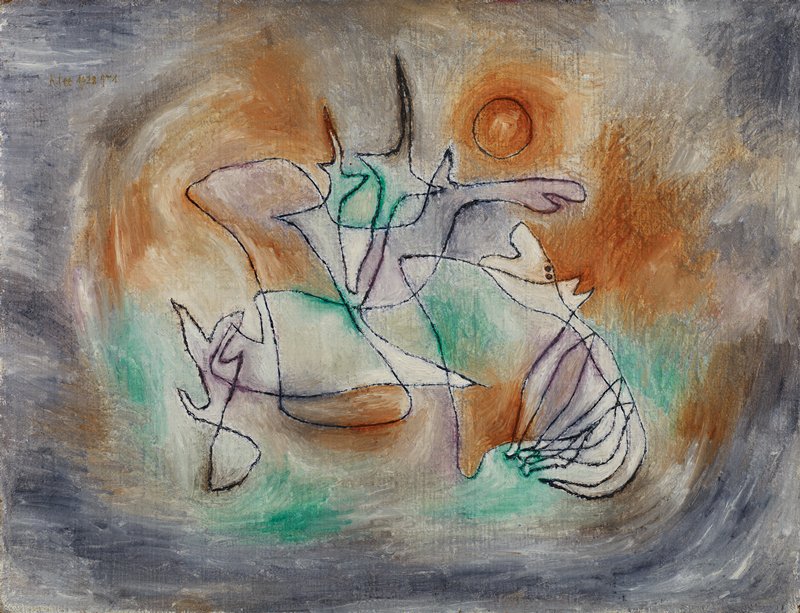
Howling Dog, Paul Klee, 1928

Howling Dog

1928 · Instituto de Artes de Minneapolis

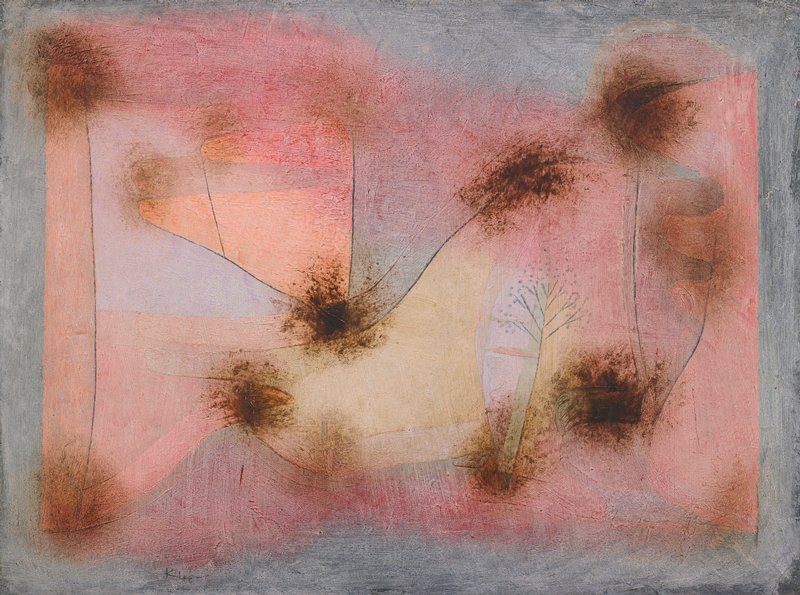
Hardy Plants, Paul Klee, 1934

Hardy Plants

1934 · Instituto de Artes de Minneapolis

Stakim, Paul Klee, c. 1928

Stakim

c. 1928 · Art Institute of Chicago

Fleeing Ghost, Paul Klee, 1929

Fleeing Ghost

1929 · Art Institute of Chicago

In the Magic Mirror, Paul Klee, 1934

In the Magic Mirror

1934 · Art Institute of Chicago

Auslöschendes Licht, Paul Klee

Auslöschendes Licht

Albertina

Vizinhas de sala: Museu de Arte Moderna

Página do museu
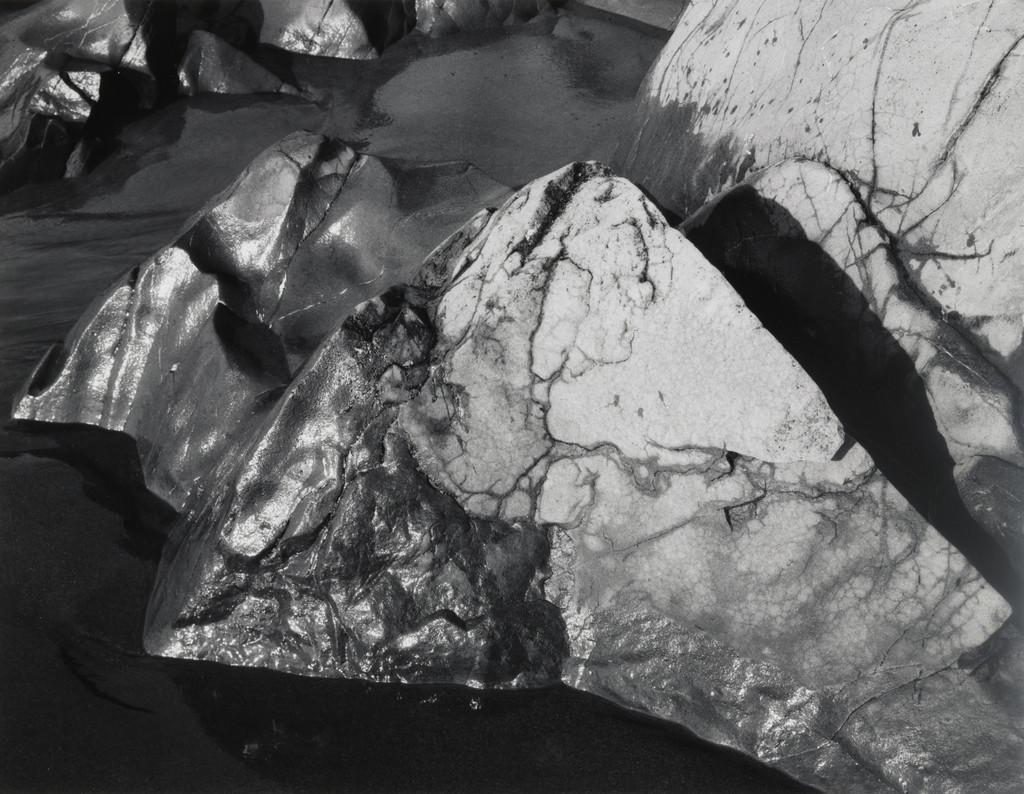
Rock, Bakers Beach, San Francisco, California, Ansel Adams, c. 1931

Ansel Adams

Rock, Bakers Beach, San Francisco, California, c. 1931

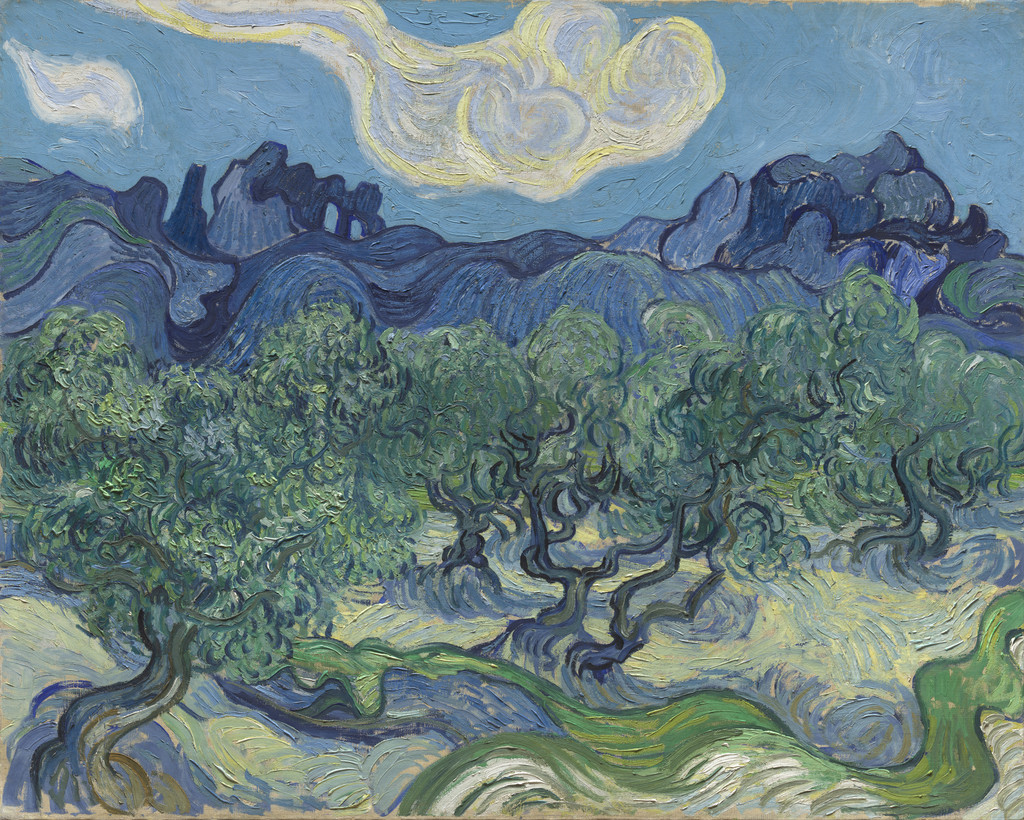
The Olive Trees, Vincent van Gogh, Saint Rémy, June-July 1889

Vincent van Gogh

The Olive Trees, Saint Rémy, June-July 1889

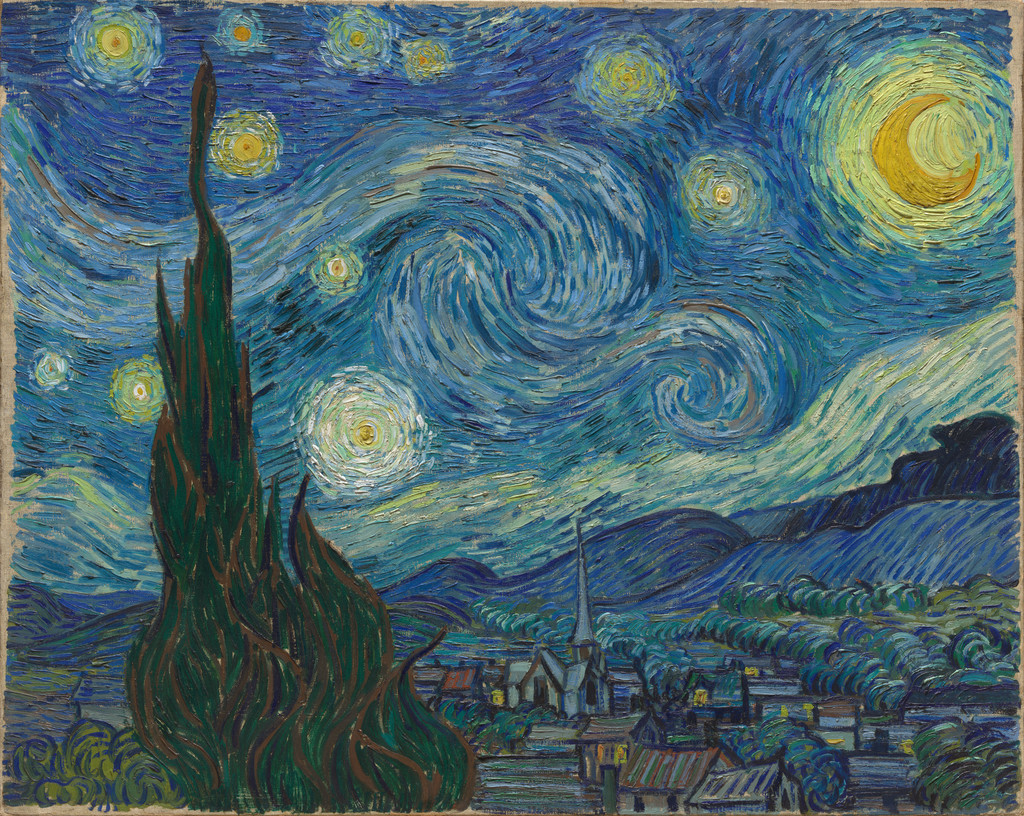
The Starry Night, Vincent van Gogh, Saint Rémy, June 1889

Vincent van Gogh

A Noite Estrelada, Saint Rémy, June 1889

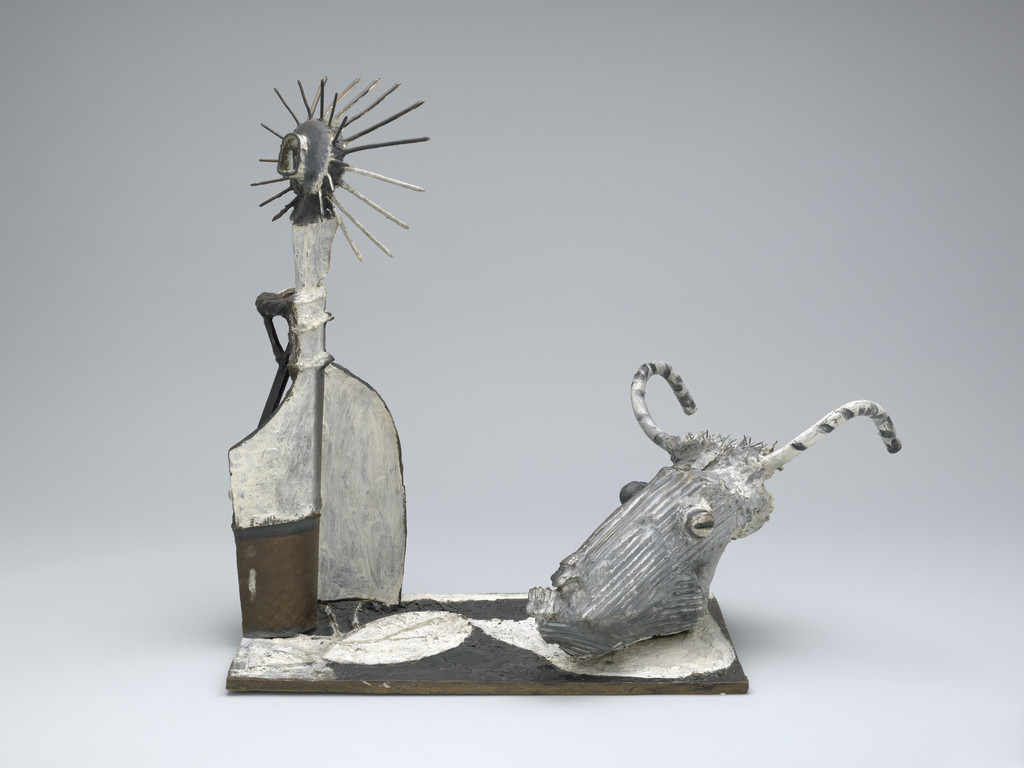
Goat Skull and Bottle, Pablo Picasso, Vallauris, 1951 (cast 1954)

Pablo Picasso

Goat Skull and Bottle, Vallauris, 1951 (cast 1954)

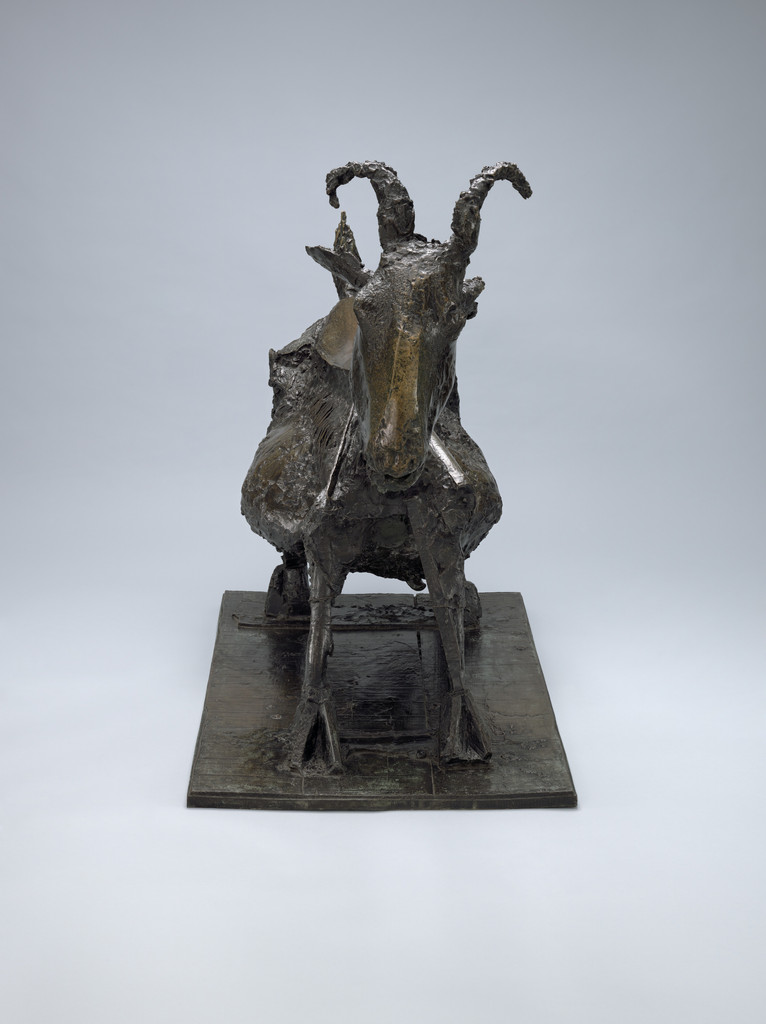
She-Goat, Pablo Picasso, Vallauris, 1950 (cast 1952)

Pablo Picasso

She-Goat, Vallauris, 1950 (cast 1952)

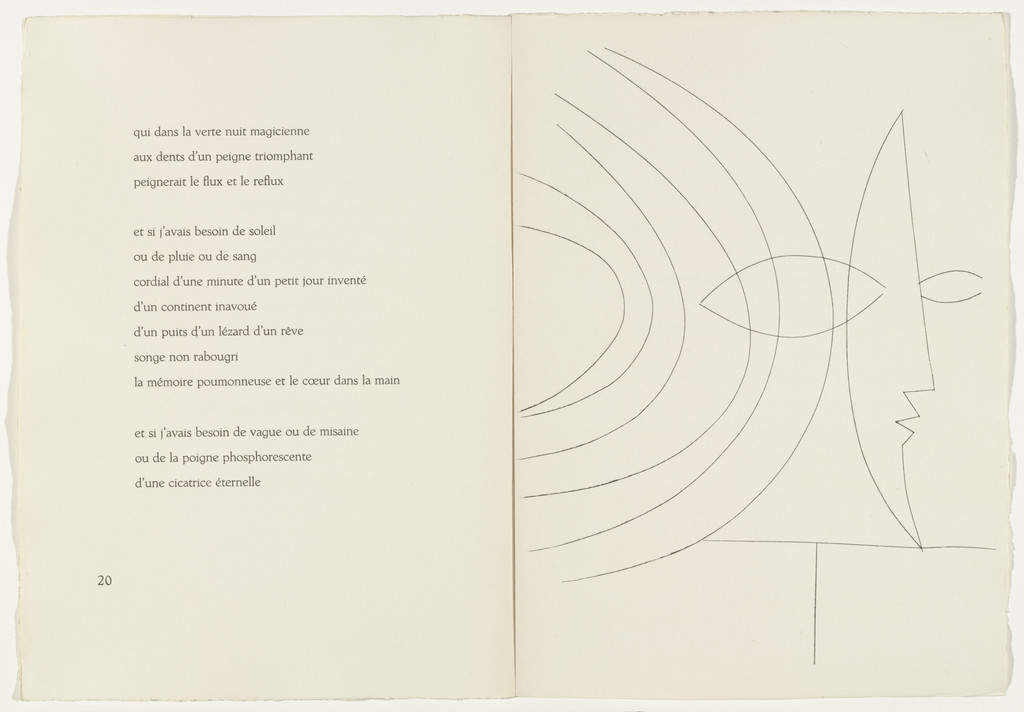
Face in Profile (plate, page 21) from Corps perdu, Pablo Picasso, 1949, published 1950

Pablo Picasso

Face in Profile (plate, page 21) from Corps perdu, 1949, published 1950

Coupling (plate, page 17) from Corps perdu, Pablo Picasso, 1949, published 1950

Pablo Picasso

Coupling (plate, page 17) from Corps perdu, 1949, published 1950

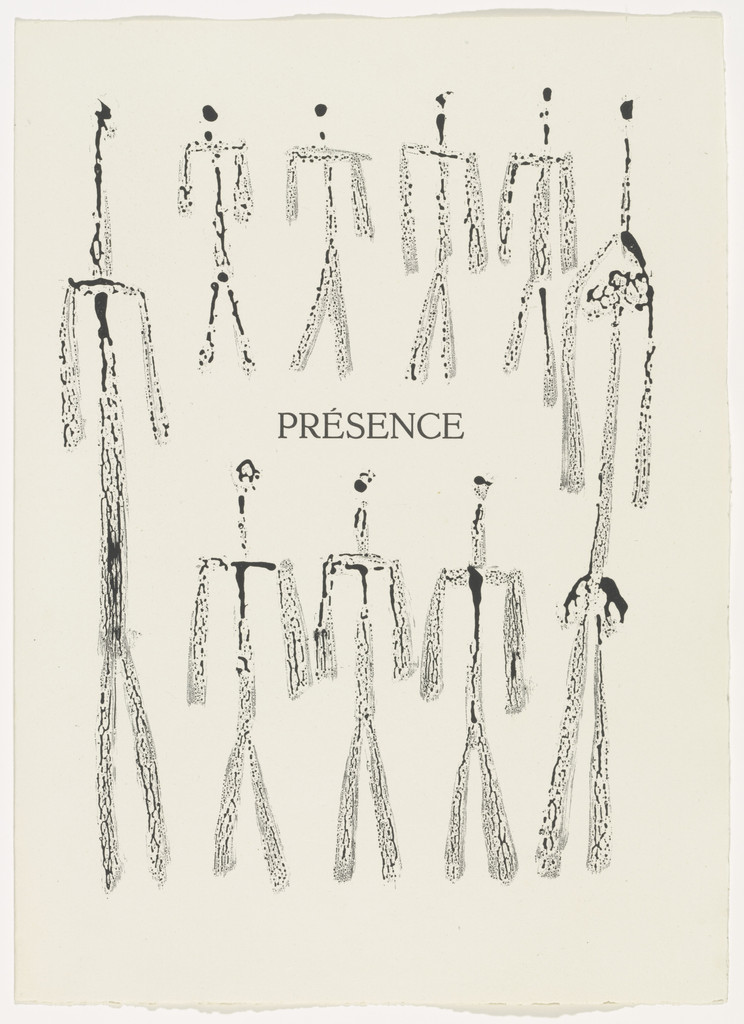
"Présence" (chapter title, page 13) from Corps perdu, Pablo Picasso, 1949, published 1950

Pablo Picasso

"Présence" (chapter title, page 13) from Corps perdu, 1949, published 1950