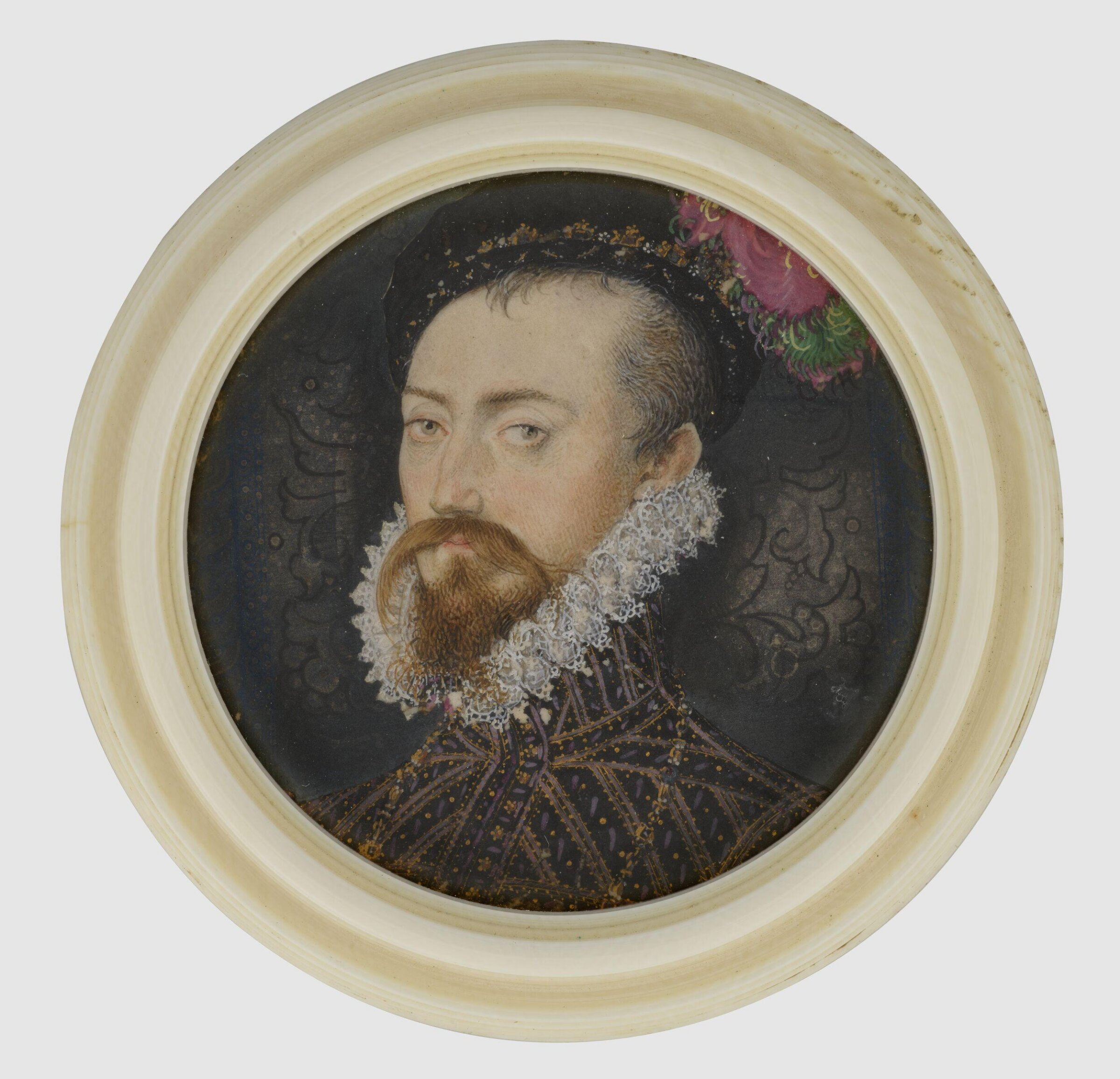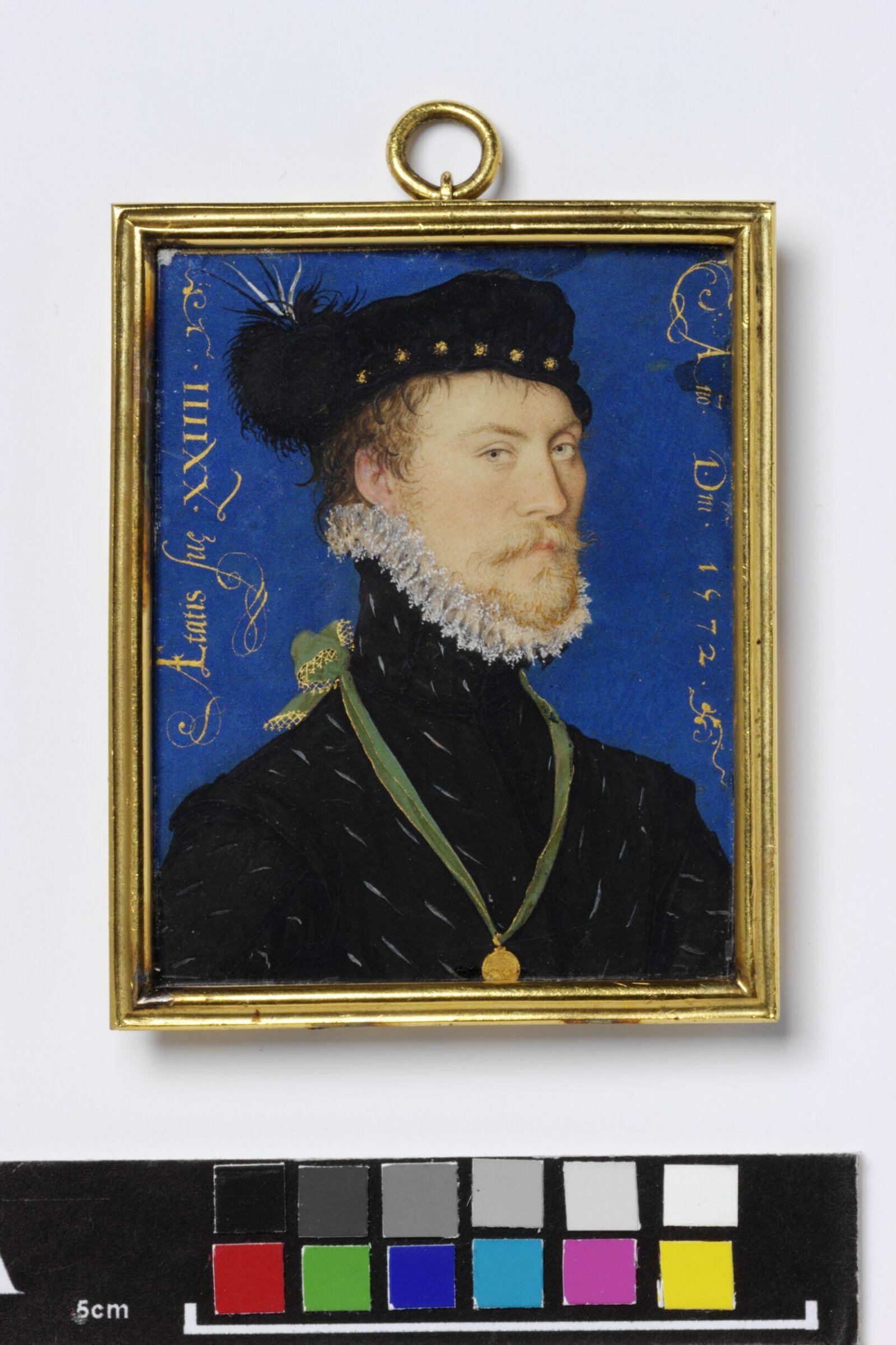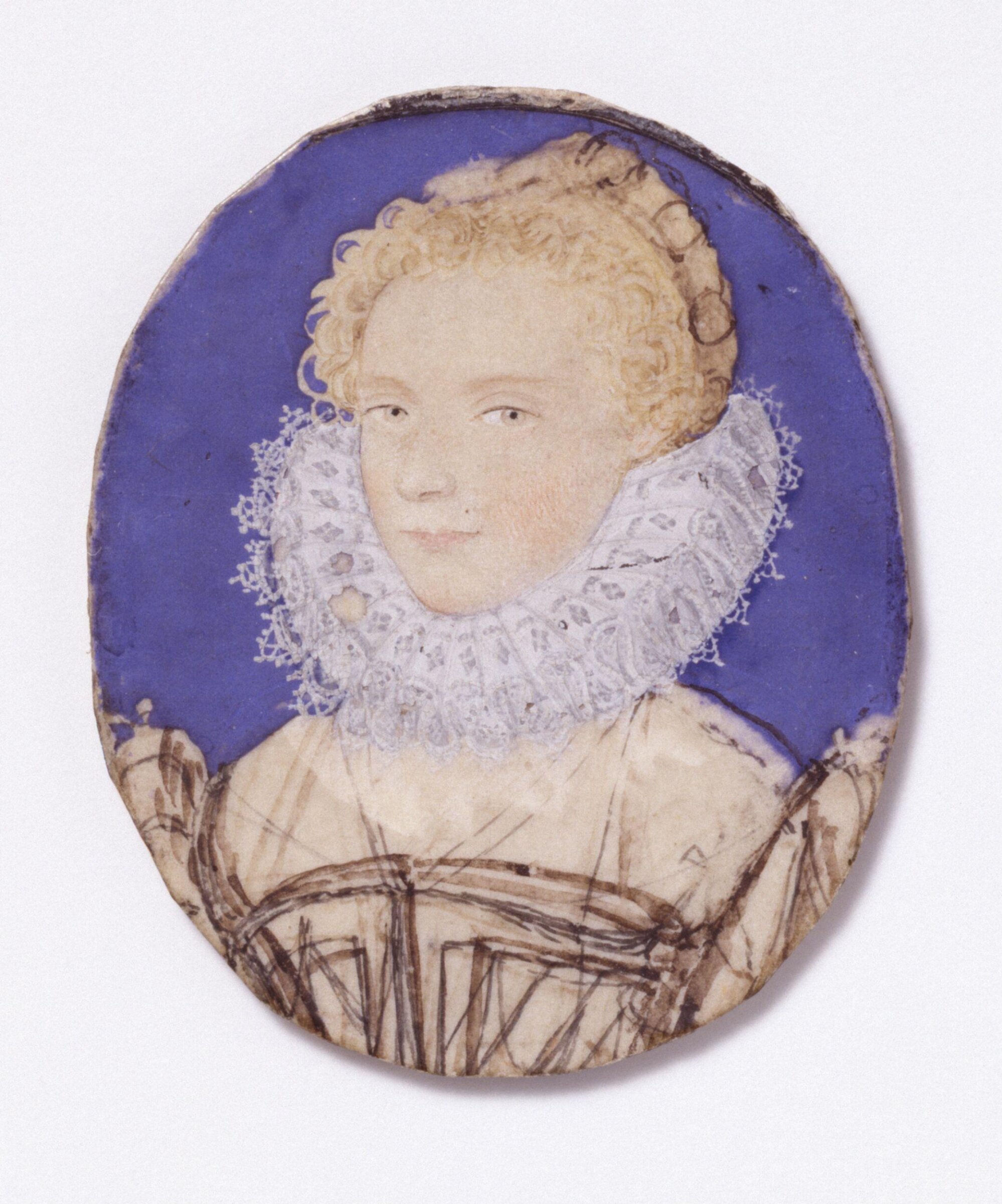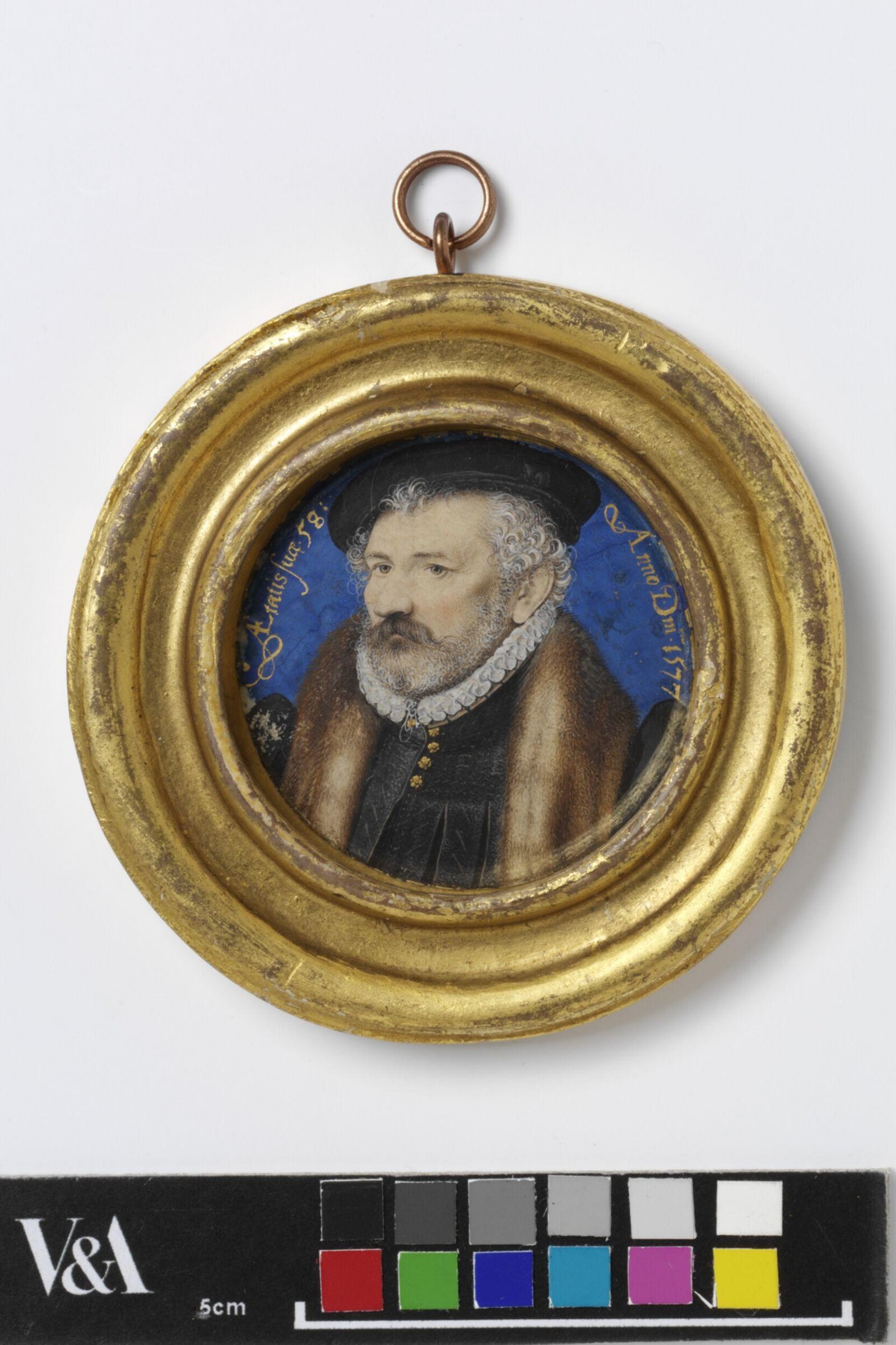
 Nicholas HilliardInglaterra, 1547–1619
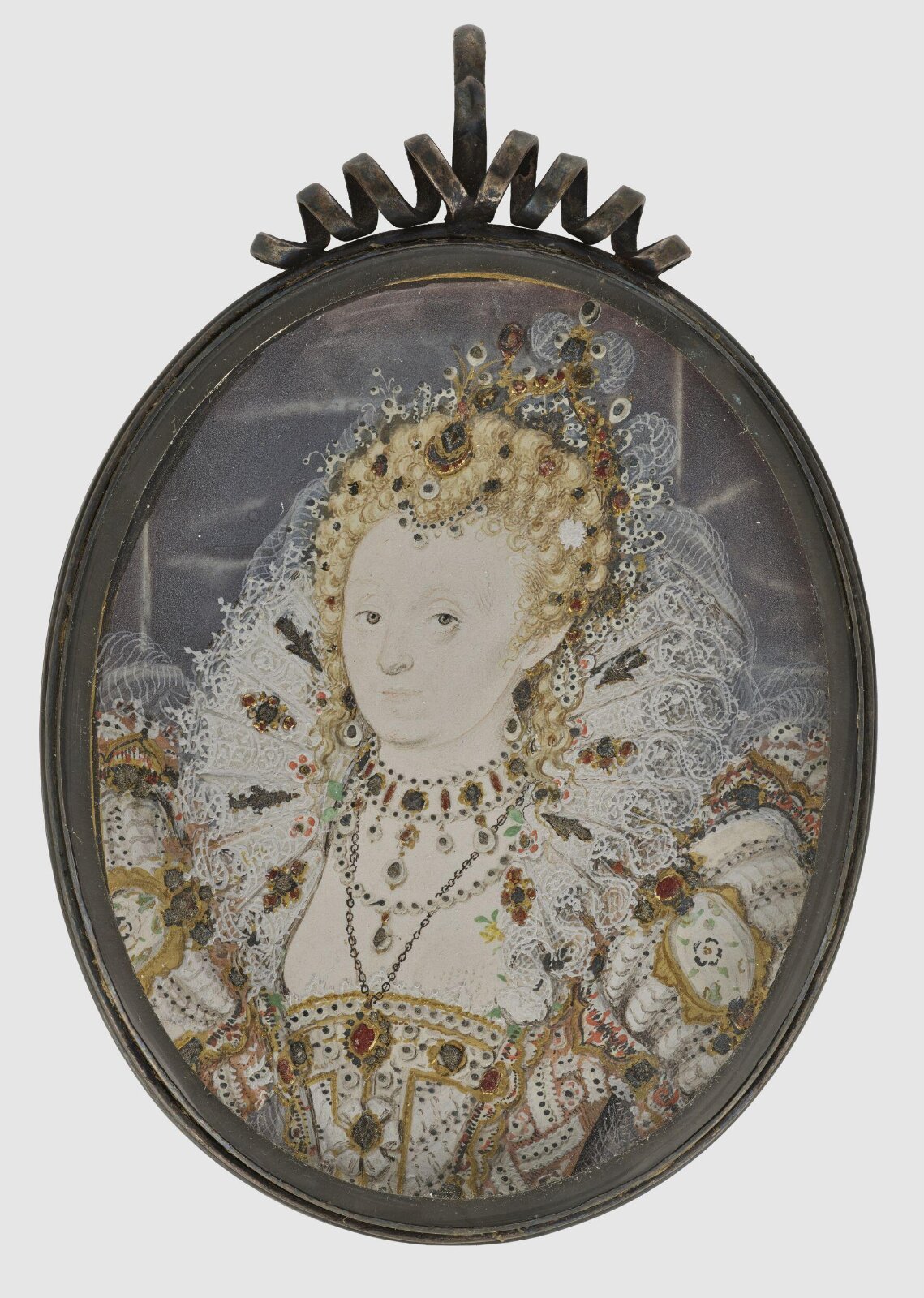
Queen Elizabeth I
Será possível contemplá-la?
Sim, recebe visitas

Exposta ao público. Quem o garante vem indicado abaixo.
- Verificado
- Neste estado desde
- Fonte
- O museu
Sobre a pintura
Object Type
In the 1580s the political and religious temperature of Europe rose. Threats to the Queen's safety increased, especially from Spain, and the fashion for wearing the Queen's image to express loyalty and devotion became established. From the late 1580s there was a proliferation of portraits of the Queen.
People
Continuar a ler
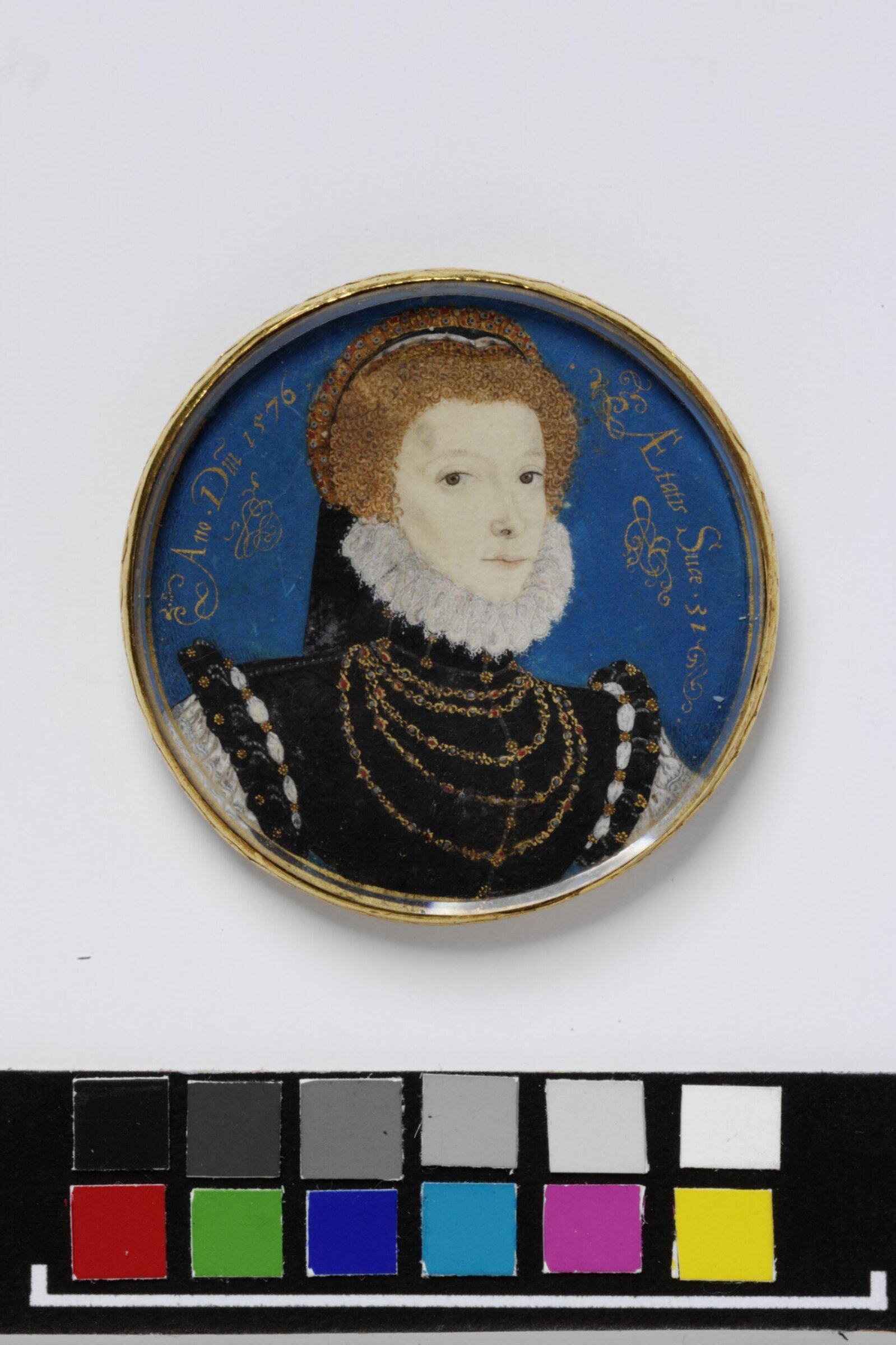
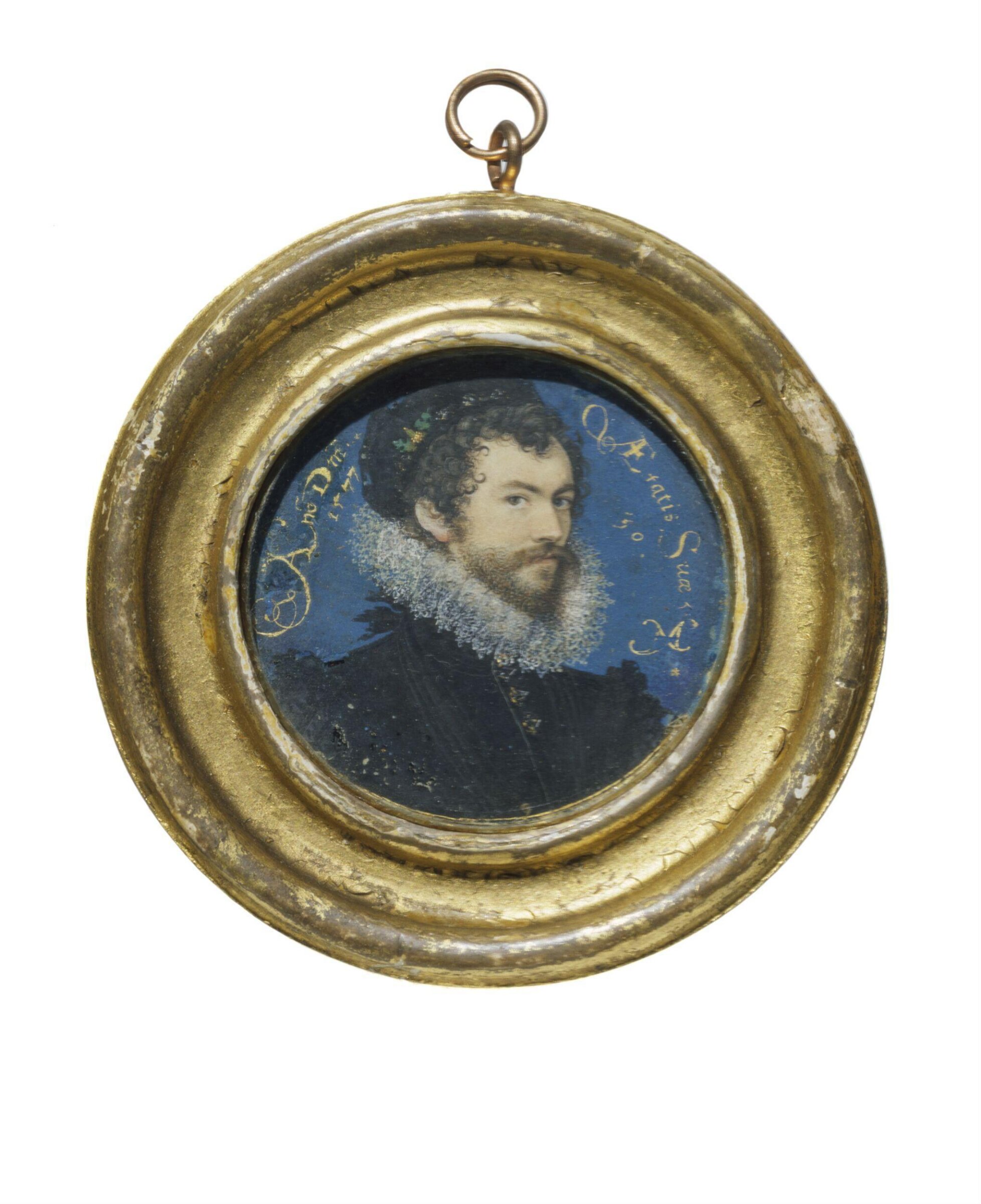
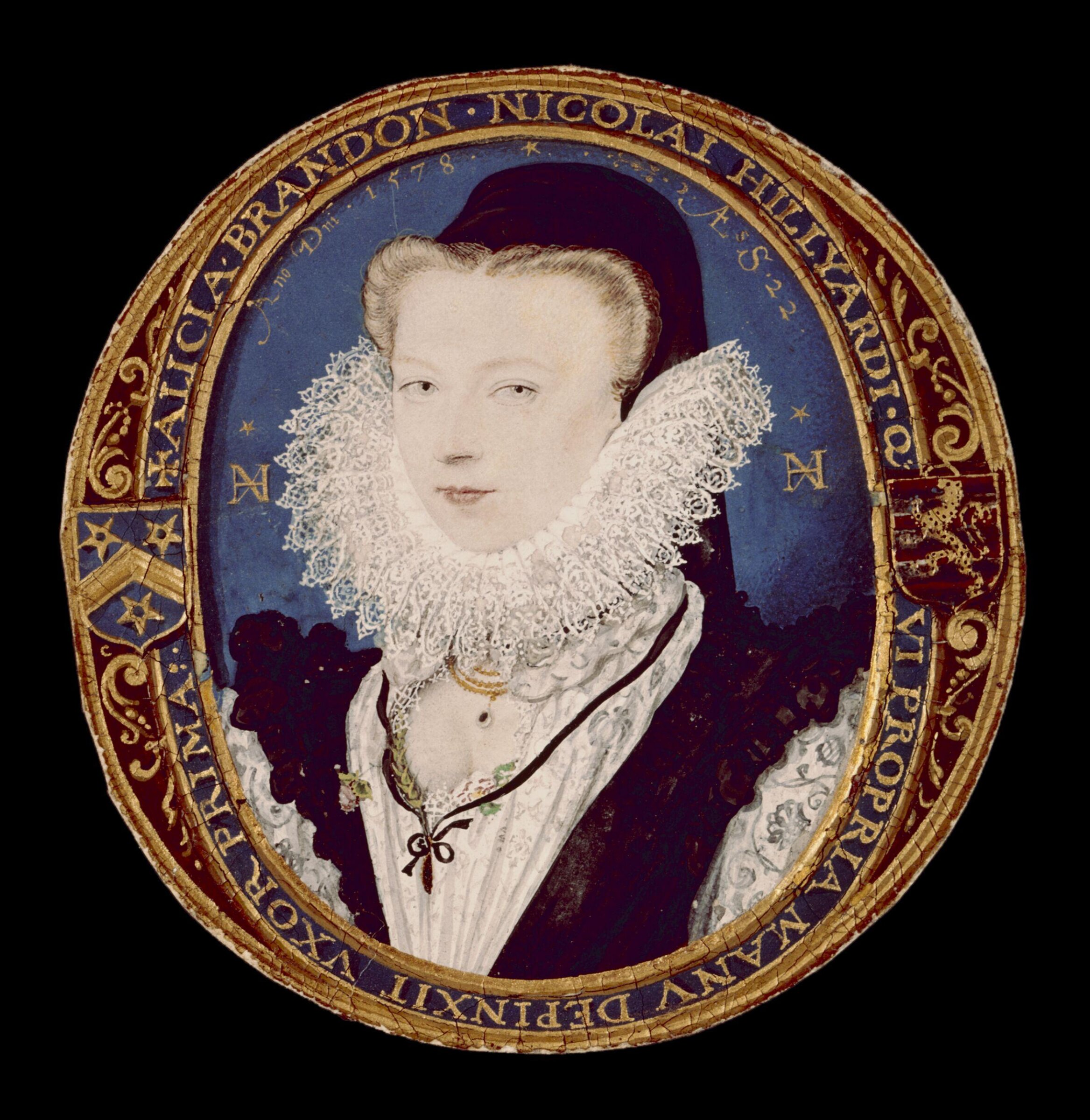
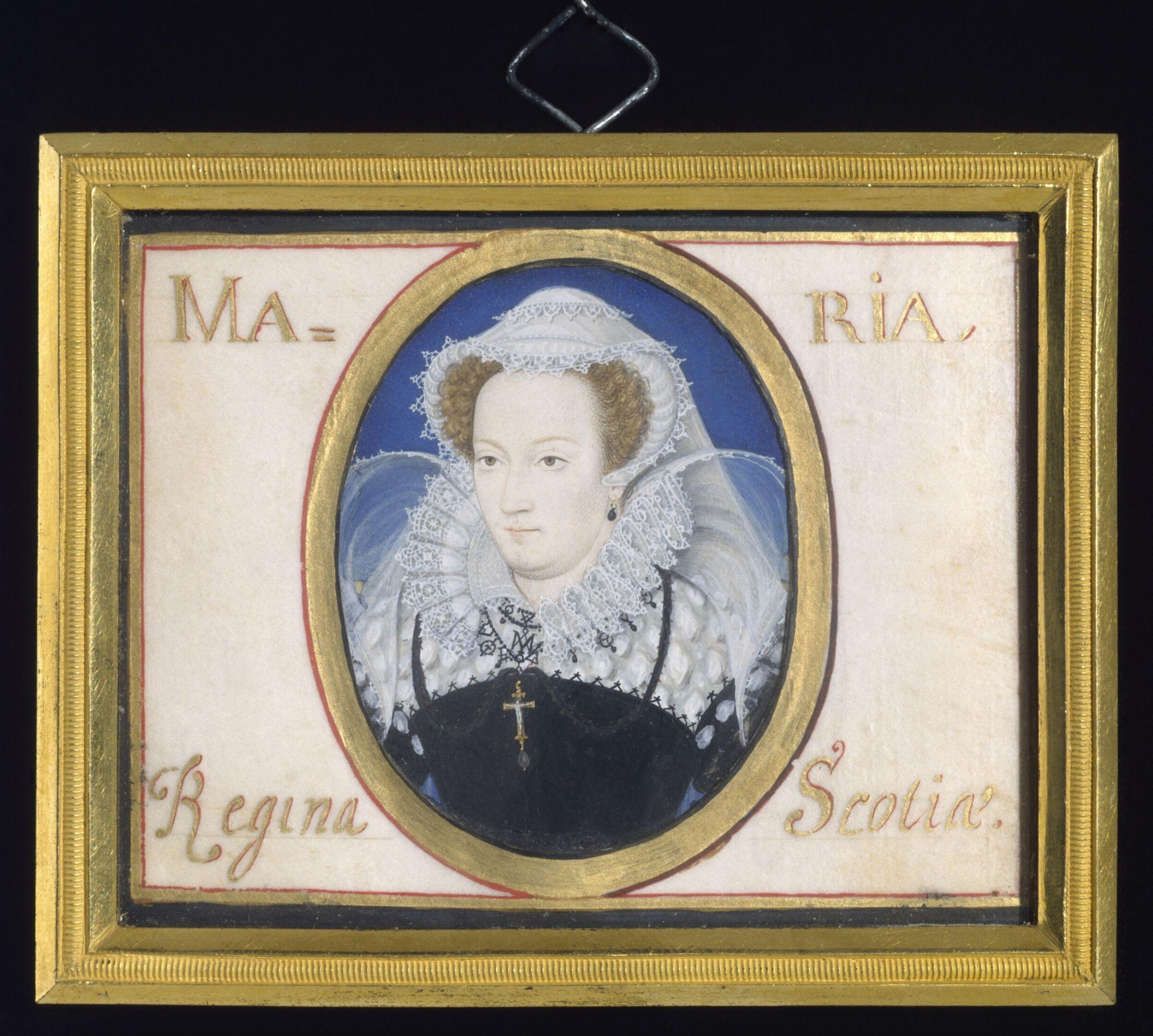
Elizabeth I rarely sat for portraits, since from one sitting a 'pattern' would be produced that other artists would copy. This face pattern by Hilliard, called today the 'Mask of Youth', was so successful that 16 versions in miniature have survived. Elizabeth was around 60 at this date, but Hilliard reduced the Queen's features to a few schematic lines, thereby rejuvenating her face. He then focussed on her sumptuous costume and jewels. This was not just vanity. The Queen had no heir and her succession was still undecided. Her government did not want to focus on her mortality and the Queen's official image became highly stylised, presenting a reassuring, ageless and powerful national icon.
Materials & Making
Nicholas Hilliard was a goldsmith and developed special techniques for painting jewels. Pearls were painted with a raised blob of white 'with a pretty little tooth of some ferret or stoat', as Hilliard's own treatise records. Sadly, silver tarnishes and the pearls and other areas in silver now appear black.
Museu Vitória e Alberto
Pormenores
- Número de inventário
- 622-1882
O que mostra
No catálogo
Fontes
- Museu Vitória e Alberto
- Imagem: Museu Vitória e Alberto — © Victoria and Albert Museum, London