ART WIKI32 979 em exposição
MapaColeçãoArtistasMuseusExposiçõesRevista
Entrar

ART WIKI

Onde está a obra-prima, e a que horas se abre a porta.

Coleções: Art Institute of Chicago, Galeria Nacional de Arte, Galeria Tretiakov, Getty Villa, Harvard Art Museums, Hermitage, Hirshhorn Museum and Sculpture Garden, Instituto de Artes de Minneapolis, Museu de Arte de Cleveland, Museu de Arte Moderna, Museu do Louvre, Museu Estatal de Amesterdão, Museu J. Paul Getty, Museu Metropolitano de Arte, Museu Nacional de Arte da Dinamarca, Museu Pushkin, Museu Russo, Museu Smithsoniano de Arte Americana, Museu Vitória e Alberto, Museu Whitney de Arte Americana, National Museum of Asian Art, National Portrait Gallery, Catálogo Estatal do Fundo Museológico da Rússia (274 museus), Europeana (19 museus), Wikidata (6 museus), Paris Musées (12 museus) e Joconde, a base de museus do Ministério da Cultura de França (495 museus). As imagens pertencem aos titulares dos direitos.

Secções

  • Mapa
  • Pesquisa
  • Coleção
  • Obras-primas
  • Em exposição agora
  • Artistas

Mais

  • Museus e galerias
  • Exposições
  • Revista
  • De onde vêm os dados
  • Privacidade e cookies
InícioMapaCatálogo
  1. Coleção/
  2. Museu de Arte Moderna/
  3. Proun 1 E from Proun
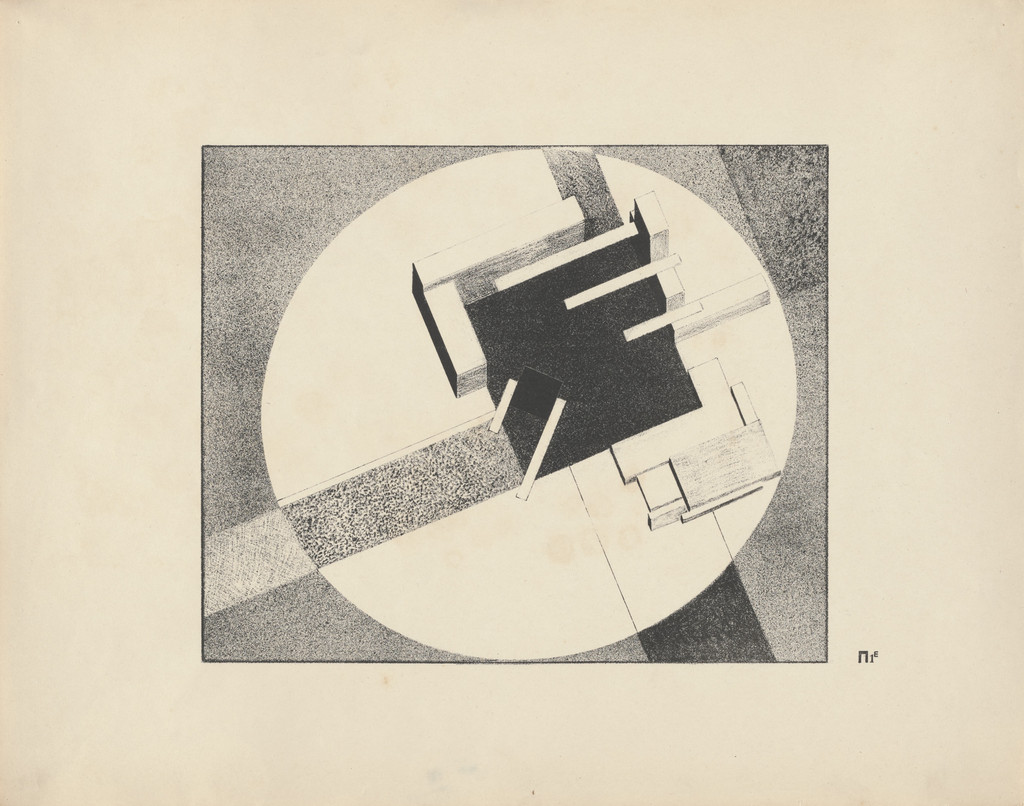
Proun 1 E from Proun, El Lissitzky, 1920
El Lissitzky, retratoEl LissitzkyRússia, 1890–1941

Proun 1 E from Proun

1920 · Print

Será possível contemplá-la?

De momento, não recebe

Museu de Arte Moderna

Nova Iorque, Estados Unidos

Pertence à coleção, mas de momento não está exposta.

Verificado
há 9 dias
Fonte
O museu
No mapaPágina do museu

Pormenores

1920 · aos 30 anos
18901941
Número de inventário
591.2013.8

No catálogo

GravurasLitografiaModernismoSéculo XX

Fontes

  • Museu de Arte Moderna
  • Imagem: Museu de Arte Moderna — © the artist or rights holder

Entretanto, na vida de El Lissitzky

A vida inteira
  1. 1918

    Founding the art section of the Kultur-Lige

    In 1918 in Kiev Lissitzky, together with Joseph Chaikov, Issachar Ber Ryback, Mark Epstein and others, founds the art section of the Kultur-Lige, an avant-garde artistic and literary association whose aim was to create a new Jewish national art.

  2. May 1919

    Chagall's invitation and the move to Vitebsk

    In May 1919, at Marc Chagall's invitation, Lissitzky returns to Vitebsk to teach graphic arts, printing and architecture at the newly formed People's Art School, which Chagall created after being appointed Commissioner of Artistic Affairs for Vitebsk. Lissitzky designs and prints propaganda posters and illustrations for a local newspaper; he later never mentioned them, probably because he portrayed Leon Trotsky and other early revolutionaries who later became enemies of the Soviet state.

  3. October 1919

    Persuading Malevich to move to Vitebsk

    In October 1919, on an errand in Moscow, Lissitzky persuades Kazimir Malevich to relocate to Vitebsk. Malevich brings a wealth of new ideas, which inspire Lissitzky but clash with the local public and professionals who favoured figurative art, and with Chagall himself.

  4. 1919–1920

    Choosing Malevich and breaking with Chagall

    Malevich replaces the school's classical teaching programme with his own and spreads suprematist theory school-wide; Lissitzky, still loyal to Chagall, is torn between two opposing paths but ultimately favours suprematism and breaks away from traditional Jewish art, and Chagall leaves the school shortly afterwards — he later recalled that his most zealous disciple, the moment he was appointed professor, went over to his opponents' camp. Lissitzky designs Malevich's book “On the New System in Art”, printed in 1,000 copies — an enormous number for an art book.

  5. 17 January – February 1920

    Malevich and Lissitzky found Molposnovis, which becomes UNOVIS

    On 17 January 1920 Malevich and Lissitzky co-found the short-lived group Molposnovis (“Young Followers of a New Art”); after a brief and stormy dispute and two rounds of renaming, it re-emerges in February as UNOVIS, the “Exponents of the New Art”. The group, disbanded in 1922, was pivotal in spreading suprematist ideology and launched Lissitzky's status as a leading figure of the avant-garde; its members signed works with a black square, while Lissitzky used a red one.

  6. 1921

    Leaving for Germany as a “cultural emissary”

    In 1921, as UNOVIS declines and suprematism begins to fracture into a utopian, spiritual half and a utilitarian one, Lissitzky aligns with neither and leaves Vitebsk: he takes a job as a “cultural emissary” of Soviet Russia and moves to Weimar Berlin to establish contacts between Russian and German artists — what exactly he did in this role remains unclear. In 1921–1925 he lives in Germany and Switzerland.
Mais obras de El Lissitzky

Todas as obras
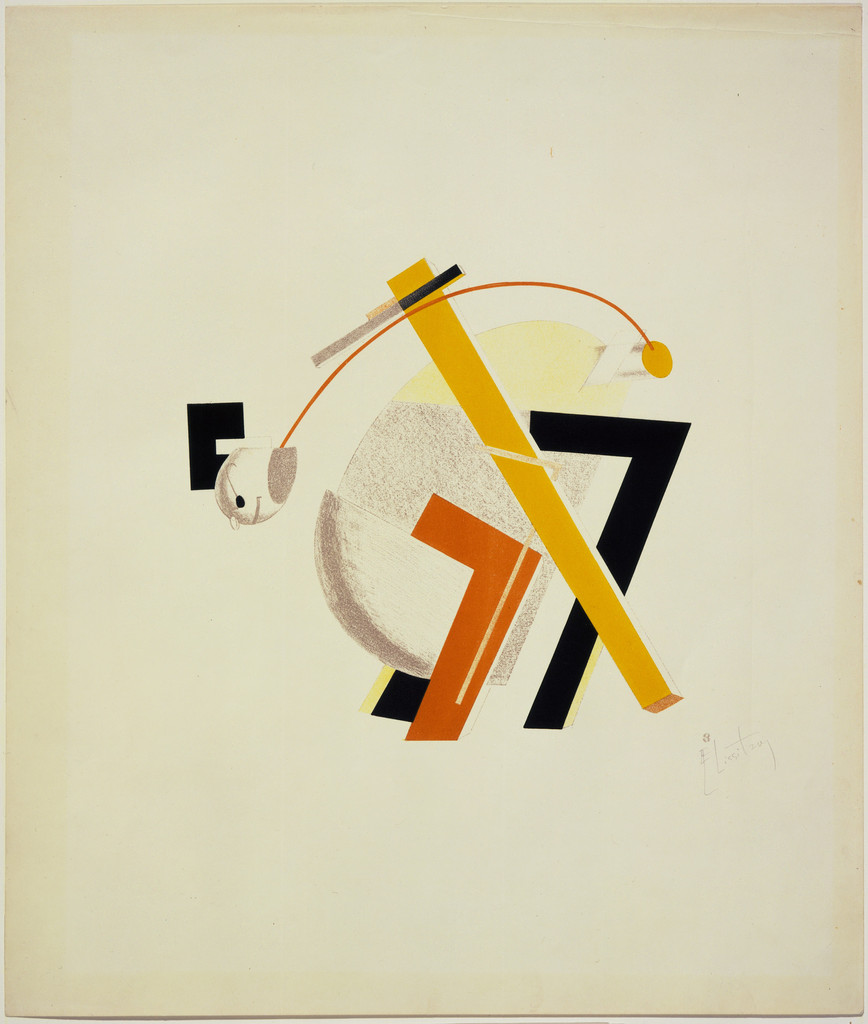
An Old Man, His Head Two Paces Behind (Alter) from Figurines: The Three-Dimensional Design of the Electro-Mechanical Show Victory over the Sun (Figurinen, die plastische Gestaltung der elektro-mechanischen Schau Sieg über die Sonne), El Lissitzky, 1920–21, published 1923

An Old Man, His Head Two Paces Behind (Alter) from Figurines: The Three-Dimensional Design of the Electro-Mechanical Show Victory over the Sun (Figurinen, die plastische Gestaltung der elektro-mechanischen Schau Sieg über die Sonne)

1920–21, published 1923 · Museu de Arte Moderna

Proun 12E, El Lissitzky, 1923

Proun 12E

1923 · Harvard Art Museums

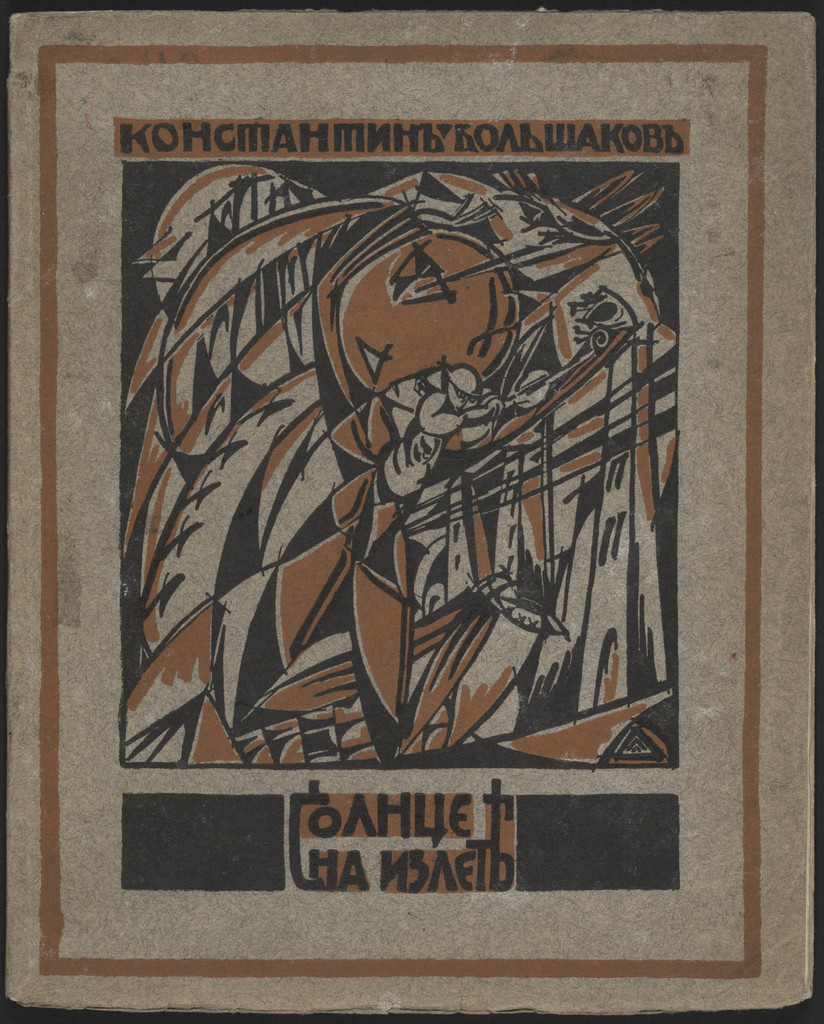
Solntse na izlete. Vtoraia kniga stikhov, 1913-1916 (The Spent Sun: Second Book of Poems, 1913-1916), El Lissitzky, 1916

Solntse na izlete. Vtoraia kniga stikhov, 1913-1916 (The Spent Sun: Second Book of Poems, 1913-1916)

1916 · Não exposta · Museu de Arte Moderna

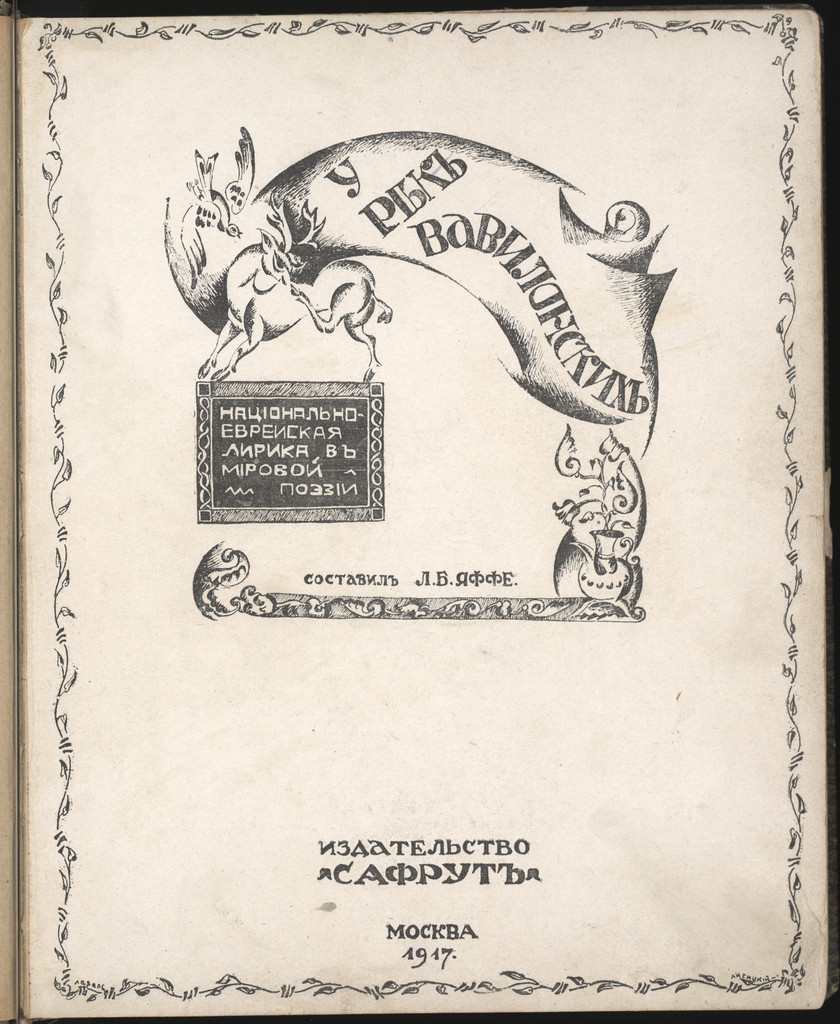
U rek vavilonskikh. Natsional'no-evreiskaia lirika v mirovoi poezii (By the Rivers of Babylon: Jewish Lyrics in World Poetry), El Lissitzky, 1917

U rek vavilonskikh. Natsional'no-evreiskaia lirika v mirovoi poezii (By the Rivers of Babylon: Jewish Lyrics in World Poetry)

1917 · Não exposta · Museu de Arte Moderna

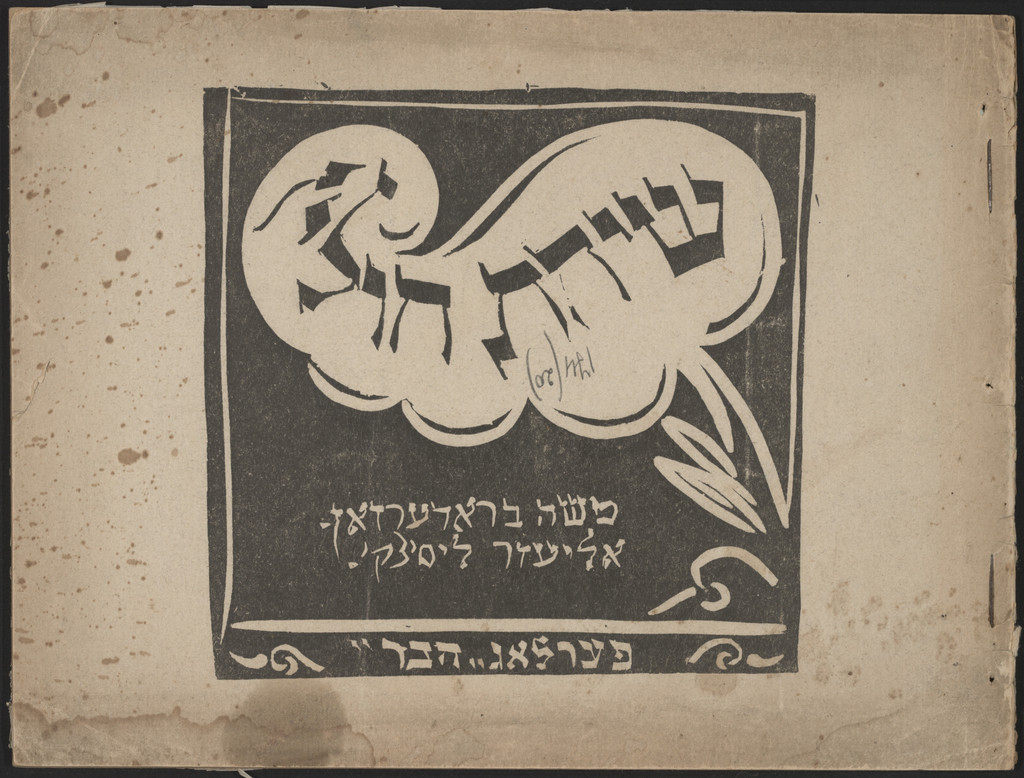
Sikhes kholin. Prager legende (Small Talk: The Legend of Prague), second edition, El Lissitzky, 1917

Sikhes kholin. Prager legende (Small Talk: The Legend of Prague), second edition

1917 · Não exposta · Museu de Arte Moderna

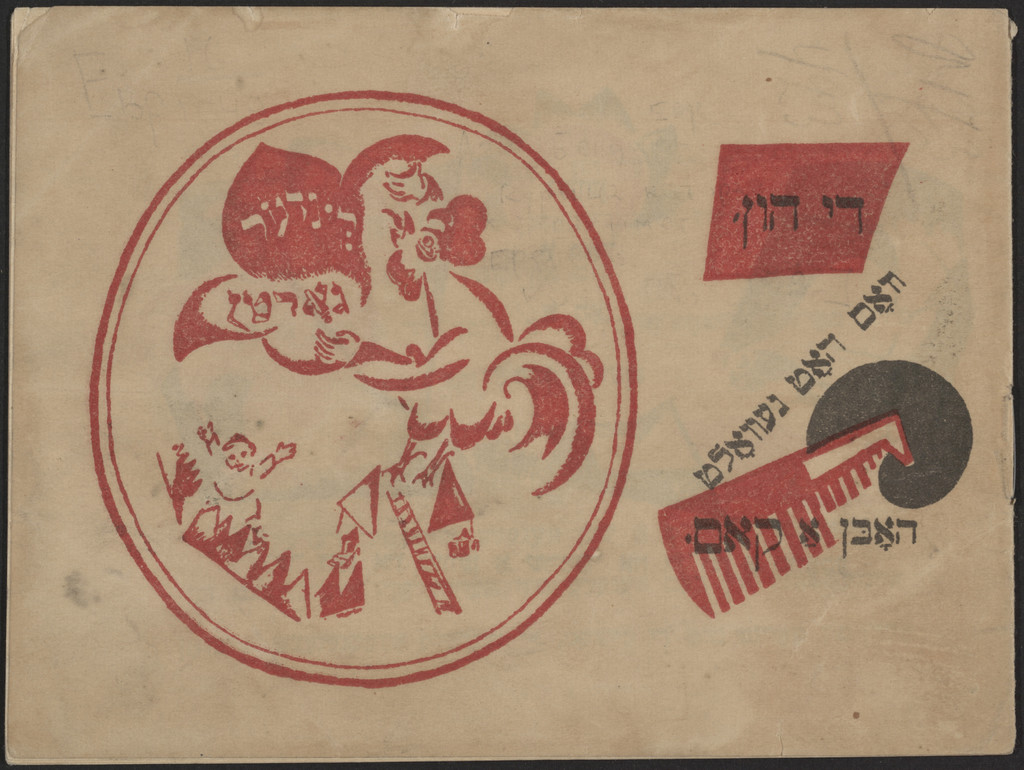
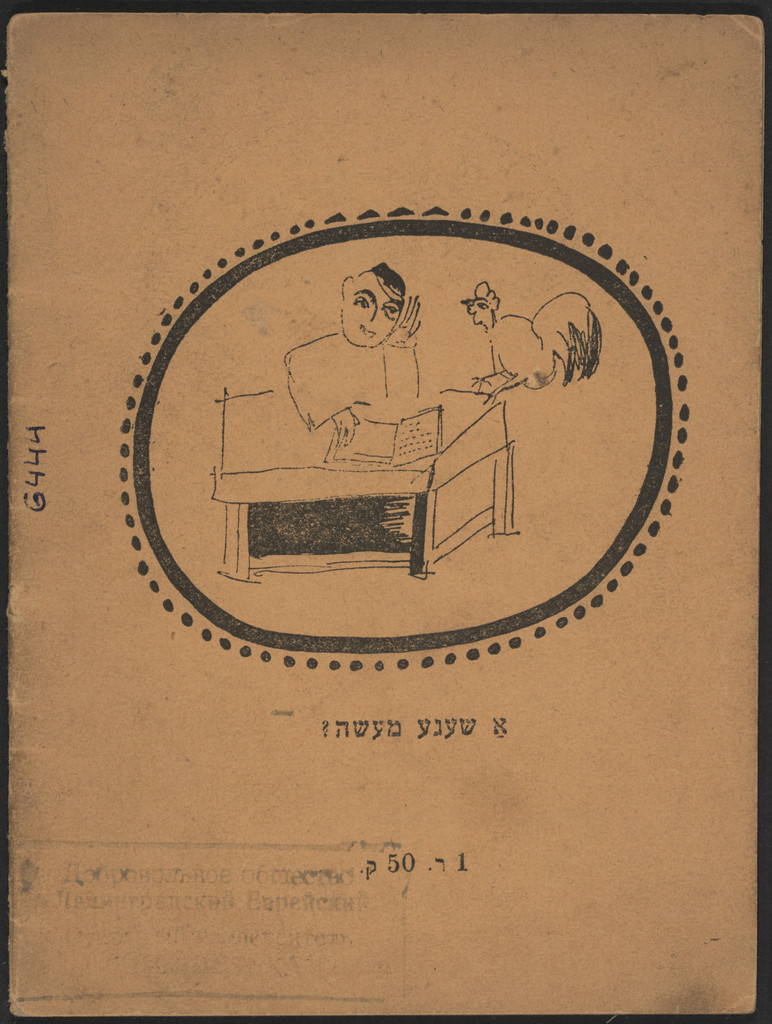
Di hun vos hot gevolt hoben a kam (The Hen that Wanted a Comb), El Lissitzky, 1919

Di hun vos hot gevolt hoben a kam (The Hen that Wanted a Comb)

1919 · Não exposta · Museu de Arte Moderna

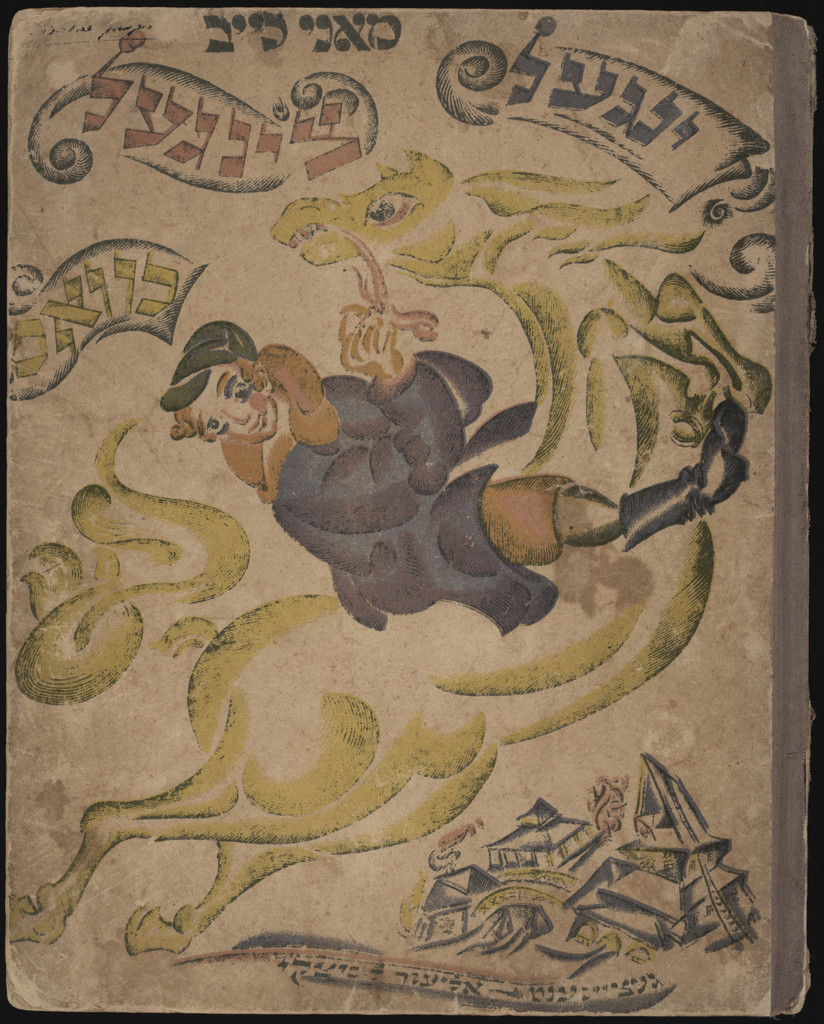
Yingl tsingl khvat (The Mischievous Boy), El Lissitzky, 1919

Yingl tsingl khvat (The Mischievous Boy)

1919 · Não exposta · Museu de Arte Moderna

Der milner, di milnerin, un di milshtayner (The Miller, His Wife, and Their Millstones), El Lissitzky, 1919

Der milner, di milnerin, un di milshtayner (The Miller, His Wife, and Their Millstones)

1919 · Não exposta · Museu de Arte Moderna

Vizinhas de sala: Museu de Arte Moderna

Página do museu
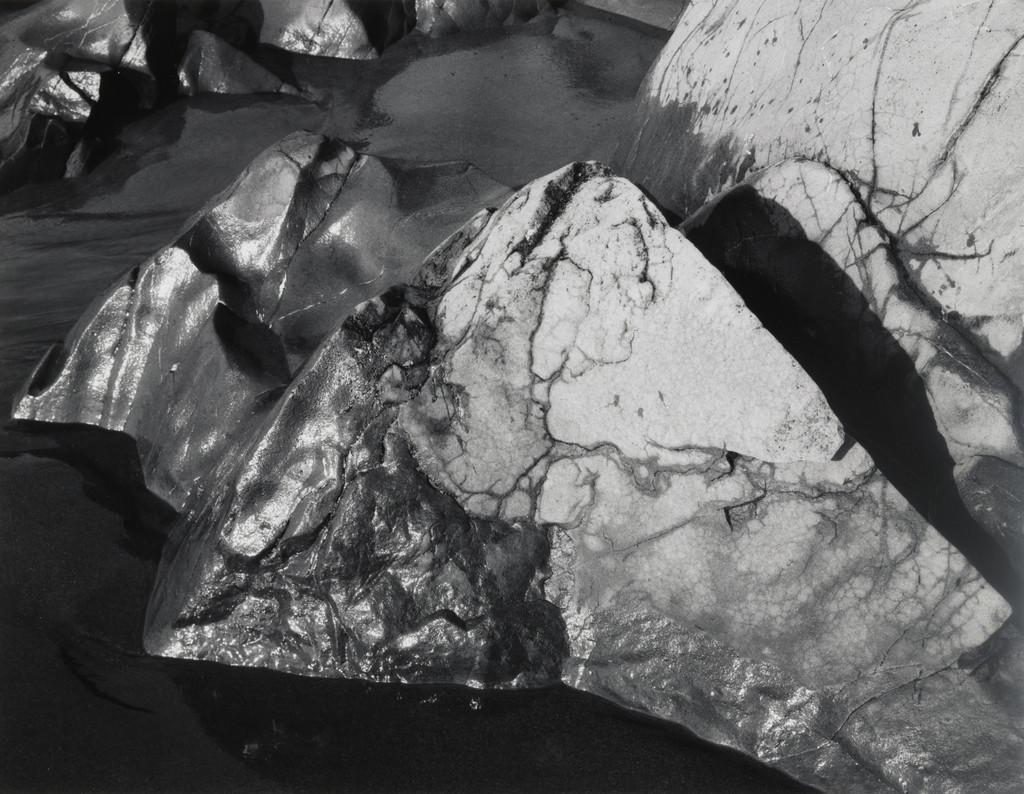
Rock, Bakers Beach, San Francisco, California, Ansel Adams, c. 1931

Ansel Adams

Rock, Bakers Beach, San Francisco, California, c. 1931

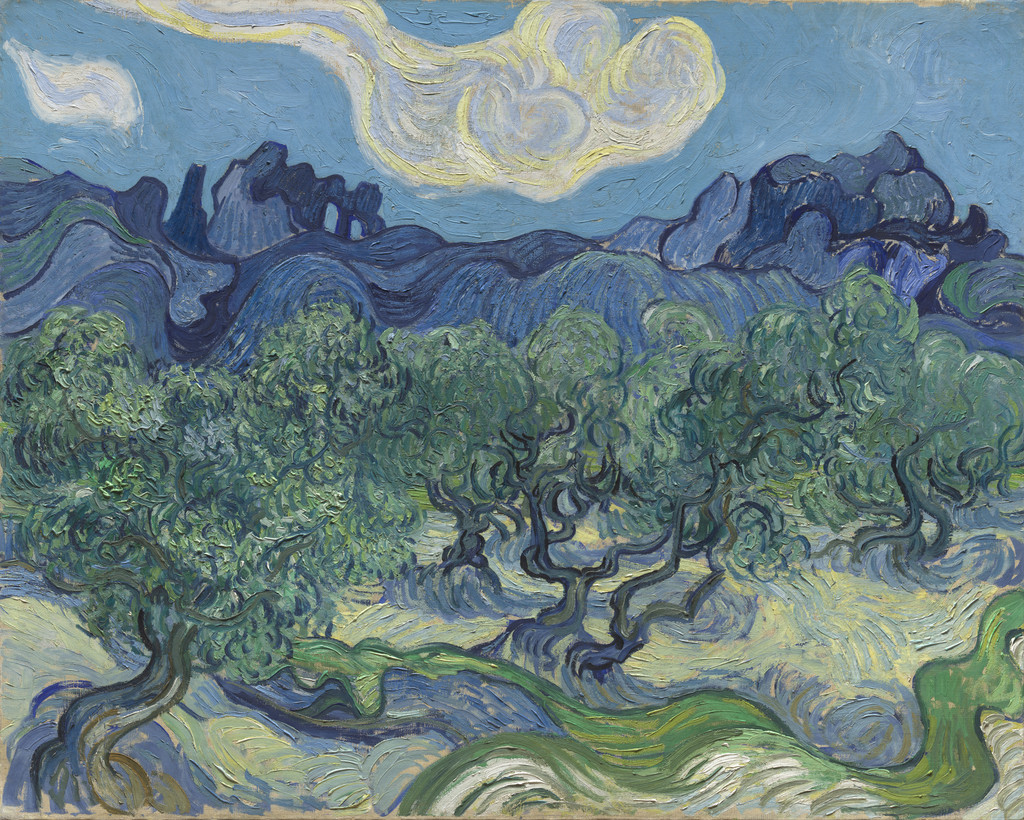
The Olive Trees, Vincent van Gogh, Saint Rémy, June-July 1889

Vincent van Gogh

The Olive Trees, Saint Rémy, June-July 1889

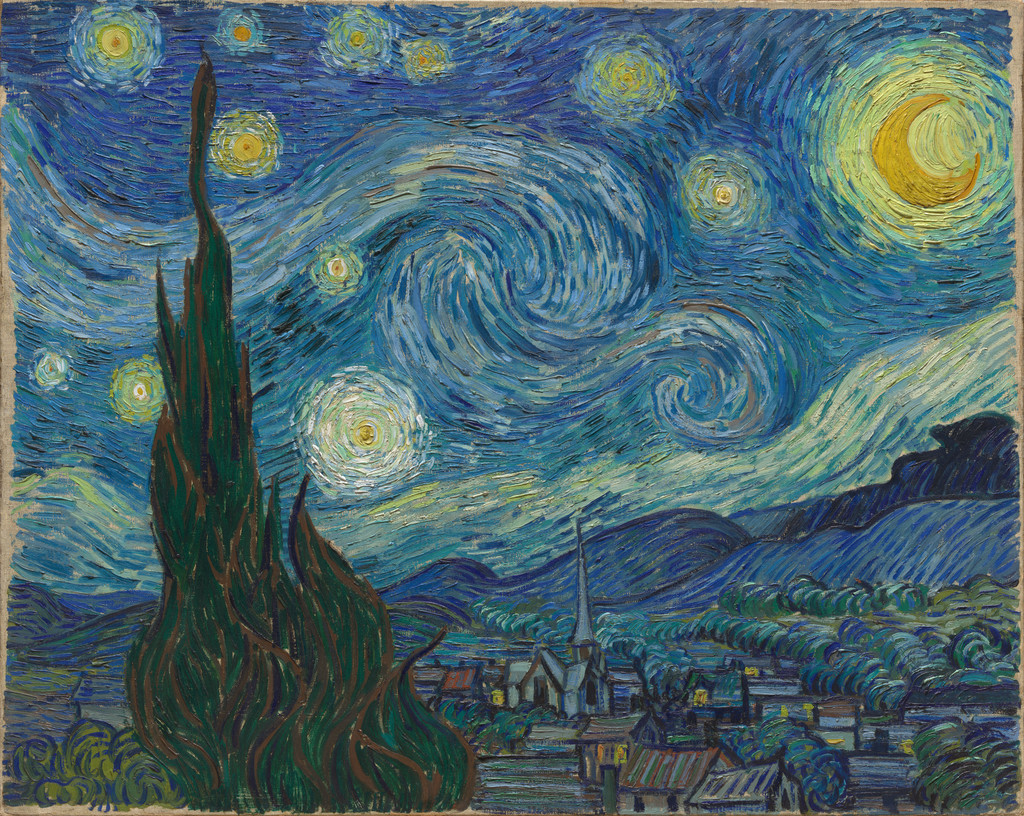
The Starry Night, Vincent van Gogh, Saint Rémy, June 1889

Vincent van Gogh

A Noite Estrelada, Saint Rémy, June 1889

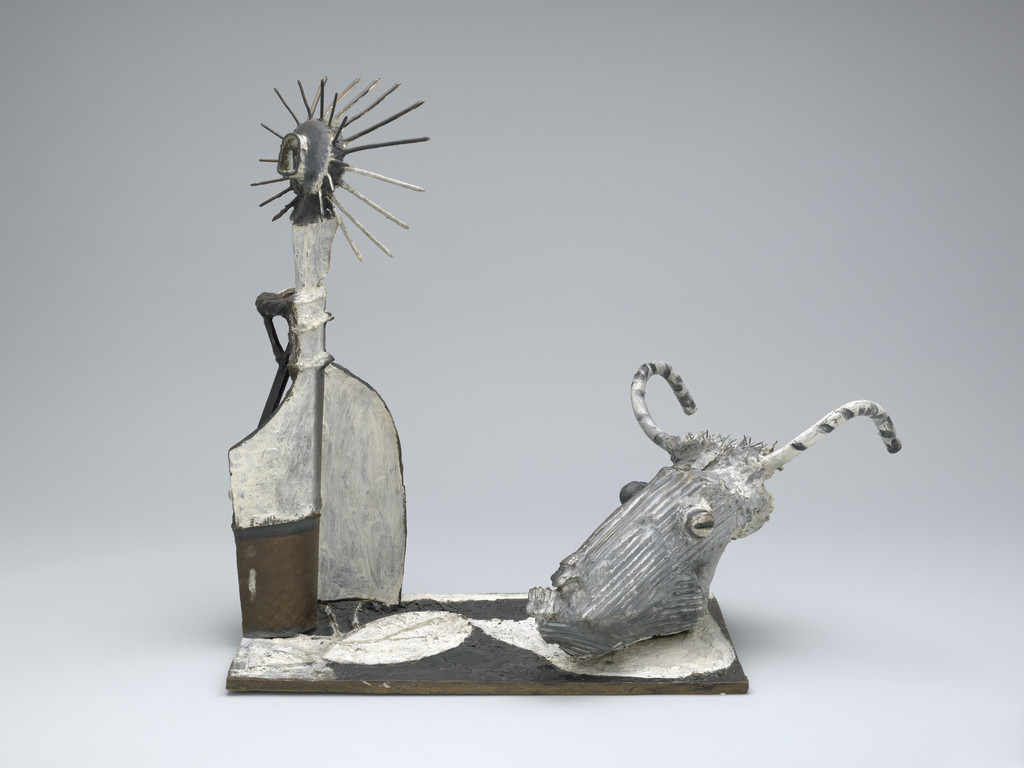
Goat Skull and Bottle, Pablo Picasso, Vallauris, 1951 (cast 1954)

Pablo Picasso

Goat Skull and Bottle, Vallauris, 1951 (cast 1954)

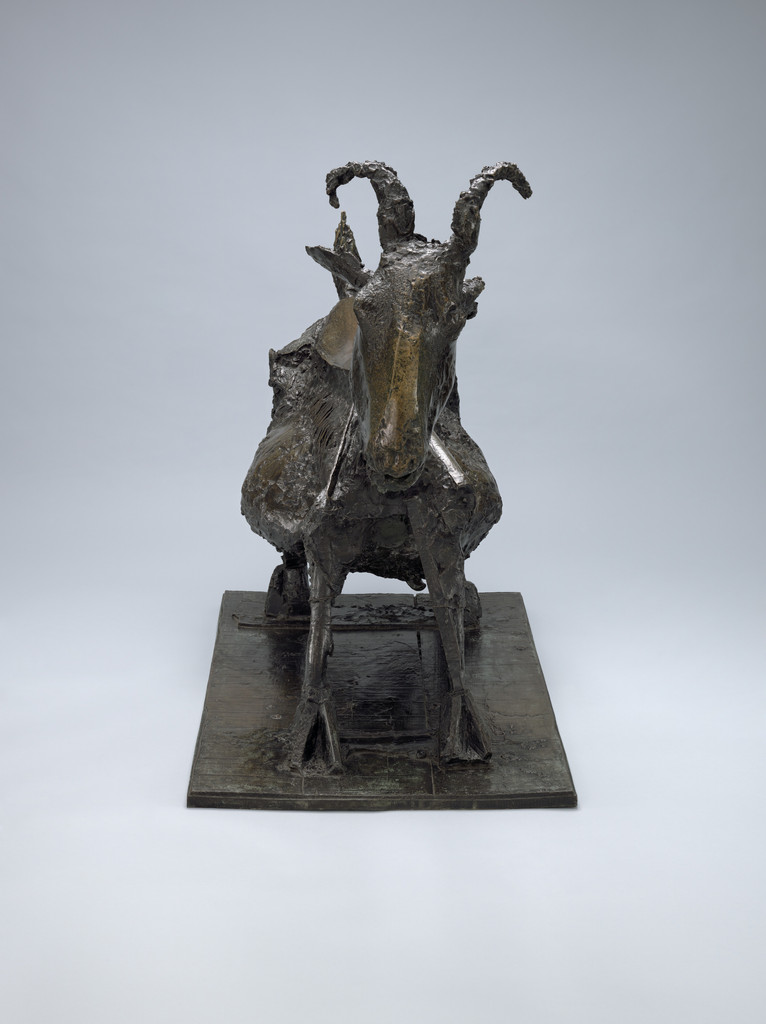
She-Goat, Pablo Picasso, Vallauris, 1950 (cast 1952)

Pablo Picasso

She-Goat, Vallauris, 1950 (cast 1952)

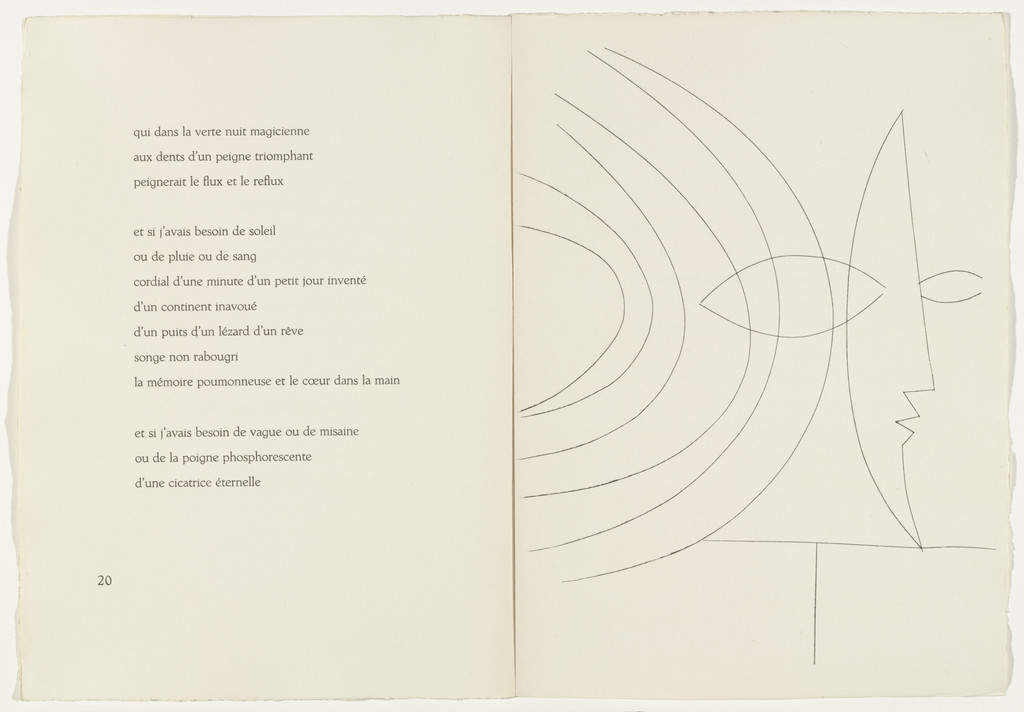
Face in Profile (plate, page 21) from Corps perdu, Pablo Picasso, 1949, published 1950

Pablo Picasso

Face in Profile (plate, page 21) from Corps perdu, 1949, published 1950

Coupling (plate, page 17) from Corps perdu, Pablo Picasso, 1949, published 1950

Pablo Picasso

Coupling (plate, page 17) from Corps perdu, 1949, published 1950

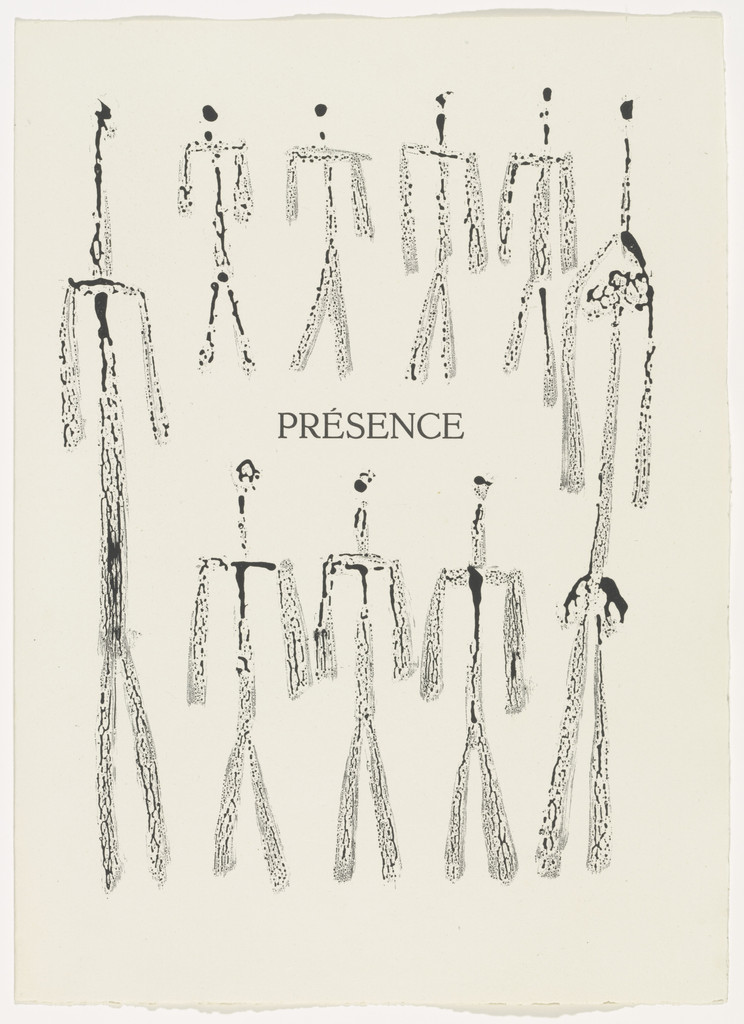
"Présence" (chapter title, page 13) from Corps perdu, Pablo Picasso, 1949, published 1950

Pablo Picasso

"Présence" (chapter title, page 13) from Corps perdu, 1949, published 1950