 Albrecht DürerAlemanha, 1471–1528
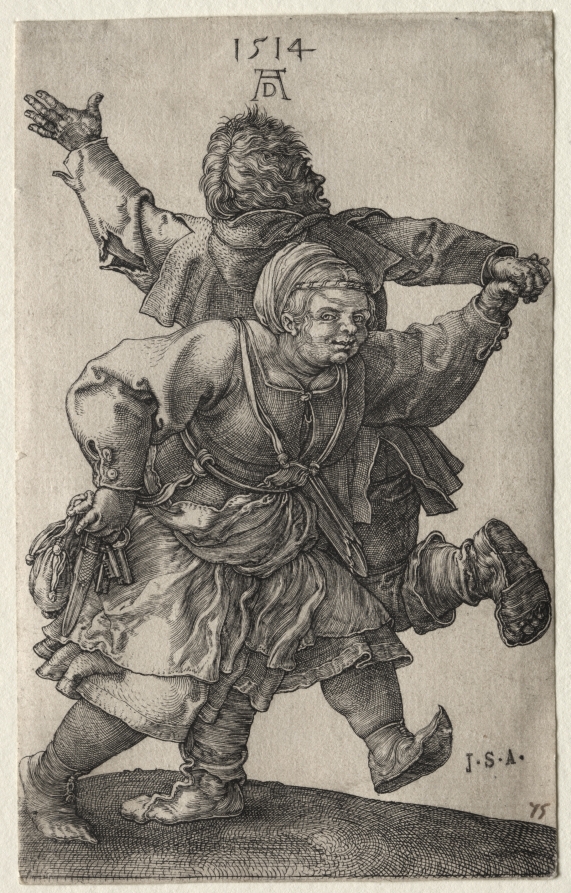
Peasant Couple Dancing
Será possível contemplá-la?
De momento, não recebe

Cleveland, Estados Unidos
Pertence à coleção, mas de momento não está exposta.
- Verificado
- Neste estado desde
- Fonte
- O museu
Sobre a obra
Since the 1400s, scenes of country peasants celebrating and dancing were common in northern art; such images often pictured the rural classes as rowdy, uncivilized, and prone to indulgence. In contrast, Dürer presented the country folk displayed here as monumental figures in extraordinary detail, thus elevating the subject. Dürer’s depictions are commentaries on social order and demonstrate his interests in humanity as well as the study of human proportion. Even though the role of gender in Dürer’s peasant scenes is scarcely discussed, he clearly locates the woman as the focal point of this engraving. As her companion hollers and waves his arm in reckless abandon, the stout woman appears deliberate in her movements. She gazes assertively at the viewer while drawing attention to the keys, purse, and knife at her waist—symbols of authority and power.
Museu de Arte de Cleveland
Pormenores
- Número de inventário
- 1993.190
O que mostra
No catálogo
Idas e vindas
De momento, não exposta
Museu de Arte de Cleveland · 29 de set. de 2026 — agora · Verificado
Não estava exposta
Galeria Nacional de Arte · 29 de set. de 2026 — 29 de set. de 2026 · Verificado
Não estava exposta
Museu de Arte de Cleveland · 28 de set. de 2026 — 29 de set. de 2026 · Verificado
Não estava exposta
Galeria Nacional de Arte · 28 de set. de 2026 — 28 de set. de 2026 · Verificado
Não estava exposta
Museu de Arte de Cleveland · 27 de set. de 2026 — 28 de set. de 2026 · Verificado
Não estava exposta
Galeria Nacional de Arte · 26 de set. de 2026 — 27 de set. de 2026 · Verificado
Não estava exposta
Museu de Arte de Cleveland · 26 de set. de 2026 — 26 de set. de 2026 · Verificado
Não estava exposta
Galeria Nacional de Arte · 25 de set. de 2026 — 26 de set. de 2026 · Verificado
Não estava exposta
Museu de Arte de Cleveland · 19 de ago. de 2026 — 25 de set. de 2026 · Verificado
Fontes
- Museu de Arte de Cleveland
- Imagem: Museu de Arte de Cleveland — Museum open access
Entretanto, na vida de Albrecht Dürer
A vida inteira1507–1528 · Local de trabalho
Nuremberg
1512
Emperor Maximilian I becomes his chief patron
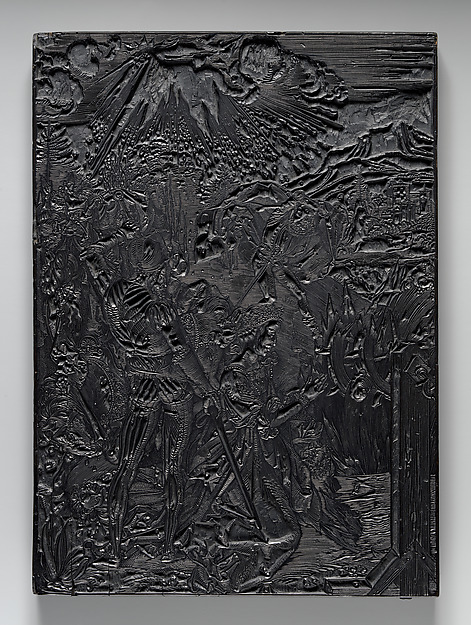
From 1512 Emperor Maximilian I was Dürer's chief patron. For him Dürer and his workshop produced the Triumphal Arch, a giant woodcut 295 × 357 cm printed from 192 blocks and modelled on the triumphal arches of ancient Rome.
3 January 1512
Nuremberg's privilege against forgeries
Nuremberg's city council granted Dürer a privilege for the sale of his prints, with penalties for anyone who forged them.
1513–1516
Three years without painting
Complaining that painting did not pay enough to justify the time compared with his prints, Dürer produced no paintings from 1513 to 1516.
1514
Death of his mother
In the year of Melencolia I and St Jerome in His Study, the artist's mother, Barbara Holper, died.
1515
A life pension from the emperor
The perpetually cash-strapped Maximilian could not pay on time and offered to exempt the artist from city taxes, which the Nuremberg Council opposed. At Dürer's request the emperor granted him a life pension of 100 guilders a year from the sums Nuremberg paid into the imperial treasury.
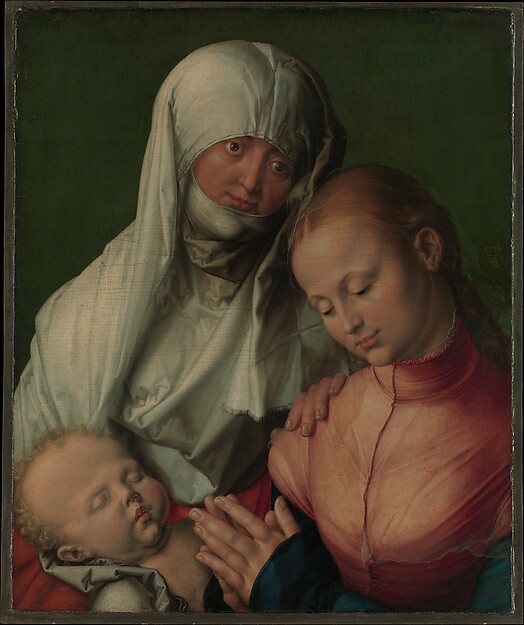
![Madonna and Child [obverse], Albrecht Dürer, c. 1496/1499](https://api.nga.gov/iiif/878db7e6-10ae-4cae-ba5d-6d6f5c413ae8/full/!2400,2400/0/default.jpg)
![Lot and His Daughters [reverse], Albrecht Dürer, c. 1496/1499](https://api.nga.gov/iiif/7565a449-f82a-414b-9bda-c93f55a51b4d/full/!2400,2400/0/default.jpg)
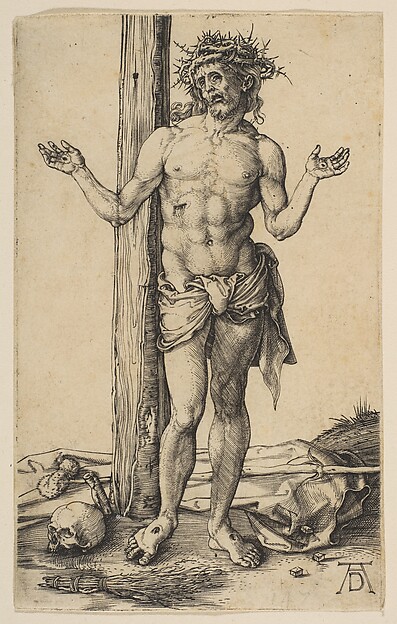



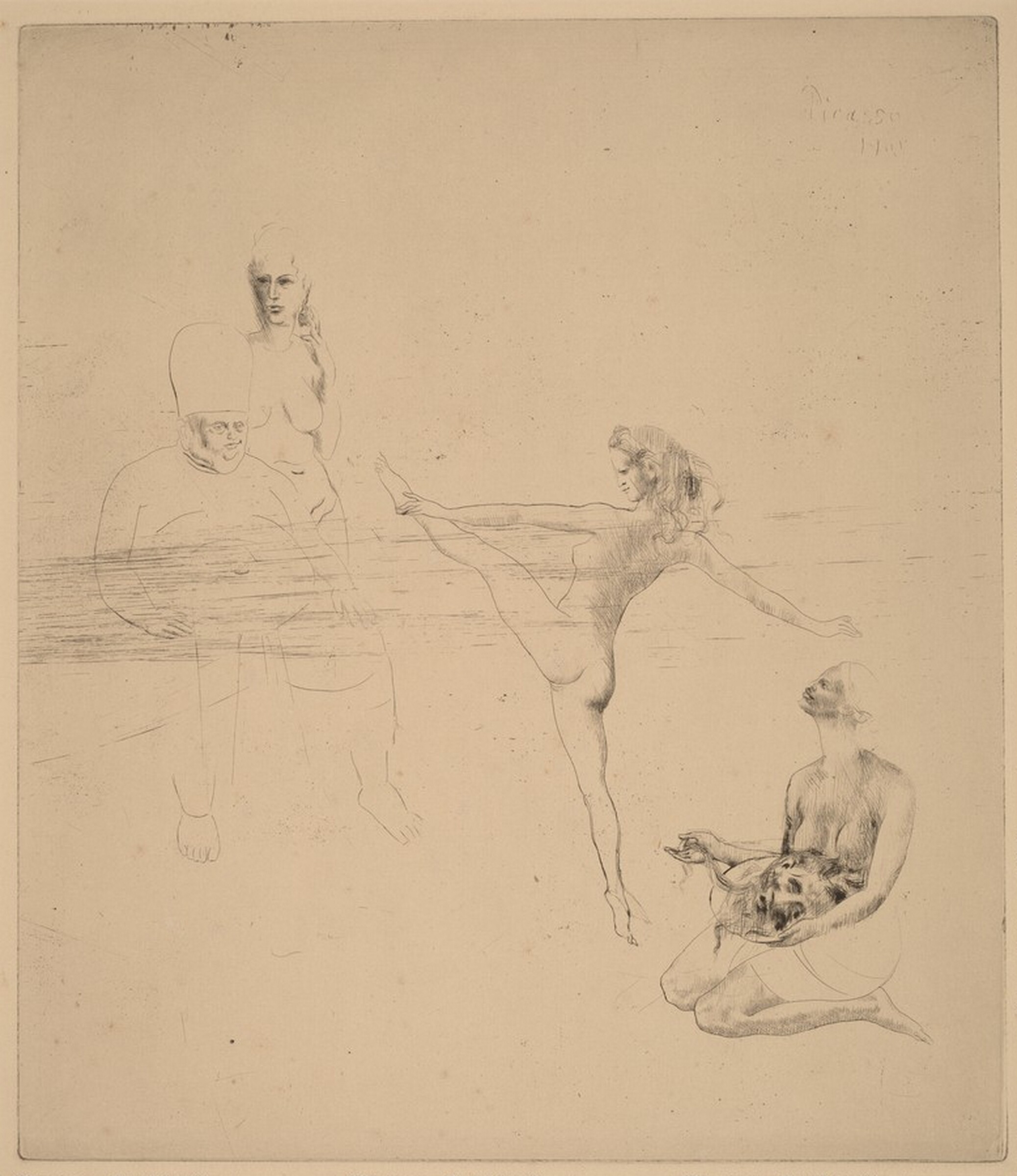
![The Barbaric Dance (Before Salomé and Hérod) [La danse barbare (devant Salomé et Hérode)], Pablo Picasso, 1905, published 1913](https://api.nga.gov/iiif/50a2abdc-52b3-49f7-af3f-2ef384c8f1d0/full/!2400,2400/0/default.jpg)


