ART WIKI32 963 em exposição
MapaColeçãoArtistasMuseusExposiçõesRevista
Entrar

ART WIKI

Onde está a obra-prima, e a que horas se abre a porta.

Coleções: Art Institute of Chicago, Galeria Nacional de Arte, Galeria Tretiakov, Getty Villa, Harvard Art Museums, Hermitage, Hirshhorn Museum and Sculpture Garden, Instituto de Artes de Minneapolis, Museu de Arte de Cleveland, Museu de Arte Moderna, Museu do Louvre, Museu Estatal de Amesterdão, Museu J. Paul Getty, Museu Metropolitano de Arte, Museu Nacional de Arte da Dinamarca, Museu Pushkin, Museu Russo, Museu Smithsoniano de Arte Americana, Museu Vitória e Alberto, Museu Whitney de Arte Americana, National Museum of Asian Art, National Portrait Gallery, Catálogo Estatal do Fundo Museológico da Rússia (274 museus), Europeana (19 museus), Wikidata (6 museus), Paris Musées (12 museus) e Joconde, a base de museus do Ministério da Cultura de França (495 museus). As imagens pertencem aos titulares dos direitos.

Secções

  • Mapa
  • Pesquisa
  • Coleção
  • Obras-primas
  • Em exposição agora
  • Artistas

Mais

  • Museus e galerias
  • Exposições
  • Revista
  • De onde vêm os dados
  • Privacidade e cookies
InícioMapaCatálogo
  1. Coleção/
  2. Museu Vitória e Alberto/
  3. Orpheus and Eurydice
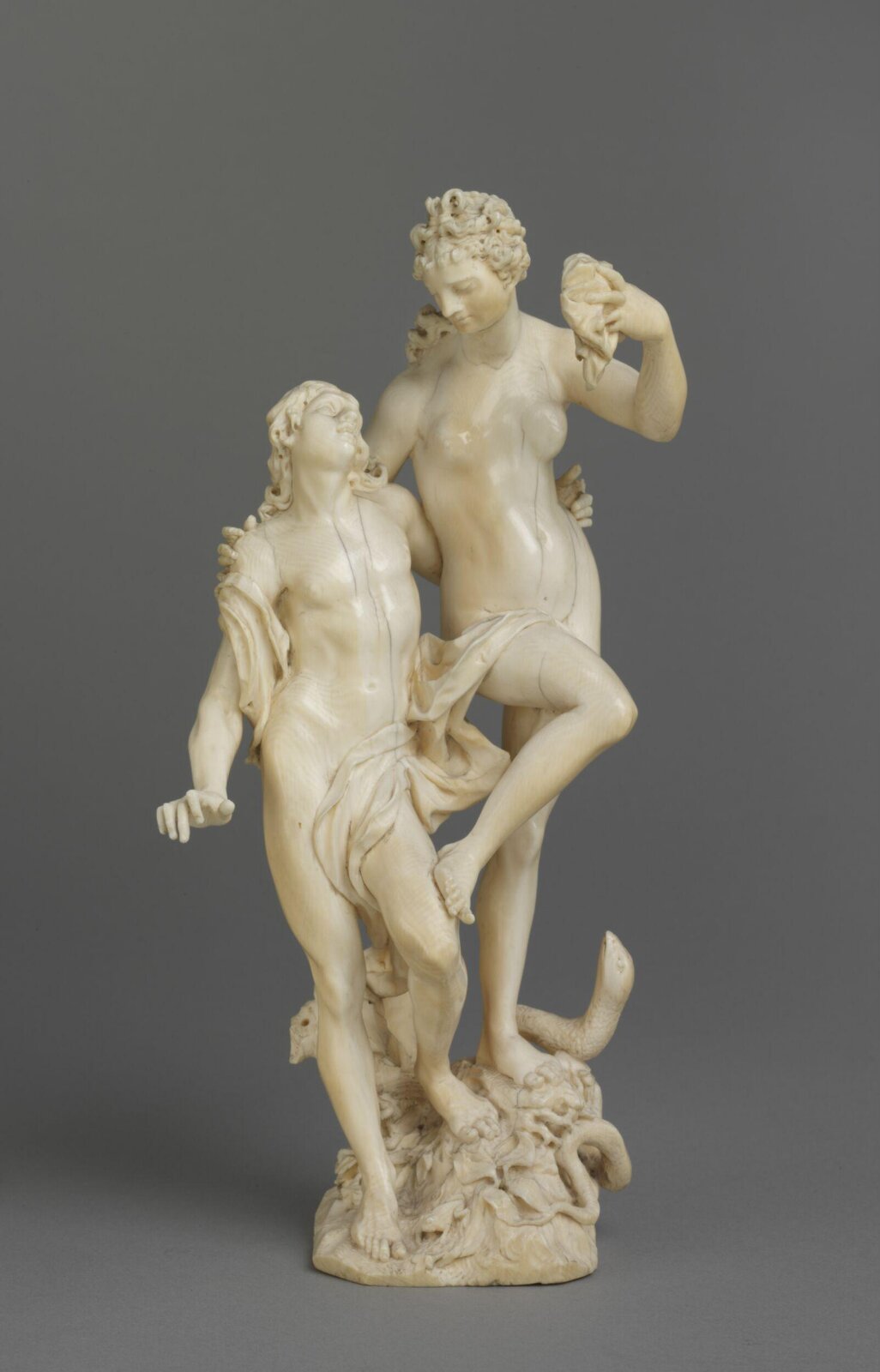
Orpheus and Eurydice, Johann Leonhard Baur, 1716
JJohann Leonhard Baur

Orpheus and Eurydice

1716 · Statuette

Sobre a escultura

The subject is taken from Ovid's Metamorphoses. Orpheus's wife Eurydice, bitten by a snake, descends into the underworld. Orpheus descends to bring her back to life and is told he must go ahead and not look back at her; he cannot resist turning round and so loses her for ever. Here the two semi-nude figures are shown with the snake at their feet. Eurydice rests her right foot on Orpheus's left thigh and embraces him with her right arm. She stands on a rocky mound with a tree stump slightly above him, and he gazes up at her. A frog is visible on the rocky base. A hole drilled into the tree stump may have been used to affix another animal, or perhaps an extra branch. Other holes are to be seen drilled into the foliage. The group is signed underneath the base with the inscription 'LEON BAUR/1716'.

Continuar a ler

The figure of Eurydice in particular is reminiscent of the female nudes by Giambologna (1529-1608), such as his bronze versions of the Woman Bathing, a composition which probably dates from the 1580s. The entwined figures recall perhaps even more forcefully the bronze figure groups by Giambologna's assistant and follower, Adriaen de Vries (1556-1626), such as his Hercules, Nessus and Deianara of 1603-8.

Baur (1681-1760) practised as both a sculptor and goldsmith. He trained in Augsburg under the sculptor Joseph Höschler (Heschler) from 1695-9, and then travelled, probably spending several years in Berlin, where he may have been influenced by the work of the sculptor and wax modeller Raimund Faltz, before returning to Augsburg, where he was working as a sculptor by 1708. He carved stone sculpture, and also produced designs for silver and furniture, as well as executing small-scale reliefs in wood, based on engraved sources.

Museu Vitória e Alberto

Pormenores

Número de inventário
A.49-1926

Mais obras de Johann Leonhard Baur

Todas as obras

Na mesma sala · Europe 1600-1815, Room 6, The Lisa and Bernard Selz Gallery, Museu Vitória e Alberto

Página do museu

Sobre o mesmo tema · Orpheus

Todas as obras sobre o tema

Será possível contemplá-la?

Sim, recebe visitas

Museu Vitória e Alberto

Londres, Reino Unido

SalaEurope 1600-1815, Room 6, The Lisa and Bernard Selz Gallery

Exposta ao público. Quem o garante vem indicado abaixo.

Verificado
há 12 dias
Neste estado desde
25 de set. de 2026
Fonte
O museu
No mapaPágina do museu

O que mostra

OrpheusEurydice

No catálogo

EsculturaBarrocoSéculo XVIIIAugsburg

Fontes

  • Museu Vitória e Alberto
  • Imagem: Museu Vitória e Alberto — © Victoria and Albert Museum, London
Standing Youth, Johann Leonhard Baur, 1710

Standing Youth

1710 · Museu Vitória e Alberto

The Blessed Ambrogio Sansedoni Visited by the Devil, Massimiliano Soldani, ca. 1700

Massimiliano Soldani Benzi

The Blessed Ambrogio Sansedoni Visited by the Devil, ca. 1700

An Allegory of Triumph, Francesco Bertos, ca. 1700

Francesco Bertos

An Allegory of Triumph, ca. 1700

The Blessed Ambrogio Sansedoni Feeding the Pilgrims, Massimiliano Soldani Benzi, ca. 1692-1700

Massimiliano Soldani Benzi

The Blessed Ambrogio Sansedoni Feeding the Pilgrims, ca. 1692-1700

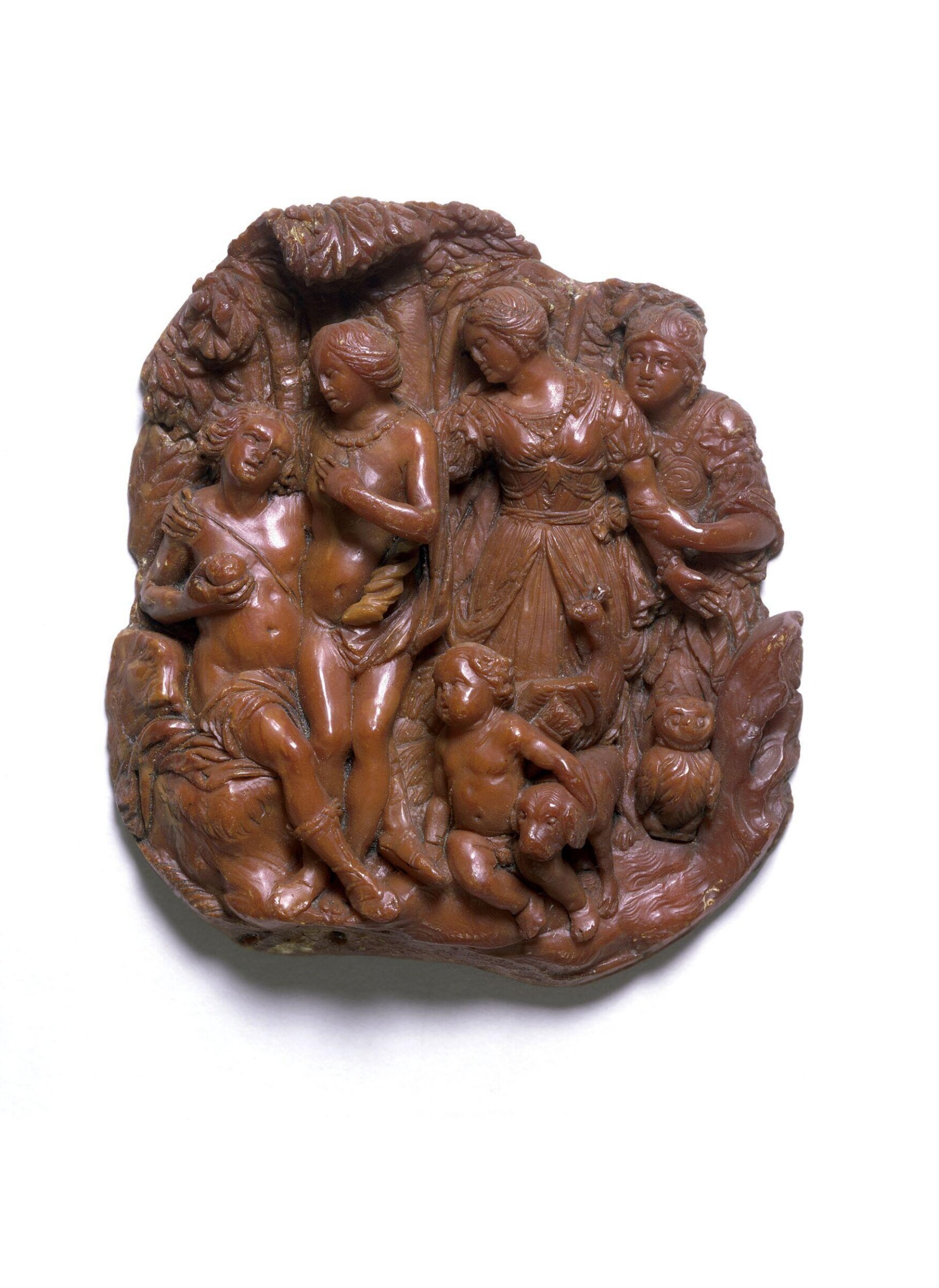
The Judgement of Paris, Christoph Maucher, 1690-1700

Christoph Maucher

The Judgement of Paris, 1690-1700

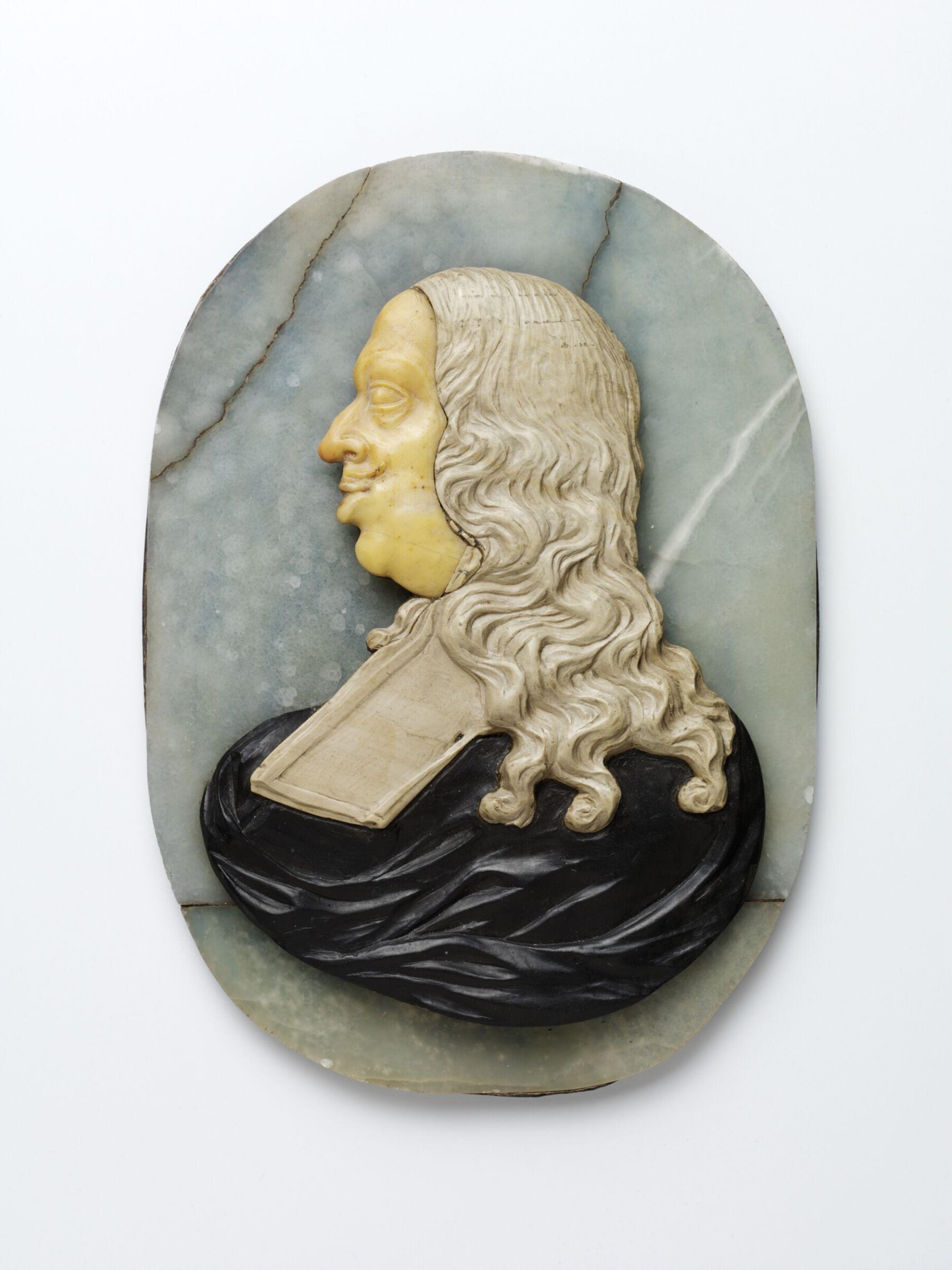
Cosimo III de' Medici, Giuseppe Antonio Torricelli, ca. 1680-1694

Giuseppe Antonio Torricelli

Cosimo III de' Medici, ca. 1680-1694

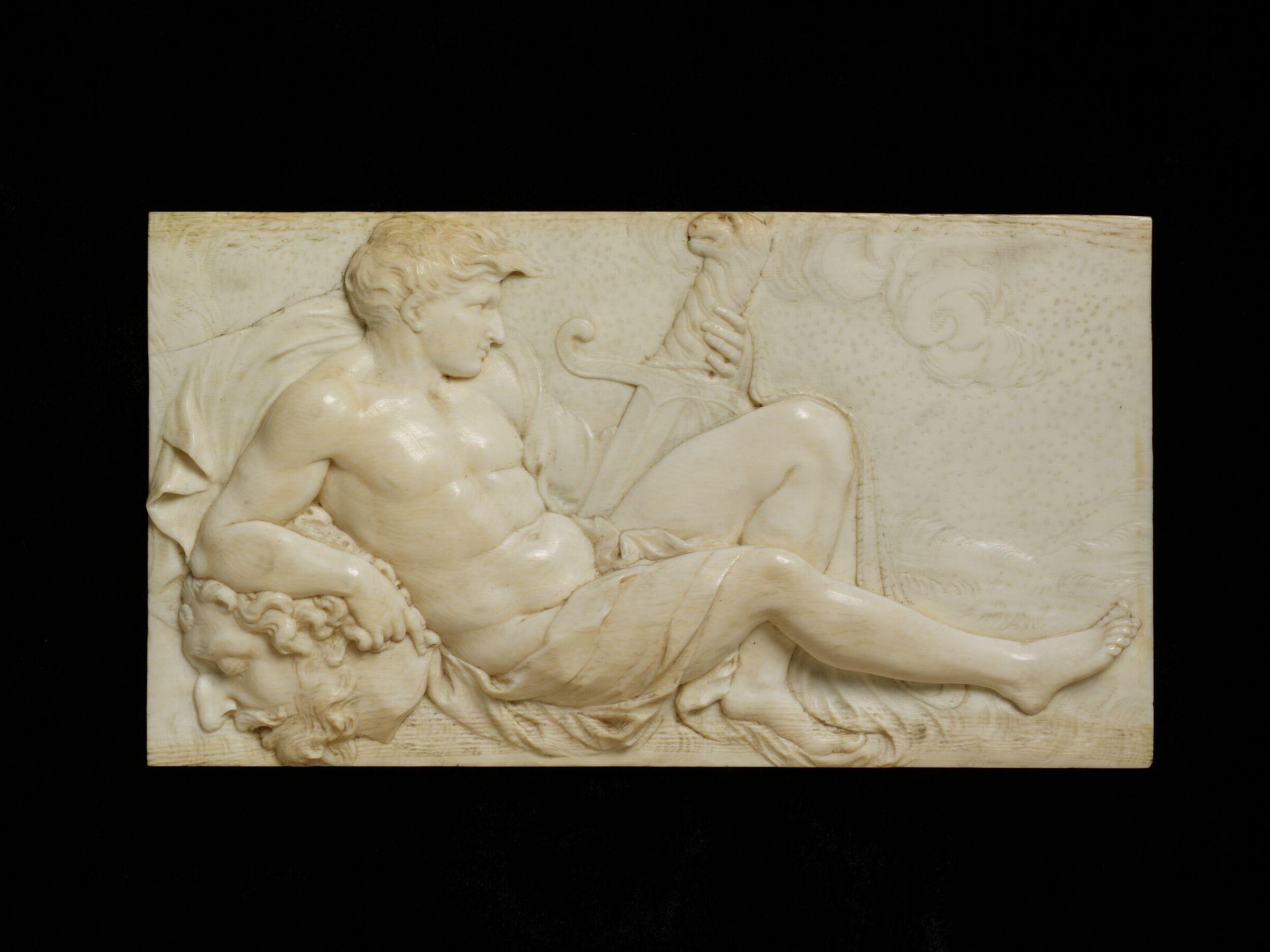
David and Goliath, Francis van Bossuit, ca. 1675 - ca. 1692

Francis van Bossuit

David and Goliath, ca. 1675 - ca. 1692

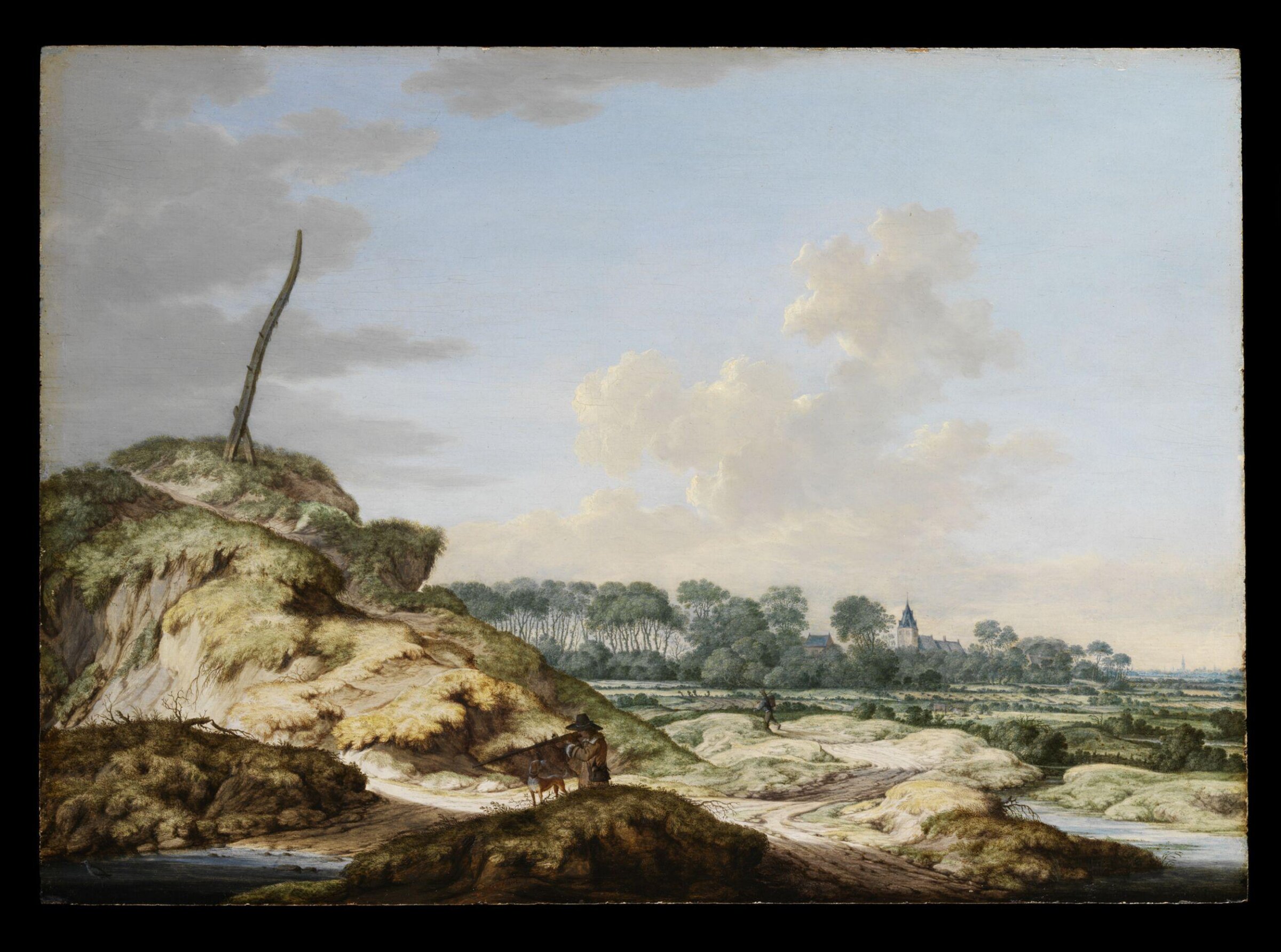
A View of the Island of Walcheren, with the castle of Westhoven, Johannes Goedaert, ca. 1660

Johannes Goedaert

A View of the Island of Walcheren, with the castle of Westhoven, ca. 1660

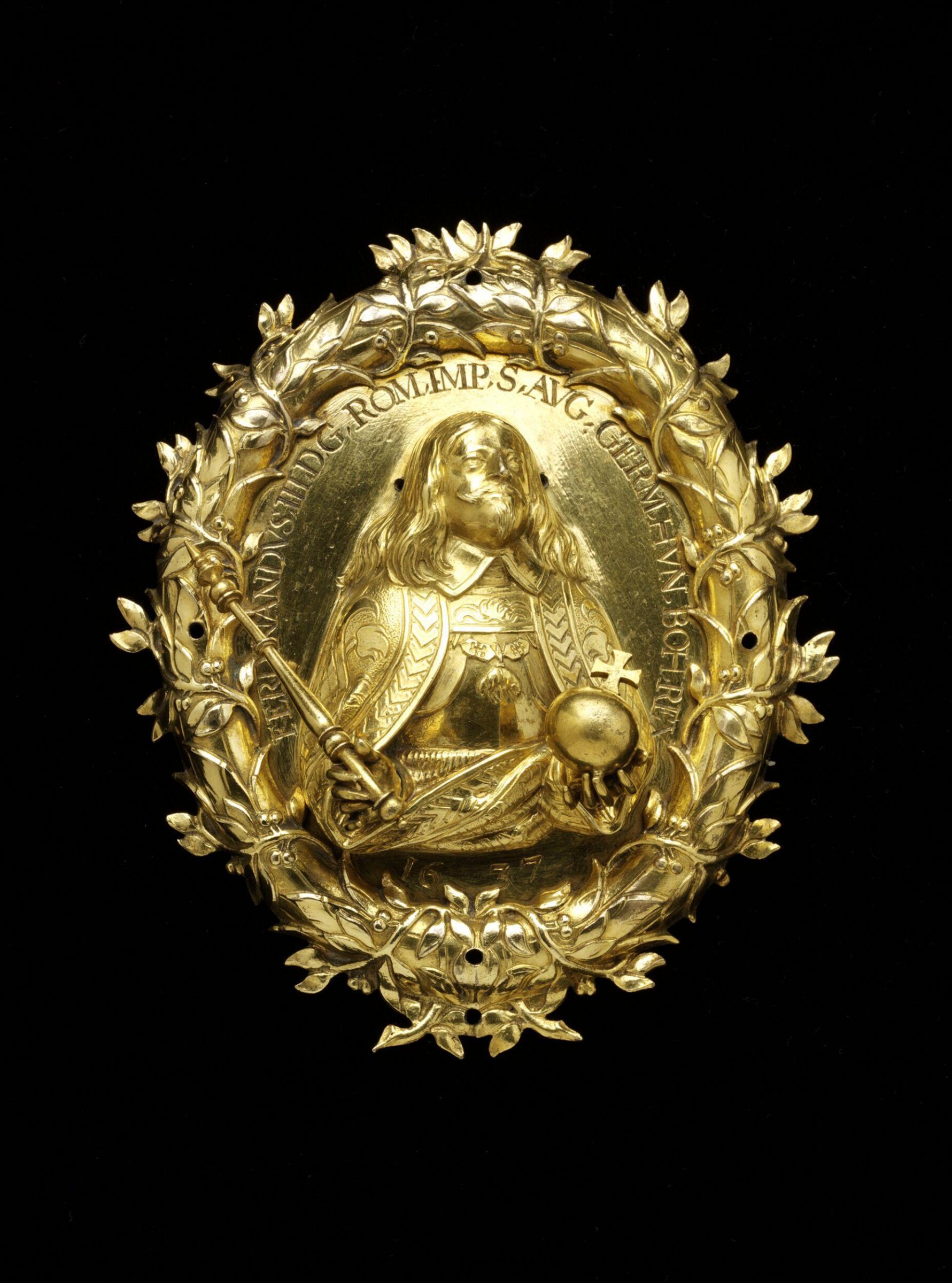
Ferdinand III, 1650-75

Ferdinand III, 1650-75

Orpheus and Eurydice, Auguste Rodin, modeled ca. 1887, carved 1893

Auguste Rodin

Orpheus and Eurydice, modeled ca. 1887, carved 1893

Museu Metropolitano de Arte

Orpheus and Eurydice, Sir Edward Coley Burne-Jones

Edward Burne-Jones

Orpheus and Eurydice

Não exposta · Galeria Nacional de Arte

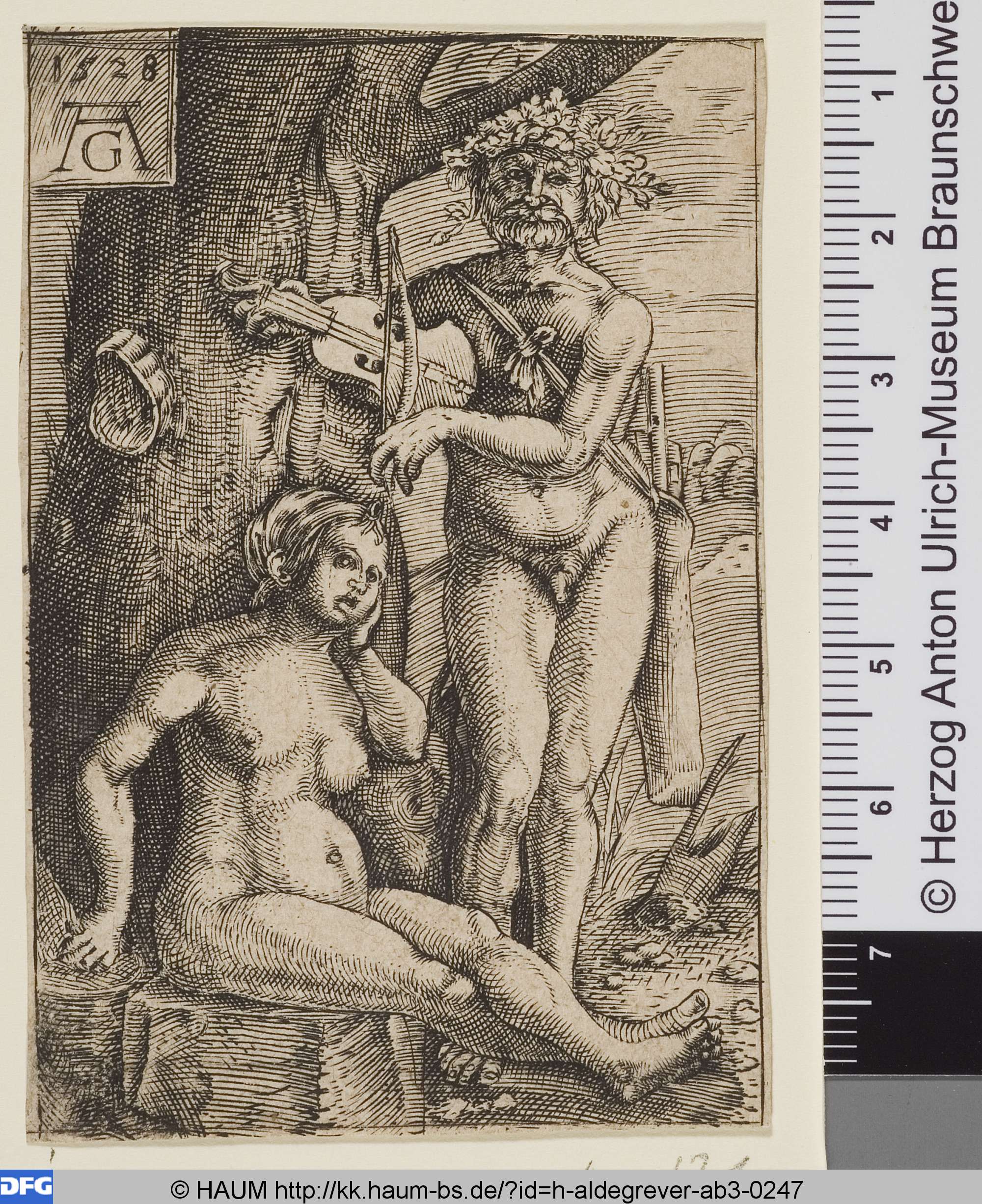
Orpheus und Eurydice, Heinrich Aldegrever, 1528

Heinrich Aldegrever

Orpheus und Eurydice, 1528

Herzog Anton Ulrich-Museum

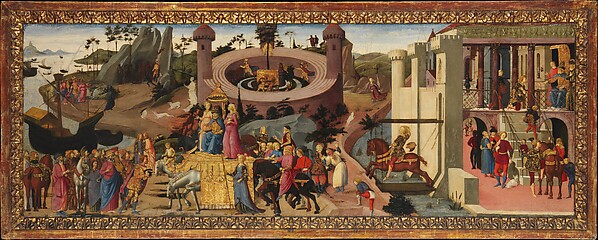
Scenes from the Story of the Argonauts, Biagio d'Antonio

Biagio d'Antonio

Scenes from the Story of the Argonauts

Museu Metropolitano de Arte

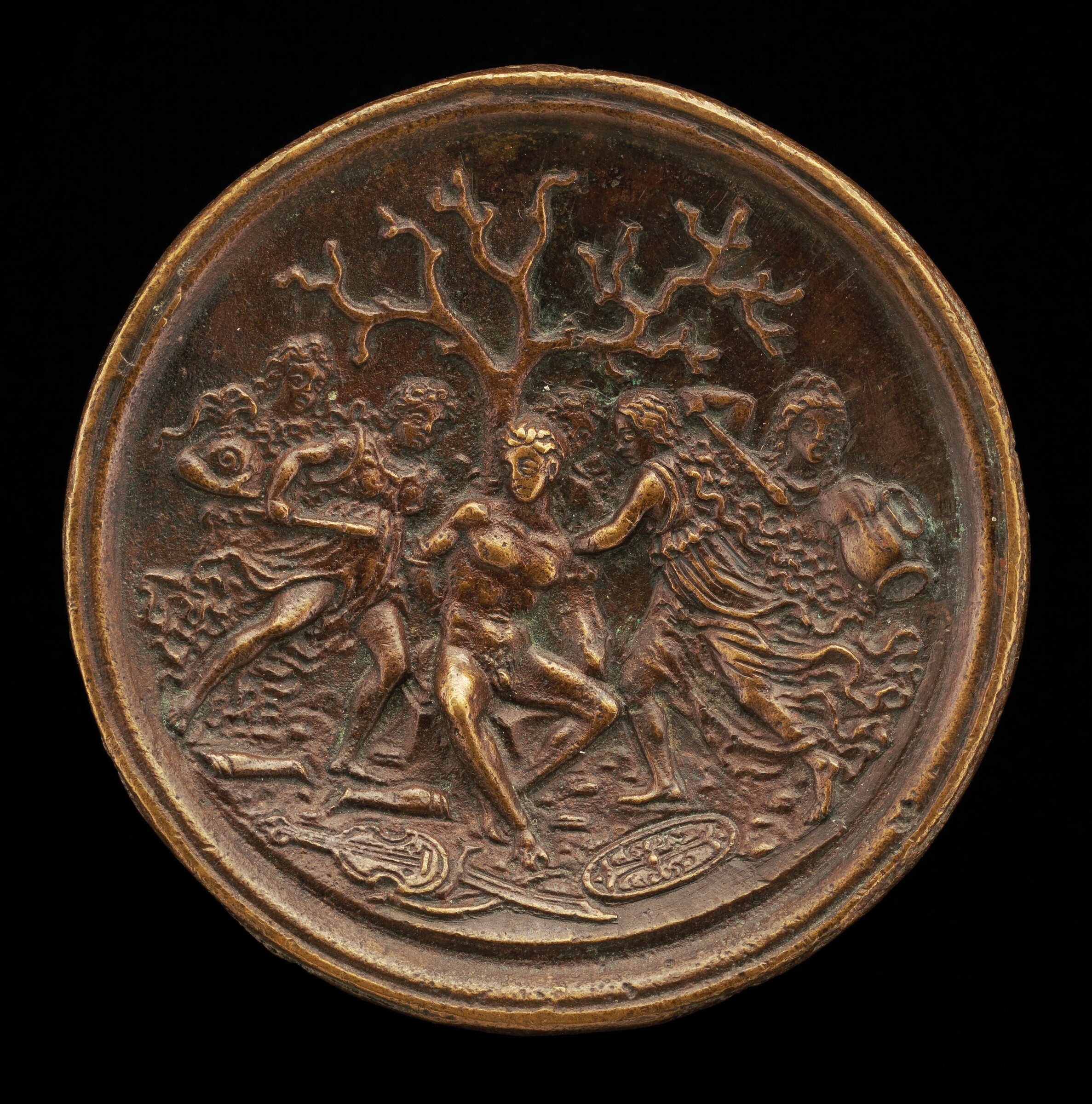
Orpheus Losing Eurydice, Attributed to Moderno, late 15th - early 16th century

Moderno

Orpheus Losing Eurydice, late 15th - early 16th century

Galeria Nacional de Arte

Orpheus Charming the Beasts of the Fields, Moderno, late 15th - early 16th century

Moderno

Orpheus Charming the Beasts of the Fields, late 15th - early 16th century

Galeria Nacional de Arte

The Death of Orpheus, Attributed to Moderno, late 15th - early 16th century

Moderno

The Death of Orpheus, late 15th - early 16th century

Galeria Nacional de Arte

Orpheus Playing to the Animals, Attributed to Moderno, late 15th - early 16th century

Moderno

Orpheus Playing to the Animals, late 15th - early 16th century

Não exposta · Galeria Nacional de Arte