ART WIKI33 040 em exposição
MapaColeçãoArtistasMuseusExposiçõesRevista
Entrar

ART WIKI

Onde está a obra-prima, e a que horas se abre a porta.

Coleções: Art Institute of Chicago, Galeria Nacional de Arte, Galeria Tretiakov, Getty Villa, Harvard Art Museums, Hermitage, Hirshhorn Museum and Sculpture Garden, Instituto de Artes de Minneapolis, Museu de Arte de Cleveland, Museu de Arte Moderna, Museu do Louvre, Museu Estatal de Amesterdão, Museu J. Paul Getty, Museu Metropolitano de Arte, Museu Nacional de Arte da Dinamarca, Museu Pushkin, Museu Russo, Museu Smithsoniano de Arte Americana, Museu Vitória e Alberto, Museu Whitney de Arte Americana, National Museum of Asian Art, National Portrait Gallery, Catálogo Estatal do Fundo Museológico da Rússia (274 museus), Europeana (19 museus), Wikidata (6 museus), Paris Musées (12 museus) e Joconde, a base de museus do Ministério da Cultura de França (495 museus). As imagens pertencem aos titulares dos direitos.

Secções

  • Mapa
  • Pesquisa
  • Coleção
  • Obras-primas
  • Em exposição agora
  • Artistas

Mais

  • Museus e galerias
  • Exposições
  • Revista
  • De onde vêm os dados
  • Privacidade e cookies
InícioMapaCatálogo
  1. Coleção/
  2. Art Institute of Chicago/
  3. Nightmare (Cauchemar)
Nightmare (Cauchemar), Jean Cocteau, c. 1924
Jean Cocteau, retratoJean CocteauFrança, 1889–1963

Nightmare (Cauchemar)

c. 1924 · Drawing and Watercolor

Será possível contemplá-la?

De momento, não recebe

Art Institute of Chicago

Chicago, Estados Unidos

Pertence à coleção, mas de momento não está exposta.

Verificado
há 9 dias
Neste estado desde
19 de ago. de 2026
Fonte
O museu
No mapaPágina do museu

Sobre a obra

Cocteau is best known for his work as a writer and film director. He received his earliest notoriety for the 1917 ballet, Parade, that he produced for Diaghilev, with choreography by Leonide Massine, sets by Pablo Picasso, and music by Erik Satie. It was for this work that Guillaume Apollinaire, writing critically, coined the prophetic term "surreal." Cocteau saw himself as the invisible man who made the invisible world visible. Nightmare is clearly an image drawn from the subconscious, a condition that was exaggerated by Cocteau's addiction to opium, a drug he began using to abate his depression after the death in 1923 of his protege, the young novelist Raymond Radiguet. In Nightmare the dismembered hand and its exaggerated size bespeak the effect of opium on a keen and alert intellect in agony. The artist described these violently expressive drawings as "screams of suffering in slow motion."

Art Institute of Chicago · CC BY 4.0

Pormenores

c. 1924
18891963
Número de inventário
1996.4

No catálogo

Desenhos e aguarelasGrafiteModernismoSéculo XXFrança

Fontes

  • Art Institute of Chicago
  • Imagem: Art Institute of Chicago — © the artist or rights holder

Entretanto, na vida de Jean Cocteau

A vida inteira
  1. 1918–1923

    Friendship with Raymond Radiguet

    In 1918 he met the poet Raymond Radiguet; they collaborated on literary projects and travelled together, and Cocteau helped him obtain exemption from military service, arranged for Grasset to publish his novel “Le Diable au corps,” and used his influence to have it awarded the “Nouveau Monde” prize.

  2. early 1920s

    Initiator of the composers’ group Les Six

    Together with Erik Satie and with the support of the critic Henri Collet he initiated the group of young composers known as Les Six, modelled on the Russian “Mighty Handful”; Cocteau said the group was held together less by aesthetics than by ethics.

  3. early 1920s

    The bar Le Boeuf sur le Toit

    In the early twenties he and other members of Les Six frequented the wildly popular bar Le Boeuf sur le Toit, whose name he had a hand in choosing; its popularity was due in no small measure to the presence of Cocteau and his friends.

  4. 1923

    The death of Raymond Radiguet

    There is disagreement over Cocteau’s reaction to Radiguet’s sudden death: some say he was stunned and despondent, others point out that he did not attend the funeral (he generally did not) and left Paris at once with Diaghilev for a performance of “Les Noces” by the Ballets Russes at Monte Carlo.

  5. 1923

    Opium addiction

    By Cocteau’s own account his opium addiction was only a coincidence, the result of a chance meeting with Louis Laloy, administrator of the Monte Carlo Opera; his opium use and his efforts to stop profoundly changed his literary style.

  6. 1926

    The exhibition “Poésie plastique — objets, dessins”

    “Orphée” was quickly followed by an exhibition of his drawings and “constructions” called “Poésie plastique — objets, dessins.”
Mais obras de Jean Cocteau

Todas as obras
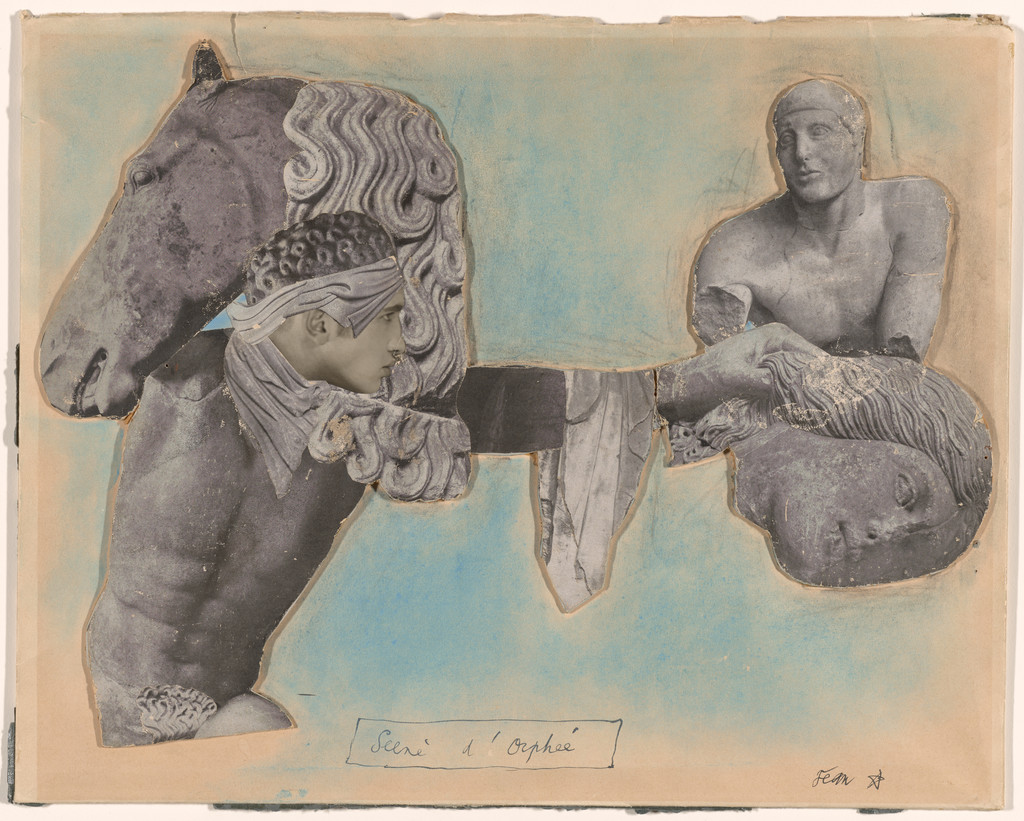
Scene of Orpheus (Scène d'Orphée), Jean Cocteau, n.d.

Scene of Orpheus (Scène d'Orphée)

n.d. · Não exposta · Museu de Arte Moderna

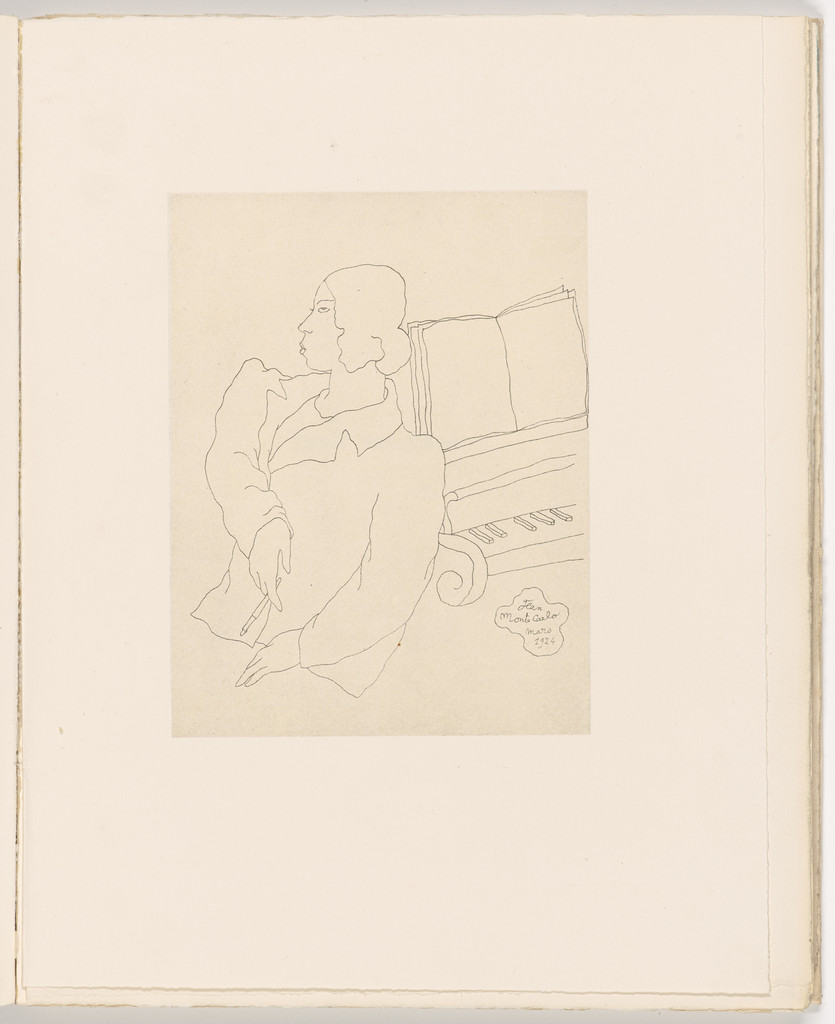
Frontispiece (folio 3) from Les Biches, vol. I, Jean Cocteau, 1924

Frontispiece (folio 3) from Les Biches, vol. I

1924 · Não exposta · Museu de Arte Moderna

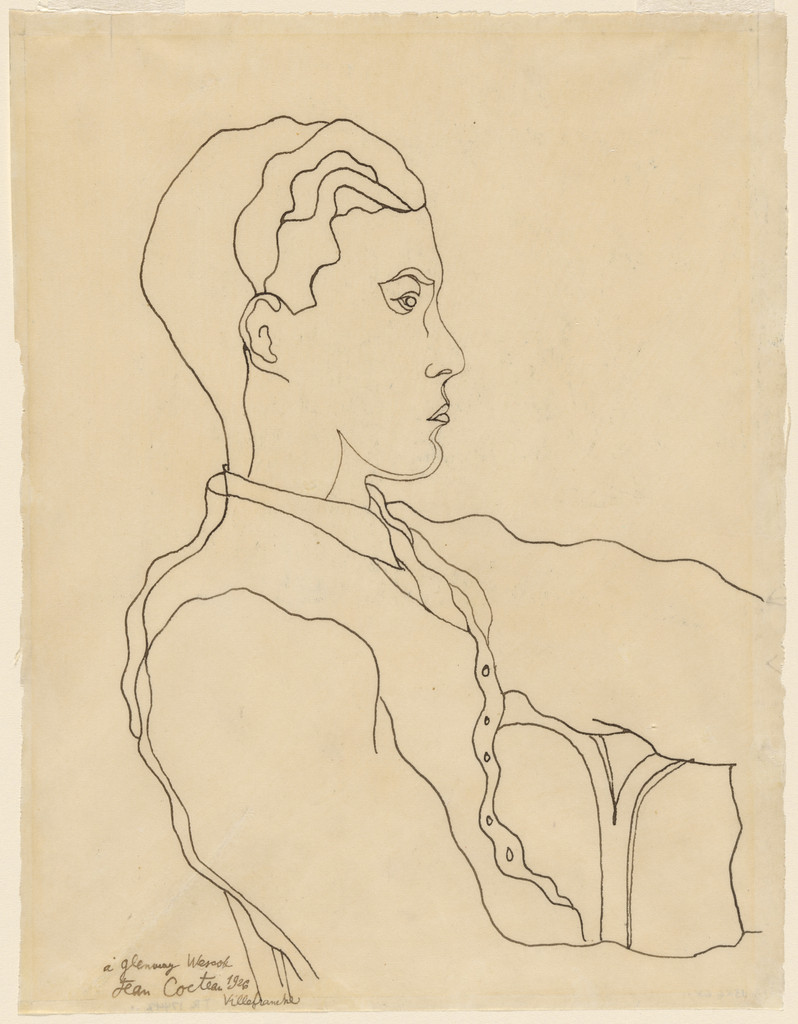
Glenway Wescott, Jean Cocteau, 1926

Glenway Wescott

1926 · Não exposta · Museu de Arte Moderna

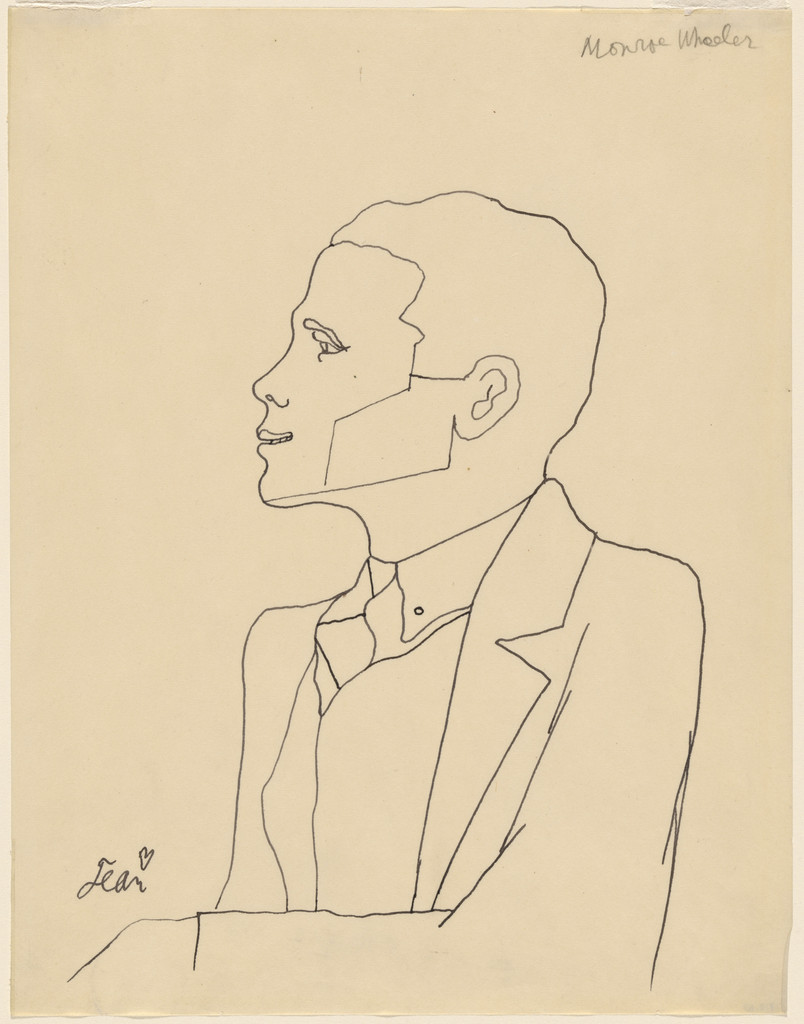
Monroe Wheeler, Jean Cocteau, 1927

Monroe Wheeler

1927 · Não exposta · Museu de Arte Moderna

A Boy in Profile, Jean Cocteau, c. 1930

A Boy in Profile

c. 1930 · Não exposta · Museu de Arte Moderna

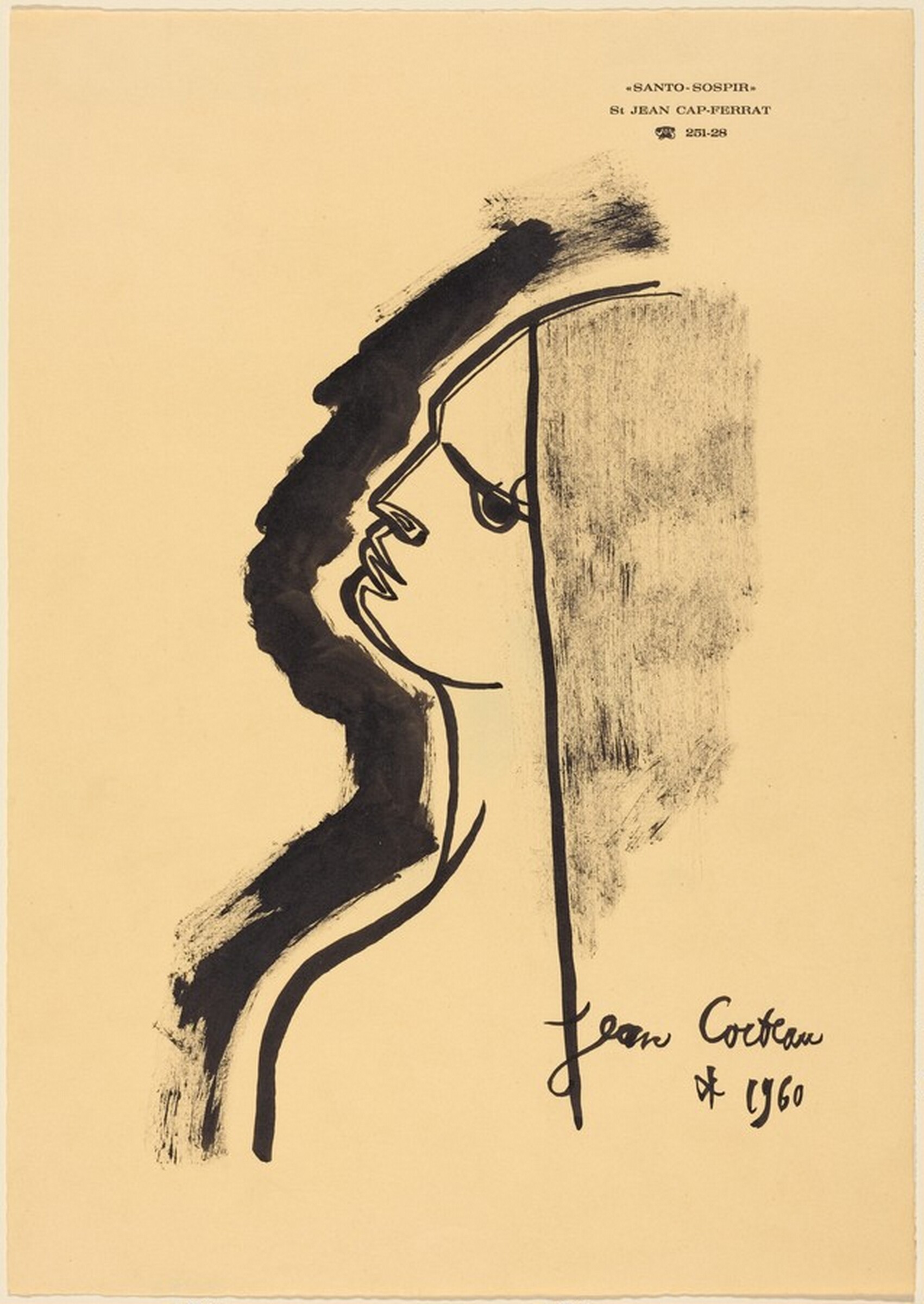
Profile Head of a Woman, Jean Cocteau, 1960

Profile Head of a Woman

1960 · Não exposta · Galeria Nacional de Arte

Maison de Santé, Jean Cocteau, n.d.

Maison de Santé

n.d. · Não exposta · Art Institute of Chicago

Bust, Jean Cocteau, early 20th century

Bust

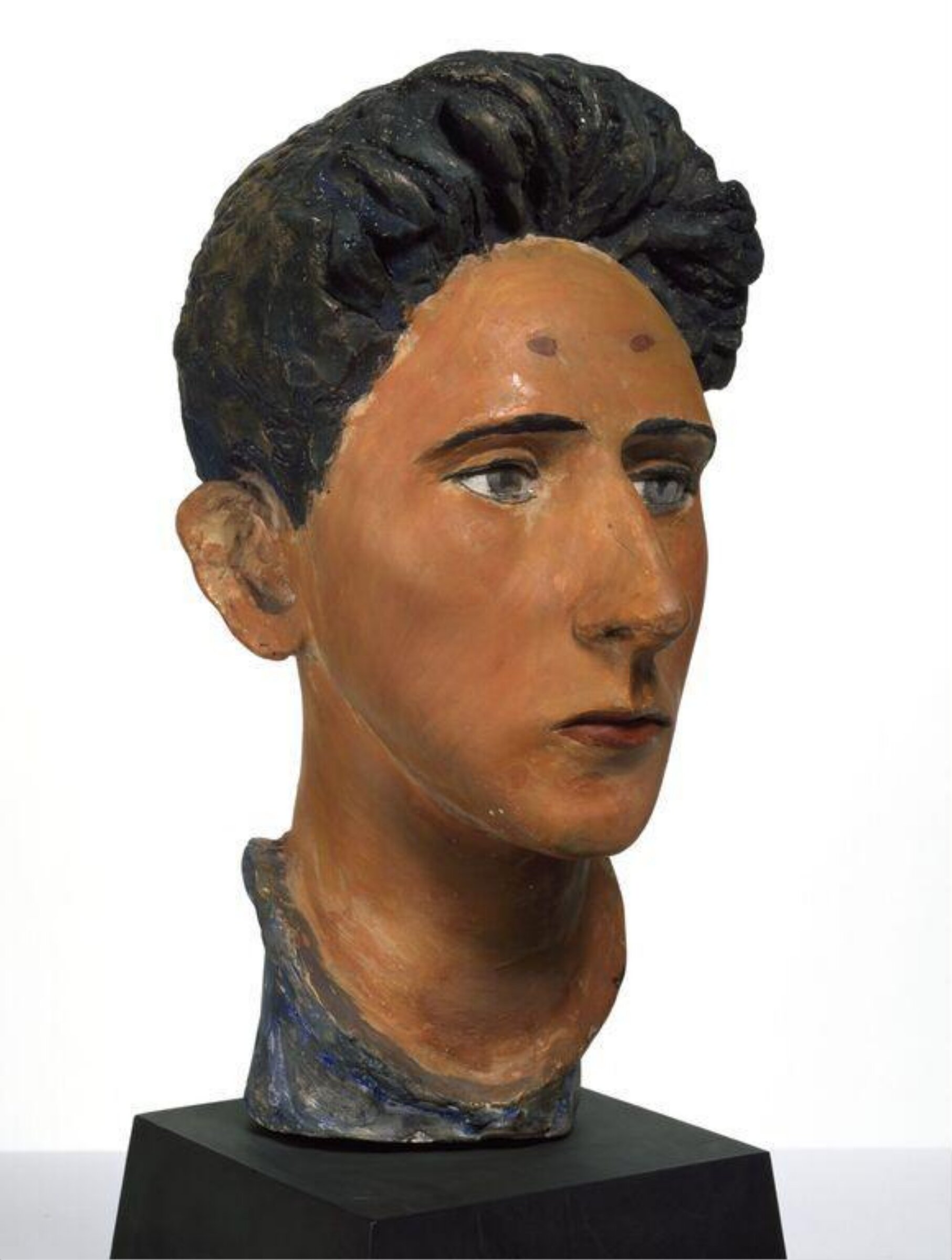
early 20th century · Não exposta · Museu Vitória e Alberto

Vizinhas de sala: Art Institute of Chicago

Página do museu
The Bedroom, Vincent van Gogh, 1889

Vincent van Gogh

The Bedroom, 1889

A Sunday on La Grande Jatte — 1884, Georges Seurat, 1884–86, border added 1888–89

Georges Seurat

Tarde de Domingo na Ilha de Grande Jatte, 1884–86, border added 1888–89

Paris Street; Rainy Day, Gustave Caillebotte, 1877

Gustave Caillebotte

Paris Street; Rainy Day, 1877

Two Sisters (On the Terrace), Pierre-Auguste Renoir, 1881

Pierre-Auguste Renoir

As Duas Irmãs, 1881

The Basket of Apples, Paul Cézanne, c. 1893

Paul Cézanne

A Cesta de Maçãs, c. 1893

Stacks of Wheat (End of Summer), Claude Monet, 1890–91

Claude Monet

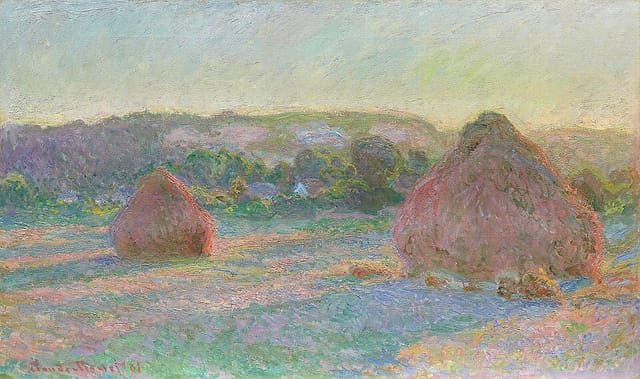
Stacks of Wheat (End of Summer), 1890–91

American Gothic, Grant Wood, 1930

Grant Wood

Gótico Americano, 1930

Nighthawks, Edward Hopper, 1942

Edward Hopper

Nighthawks, 1942