 Marcel DuchampFrança, 1887–1968
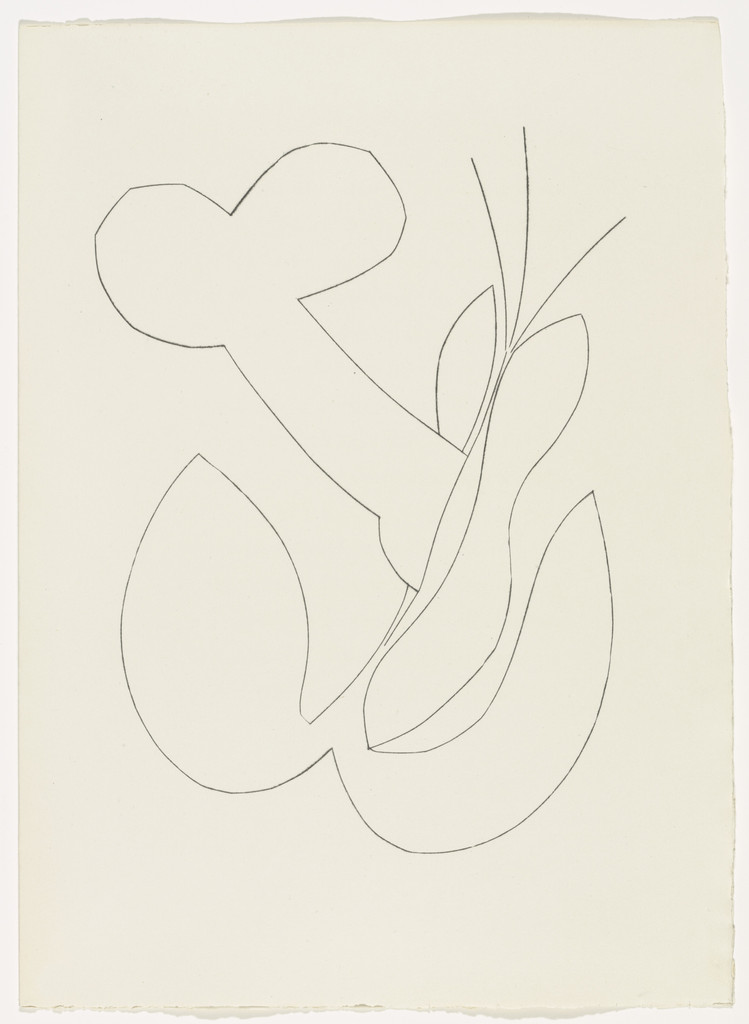
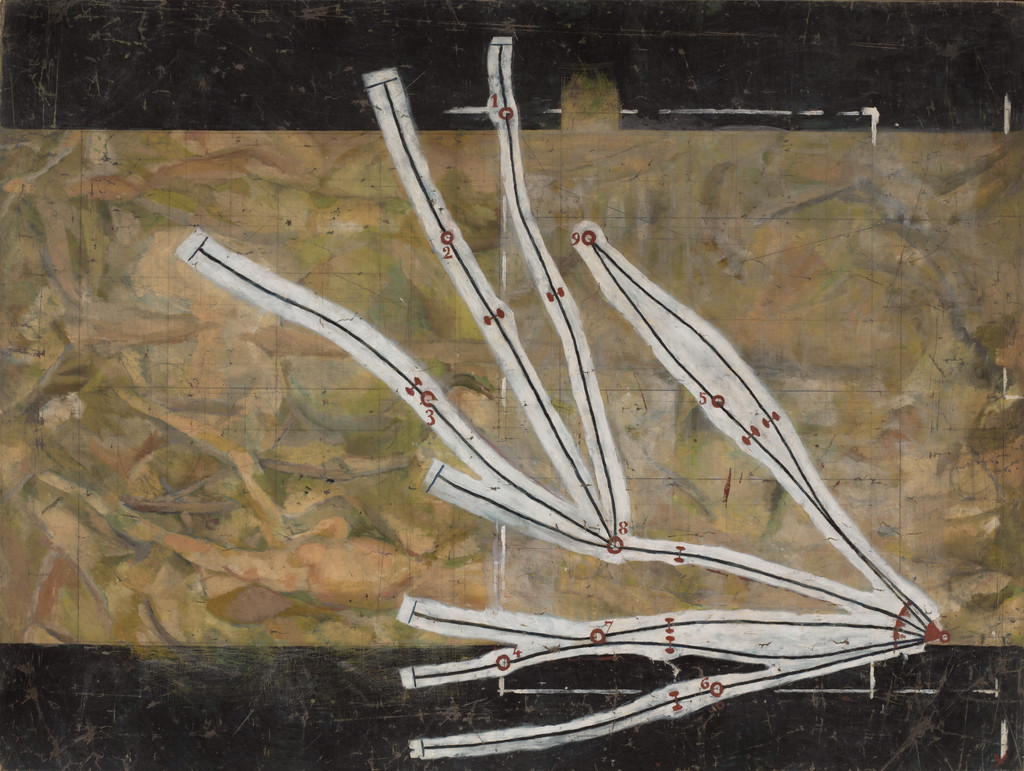
Network of Stoppages
Posso vê-la?
Não exposta de momento
Onde está «Network of Stoppages» hoje? Coleção: Museu de Arte Moderna, Nova Iorque. Não exposta de momento. Verificado 22 de setembro de 2026.

Nova Iorque, Estados Unidos
Pertence à coleção, mas de momento não está exposta.
- Verificado
- Fonte
- O museu
Pormenores
- Número de inventário
- 390.1970
No catálogo
Fontes
- Museu de Arte Moderna
- Imagem: Museu de Arte Moderna — © the artist or rights holder
Na vida de Marcel Duchamp
A vida inteira1912
Takes the “Nude” back from the Salon des Indépendants
Through Duchamp’s brothers, Albert Gleizes asked him to withdraw the painting or at least rename it (as Duchamp later told it); he quietly refused, but went straight to the show and took the canvas home by taxi. “It was really a turning point in my life,” he recalled, adding that after this he would not be very much interested in groups.
1912
A stage version of Raymond Roussel
He saw a stage adaptation of Raymond Roussel’s novel Impressions of Africa, with plots that turned in on themselves, word play, surrealistic sets and humanoid machines. He credited it with radically changing his approach to art and inspiring the Large Glass.
1912
Two months in Munich
He painted the last of his Cubist-like paintings, started the image of The Bride Stripped Bare by Her Bachelors, Even and began scribbling plans for the Large Glass, which would take more than ten years to complete. He walked to Munich’s Alte Pinakothek every day, where he was struck by the works of Lucas Cranach the Elder, while the friend he visited kept showing him the sights and the nightlife.
novembro de 1912 · Formação
École des chartes
1913
The Armory Show: the scandal of the “Nude”
At the first major exhibition in New York of the modern trends coming out of Paris, American viewers accustomed to realistic art were scandalised and the Nude stood at the centre of the controversy; it helped secure the sale of all four of Duchamp’s paintings in the show.
1915
Emigration to the United States
When the First World War began, Duchamp, exempted from service because of a heart murmur, felt uncomfortable in Paris, and the sale of all four of his paintings at the Armory Show let him finance the trip: in 1915 he left for New York. To his surprise he found himself a celebrity there and quickly befriended the patron Katherine Dreier and the artist Man Ray.