 Ansel AdamsEstados Unidos, 1902–1984
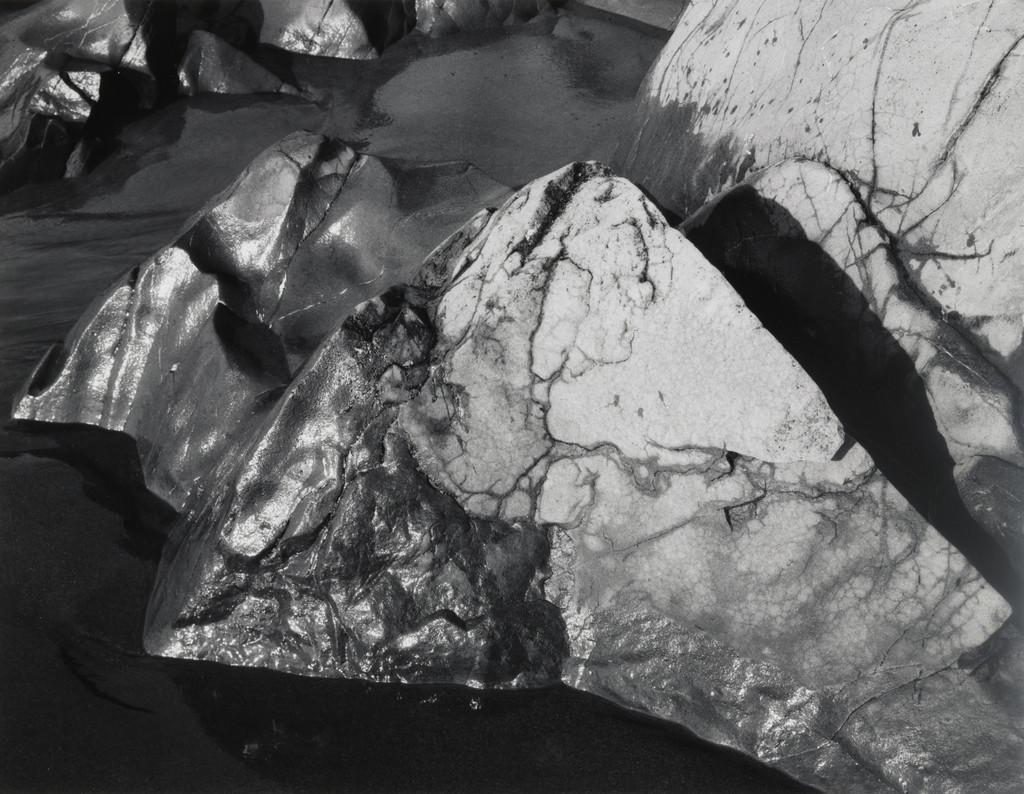
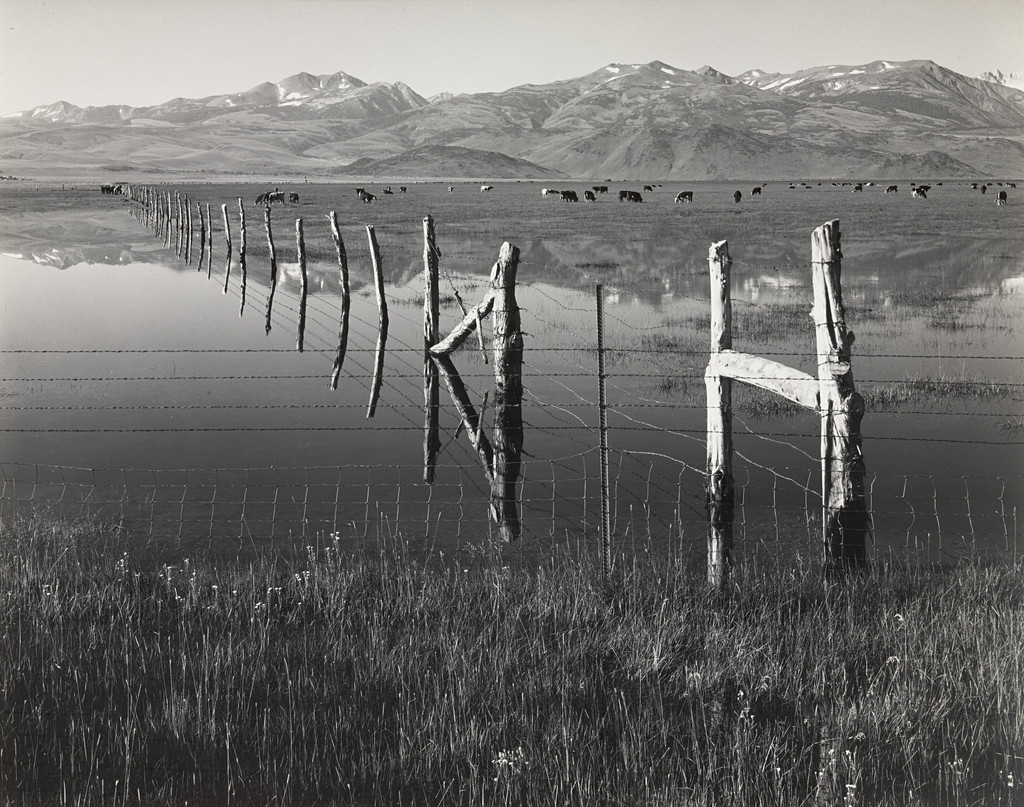
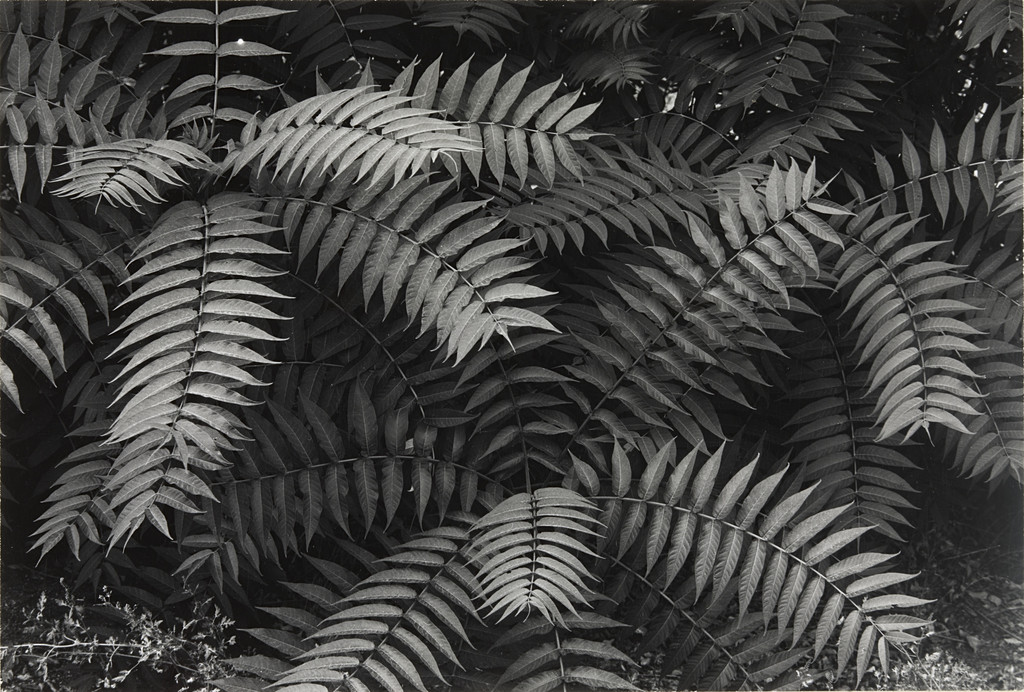
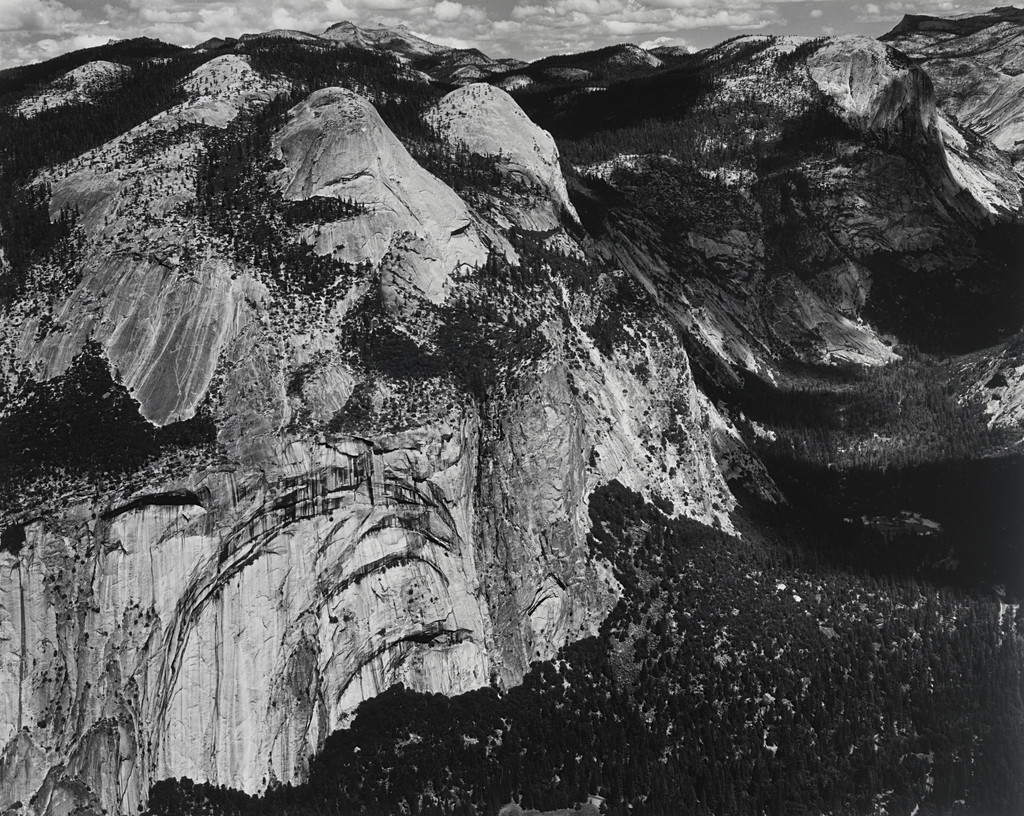
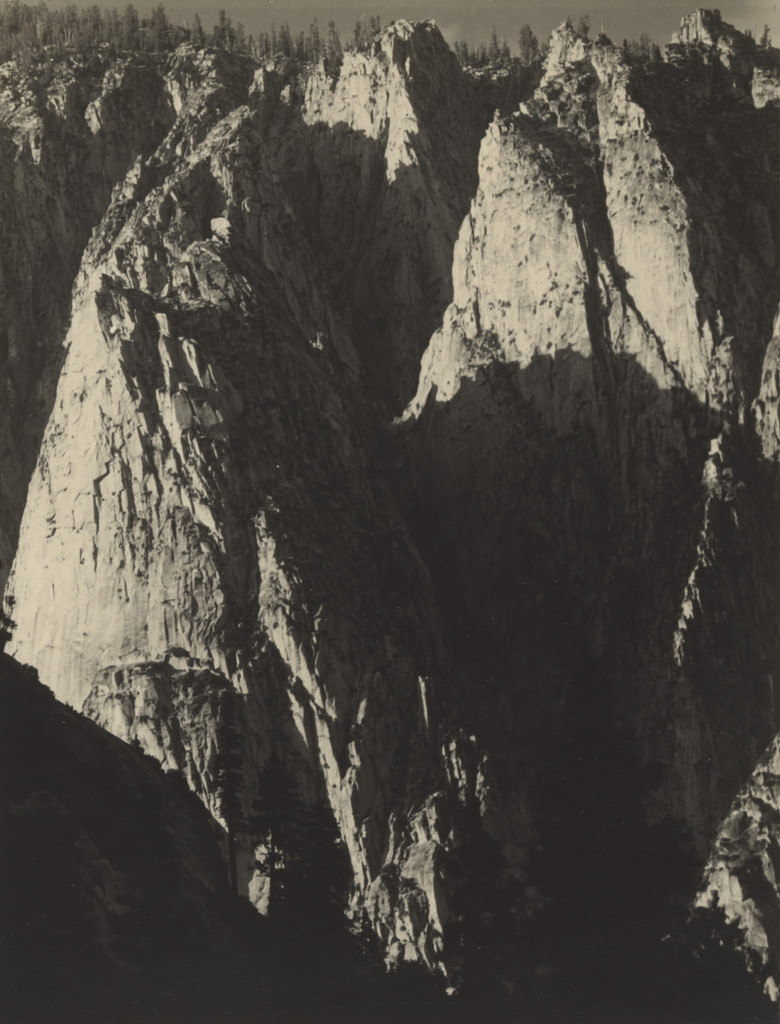
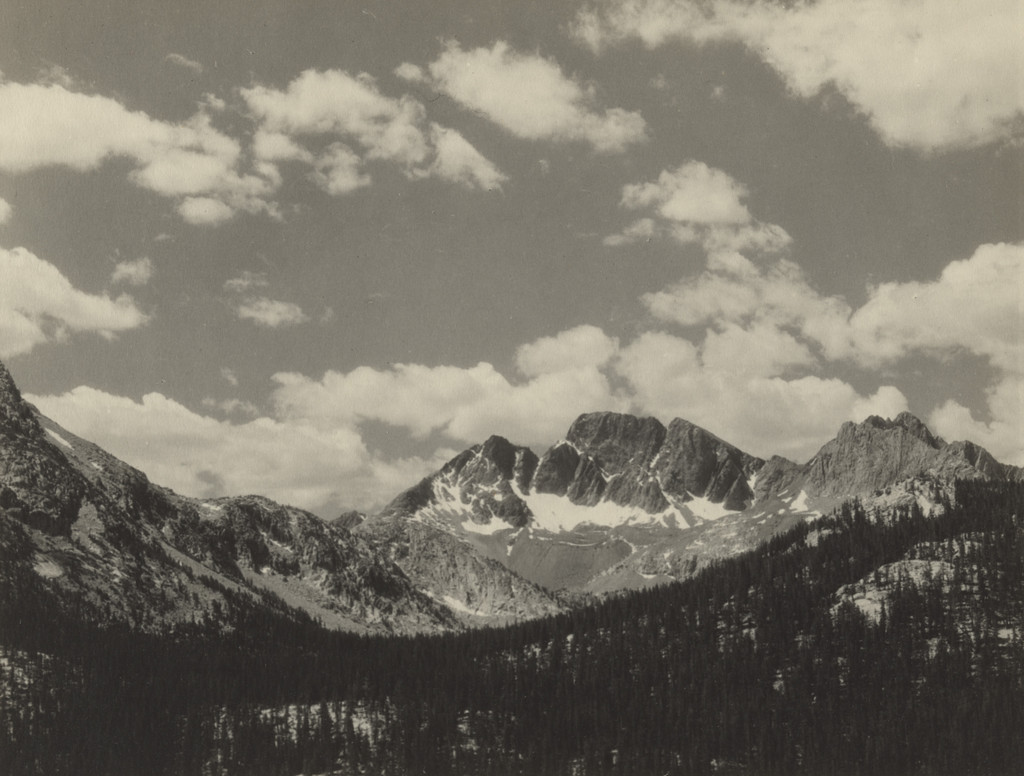
Mount McGee
Será possível contemplá-la?
De momento, não recebe

Museu de Arte Moderna
Nova Iorque, Estados Unidos
Pertence à coleção, mas de momento não está exposta.
- Verificado
- há 12 dias
- Fonte
- Os dados da própria coleção do museu
Pormenores
- Número de inventário
- 327.1981
Fontes
- Museu de Arte Moderna: the museum's own open data · obtido há 12 dias
- Imagem: Museu de Arte Moderna — © the artist or rights holder
Entretanto, na vida de Ansel Adams
A vida inteira1920s
Cedric Wright, friend and mentor
In his twenties Adams has many musical friends, among them the violinist and amateur photographer Cedric Wright, who becomes his best friend and philosophical mentor; their shared philosophy comes from Edward Carpenter's “Towards Democracy,” which endorses the pursuit of beauty in life and art. For years Adams carries a pocket edition of the book with him.
1928
Marriage to Virginia Best
In 1928 Adams marries Virginia Best, the daughter of the Yosemite landscape painter Harry Best, on whose old square piano he had practised in the studio in the valley. To save money the newlyweds move in with his parents, and the following year they have a home built next door, connected to the older house by a hallway.
c. 1930
Taos: Strand, O'Keeffe, Marin, Jeffers
Bender takes Adams to Taos, where he befriends the poet Robinson Jeffers, the artists John Marin and Georgia O'Keeffe, and the photographer Paul Strand; his first book, “Taos Pueblo,” with text by Mary Hunter Austin, is published in 1930. Strand proves especially influential: he shares the secrets of his technique, convinces Adams to pursue photography fully, and recommends glossy paper to intensify tonal values.
1930s
Commercial assignments and U.S. Camera & Travel
In the 1930s Adams takes on many commercial assignments to supplement the income of the struggling Best's Studio; his clients include Kodak, Fortune magazine, Pacific Gas and Electric, AT&T and the American Trust Company, and he will depend on such work financially until the 1970s. In 1939 he is named an editor of U.S. Camera & Travel, then the most popular photography magazine.
1931
First solo museum exhibition at the Smithsonian
In 1931 the Smithsonian Institution hosts Adams's first solo museum exhibition, “Pictorial Photographs of the Sierra Nevada Mountains by Ansel Adams” — sixty prints taken in the High Sierra and the Canadian Rockies. The Washington Post writes that his photographs are like portraits of giant peaks inhabited by mythical gods.
1932
Group f/64: the de Young exhibition and manifesto
In 1932 Adams, Imogen Cunningham and Edward Weston show together at the M. H. de Young Museum and soon form Group f/64, which stands for “pure” or “straight” photography against pictorialism. Adams writes the group's manifesto for the exhibition: pure photography, it declares, has no qualities of technique, composition or idea derived from any other art form.