
 Joseph BeuysAlemanha, 1921–1986
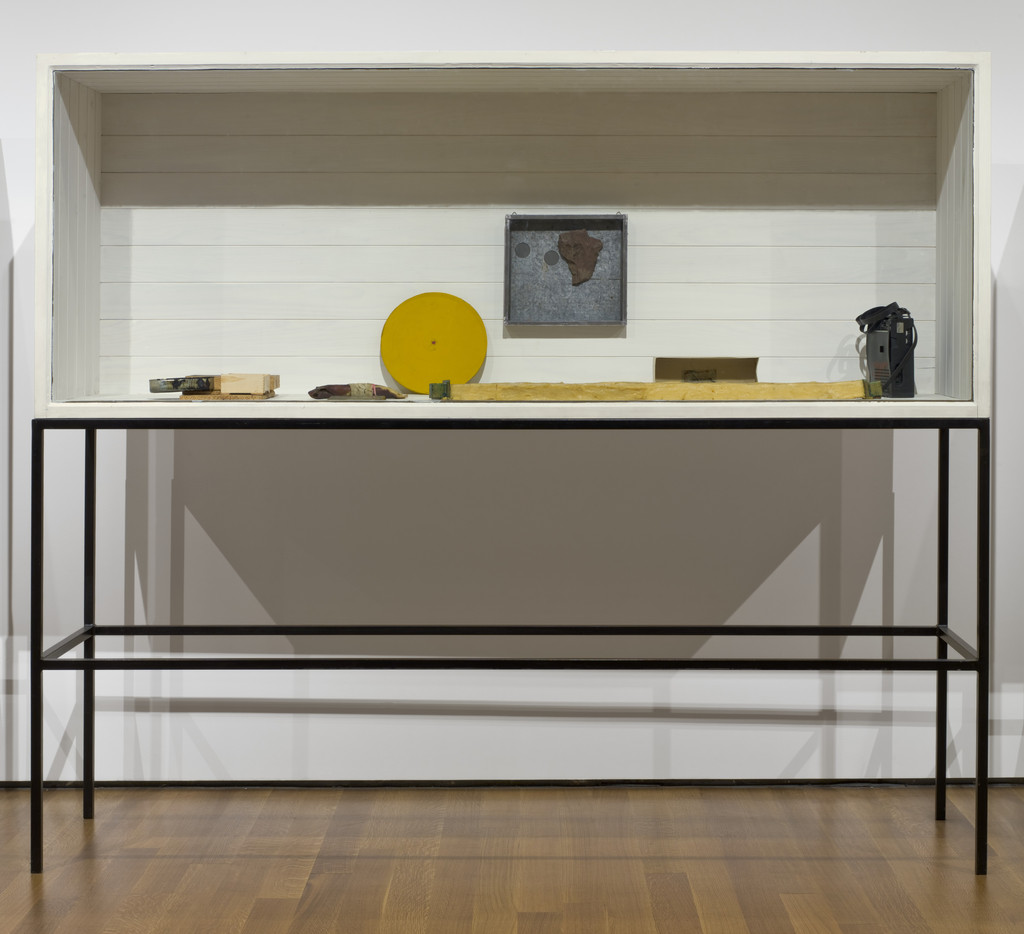
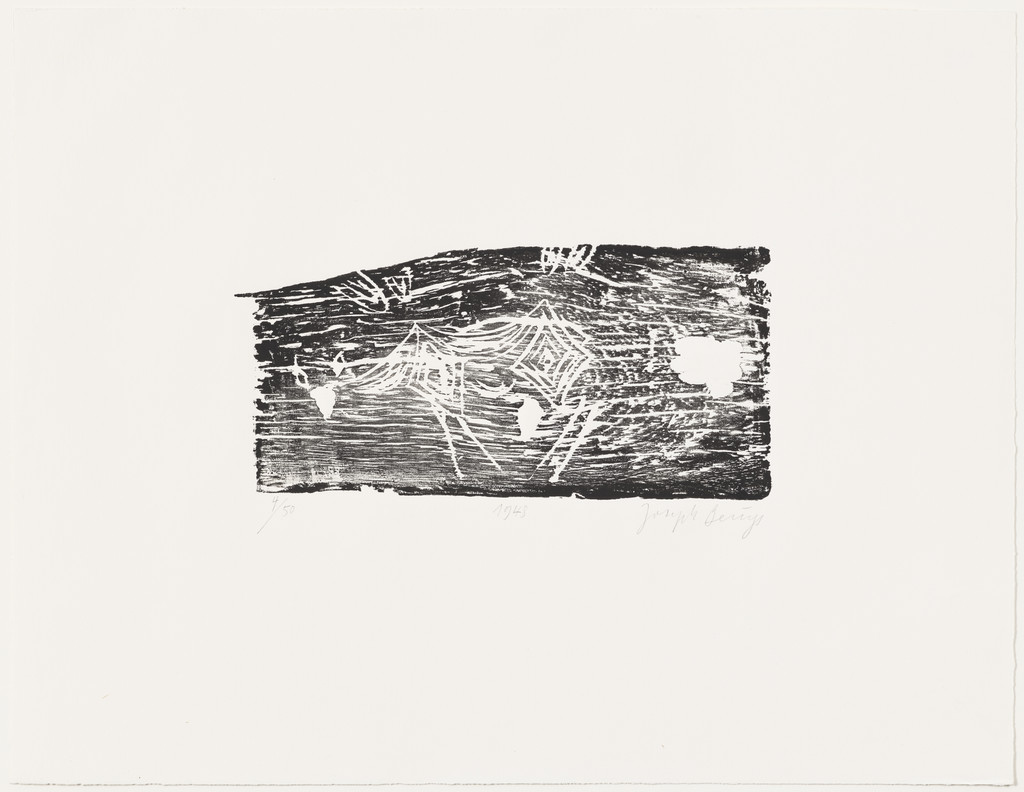
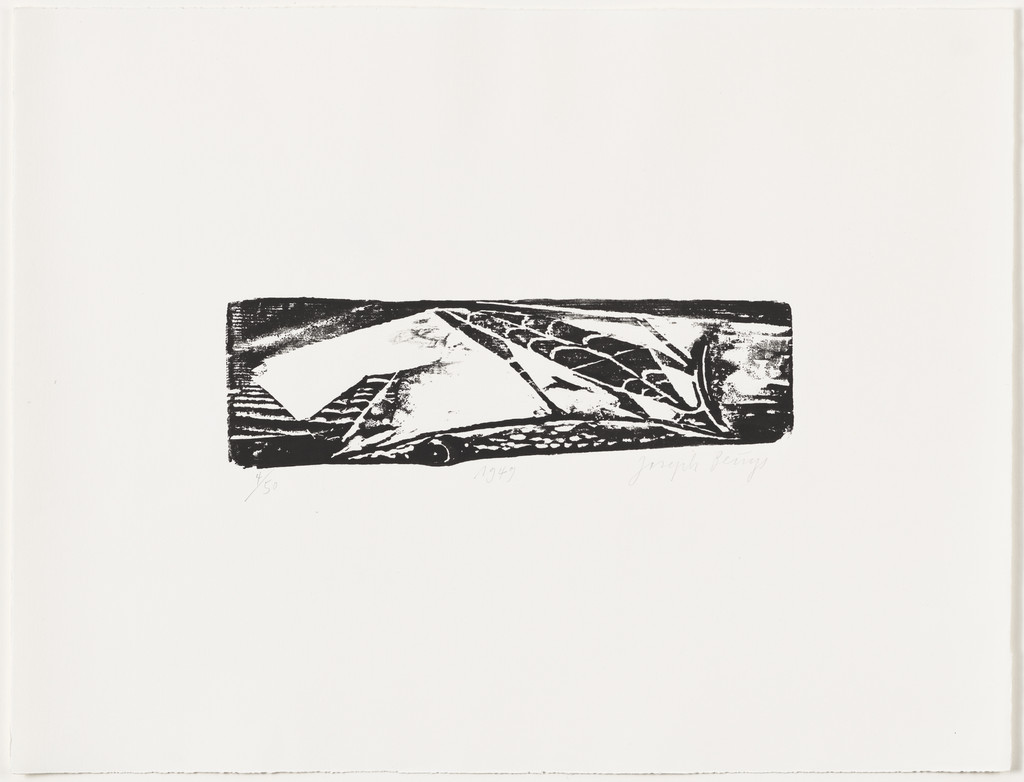
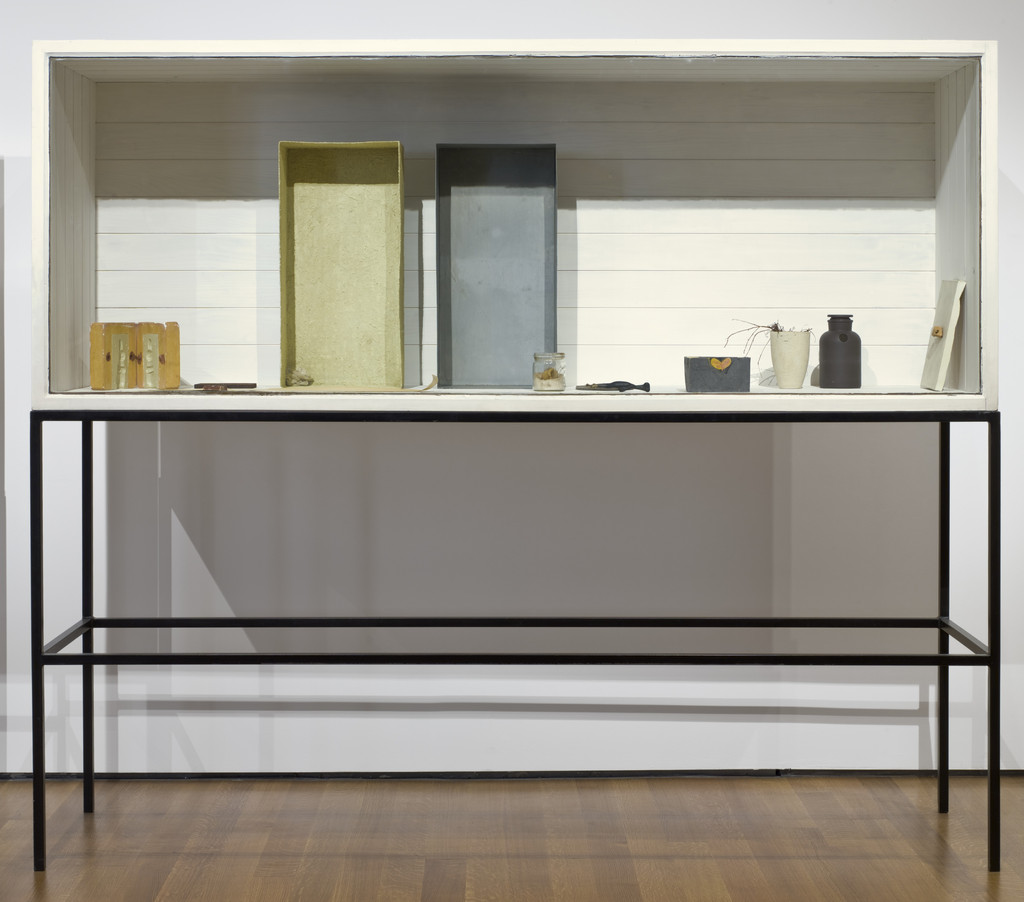
Mönchengladbach Museum Catalogue
Posso vê-la?
Não exposta de momento
Onde está «Mönchengladbach Museum Catalogue» hoje? Coleção: Galeria Nacional de Arte, Washington, D.C. Não exposta de momento. Verificado 29 de setembro de 2026.

Washington, D.C., Estados Unidos
Pertence à coleção, mas de momento não está exposta.
- Verificado
- Neste estado desde
- Fonte
- O museu
Pormenores
- Número de inventário
- 2011.147.2
O que mostra
No catálogo
Fontes
- Galeria Nacional de Arte
- Imagem: Galeria Nacional de Arte — © the artist or rights holder
Na vida de Joseph Beuys
A vida inteira1960s
Forms the idea of “social sculpture”
Drawing on Novalis and Schiller and on Rudolf Steiner's ideas of social threefolding, Beuys developed the concept of social sculpture: society as a whole is one great work of art to which everyone can contribute creatively (“everyone is an artist”).
26 November 1965
First solo exhibition in a private gallery
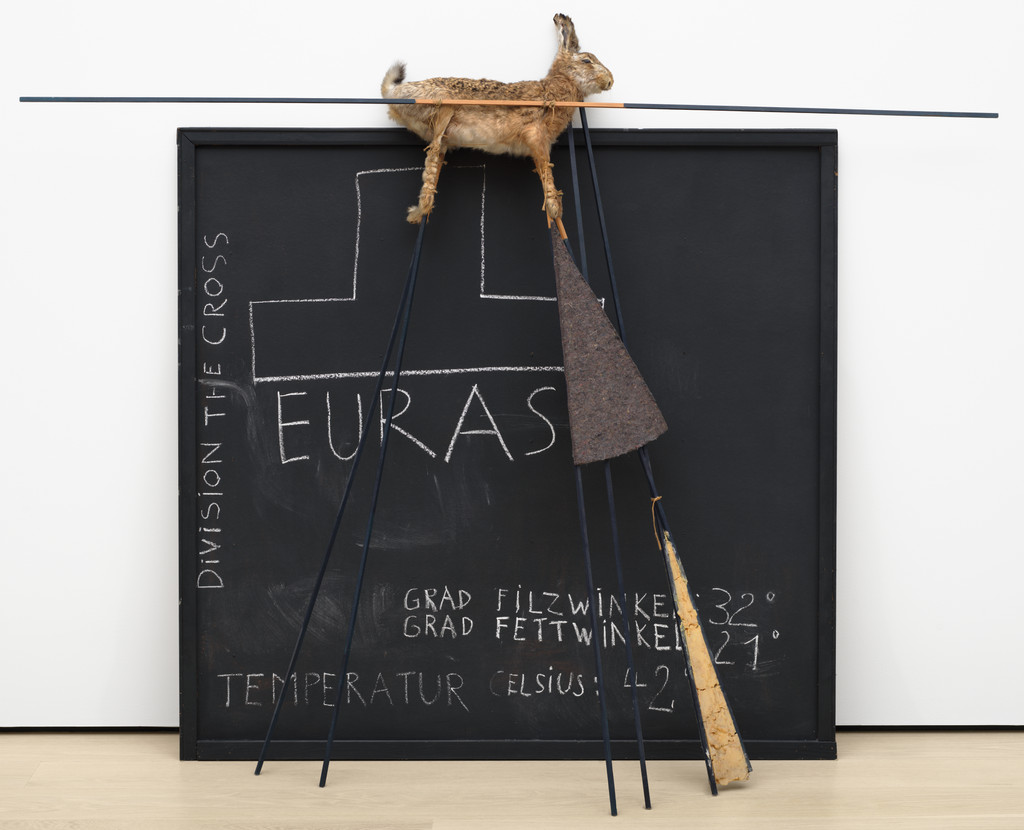
The show opened with an action involving a dead hare: Beuys, his face covered in honey and gold leaf, murmured explanations of the drawings on the walls to the animal while viewers watched through the gallery window; some critics called the photograph with the hare a new Mona Lisa of the 20th century.
1967
Founds a party made up of students
In June 1967, during a student demonstration in West Berlin, a participant died after a clash with the police; in response Beuys created a political party made up solely of students, demanding student self-government and free admission to university for anyone who wished.
27 de junho de 1968 – 6 de outubro de 1968
Exhibition: 4. documenta
1969
Calls teaching his greatest work
In a 1969 Artforum interview with Willoughby Sharp, Beuys added to his famous statement that teaching is his greatest work of art: the rest is merely waste product and demonstration.
![Ginevra de' Benci [obverse], Leonardo da Vinci, c. 1474/1478](https://api.nga.gov/iiif/8f29e3c9-a289-4d53-abf0-31a66e9e98fa/full/!2400,2400/0/default.jpg)
![Wreath of Laurel, Palm, and Juniper with a Scroll inscribed Virtutem Forma Decorat [reverse], Leonardo da Vinci, c. 1474/1478](https://api.nga.gov/iiif/ff62e8d0-45c4-498f-ad36-6358de827e04/full/!2400,2400/0/default.jpg)


