 Benvenuto CelliniItália, 1500–1571
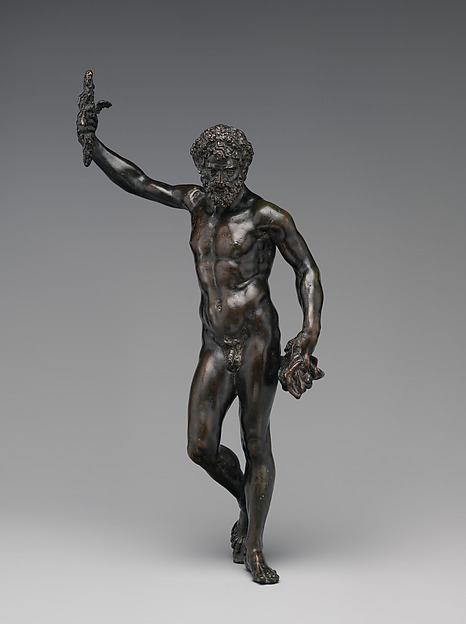
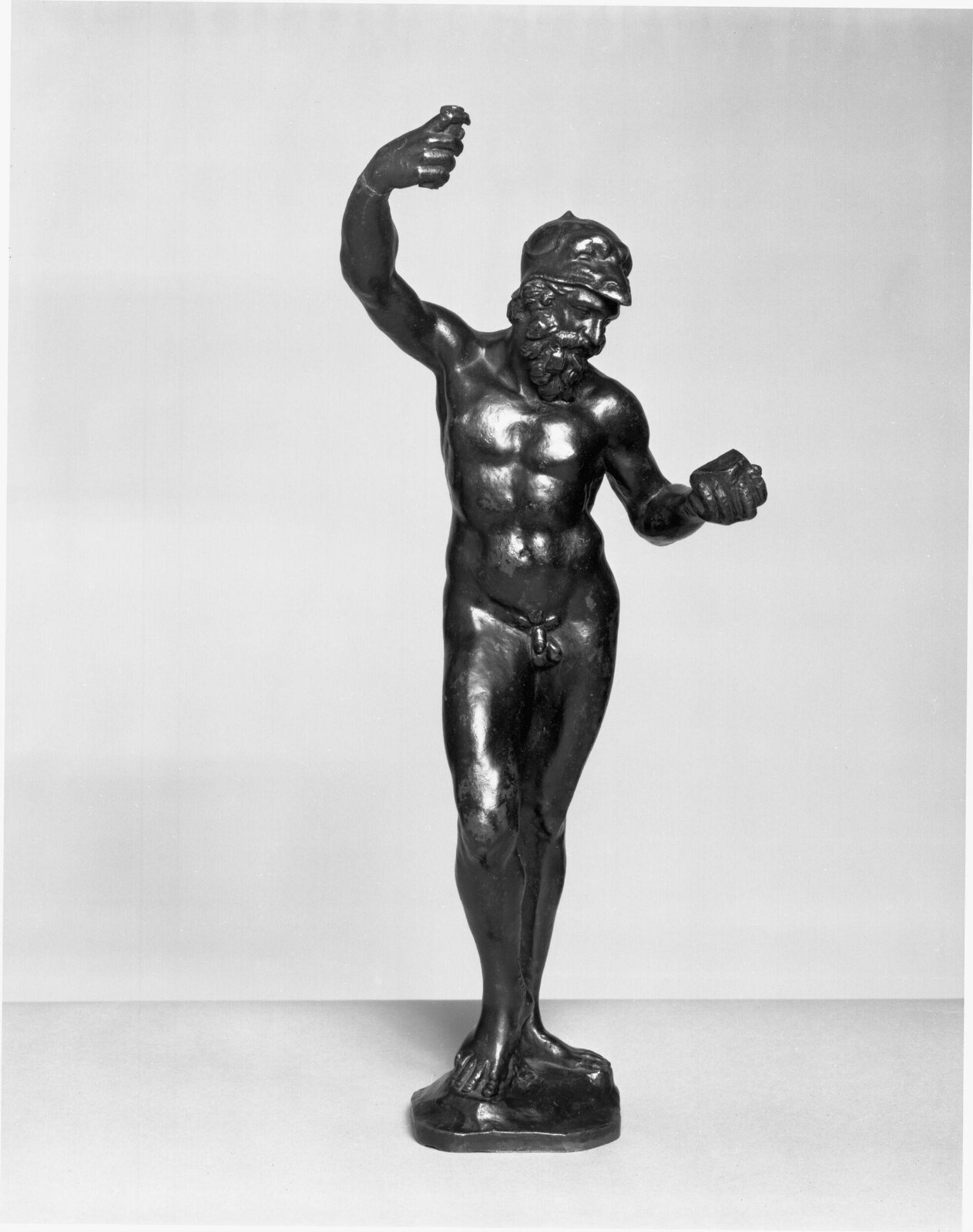
Mars
Dá para ver?
Não está exposta no momento
Onde está “Mars” hoje? Coleção: Museu Vitória e Alberto, Londres. Não está exposta no momento. Verificado 25 de setembro de 2026.

Londres, Reino Unido
Pertence à coleção, mas no momento não está exposta.
- Verificado
- Com este status desde
- Fonte
- O museu
Sobre a escultura
Vulcan the Roman god of fire and blacksmith to the gods, is shown holding a firestone in his left hand and the remains of a hammer in his right. The bronze possibly reflects a model made by the Florentine sculptor and goldsmith Benvenuto Cellini for one of a series of twelve life-size silver statues, six each of gods and goddesses, commissioned by Francis I of France to stand as candelabra in his dining hall. Cellini produced wax models of Jupiter, Juno, Apollo and Vulcan while in Paris in 1540, and bronzes associated with the Jupiter and Juno also survive. Only the lost silver figure of Jupiter was completed before Cellini left France in 1545.
Ler mais
Benvenuto Cellini (1500-1571) was trained as a goldsmith in Florence. He developed great skill and originality in hi techniques. He lived a dramatic but vibrant life which is documented in his aitobiography (unfinished, but published in 1728). This book was translated by many writers, one of them Goethe and was the basis for Berlioz’ opera ‘Benvenuto Cellini’ (1837). As a sculptor he has a Mannerist style, which is elaborate, elegant and precious. He stands for the tragic yet roamantic artist.
Museu Vitória e Alberto
Detalhes
- Número de inventário
- A.113-1910
O que mostra
No catálogo
Fontes
- Museu Vitória e Alberto
- Imagem: Museu Vitória e Alberto — © Victoria and Albert Museum, London