ART WIKI32 963 em exposição
MapaColeçãoArtistasMuseusExposiçõesRevista
Entrar

ART WIKI

Onde está a obra-prima, e a que horas se abre a porta.

Coleções: Art Institute of Chicago, Galeria Nacional de Arte, Galeria Tretiakov, Getty Villa, Harvard Art Museums, Hermitage, Hirshhorn Museum and Sculpture Garden, Instituto de Artes de Minneapolis, Museu de Arte de Cleveland, Museu de Arte Moderna, Museu do Louvre, Museu Estatal de Amesterdão, Museu J. Paul Getty, Museu Metropolitano de Arte, Museu Nacional de Arte da Dinamarca, Museu Pushkin, Museu Russo, Museu Smithsoniano de Arte Americana, Museu Vitória e Alberto, Museu Whitney de Arte Americana, National Museum of Asian Art, National Portrait Gallery, Catálogo Estatal do Fundo Museológico da Rússia (274 museus), Europeana (19 museus), Wikidata (6 museus), Paris Musées (12 museus) e Joconde, a base de museus do Ministério da Cultura de França (495 museus). As imagens pertencem aos titulares dos direitos.

Secções

  • Mapa
  • Pesquisa
  • Coleção
  • Obras-primas
  • Em exposição agora
  • Artistas

Mais

  • Museus e galerias
  • Exposições
  • Revista
  • De onde vêm os dados
  • Privacidade e cookies
InícioMapaCatálogo
  1. Coleção/
  2. Museu Vitória e Alberto/
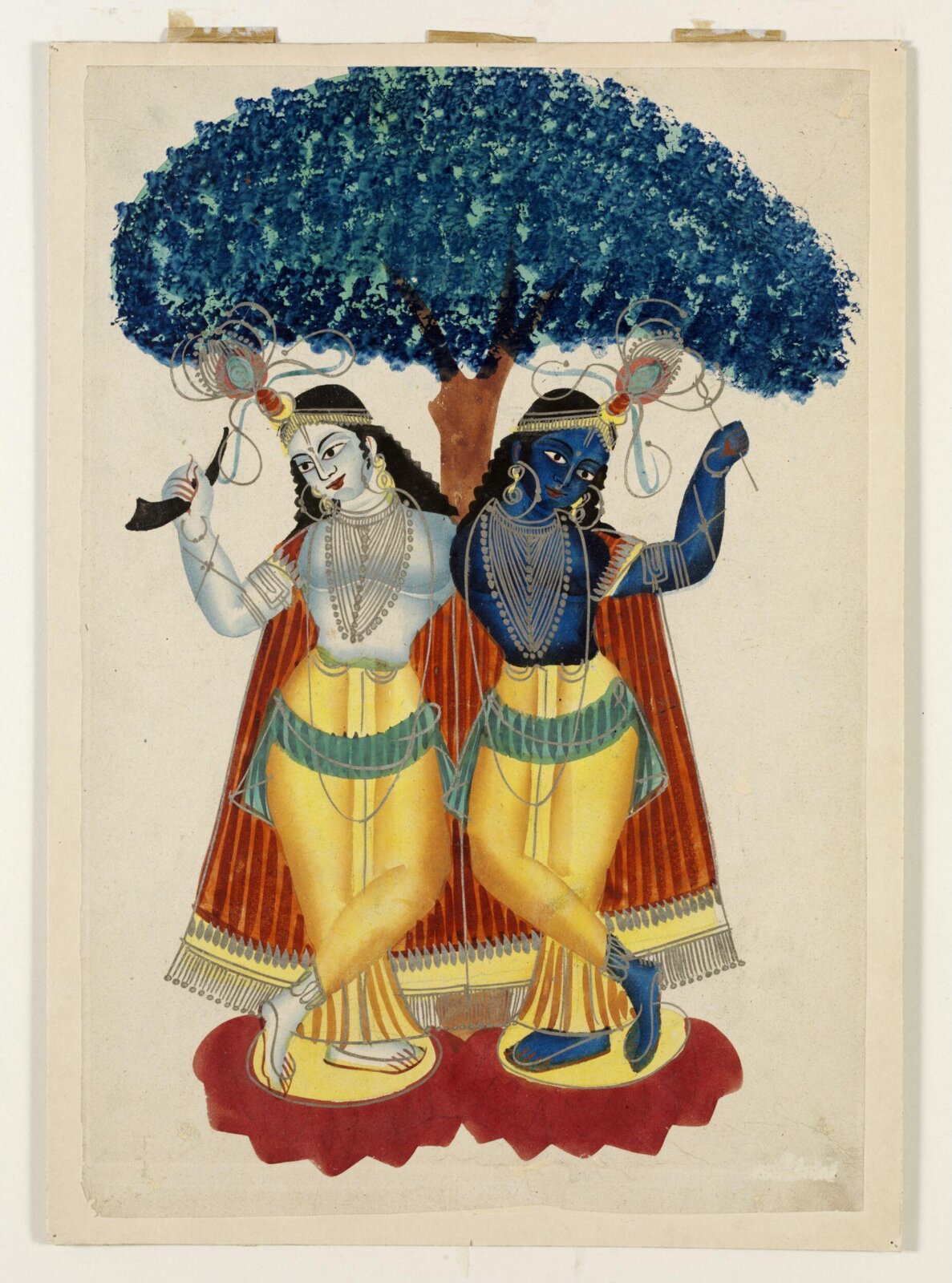
  3. Krishna and Balarama
Krishna and Balarama, ca. 1855 - ca. 1860

Krishna and Balarama

ca. 1855 - ca. 1860 · Painting · 41.1 × 28 cm

Será possível contemplá-la?

De momento, não recebe

Museu Vitória e Alberto

Londres, Reino Unido

Pertence à coleção, mas de momento não está exposta.

Verificado
há 12 dias
Neste estado desde
25 de set. de 2026
Fonte
O museu
No mapaPágina do museu

Sobre a pintura

The temple of Kali had been built at Kalighat in the seventeenth century at the location where Sati's toes were supposed to have fallen, a 'Pithasthan', on the east bank of the 'Adi-Ganga', an original course of the Ganges. The present temple was completed in 1809 and rapidly became a place of pilgrimage. It became customary for pilgrims to visit the Kalighat temple throughout the year. Its location, south of Calcutta, encouraged a small settlement to grow up. Eventually a brisk trade developed at Kalighat in pilgrims' souvenirs such as wooden dolls and terracotta figures. In the early 19th century 'patuas' (folk painters) were drawn from the surrounding areas into the city. They situated themselves around the temple producing souvenirs of watercolour 'patas' (pictures) depicting mainly religious and mythological subjects.

Continuar a ler

Over time the local style developed and the subject matter grew to include social satire and study in natural history. As a popular art form, the Kalighat artists are recognised for their brilliant colours, simplified images and bold brushstrokes. This style of painting fell into decline in the 1930s, however a few artists have revived the tradition and continue to produce paintings reflecting contemporary themes.

Museu Vitória e Alberto

Pormenores

Número de inventário
IM.2:76-1917

O que mostra

HinduismDeitiesKrishnaBalarama

No catálogo

PinturasGuacheRealismoSéculo XIXKalighat PaintingCalcutá

Fontes

  • Museu Vitória e Alberto
  • Imagem: Museu Vitória e Alberto — © Victoria and Albert Museum, London
Vizinhas de sala: Museu Vitória e Alberto

Página do museu
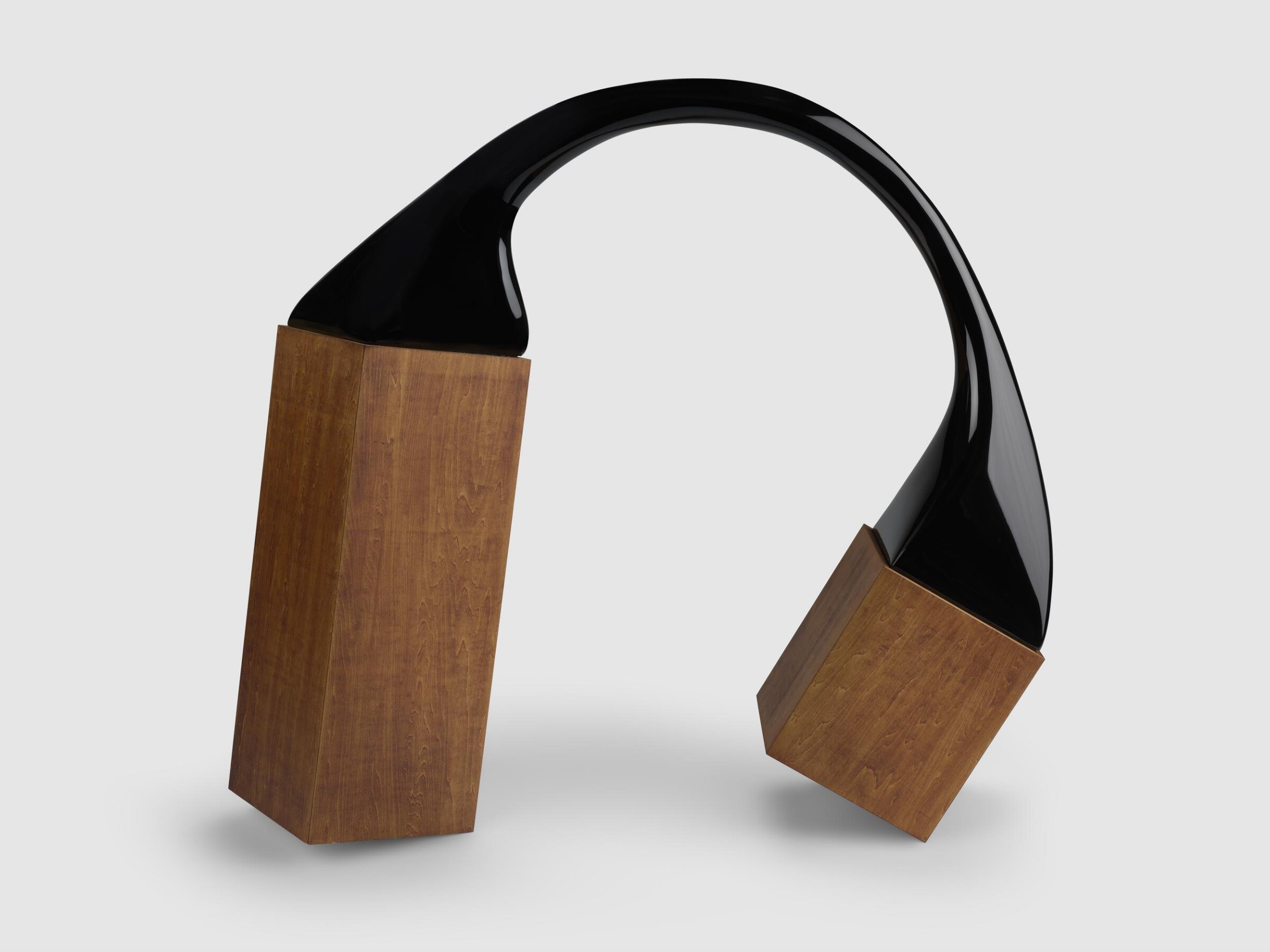
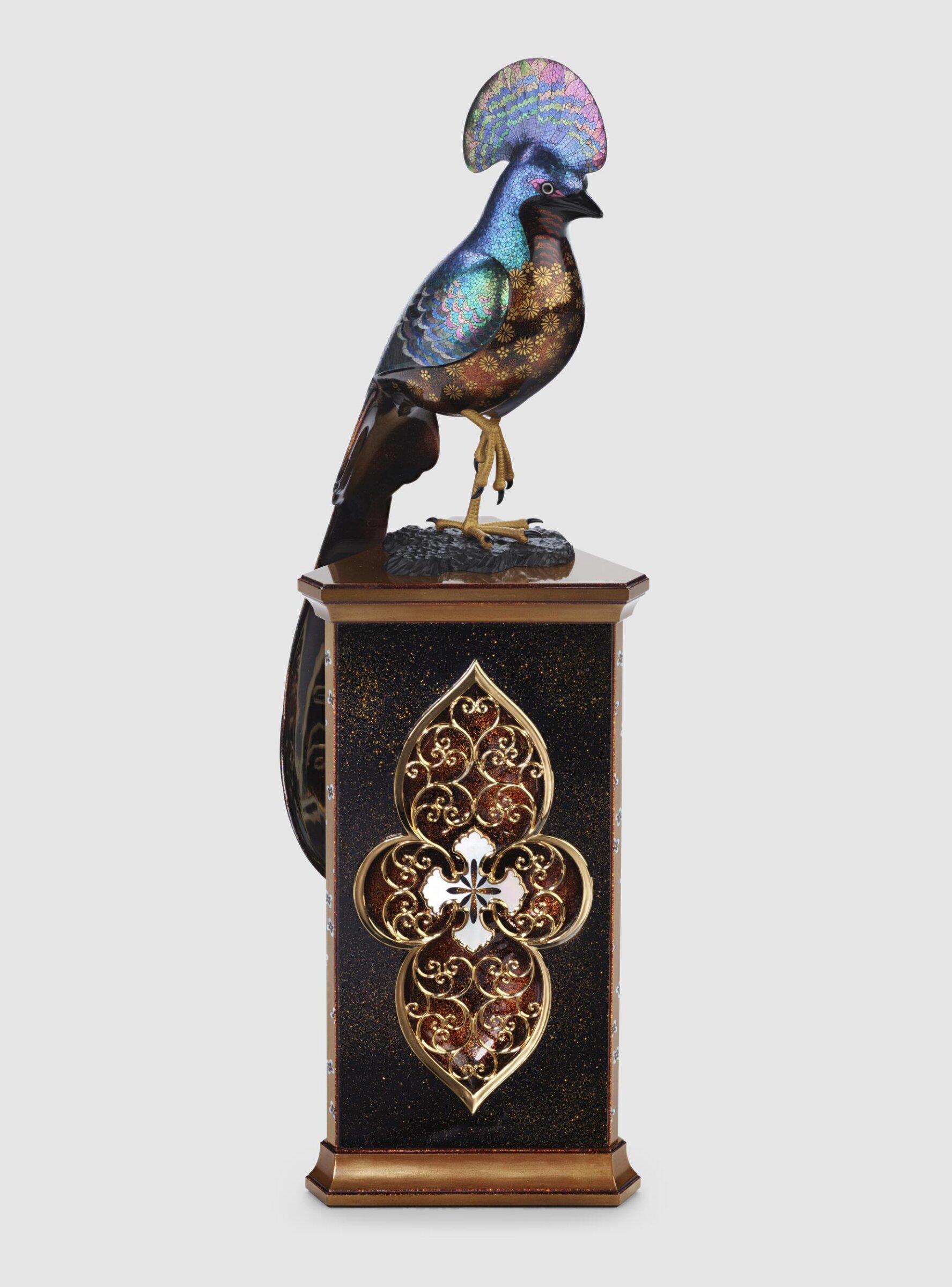
Bird of Paradise, Hashimoto Chitaka, 2026

Hashimoto Chitaka

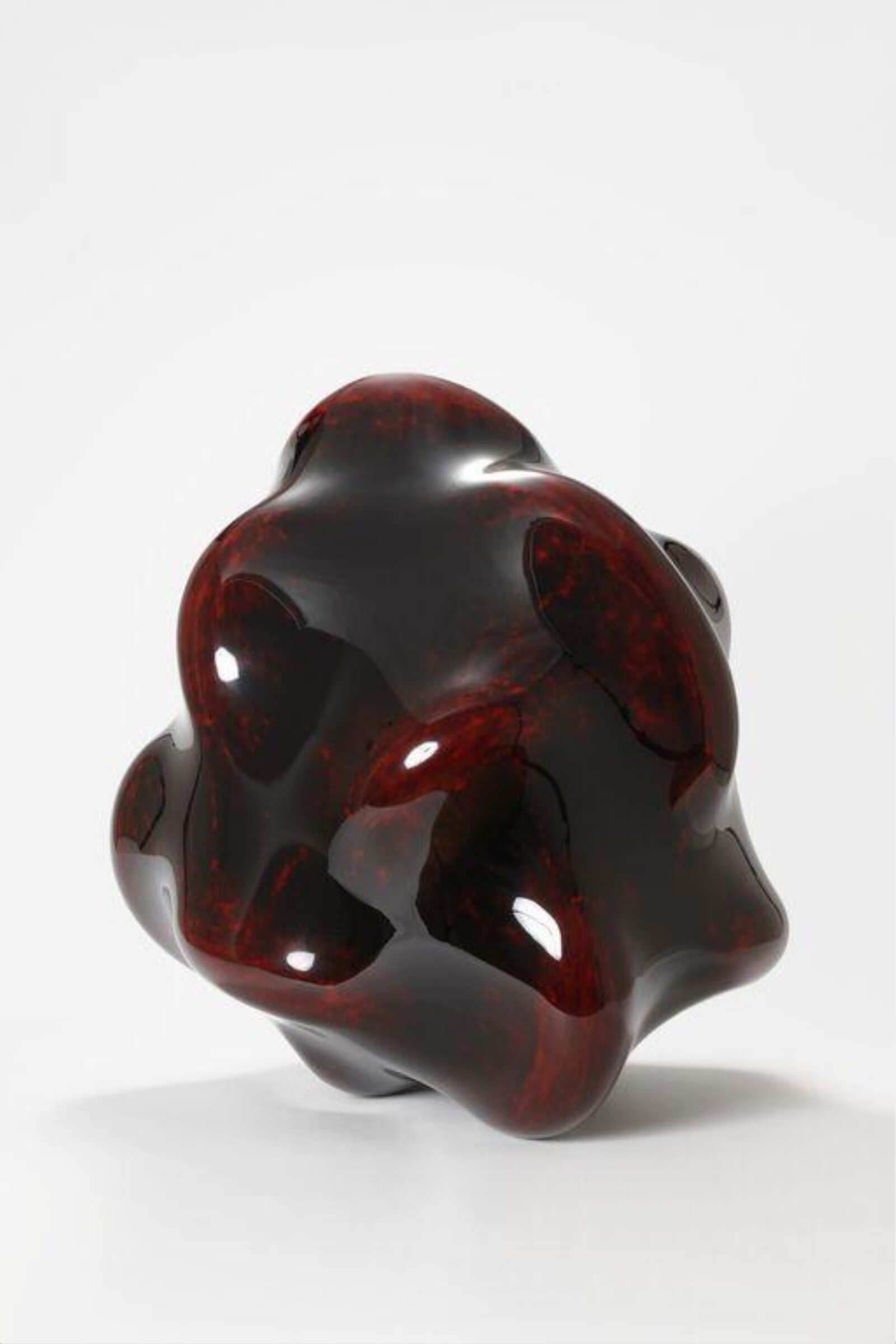
Bird of Paradise, 2026

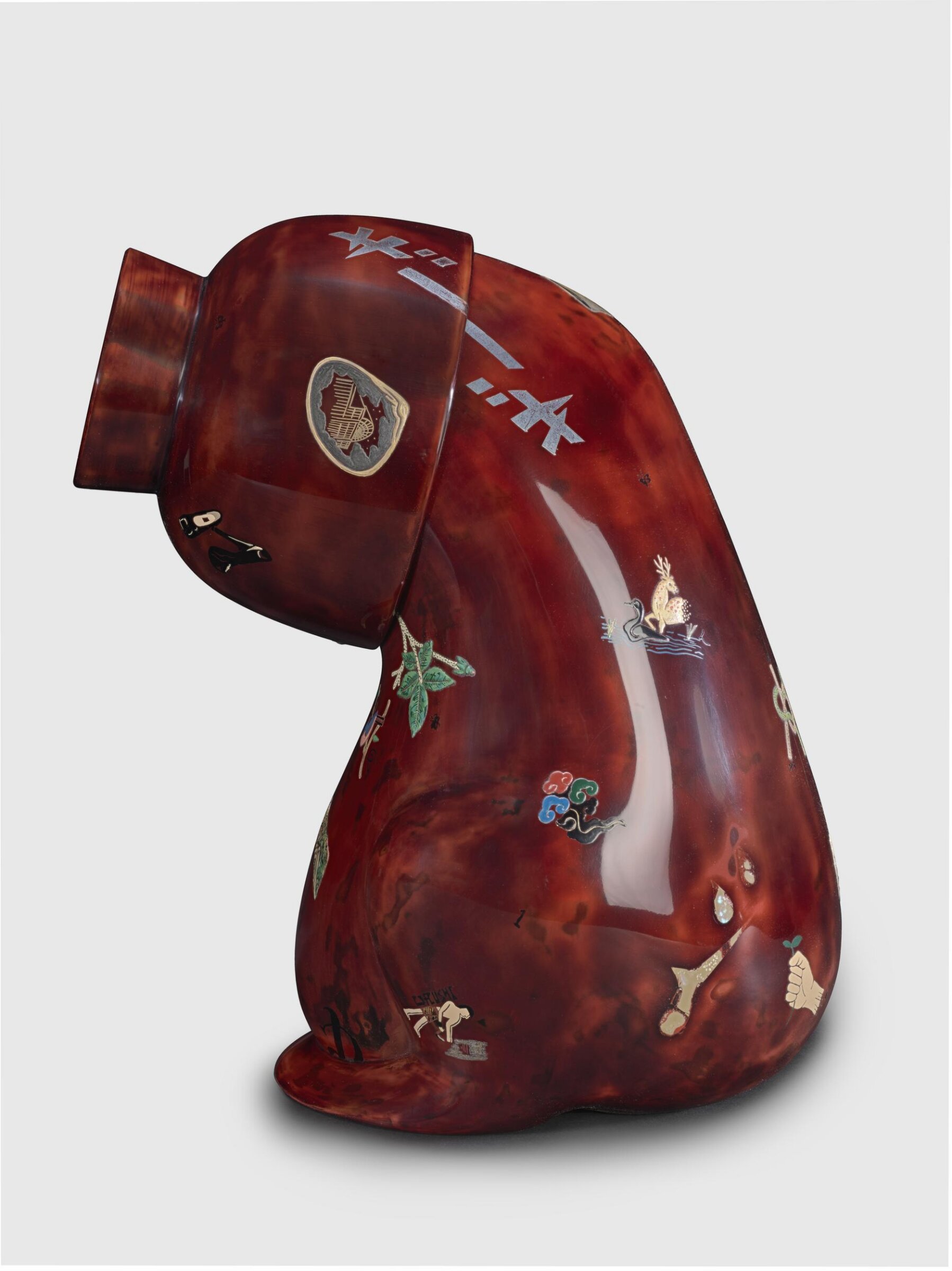
Torsion 2, Taruma Shoko, 2025

Taruma Shoko

Torsion 2, 2025

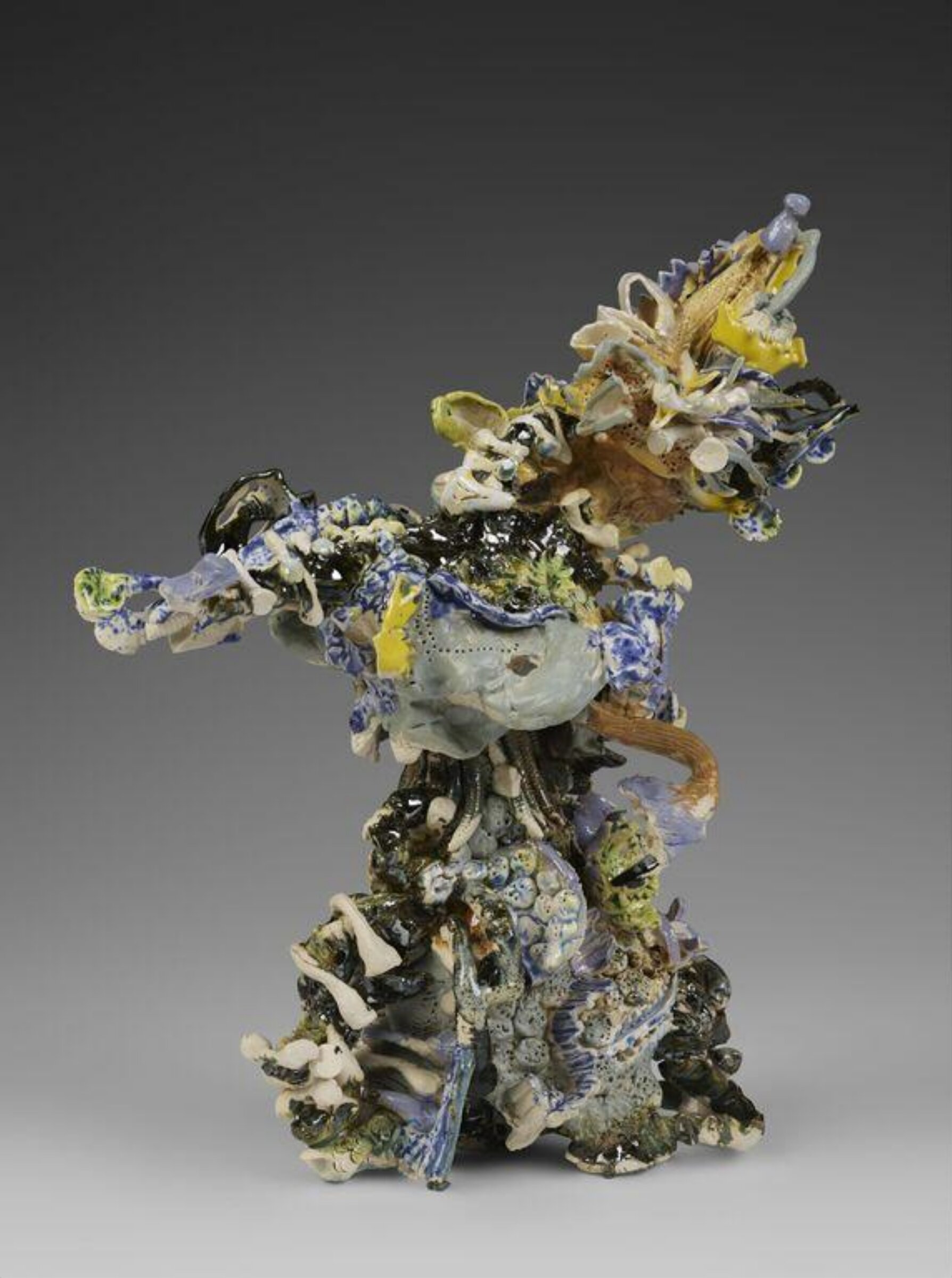
Fu, Someya Satoshi, 2025

Someya Satoshi

Fu, 2025

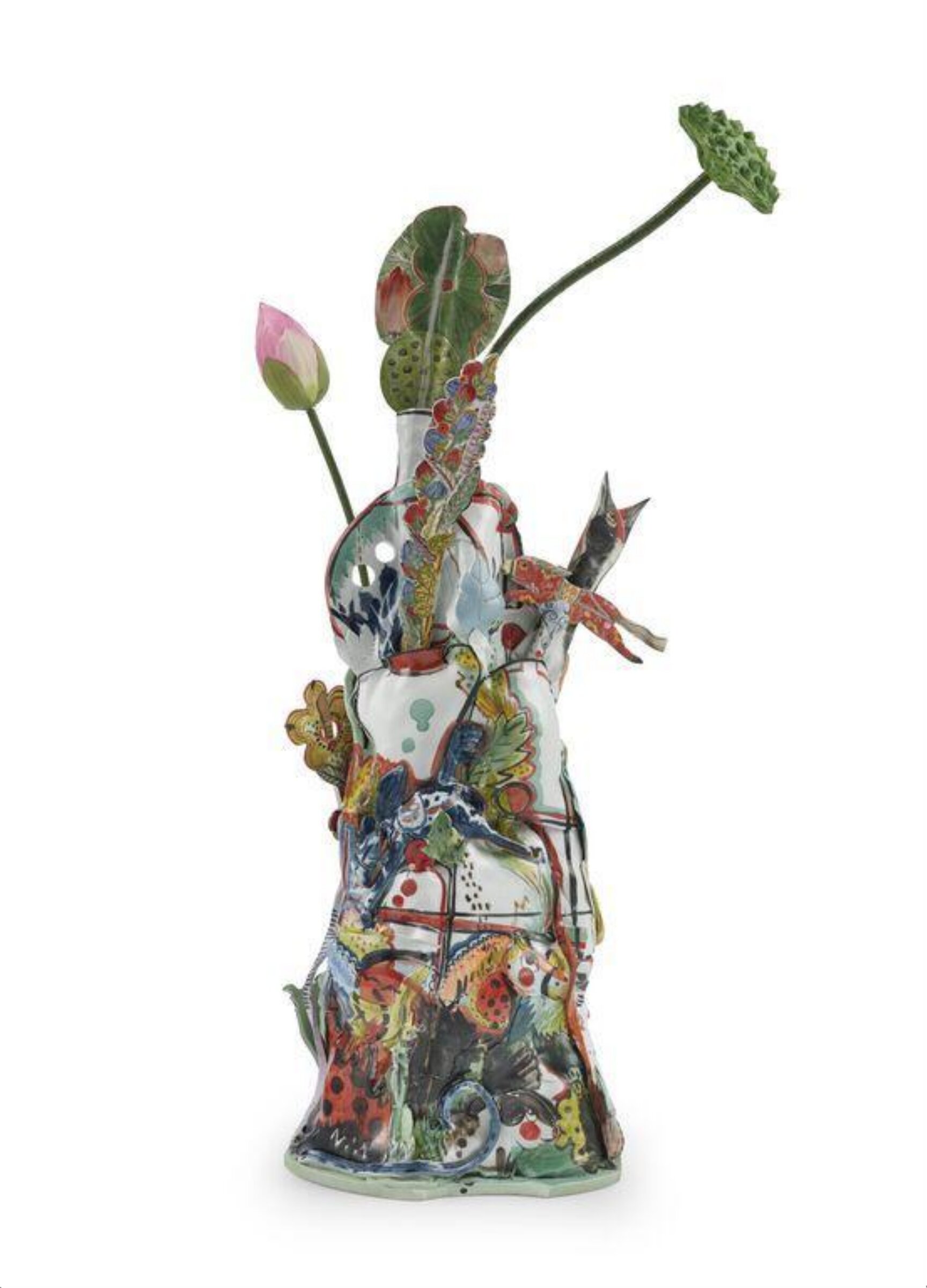
Bow Before the Curtain Falls, 2024

Bow Before the Curtain Falls, 2024

Summer, 2024

Summer, 2024

Red Flow, Ishizuka Genta, 2024

Ishizuka Genta

Red Flow, 2024

3D replica of Michelangelo's Prisoner (4117-1854), Factum Arte, 2024

Factum Arte

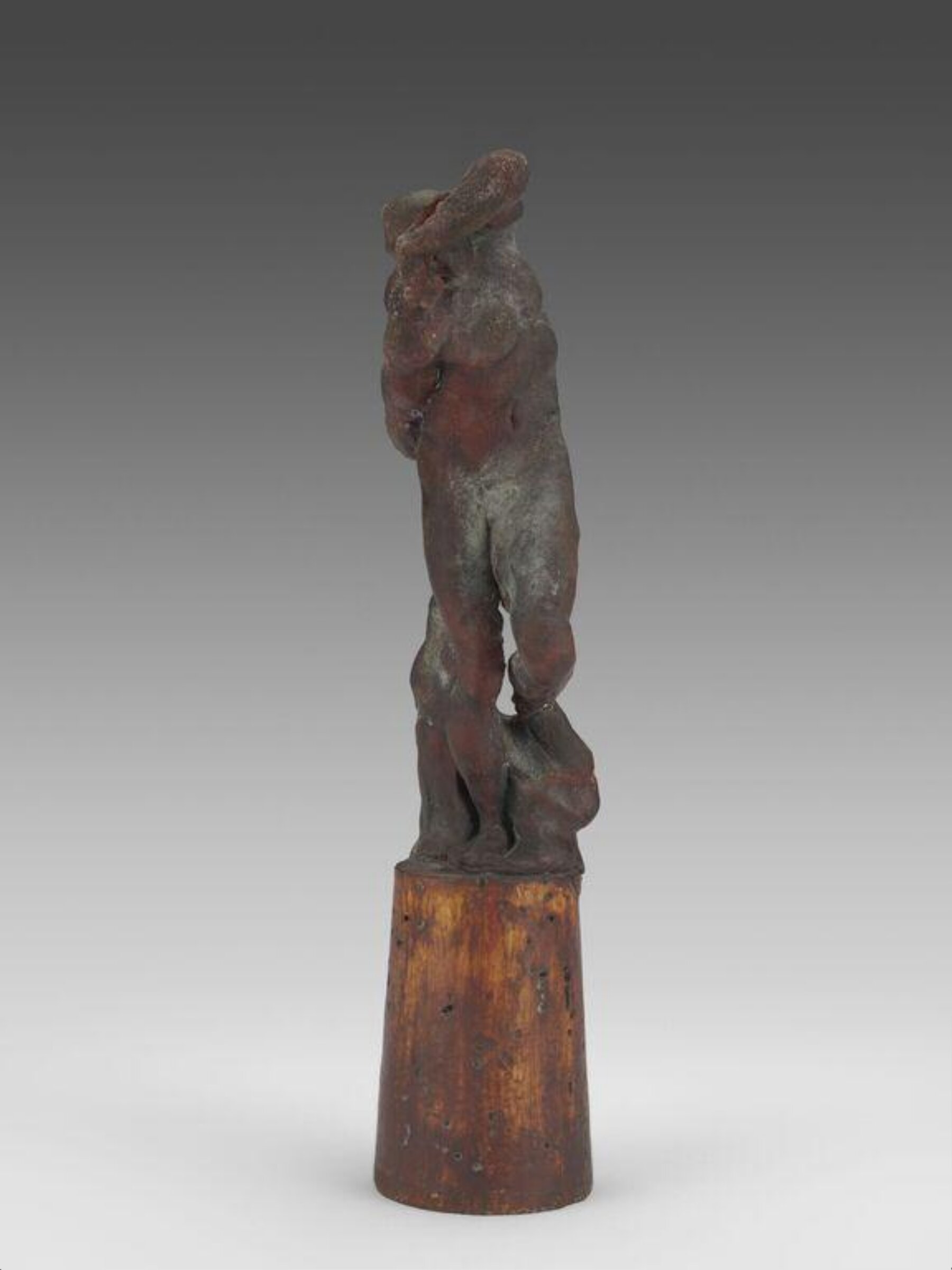
3D replica of Michelangelo's Prisoner (4117-1854), 2024

Sculpture, ‘Co-Existence – the Man and the Monkey’, Zhao Lin, 2024

Zhao Lin

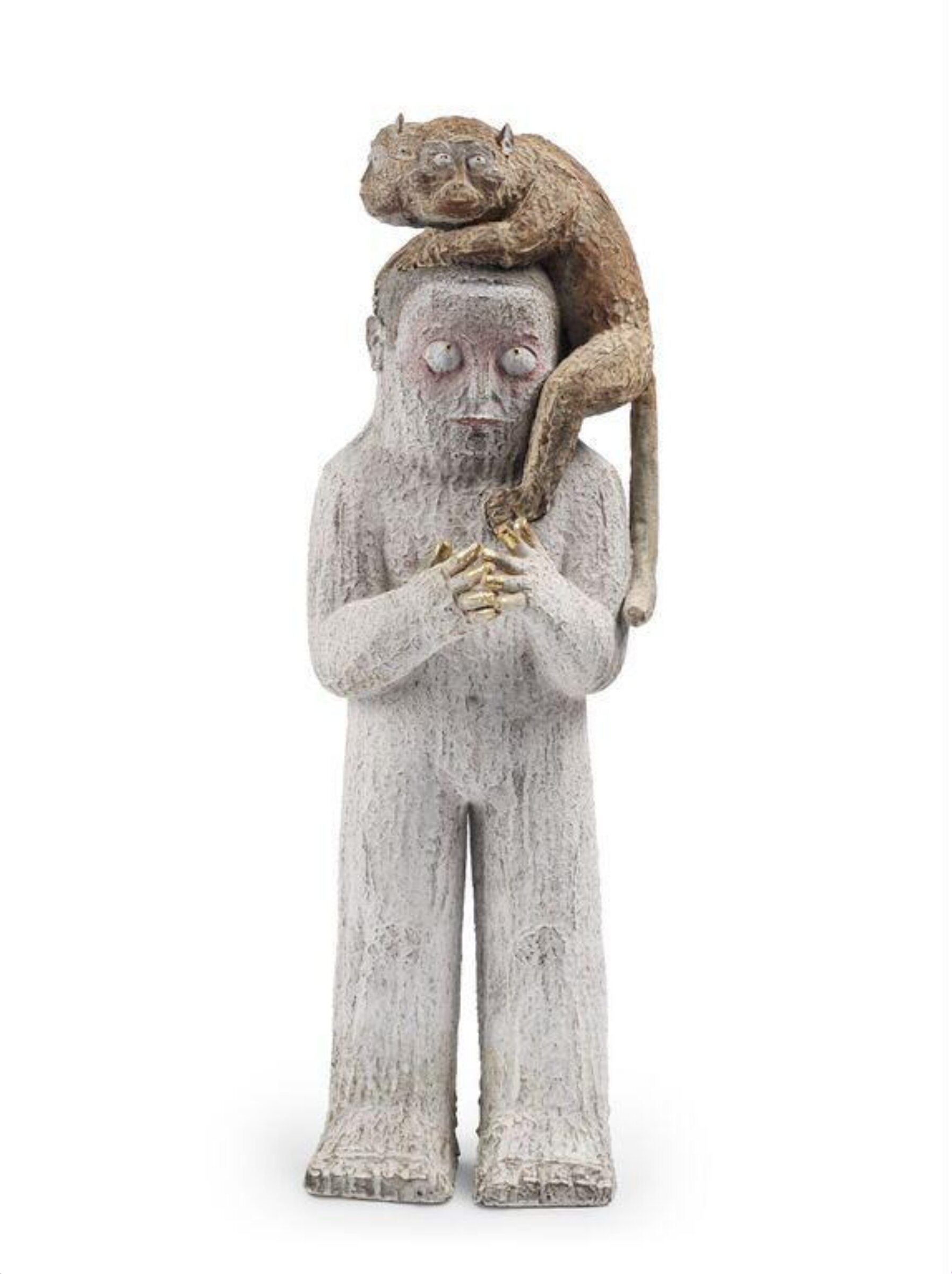
Sculpture, ‘Co-Existence – the Man and the Monkey’, 2024

Sobre o mesmo tema · Hinduism

Todas as obras sobre o tema
Vishnu Riding on Garuda, dated 1004

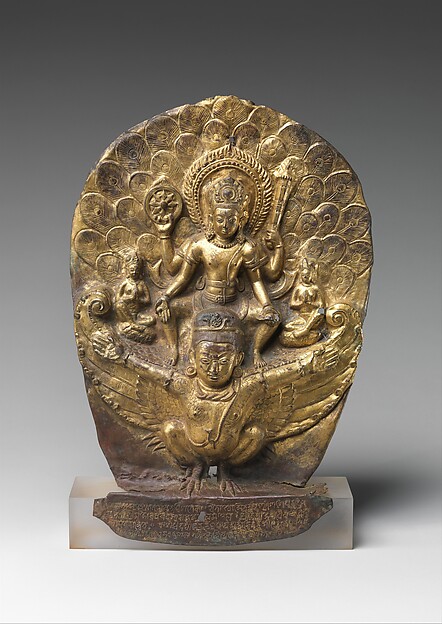
Vishnu Riding on Garuda, dated 1004

Museu Metropolitano de Arte

Head of Shiva (lingakosha), late 9th–10th century

Head of Shiva (lingakosha), late 9th–10th century

Museu Metropolitano de Arte

Enthroned Vishnu, second half of the 8th–early 9th century

Enthroned Vishnu, second half of the 8th–early 9th century

Museu Metropolitano de Arte

The Goddess Durga Slaying the Demon Buffalo Mahisha, 12th century

The Goddess Durga Slaying the Demon Buffalo Mahisha, 12th century

Museu Metropolitano de Arte

Chamunda, the Horrific Destroyer of Evil, 10th–11th century

Chamunda, the Horrific Destroyer of Evil, 10th–11th century

Museu Metropolitano de Arte

Shiva, mid- 7th century

Shiva, mid- 7th century

Museu Metropolitano de Arte

Brahma, first quarter of the 10th century

Brahma, first quarter of the 10th century

Museu Metropolitano de Arte

Vaikuntha Vishnu, last quarter of the 8th century

Vaikuntha Vishnu, last quarter of the 8th century

Museu Metropolitano de Arte