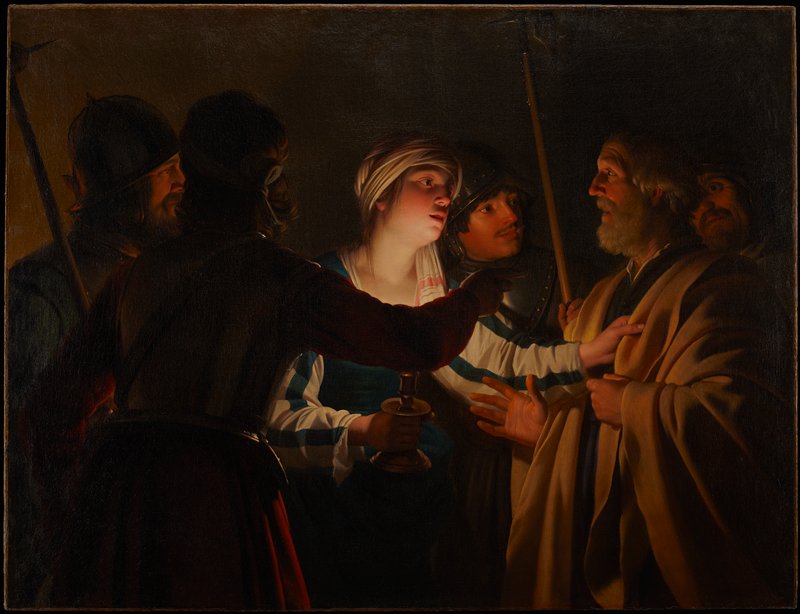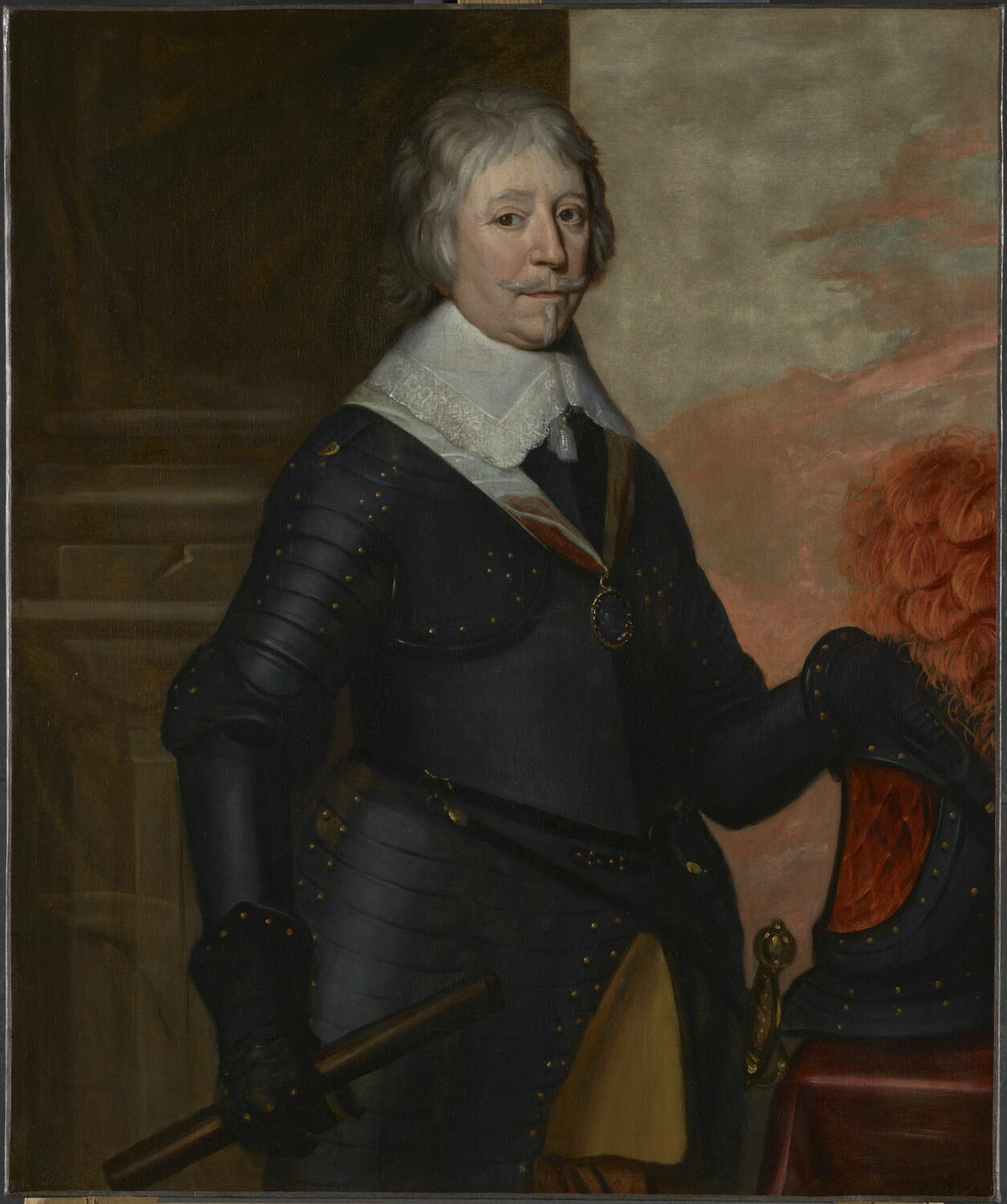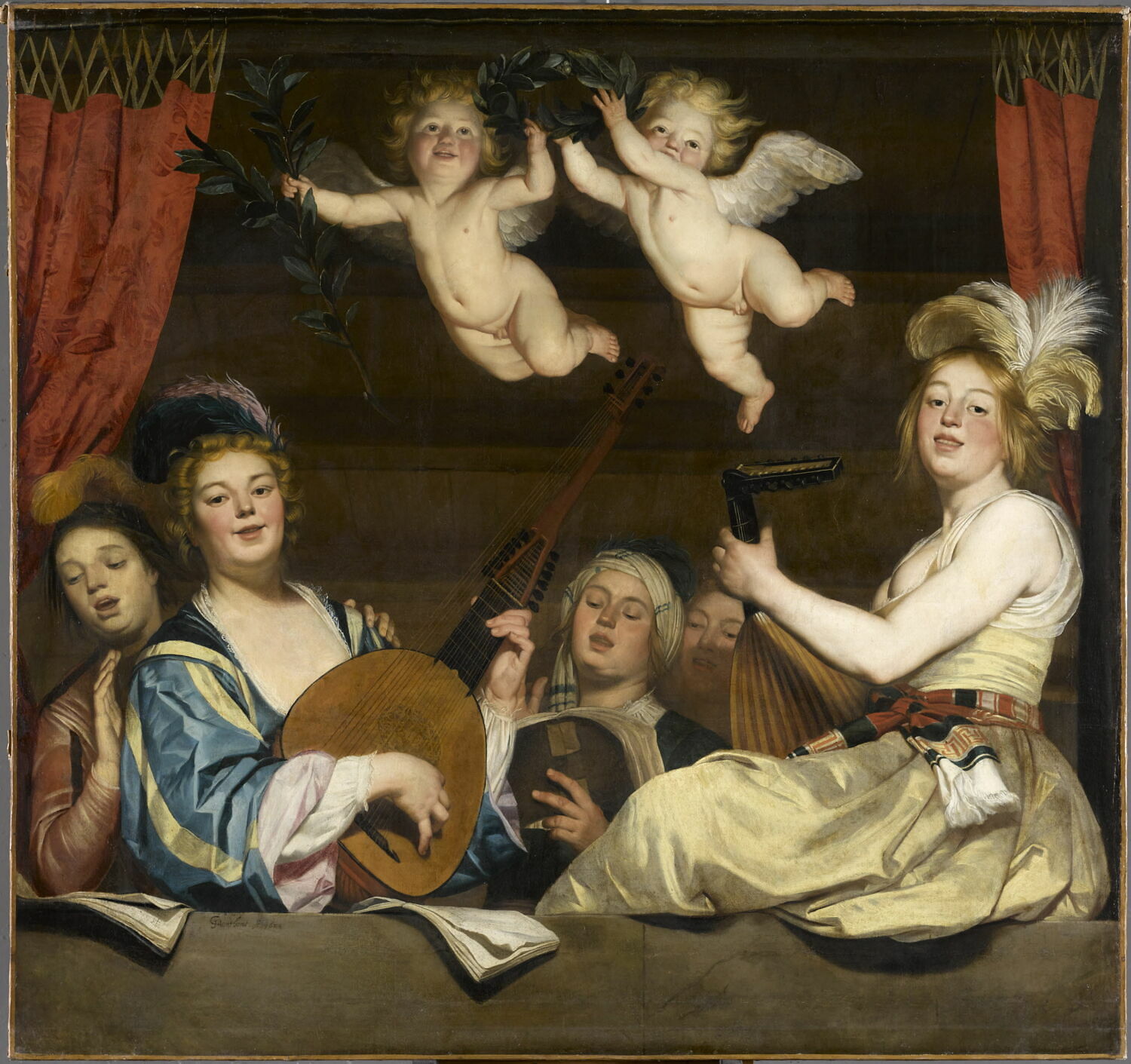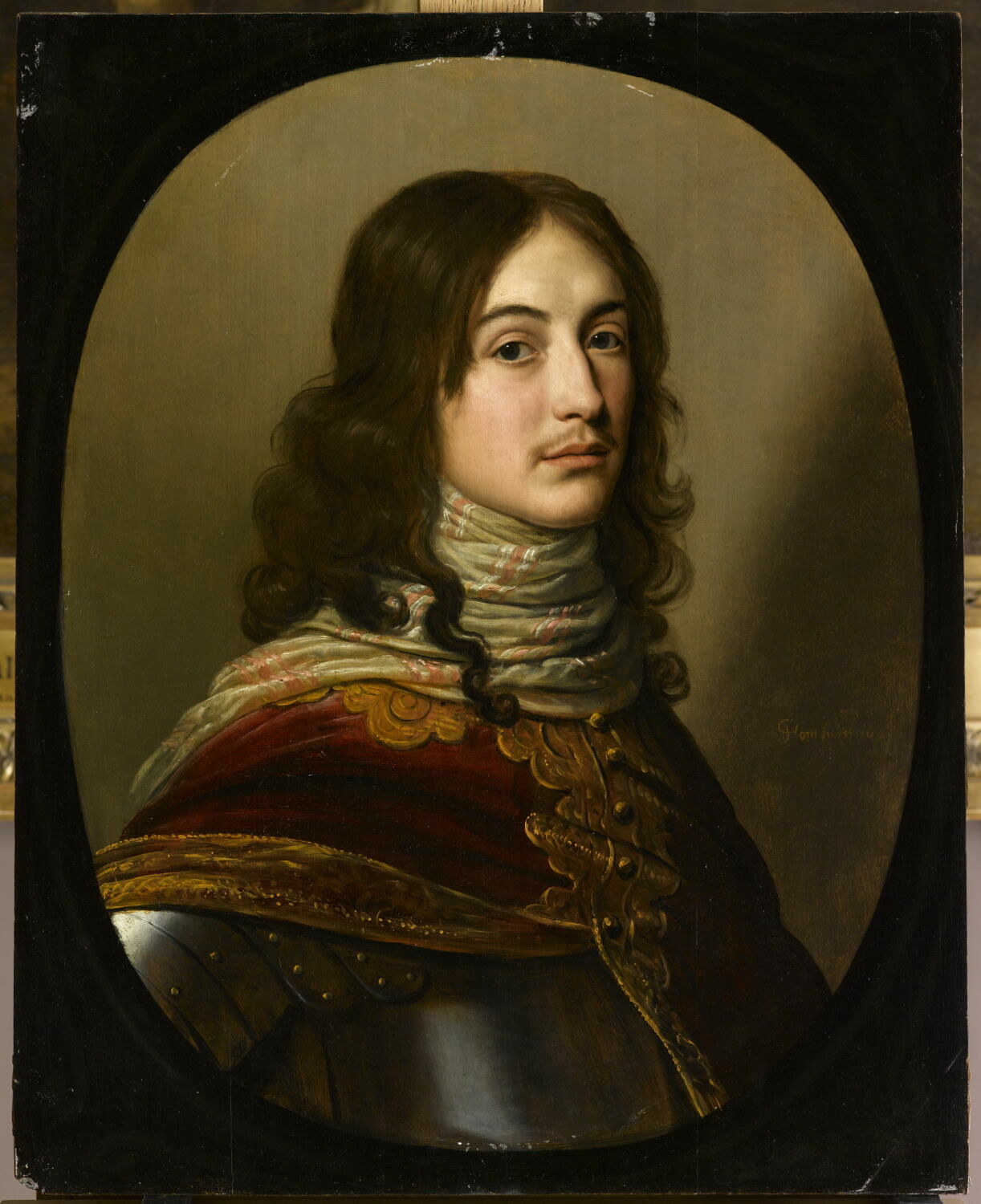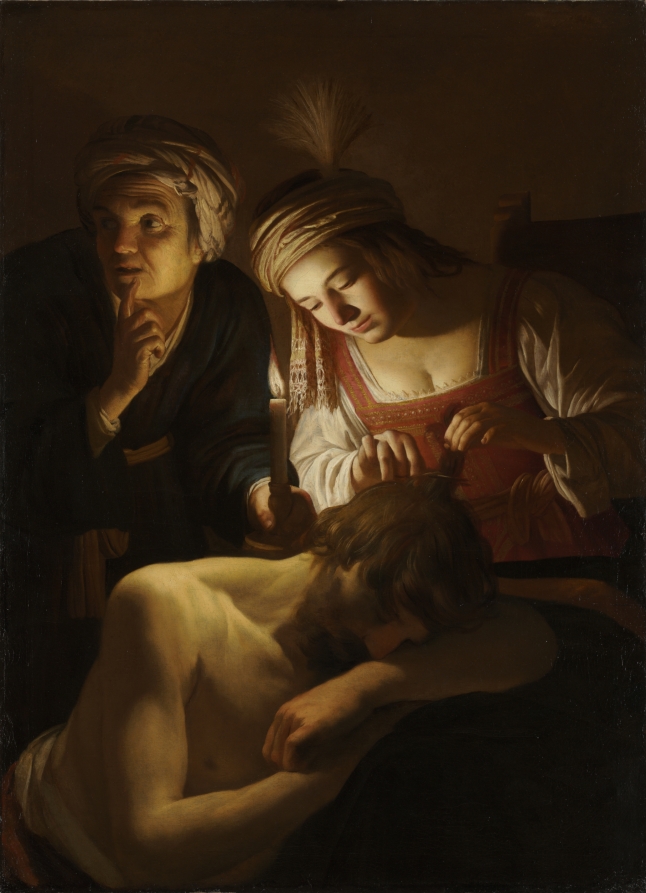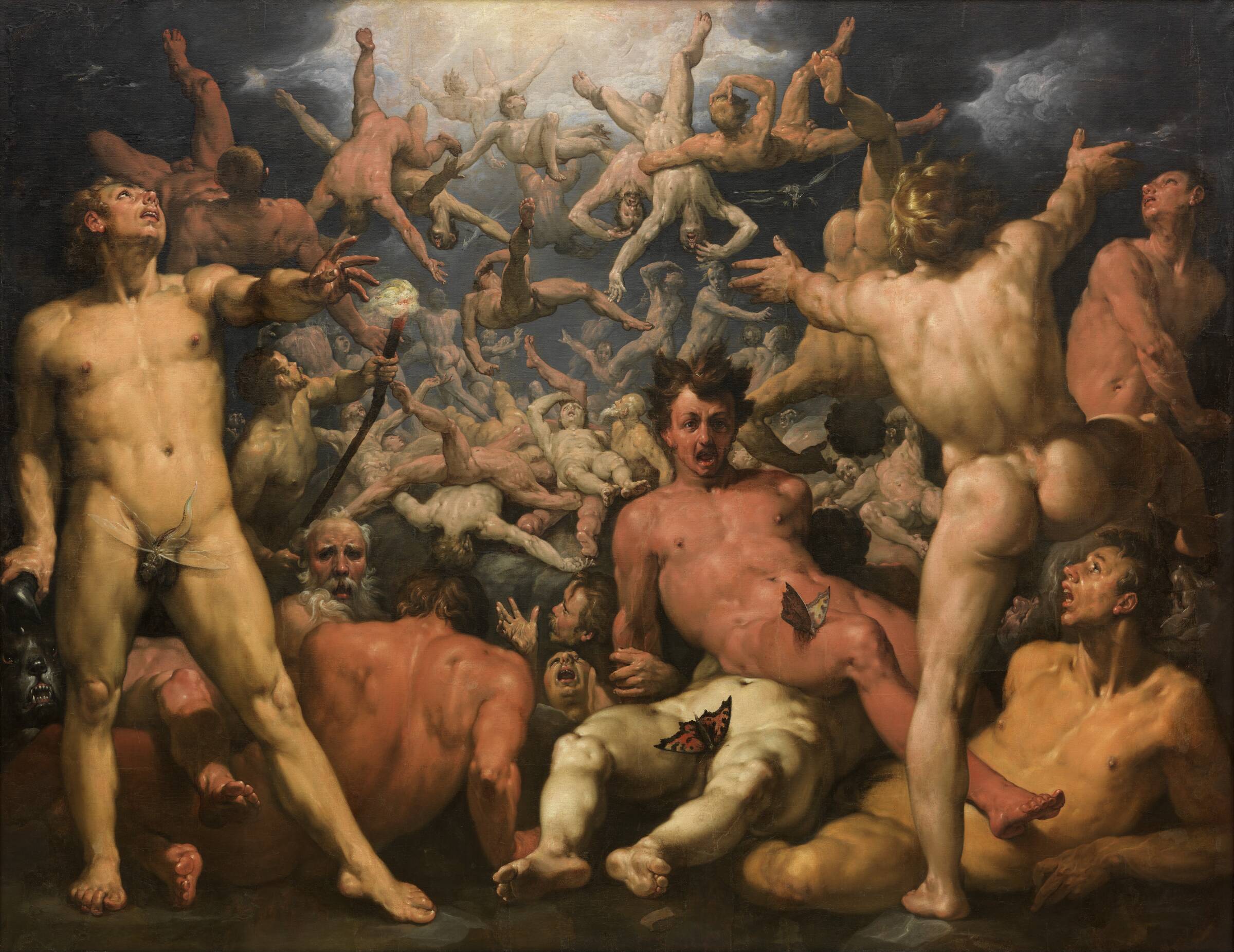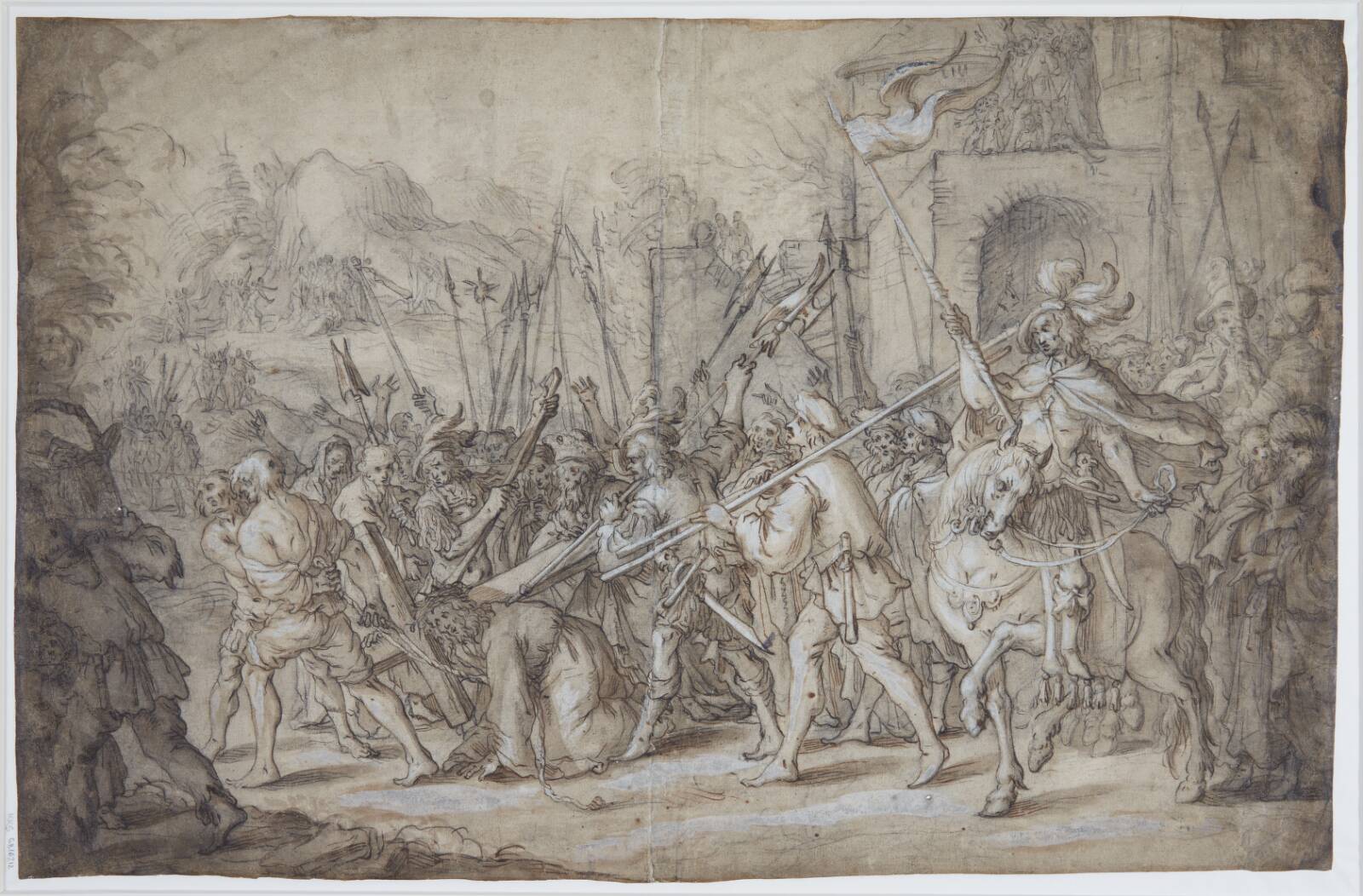
 Gerard van HonthorstPaíses Baixos, 1592–1656
Korstog
Será possível contemplá-la?
De momento, não recebe

Museu Nacional de Arte da Dinamarca
Copenhaga, Dinamarca
Pertence à coleção, mas de momento não está exposta.
- Verificado
- há 21 horas
- Neste estado desde
- 19 de ago. de 2026
- Fonte
- Os dados da própria coleção do museu
Pormenores
- Número de inventário
- KKSgb16212
Fontes
- Museu Nacional de Arte da Dinamarca: the museum's own open data · obtido há 5 dias
- Imagem: Museu Nacional de Arte da Dinamarca — public domain
Entretanto, na vida de Gerard van Honthorst
A vida inteirac. 1610
Leaves for Italy
The son of the decorative painter Herman Gerritsz van Honthorst, trained by his father and then by Abraham Bloemaert, Honthorst probably left for Italy in 1610. He is first recorded in Rome in 1616; other Utrecht artists, later to be known as the Utrecht Caravaggisti, went there around the same time.
c. 1610 – 1620
At the palace of Marquis Giustiniani in Rome
In Rome Honthorst lodged at the palace of Marquis Vincenzo Giustiniani, where he painted “Christ Before the High Priest” (now in the National Gallery, London), and under Caravaggio's influence took up night scenes lit by a hidden artificial source. Italian documents of his day call him “Gherardo Fiammingo” or “Gherardo Hollandese”: the nickname “Gherardo delle Notti” came into use only in the 18th century.
1620
Returns to Utrecht
Back in Utrecht, Honthorst built a considerable reputation at home and abroad: Sir Dudley Carleton, the English envoy at The Hague, recommended his work to the Earl of Arundel, and his work impressed the young Rembrandt and Frans Hals.
1623
Marries and heads the Guild of St. Luke
In the year of his marriage Honthorst was president of the Guild of St. Luke in Utrecht.
1628
Invited to England by Charles I
Elizabeth, Queen of Bohemia, sister of Charles I of England, then in exile in the Netherlands, commissioned paintings from Honthorst and engaged him as drawing master to her children; through her the king came to know him and invited him to England. In London he painted allegories and portraits of courtiers.
1641
Court painter to the Prince of Orange
In The Hague Honthorst was appointed court painter to William, Prince of Orange.