ART WIKI32 963 em exposição
MapaColeçãoArtistasMuseusExposiçõesRevista
Entrar

ART WIKI

Onde está a obra-prima, e a que horas se abre a porta.

Coleções: Art Institute of Chicago, Galeria Nacional de Arte, Galeria Tretiakov, Getty Villa, Harvard Art Museums, Hermitage, Hirshhorn Museum and Sculpture Garden, Instituto de Artes de Minneapolis, Museu de Arte de Cleveland, Museu de Arte Moderna, Museu do Louvre, Museu Estatal de Amesterdão, Museu J. Paul Getty, Museu Metropolitano de Arte, Museu Nacional de Arte da Dinamarca, Museu Pushkin, Museu Russo, Museu Smithsoniano de Arte Americana, Museu Vitória e Alberto, Museu Whitney de Arte Americana, National Museum of Asian Art, National Portrait Gallery, Catálogo Estatal do Fundo Museológico da Rússia (274 museus), Europeana (19 museus), Wikidata (6 museus), Paris Musées (12 museus) e Joconde, a base de museus do Ministério da Cultura de França (495 museus). As imagens pertencem aos titulares dos direitos.

Secções

  • Mapa
  • Pesquisa
  • Coleção
  • Obras-primas
  • Em exposição agora
  • Artistas

Mais

  • Museus e galerias
  • Exposições
  • Revista
  • De onde vêm os dados
  • Privacidade e cookies
InícioMapaCatálogo
  1. Coleção/
  2. Hermitage/
  3. Thatched Cottages and Houses
Thatched Cottages and Houses, Vincent van Gogh, 05.1890

Thatched Cottages and Houses

05.1890 · Painting · 59 × 72 cm

Sobre a pintura

Thatched Cottages at Cordeville, 1890 or Chaumes de Cordeville à Auvers-sur-Oise (literally Thatches of Cordeville at Auvers-sur-Oise) is an oil painting by Vincent van Gogh that was painted in May 1890 while living in Auvers-sur-Oise, France.

Van Gogh spent the last few months of his life in Auvers-sur-Oise, a small town just north of Paris, after he left the asylum in Saint-Rémy in May 1890.

Thatched Cottage of Cordeville, 1890 or Chaumes de Cordeville à Auvers-sur-Oise (literally Thatches of Cordeville at Auvers-sur-Oise) is thought to be the study he mentions in his letter of 21 May 1890 to his brother Theo and wife Jo immediately after arriving in Auvers:"... when I wrote to you I hadn’t yet done anything. Now I have a study of old thatched roofs with a field of peas in flower and some wheat in the foreground, hilly background. A study which I think you’ll like."

Continuar a ler

Hulsker believes the painting is amongst a group of 20 or so works executed by Vincent immediately after his arrival in Auvers, May 20, and the remainder of the month:"... we immediately see in this painting the bright colours that, generally speaking, are characteristic of the Auvers period and differentiate them somewhat from the paintings done in Saint-Rémy - although there is naturally no question of a real break with the past from one week to the next."

The painting is in the Musee d'Orsay.

See Van Gogh, Artistic breakthrough and final years, Auves-sur-Oise

Wikipédia · CC BY-SA

Entretanto, na vida de Vincent van Gogh

A vida inteira
  1. February 1888

    To Arles, dreaming of a “Studio of the South”

    The public still neither accepted nor bought his paintings, and in February 1888 Van Gogh left for Arles in the south of France to found a “Studio of the South”, a brotherhood of like-minded artists in which he gave Gauguin the leading role. Theo backed the plan with money.

  2. 23 October 1888

    Gauguin arrives in Arles

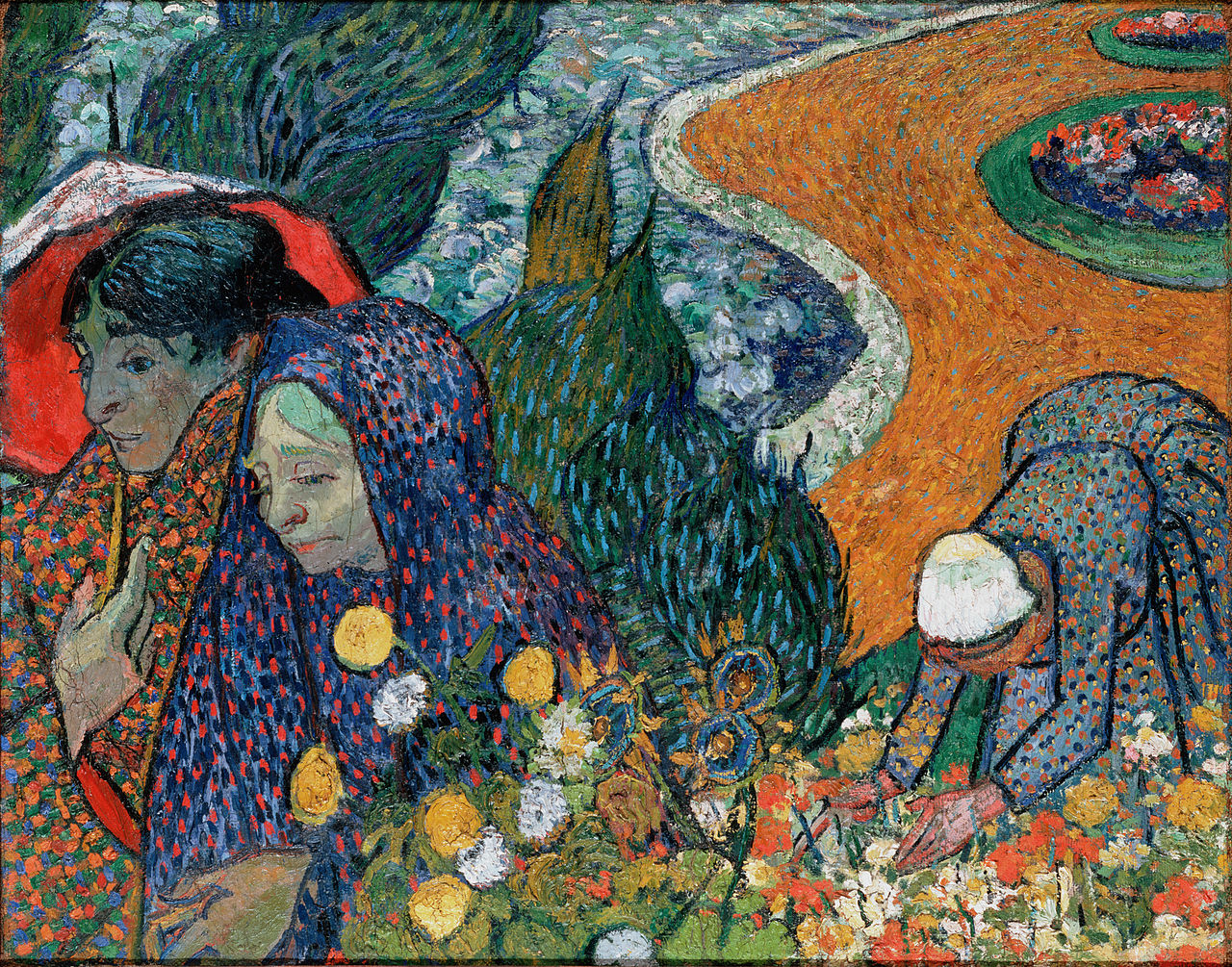
    After much pleading Gauguin arrived in Arles, and in November the two painted together: Gauguin portrayed Van Gogh in “The Painter of Sunflowers”, and their first joint outing was to the Alyscamps. At Gauguin's suggestion Vincent painted from memory, producing “Memory of the Garden at Etten”.

  3. 23 December 1888

    The severed ear

    After an altercation on the evening of 23 December, Van Gogh, seemingly hearing voices, severed his left ear, wholly or in part, with a razor and delivered it, wrapped in paper, to a woman at a brothel. Next morning a policeman found him unconscious; in hospital he was diagnosed with “acute mania with generalised delirium”.

  4. May 1889

    Voluntarily into the Saint-Paul asylum

    Van Gogh left Arles and voluntarily entered the Saint-Paul-de-Mausole asylum, a former monastery in Saint-Rémy-de-Provence, accompanied by the Protestant clergyman Frédéric Salles. Of his two cells with barred windows one became a studio, and the clinic and its garden became the main subjects of his paintings.

  5. 27 July 1890

Mais obras de Vincent van Gogh

Todas as obras

Na mesma sala · Зал 413, Hermitage

Página do museu
Nas palavras do museu — em russo

Картина была написана в Овере, незадолго до ухода Ван Гога из жизни. Мотив с крестьянскими хижинами неоднократно привлекал художника. "На мой взгляд, самое замечательное из того, что я знаю в области архитектуры, - это хижины с крышей из обомшелой соломы и закопченным очагом", - писал Ван Гог в одном из писем. Крыши, крытые соломой, составляют такую же органичную часть природы, как холмы, поля и небо. Холмистый рельеф реальной натуры дал живописцу возможность выявить и усилить динамику пространства. Напряженные, частью волнообразные мазки и линии не только передают спады и подъемы, но и создают экспрессию, которая усиливается цветовыми контрастами. Эта живопись создана кистью, выразившей мятущуюся душу художника, его драматическое мироощущение.

Hermitage

Pormenores

05.1890 · aos 37 anos
18531890
Número de inventário
ГЭ-9117

Fontes

  • Hermitage
  • Imagem: Hermitage — Museum open access

A fatal wound: a revolver shot

Out painting, Van Gogh shot himself in the chest with a revolver he had bought to scare off birds while working outdoors; the bullet passed below his heart, and he made his own way back to his room at the inn. Theo arrived the next day and stayed with him to the end; according to Theo, Vincent's last words were: “The sadness will last forever.”

  • 29 de julho de 1890

    Died

  • Vincent van Gogh, retratoVincent van GoghPaíses Baixos, 1853–1890

    Será possível contemplá-la?

    Sim, recebe visitas

    Hermitage

    São Petersburgo, Rússia

    Sala413

    Exposta ao público. Quem o garante vem indicado abaixo.

    Verificado
    29 de ago. de 2026
    Neste estado desde
    30 de ago. de 2026
    Fonte
    O museu
    No mapaPágina do museu
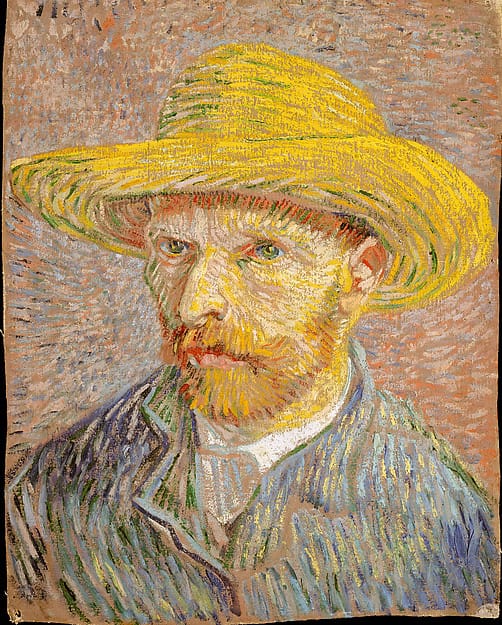
    Self-Portrait with a Straw Hat (obverse: The Potato Peeler), Vincent van Gogh, 1887

    Self-Portrait with a Straw Hat (obverse: The Potato Peeler)

    1887 · Museu Metropolitano de Arte

    Self-portrait, Vincent van Gogh, 1887

    Self-portrait

    1887 · Museu Estatal de Amesterdão

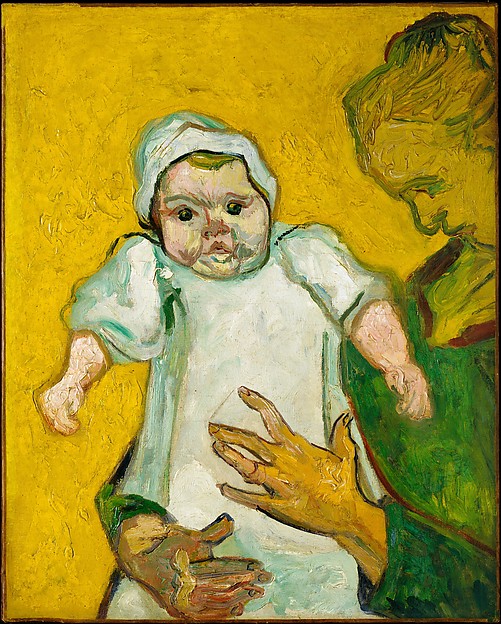
    Madame Roulin and Her Baby, Vincent van Gogh, 1888

    Madame Roulin and Her Baby

    1888 · Museu Metropolitano de Arte

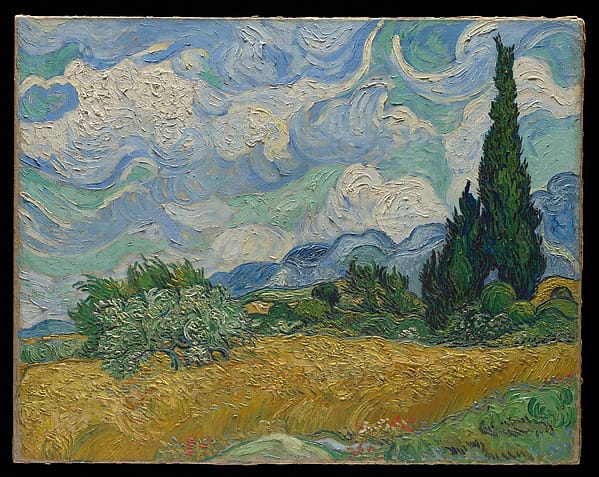
    Wheat Field with Cypresses, Vincent van Gogh, 1889

    Wheat Field with Cypresses

    1889 · Museu Metropolitano de Arte

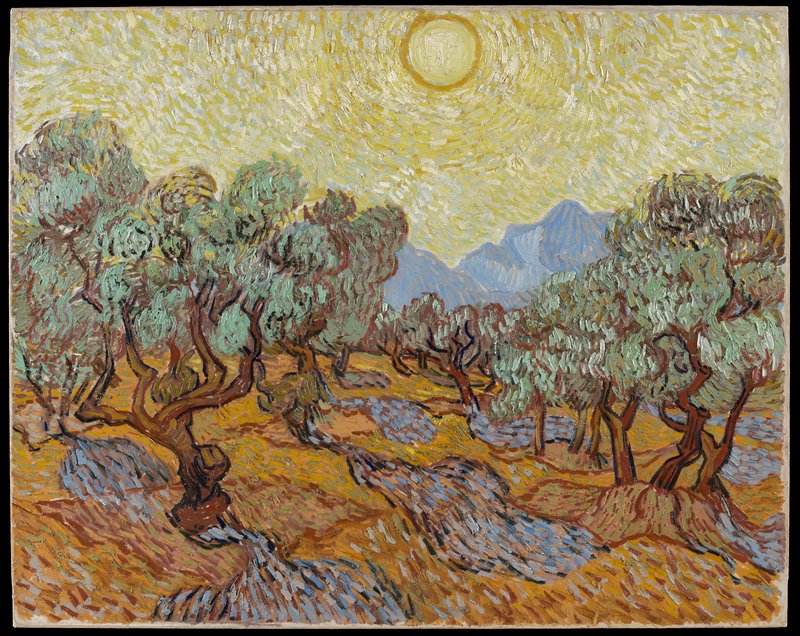
    Olive Trees, Vincent van Gogh, 1889

    Olive Trees

    1889 · Instituto de Artes de Minneapolis

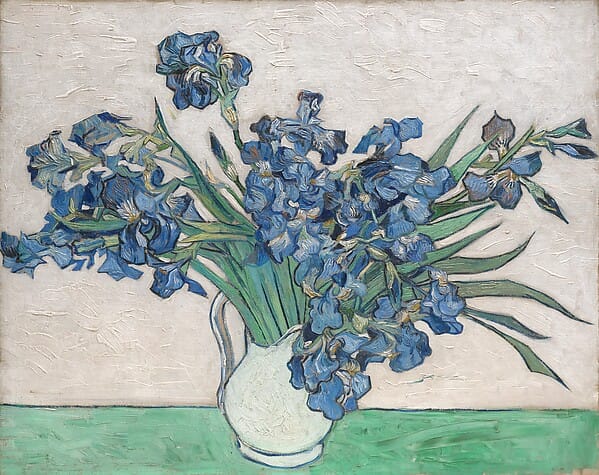
    Irises, Vincent van Gogh, 1890

    Irises

    1890 · Museu Metropolitano de Arte

    Het Singel bij de Lutherse Kerk te Amsterdam, Vincent van Gogh, 1885

    Het Singel bij de Lutherse Kerk te Amsterdam

    1885 · Museu Estatal de Amesterdão

    The Potato Peeler (reverse: Self-Portrait with a Straw Hat), Vincent van Gogh, 1885

    The Potato Peeler (reverse: Self-Portrait with a Straw Hat)

    1885 · Museu Metropolitano de Arte

    Morning. Going to Work (after Millet ), Vincent van Gogh, 01.1890

    Vincent van Gogh

    Morning. Going to Work (after Millet ), 01.1890

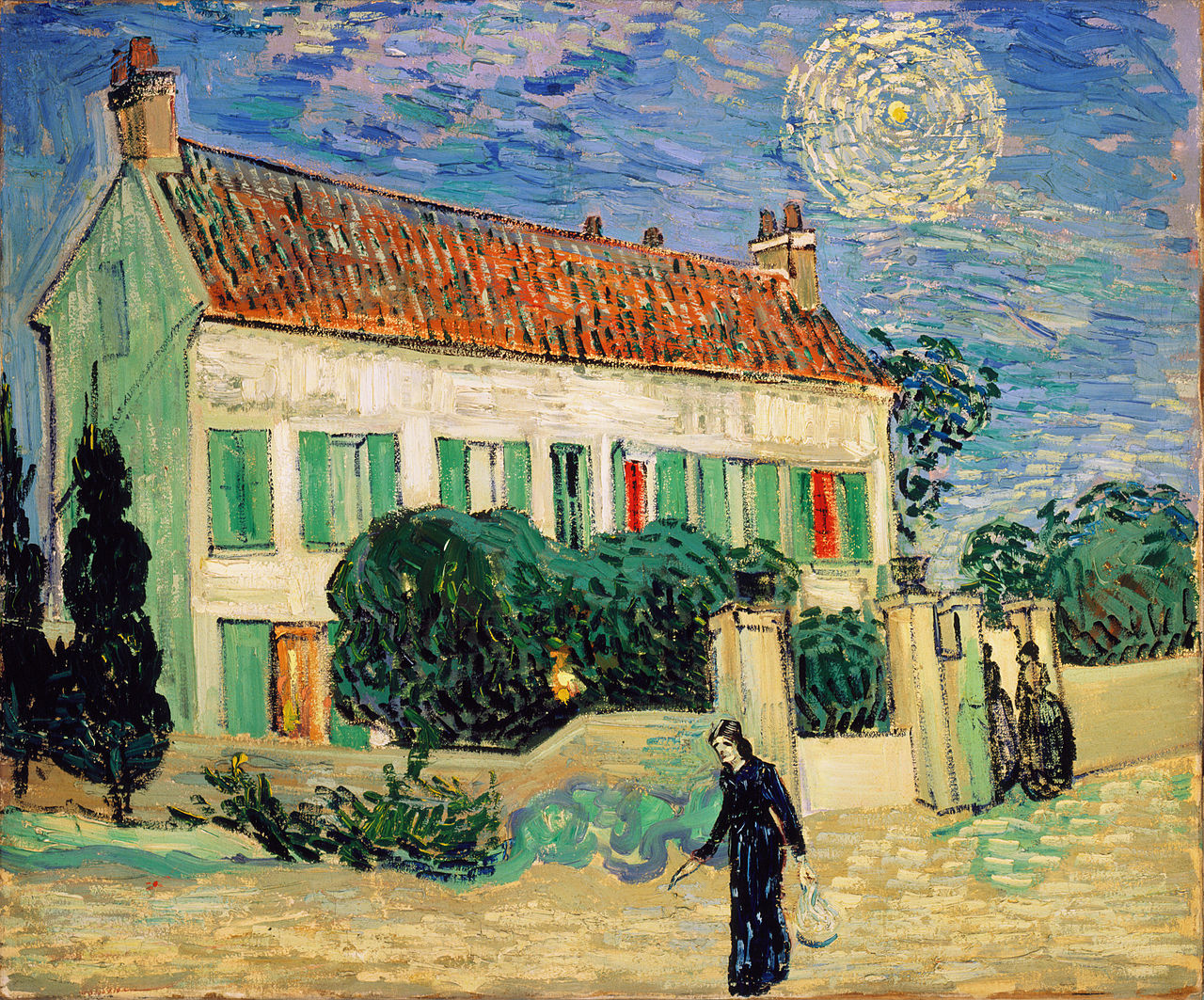
    White House at Night, Vincent van Gogh, 1890

    Vincent van Gogh

    White House at Night, 1890

    Landscape with House and Ploughman, Vincent van Gogh, 01.12.1889

    Vincent van Gogh

    Landscape with House and Ploughman, 01.12.1889

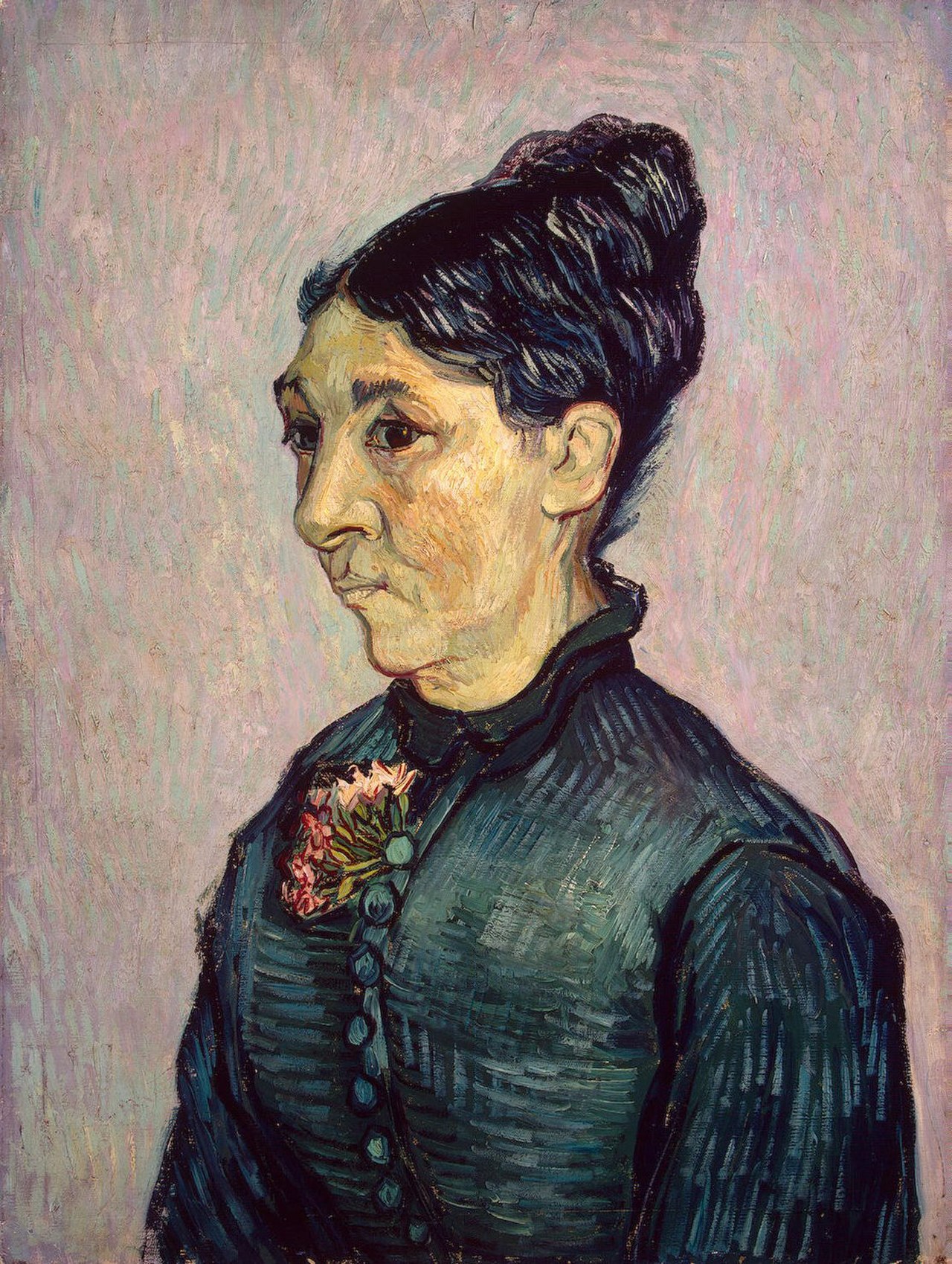
    Portrait de Madame Trabuc, Vincent van Gogh, 09.1889

    Vincent van Gogh

    Portrait de Madame Trabuc, 09.1889

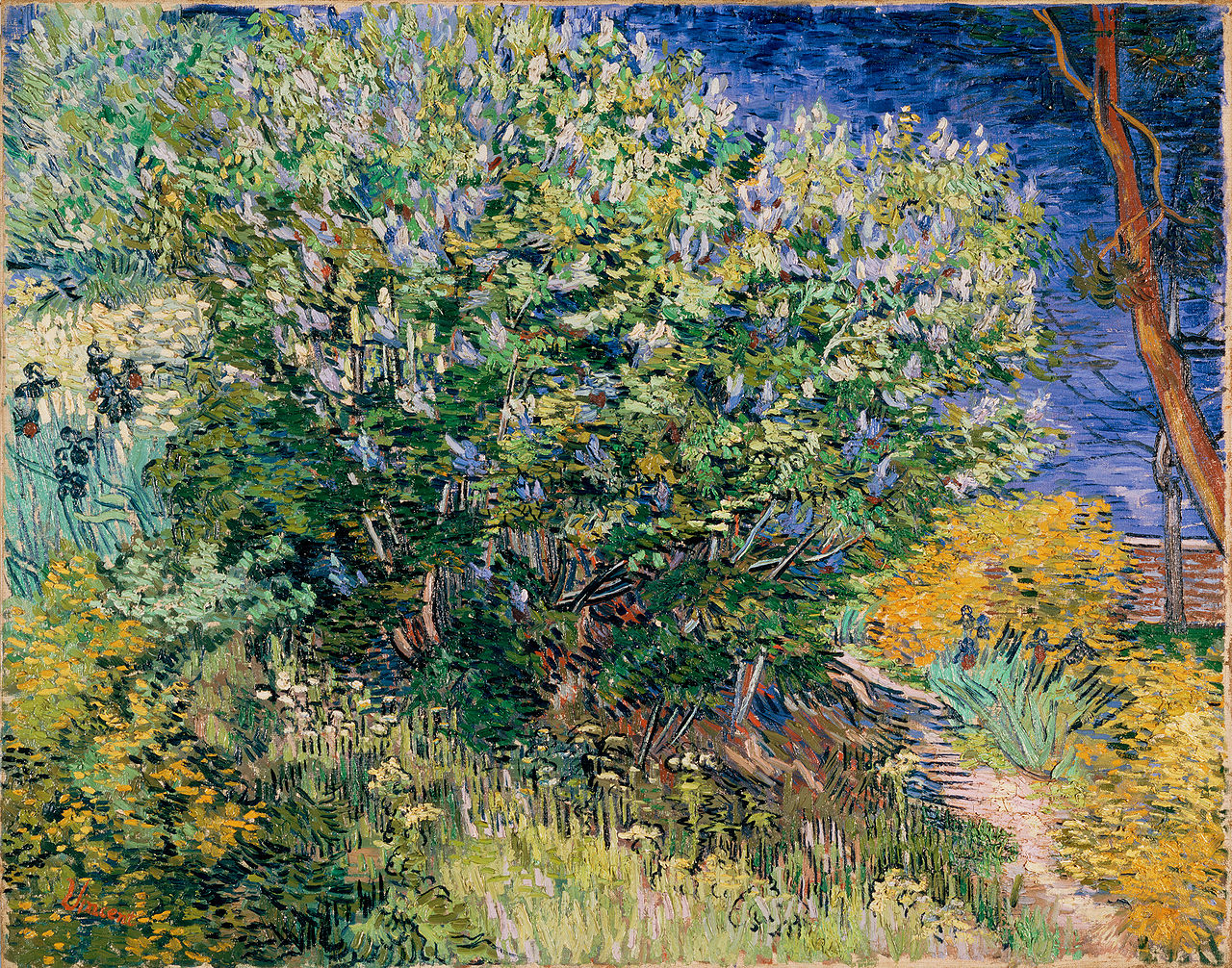
    Lilac Bush, Vincent van Gogh, 05.1889

    Vincent van Gogh

    Lilac Bush, 05.1889

    Arena in Arles, Vincent van Gogh, 1888

    Vincent van Gogh

    Arena in Arles, 1888

    Memory of the Garden at Etten, Vincent van Gogh, 11.1888

    Vincent van Gogh

    Memory of the Garden at Etten, 11.1888

    No catálogo

    PinturasÓleoPintura neerlandesaImpressionismoSéculo XIXFrança