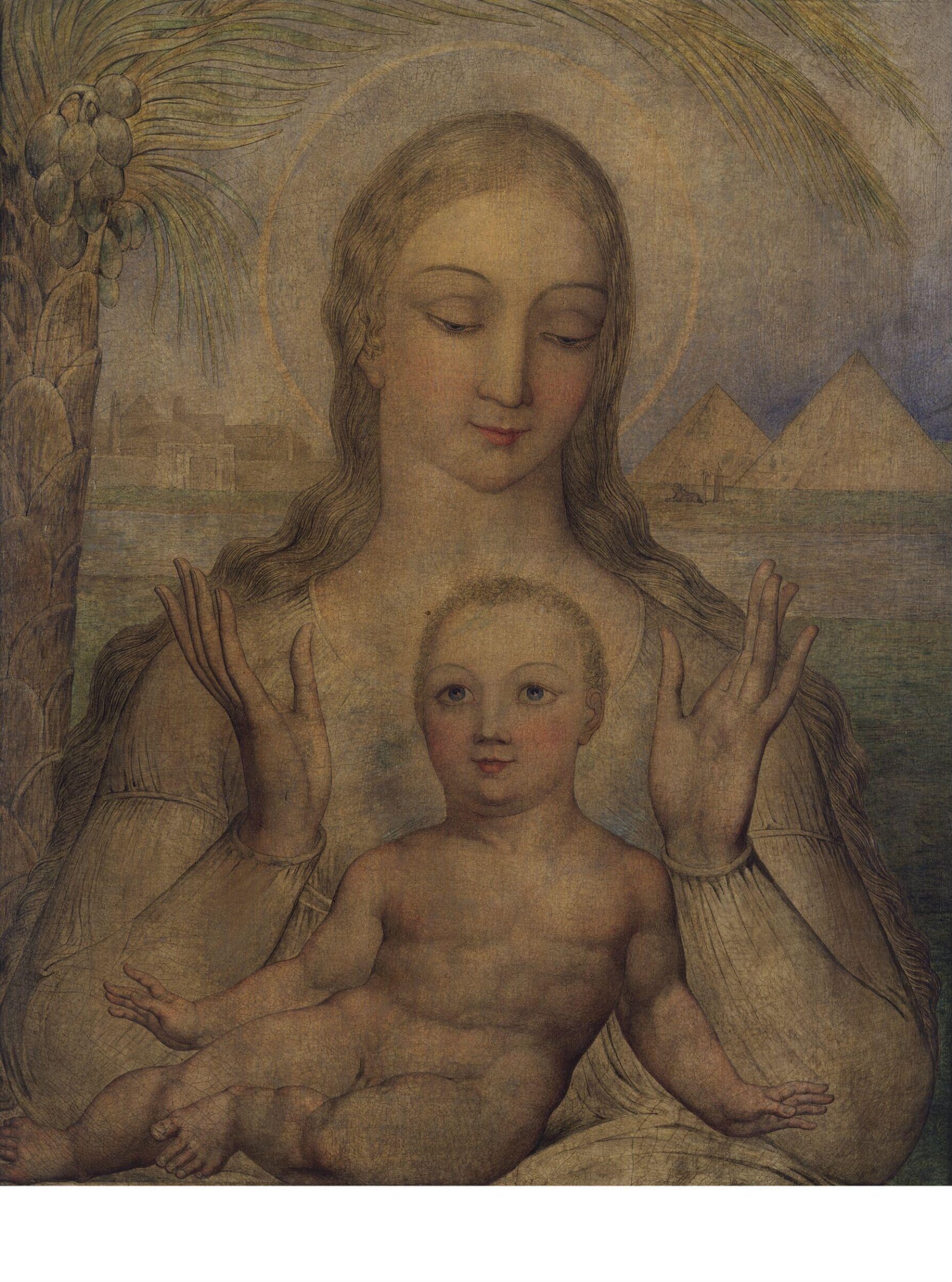
William BlakeReino Unido, 1757–1827
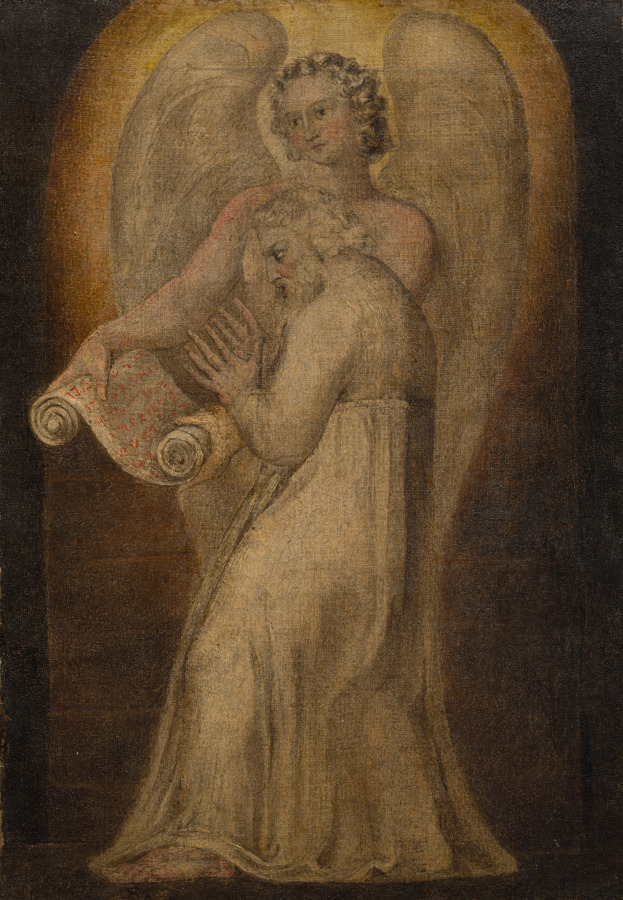
Homerus op een adelaar
Posso vê-la?
Desconhecido
Onde está «Homerus op een adelaar» hoje? Coleção: Museu Estatal de Amesterdão, Amesterdão. Desconhecido.

Amesterdão, Países Baixos
O proprietário é conhecido; não se sabe se hoje está exposta.
- Fonte
- O museu
Pormenores
- Número de inventário
- RP-P-1975-75-1
O que mostra
No catálogo
Fontes
- Museu Estatal de Amesterdão
- Imagem: Museu Estatal de Amesterdão — public domain
Na vida de William Blake
A vida inteirasetembro de 1800 – setembro de 1803 · Local de trabalho
Felpham
1803
A fight with the soldier Schofield and a trial at Chichester
In August 1803 Blake was involved in a physical altercation with a soldier, John Schofield, and was charged not only with assault but with uttering seditious and treasonable expressions against the King; Schofield claimed that Blake had exclaimed “Damn the king. The soldiers are all slaves.” Blake was cleared at the Chichester assizes.
setembro de 1803 – outubro de 1803 · Residência
Broadwick Street
outubro de 1803 – 1820 · Residência
South Molton Street
1804
Returns to London and begins “Jerusalem”
In 1804 Blake returned to London and began to write and illustrate “Jerusalem: The Emanation of the Giant Albion” (1804–20), his most ambitious work.
after 1804
Cromek cheats Blake; Stothard gets the commission
Having conceived the idea of portraying the characters of Chaucer's “Canterbury Tales”, Blake approached the dealer Robert Cromek with a view to marketing an engraving; Cromek, thinking Blake too eccentric to produce a popular work, promptly commissioned Blake's friend Thomas Stothard instead. When Blake learned he had been cheated, he broke off contact with Stothard.