 Otto DixAlemanha, 1891–1969
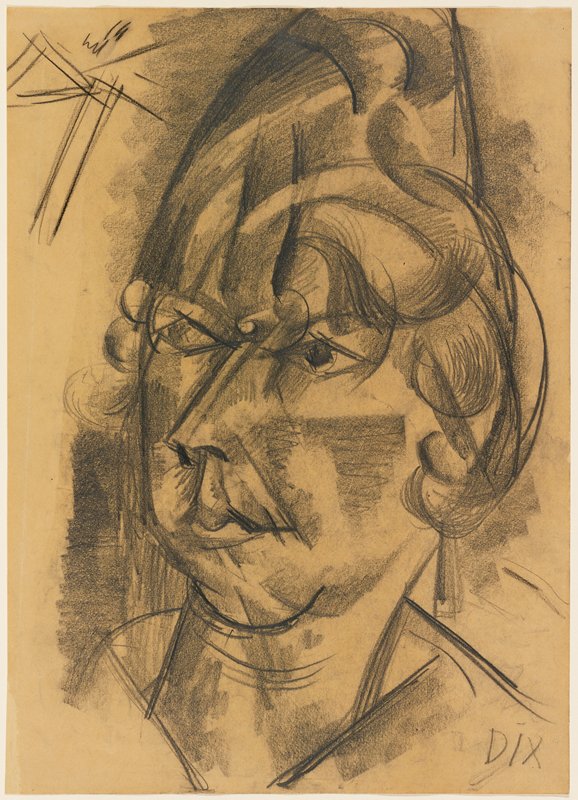
Head Study III
Será possível contemplá-la?
De momento, não recebe

Instituto de Artes de Minneapolis
Minneapolis, Estados Unidos
Pertence à coleção, mas de momento não está exposta.
- Verificado
- há 12 horas
- Neste estado desde
- 25 de set. de 2026
- Fonte
- Os dados da própria coleção do museu
Sobre a obra
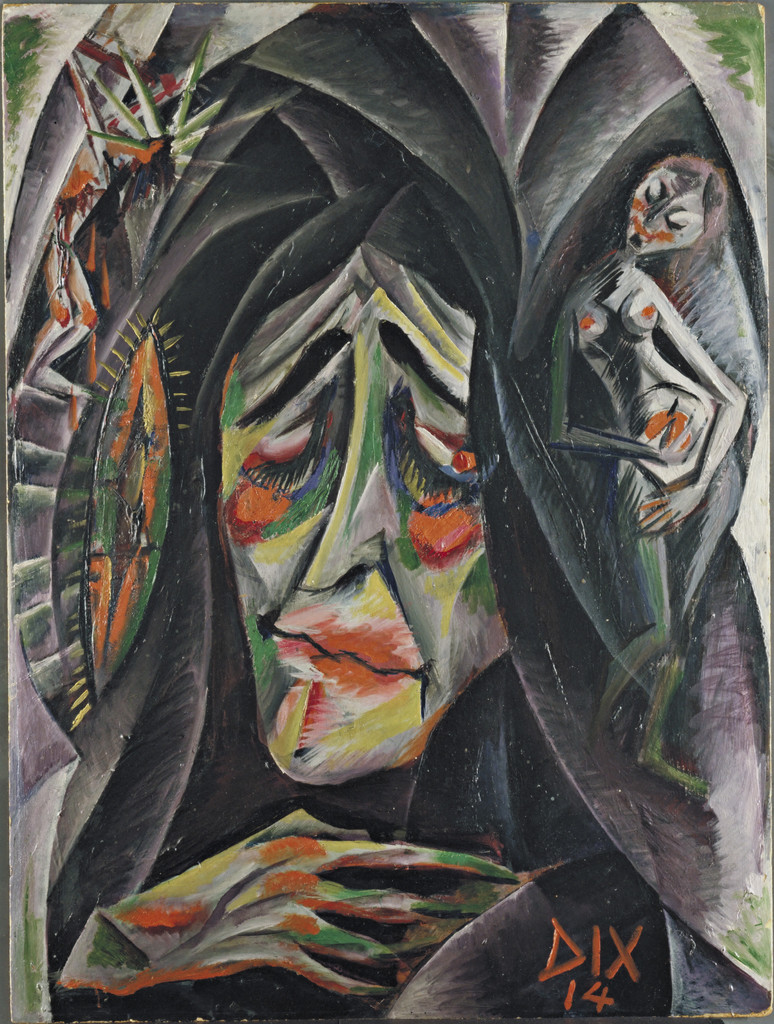
Head Study III reveals an artist in his formative years contending with the celebrated creation of a brilliant artist ten years his senior. Here Otto Dix reinterpreted a Cubist sculpture made by Picasso in 1909. Many features are clearly recognizable: the massive waves of hair extending down to the bony ridges of the brow, the sharply defined diamond-shaped eyes, the long nose, the protuberant lips, the knobby chin, and the neck extending from the cowl collar. Dix paid close attention to the play of light over the faceted surface and rendered the form at one-to-one scale (the drawing and sculpture are both sixteen inches tall). What serves as a bit of background landscape is actually a quick notation of the juncture of eyes, nose, and brow.
Read on
Dix’s study is no coldly analytical examination. He has transformed Picasso’s introverted, meditative sculpture into an alert woman who will not tolerate any funny business. Such sparks of humor animated Dix’s art throughout his career. But he would move far beyond playfulness, propelled to the forefront of social-critical art.
Instituto de Artes de Minneapolis
Pormenores
- Número de inventário
- 2000.242.9
No catálogo
Fontes
- Instituto de Artes de Minneapolis: the museum's own open data · obtido há 4 dias
- Imagem: Instituto de Artes de Minneapolis — © Artists Rights Society (ARS), New York / VG Bild-Kunst, Bonn
Entretanto, na vida de Otto Dix
A vida inteira1919
Moving from Gera to Dresden
At the end of 1918 Dix had returned to Gera, but the next year he moves to Dresden, where he studies at the Hochschule für Bildende Künste.
1919
Founding of the Dresden Secession
Dix becomes one of the founders of the Dresden Secession group; at this time his work is passing through an expressionist phase.
1920
The first Dada Fair in Berlin
Dix exhibits some of his collage-influenced works at the first Dada Fair in Berlin.
1920
Meeting George Grosz
Dix meets George Grosz, his friend and fellow veteran, and, influenced by Dada, begins to incorporate collage elements into his works.
1920
The German Expressionists exhibition in Darmstadt
In 1920 Dix takes part in the German Expressionists exhibition in Darmstadt.
1921
Meeting Martha Koch
Dix meets the metalsmith Martha Koch; they will marry in 1923 and have three children, and she becomes a frequent subject of his portraits.