ART WIKI32 979 em exposição
MapaColeçãoArtistasMuseusExposiçõesRevista
Entrar

ART WIKI

Onde está a obra-prima, e a que horas se abre a porta.

Coleções: Art Institute of Chicago, Galeria Nacional de Arte, Galeria Tretiakov, Getty Villa, Harvard Art Museums, Hermitage, Hirshhorn Museum and Sculpture Garden, Instituto de Artes de Minneapolis, Museu de Arte de Cleveland, Museu de Arte Moderna, Museu do Louvre, Museu Estatal de Amesterdão, Museu J. Paul Getty, Museu Metropolitano de Arte, Museu Nacional de Arte da Dinamarca, Museu Pushkin, Museu Russo, Museu Smithsoniano de Arte Americana, Museu Vitória e Alberto, Museu Whitney de Arte Americana, National Museum of Asian Art, National Portrait Gallery, Catálogo Estatal do Fundo Museológico da Rússia (274 museus), Europeana (19 museus), Wikidata (6 museus), Paris Musées (12 museus) e Joconde, a base de museus do Ministério da Cultura de França (495 museus). As imagens pertencem aos titulares dos direitos.

Secções

  • Mapa
  • Pesquisa
  • Coleção
  • Obras-primas
  • Em exposição agora
  • Artistas

Mais

  • Museus e galerias
  • Exposições
  • Revista
  • De onde vêm os dados
  • Privacidade e cookies
InícioMapaCatálogo
  1. Coleção/
  2. Museu Vitória e Alberto/
  3. Head of a Warrior
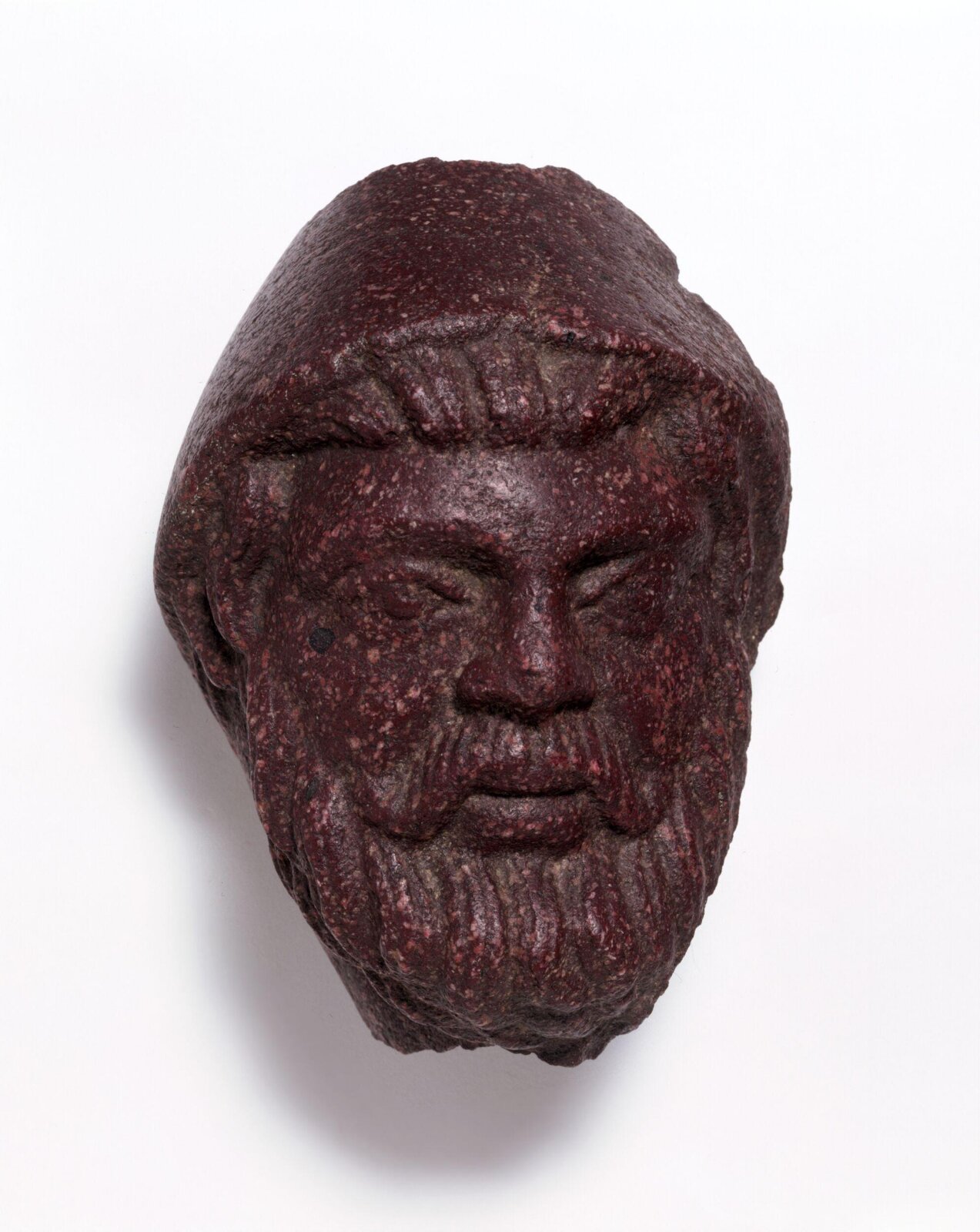
Head of a Warrior, 300-400

Head of a Warrior

300-400 · Head · 16 × 11 cm

Será possível contemplá-la?

Sim, recebe visitas

Museu Vitória e Alberto

Londres, Reino Unido

SalaMedieval & Renaissance, Room 8, The William and Eileen Ruddock Gallery

Exposta ao público. Quem o garante vem indicado abaixo.

Verificado
há 13 dias
Neste estado desde
25 de set. de 2026
Fonte
O museu
No mapaPágina do museu

Sobre a escultura

This head represents a Goth or Persian warrior. It may come from the sarcophagus of St Helena, mother of Emperor Constantine, which is preserved in the Vatican. Because of its purple colour, porphyry was used both for statues depicting the imperial family and for their sarcophagi.

Continuar a ler

The site of the ancient porphyry quarries from which this stone originates, after being long lost, was discovered in the Nineteenth century by Burton and Wilkinson at Gebel Dokhan, situated in the Red Sea mountains of eastern Egypt. The purple Imperial Porphyry is found nowhere else in the world, except in these mountains (together with other types of Porphyry) and the Romans went to extraordinary lengths to acquire substantial amounts of it. The environment around the mines was harsh with little readily available water - the present day climate can reach 114 degrees Fahrenheit and there would have been no local source of food with wildlife extremely scarce. The extraction of porphyry from this inhospitable terrain was a considerable logistical feat.

The material could only be extracted in workable blocks from the tops of four mountains, from whence it was transported down narrow zig zag paths and slipways which are still preserved. On reaching the wadi bed the archaeological evidence of the transportation continues in the form of a cistern and animal lines and then a great loading ramp 8km futher on, where it is believed the the stone would be loaded on to carts for the journey to the Nile, 150km away, going via Badia on a road delineated by cairns that are still visible today. The site of the mines was explored and excavated by a team lead by Dr Peacock of Southampton University in the Imperial Porphyry Mines Project.

Museu Vitória e Alberto

Pormenores

Número de inventário
A.102-1956

Na mesma sala · Medieval & Renaissance, Room 8, The William and Eileen Ruddock Gallery, Museu Vitória e Alberto

Página do museu

O que mostra

Heads (body part)WarriorHelmetBeardMoustache

No catálogo

EsculturaItália

Fontes

  • Museu Vitória e Alberto
  • Imagem: Museu Vitória e Alberto — © Victoria and Albert Museum, London
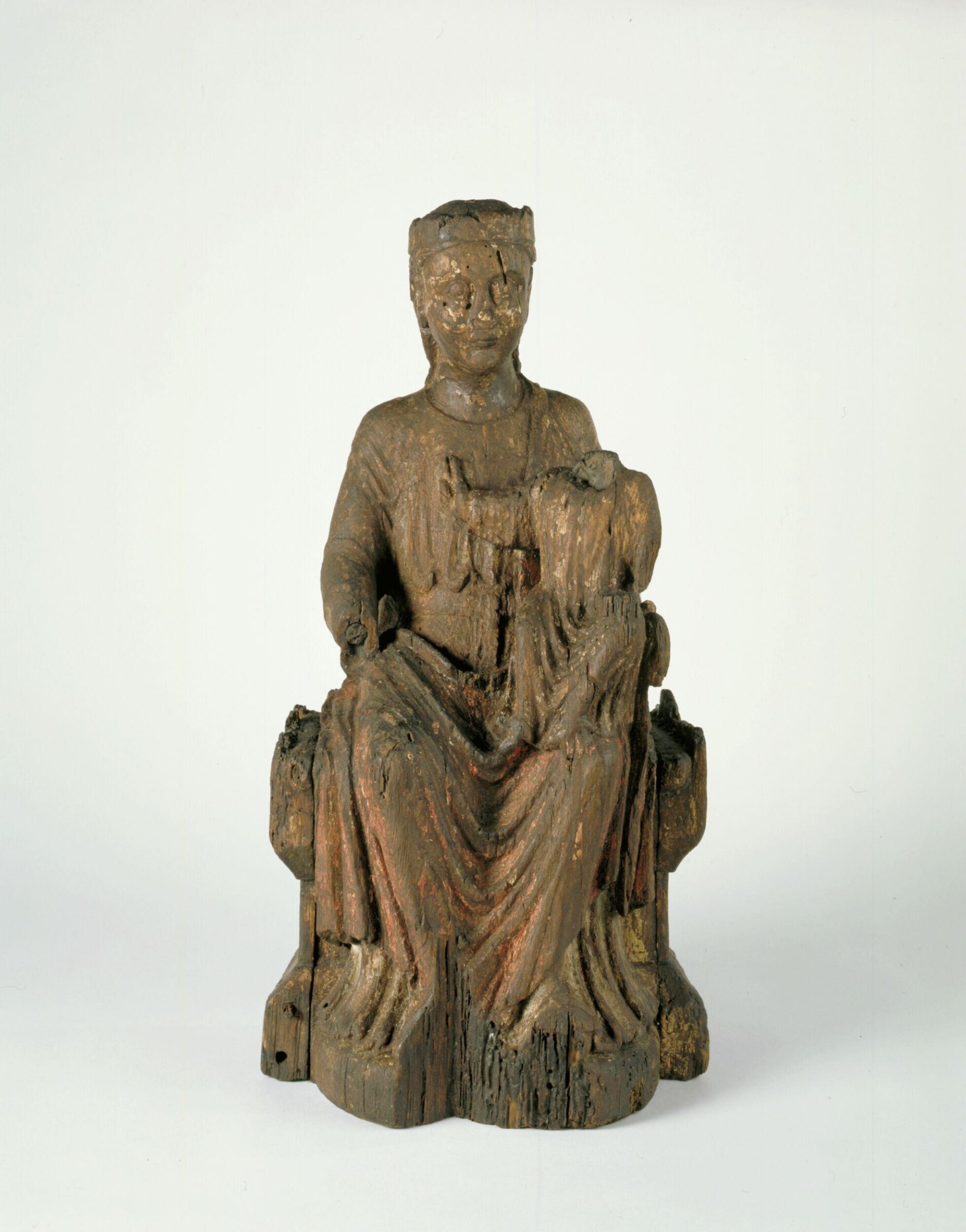
Virgin and Child, ca. 1220-1230

Virgin and Child, ca. 1220-1230

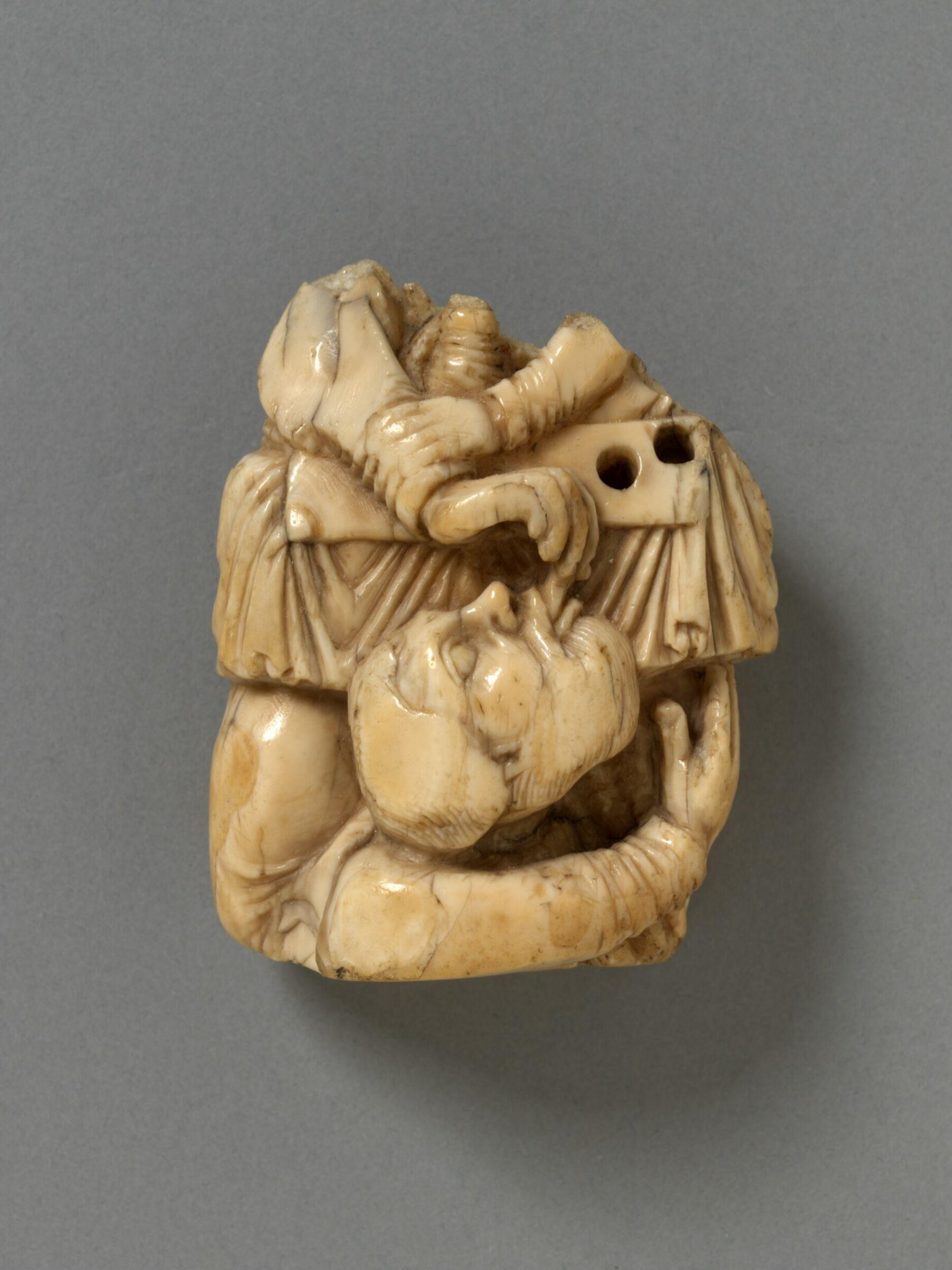
Judas at the Last Supper, ca. 1200

Judas at the Last Supper, ca. 1200

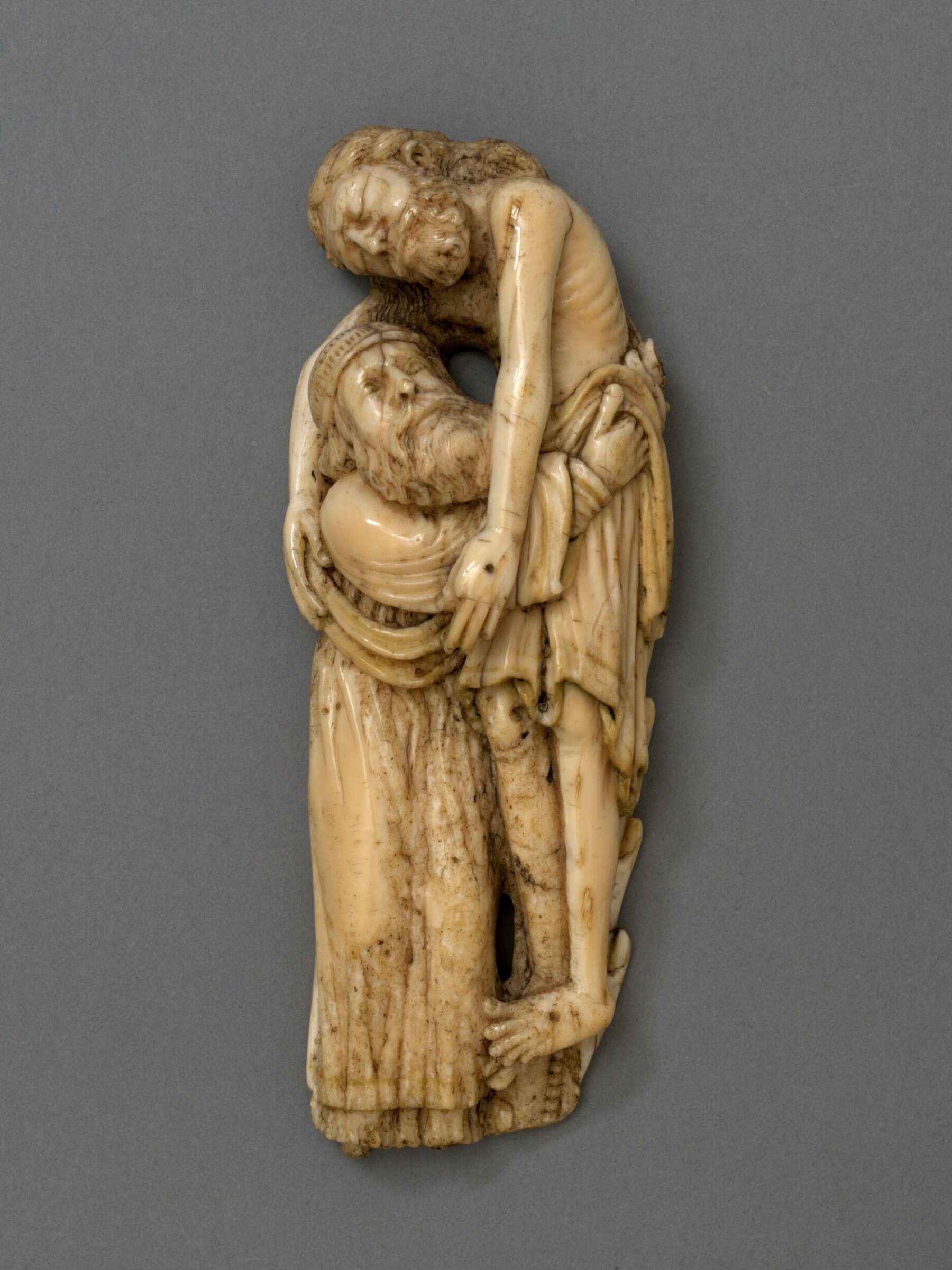
The Deposition of Christ, ca. 1200

The Deposition of Christ, ca. 1200

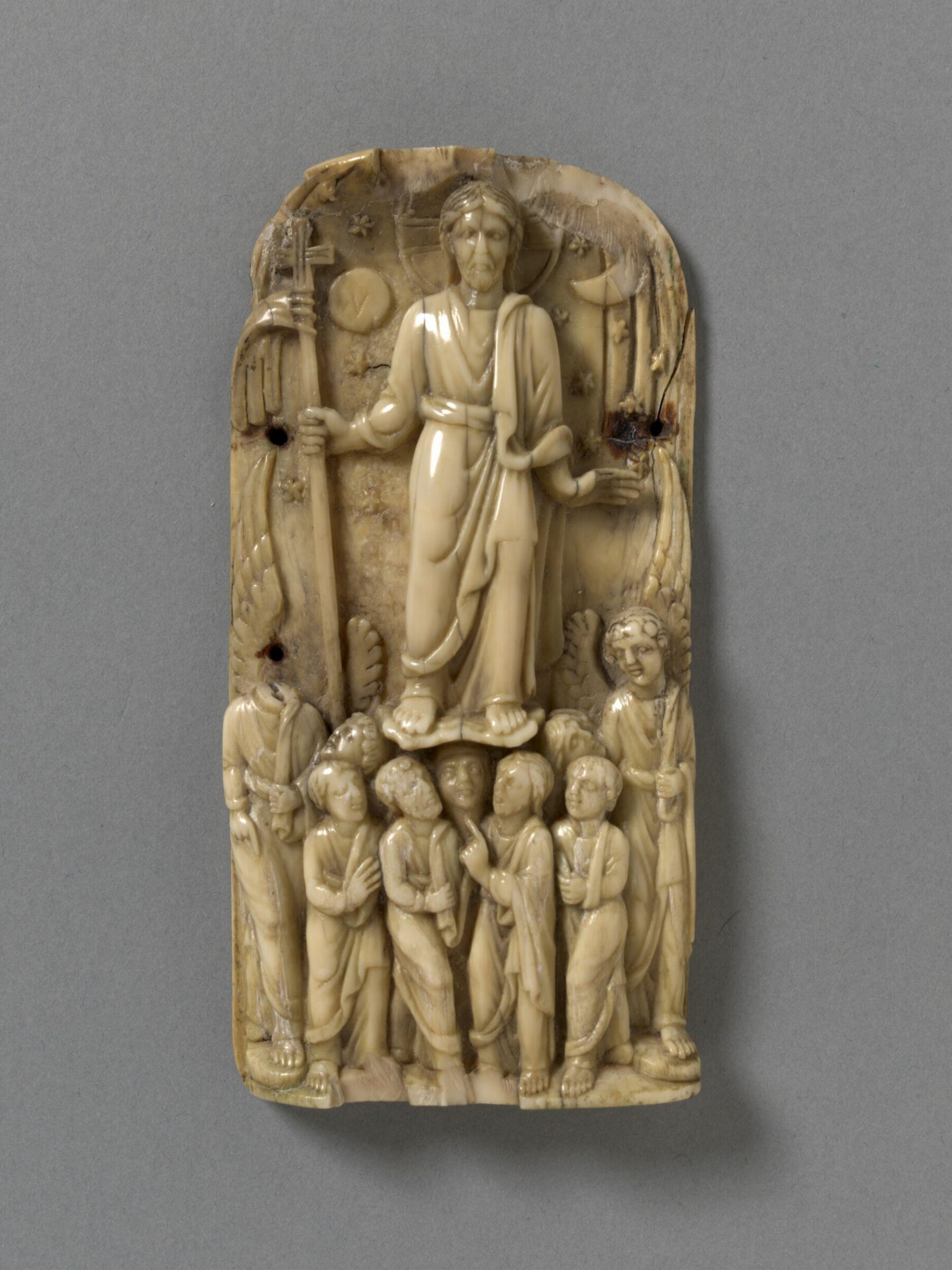
The Ascension, ca. 1180

The Ascension, ca. 1180

Virgin and Child, 1170-80

Virgin and Child, 1170-80

Relief of Saint Peter, ca. 1160

Relief of Saint Peter, ca. 1160

Virgin and Child, ca. 1160-1180

Virgin and Child, ca. 1160-1180

Relief depicting Saint Paul, ca. 1160

Relief depicting Saint Paul, ca. 1160