ART WIKI33 040 em exposição
MapaColeçãoArtistasMuseusExposiçõesRevista
Entrar

ART WIKI

Onde está a obra-prima, e a que horas se abre a porta.

Coleções: Art Institute of Chicago, Galeria Nacional de Arte, Galeria Tretiakov, Getty Villa, Harvard Art Museums, Hermitage, Hirshhorn Museum and Sculpture Garden, Instituto de Artes de Minneapolis, Museu de Arte de Cleveland, Museu de Arte Moderna, Museu do Louvre, Museu Estatal de Amesterdão, Museu J. Paul Getty, Museu Metropolitano de Arte, Museu Nacional de Arte da Dinamarca, Museu Pushkin, Museu Russo, Museu Smithsoniano de Arte Americana, Museu Vitória e Alberto, Museu Whitney de Arte Americana, National Museum of Asian Art, National Portrait Gallery, Catálogo Estatal do Fundo Museológico da Rússia (274 museus), Europeana (19 museus), Wikidata (6 museus), Paris Musées (12 museus) e Joconde, a base de museus do Ministério da Cultura de França (495 museus). As imagens pertencem aos titulares dos direitos.

Secções

  • Mapa
  • Pesquisa
  • Coleção
  • Obras-primas
  • Em exposição agora
  • Artistas

Mais

  • Museus e galerias
  • Exposições
  • Revista
  • De onde vêm os dados
  • Privacidade e cookies
InícioMapaCatálogo
  1. Coleção/
  2. Museu de Arte Moderna/
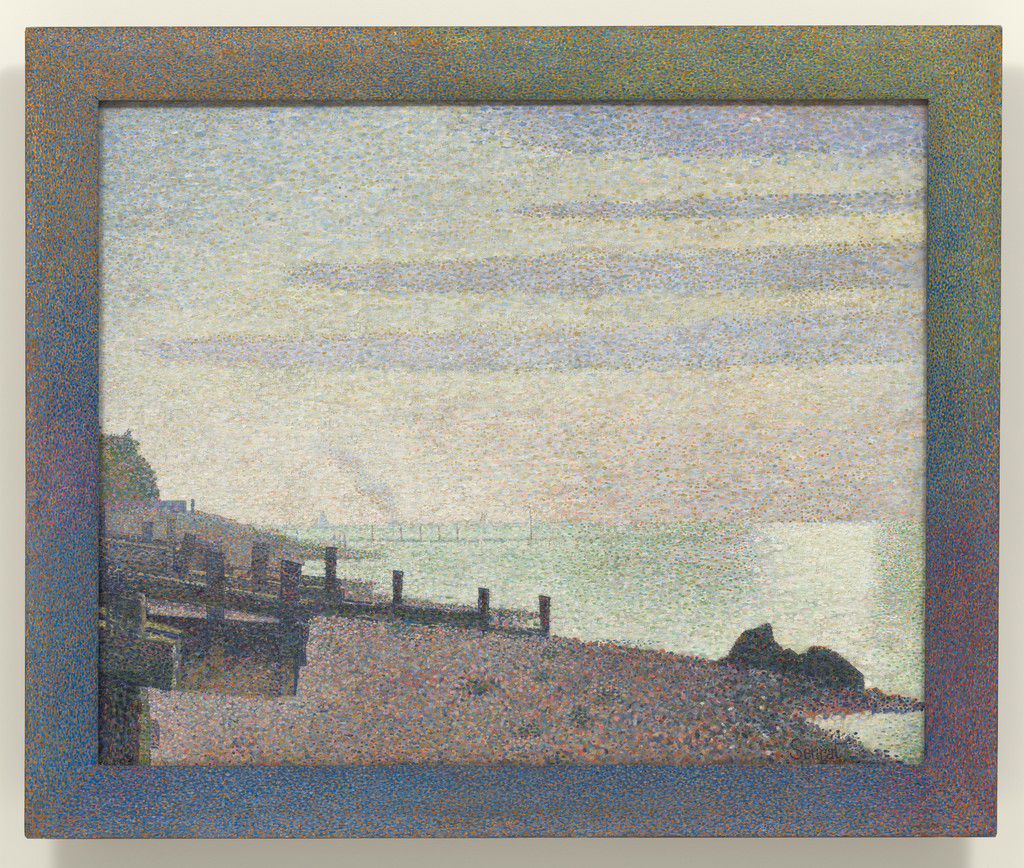
  3. Evening, Honfleur
Evening, Honfleur, Georges-Pierre Seurat, 1886
Georges Seurat, retratoGeorges SeuratFrança, 1859–1891

Evening, Honfleur

1886 · Painting

Será possível contemplá-la?

Sim, recebe visitas

Museu de Arte Moderna

Nova Iorque, Estados Unidos

SalaMoMA, Floor 5, 501

Exposta ao público. Quem o garante vem indicado abaixo.

Verificado
há 16 dias
Fonte
O museu
No mapaPágina do museu

Pormenores

1886 · aos 27 anos
18591891
Número de inventário
266.1957

No catálogo

PinturasÓleoPintura francesaImpressionismoSéculo XIX

Fontes

  • Museu de Arte Moderna
  • Imagem: Museu de Arte Moderna — © the artist or rights holder

Entretanto, na vida de Georges Seurat

A vida inteira
  1. 1880s

    Charles Henry's lectures at the Sorbonne

    In the 1880s Seurat hears lectures by the mathematician Charles Henry at the Sorbonne on the emotional properties and symbolic meaning of lines and colour; there remains controversy over how far he adopted Henry's ideas.

  2. 1884

    Meeting Paul Signac

    At the first exhibition of the Groupe des Artistes Indépendants Seurat meets Paul Signac, a future follower of pointillism; Signac later wrote that “Bathers” is painted in broad flat strokes and looks less bright than the Impressionists' canvases, but that the systematic separation of light, shade and local colour gives it harmony.

  3. 15 May – 30 June 1884

    The Salon rejects “Bathers”: a debut at the Indépendants

    The official Salon rejects “Bathers at Asnières”, and Seurat shows the painting instead at the Groupe des Artistes Indépendants, which runs from 15 May to 30 June 1884 — his debut as a painter.

  4. 1886

    Nine works, the public's mockery and the critics' defence

    At the last Impressionist exhibition Seurat presents nine works; the critics R. Marx and Félix Fénéon write favourable reviews, but the public ridicules the “pictures painted in dots”, and the Swiss critic Émile Hennequin finds them grey and poor in light. The Impressionists are sceptical: when Pissarro says that “La Grande Jatte” is very interesting, Degas replies that he would have noticed, but it is so large; Seurat himself blames the hall for being too dark and cramped to give the picture the necessary distance.

  5. 15 May – 15 June 1886

    “La Grande Jatte” is first shown at the eighth Impressionist exhibition

    “A Sunday Afternoon on the Island of La Grande Jatte” is shown to the public for the first time at the eighth Impressionist exhibition, held from 15 May to 15 June 1886. The painting will initiate Neo-Impressionism and alter the direction of modern art.

  6. 19 September 1886

    Fénéon names “Neo-Impressionism” and defends Seurat

    Félix Fénéon, who gives the new movement the name “Neo-Impressionism”, defends the artist in an article for the Belgian paper “L'Art Moderne” of 19 September 1886: here, he argues, no virtuosity of brushwork or impasto is needed, but the eye must be quick, sharp and perceptive.
Mais obras de Georges Seurat

Todas as obras
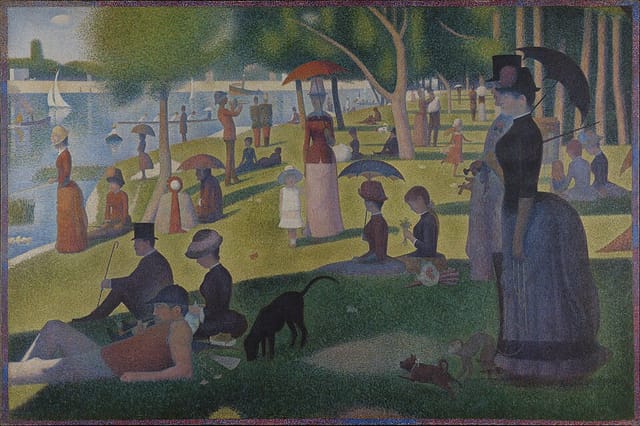
A Sunday on La Grande Jatte — 1884, Georges Seurat, 1884–86, border added 1888–89

Tarde de Domingo na Ilha de Grande Jatte

1884–86, border added 1888–89 · Art Institute of Chicago

Study for "A Sunday on La Grande Jatte", Georges Seurat, 1884

Study for "A Sunday on La Grande Jatte"

1884 · Museu Metropolitano de Arte

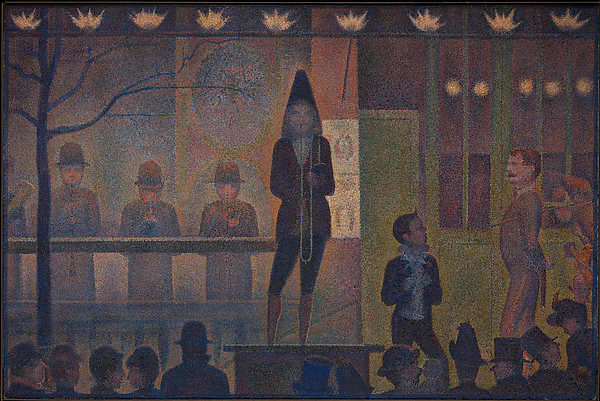
Circus Sideshow (Parade de cirque), Georges Seurat, 1887–88

O Desfile do Circo

1887–88 · Museu Metropolitano de Arte

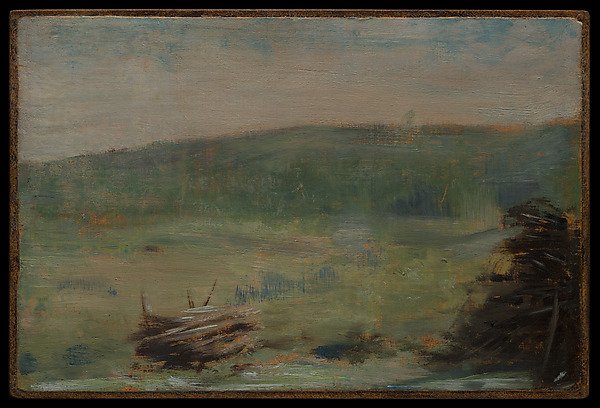
Landscape at Saint-Ouen, Georges Seurat, 1878 or 1879

Landscape at Saint-Ouen

1878 or 1879 · Museu Metropolitano de Arte

The Forest at Pontaubert, Georges Seurat, 1881

The Forest at Pontaubert

1881 · Museu Metropolitano de Arte

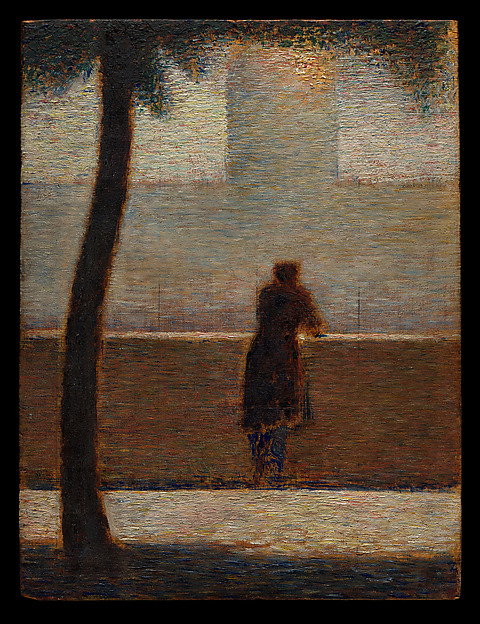
A Man Leaning on a Parapet, Georges Seurat, ca. 1881

A Man Leaning on a Parapet

ca. 1881 · Museu Metropolitano de Arte

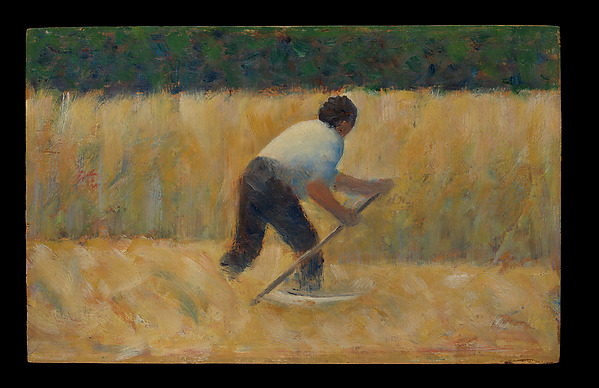
The Mower, Georges Seurat, 1881–82

The Mower

1881–82 · Museu Metropolitano de Arte

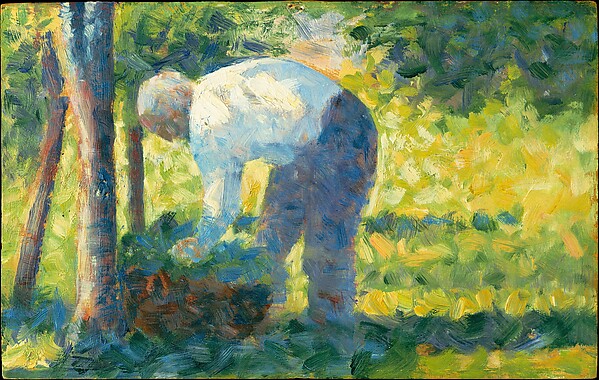
The Gardener, Georges Seurat, 1882–83

The Gardener

1882–83 · Museu Metropolitano de Arte

Na mesma sala · MoMA, Floor 5, 501, Museu de Arte Moderna

Página do museu
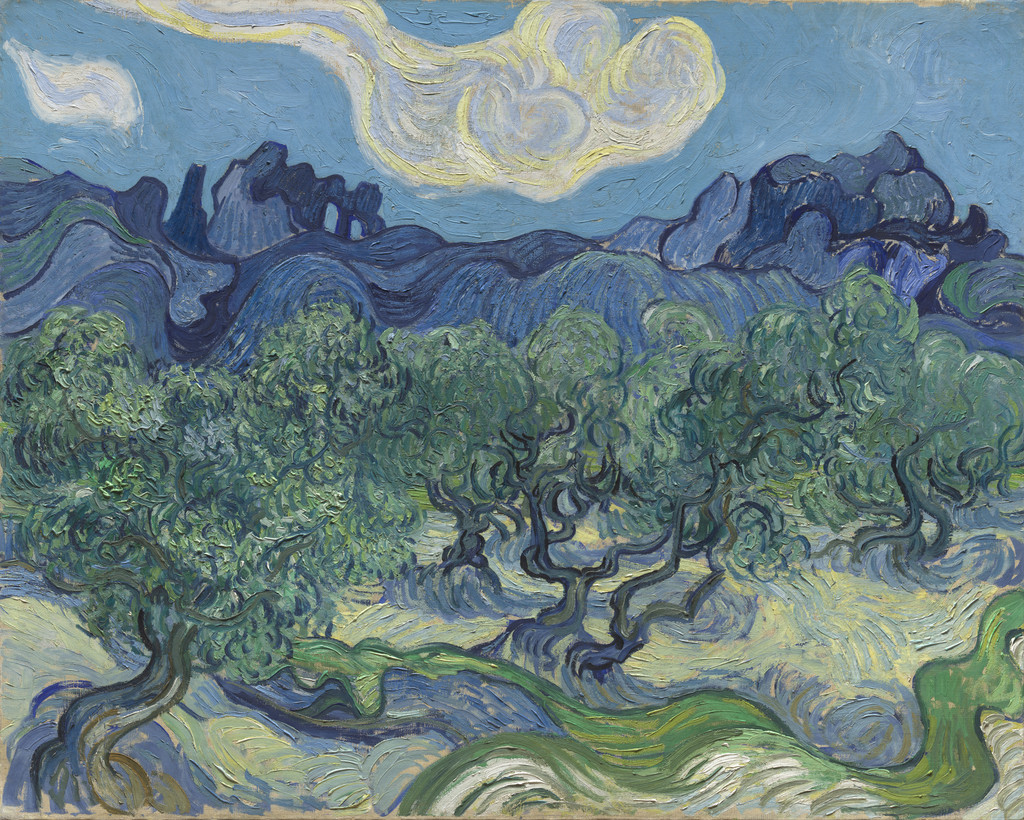
The Olive Trees, Vincent van Gogh, Saint Rémy, June-July 1889

Vincent van Gogh

The Olive Trees, Saint Rémy, June-July 1889

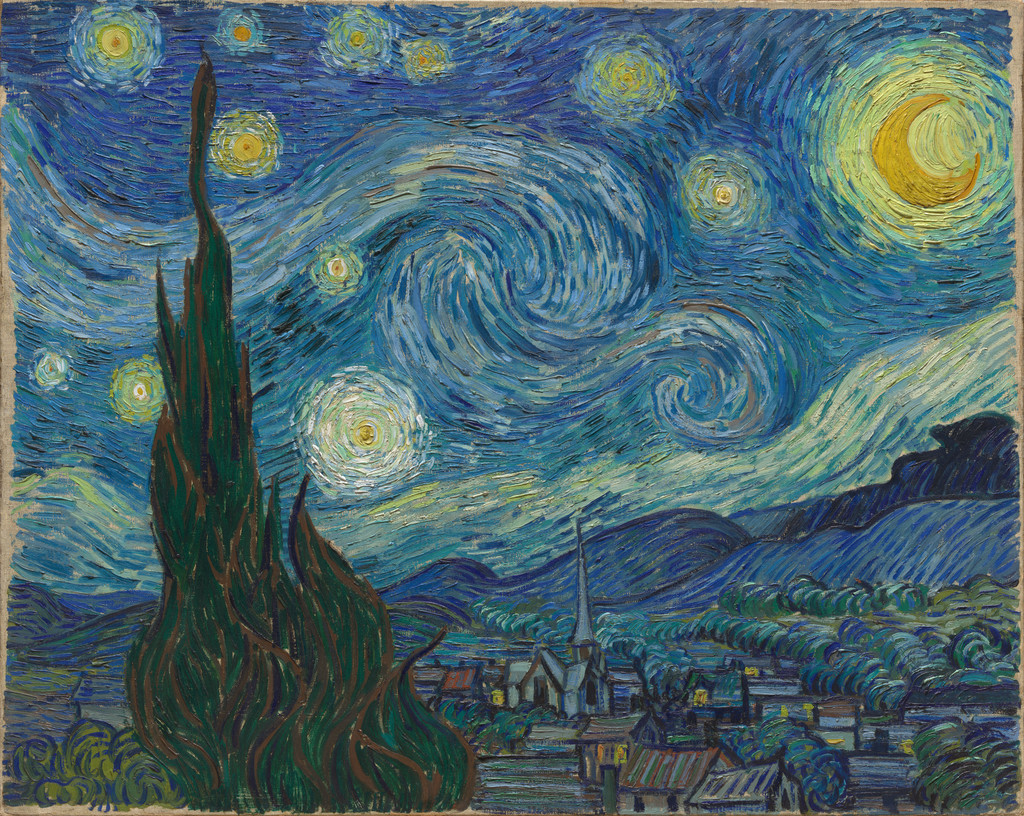
The Starry Night, Vincent van Gogh, Saint Rémy, June 1889

Vincent van Gogh

A Noite Estrelada, Saint Rémy, June 1889

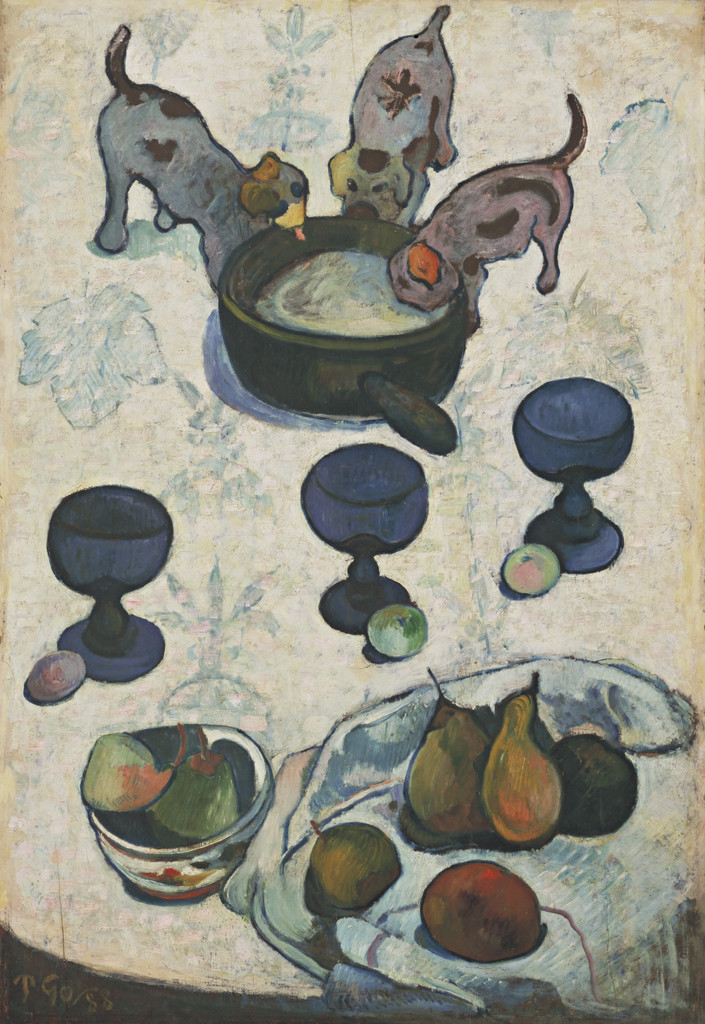
Still Life with Three Puppies, Paul Gauguin, 1888

Paul Gauguin

Still Life with Three Puppies, 1888

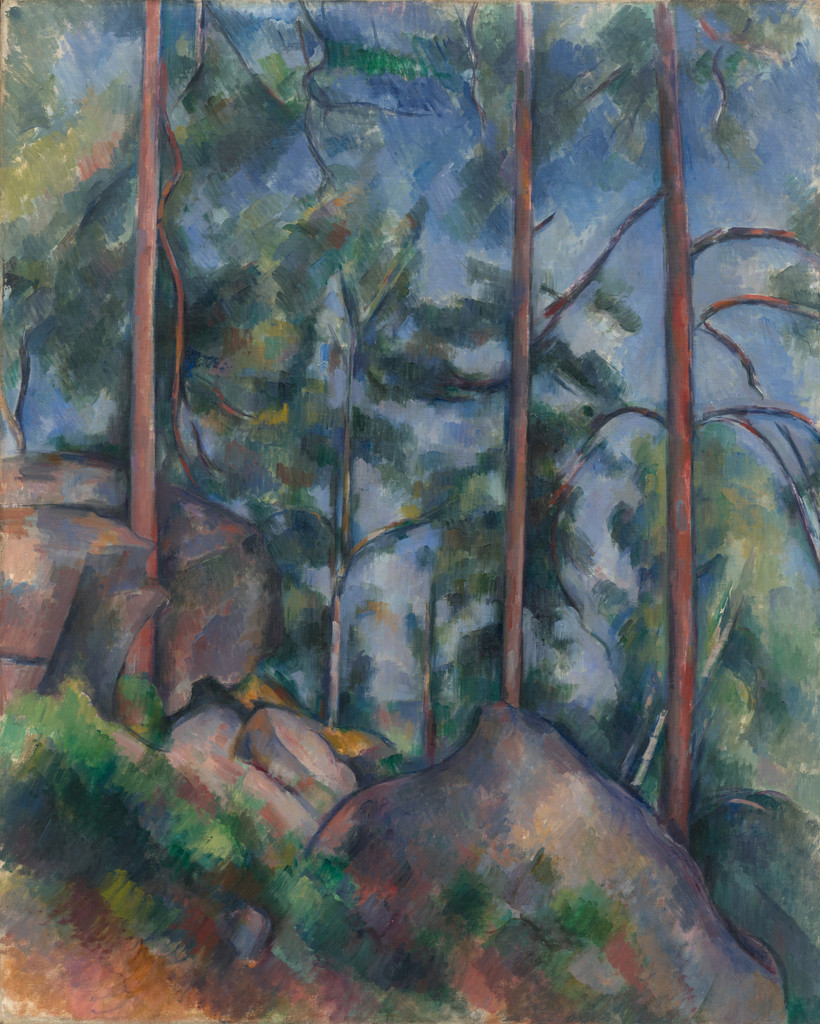
Pines and Rocks (Fontainebleau?), Paul Cézanne, c. 1897

Paul Cézanne

Pines and Rocks (Fontainebleau?), c. 1897

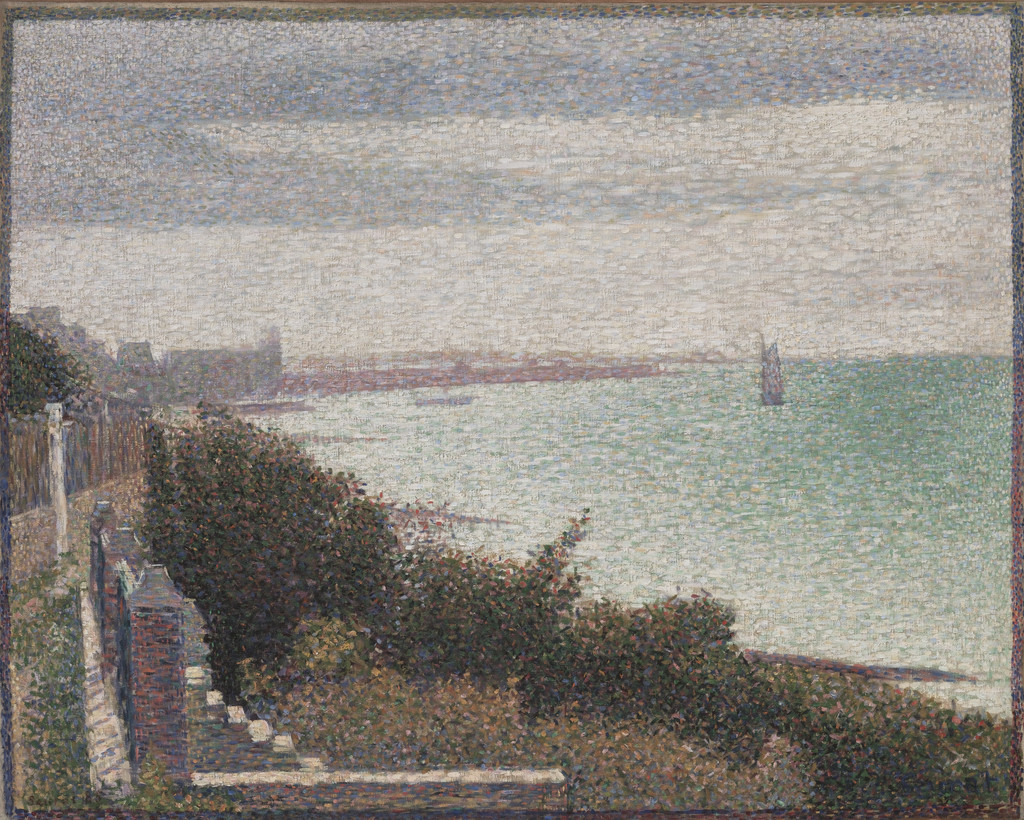
Grandcamp, Evening, Georges-Pierre Seurat, 1885, painted border c. 1888-89

Georges Seurat

Grandcamp, Evening, 1885, painted border c. 1888-89

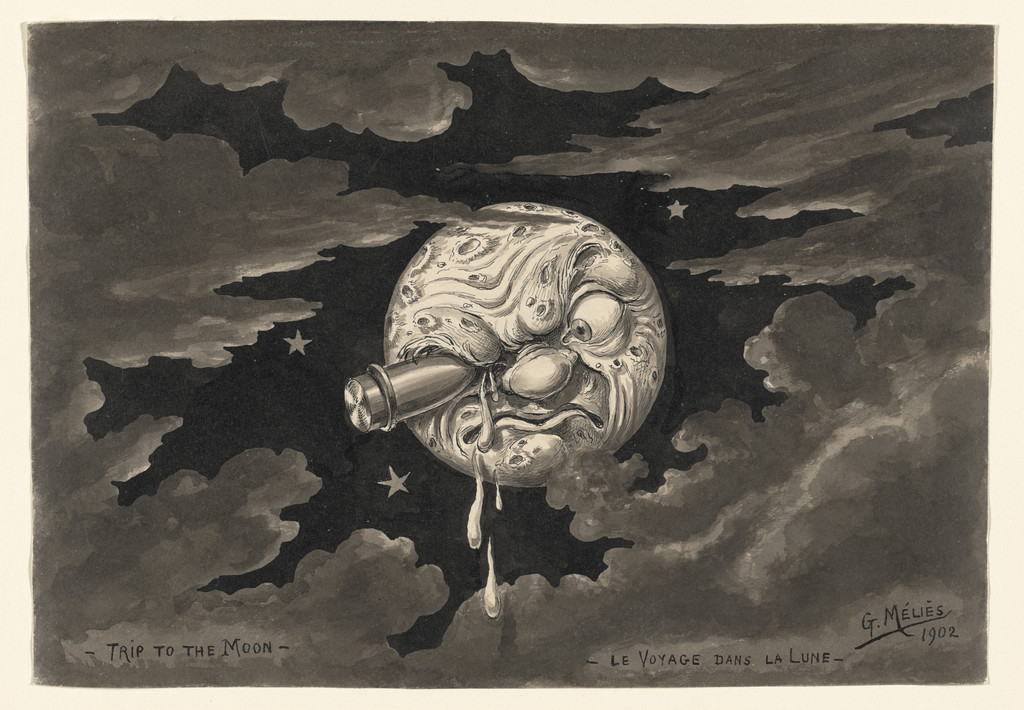
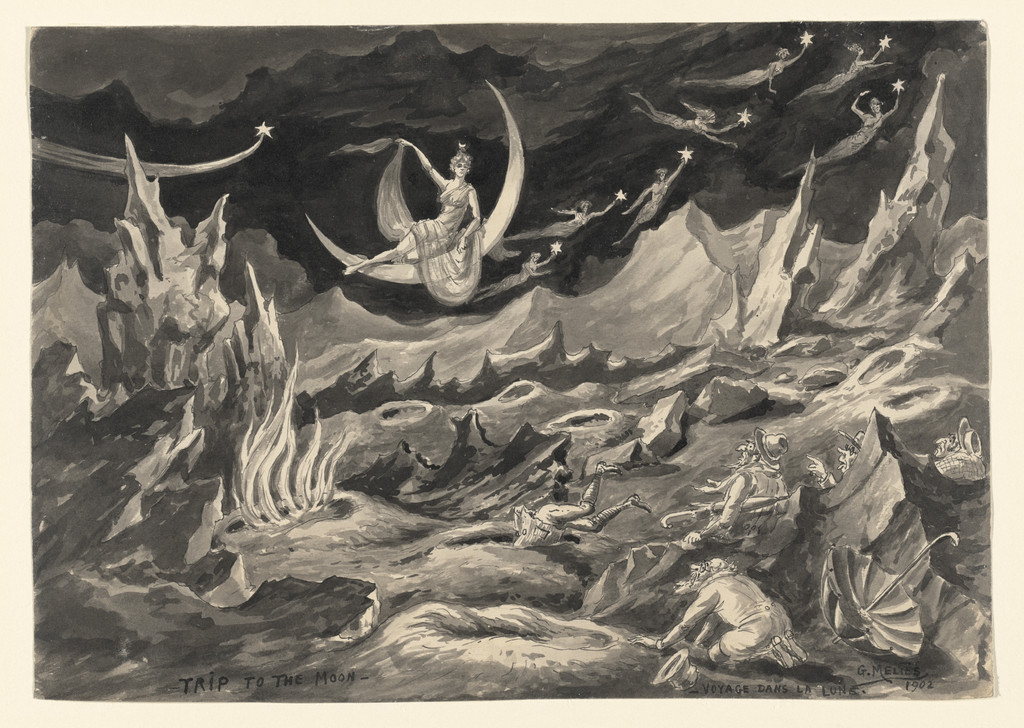
Drawing of Scene 9: Landing Right in the Moon's Eye!!! of the 1902 film A Trip to the Moon (Le Voyage dans la lune), Georges Méliès, c. 1930–31

Georges Méliès

Drawing of Scene 9: Landing Right in the Moon's Eye!!! of the 1902 film A Trip to the Moon (Le Voyage dans la lune), c. 1930–31

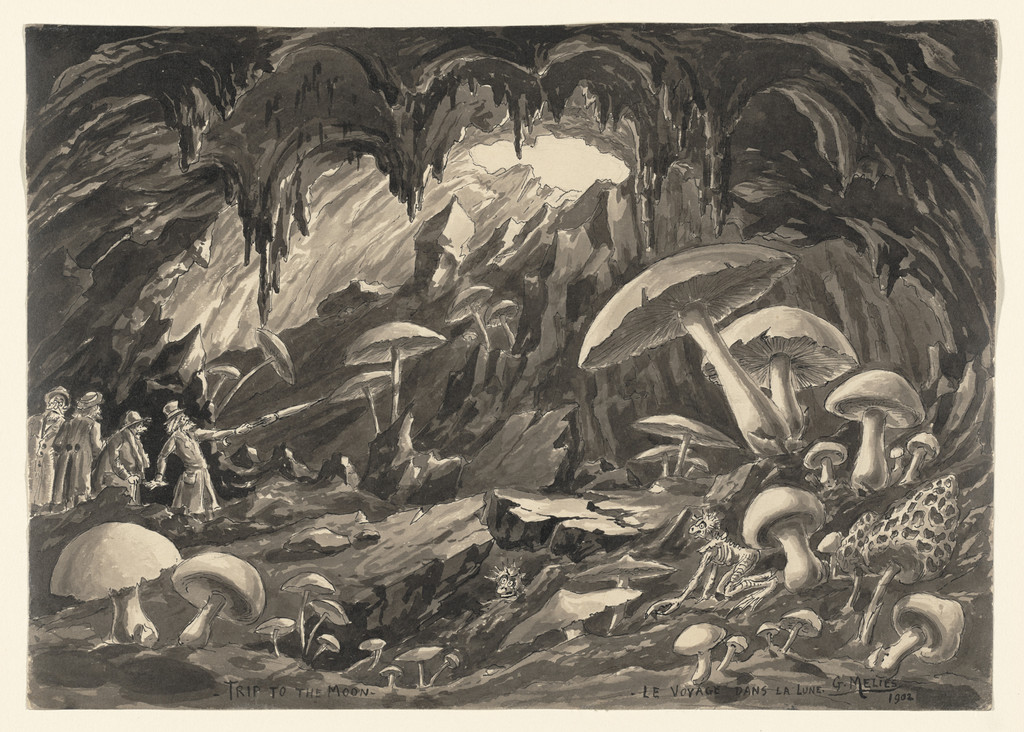
Drawing of Scene 15: In The Interior of The Moon. The Giant Mushroom Grotto of the 1902 film A Trip to the Moon (Le Voyage dans la lune), Georges Méliès, c. 1930–31

Georges Méliès

Drawing of Scene 15: In The Interior of The Moon. The Giant Mushroom Grotto of the 1902 film A Trip to the Moon (Le Voyage dans la lune), c. 1930–31

Drawing of Scene 12: The Dream: The Belies, The Great Bear, Phoebus, The Twin Stars, Saturn of the 1902 film A Trip to the Moon (Le Voyage dans la lune), Georges Méliès, c. 1930–31

Georges Méliès

Drawing of Scene 12: The Dream: The Belies, The Great Bear, Phoebus, The Twin Stars, Saturn of the 1902 film A Trip to the Moon (Le Voyage dans la lune), c. 1930–31