ART WIKI32 963 em exposição
MapaColeçãoArtistasMuseusExposiçõesRevista
Entrar

ART WIKI

Onde está a obra-prima, e a que horas se abre a porta.

Coleções: Art Institute of Chicago, Galeria Nacional de Arte, Galeria Tretiakov, Getty Villa, Harvard Art Museums, Hermitage, Hirshhorn Museum and Sculpture Garden, Instituto de Artes de Minneapolis, Museu de Arte de Cleveland, Museu de Arte Moderna, Museu do Louvre, Museu Estatal de Amesterdão, Museu J. Paul Getty, Museu Metropolitano de Arte, Museu Nacional de Arte da Dinamarca, Museu Pushkin, Museu Russo, Museu Smithsoniano de Arte Americana, Museu Vitória e Alberto, Museu Whitney de Arte Americana, National Museum of Asian Art, National Portrait Gallery, Catálogo Estatal do Fundo Museológico da Rússia (274 museus), Europeana (19 museus), Wikidata (6 museus), Paris Musées (12 museus) e Joconde, a base de museus do Ministério da Cultura de França (495 museus). As imagens pertencem aos titulares dos direitos.

Secções

  • Mapa
  • Pesquisa
  • Coleção
  • Obras-primas
  • Em exposição agora
  • Artistas

Mais

  • Museus e galerias
  • Exposições
  • Revista
  • De onde vêm os dados
  • Privacidade e cookies
InícioMapaCatálogo
  1. Coleção/
  2. Museu Russo/
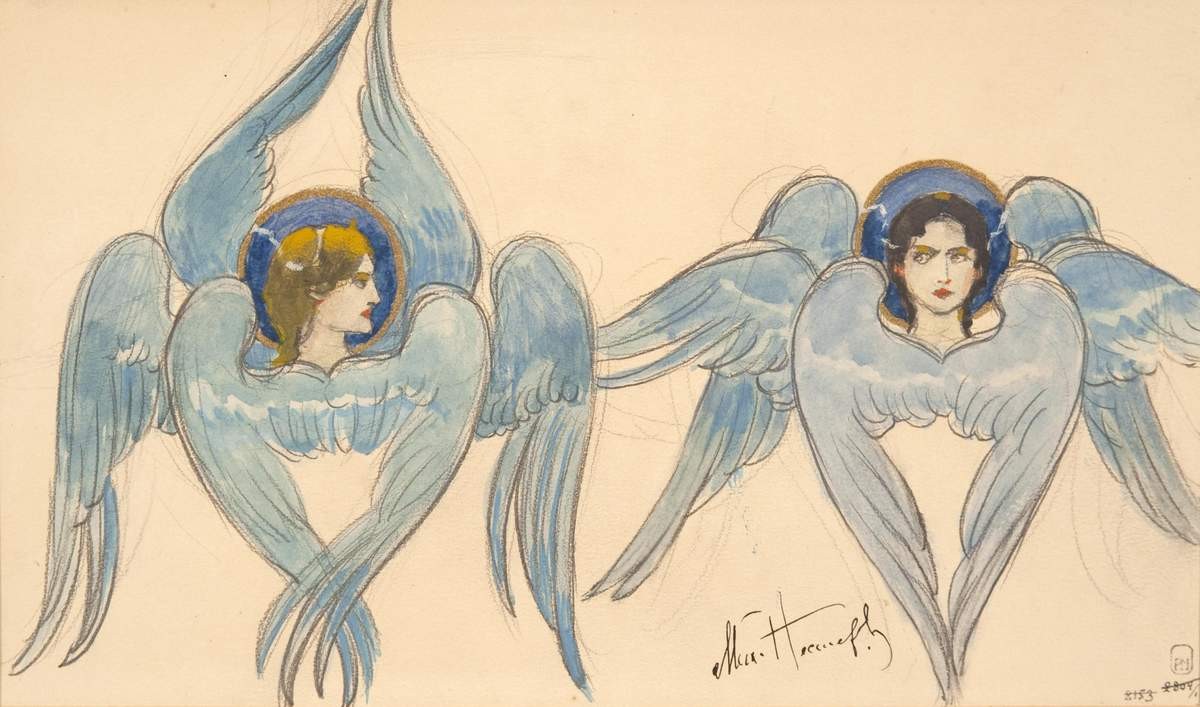
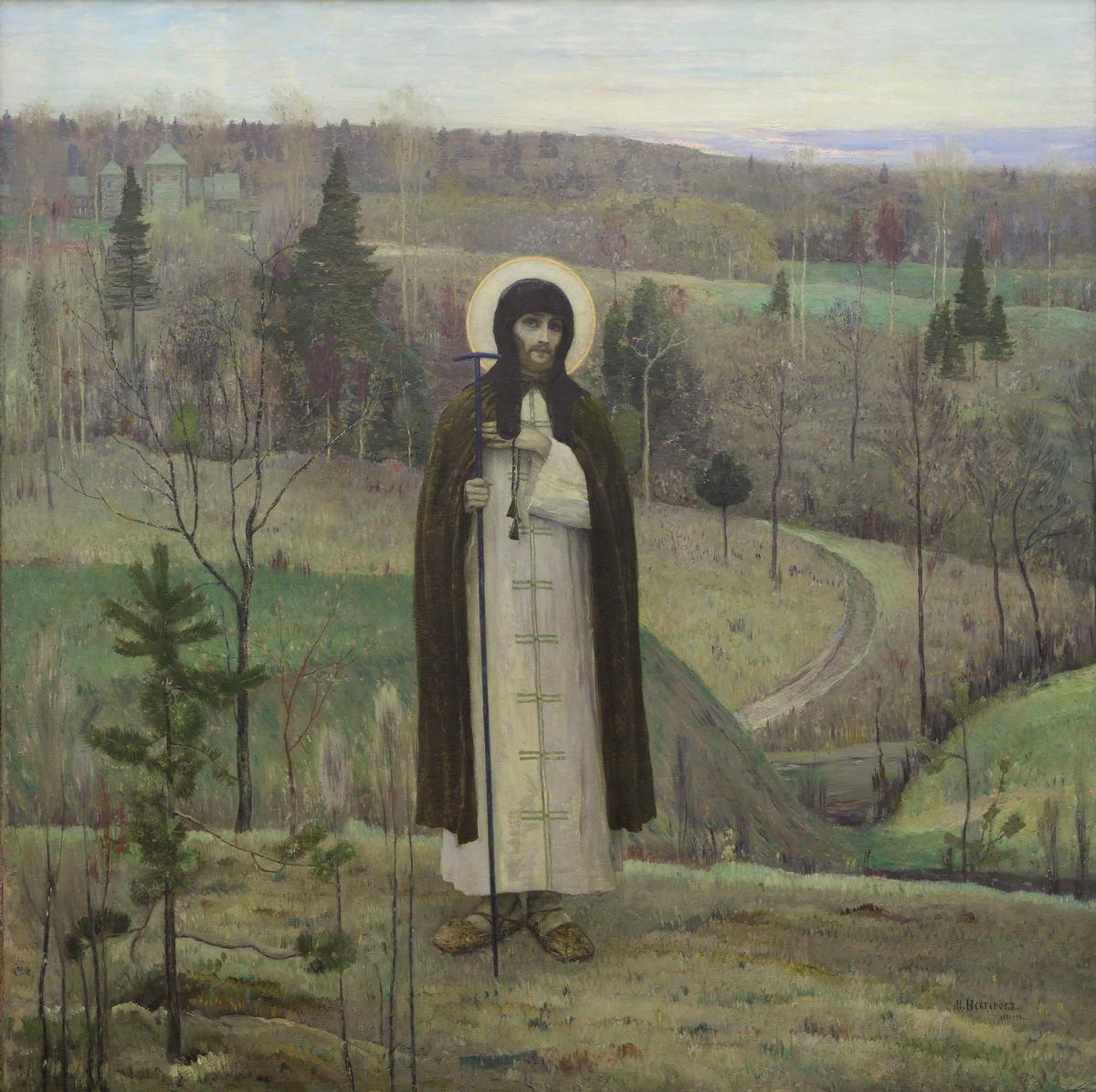
  3. Два серафима
Два серафима, Mikhail Nesterov, 1899-1901
Mikhail Nesterov, retratoMikhail Nesterov1862–1942

Два серафима

1899-1901 · Drawing · 18.7 × 32 cm

Será possível contemplá-la?

Desconhecido: o museu guarda silêncio

Museu Russo

São Petersburgo, Rússia

O dono é conhecido. Se hoje está exposta, o museu não o diz, e adivinhar não é da nossa competência.

Neste estado desde
28 de set. de 2026
Fonte
Os dados da própria coleção do museu
No mapaPágina do museu

Pormenores

1899-1901
18621942
Número de inventário
Р-40912

No catálogo

Desenhos e aguarelasAguarelaImpressionismoSéculo XIXBiblical / religious subject

Fontes

  • Museu Russo: os dados abertos do museu · obtido há 8 dias
  • Imagem: Museu Russo — © State Russian Museum

Entretanto, na vida de Mikhail Nesterov

A vida inteira
  1. 1890s

    Studies Byzantine art

    To master monumental painting, new to him, Nesterov travelled to Rome, Palermo, Constantinople and Ravenna, where he could study the traditions of Byzantine art (other accounts name Rome and Istanbul).

  2. 1898

    Made Academician for “The Great Tonsure”

    “The Great Tonsure” (1897–1898), a young girl led by nuns to take the veil at a forest Old Believer hermitage, was warmly received by the public, and for it Nesterov was made an Academician of painting; in 1910 he became a Full Member of the Academy of Arts.

  3. 1898–1902

    Life with Yulia Urusman

    From 1898 until his second marriage in 1902 Nesterov was together with Yulia Nikolaevna Urusman (1877–1962). In these years the artist's daughter Vera (1899–1998) and sons Mikhail (1901–1921) and Fyodor, who lived from 23 February to 7 July 1902, were born.

  4. 1898–1904

    Decorates the church at Abastumani

    At the invitation of Tsesarevich George Alexandrovich, younger brother of Nicholas II, Nesterov decorated the palace church of St Alexander Nevsky at Abastumani, personally executing more than 50 compositions on the walls and iconostasis, yet he was dissatisfied with the result. By contrast, he refused to paint the Orthodox cathedral in Warsaw, unwilling to serve as “propaganda” for Russification in a Polish city.

  5. 1901

    Journey to the Solovetsky Monastery

    Seeking a deeper knowledge of the spiritual world of Russian monasteries, and material for his planned “Holy Rus”, Nesterov travelled to Solovki on the White Sea. The North and its monks inspired “Silence”, “The Little Fox”, “Quiet Life”, “The Solovetsky Cloister” and “Dreamers”.

  6. 1902

    Marries Ekaterina Vasilyeva

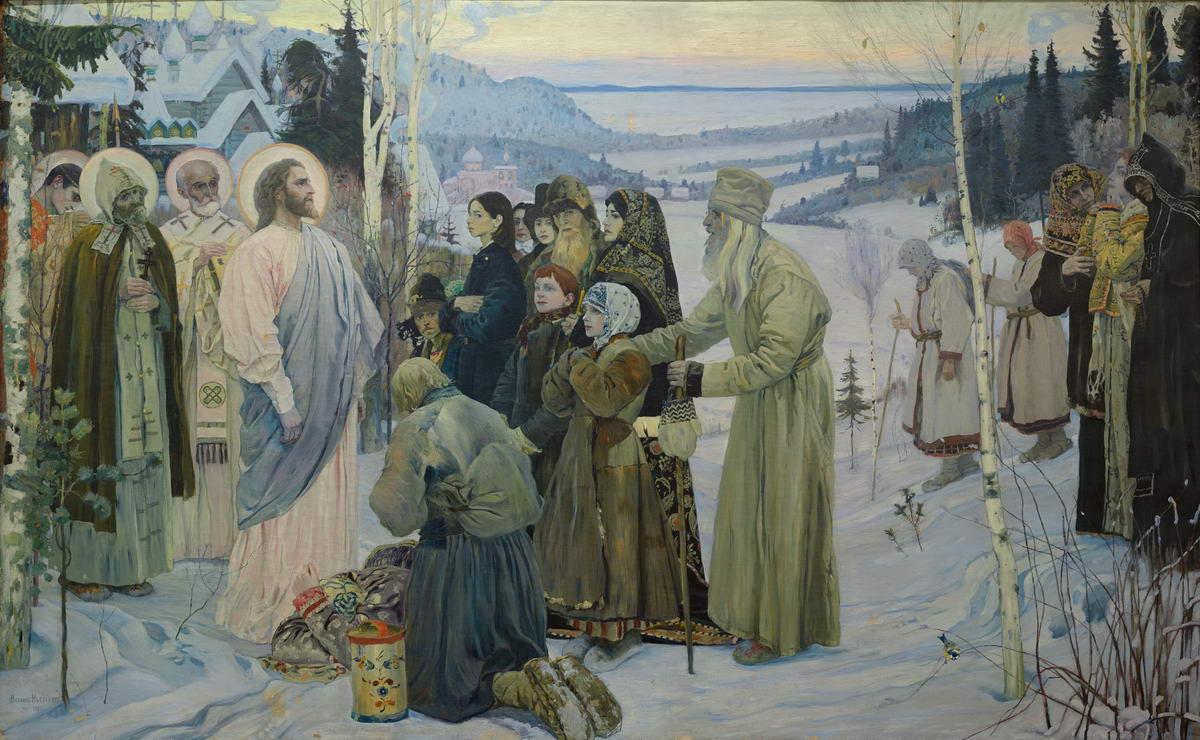
    In spring 1902 Nesterov exhibited in Kiev his programmatic painting “Holy Rus” (“Come unto Me, all ye that labour and are heavy laden…”), finished in rough — Christ surrounded by saints and by pilgrims, the people's Russia. Ekaterina Petrovna Vasilyeva, who came to see it, became his wife a few months later — an acquaintance that proved a turning point in his life.
Mais obras de Mikhail Nesterov

Todas as obras
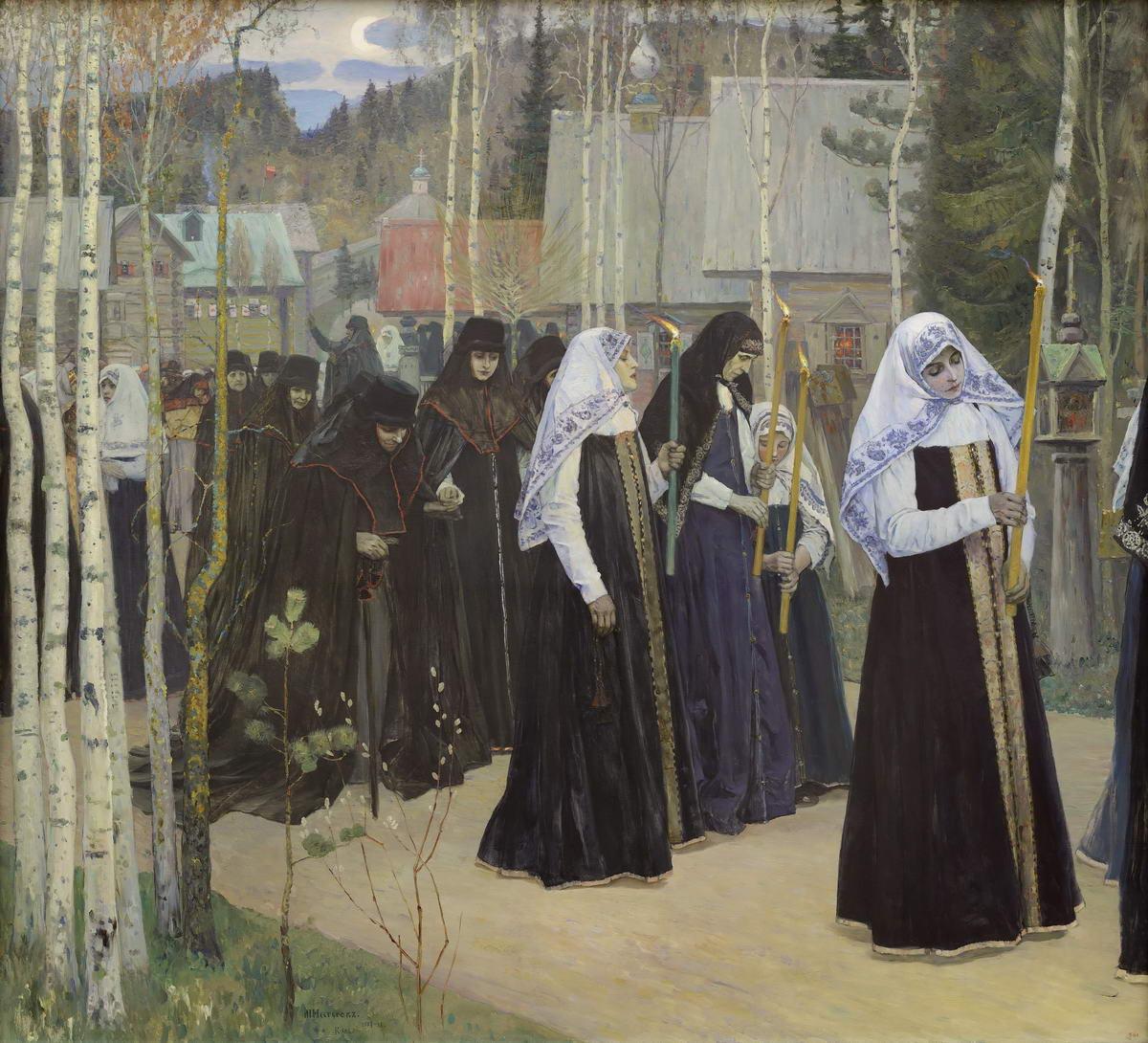
Великий постриг, Mikhail Nesterov, 1898

Великий постриг

1898 · Museu Russo

Преподобный Сергий Радонежский, Mikhail Nesterov, 1899

Преподобный Сергий Радонежский

1899 · Museu Russo

Святая Русь, Mikhail Nesterov, 1905

Святая Русь

1905 · Museu Russo

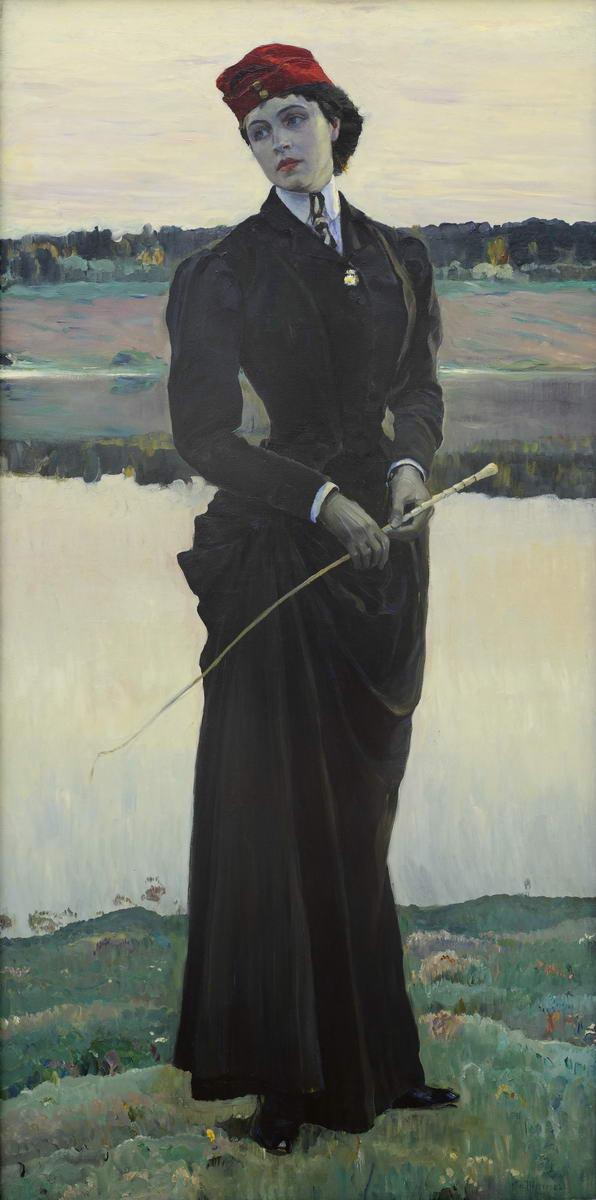
Портрет О. М. Нестеровой («Амазонка»), Mikhail Nesterov, 1906

Портрет О. М. Нестеровой («Амазонка»)

1906 · Museu Russo

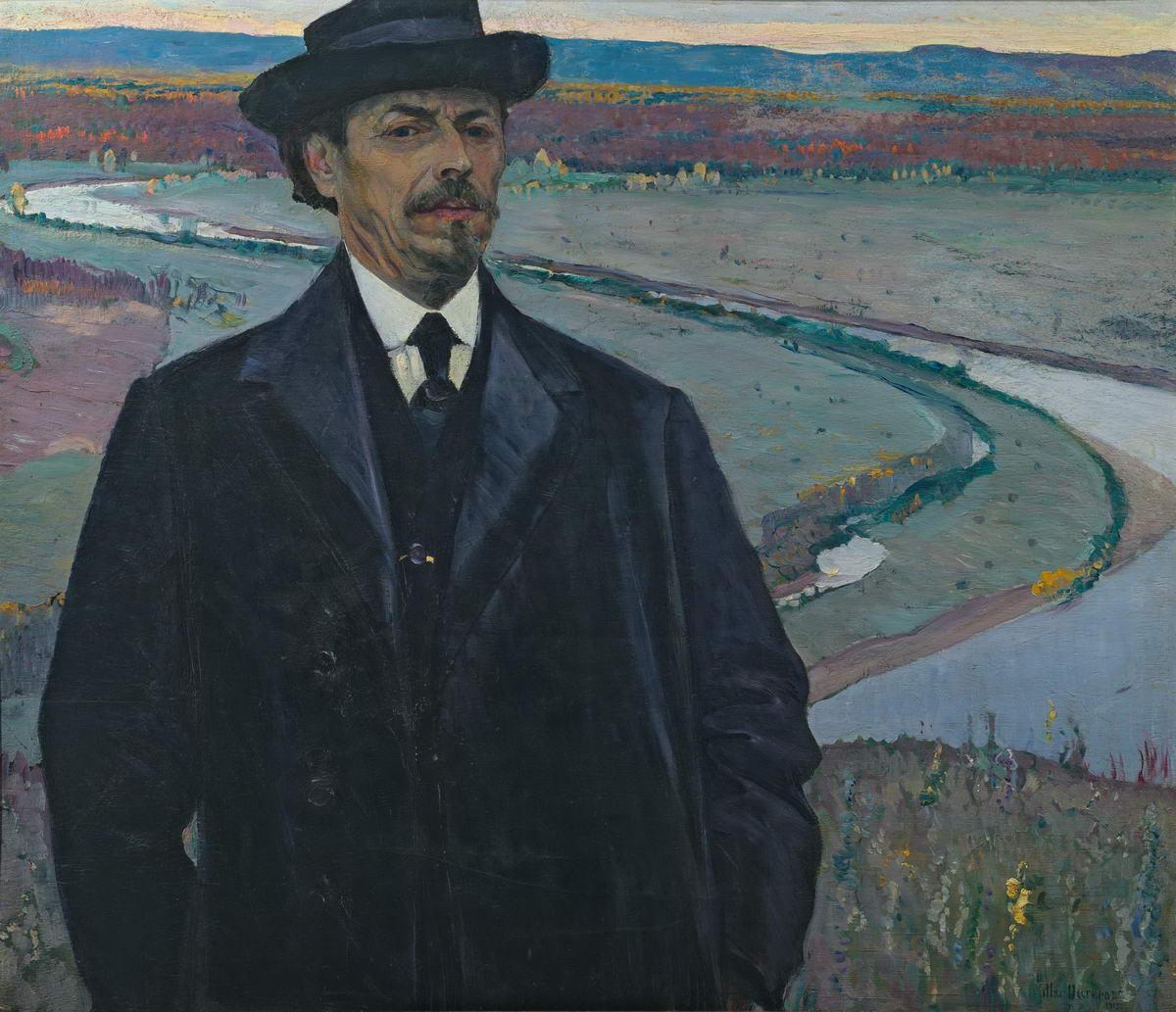
Автопортрет, Mikhail Nesterov, 1915

Автопортрет

1915 · Museu Russo

Пейзаж, Mikhail Nesterov, 1917

Пейзаж

1917 · Museu Russo

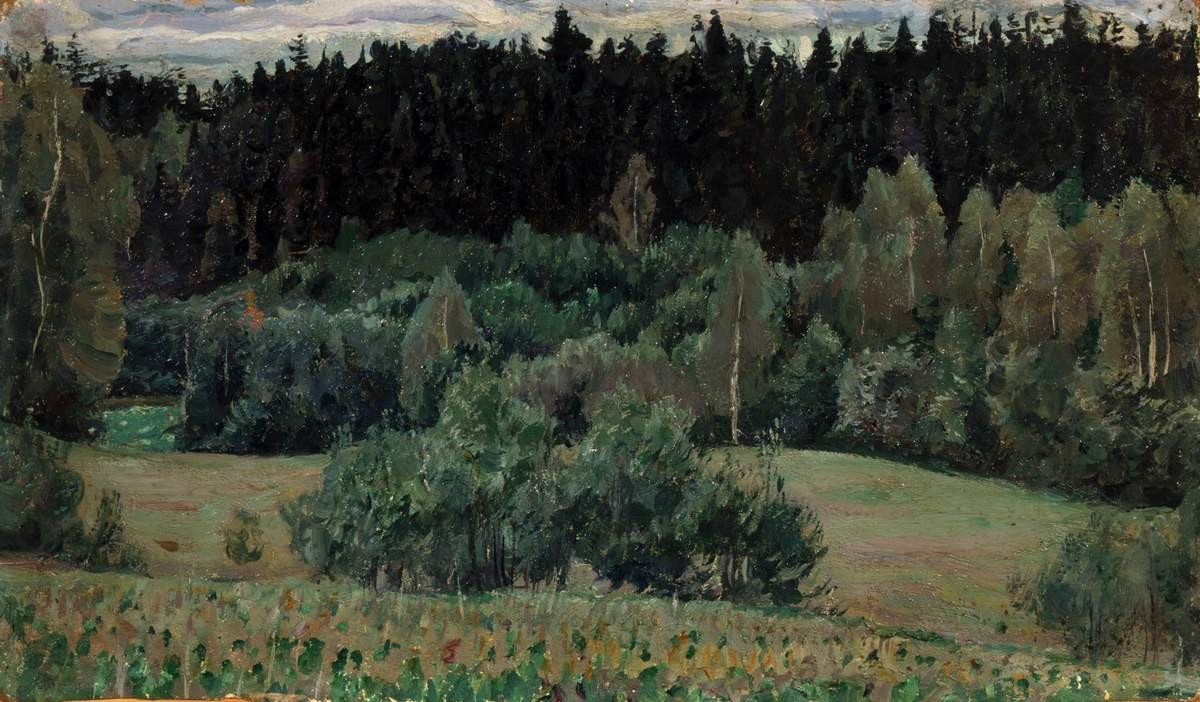
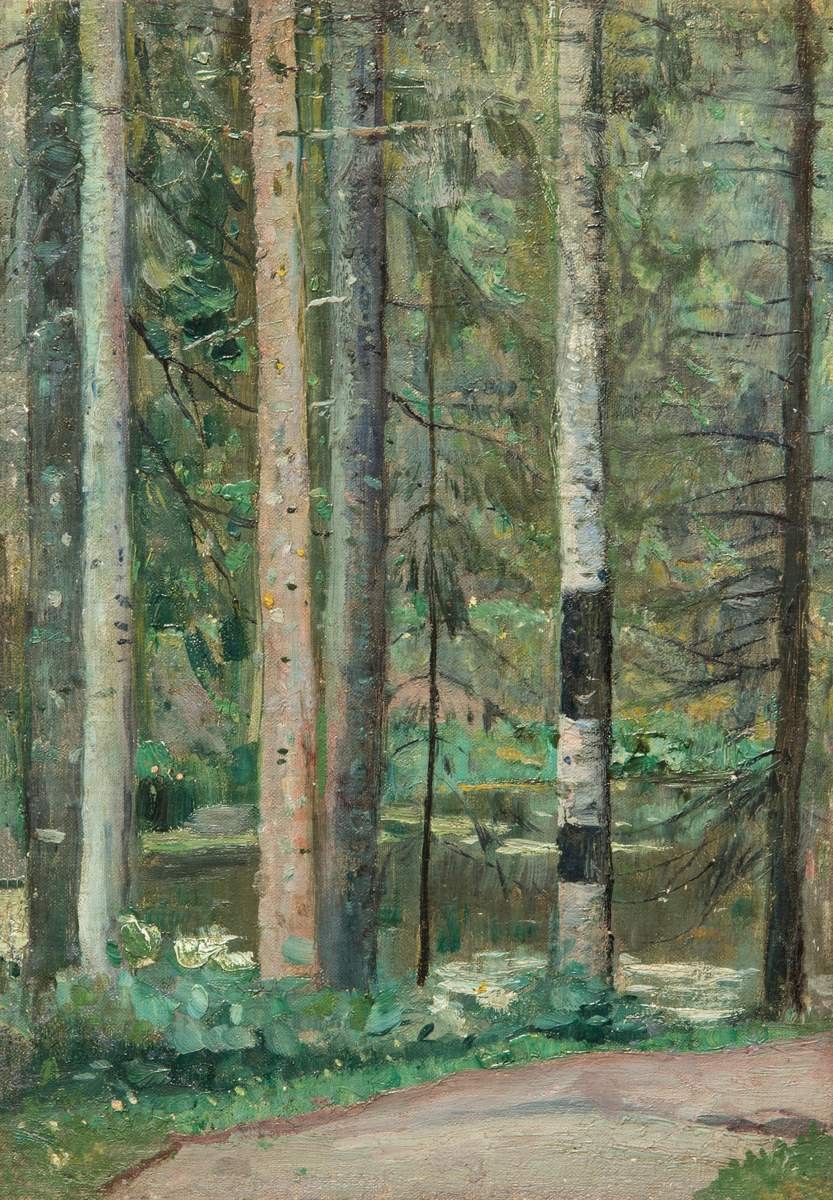
Лесной пейзаж, Mikhail Nesterov, 1920s

Лесной пейзаж

1920s · Museu Russo

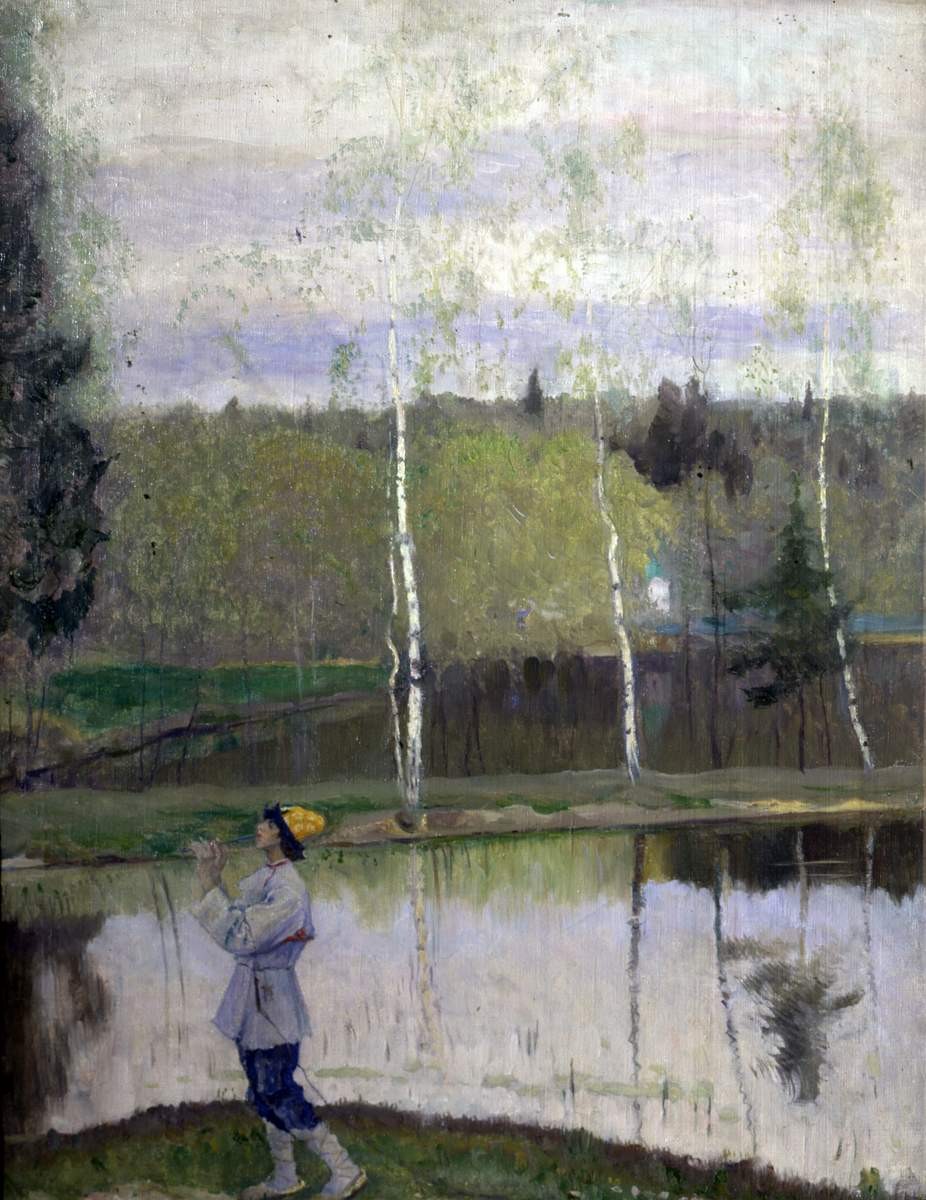
Лель (Весна), Mikhail Nesterov, 1933

Лель (Весна)

1933 · Museu Russo

Vizinhas de sala: Museu Russo

Página do museu
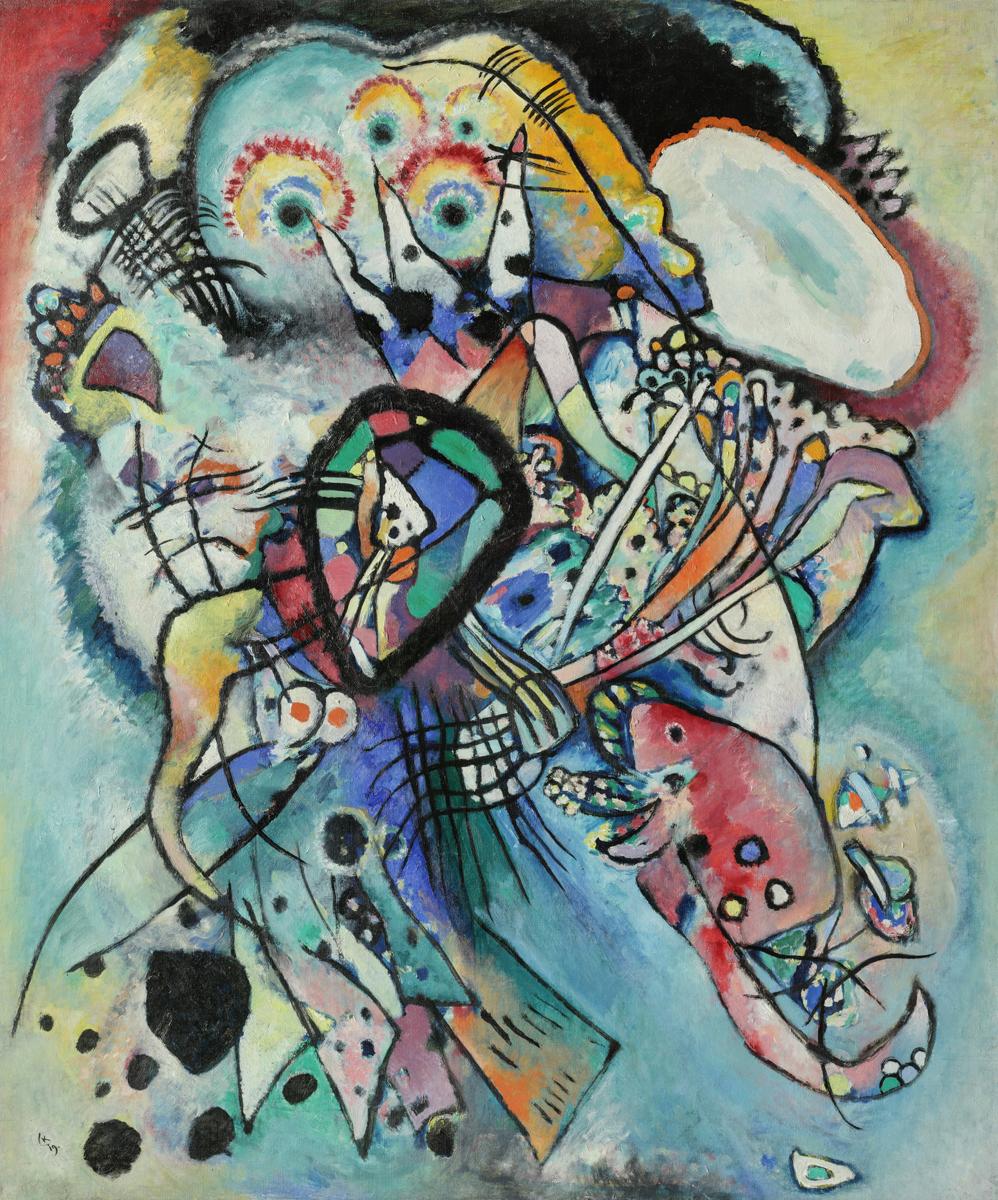
Два овала, Vasily Kandinsky, 1919

Vasily Kandinsky

Два овала, 1919

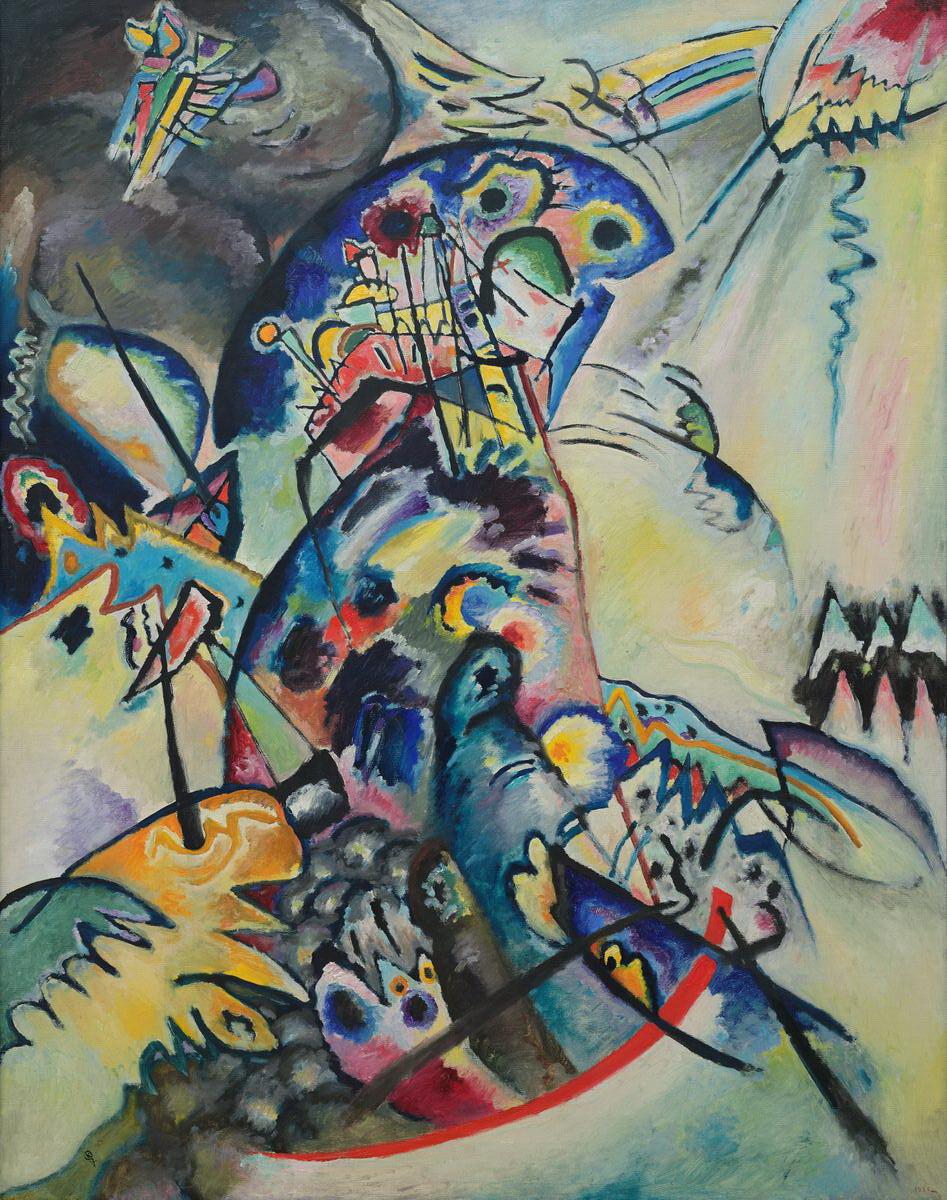
Синий гребень, Vasily Kandinsky, 1917

Vasily Kandinsky

Синий гребень, 1917

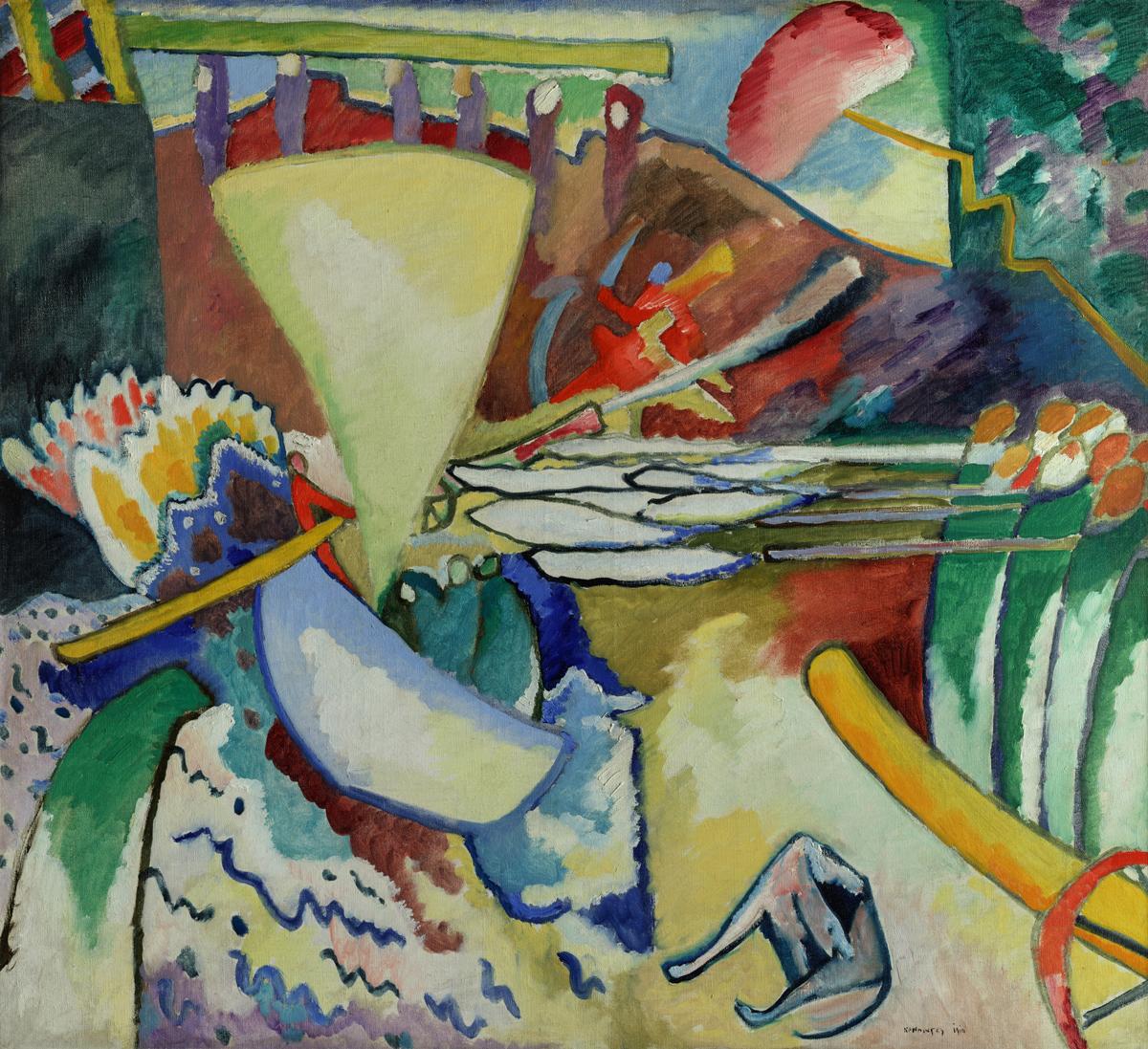
Импровизация 11, Vasily Kandinsky, 1910

Vasily Kandinsky

Импровизация 11, 1910

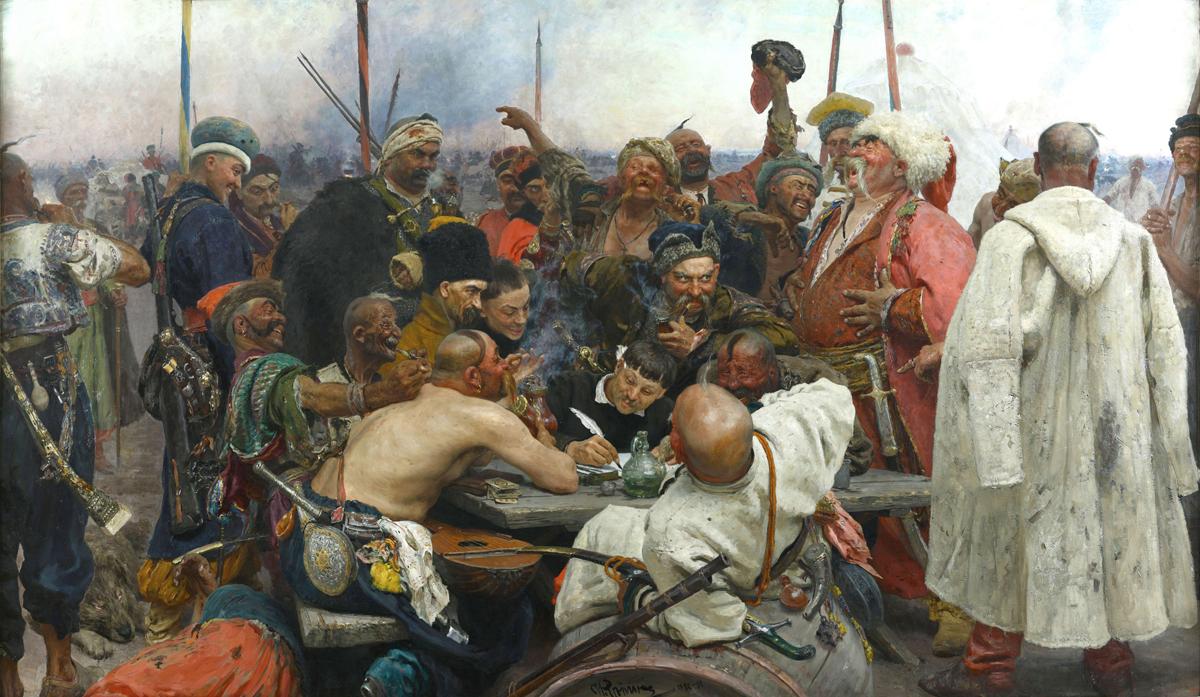
Cossacos escrevem carta ao Sultão turco, Ilya Repin, 1880–1891

Ilya Repin

Cossacos escrevem carta ao Sultão turco, 1880–1891

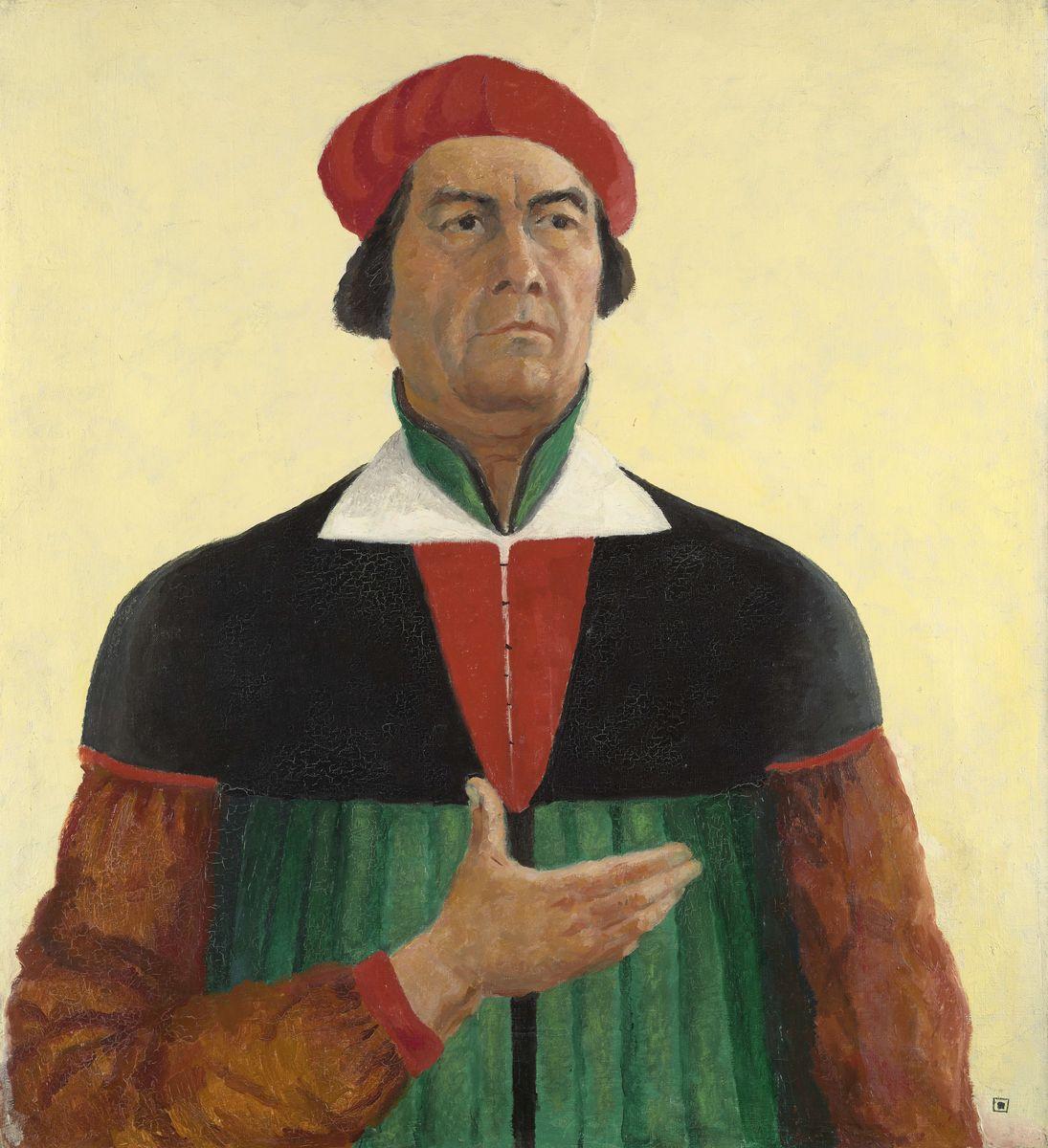
Автопортрет (Художник), Kazimir Malevich, 1933

Kazimir Malevich

Автопортрет (Художник), 1933

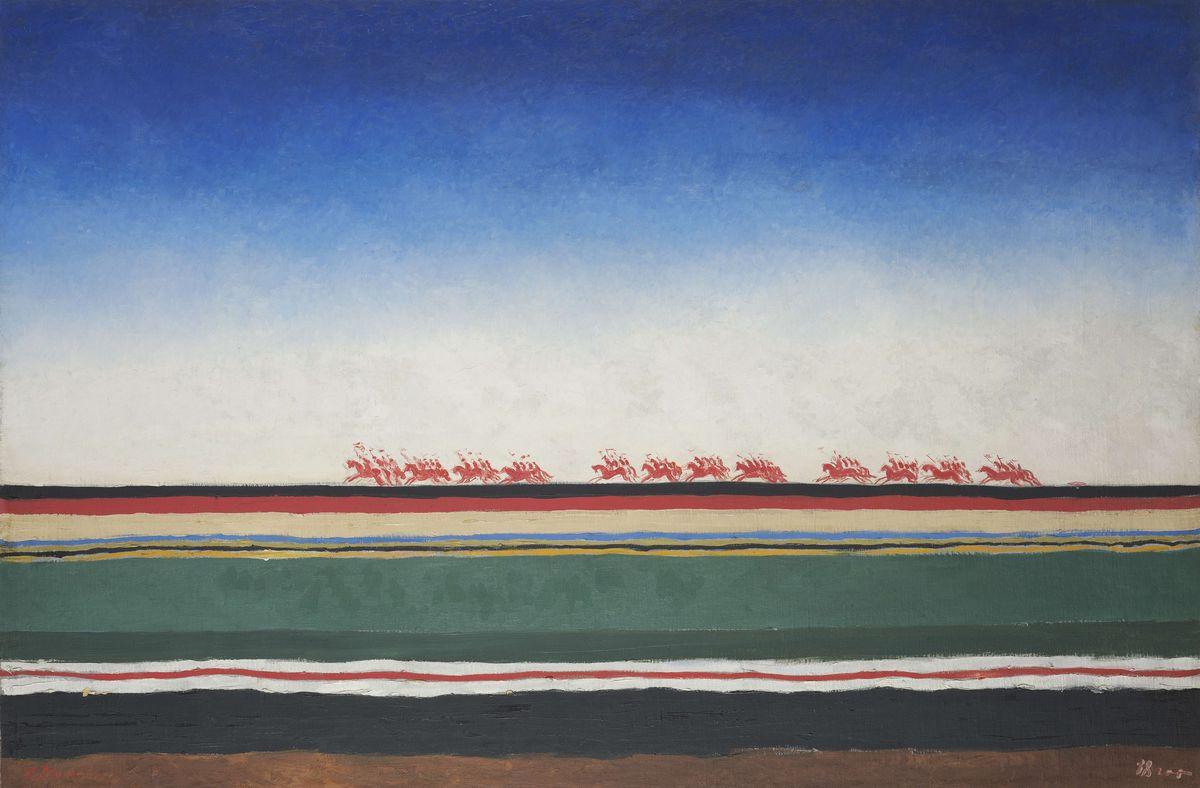
Red Cavalry Riding, Kazimir Malevich, c. 1932

Kazimir Malevich

Red Cavalry Riding, c. 1932

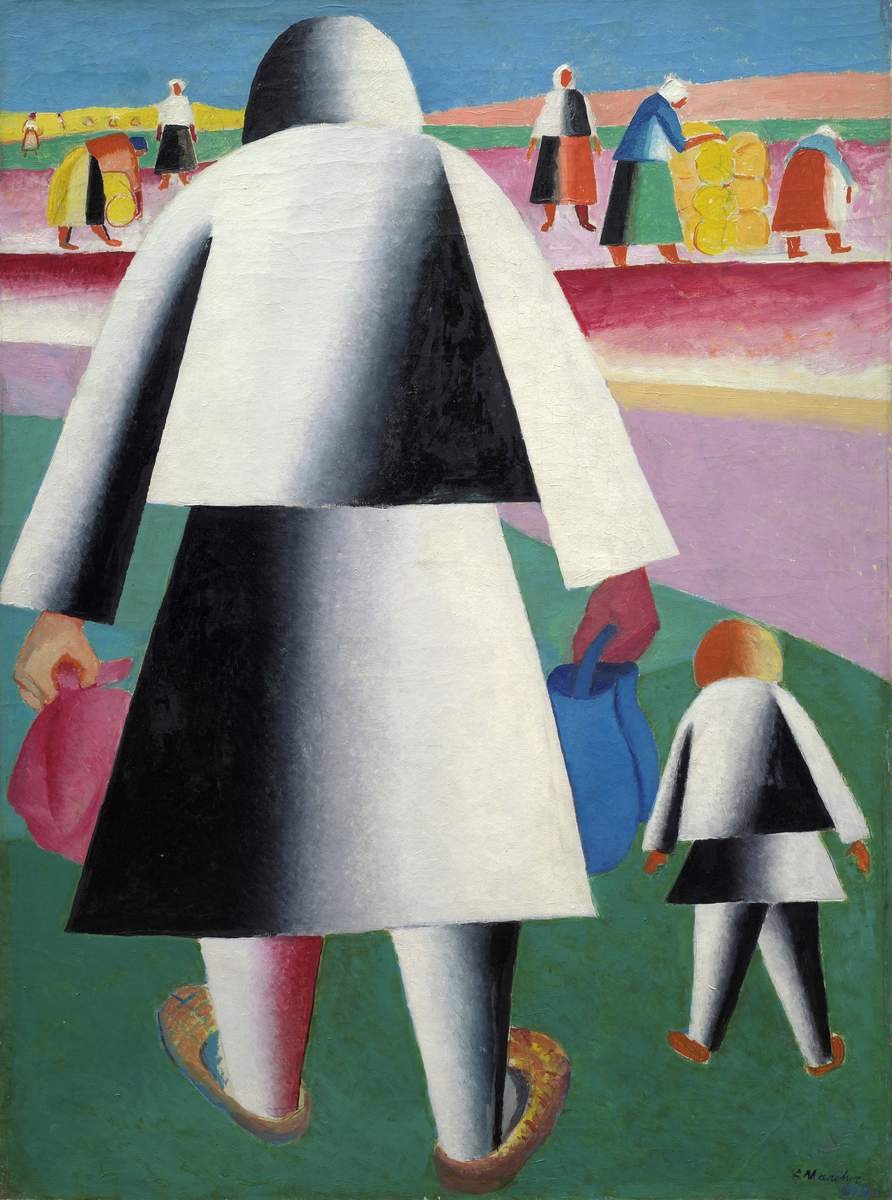
На жатву (Марфа и Ванька), Kazimir Malevich, 1928-1929

Kazimir Malevich

На жатву (Марфа и Ванька), 1928-1929

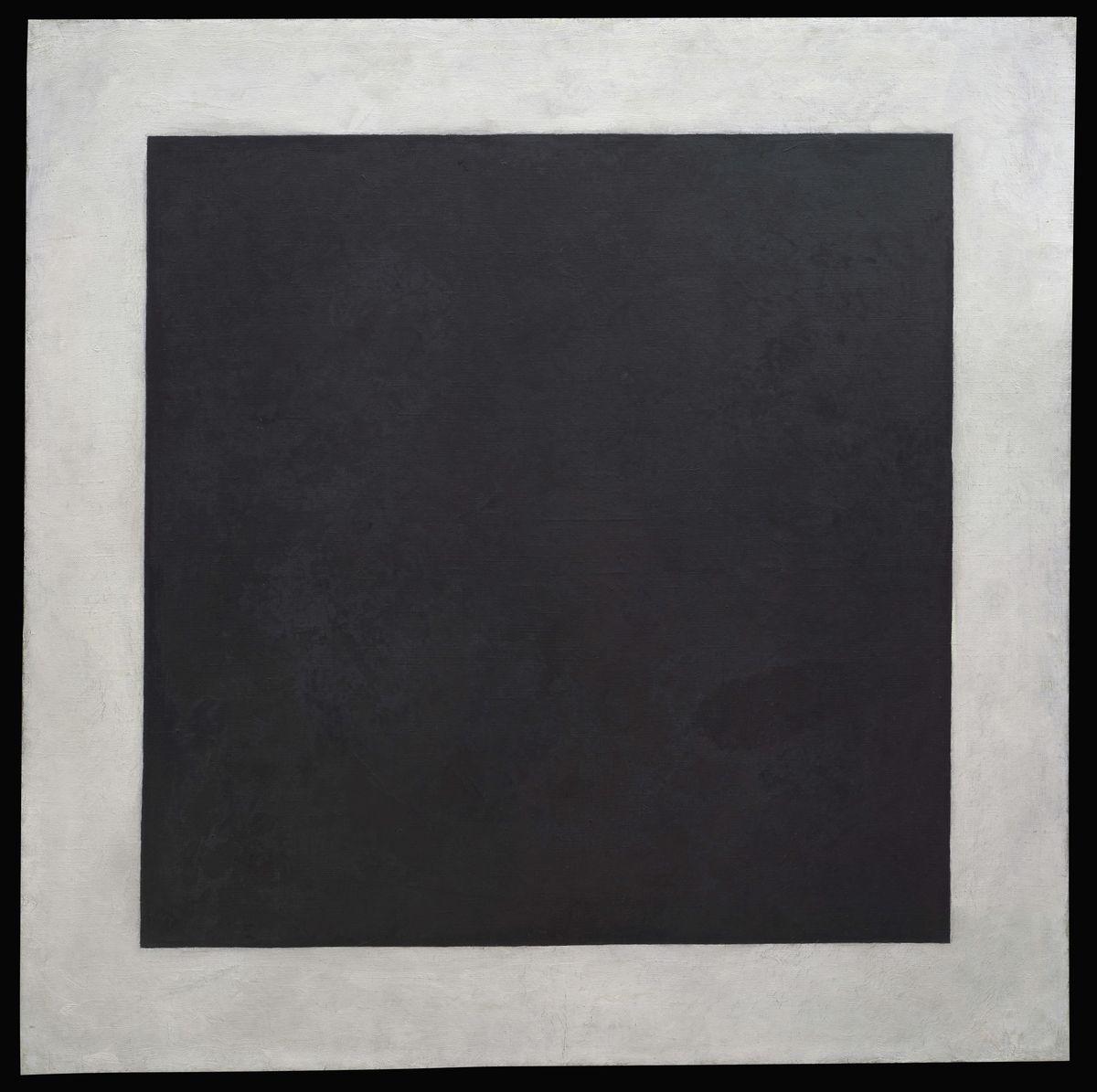
Черный квадрат, Kazimir Malevich, c. 1923

Kazimir Malevich

Черный квадрат, c. 1923