ART WIKI32 963 em exposição
MapaColeçãoArtistasMuseusExposiçõesRevista
Entrar

ART WIKI

Onde está a obra-prima, e a que horas se abre a porta.

Coleções: Art Institute of Chicago, Galeria Nacional de Arte, Galeria Tretiakov, Getty Villa, Harvard Art Museums, Hermitage, Hirshhorn Museum and Sculpture Garden, Instituto de Artes de Minneapolis, Museu de Arte de Cleveland, Museu de Arte Moderna, Museu do Louvre, Museu Estatal de Amesterdão, Museu J. Paul Getty, Museu Metropolitano de Arte, Museu Nacional de Arte da Dinamarca, Museu Pushkin, Museu Russo, Museu Smithsoniano de Arte Americana, Museu Vitória e Alberto, Museu Whitney de Arte Americana, National Museum of Asian Art, National Portrait Gallery, Catálogo Estatal do Fundo Museológico da Rússia (274 museus), Europeana (19 museus), Wikidata (6 museus), Paris Musées (12 museus) e Joconde, a base de museus do Ministério da Cultura de França (495 museus). As imagens pertencem aos titulares dos direitos.

Secções

  • Mapa
  • Pesquisa
  • Coleção
  • Obras-primas
  • Em exposição agora
  • Artistas

Mais

  • Museus e galerias
  • Exposições
  • Revista
  • De onde vêm os dados
  • Privacidade e cookies
InícioMapaCatálogo
  1. Coleção/
  2. Instituto de Artes de Minneapolis/
  3. Chrysanthemums
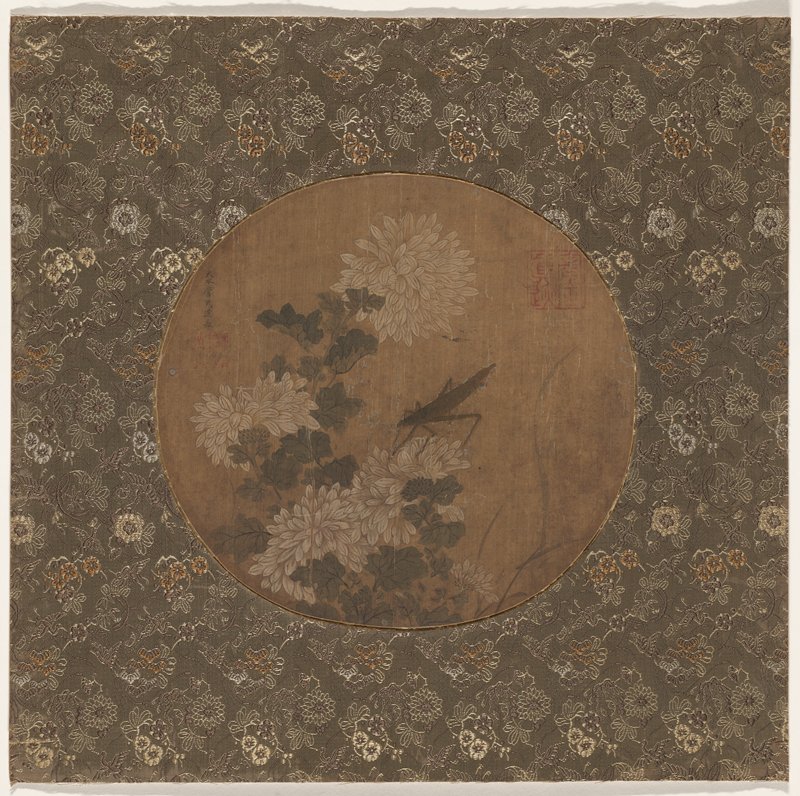
Chrysanthemums, Guan Daosheng, 13th-14th century

Chrysanthemums

13th-14th century · Painting

Sobre a pintura

The history of Chinese flower-and-bird painting up to the Tang dynasty (618–907) represents the artists’ gradual, cumulative mastery of description and expression. Two groups of artists dominated: the academy school and the literati (amateur scholar-painters). The first group worked mainly with descriptive line and color on silk. They pursued a meticulous, naturalistic rendering, a jewellike surface, and a sensuous appeal. This painting is a good example of this style. The chrysanthemum flowers in autumnal solitude was a favored motif among literati artists as well.

Guan Daosheng was an accomplished poet, painter, and calligrapher of the Yuan dynasty. Her husband, Zhao Mengfu (1254–1322), was one of the most influential scholars, painters, and calligraphers in Chinese history. Their second son, Zhao Yong, also became a famous painter and calligrapher.

Instituto de Artes de Minneapolis

Pormenores

Número de inventário
96.146.298

Na mesma sala · G203, Instituto de Artes de Minneapolis

Página do museu
GGuan DaoshengChina

Será possível contemplá-la?

Sim, recebe visitas

Instituto de Artes de Minneapolis

Minneapolis, Estados Unidos

SalaG203

Exposta ao público. Quem o garante vem indicado abaixo.

Verificado
há 3 dias
Neste estado desde
25 de set. de 2026
Fonte
O museu
No mapaPágina do museu

No catálogo

PinturasTintaPintura chinesaChina

Fontes

  • Instituto de Artes de Minneapolis
  • Imagem: Instituto de Artes de Minneapolis — public domain
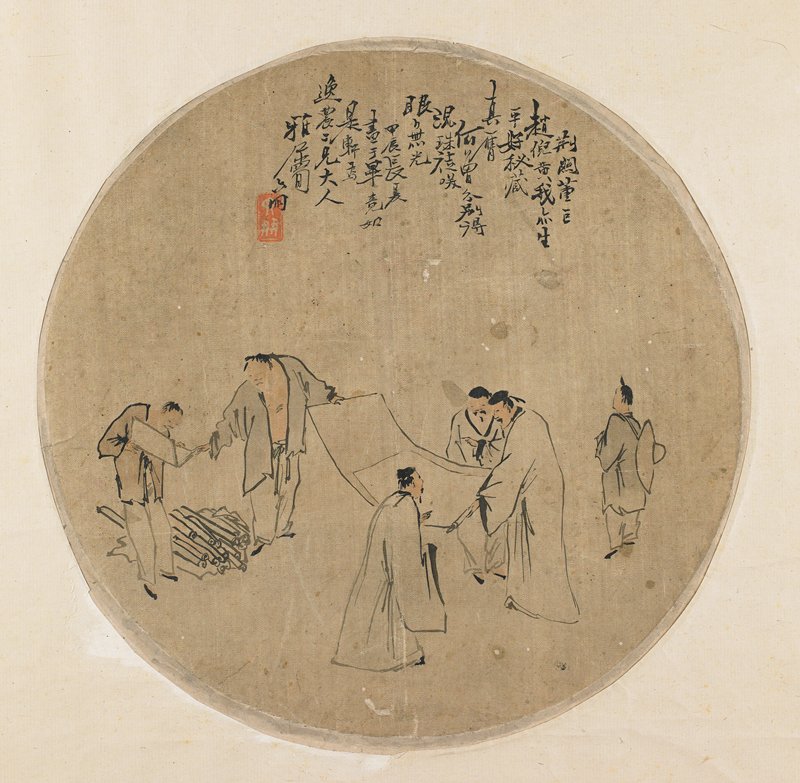
Scholars Examining Paintings, Su Liupeng, 1884

Su Liupeng

Scholars Examining Paintings, 1884

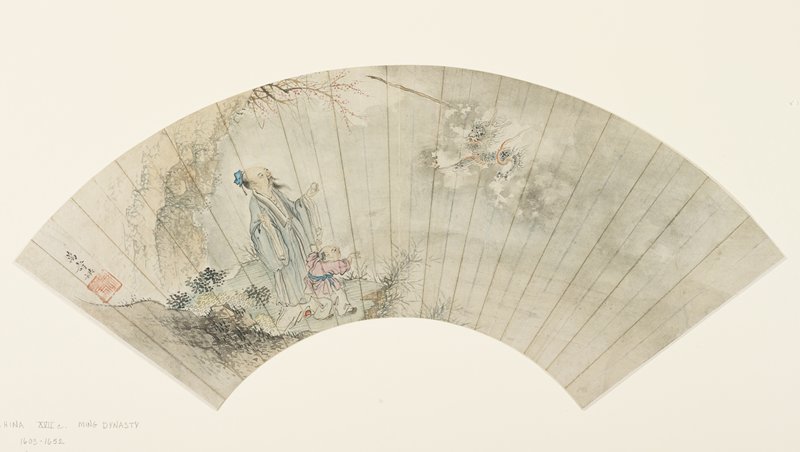
Fan painting of a Daoist magician, Wan Shouqi, c. 1650

Wan Shouqi

Fan painting of a Daoist magician, c. 1650

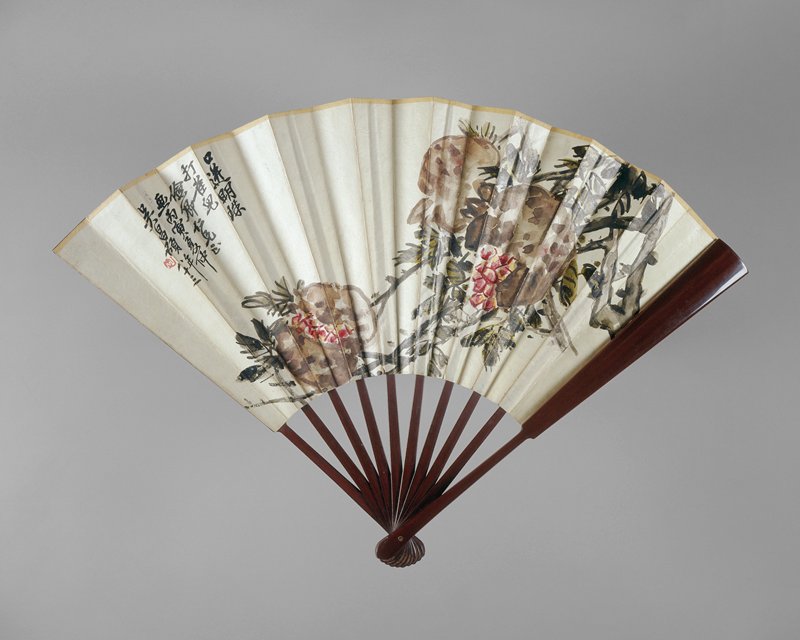
Pomegranates, Wu Changshuo, 1927

Wu Changshuo

Pomegranates, 1927

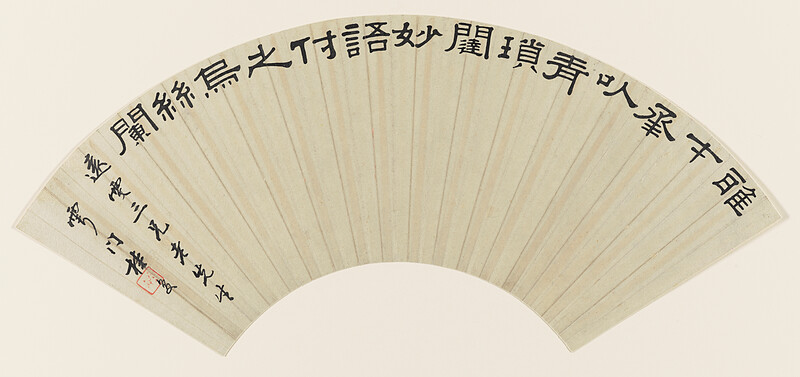
Fan with Clerical Script Calligraphy, Gui Fu, c. 1780

Gui Fu

Fan with Clerical Script Calligraphy, c. 1780

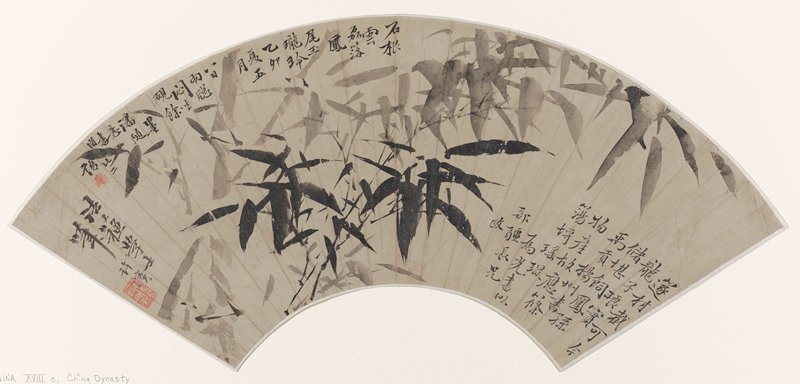
Bamboo, Xu Bin, 1735

Xu Bin

Bamboo, 1735

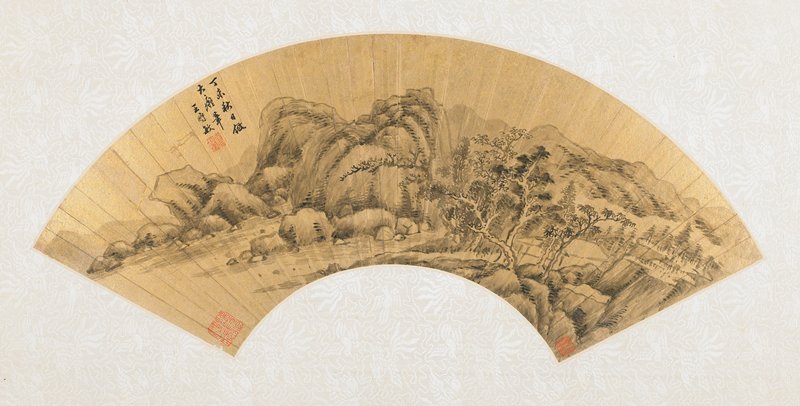
Landscape, Wang Shimin, 1667

Wang Shimin

Landscape, 1667

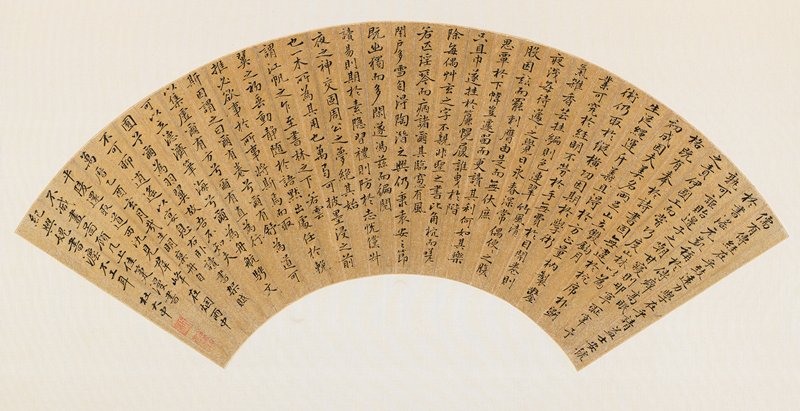
Calligraphy Fan in Xiao Kai Shu Script, Du Dazhong, 1585

Du Dazhong

Calligraphy Fan in Xiao Kai Shu Script, 1585

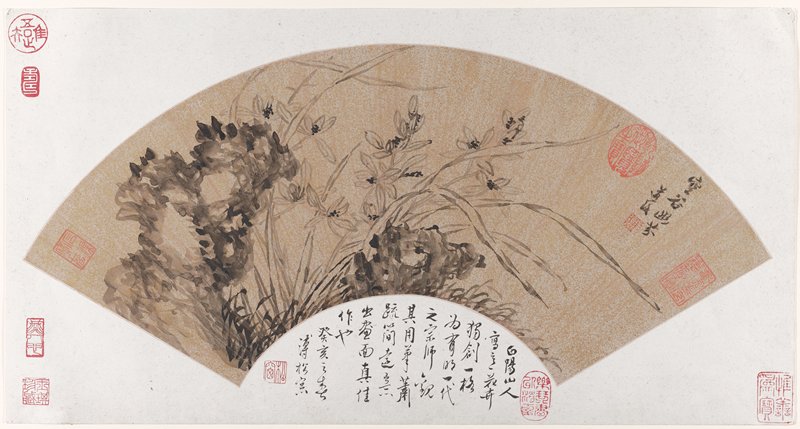
Deep Fragrance in the Valley of the Void, Chen Chun, c. 1530

Chen Chun

Deep Fragrance in the Valley of the Void, c. 1530