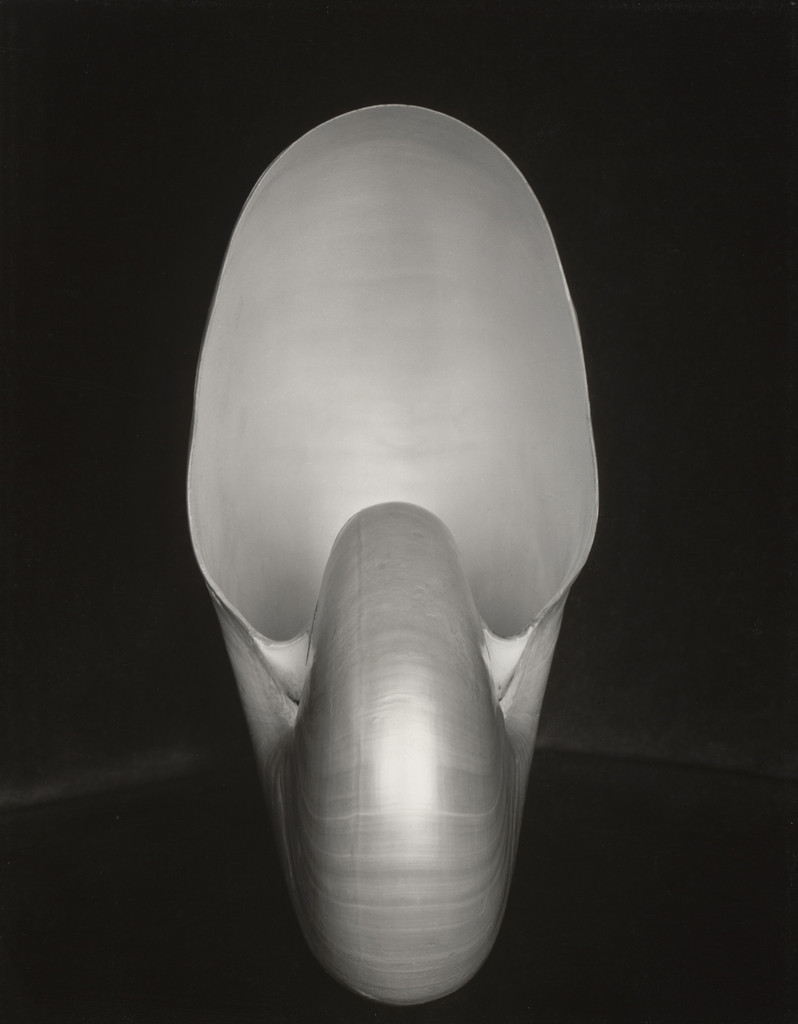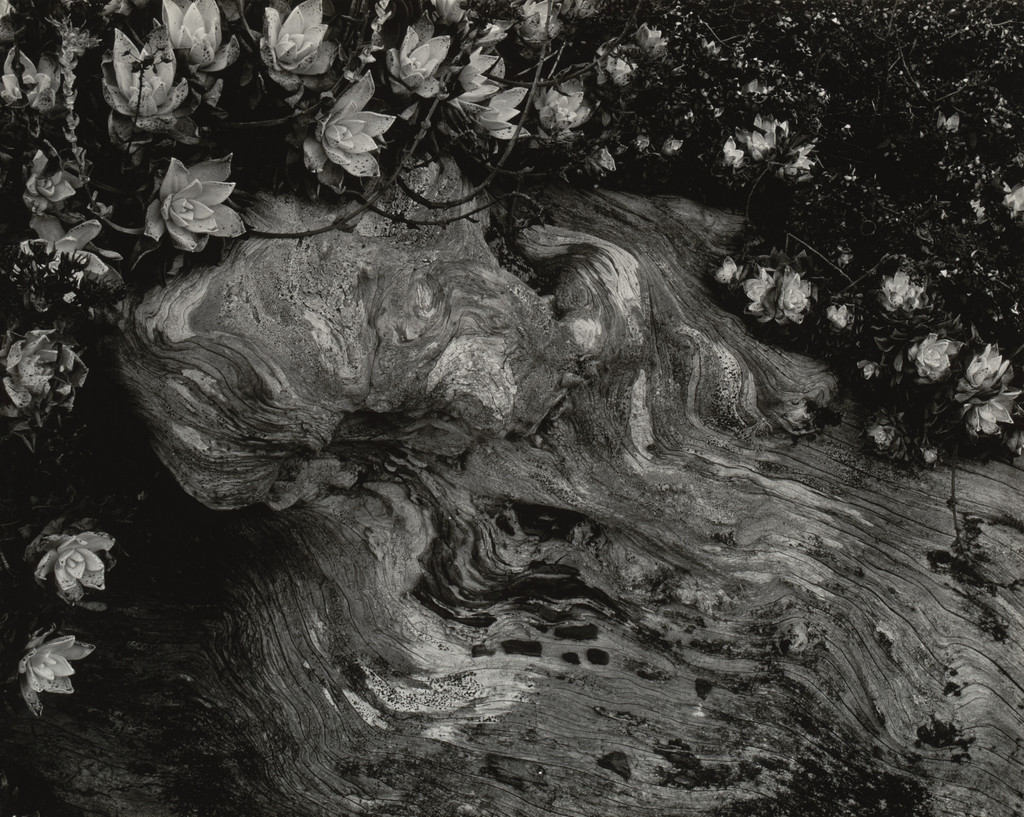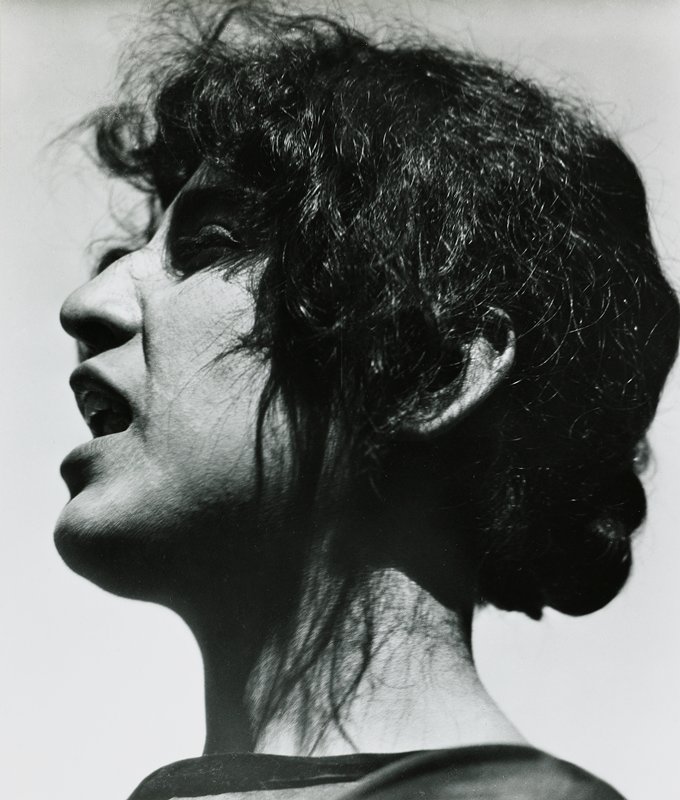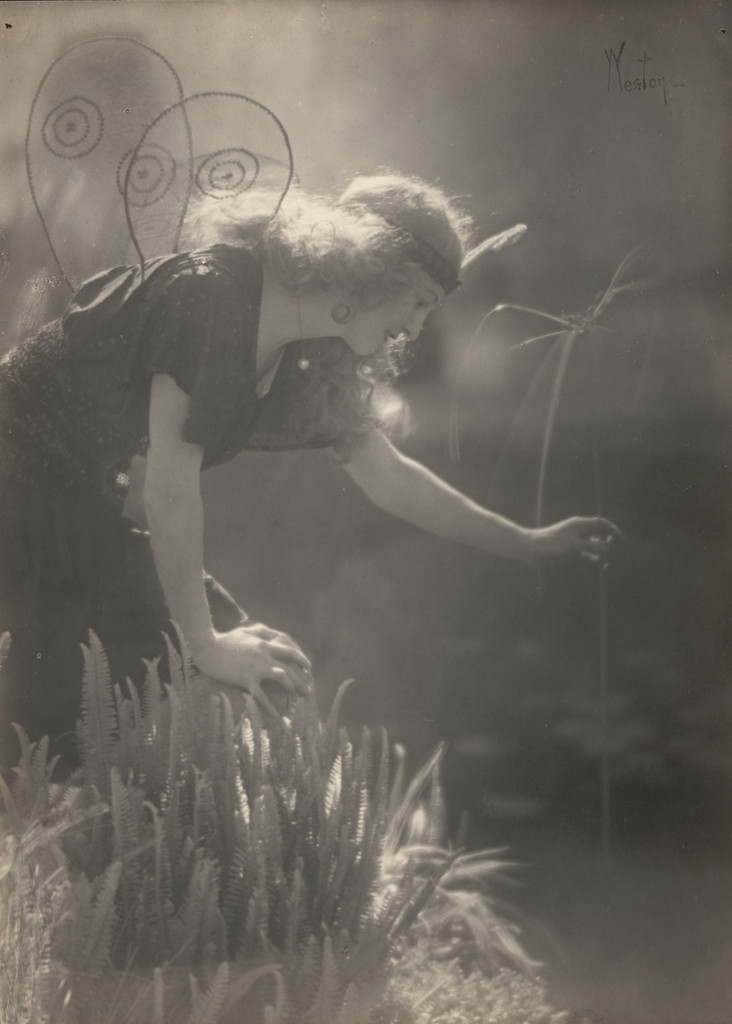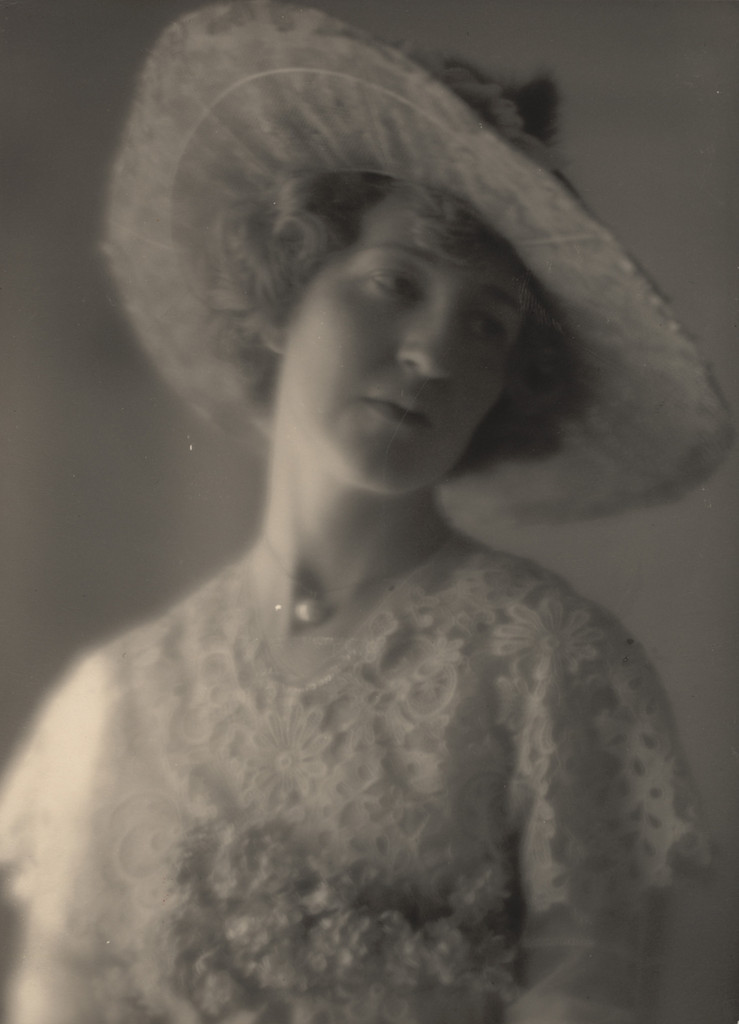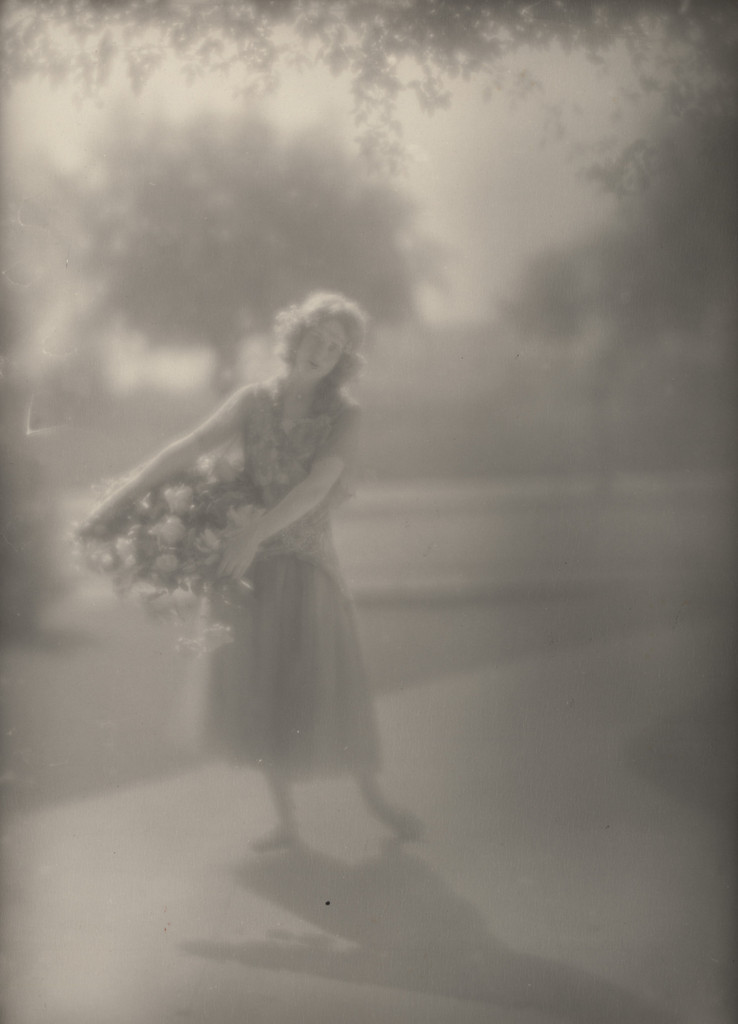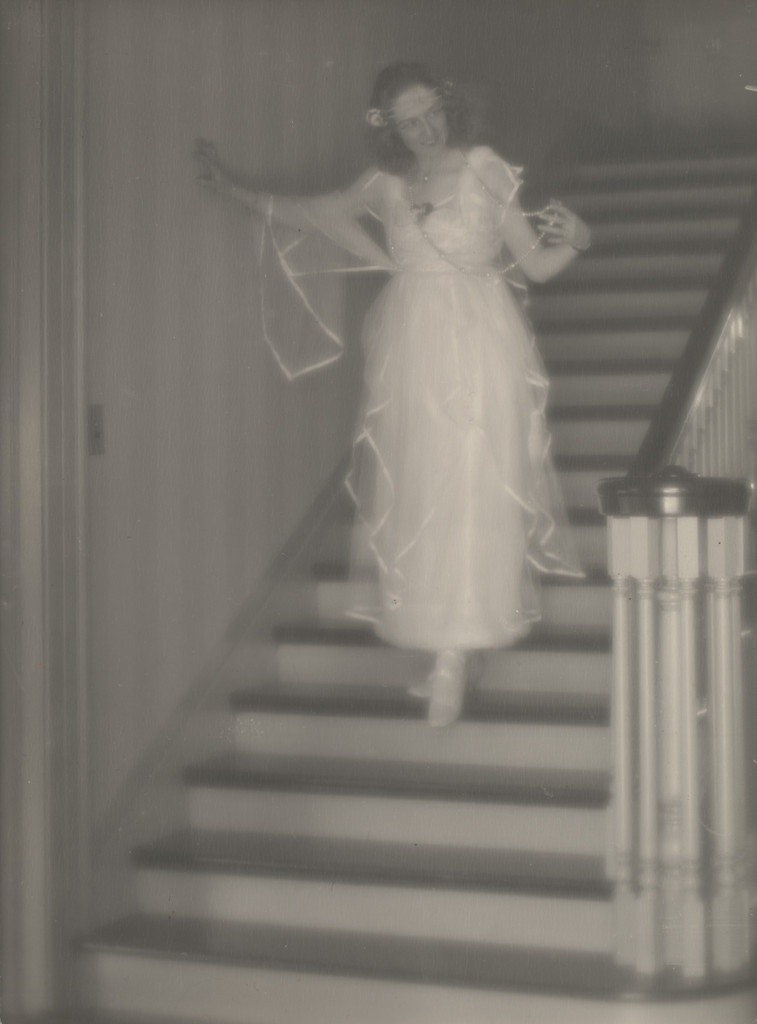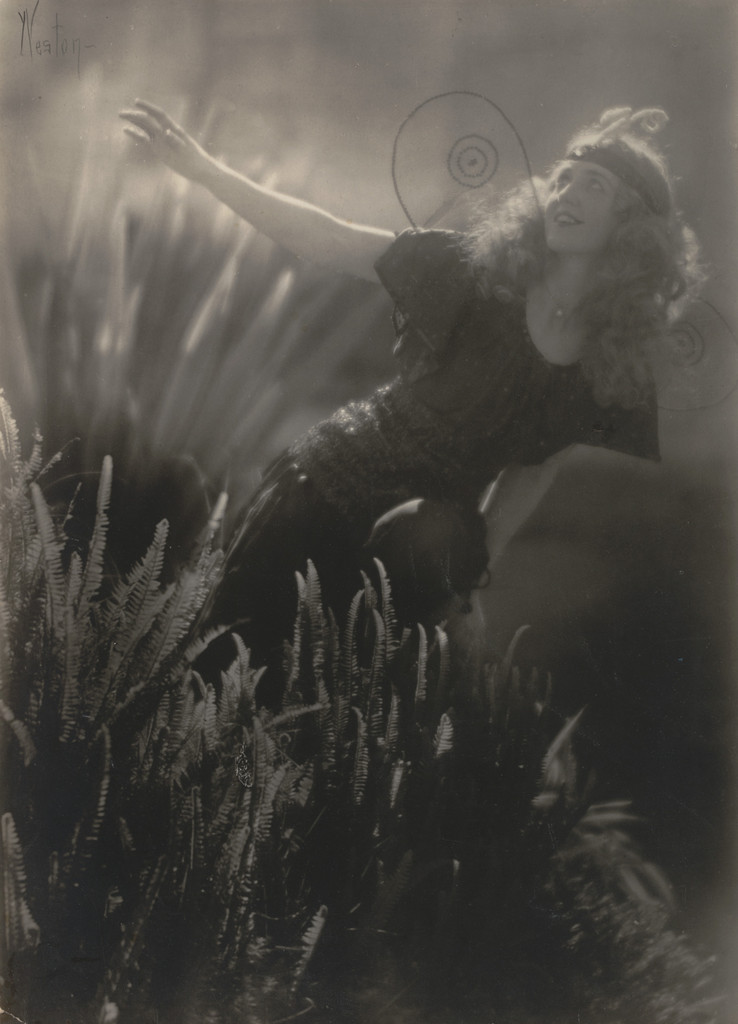
 Edward WestonEstados Unidos, 1886–1958
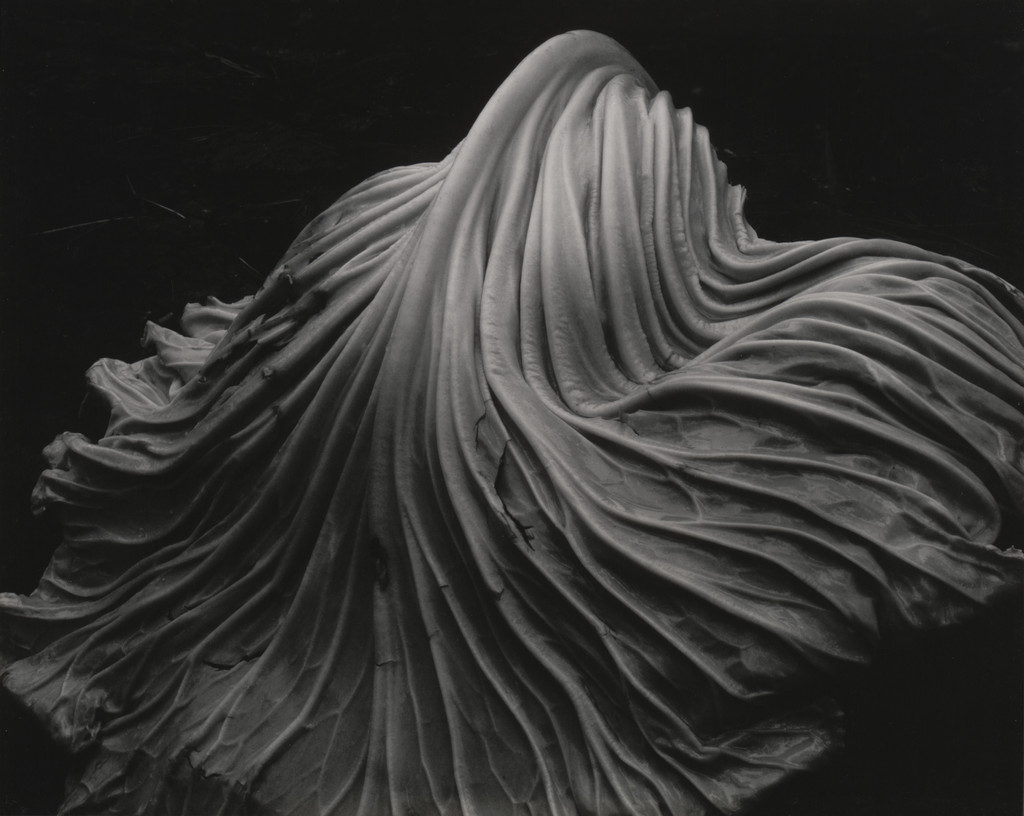
Cabbage Leaf
Será possível contemplá-la?
De momento, não recebe

Museu de Arte Moderna
Nova Iorque, Estados Unidos
Pertence à coleção, mas de momento não está exposta.
- Verificado
- há 12 dias
- Fonte
- Os dados da própria coleção do museu
Pormenores
- Número de inventário
- 123.1952.1
Fontes
- Museu de Arte Moderna: the museum's own open data · obtido há 12 dias
- Imagem: Museu de Arte Moderna — © the artist or rights holder
Entretanto, na vida de Edward Weston
A vida inteira1929
Regular trips to Point Lobos
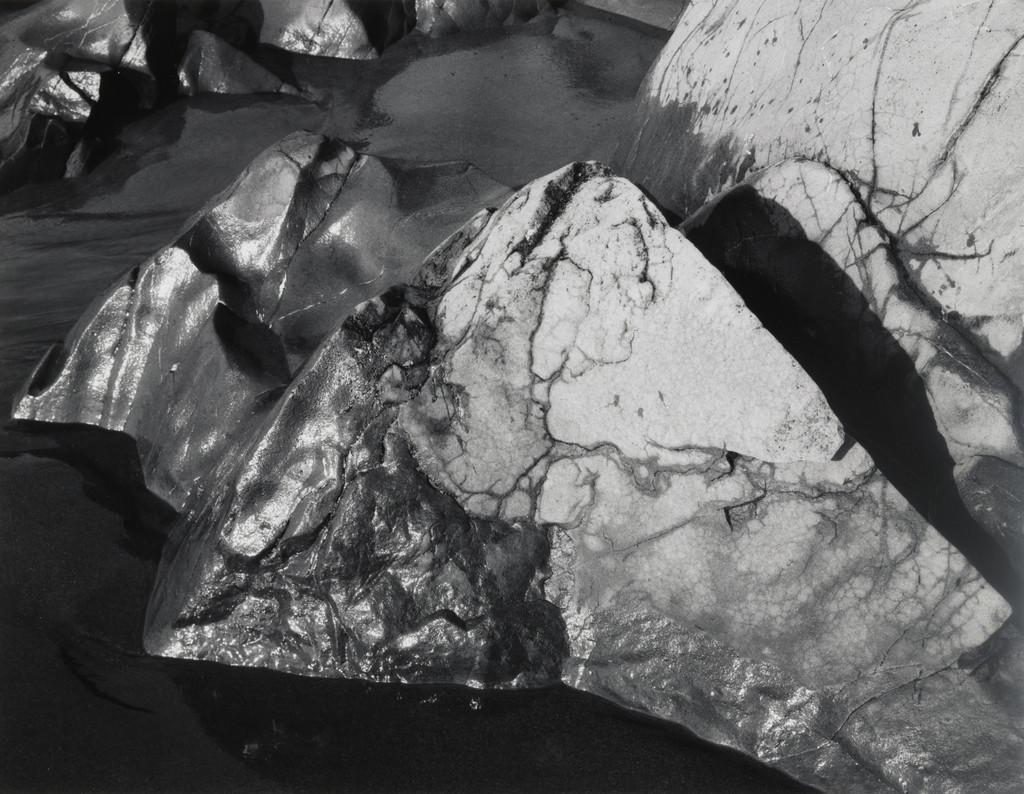
He starts making regular trips to nearby Point Lobos, where he will continue to photograph until the end of his career; there he learns to fine-tune his vision to the visual space of his view camera, and the images he takes there, of kelp, rocks and wind-blown trees, are among his finest.
early 1929
Moves to Carmel
In 1928 he and Brett had moved to San Francisco, living and working in a small studio owned by Hagemeyer, where he made portraits for income but longed to get away on his own and return to his art. In early 1929 he moves into Johan Hagemeyer’s cottage in Carmel, where he finally finds the solitude and inspiration he was seeking, and puts a sign in the studio window: “Edward Weston, photographer, Unretouched Portraits, Prints for Collectors.”
April 1929
Meets Sonya Noskowiak
In early April he meets the photographer Sonya Noskowiak at a party, and by the end of the month she is living with him; as with many of his relationships, she becomes his model, muse, pupil and assistant. They go on living together for five years.
1930–1931
A series of one-man exhibitions, 1930–1931
The first is at Alma Reed’s Delphic Studio Gallery in New York, followed closely by the same show at the Denny Watrous Gallery in Carmel; both receive rave reviews, including a two-page article in the New York Times Magazine. Shows at the De Young Museum in San Francisco and the Galerie Jean Naert in Paris follow.
1932
The first book on his work: “The Art of Edward Weston”
The Art of Edward Weston, edited by Merle Armitage, is published, the first book devoted exclusively to Weston’s work; it is dedicated to Alice Rohrer, an admirer and patron whose $500 donation helped pay for its publication.
November 1932
The Group f/64 exhibition at the De Young Museum
A small group of like-minded photographers in the San Francisco area, led by Van Dyke and Ansel Adams, inspired by Weston’s show at the De Young Museum the previous year, approach the museum with the idea of a group exhibition; calling themselves Group f/64, they open a show of 80 of their prints there in November 1932, and it is a critical success.