ART WIKI32 963 em exposição
MapaColeçãoArtistasMuseusExposiçõesRevista
Entrar

ART WIKI

Onde está a obra-prima, e a que horas se abre a porta.

Coleções: Art Institute of Chicago, Galeria Nacional de Arte, Galeria Tretiakov, Getty Villa, Harvard Art Museums, Hermitage, Hirshhorn Museum and Sculpture Garden, Instituto de Artes de Minneapolis, Museu de Arte de Cleveland, Museu de Arte Moderna, Museu do Louvre, Museu Estatal de Amesterdão, Museu J. Paul Getty, Museu Metropolitano de Arte, Museu Nacional de Arte da Dinamarca, Museu Pushkin, Museu Russo, Museu Smithsoniano de Arte Americana, Museu Vitória e Alberto, Museu Whitney de Arte Americana, National Museum of Asian Art, National Portrait Gallery, Catálogo Estatal do Fundo Museológico da Rússia (274 museus), Europeana (19 museus), Wikidata (6 museus), Paris Musées (12 museus) e Joconde, a base de museus do Ministério da Cultura de França (495 museus). As imagens pertencem aos titulares dos direitos.

Secções

  • Mapa
  • Pesquisa
  • Coleção
  • Obras-primas
  • Em exposição agora
  • Artistas

Mais

  • Museus e galerias
  • Exposições
  • Revista
  • De onde vêm os dados
  • Privacidade e cookies
InícioMapaCatálogo
  1. Coleção/
  2. Instituto de Artes de Minneapolis/
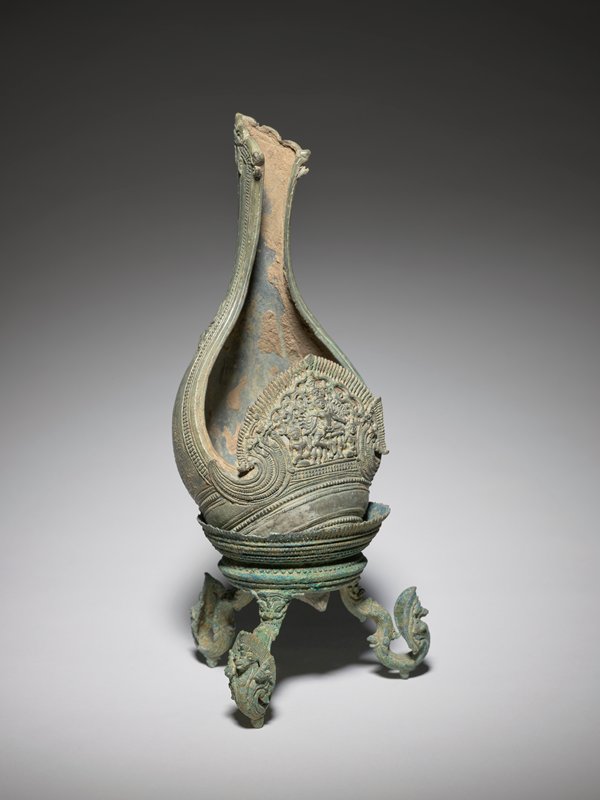
  3. Buddhist ritual conch shell with a dancing Hevajra
Buddhist ritual conch shell with a dancing Hevajra, 12th-13th century

Buddhist ritual conch shell with a dancing Hevajra

12th-13th century · Sculpture

Sobre a escultura

This bronze takes the form of a conch shell, a vessel used in both Buddhist and Hindu rituals. Blown at the beginning of ceremonies, the instrument makes the sound of the sacred syllable “Om, ” believed to purify the mind before meditation. Buddhism and Hinduism were often practiced side by side in the kingdoms of Southeast Asia; however, Hinduism was the official religion of Khmer kings until the conversion to Buddhism of Jayavarman VII (reign c. 1181–1218), after which Buddhist art flourished. The embellished bronze features a dancing, multiheaded Hevajra, a key deity in Vajrayana Buddhism, a sect that emphasizes ritual as a means to enlightenment.

Instituto de Artes de Minneapolis

Pormenores

Número de inventário
91.22.1a, b

Na mesma sala · G213, Instituto de Artes de Minneapolis

Página do museu

Será possível contemplá-la?

Sim, recebe visitas

Instituto de Artes de Minneapolis

Minneapolis, Estados Unidos

SalaG213

Exposta ao público. Quem o garante vem indicado abaixo.

Verificado
há 3 dias
Neste estado desde
25 de set. de 2026
Fonte
O museu
No mapaPágina do museu

No catálogo

EsculturaBronzeKhmer

Fontes

  • Instituto de Artes de Minneapolis
  • Imagem: Instituto de Artes de Minneapolis — public domain
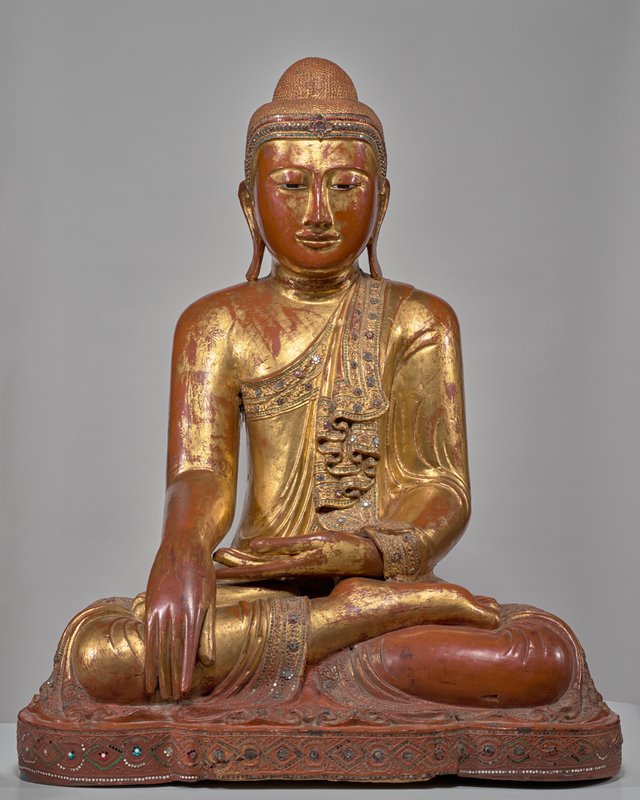
Enshrined Buddha, c. 1850

Enshrined Buddha, c. 1850

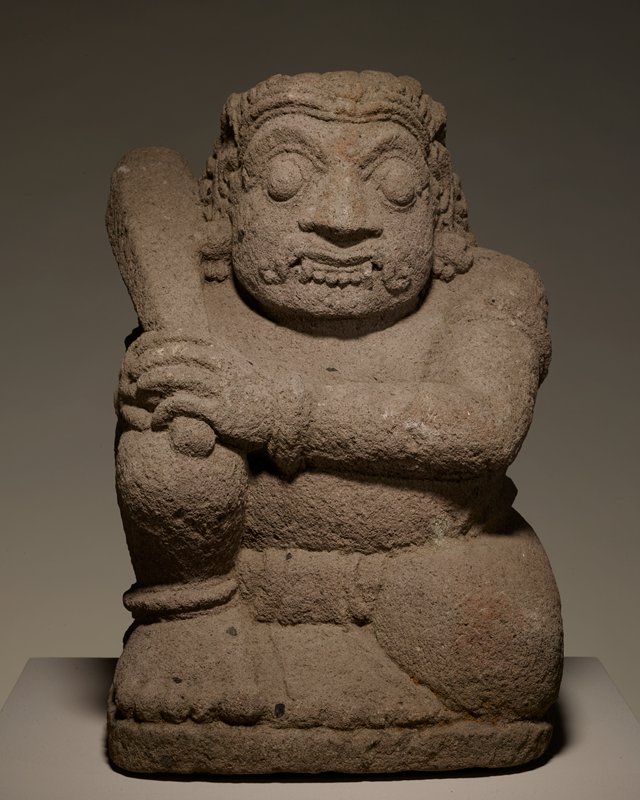
Dvarapala (Door Guardian), c. 14th–15th century

Dvarapala (Door Guardian), c. 14th–15th century

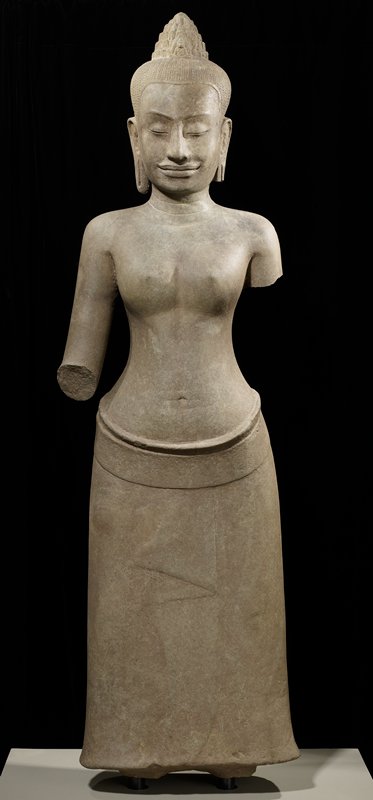
Prajnaparamita, late 12th–early 13th century

Prajnaparamita, late 12th–early 13th century

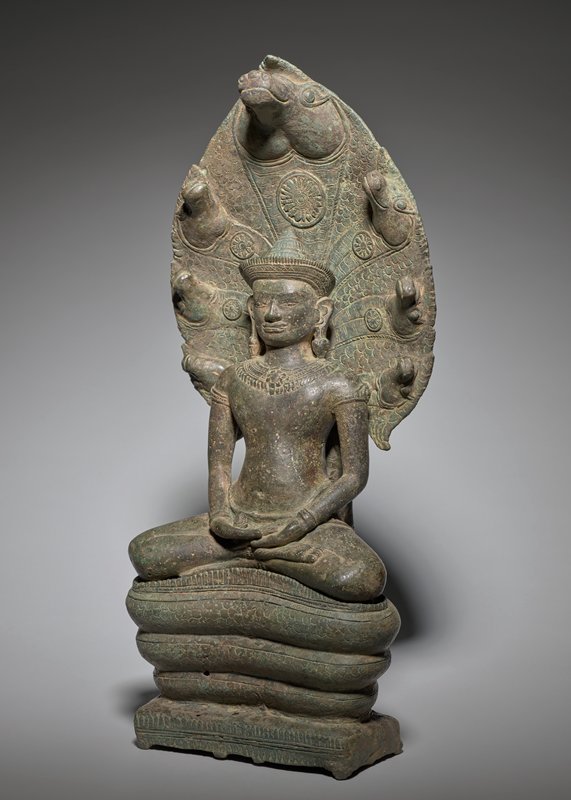
Naga-enthroned Buddha, 12th-13th century

Naga-enthroned Buddha, 12th-13th century

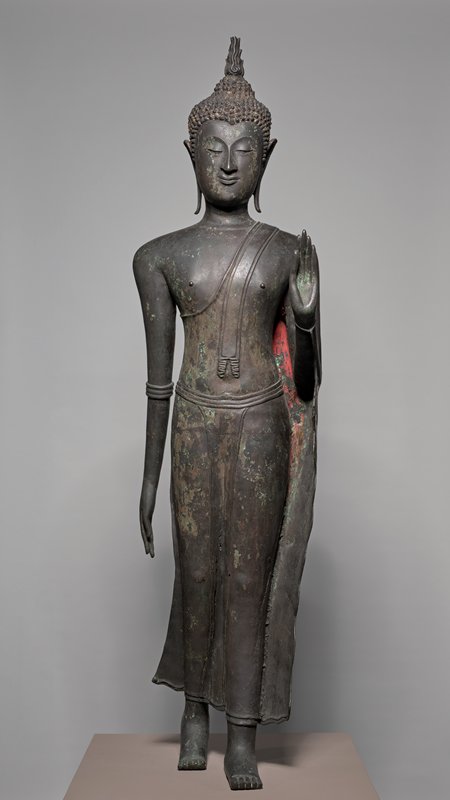
Walking Shakyamuni Buddha, 15th century

Walking Shakyamuni Buddha, 15th century

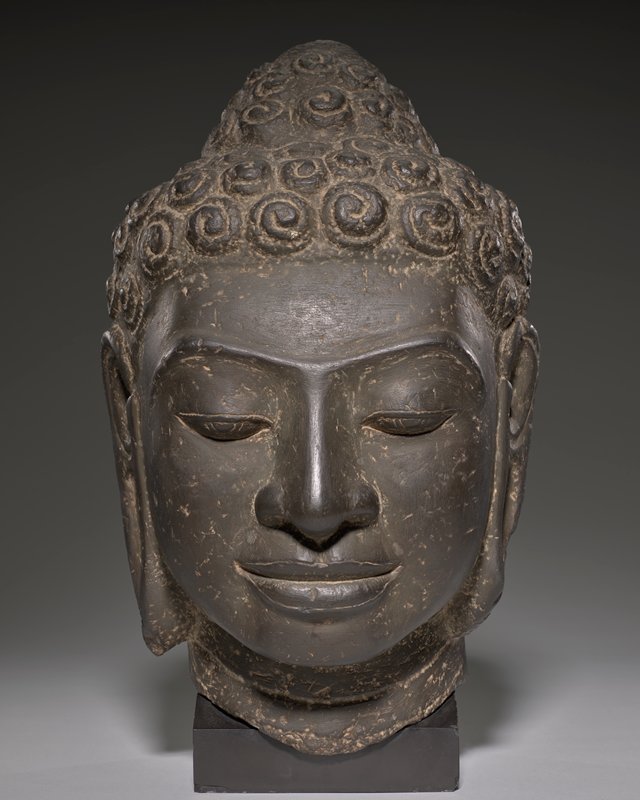
Buddha Head, or Thailand, 8th century

or Thailand

Buddha Head, 8th century

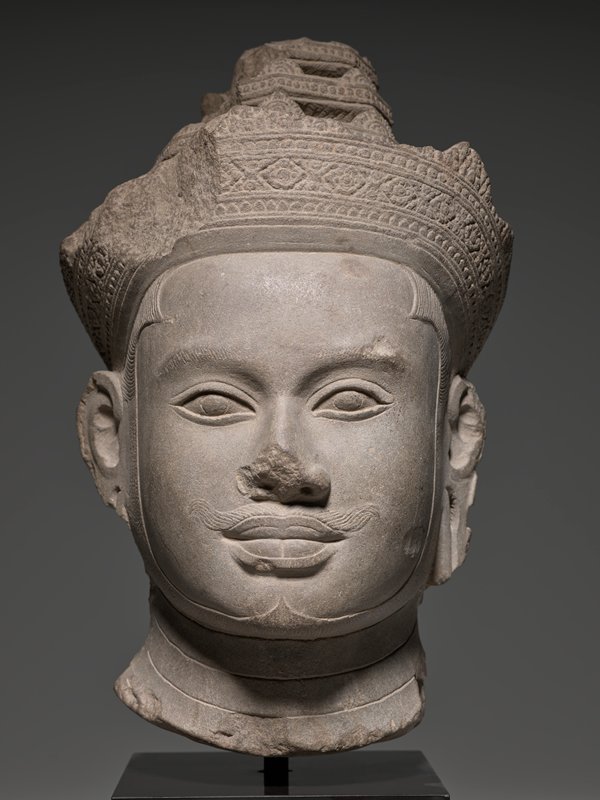
Head from an image of Vishnu or a deified king, early 9th century

Head from an image of Vishnu or a deified king, early 9th century

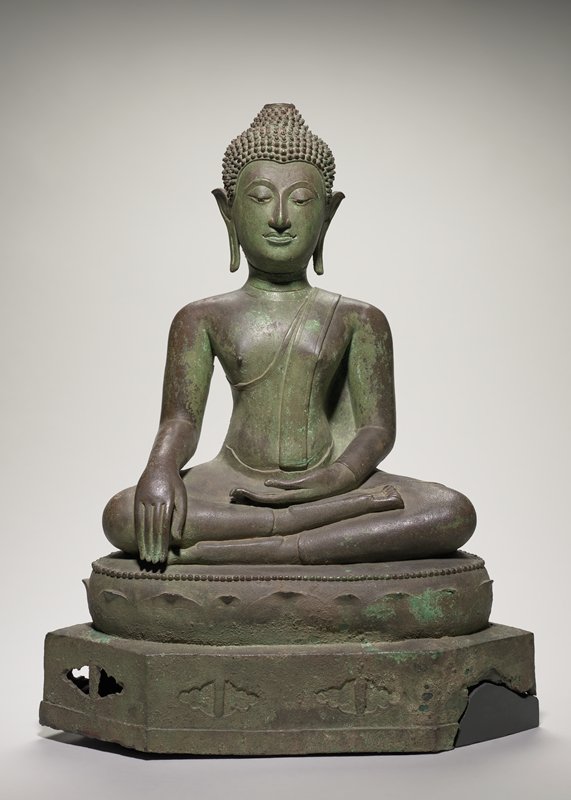
Buddha subduing Mara, 15th century

Buddha subduing Mara, 15th century