RaphaelItália, 1483–1520
Retrato de Bindo Altoviti
Bindo Altoviti
Dá para ver?
Sim, exposta agora
Onde está “Retrato de Bindo Altoviti” hoje? Galeria Nacional de Arte, Sala 20 · Edifício Oeste, piso principal, Washington, D.C. Sim, exposta agora. Verificado 16 de novembro de 2026.

Fechado· abre às 10:00
Exposta ao público.
- Verificado
- Com este status desde
- Fonte
- O museu
Sobre a pintura
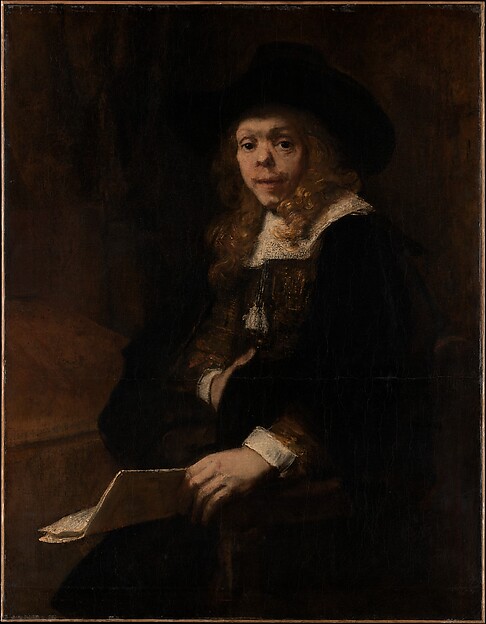
Raphael's Portrait of Bindo Altoviti, painted about 1515, belongs to Washington's National Gallery of Art. The sitter was a wealthy banker born in Rome to a family of Florentine origin. Strong contrasts of light and shade shape his face. His descendants kept the portrait until 1808; after passing through Bavaria, it reached the museum through Samuel H. Kress. It is currently displayed in room M-020.
The Portrait of Bindo Altoviti is a painting finished around 1515 by the Italian High Renaissance painter Raphael. It is housed in the National Gallery of Art in Washington, D.C., United States.
Bindo Altoviti, a wealthy banker born in Rome in 1491 of Florentine descent, was a cultured man with a strong appreciation for the arts.
The subject's graceful, almost effeminate pose, combined with the pronounced contrast between light and shadow, is atypical of Raphael’s portraits of men. This painting demonstrates Raphael’s experimentation with different styles during his later period in Rome, where he was heavily influenced by Leonardo work, which he studied closely. This influence is particularly evident in this piece.
Ler mais
The painting remained with Altoviti's descendants until 1808, when it was sold to Ludwig I of Bavaria. It then resided at the Alte Pinakothek until 1936, when, following considerable debate over its attribution, it was removed from Nazi Germany by "canny English dealers". Acquired by Samuel Henry Kress, the portrait subsequently became property of the National Gallery of Art collection in Washington, D.C.
A bronze bust of Altoviti by Benvenuto Cellini is exhibited in Boston at the Isabella Stewart Gardner Museum.
Detalhes
- Número de inventário
- 1943.4.33
O que mostra
No catálogo
Fontes
- Galeria Nacional de Arte
- Imagem: Galeria Nacional de Arte — Museum open access
Na vida de Raphael
A vida inteira1508–1520
Trabalhou em Roma
1513
Leão X torna-se papa
A morte de Júlio II não interrompeu o trabalho: seu sucessor, o papa Médici Leão X, tornou-se o último e ainda mais próximo mecenas de Rafael, e o amigo de Rafael, cardeal Bibbiena, era amigo íntimo e conselheiro do novo papa.
1514
Arquiteto-chefe de São Pedro
Depois da morte de Bramante, Rafael tornou-se arquiteto-chefe da nova São Pedro e continuou a construção das Loggias do Vaticano por Bramante, cujas abóbadas seus alunos pintaram.
1514
Noivado com Maria Bibbiena
Rafael ficou noivo de Maria, sobrinha do cardeal Bibbiena, aparentemente convencido pelo amigo cardeal e sem muito entusiasmo: o casamento ainda não se realizara quando ela morreu, em 1520. Presença permanente em sua vida romana era “La Fornarina”, Margherita Luti, filha de um padeiro.
1515
Prefeito das antiguidades de Roma
Rafael recebeu poderes como Prefeito sobre todas as antiguidades desenterradas em Roma ou a até uma milha dela: os achados deviam ser comunicados a ele em três dias, e as inscrições não podiam ser destruídas sem permissão. Escreveu ao papa propondo meios de deter a destruição dos monumentos antigos e um levantamento para registrá-los todos.
1515
Troca de obras com Albrecht Dürer
Rafael deu a Albrecht Dürer um de seus desenhos, e o mestre alemão lhe enviou em troca o autorretrato; seu destino é desconhecido.