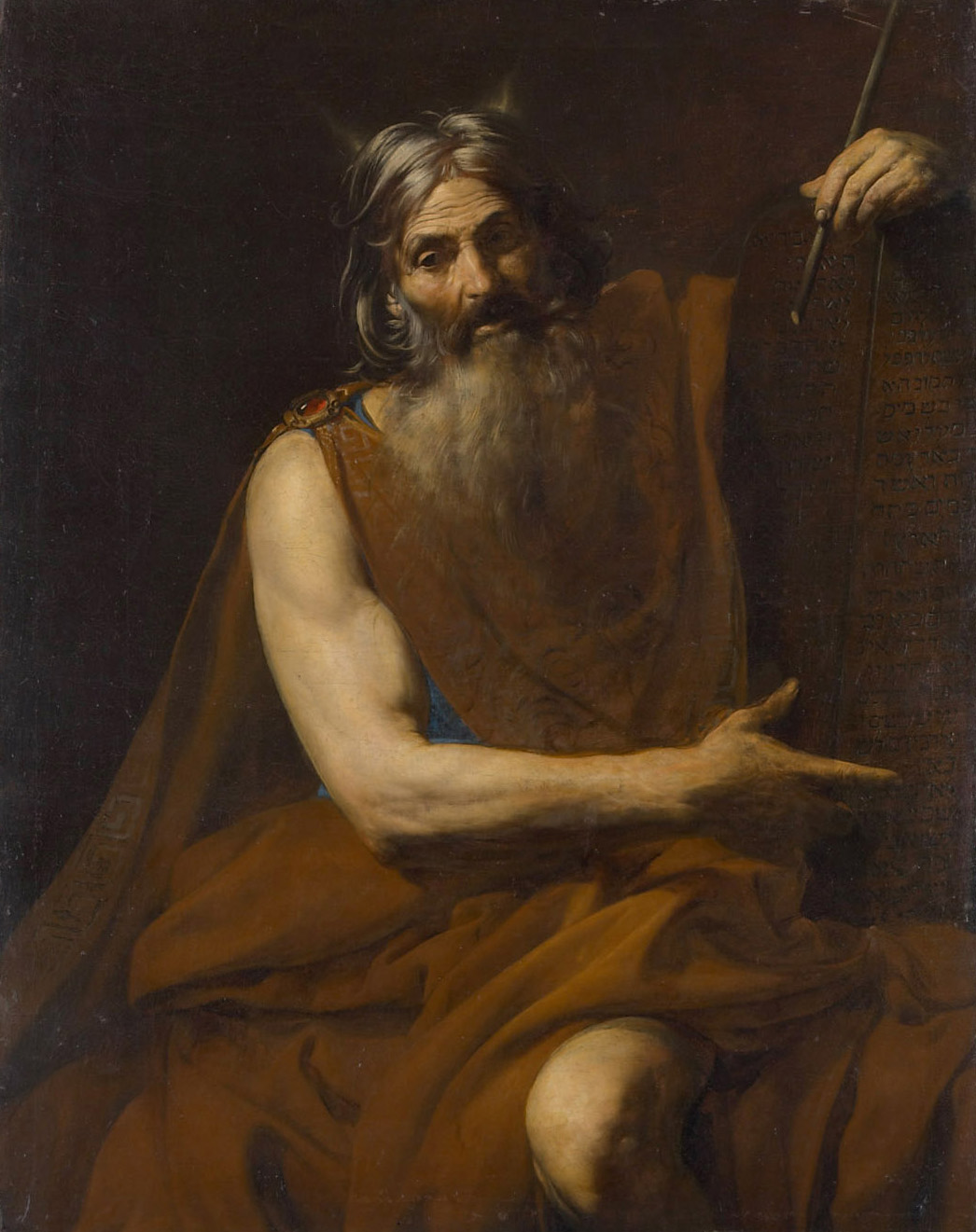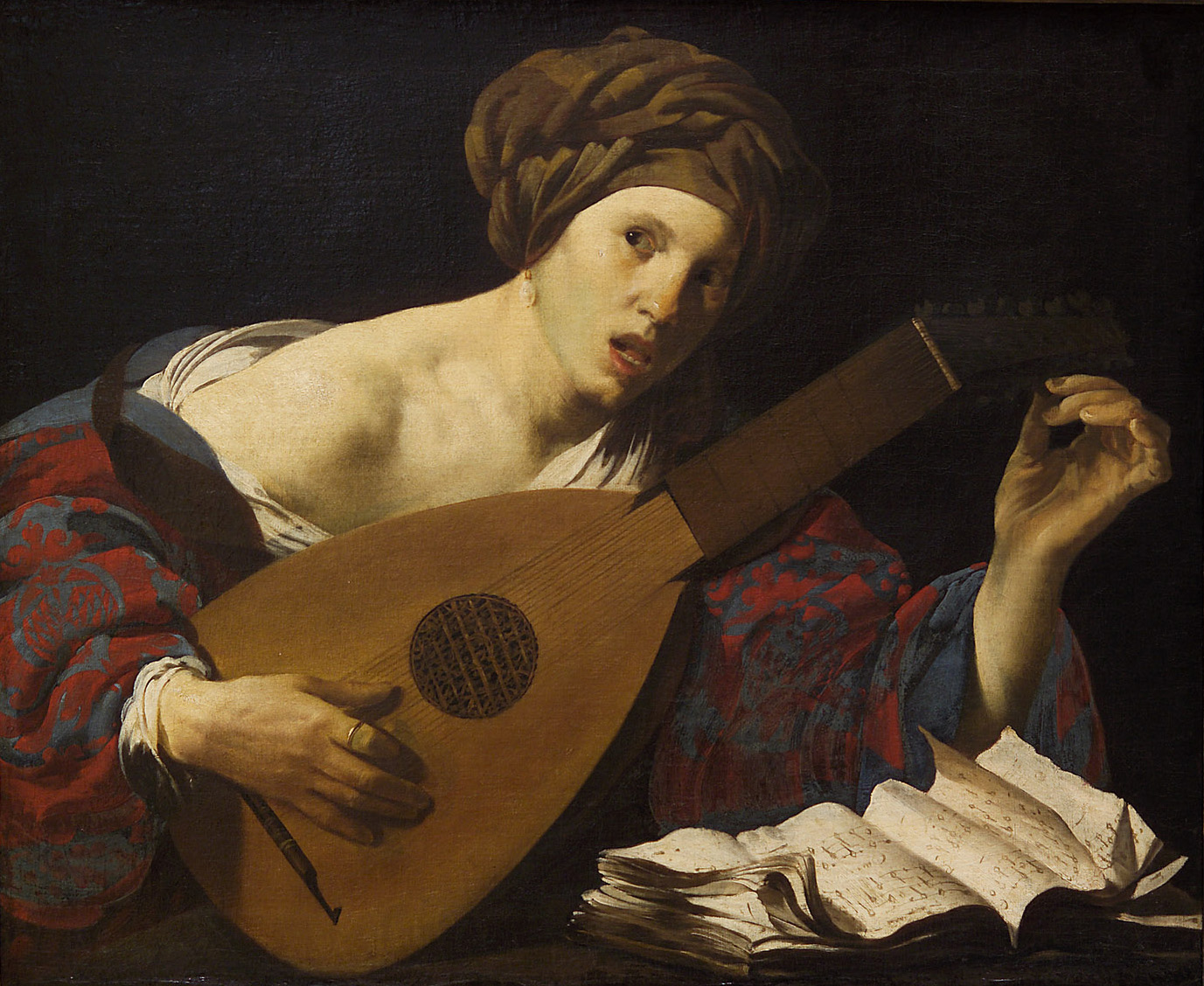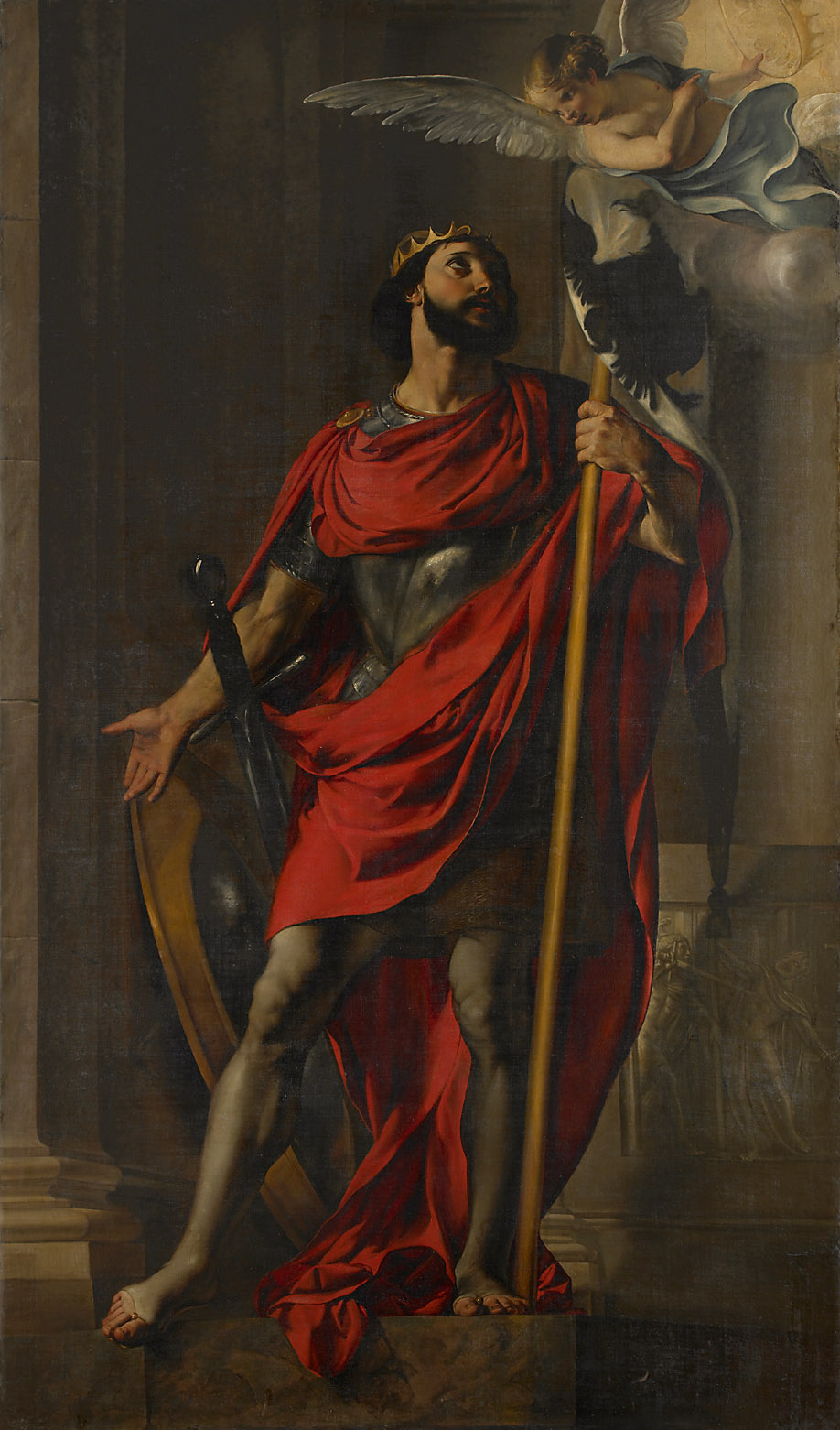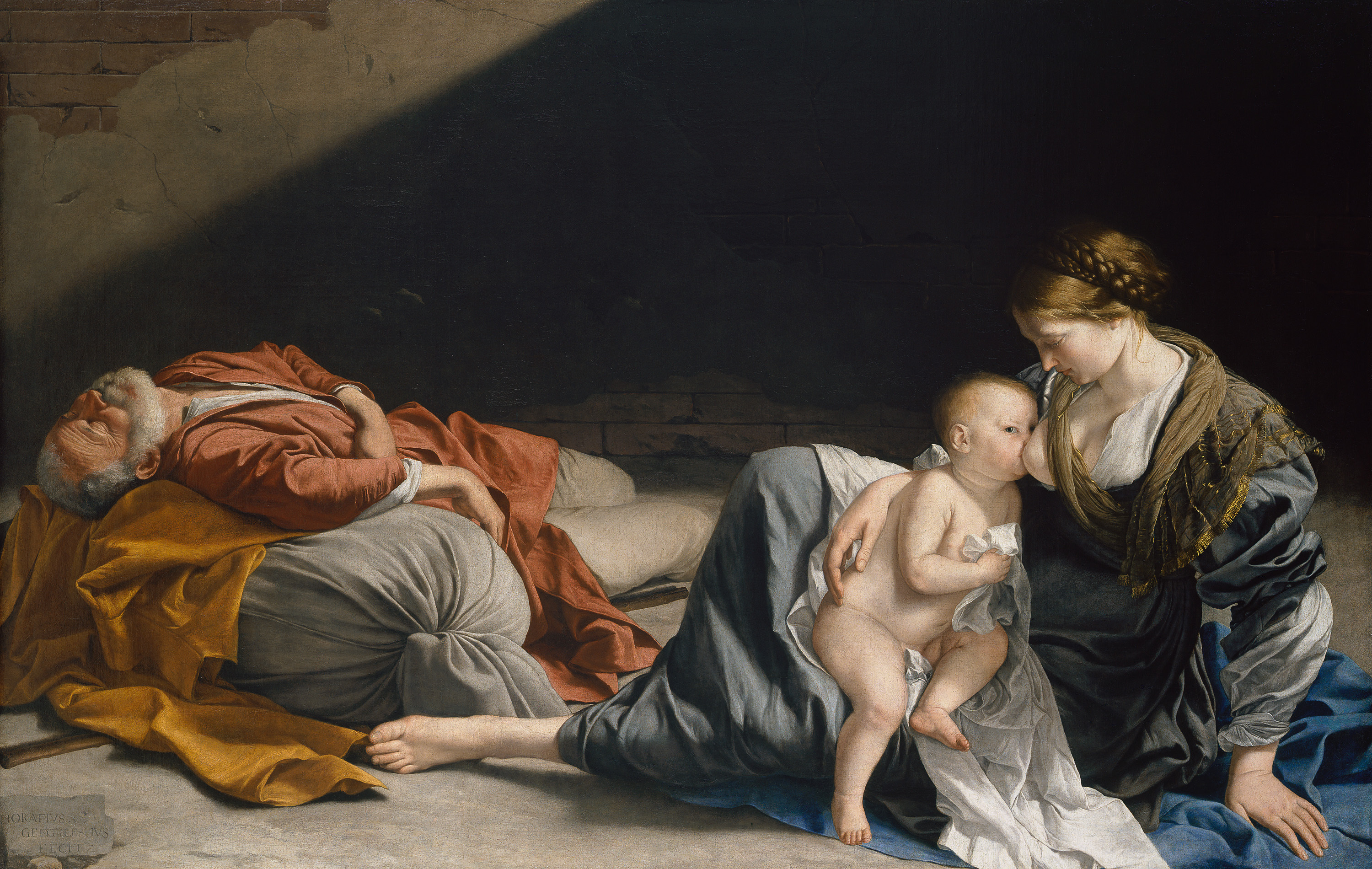
 Mattia PretiItália, 1613–1699
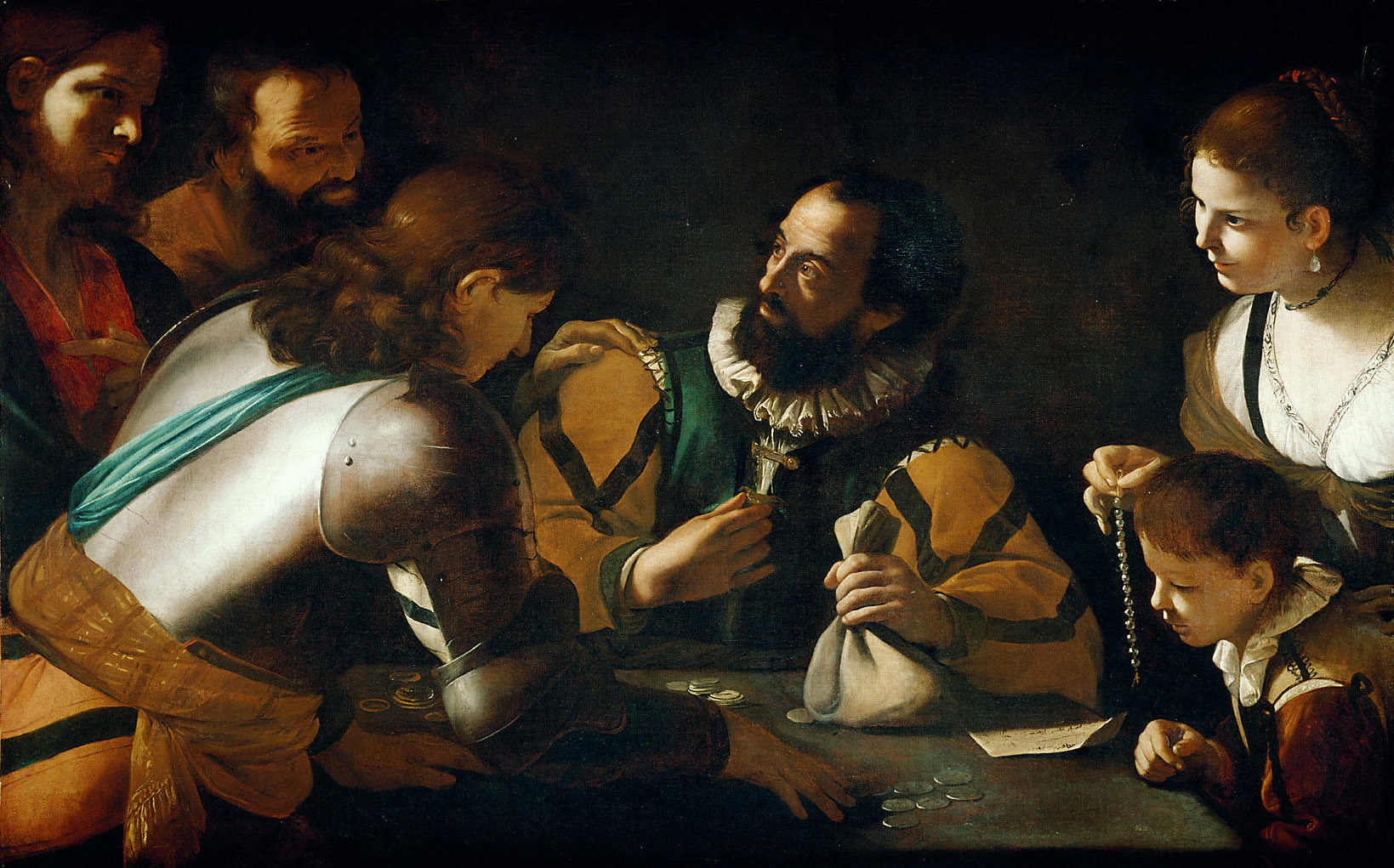
Berufung des Apostels Matthäus
Posso vê-la?
Sim, exposta agora
Onde está «Berufung des Apostels Matthäus» hoje? Museu de História da Arte em Viena, Gemäldegalerie, Saal V, Viena. Sim, exposta agora. Verificado 9 de outubro de 2026.

Aberto agora· até às 18:00
Exposta ao público.
- Verificado
- Neste estado desde
- Fonte
- O site do museu
Pormenores
No catálogo
Exposições
Em exposição · Gemäldegalerie, Saal V
Museu de História da Arte em Viena · 9 de out. de 2026 — agora · Verificado
Não se sabe se estava exposta
Museu de História da Arte em Viena · 27 de set. de 2026 — 9 de out. de 2026 · Não confirmado
Fontes
- Museu de História da Arte em Viena
- Imagem: Museu de História da Arte em Viena — CC BY-NC-SA 4.0
Na vida de Mattia Preti
A vida inteira1630–1653
Frequent journeys: Italy, Spain and Flanders
Although he remained in Rome for nearly twenty-five years, he travelled frequently throughout Italy and abroad, particularly to Spain and Flanders, and established contacts with Emilian painters of the preceding generation, Guercino and Giovanni Lanfranco, who further influenced his style.
1636
The brothers’ home at San Biagio; the Accademia di San Luca
By 1636 Mattia and Gregorio Preti were recorded as residing at the Church of San Biagio a Montecitorio, and their names had already appeared on lists of artists associated with the Accademia di San Luca, although they did not formally join the institution.
early 1640s
The Preti brothers’ success in Roman circles
By the early 1640s the brothers were enjoying considerable success in Roman circles: numerous works by Mattia were catalogued in important private collections belonging to the local nobility, alongside significant public commissions.
31 October 1642
Admitted to the Order of St John of Jerusalem
He was admitted to the Order of St John of Jerusalem. The large canvas of Empress Faustina visiting Saint Catherine of Alexandria in prison (Dayton Art Institute, Dayton, Ohio) dates from this period: its original frame bore the Barberini coat of arms, and the work was most likely created to celebrate his knighthood.