ART WIKI32 963 em exposição
MapaColeçãoArtistasMuseusExposiçõesRevista
Entrar

ART WIKI

Onde está a obra-prima, e a que horas se abre a porta.

Coleções: Art Institute of Chicago, Galeria Nacional de Arte, Galeria Tretiakov, Getty Villa, Harvard Art Museums, Hermitage, Hirshhorn Museum and Sculpture Garden, Instituto de Artes de Minneapolis, Museu de Arte de Cleveland, Museu de Arte Moderna, Museu do Louvre, Museu Estatal de Amesterdão, Museu J. Paul Getty, Museu Metropolitano de Arte, Museu Nacional de Arte da Dinamarca, Museu Pushkin, Museu Russo, Museu Smithsoniano de Arte Americana, Museu Vitória e Alberto, Museu Whitney de Arte Americana, National Museum of Asian Art, National Portrait Gallery, Catálogo Estatal do Fundo Museológico da Rússia (274 museus), Europeana (19 museus), Wikidata (6 museus), Paris Musées (12 museus) e Joconde, a base de museus do Ministério da Cultura de França (495 museus). As imagens pertencem aos titulares dos direitos.

Secções

  • Mapa
  • Pesquisa
  • Coleção
  • Obras-primas
  • Em exposição agora
  • Artistas

Mais

  • Museus e galerias
  • Exposições
  • Revista
  • De onde vêm os dados
  • Privacidade e cookies
InícioMapaCatálogo
  1. Coleção/
  2. Museu de Arte Moderna/
  3. Berlin
Berlin, Henri Cartier-Bresson, 1931
Henri Cartier-Bresson, retratoHenri Cartier-BressonFrança, 1908–2004

Berlin

1931 · Photograph

Será possível contemplá-la?

De momento, não recebe

Museu de Arte Moderna

Nova Iorque, Estados Unidos

Pertence à coleção, mas de momento não está exposta.

Verificado
há 9 dias
Fonte
O museu
No mapaPágina do museu

Pormenores

1931 · aos 23 anos
19082004
Número de inventário
537.1987

No catálogo

FotografiasProva de gelatina e prataModernismoSéculo XX

Fontes

  • Museu de Arte Moderna
  • Imagem: Museu de Arte Moderna — © the artist or rights holder

Entretanto, na vida de Henri Cartier-Bresson

A vida inteira
  1. 1920s

    The Surrealists at the Café Cyrano

    In the 1920s he began to socialise with the Surrealists at the Café Cyrano on the Place Blanche, met leading figures of the movement and was drawn to its use of the subconscious and the immediate; dissatisfied with his own experiments, he destroyed most of his early paintings.

  2. 1929–1930

    Harry Crosby gives him his first camera

    His squadron commander put him under house arrest for hunting without a licence, and the American expatriate Harry Crosby, who had him released into his custody for a few days, gave him his first camera; they took and printed pictures at Crosby’s home, Le Moulin du Soleil, in Ermenonville.

  3. 1930–1932

    Escape to Africa: Côte d’Ivoire

    After reading Conrad’s “Heart of Darkness” in the army he decided to escape and seek adventure in Côte d’Ivoire; he lived by shooting game and selling it to villagers, and later carried methods learned hunting into his photography. Only seven photographs survived the tropics, although he had taken a portable camera smaller than a Brownie.

  4. 1930–1932

    Blackwater fever and instructions for his own funeral

    In Côte d’Ivoire he contracted blackwater fever, which nearly killed him; still feverish, he sent his grandfather instructions for his own funeral — in Normandy, at the edge of the Eawy Forest, with Debussy’s String Quartet played.

  5. 1931–1932

    Munkácsi’s photograph, a Leica and the choice of photography

    Recovering in Marseille, he saw Martin Munkácsi’s photograph “Three Boys at Lake Tanganyika” and “suddenly understood that a photograph could fix eternity in an instant”; he gave up painting and bought a Leica with a 50 mm lens, darkening its shiny parts to stay unnoticed.

  6. 1933

    First exhibitions: New York and Madrid

    In 1933 his photographs were first exhibited at the Julien Levy Gallery in New York and then at the Ateneo Club in Madrid.
Mais obras de Henri Cartier-Bresson

Todas as obras
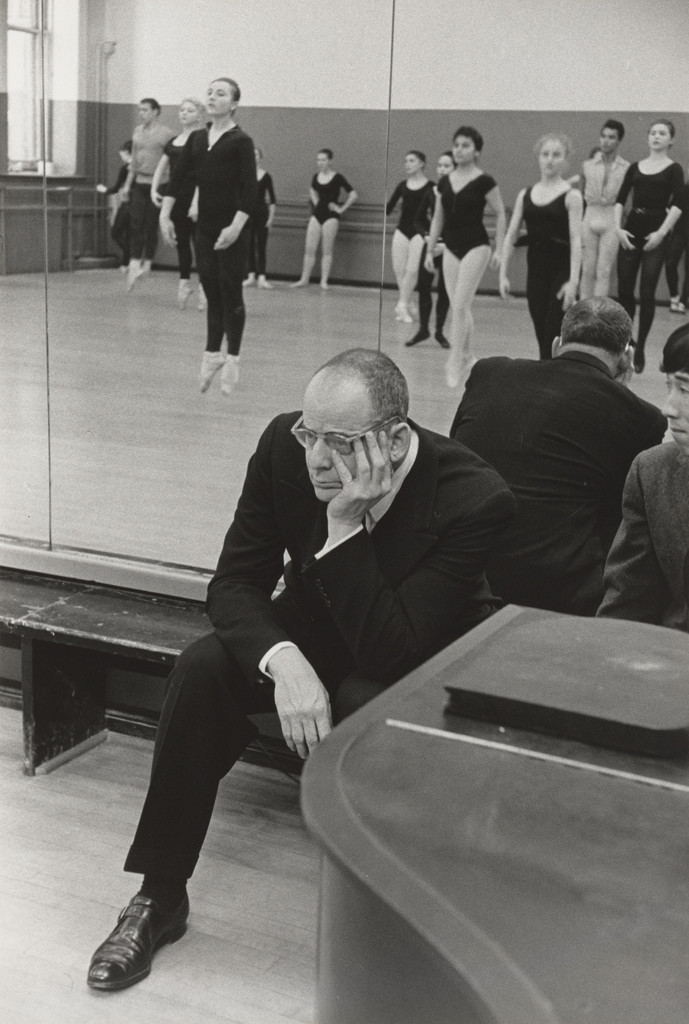
Lincoln Kirstein, Henri Cartier-Bresson, 1964

Lincoln Kirstein

1964 · Museu de Arte Moderna

Rouen, Henri Cartier-Bresson, 1929

Rouen

1929 · Não exposta · Museu de Arte Moderna

France, Henri Cartier-Bresson, 1929

France

1929 · Não exposta · Museu de Arte Moderna

Dieppe, France, Henri Cartier-Bresson, 1929

Dieppe, France

1929 · Não exposta · Museu de Arte Moderna

Rouen, Henri Cartier-Bresson, 1929

Rouen

1929 · Não exposta · Museu de Arte Moderna

Budapest, Henri Cartier-Bresson, 1931

Budapest

1931 · Não exposta · Museu de Arte Moderna

Front view of Jalma with her Hand, Montmarte (Jalma de face et sa main, Montmarte), Henri Cartier-Bresson, c. 1931

Front view of Jalma with her Hand, Montmarte (Jalma de face et sa main, Montmarte)

c. 1931 · Não exposta · Museu de Arte Moderna

Untitled, Henri Cartier-Bresson, c. 1931

Untitled

c. 1931 · Não exposta · Museu de Arte Moderna

Vizinhas de sala: Museu de Arte Moderna

Página do museu
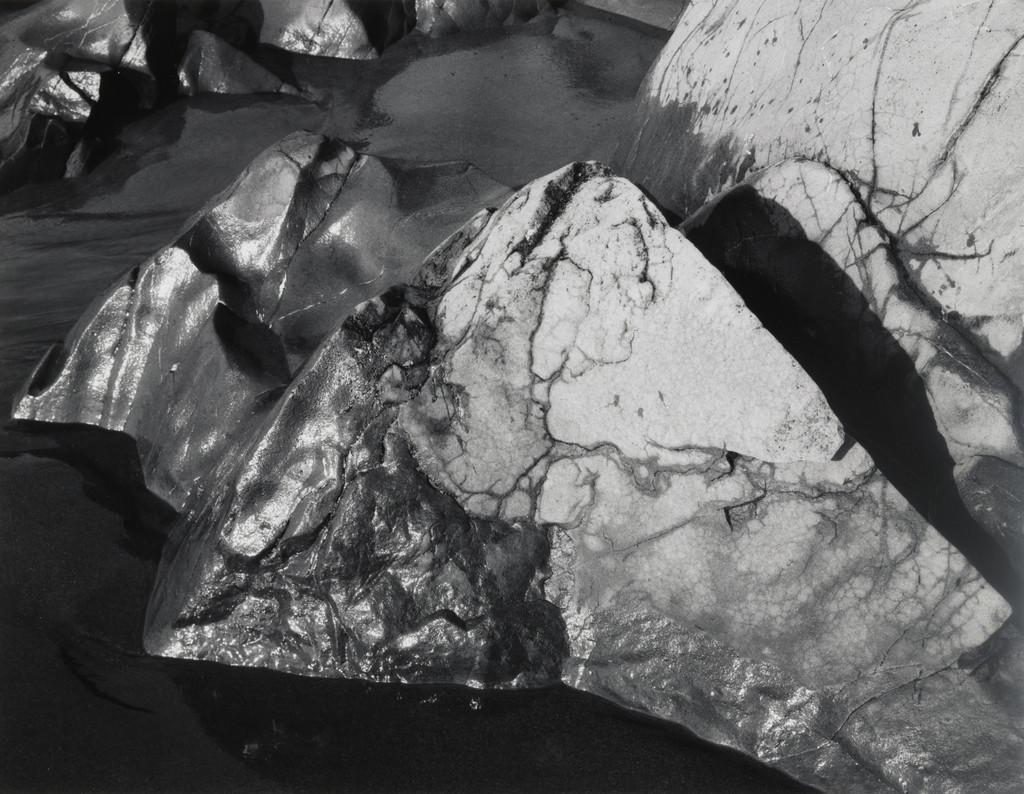
Rock, Bakers Beach, San Francisco, California, Ansel Adams, c. 1931

Ansel Adams

Rock, Bakers Beach, San Francisco, California, c. 1931

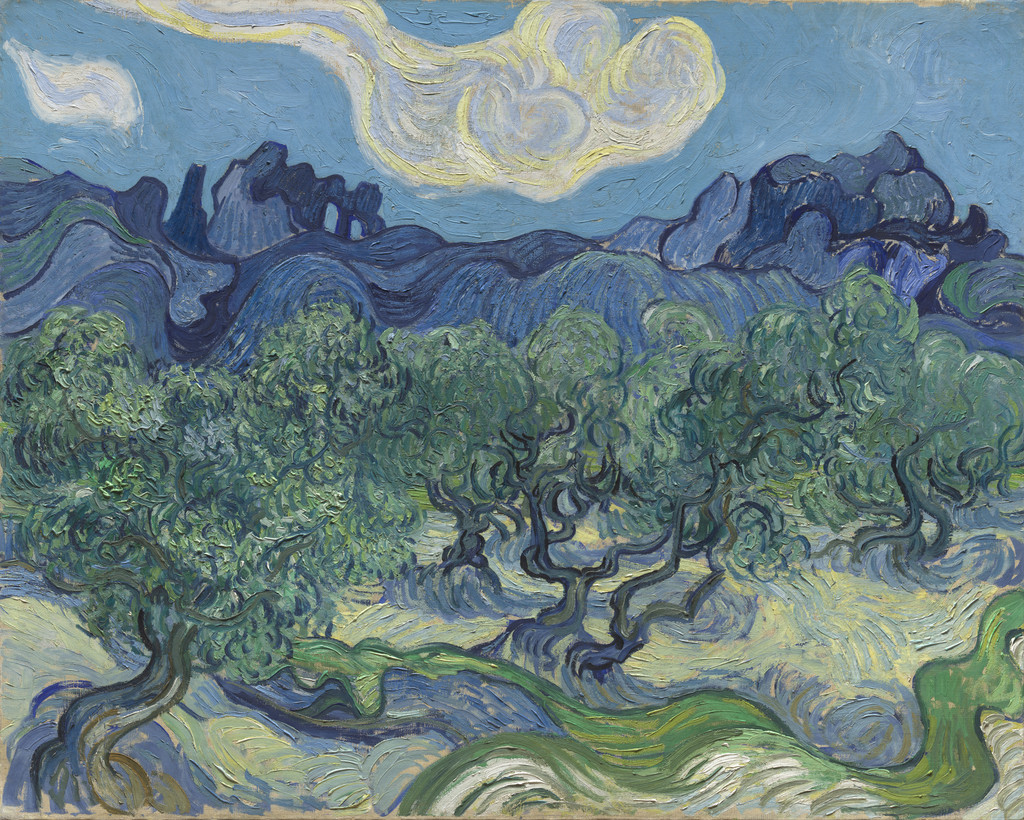
The Olive Trees, Vincent van Gogh, Saint Rémy, June-July 1889

Vincent van Gogh

The Olive Trees, Saint Rémy, June-July 1889

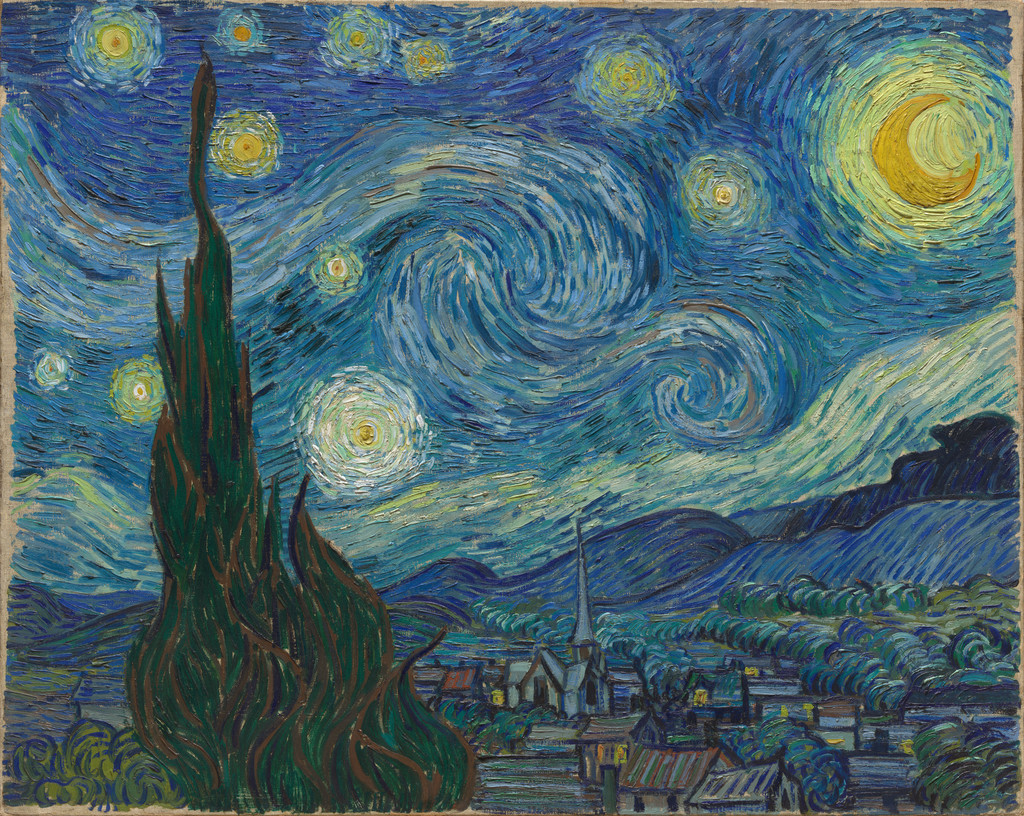
The Starry Night, Vincent van Gogh, Saint Rémy, June 1889

Vincent van Gogh

A Noite Estrelada, Saint Rémy, June 1889

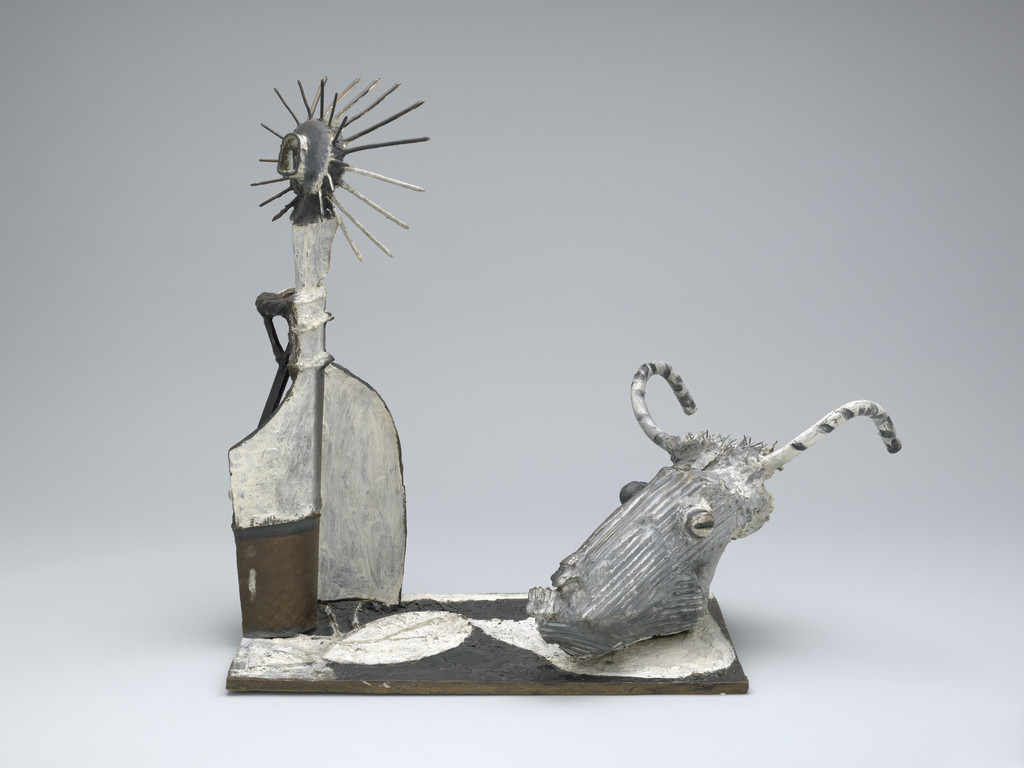
Goat Skull and Bottle, Pablo Picasso, Vallauris, 1951 (cast 1954)

Pablo Picasso

Goat Skull and Bottle, Vallauris, 1951 (cast 1954)

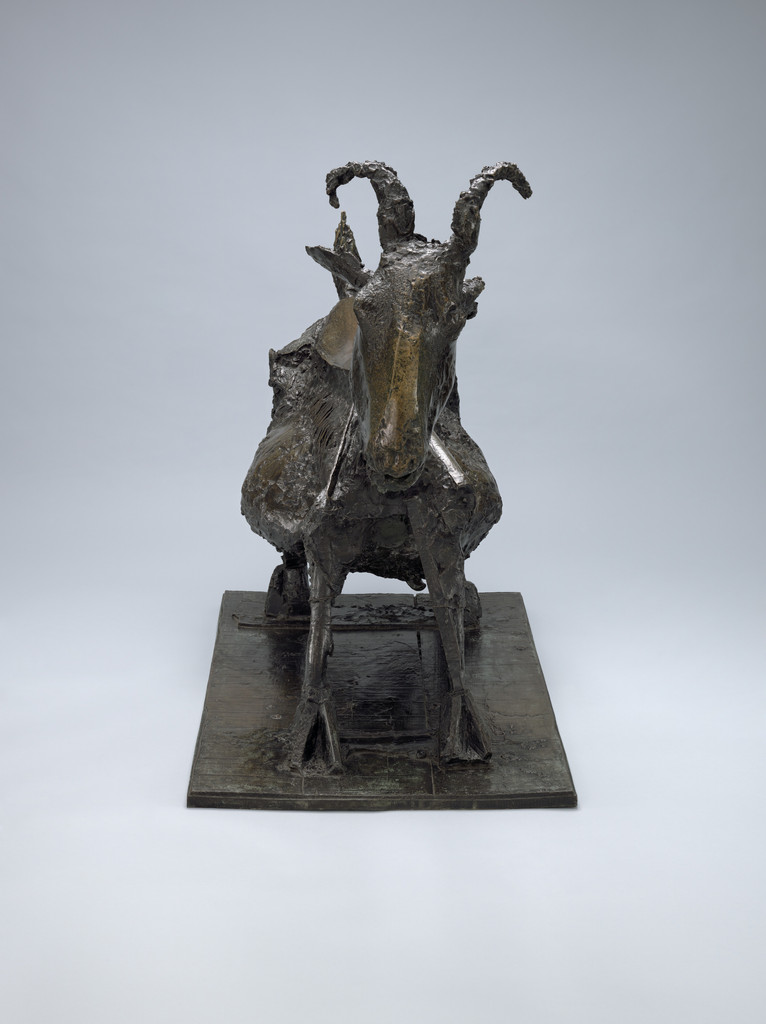
She-Goat, Pablo Picasso, Vallauris, 1950 (cast 1952)

Pablo Picasso

She-Goat, Vallauris, 1950 (cast 1952)

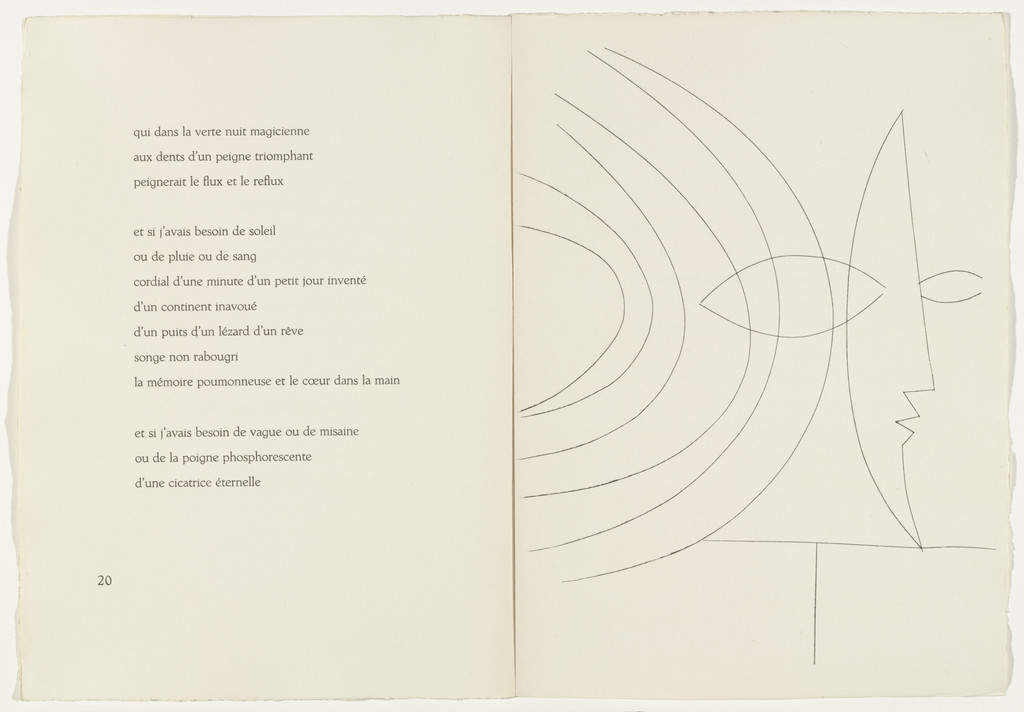
Face in Profile (plate, page 21) from Corps perdu, Pablo Picasso, 1949, published 1950

Pablo Picasso

Face in Profile (plate, page 21) from Corps perdu, 1949, published 1950

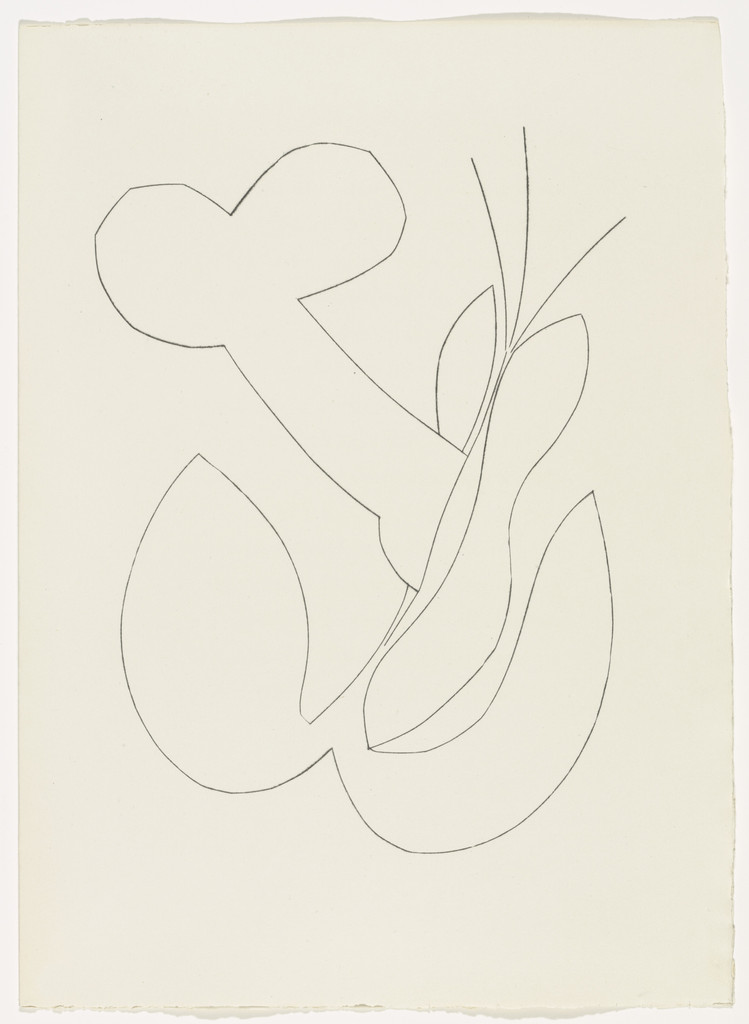
Coupling (plate, page 17) from Corps perdu, Pablo Picasso, 1949, published 1950

Pablo Picasso

Coupling (plate, page 17) from Corps perdu, 1949, published 1950

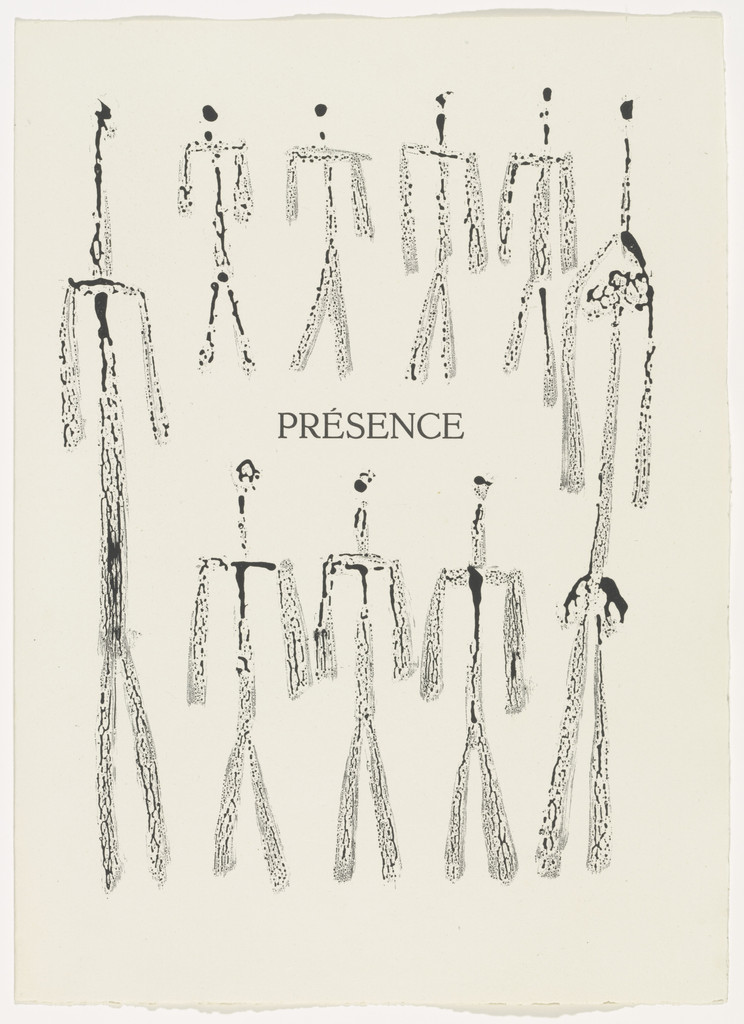
"Présence" (chapter title, page 13) from Corps perdu, Pablo Picasso, 1949, published 1950

Pablo Picasso

"Présence" (chapter title, page 13) from Corps perdu, 1949, published 1950