ART WIKI32 963 em exposição
MapaColeçãoArtistasMuseusExposiçõesRevista
Entrar

ART WIKI

Onde está a obra-prima, e a que horas se abre a porta.

Coleções: Art Institute of Chicago, Galeria Nacional de Arte, Galeria Tretiakov, Getty Villa, Harvard Art Museums, Hermitage, Hirshhorn Museum and Sculpture Garden, Instituto de Artes de Minneapolis, Museu de Arte de Cleveland, Museu de Arte Moderna, Museu do Louvre, Museu Estatal de Amesterdão, Museu J. Paul Getty, Museu Metropolitano de Arte, Museu Nacional de Arte da Dinamarca, Museu Pushkin, Museu Russo, Museu Smithsoniano de Arte Americana, Museu Vitória e Alberto, Museu Whitney de Arte Americana, National Museum of Asian Art, National Portrait Gallery, Catálogo Estatal do Fundo Museológico da Rússia (274 museus), Europeana (19 museus), Wikidata (6 museus), Paris Musées (12 museus) e Joconde, a base de museus do Ministério da Cultura de França (495 museus). As imagens pertencem aos titulares dos direitos.

Secções

  • Mapa
  • Pesquisa
  • Coleção
  • Obras-primas
  • Em exposição agora
  • Artistas

Mais

  • Museus e galerias
  • Exposições
  • Revista
  • De onde vêm os dados
  • Privacidade e cookies
InícioMapaCatálogo
  1. Coleção/
  2. Museu Vitória e Alberto/
  3. Apollo flaying Marsyas
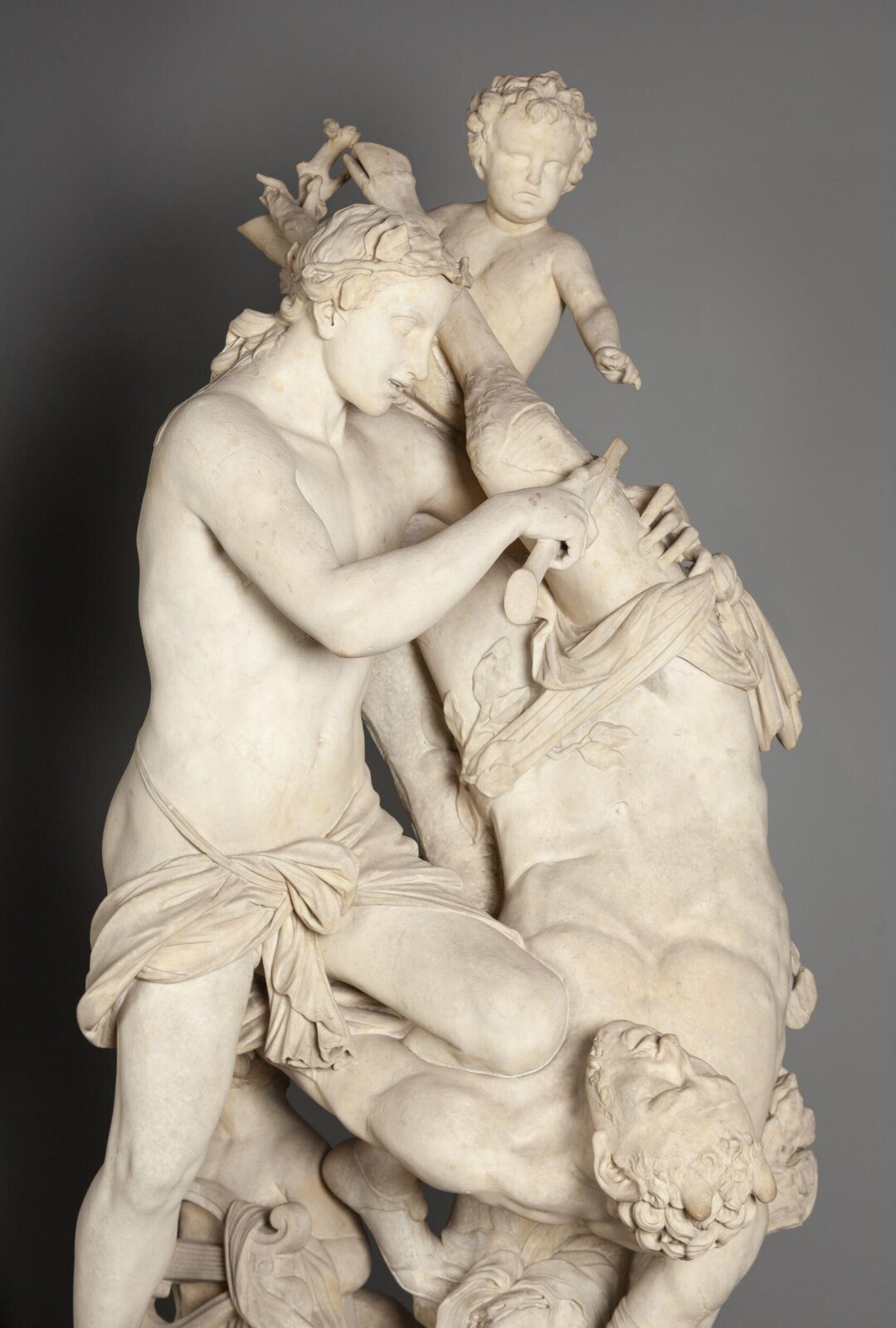
Apollo flaying Marsyas, Antonio Corradini, ca. 1719-23

Apollo flaying Marsyas

ca. 1719-23 · Statue · 220 × 100 cm

Sobre a escultura

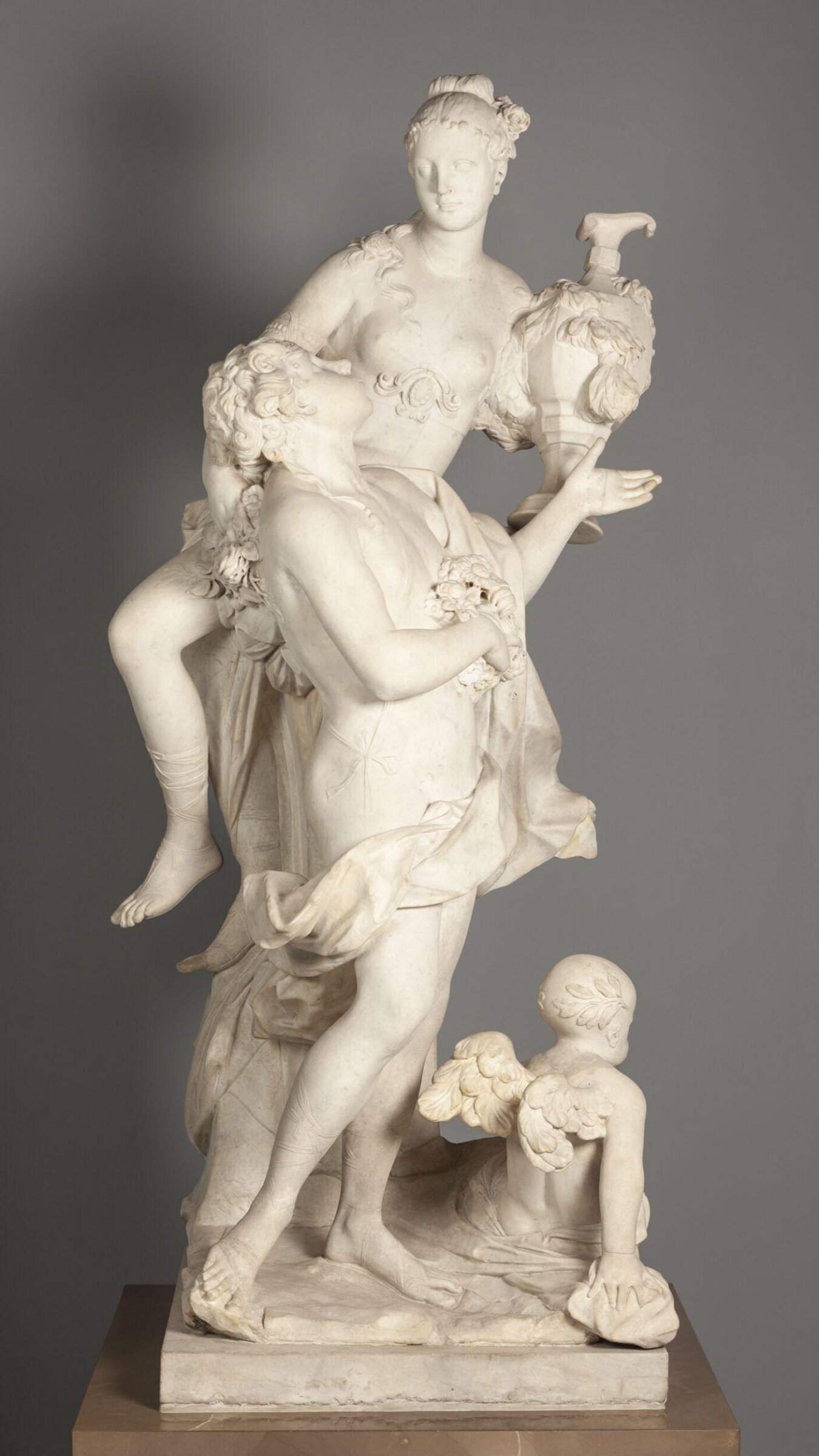
The subject of this group is one of the most disturbing in classical mythology. When the god Apollo beat the satyr Marsyas in a musical contest, Apollo chose to skin Marsyas alive as a penalty for losing. This group and its companion, Zephyr and Flora (Museum no. A.5-1967), belonged to a series of garden sculptures supplied by Corradini to Augustus the Strong, King of Poland and Elector of Saxony for his gardens in Dresden. Another group by Corradini fro the series, 'Truth and Sculpture', is now in the Château de Ferrières en Brie (near Paris).

Continuar a ler

Corradini was a virtuoso sculptor of marble, and although he was mainly active in the Veneto, also worked in Vienna and Rome. He was particularly renowned for his statues of veiled or partially veiled figures, such as his Modesty of about 1750. This figure and Zephyr and Flora exemplify his elegant style, rooted in a classical language, but also incorporating a rococo lightness and movement. Such a style was well suited to garden sculpture in the 18th century.

Museu Vitória e Alberto

Pormenores

ca. 1719-23

Mais obras de Antonio Corradini

Todas as obras

Na mesma sala · Sculpture, Room 23, The Dorothy and Michael Hintze Galleries, Museu Vitória e Alberto

Página do museu

Sobre o mesmo tema · Apollo

Todas as obras sobre o tema
16681752
Número de inventário
A.6-1967

Fontes

  • Museu Vitória e Alberto
  • Imagem: Museu Vitória e Alberto — © Victoria and Albert Museum, London
AAntonio CorradiniItália, 1668–1752

Será possível contemplá-la?

Sim, recebe visitas

Museu Vitória e Alberto
Londres, Reino Unido

SalaSculpture, Room 23, The Dorothy and Michael Hintze Galleries

Exposta ao público. Quem o garante vem indicado abaixo.

Verificado
há 12 dias
Neste estado desde
25 de set. de 2026
Fonte
O museu
No mapaPágina do museu
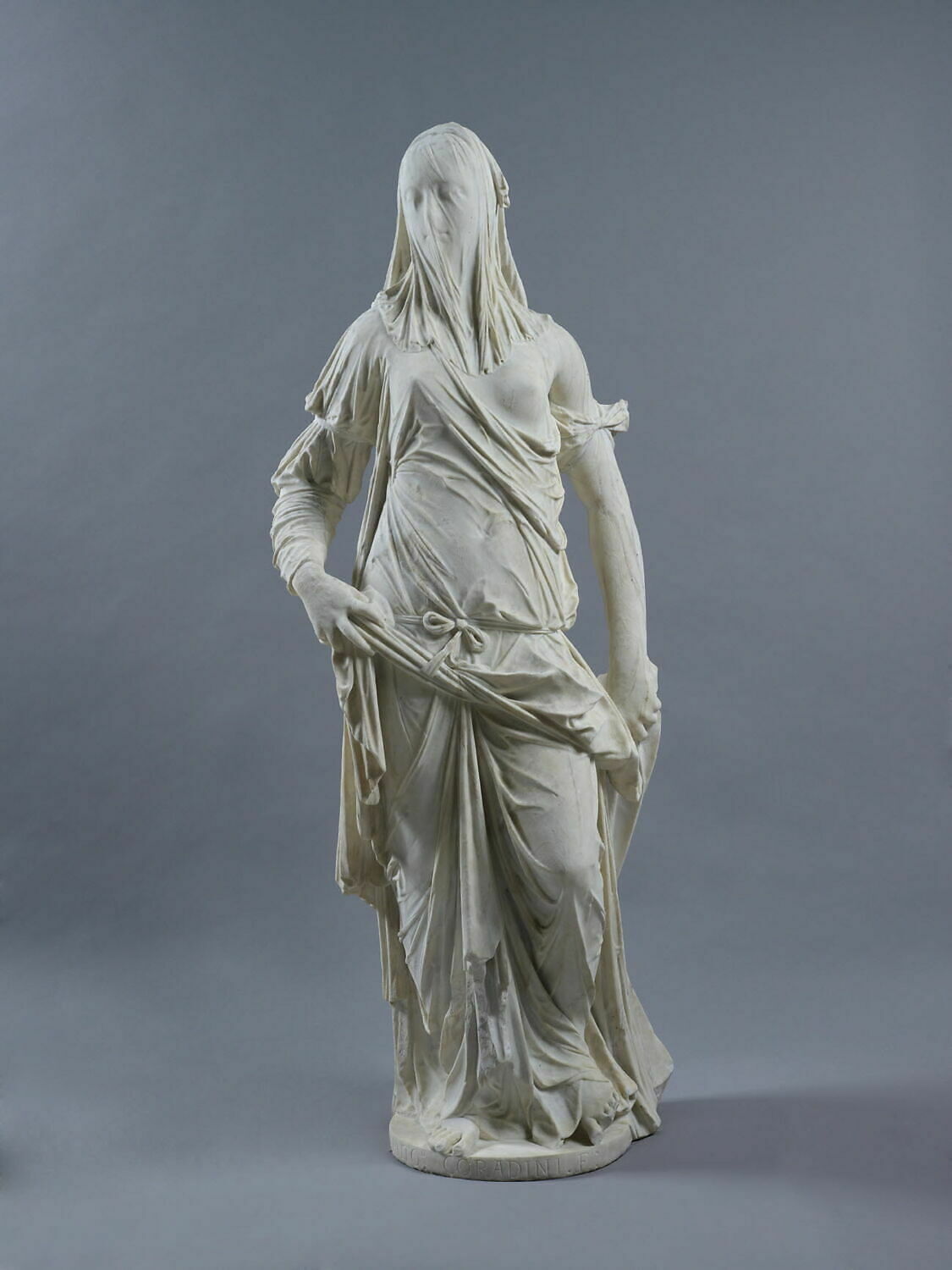
Femme voilée (la Foi ?), Corradini, Antonio, 1700 - 1800

Femme voilée (la Foi ?)

1700 - 1800 · Museu do Louvre

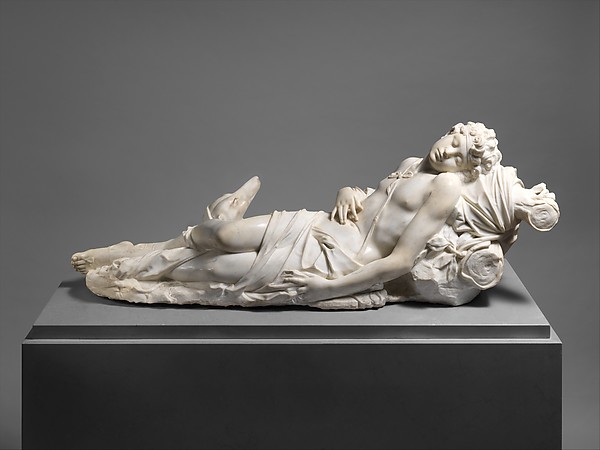
Adonis, Antonio Corradini, ca. 1723–25

Adonis

ca. 1723–25 · Museu Metropolitano de Arte

Zephyr and Flora, Antonio Corradini, ca. 1719-23

Zephyr and Flora

ca. 1719-23 · Museu Vitória e Alberto

Apollo, Antonio Corradini

Apollo

Skulpturensammlung Dresden

Vestalin, Antonio Corradini, 1724

Vestalin

1724 · Skulpturensammlung Dresden

Нереида, Antonio Corradini, early 18th century

Нереида

early 18th century · Museu Russo

Женщина под вуалью (фрагмент статуи "Вера"), бюст, Antonio Corradini, 1718-1719

Женщина под вуалью (фрагмент статуи "Вера"), бюст

1718-1719 · Peterhof

Торс от статуи "Религия", Antonio Corradini, 1718-1719

Торс от статуи "Религия"

1718-1719 · Peterhof

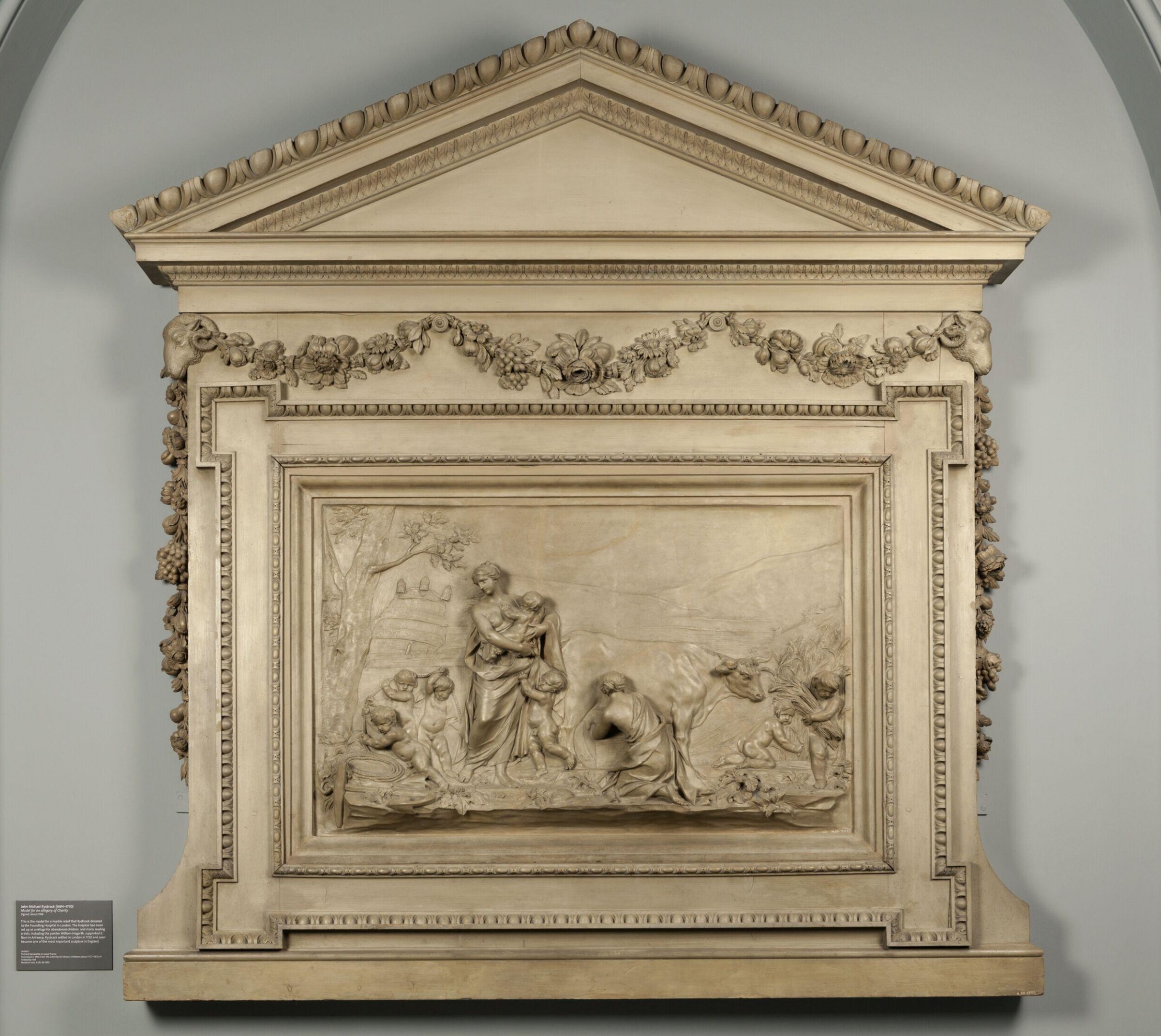
An Allegory of Charity, John Michael Rysbrack, ca. 1746

John Michael Rysbrack

An Allegory of Charity, ca. 1746

Thuner, John Michael Rysbrack, ca. 1728 - ca. 1730

John Michael Rysbrack

Thuner, ca. 1728 - ca. 1730

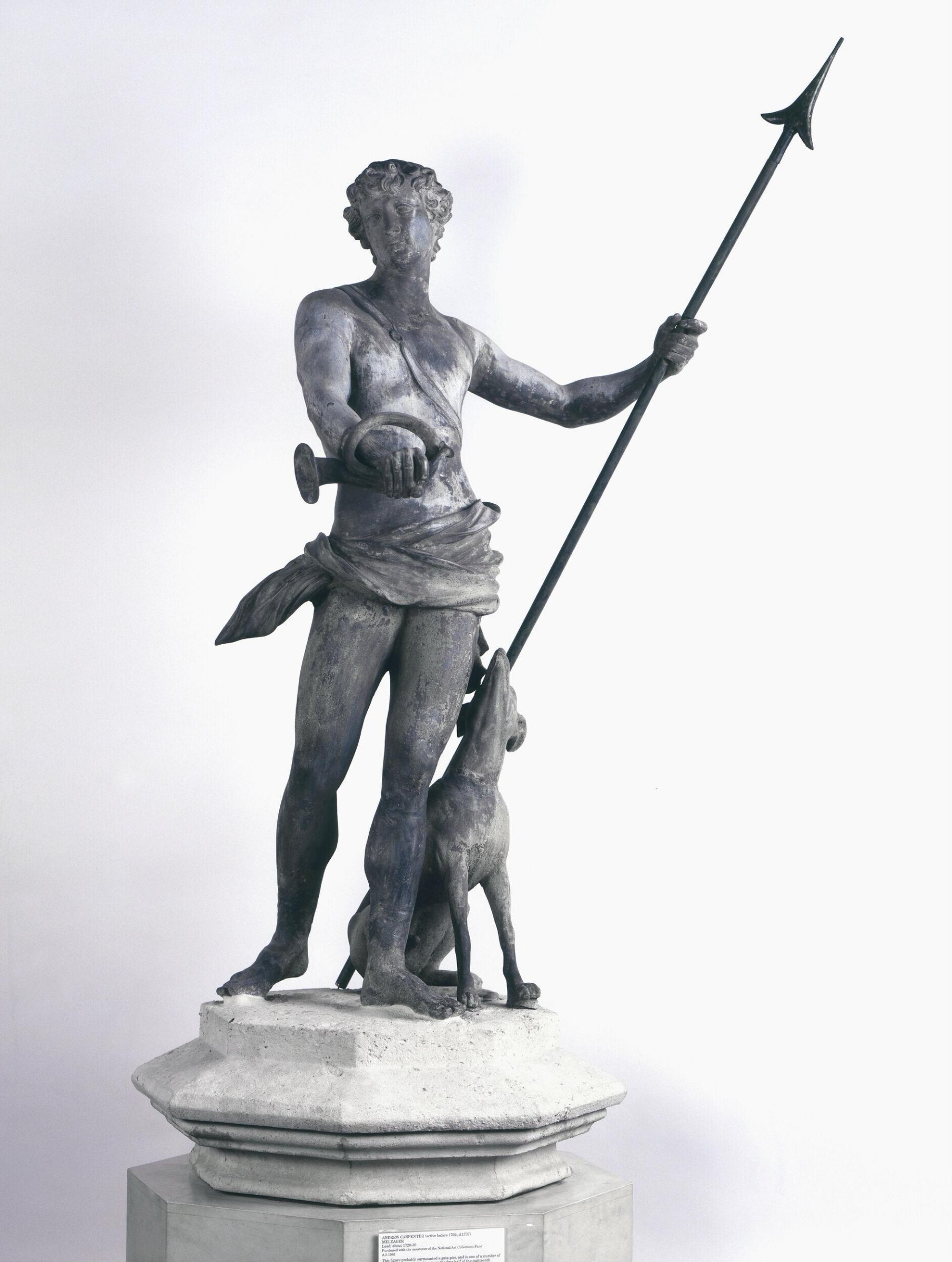
Meleager, Andrew Carpenter, 1720-1730

Andrew Carpenter

Meleager, 1720-1730

Zephyr and Flora, Antonio Corradini, ca. 1719-23

Antonio Corradini

Zephyr and Flora, ca. 1719-23

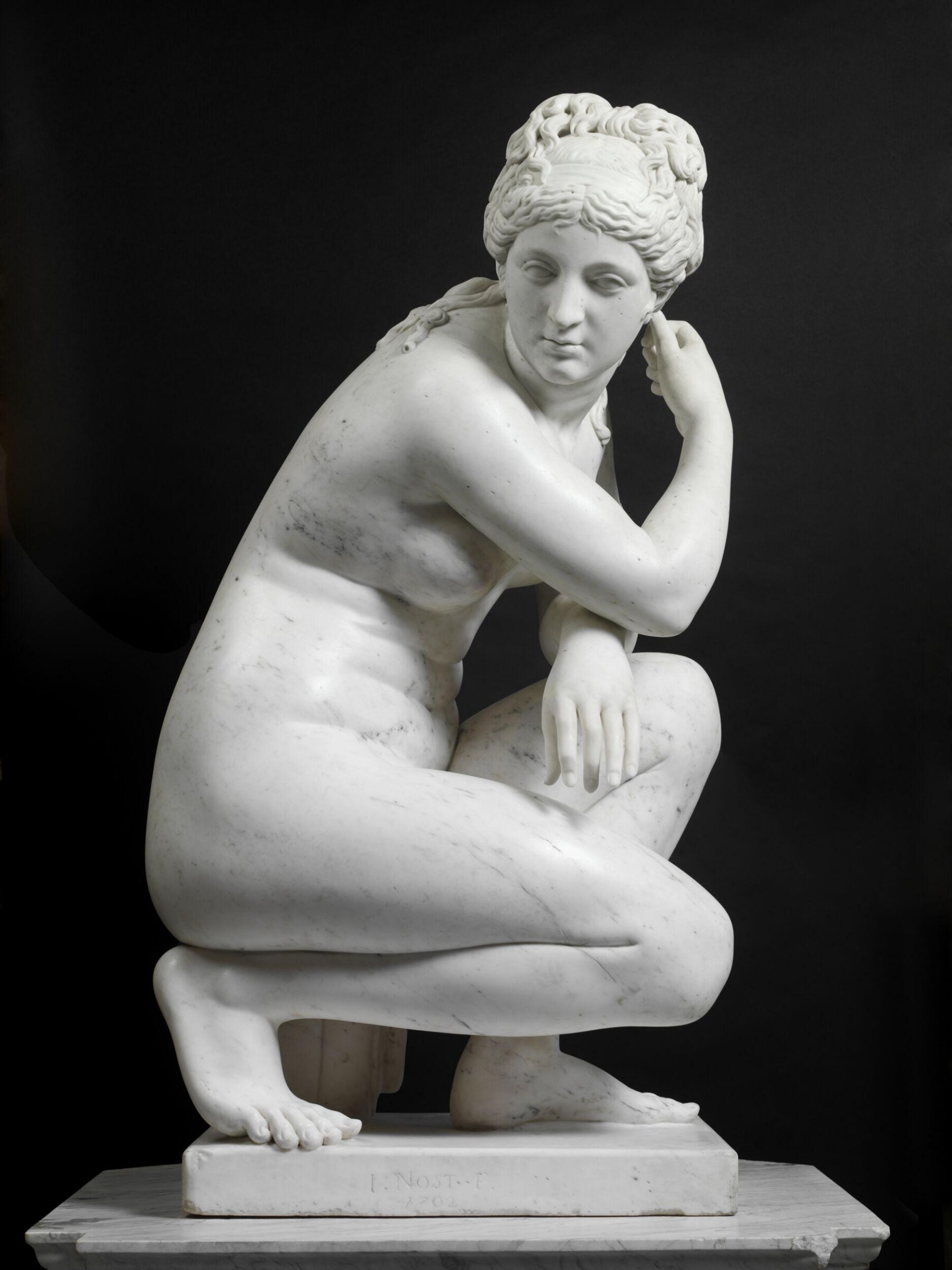
The Crouching Venus, John Nost the Elder, 1702

John Nost the Elder

The Crouching Venus, 1702

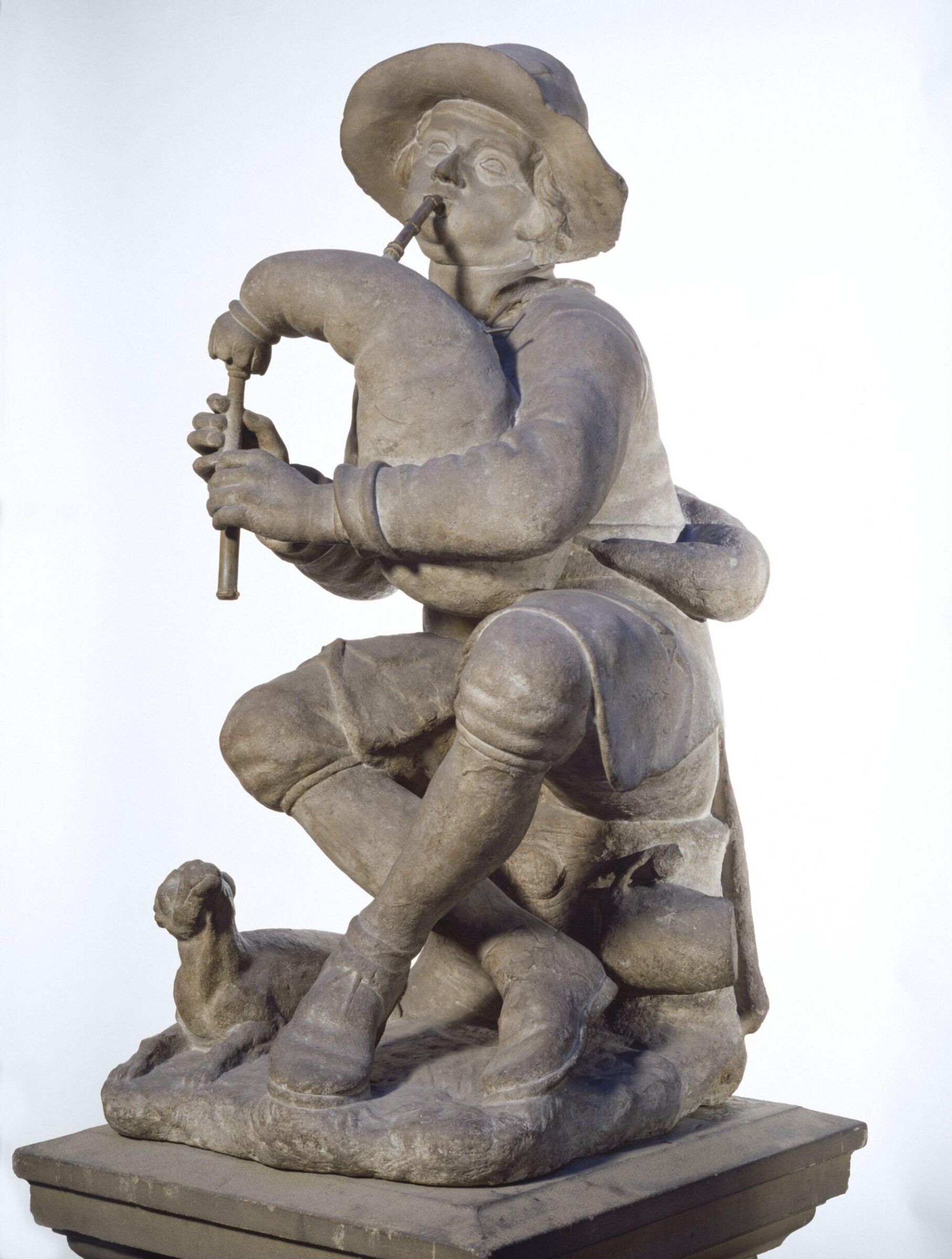
Boy Playing the Bagpipes, Caius Gabriel Cibber, ca. 1680-1690

Caius Gabriel Cibber

Boy Playing the Bagpipes, ca. 1680-1690

Study of Apollo for "Apollo and the Muses", John Singer Sargent, c. 1921

John Singer Sargent

Study of Apollo for "Apollo and the Muses", c. 1921

Não exposta · Galeria Nacional de Arte

Das Reich der Flora, Nicolas Poussin, 1631

Nicolas Poussin

Das Reich der Flora, 1631

Pinacoteca dos Mestres Antigos

Apollo and Marsyas, Attributed to Veronese, c. 1600

Paolo Veronese

Apollo and Marsyas, c. 1600

Não exposta · Galeria Nacional de Arte

The Feast of the Gods, Giovanni Bellini and Titian, 1514/1529

Giovanni Bellini

The Feast of the Gods, 1514/1529

Galeria Nacional de Arte

Apollo, François Boucher, c. 1752

Francois Boucher

Apollo, c. 1752

Não exposta · Galeria Nacional de Arte

Apollo Pursuing Daphne, Giovanni Battista Tiepolo, c. 1755/1760

Giovanni Battista Tiepolo

Apollo Pursuing Daphne, c. 1755/1760

Galeria Nacional de Arte

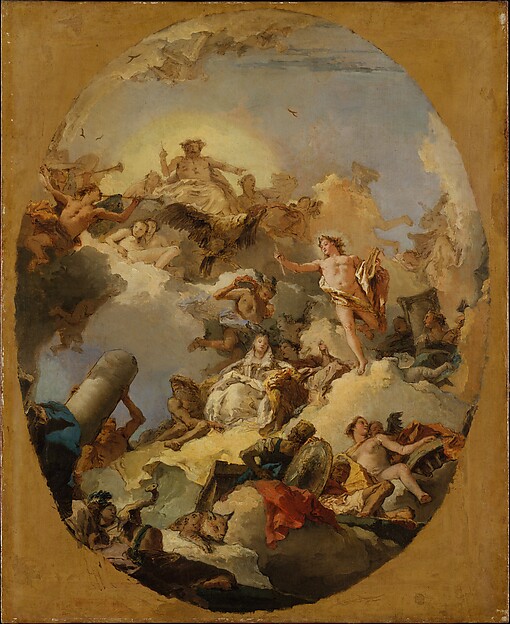
The Apotheosis of the Spanish Monarchy, Giovanni Battista Tiepolo, 1760s

Giovanni Battista Tiepolo

The Apotheosis of the Spanish Monarchy, 1760s

Museu Metropolitano de Arte

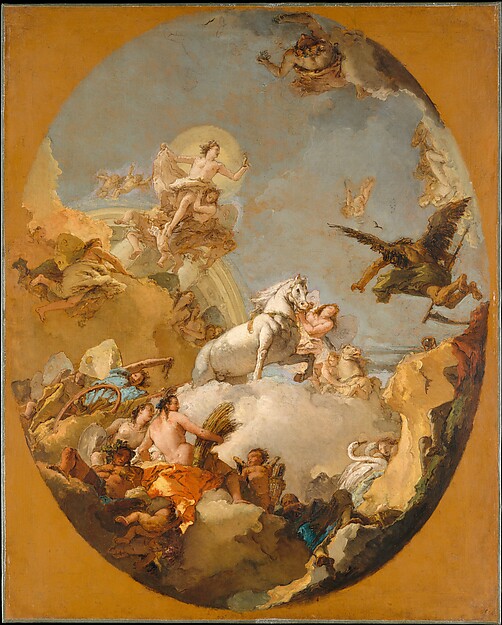
The Chariot of Aurora, Giovanni Battista Tiepolo, 1760s

Giovanni Battista Tiepolo

The Chariot of Aurora, 1760s

Museu Metropolitano de Arte

O que mostra

ApolloMarsyas

No catálogo

EsculturaMármoreBarrocoSéculo XVIIIItália