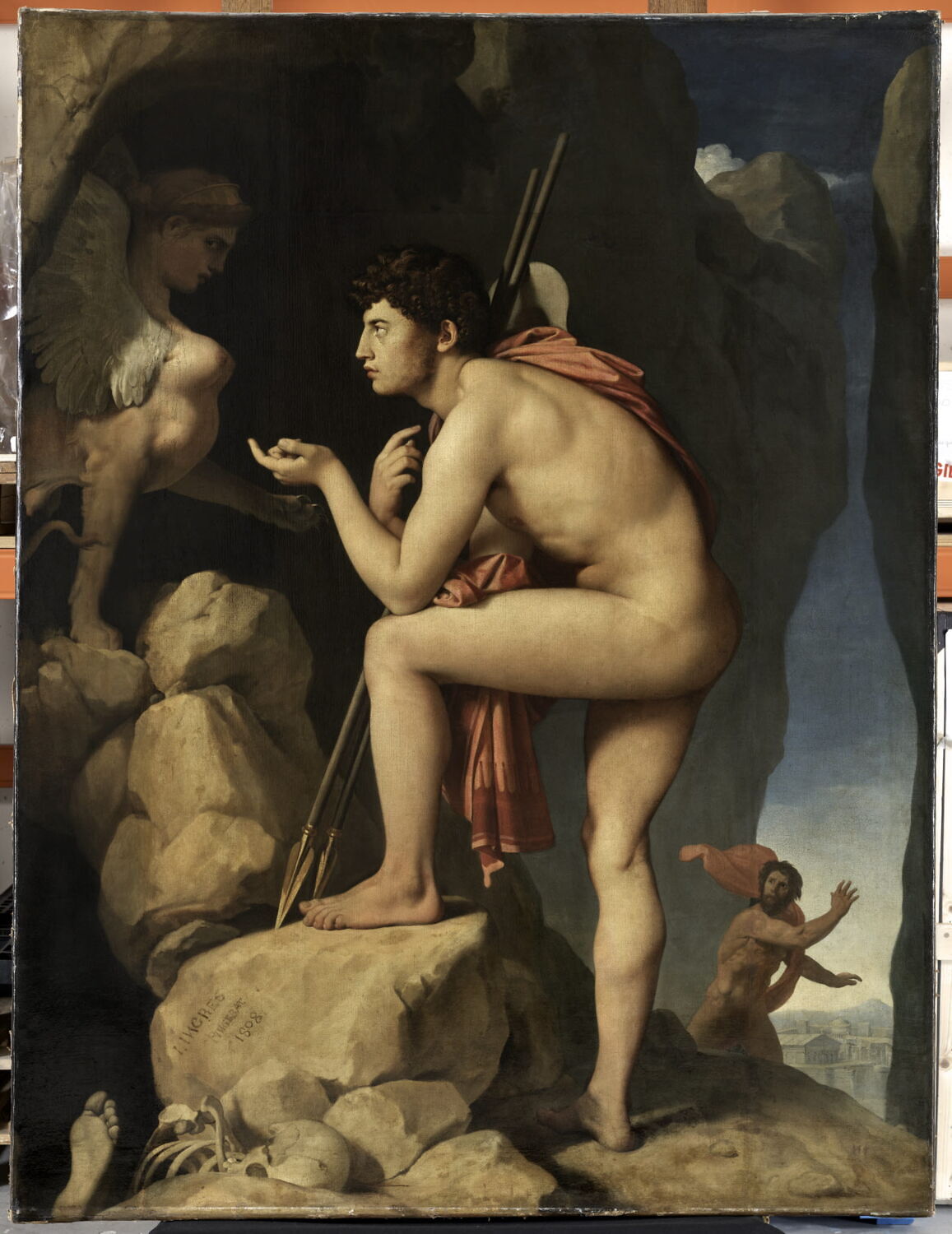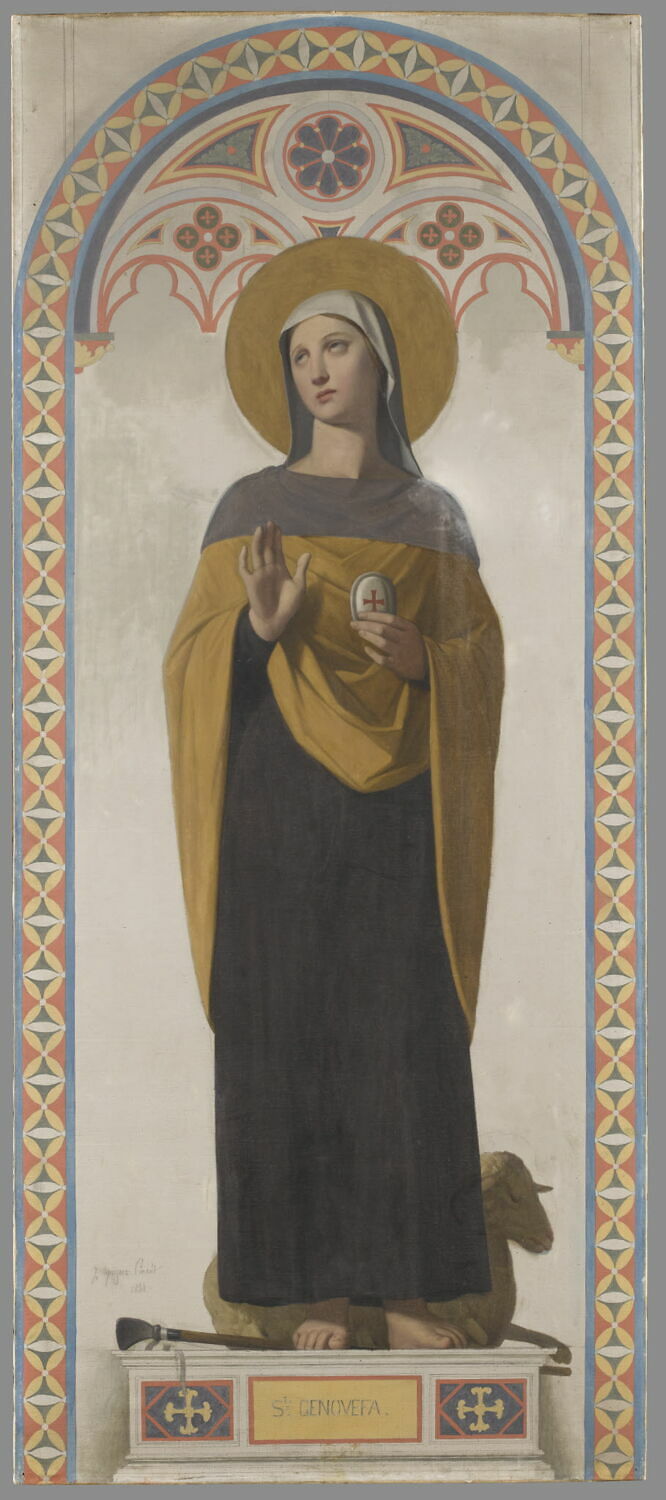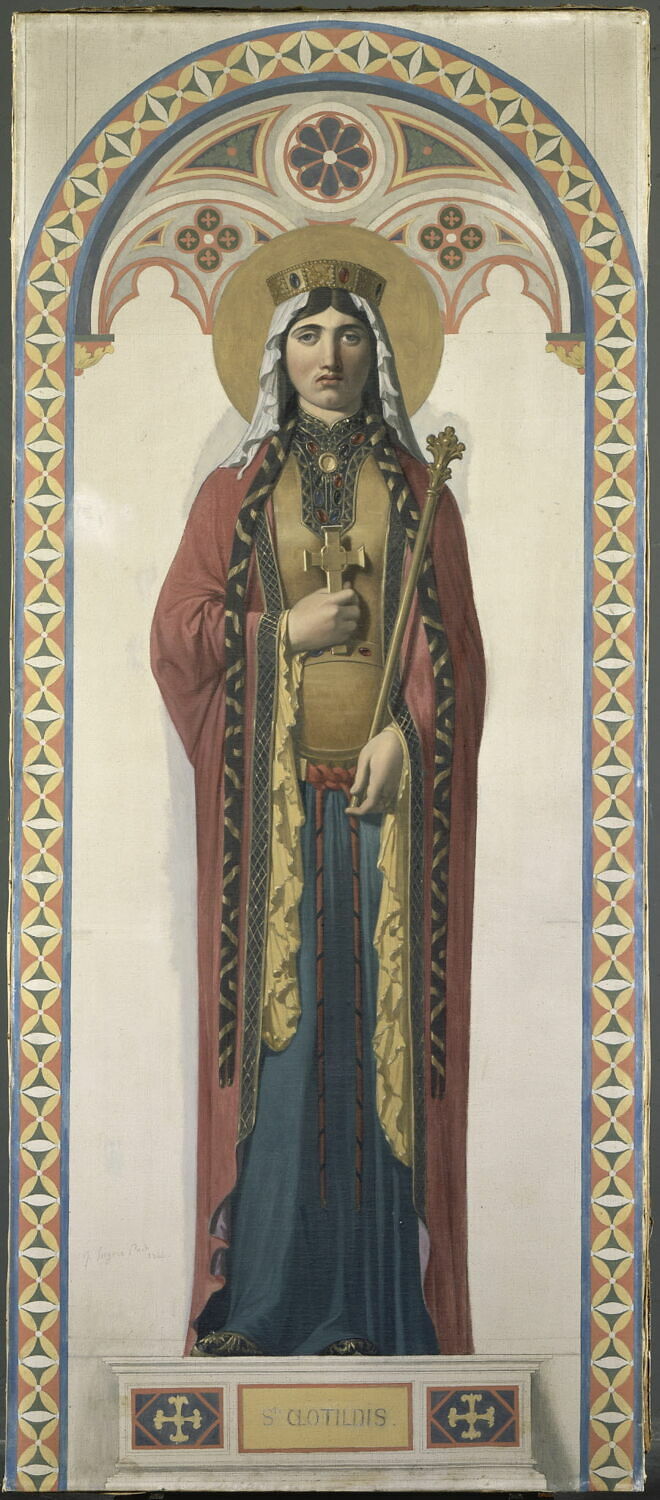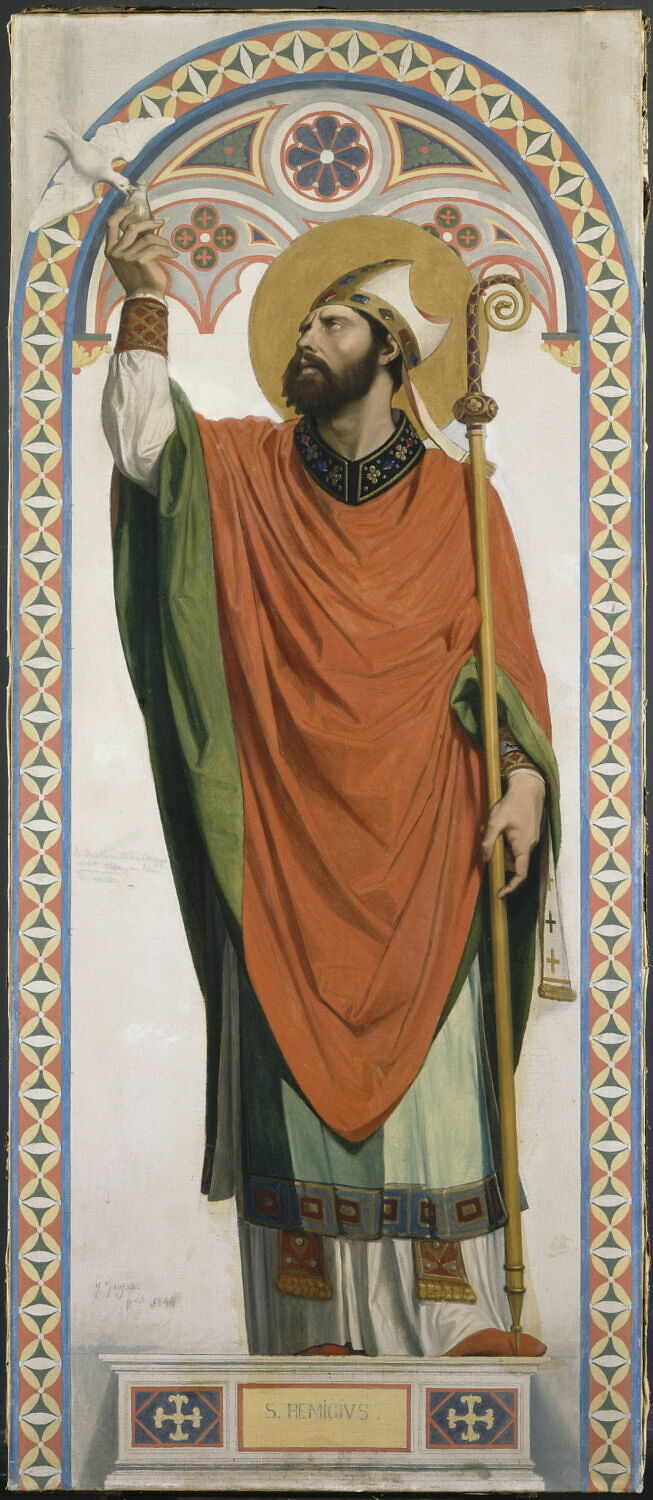
 Jean-Auguste-Dominique IngresFrança, 1780–1867
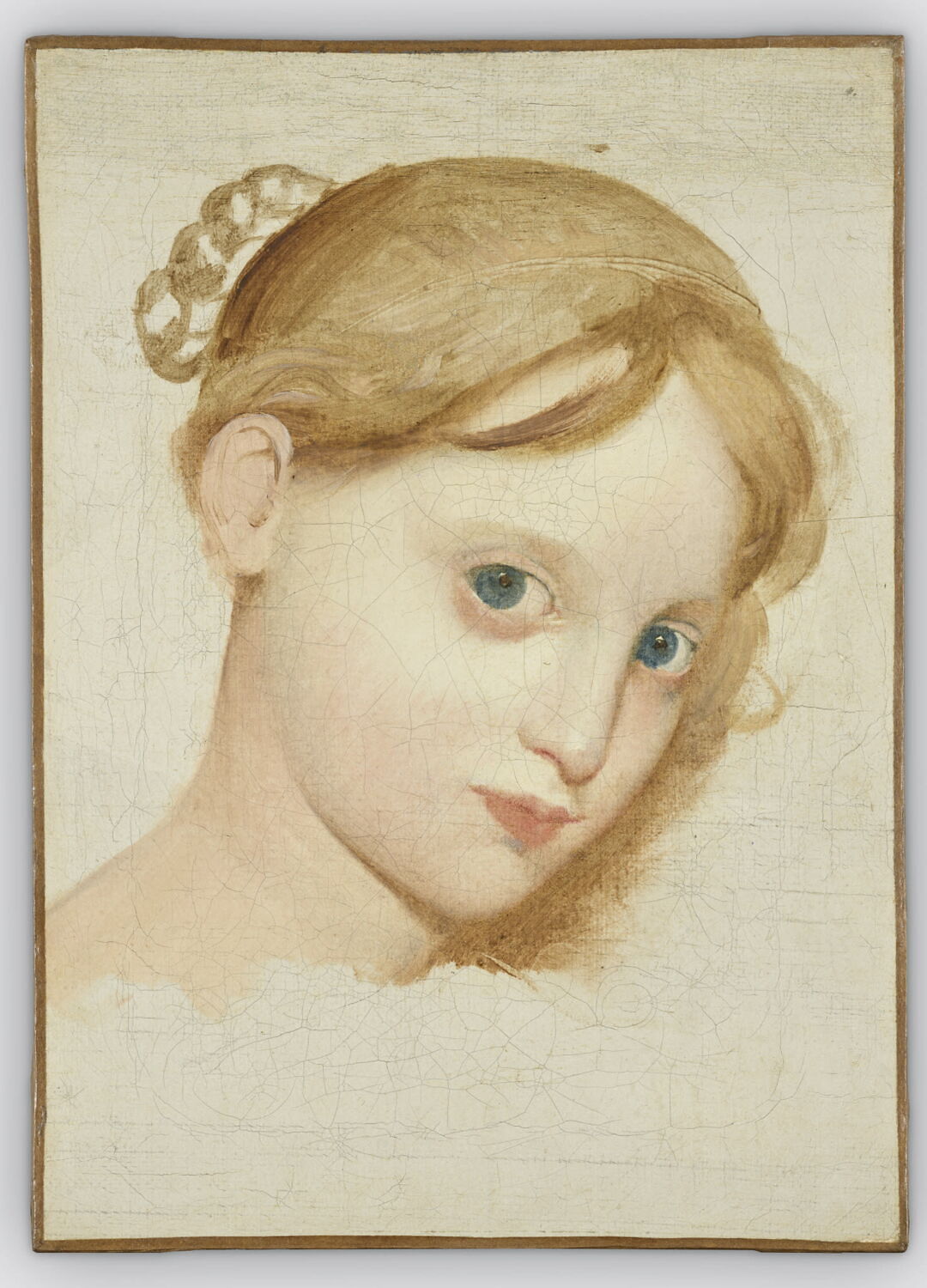
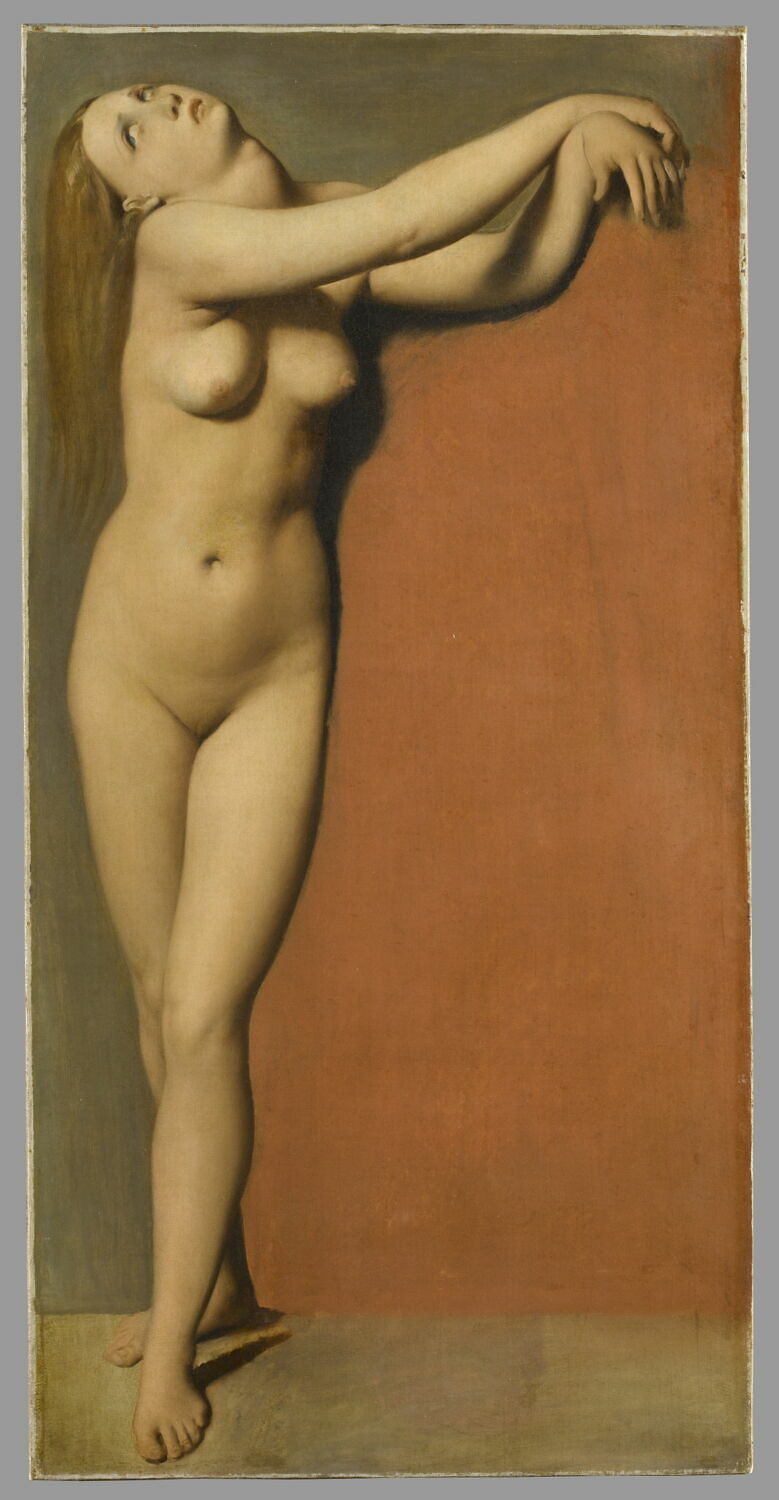
Angélique
Posso vê-la?
Sim, exposta agora
Onde está «Angélique» hoje? Museu do Louvre, Salle 940, Aile Sully, Niveau 2, Paris. Sim, exposta agora. Verificado 26 de setembro de 2026.

Fechado· abre às 9:00
Exposta ao público.
- Verificado
- Neste estado desde
- Fonte
- O museu
Pormenores
- Número de inventário
- RF 2520
No catálogo
Fontes
- Museu do Louvre
- Imagem: Museu do Louvre — © 2009 GrandPalaisRmn (musée du Louvre) / Stéphane Maréchalle
Na vida de Jean-Auguste-Dominique Ingres
A vida inteiraoutubro de 1799 – 1801 · Formação
Beaux-Arts de Paris
1806
A chilly reception at the Salon of 1806
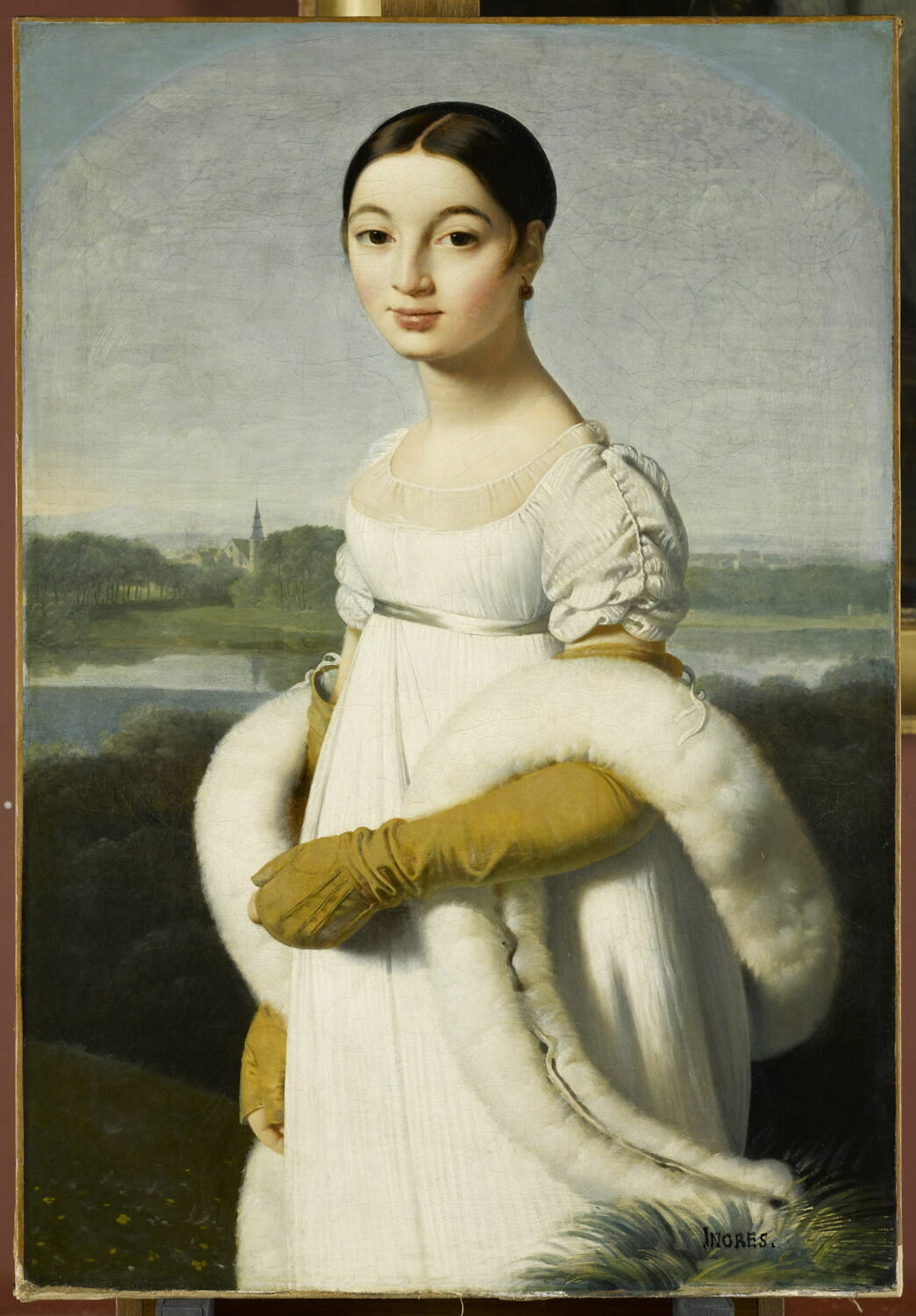
At the Salon of 1806 Ingres showed his Self-Portrait, the Rivière family portraits and Napoleon I on His Imperial Throne to a very chilly reception: David was severe, the critics hostile, and Chaussard called his style gothic and accused him of wanting to make art regress by four centuries. Ingres had left for Rome just days before the Salon opened.
1806–1810 · Formação
French Academy in Rome
1813
Marriage to Madeleine Chapelle
The acquaintance began by letter: Ingres drew Madeleine Chapelle's portrait from descriptions in her letters, and when they met in September the drawing matched the original; they married in December. Madeleine wrote to her sister that Ingres was an artist of enormous talent, neither a spendthrift, nor a drunkard, nor a libertine.
29 August 1820
The commission for “The Vow of Louis XIII” for Montauban Cathedral
The French Ministry of the Interior commissioned Ingres to paint an altarpiece for the cathedral of his native Montauban on the theme of the Vow of Louis XIII. The commission, which took four years, changed his life and brought him back to the canons of Neoclassicism.
12 November 1824
“The Vow of Louis XIII” at the Salon of 1824
Ingres showed the picture to which he had given four years at the Salon on 12 November 1824, alongside Delacroix's Massacre at Chios, and it was dubbed the “Salon of the Romantic battle”. Admirers and critics alike said the same of him: “the Raphael of our day” and “the best antidote to the Romantic threat”.