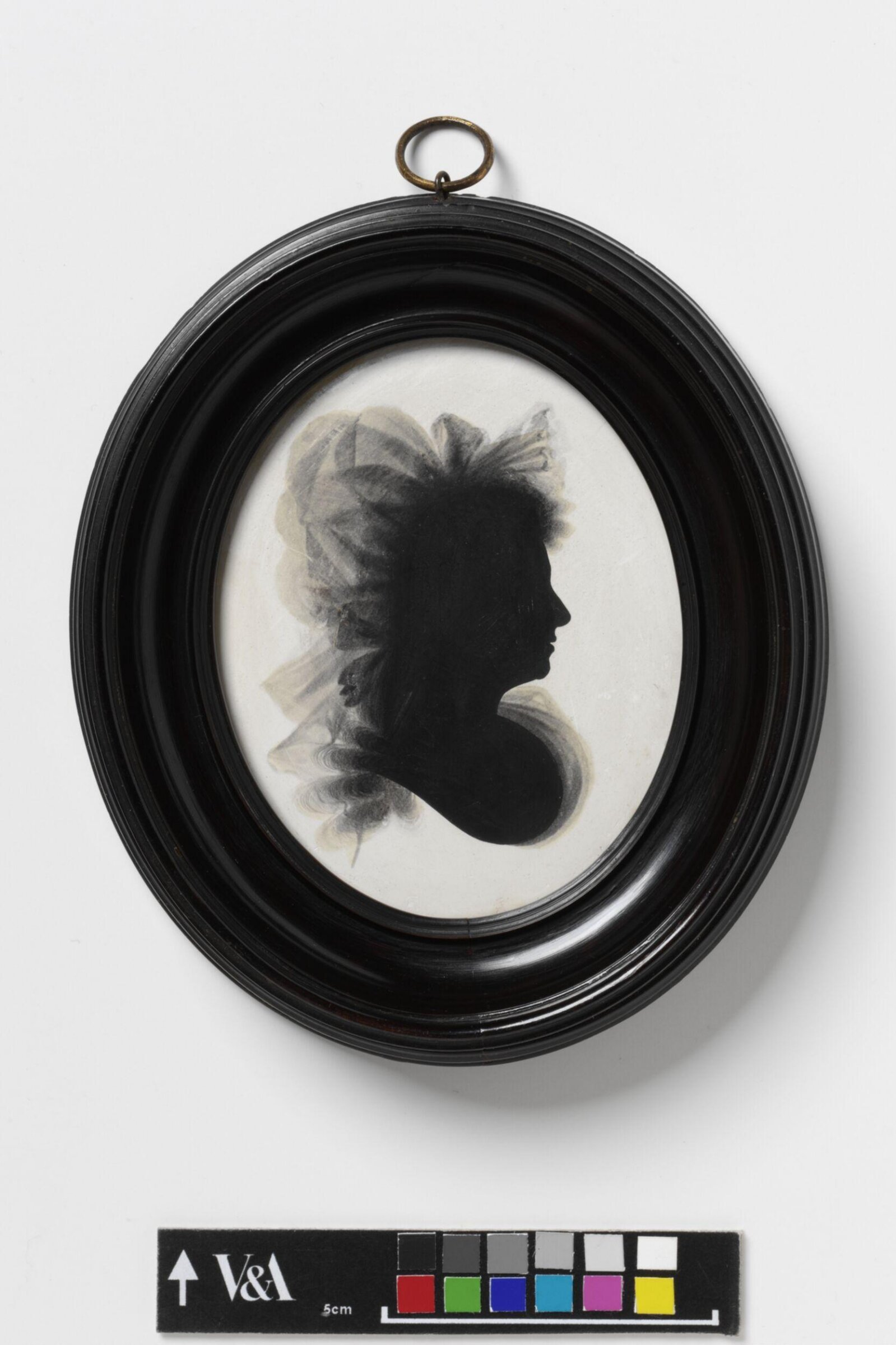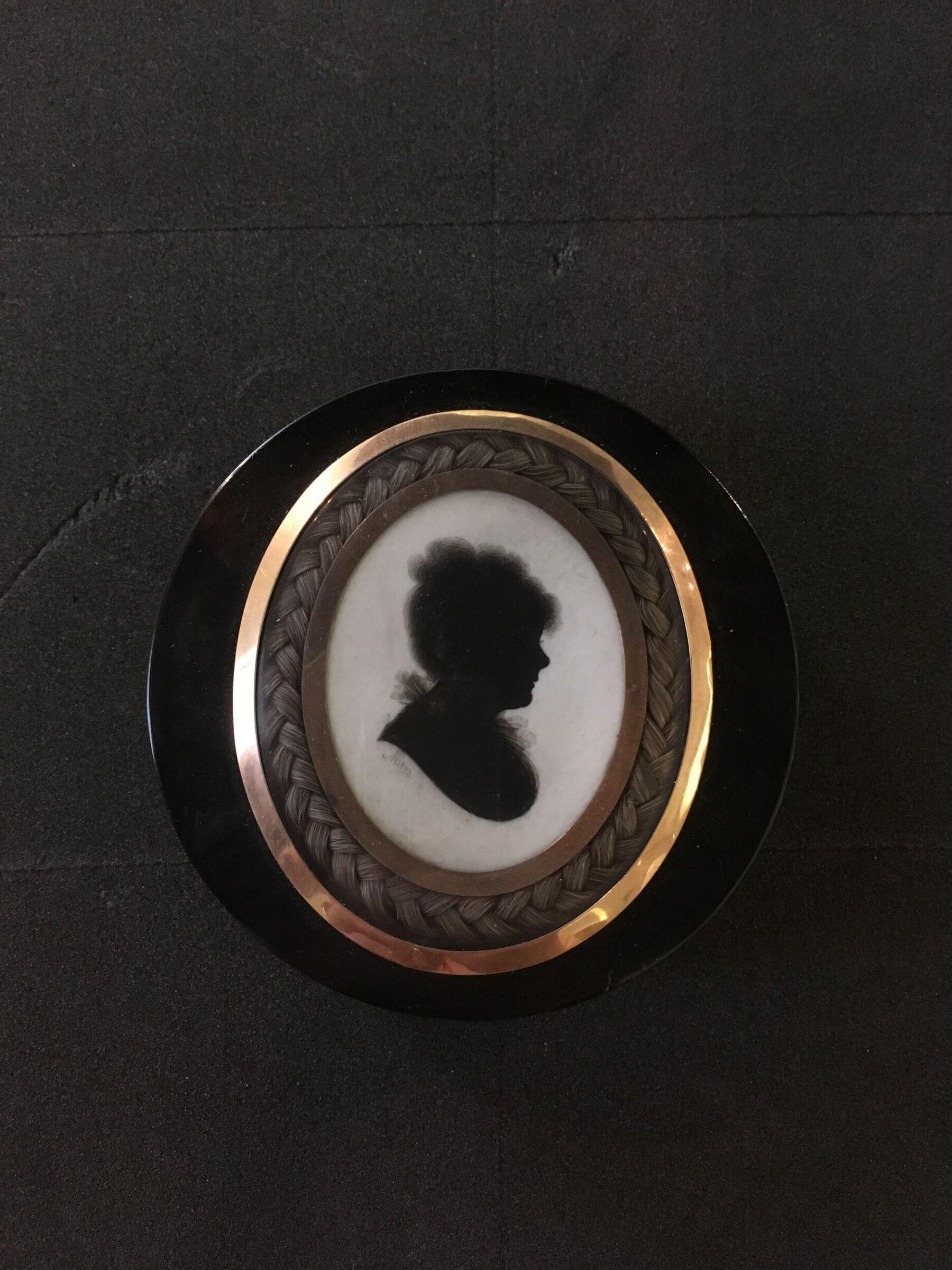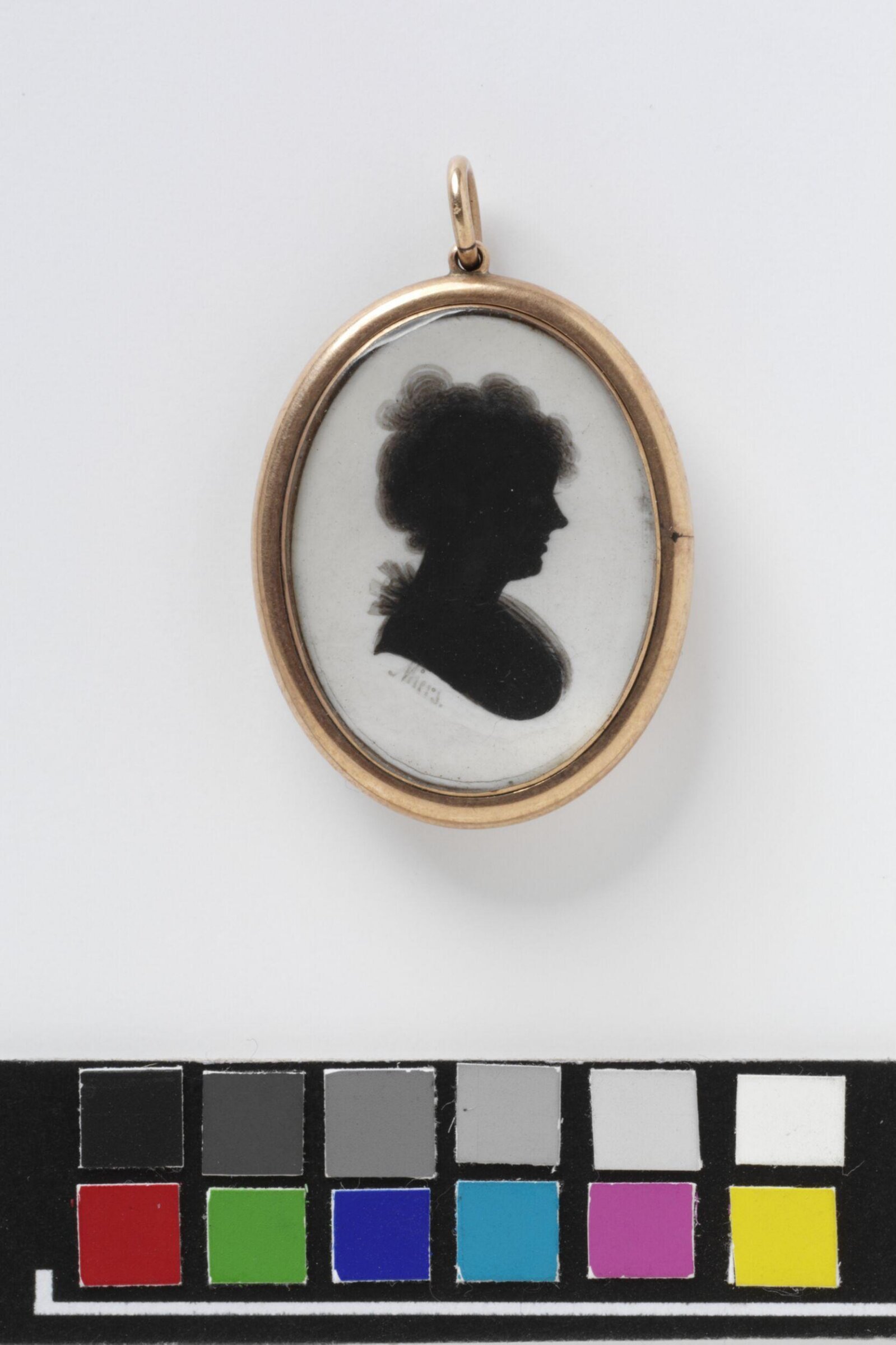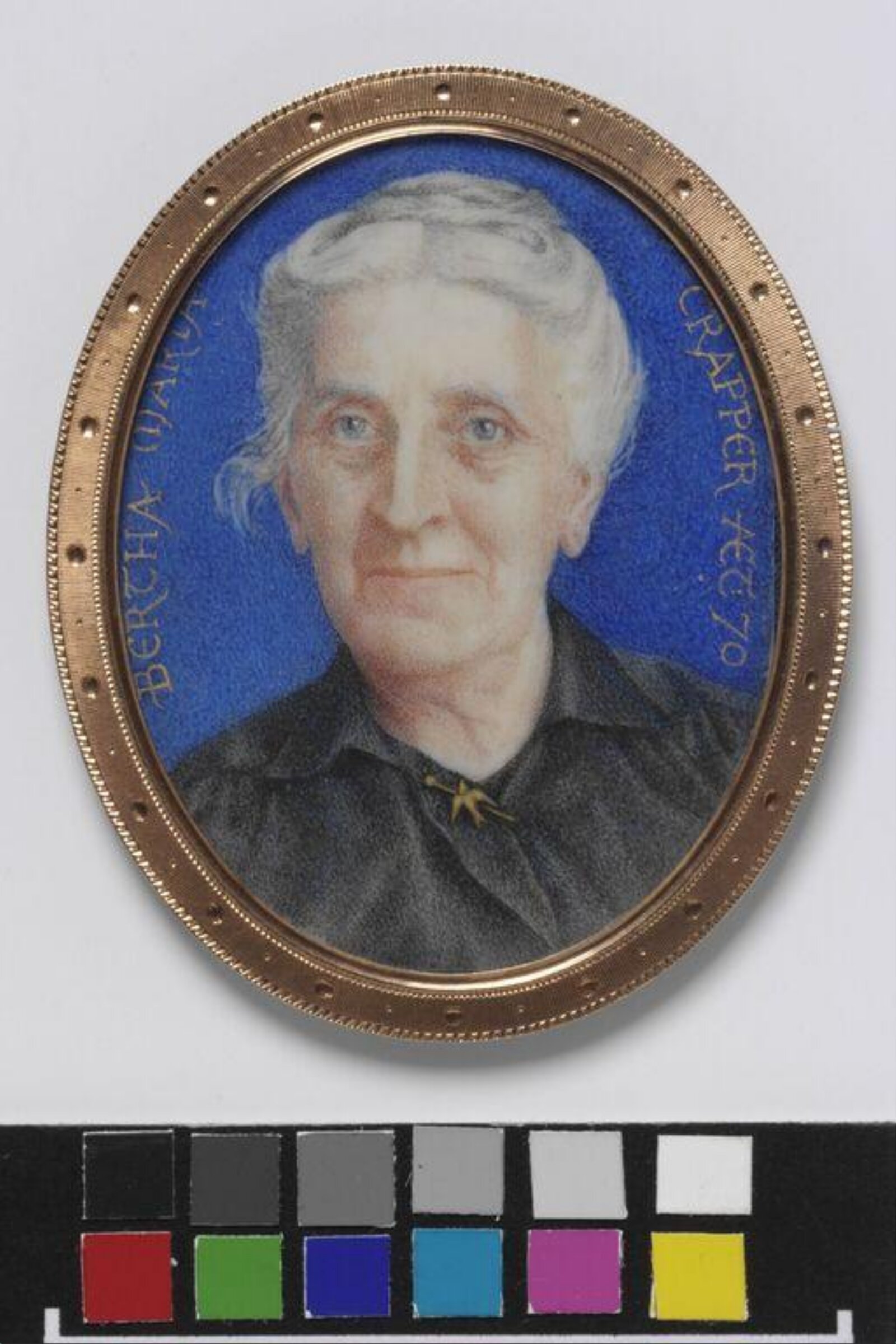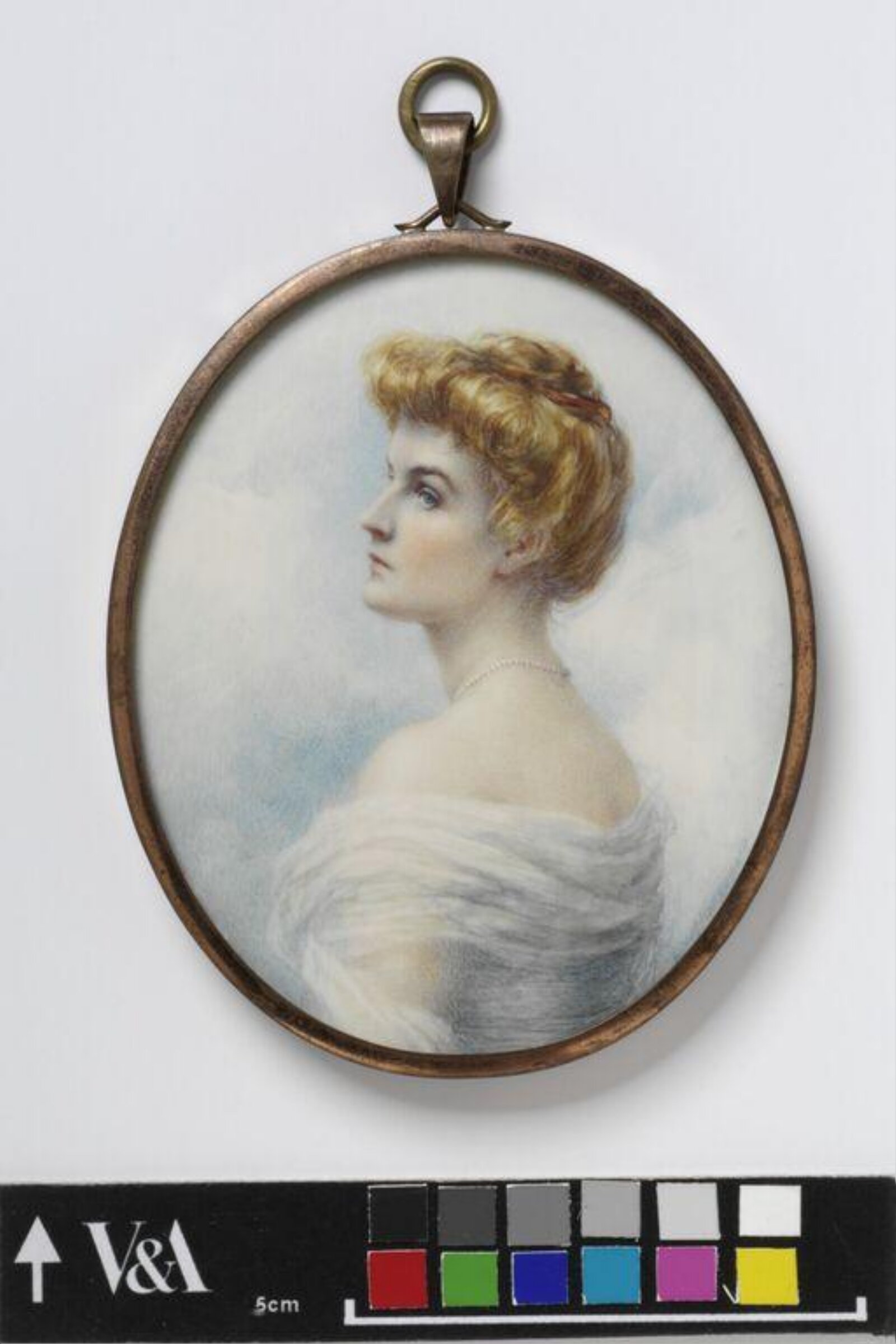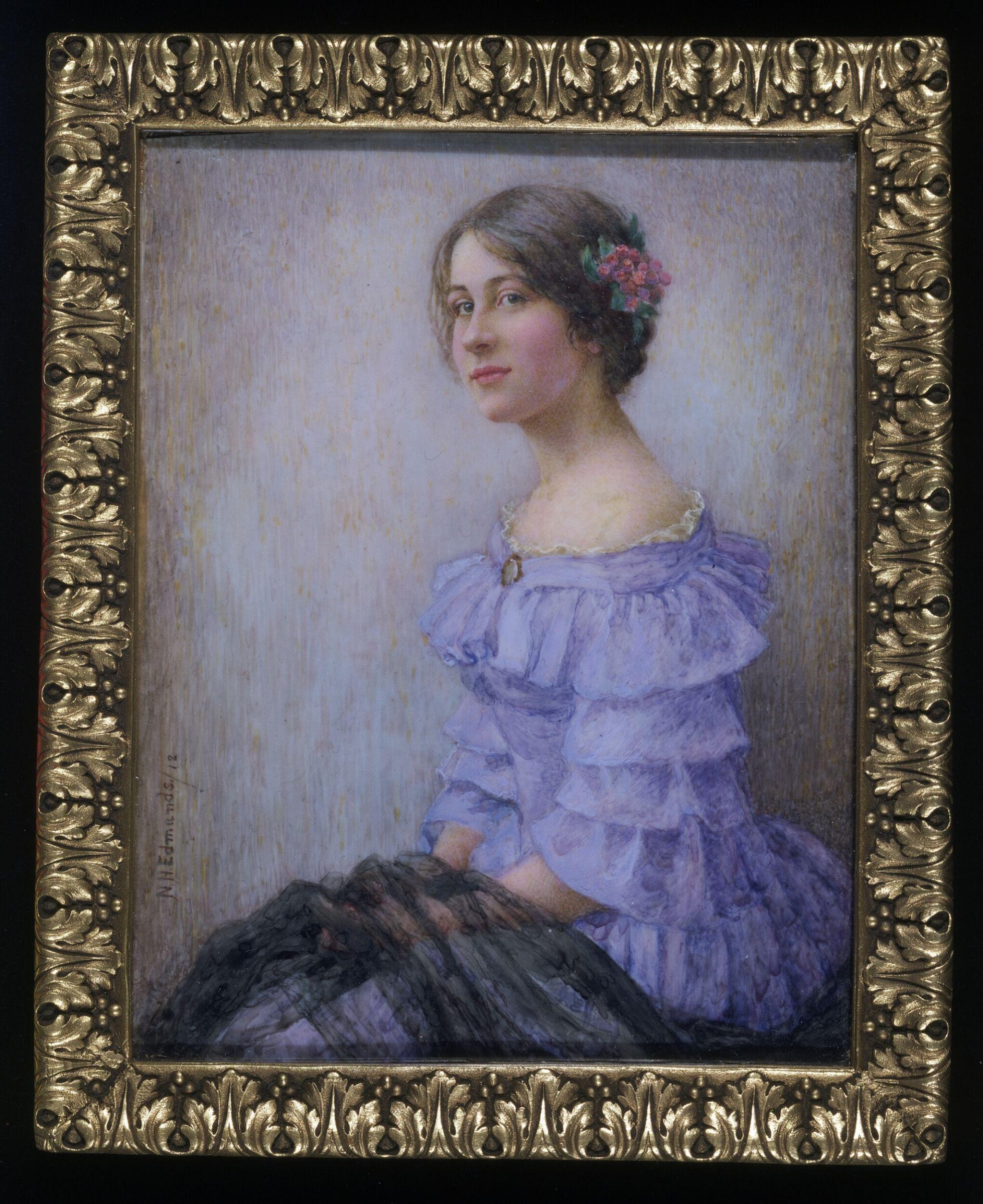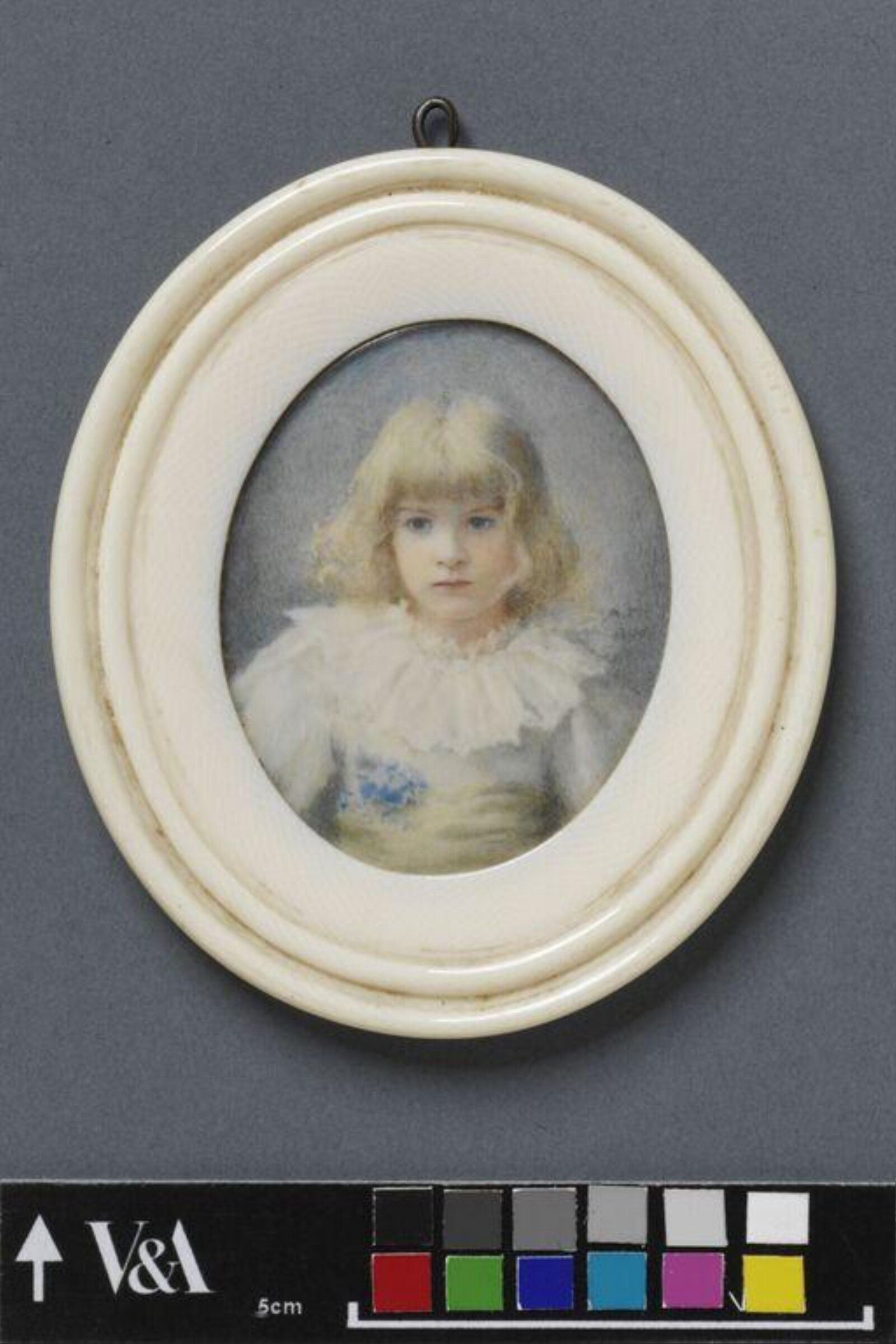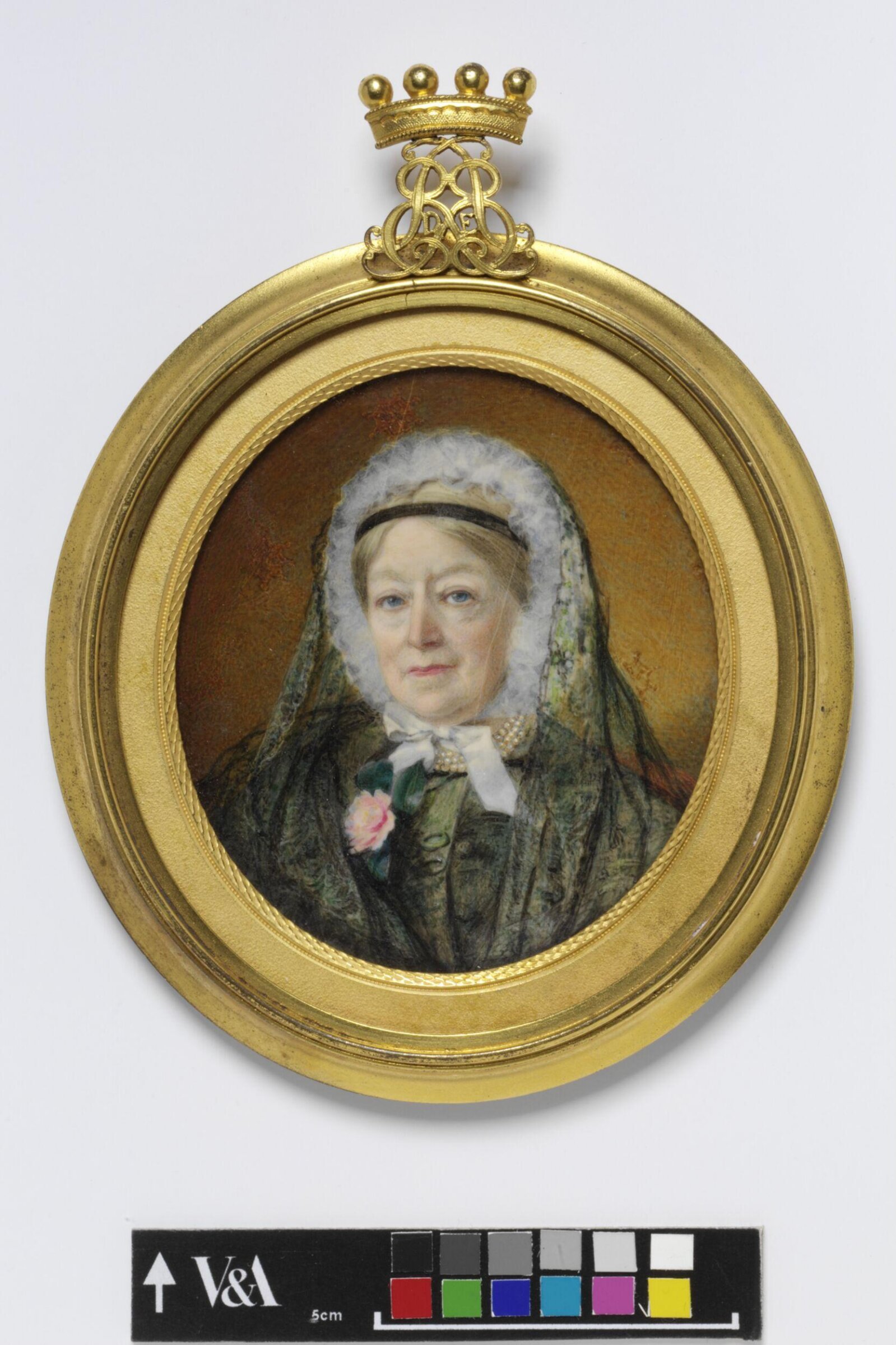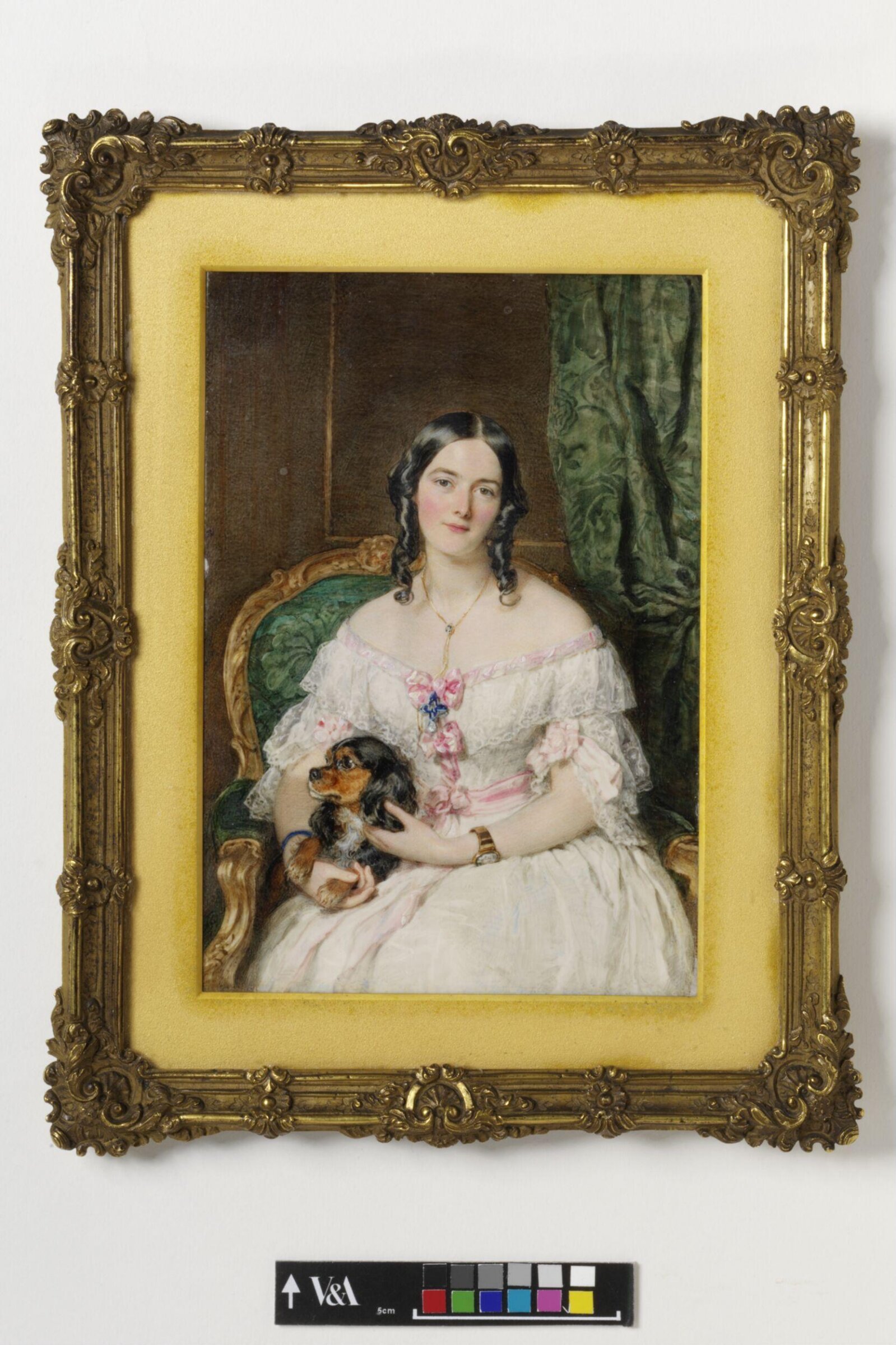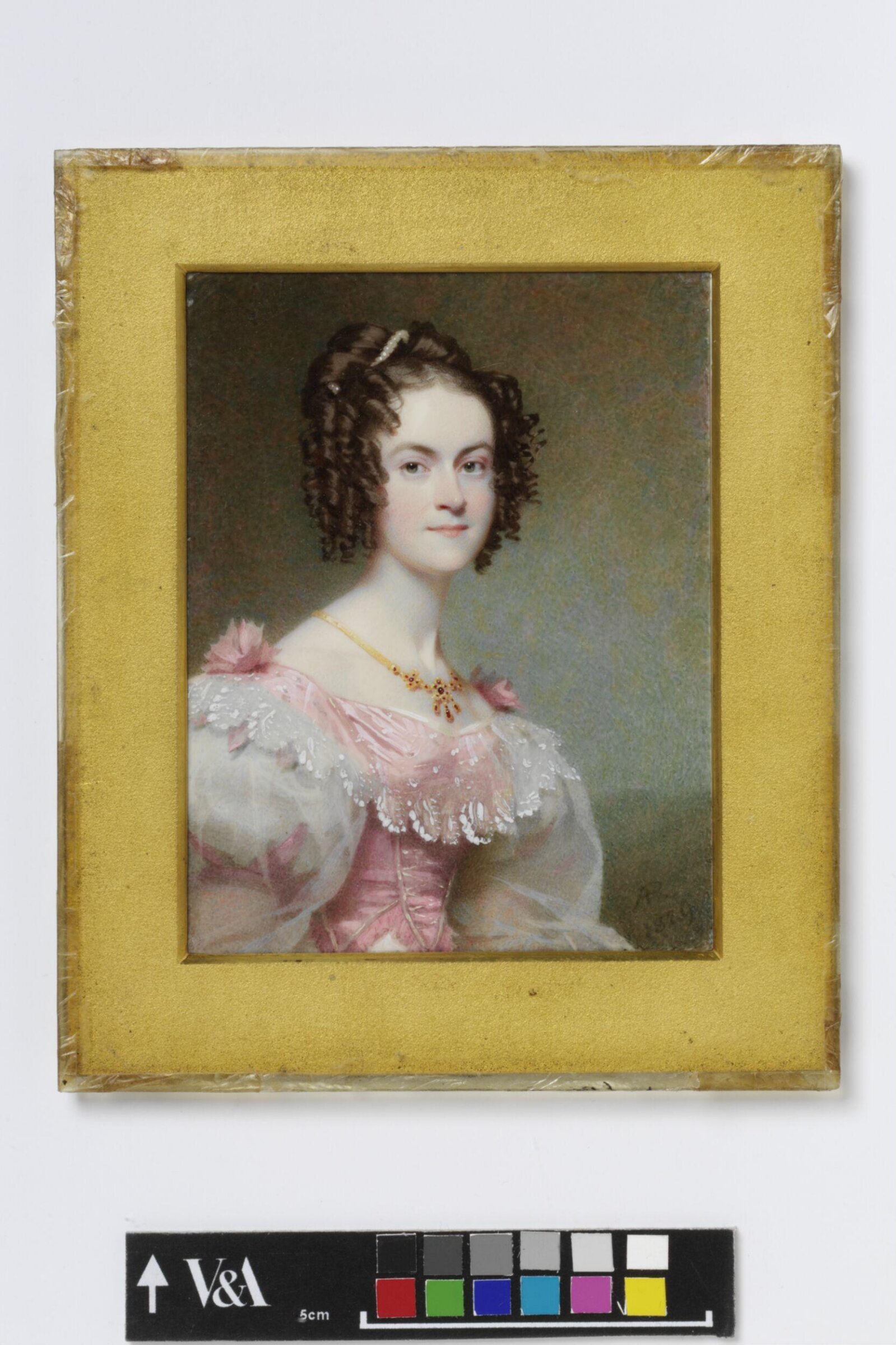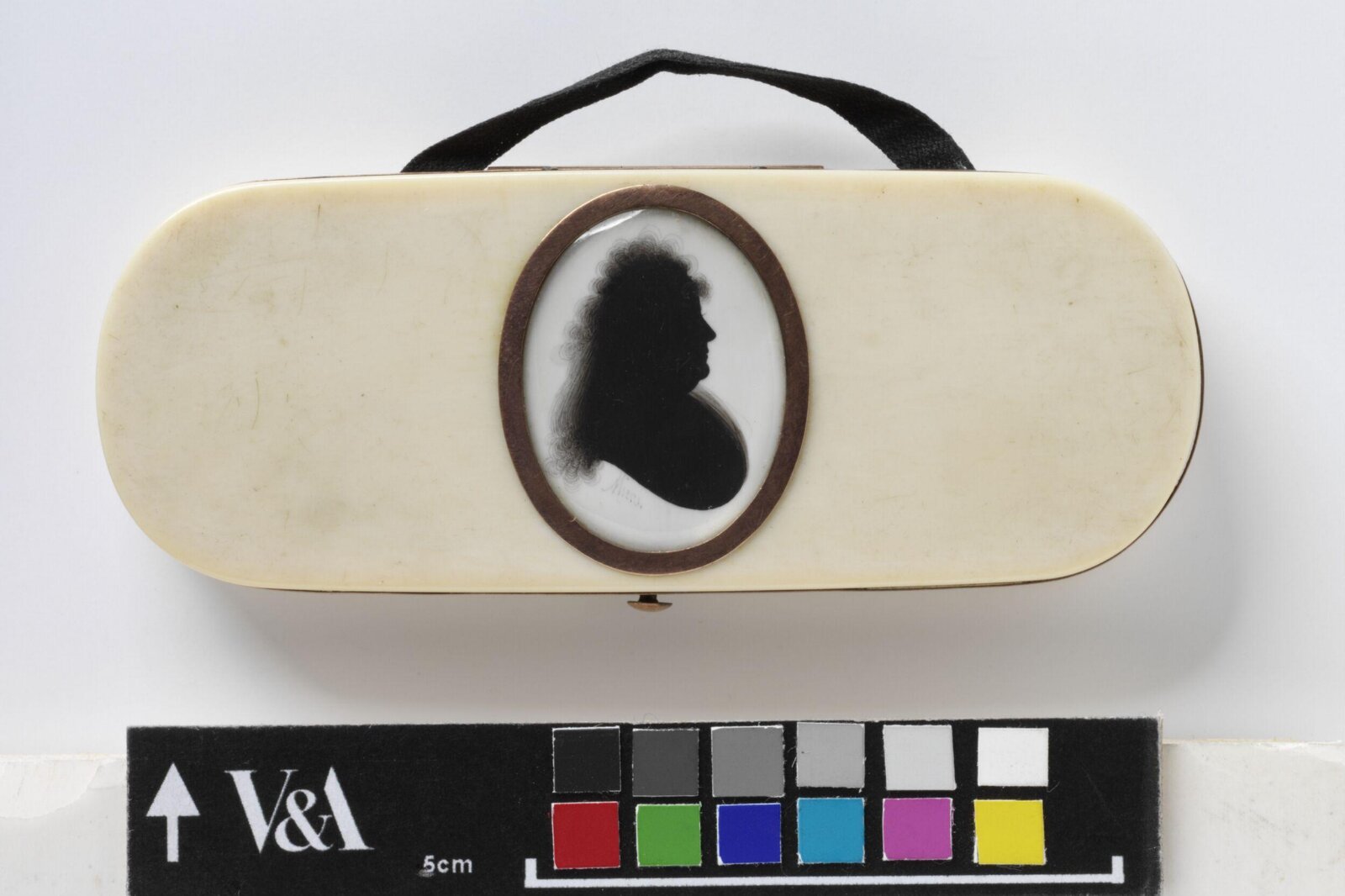
An Unknown woman
Posso vê-la?
Sim, exposta agora
Onde está «An Unknown woman» hoje? Museu Vitória e Alberto, Portrait Miniatures, Room 90a, The International Music and Art Foundation Gallery, Londres. Sim, exposta agora. Verificado 25 de setembro de 2026.

Londres, Reino Unido
SalaPortrait Miniatures, Room 90a, The International Music and Art Foundation Gallery
Fechado· abre amanhã às 10:00
Exposta ao público.
- Verificado
- Neste estado desde
- Fonte
- O museu
Sobre a pintura
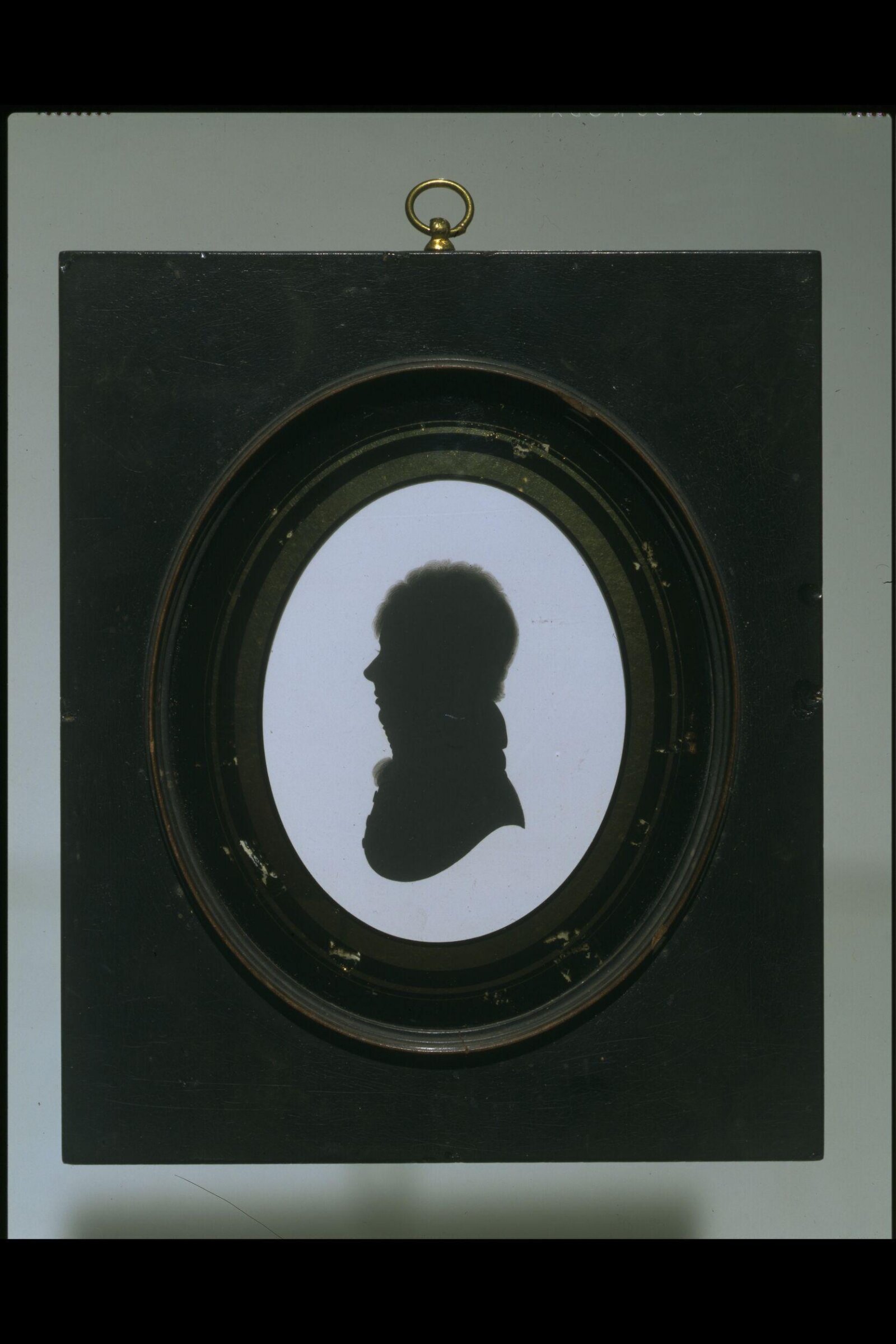
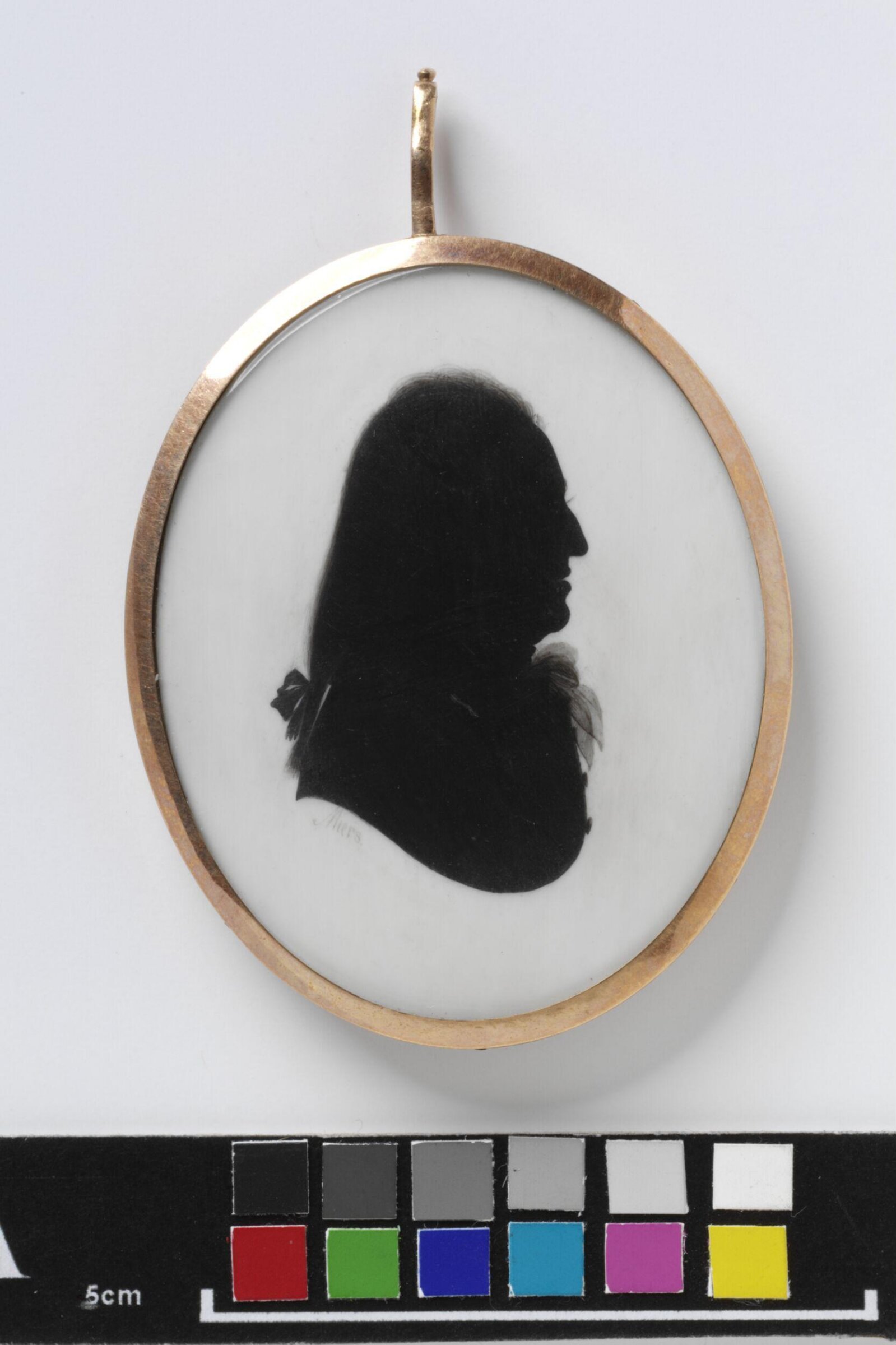
In the 18th century cut-paper images (usually blackened) were called ‘shades’. If they were portraits, they were known as ‘profiles’. The fashion for ‘profiles’ grew in the 1770s, when the archaeological discoveries of ancient Roman sites at Herculaneum and Pompeii encouraged a taste for Neo-classicism. ‘Profiles’ became even more fashionable after about 1775, when Johann Kaspar Lavater published his hugely popular Essays on Physiognomy. He claimed that one could detect a person’s character by concentrating on his or her main features. These would reveal both virtues and vices. Lavater illustrated the book with numerous simple black profiles.
Ler mais
The ‘silhouette’ was named after a French minister who was notorious for wasting his time on this popular hobby. Commercially, it was very successful, because in its simplest form it was a cheap and quick method of portraiture. With mechanical aids, a sitting could be done in one minute. There was no need for further tedious sittings to make endless repeats of the portrait for family and friends. But both artists and clients desired novelty. This soon led artists to diversify from the original cut paper or simple painted profiles on paper. They could paint on the under-surface of flat or convex glass, using oil colour or watercolour. They then framed the glass against a plaster background. Sometimes those profiles painted on convex glass would be backed by a thin coating of wax. Artists could paint on plaster, but watercolour, ink or oil were not suitable for this.
It seems that they used some kind of soot- or charcoal-based pigment. They might also use an ivory support, on which they painted in watercolour, often adding bronzed highlights. They borrowed this popular method from miniature painting.
Museu Vitória e Alberto
Pormenores
- Número de inventário
- P.165-1922
O que mostra
No catálogo
Fontes
- Museu Vitória e Alberto
- Imagem: Museu Vitória e Alberto — © Victoria and Albert Museum, London