ART WIKI32 963 em exposição
MapaColeçãoArtistasMuseusExposiçõesRevista
Entrar

ART WIKI

Onde está a obra-prima, e a que horas se abre a porta.

Coleções: Art Institute of Chicago, Galeria Nacional de Arte, Galeria Tretiakov, Getty Villa, Harvard Art Museums, Hermitage, Hirshhorn Museum and Sculpture Garden, Instituto de Artes de Minneapolis, Museu de Arte de Cleveland, Museu de Arte Moderna, Museu do Louvre, Museu Estatal de Amesterdão, Museu J. Paul Getty, Museu Metropolitano de Arte, Museu Nacional de Arte da Dinamarca, Museu Pushkin, Museu Russo, Museu Smithsoniano de Arte Americana, Museu Vitória e Alberto, Museu Whitney de Arte Americana, National Museum of Asian Art, National Portrait Gallery, Catálogo Estatal do Fundo Museológico da Rússia (274 museus), Europeana (19 museus), Wikidata (6 museus), Paris Musées (12 museus) e Joconde, a base de museus do Ministério da Cultura de França (495 museus). As imagens pertencem aos titulares dos direitos.

Secções

  • Mapa
  • Pesquisa
  • Coleção
  • Obras-primas
  • Em exposição agora
  • Artistas

Mais

  • Museus e galerias
  • Exposições
  • Revista
  • De onde vêm os dados
  • Privacidade e cookies
InícioMapaCatálogo
  1. Coleção/
  2. Museu Vitória e Alberto/
  3. A Prisoner
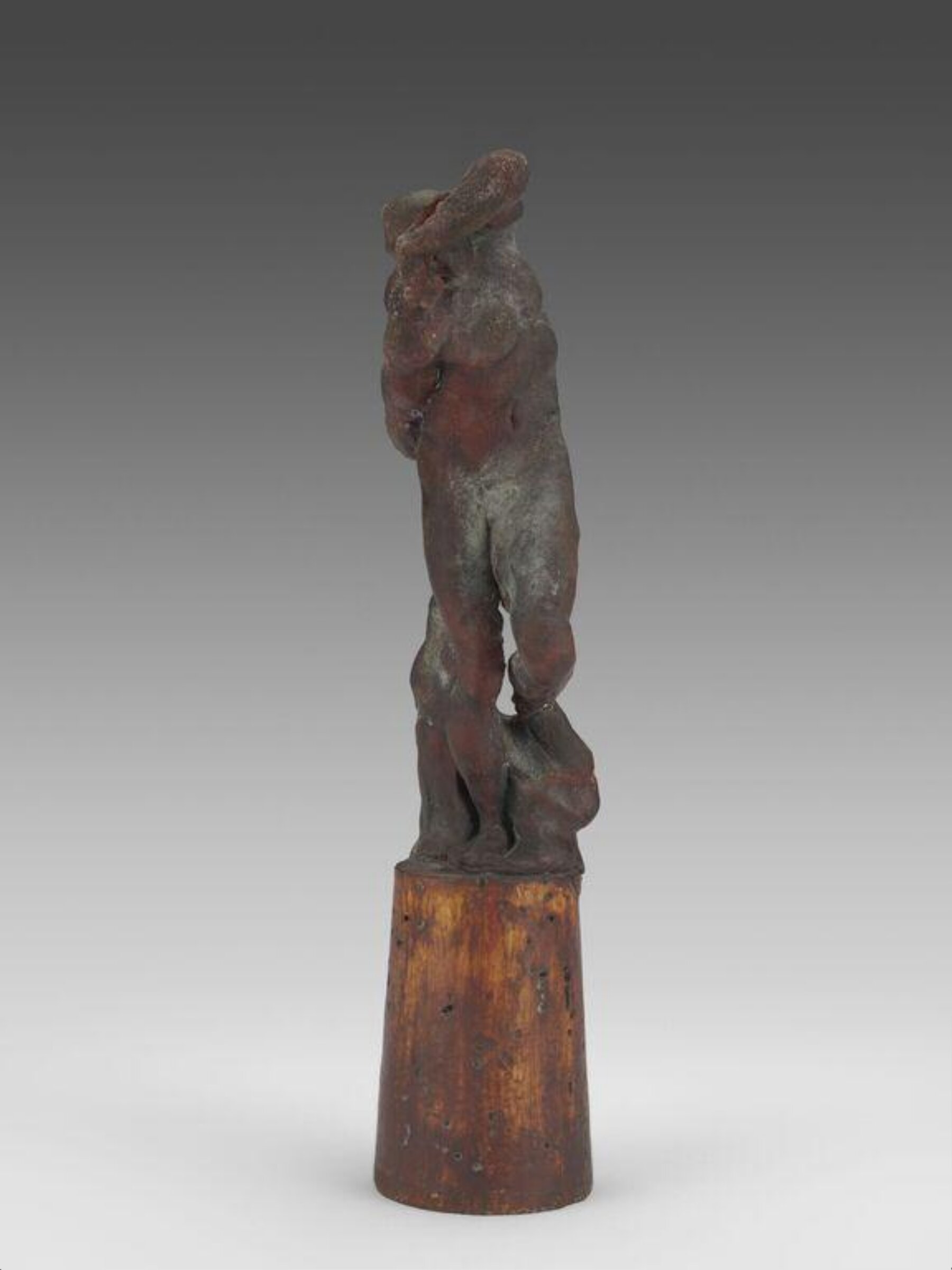
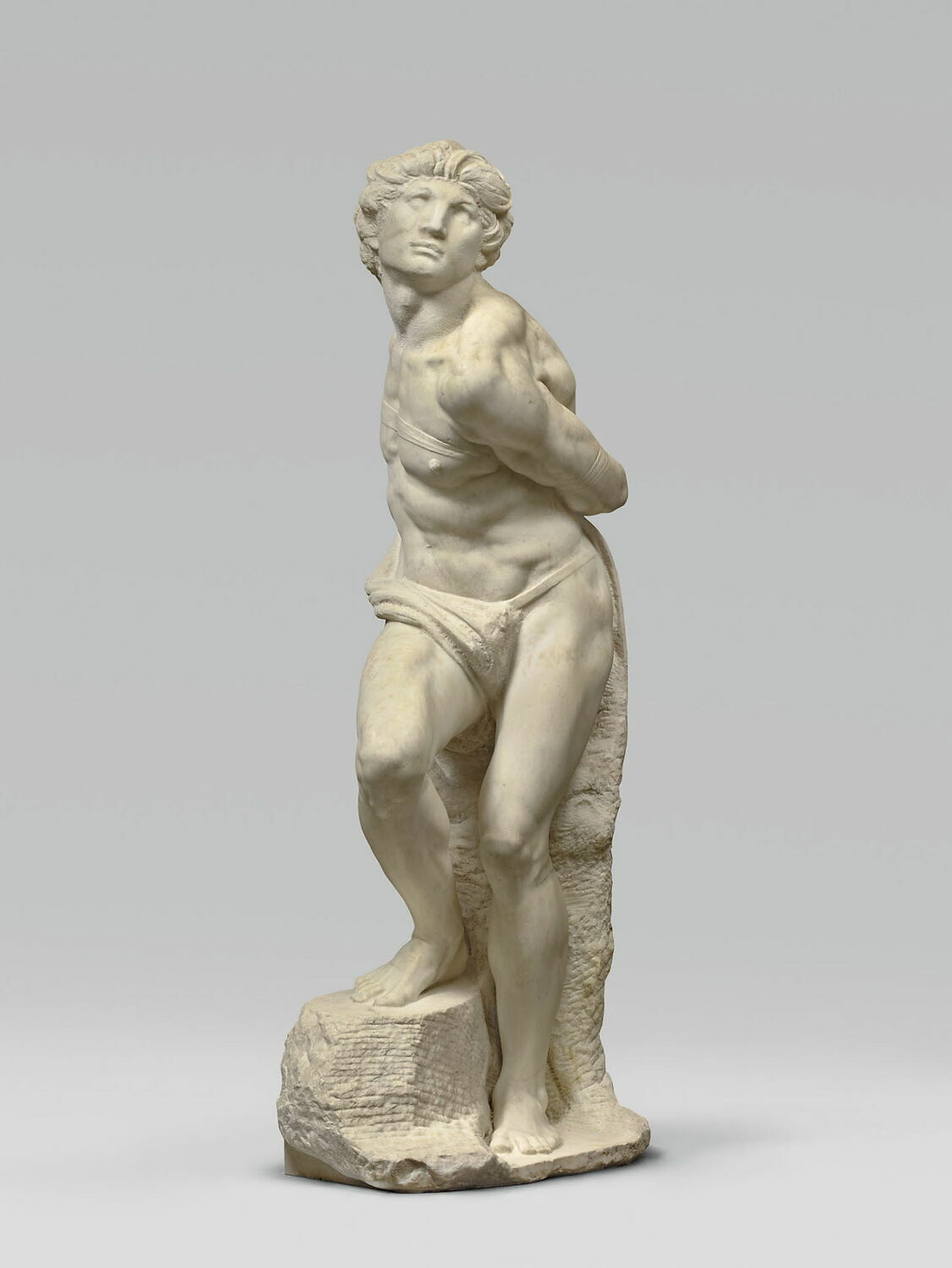
A Prisoner, Michelangelo Buonarroti, ca. 1519
Michelangelo, retratoMichelangeloItália, 1475–1564

A Prisoner

ca. 1519 · Model · 23.9 × 5 cm

Sobre a escultura

The small wax figure is a sketch model for the unfinished marble of the Young Prisoner in the Accademia in Florence, designed for the tomb of Pope Julius II, who died in 1513. When the tomb was commissioned in 1505, it was planned as a large free-standing structure with more than 40 life-size or larger statues, and was intended for St Peter's in Rome. The existing, greatly reduced tomb was finally erected in San Pietro in Vincoli, Rome, in 1545.

Continuar a ler

Michelangelo made a large number of drawings and models in wax, clay and terracotta in connection with both his painting and his sculpture. He destroyed many of his preparatory works, but the growing interest in the creative process and his extraordinary celebrity led several of his contemporaries to collect his drawings and models. One such collector was the painter and biographer Giorgio Vasari, a great admirer and friend of the artist. In his Life of Michelangelo he described what he claimed to be the sculptor's working method: a small model of wax or other firm material was immersed in water and gradually raised to reveal more of the figure as the carving of the marble progressed.

Museu Vitória e Alberto

Pormenores

ca. 1519
14751564
Número de inventário
4117-1854

Entretanto, na vida de Michelangelo

A vida inteira
  1. 1516–1519

    Journeys for marble to Carrara and Pietrasanta

    For the façade of San Lorenzo Michelangelo made many journeys for marble to Carrara and Pietrasanta.

  2. 1516–1534 · Local de trabalho

    Florence

  3. 1518

    Burns his early poems

    According to Romain Rolland, Michelangelo had written poetry since childhood, but in 1518 he burned most of his early poems, destroying more shortly before his death. About three hundred of his poems survive.

  4. 1520

    The San Lorenzo façade is cancelled

    Three years went on drawings and models for the façade and an attempt to open a new quarry at Pietrasanta, but in 1520 his cash-strapped patrons abruptly cancelled the work before any real progress had been made. The basilica still has no façade.
Mais obras de Michelangelo

Todas as obras

Vizinhas de sala: Museu Vitória e Alberto

Página do museu

Sobre o mesmo tema · Slavery

Todas as obras sobre o tema

Será possível contemplá-la?

De momento, não recebe

Museu Vitória e Alberto

Londres, Reino Unido

Pertence à coleção, mas de momento não está exposta.

Verificado
há 12 dias
Neste estado desde
25 de set. de 2026
Fonte
O museu
No mapaPágina do museu

O que mostra

SlaverySlave

No catálogo

EsculturaRenascimentoSéculo XVIFlorença

Fontes

  • Museu Vitória e Alberto
  • Imagem: Museu Vitória e Alberto — © Victoria and Albert Museum, London
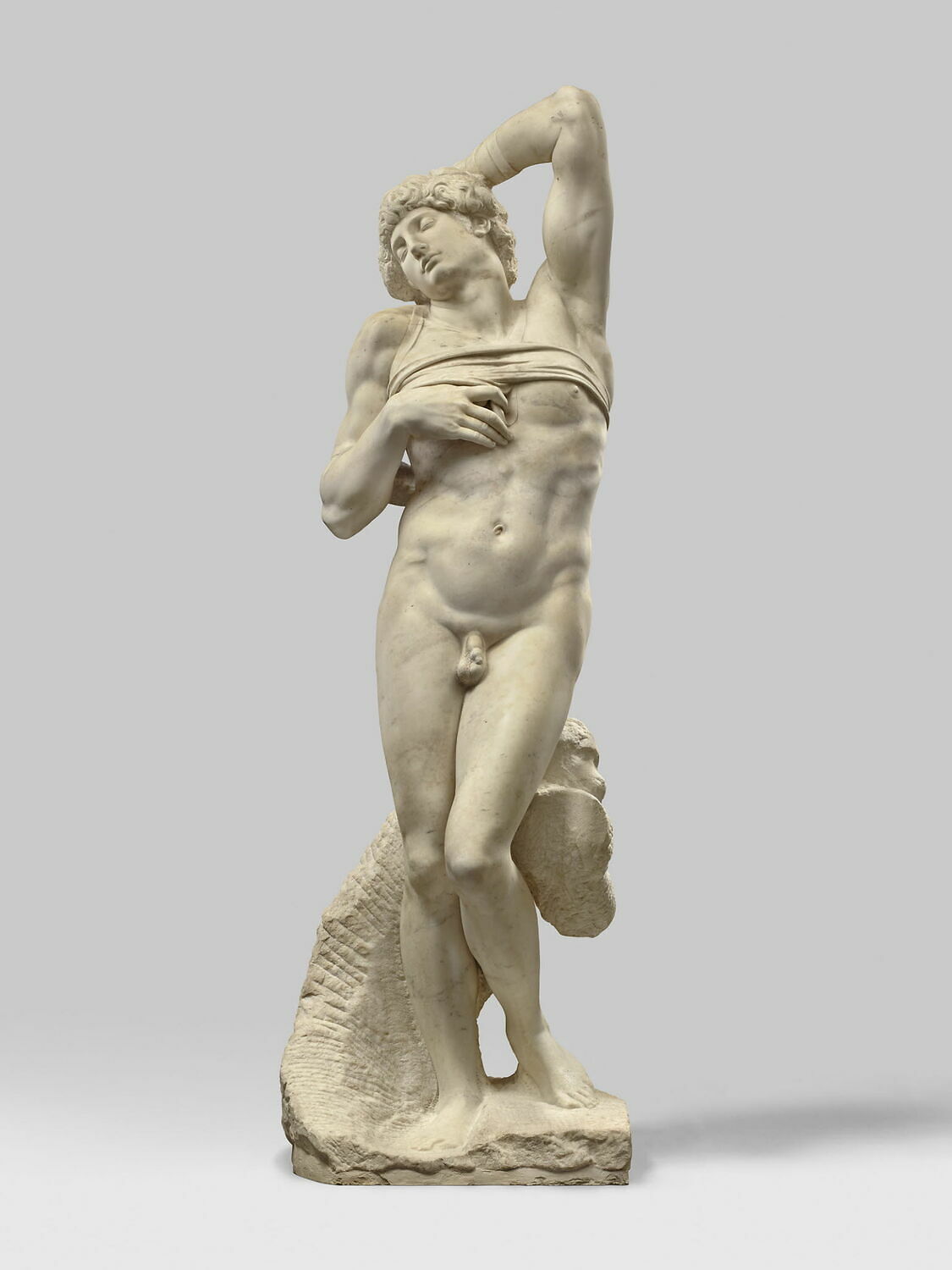
Esclave mourant, Buonarroti, Michelangelo dit Michel-Ange, 1513 - 1515

Esclave mourant

1513 - 1515 · Museu do Louvre

Esclave rebelle, Buonarroti, Michelangelo dit Michel-Ange, 1513 - 1515

Esclave rebelle

1513 - 1515 · Museu do Louvre

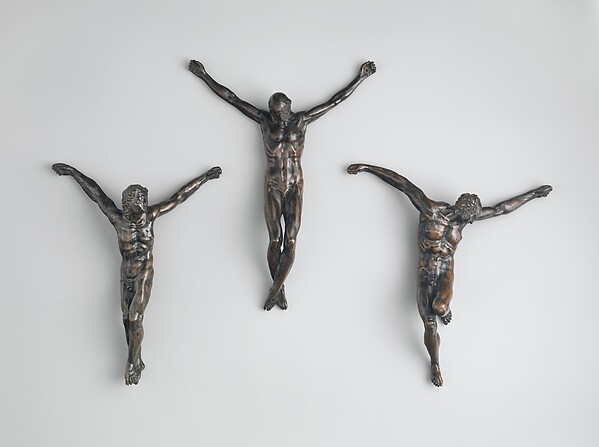
Christ and the Two Thieves Crucified, Michelangelo Buonarroti, ca. 1560–70

Christ and the Two Thieves Crucified

ca. 1560–70 · Museu Metropolitano de Arte

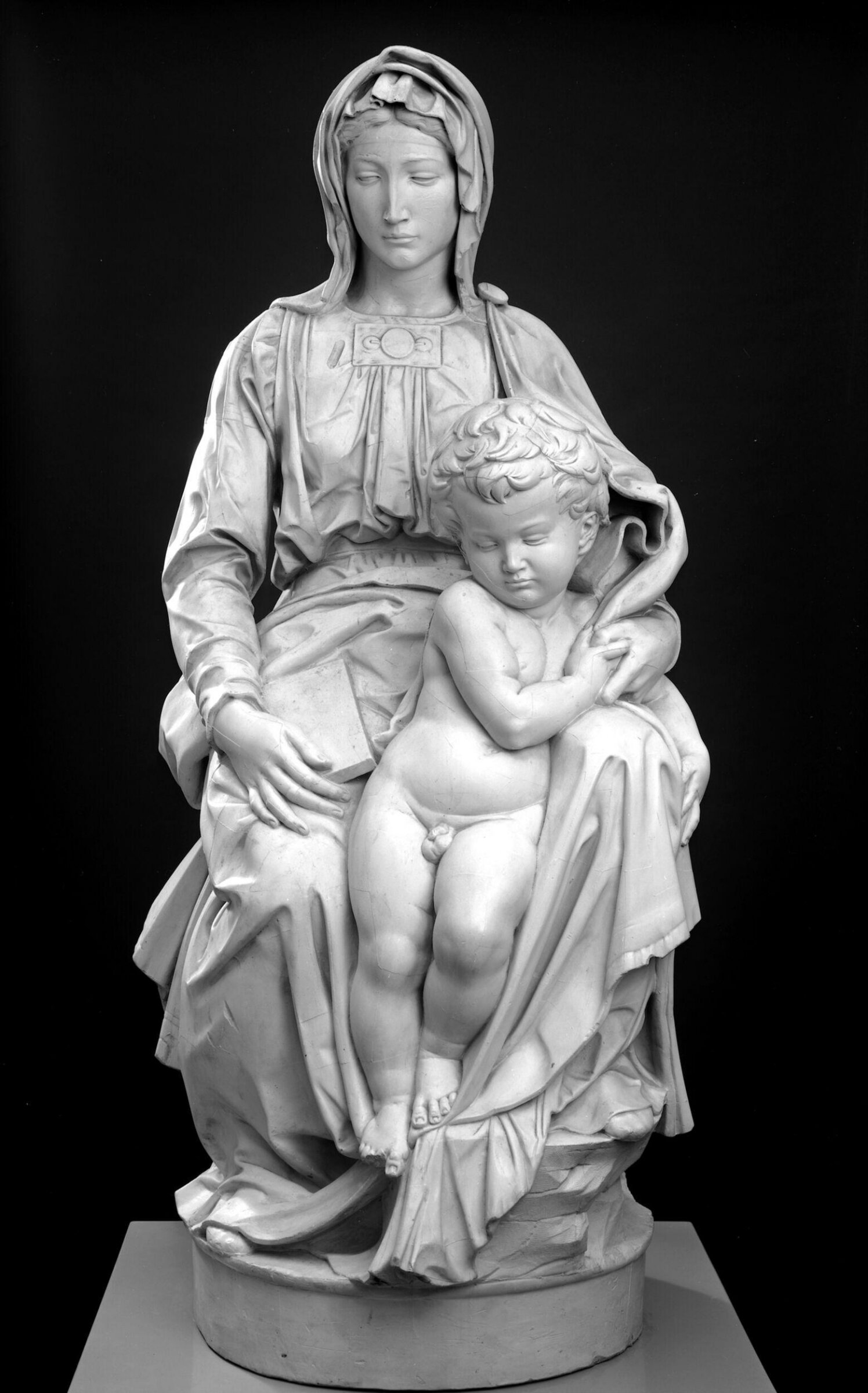
Bruges Madonna, Michelangelo, 1504-6

Bruges Madonna

1504-6 · Museu Vitória e Alberto

Design for an Equestrian Statue of Henry II of France, Michelangelo, 1559 - 1564

Design for an Equestrian Statue of Henry II of France

1559 - 1564 · Museu Estatal de Amesterdão

The Prophet Ezekiel, Giorgio Ghisi after Michelangelo, early 1570s

The Prophet Ezekiel

early 1570s · Não exposta · Galeria Nacional de Arte

The Eritrean Sibyl, Giorgio Ghisi after Michelangelo, early 1570s

The Eritrean Sibyl

early 1570s · Não exposta · Galeria Nacional de Arte

Two Nude Men, Marcantonio Raimondi after Michelangelo

Two Nude Men

Não exposta · Galeria Nacional de Arte

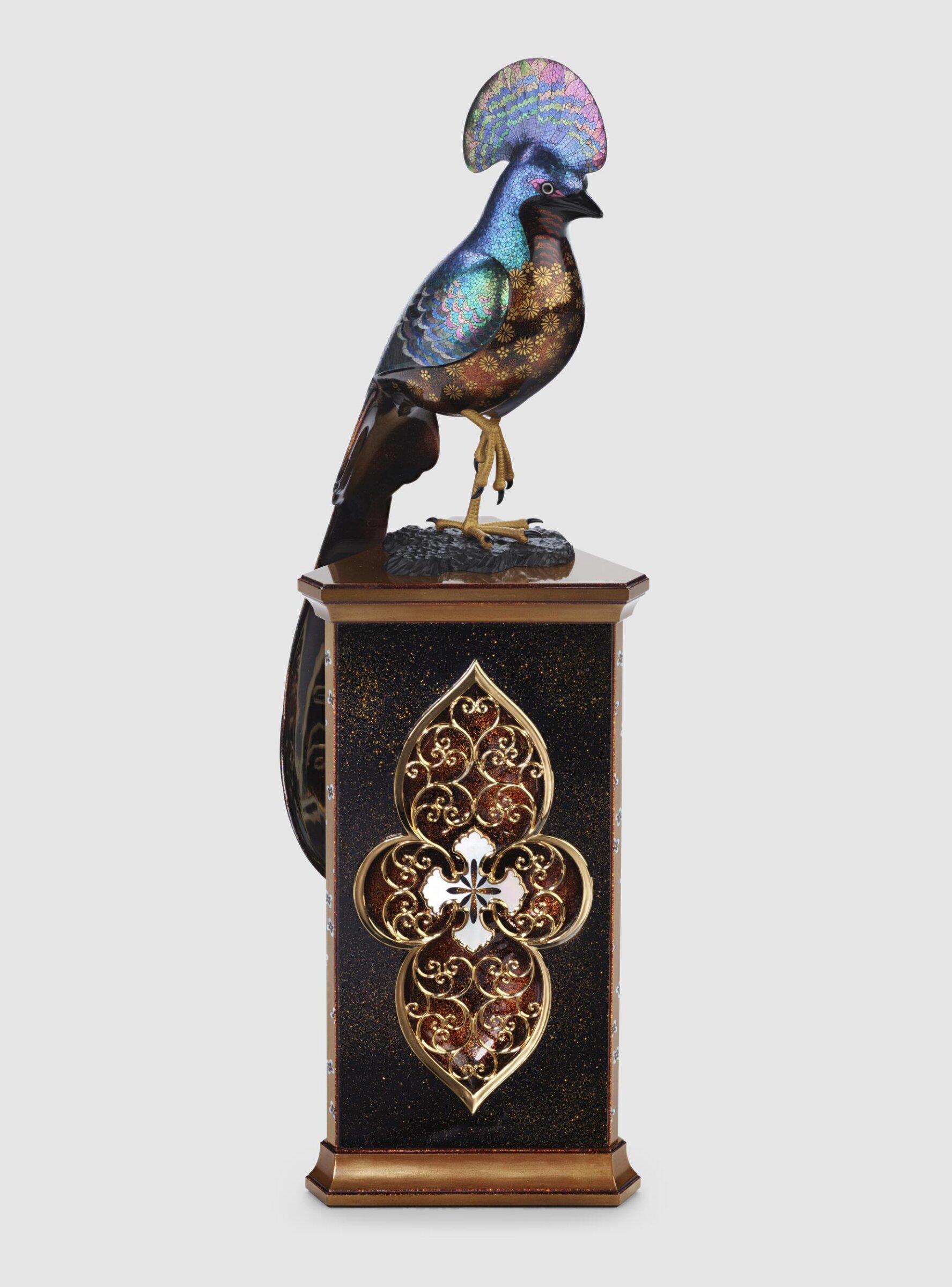
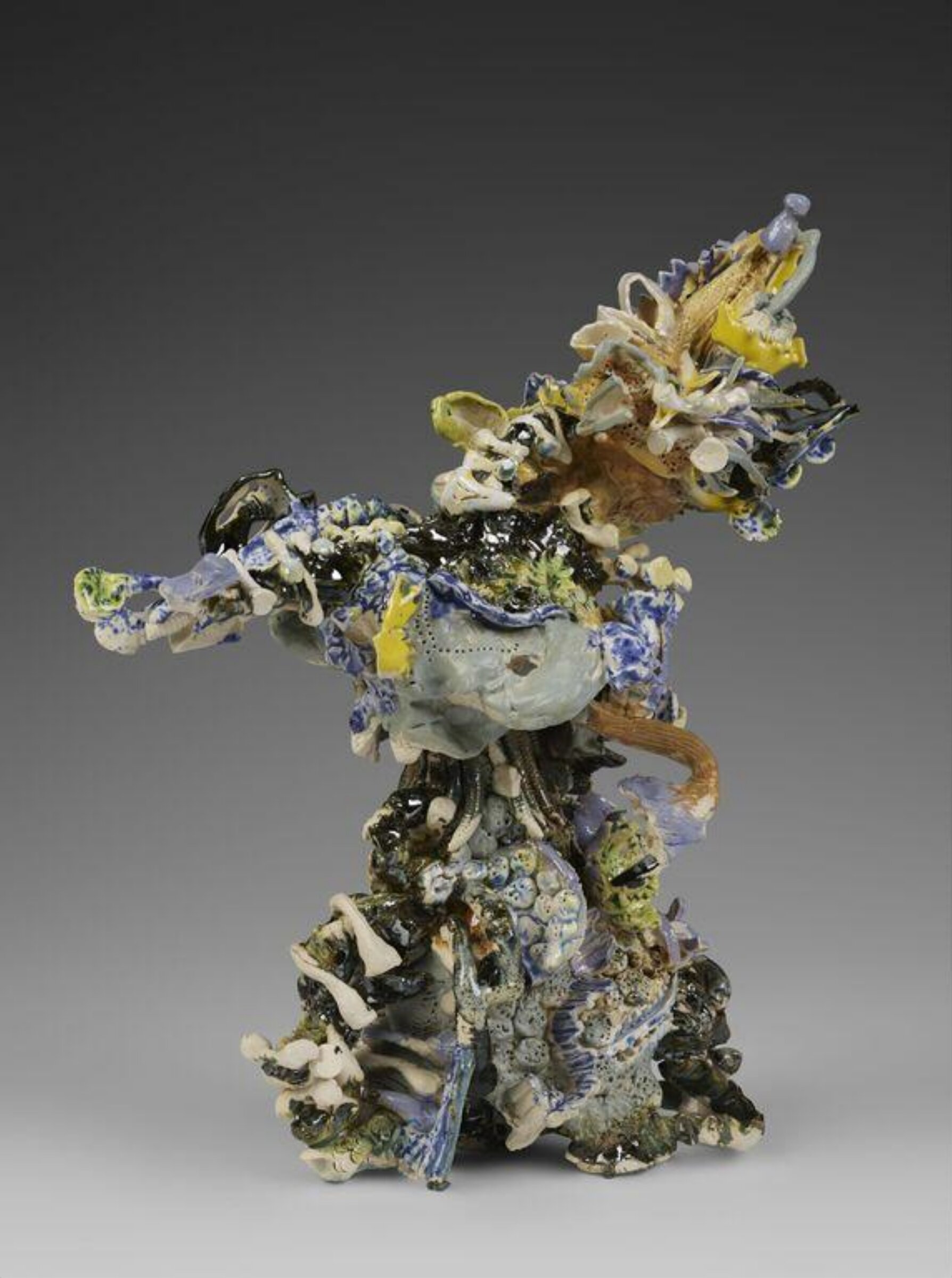
Bird of Paradise, Hashimoto Chitaka, 2026

Hashimoto Chitaka

Bird of Paradise, 2026

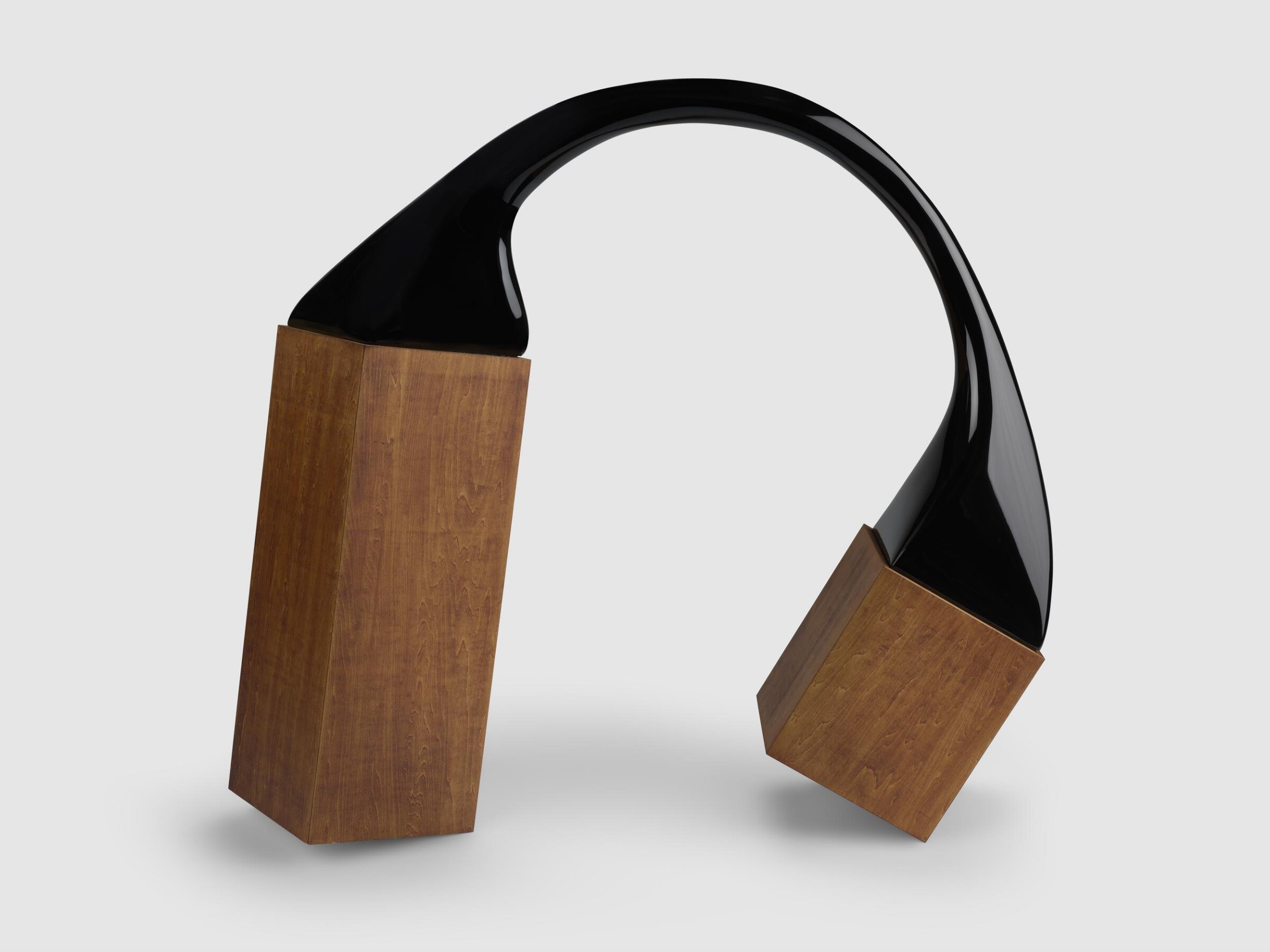
Torsion 2, Taruma Shoko, 2025

Taruma Shoko

Torsion 2, 2025

Fu, Someya Satoshi, 2025

Someya Satoshi

Fu, 2025

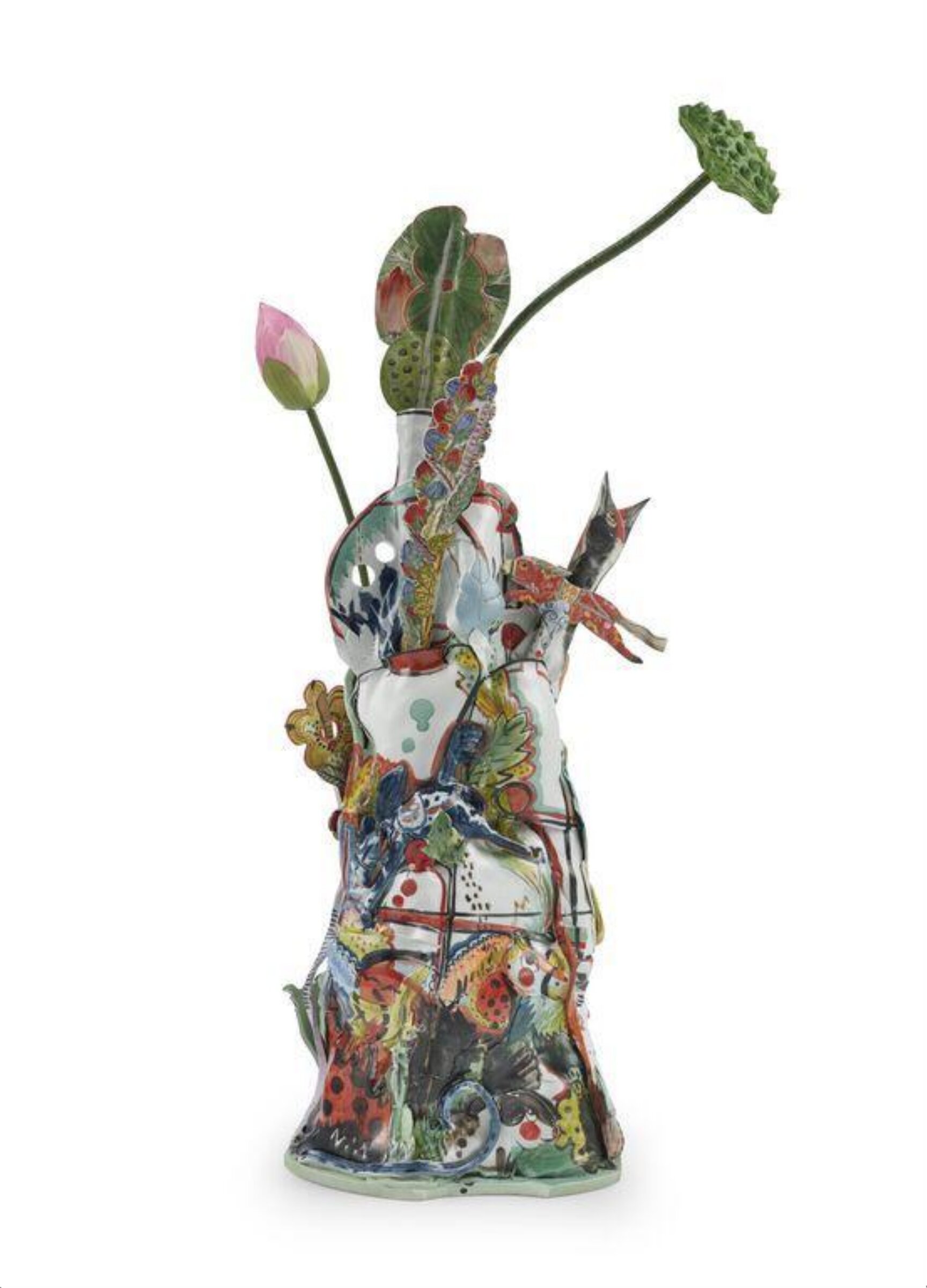
Bow Before the Curtain Falls, 2024

Bow Before the Curtain Falls, 2024

Summer, 2024

Summer, 2024

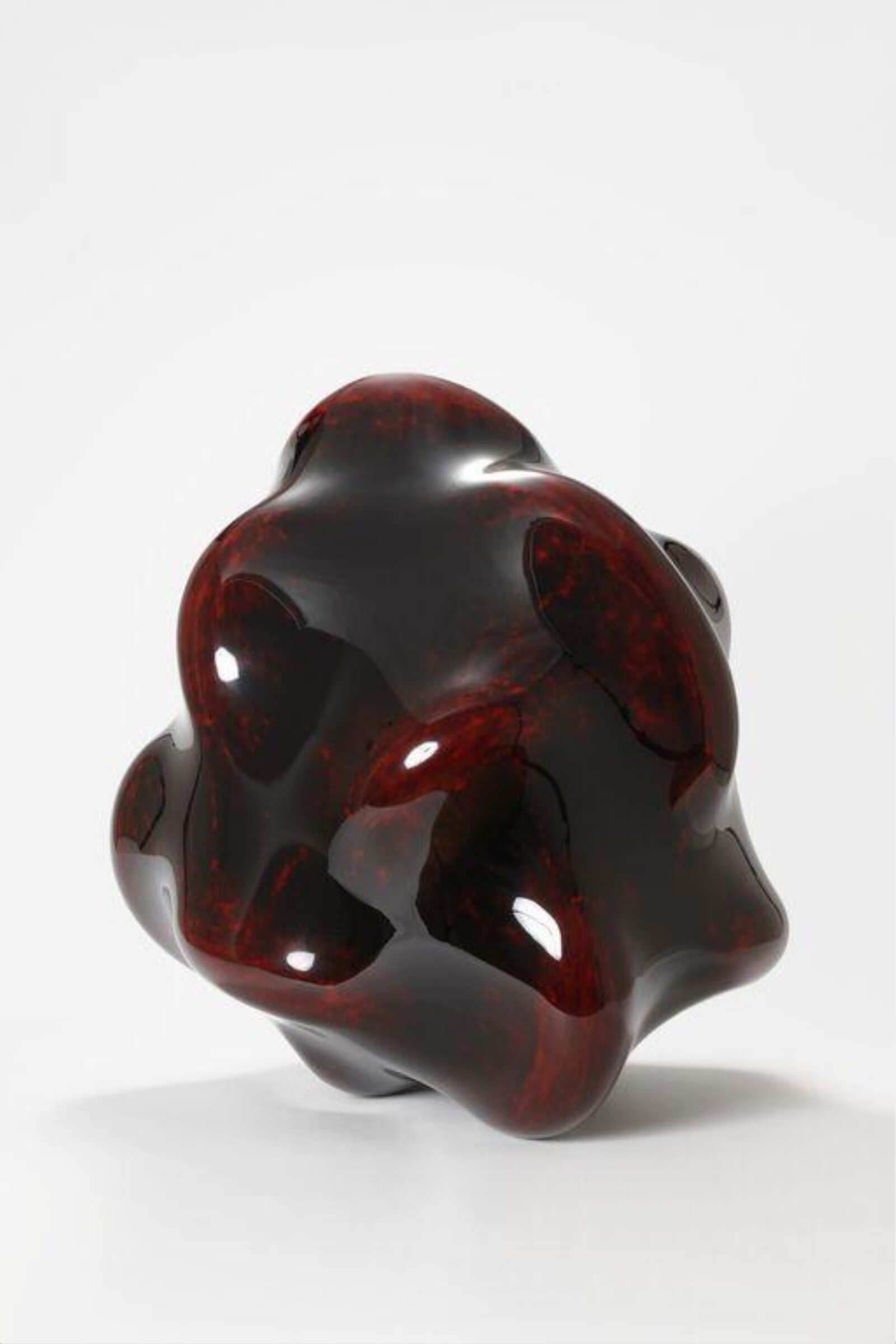
Red Flow, Ishizuka Genta, 2024

Ishizuka Genta

Red Flow, 2024

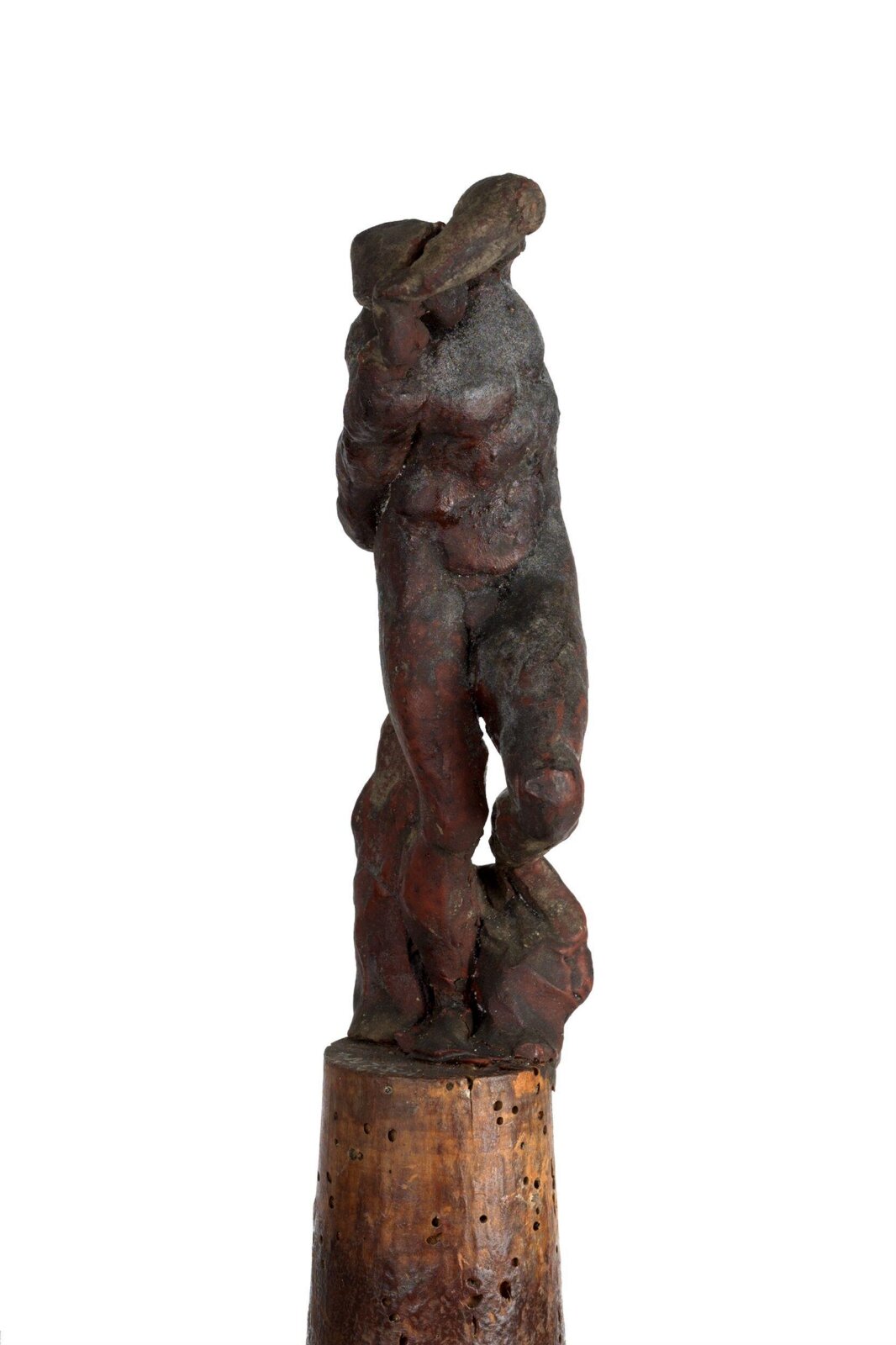
3D replica of Michelangelo's Prisoner (4117-1854), Factum Arte, 2024

Factum Arte

3D replica of Michelangelo's Prisoner (4117-1854), 2024

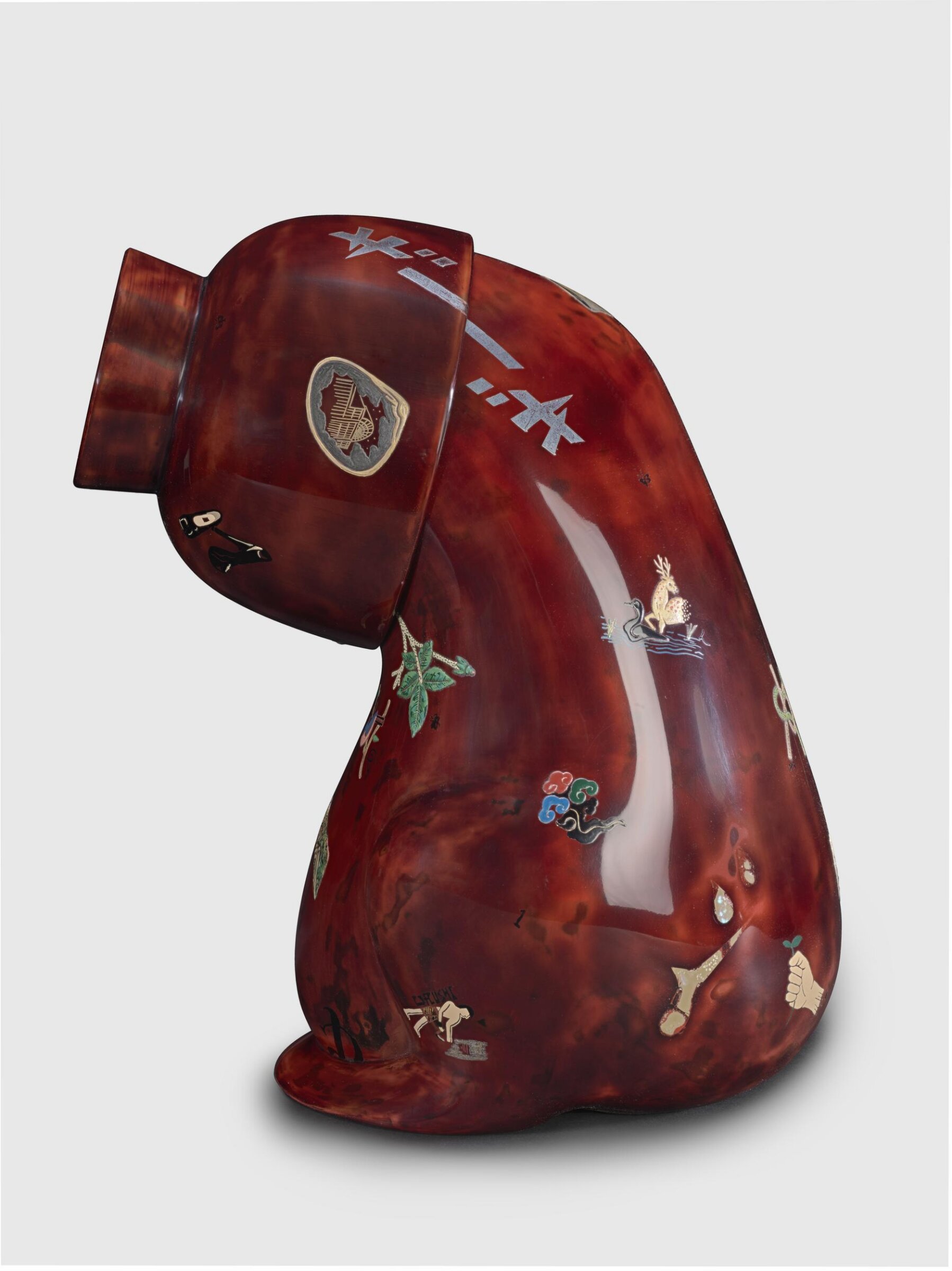
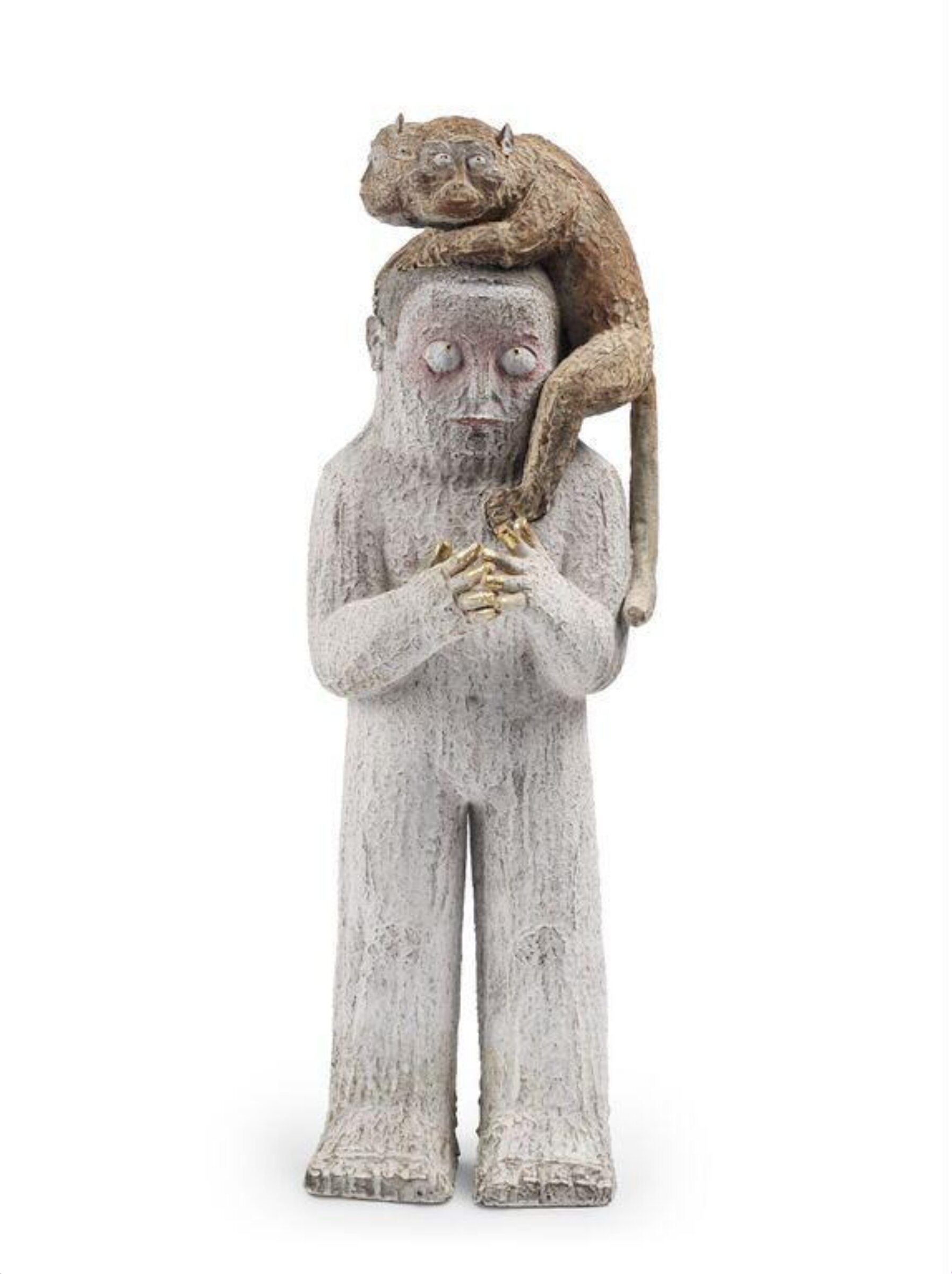
Sculpture, ‘Co-Existence – the Man and the Monkey’, Zhao Lin, 2024

Zhao Lin

Sculpture, ‘Co-Existence – the Man and the Monkey’, 2024

Formerly enslaved woman, Alabama, Dorothea Lange, 1938, printed c. 1955

Dorothea Lange

Formerly enslaved woman, Alabama, 1938, printed c. 1955

Não exposta · Galeria Nacional de Arte

Formerly enslaved woman, Alabama, Dorothea Lange, 1938, printed 1950s

Dorothea Lange

Formerly enslaved woman, Alabama, 1938, printed 1950s

Não exposta · Galeria Nacional de Arte

Inscripties uit de graftombe van de vrijgelatenen en slaafgemaakten van de familie van Augustus, Giovanni Battista Piranesi, c. 1756 - c. 1757

Giovanni Battista Piranesi

Inscripties uit de graftombe van de vrijgelatenen en slaafgemaakten van de familie van Augustus, c. 1756 - c. 1757

Museu Estatal de Amesterdão

Inscripties uit de graftombe van de vrijgelatenen en slaafgemaakten van de familie van Augustus, Giovanni Battista Piranesi, c. 1756 - c. 1757

Giovanni Battista Piranesi

Inscripties uit de graftombe van de vrijgelatenen en slaafgemaakten van de familie van Augustus, c. 1756 - c. 1757

Museu Estatal de Amesterdão

Inscripties en sarcofagen uit de graftombe van de vrijgelatenen en slaafgemaakten van de familie van Augustus, Giovanni Battista Piranesi, c. 1756 - c. 1757

Giovanni Battista Piranesi

Inscripties en sarcofagen uit de graftombe van de vrijgelatenen en slaafgemaakten van de familie van Augustus, c. 1756 - c. 1757

Museu Estatal de Amesterdão

Inscripties uit de graftombe van de vrijgelatenen en slaafgemaakten van de familie van Augustus, Giovanni Battista Piranesi, c. 1756 - c. 1757

Giovanni Battista Piranesi

Inscripties uit de graftombe van de vrijgelatenen en slaafgemaakten van de familie van Augustus, c. 1756 - c. 1757

Museu Estatal de Amesterdão

Plattegrond met grafkamers van de vrijgelatenen en slaafgemaakten van Augustus, Giovanni Battista Piranesi, c. 1756 - c. 1757

Giovanni Battista Piranesi

Plattegrond met grafkamers van de vrijgelatenen en slaafgemaakten van Augustus, c. 1756 - c. 1757

Museu Estatal de Amesterdão

Inscripties uit de graftombe van de vrijgelatenen en slaafgemaakten van de familie van Augustus, Giovanni Battista Piranesi, c. 1756 - c. 1757

Giovanni Battista Piranesi

Inscripties uit de graftombe van de vrijgelatenen en slaafgemaakten van de familie van Augustus, c. 1756 - c. 1757

Museu Estatal de Amesterdão