Oskar KokoschkaAustria, 1886–1980
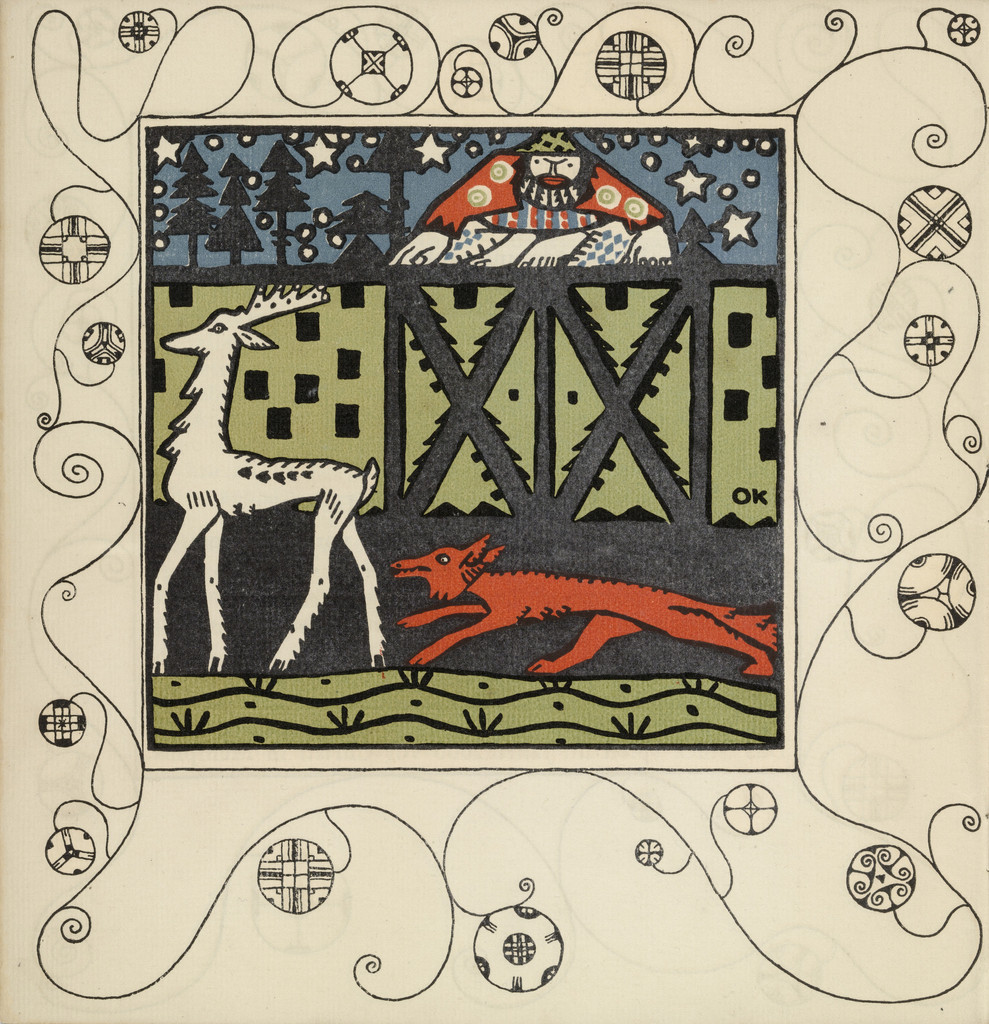
The Straw Hat
Czy można zobaczyć?
Nie wiadomo
Gdzie jest teraz „The Straw Hat”? Kolekcja: Yale University Art Gallery, New Haven. Nie wiadomo, czy jest dziś na wystawie.
New Haven, Stany Zjednoczone
Wiemy, do kogo należy, ale nie wiemy, czy jest dziś na wystawie.
- Ten status od
- Źródło
- Muzeum
Szczegóły
- Numer inwentarzowy
- 2012.133.1
W katalogu
Źródła
- Yale University Art Gallery
- Zdjęcie: Yale University Art Gallery — Image: Yale University Art Gallery · Not Assigned
Z życia: Oskar Kokoschka
Cały życiorys1908
A scandalous debut at the Vienna Kunstschau
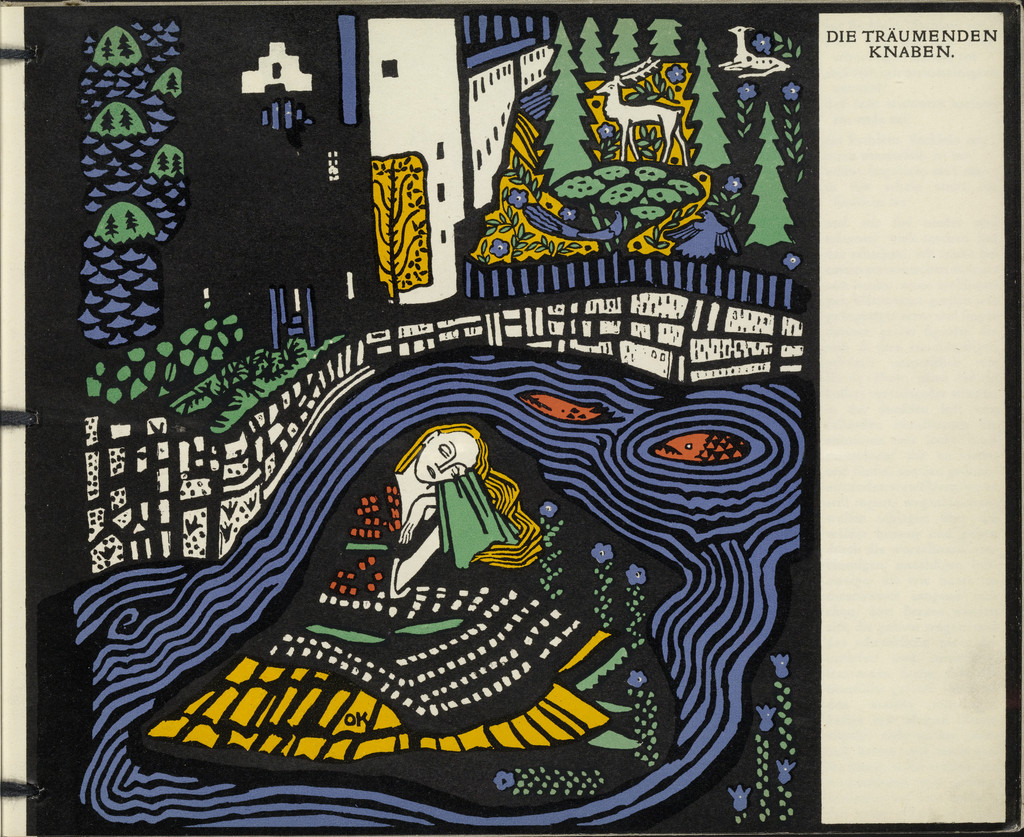
In 1908 Kokoschka was invited to submit works to the first Vienna Kunstschau. Instead of the colour pictures for a children’s book commissioned by Fritz Wärndorfer, director of the Wiener Werkstätte, he showed illustrations to his own poem “Die träumenden Knaben” and a tapestry, “The Dream Bearers” (now lost); the frank adolescent fantasies provoked a backlash from conservative officials and he was expelled from the school, but found his place in the Viennese avant-garde.
1909–1914
Adolf Loos: patron and commissioner of portraits
The architect Adolf Loos befriended Kokoschka, introduced him to the Viennese avant-garde and ordered portraits of his clients and friends, agreeing to buy the work if the sitter declined. This left Kokoschka complete artistic freedom; he painted the bulk of his portraiture between 1909 and 1914.
c. 1911 – 1914
The affair with Alma Mahler
Kokoschka’s stormy affair with Alma Mahler, the widow of the composer Gustav Mahler, lasted about two years: she was afraid of being overcome by passion and rejected him, and in 1915 she married Walter Gropius. Kokoschka loved her all his life.
1934
Flees Austria for Prague
Deemed a “degenerate” by the Nazis, Kokoschka fled Austria for Prague in 1934. A group of other expatriate artists adopted his name as the Oskar-Kokoschka-Bund; he did not take part, largely to protect his family, but acknowledged the importance of the group.
1938
Flees to Britain
In 1938, when the Czechs began to mobilise against the expected invasion by the Wehrmacht, Kokoschka fled to the United Kingdom and stayed there throughout the war. With the help of the British Committee for Refugees from Czechoslovakia all members of the OKB escaped through Poland and Sweden.
22 February 1980
Death
Kokoschka died in Montreux at the age of 93, eight days before his 94th birthday, of complications after contracting influenza; he was interred in the Montreux Central Cemetery.