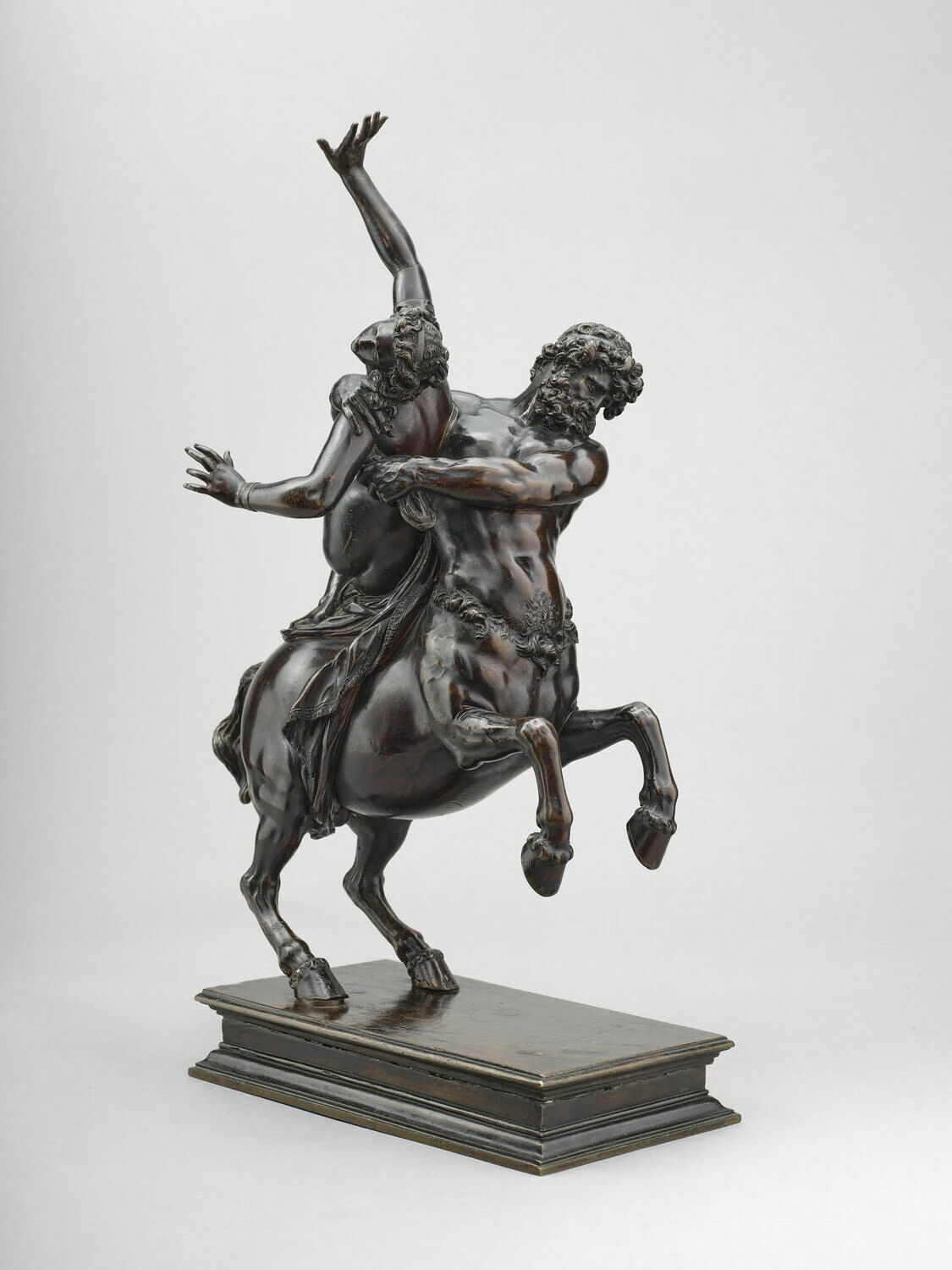
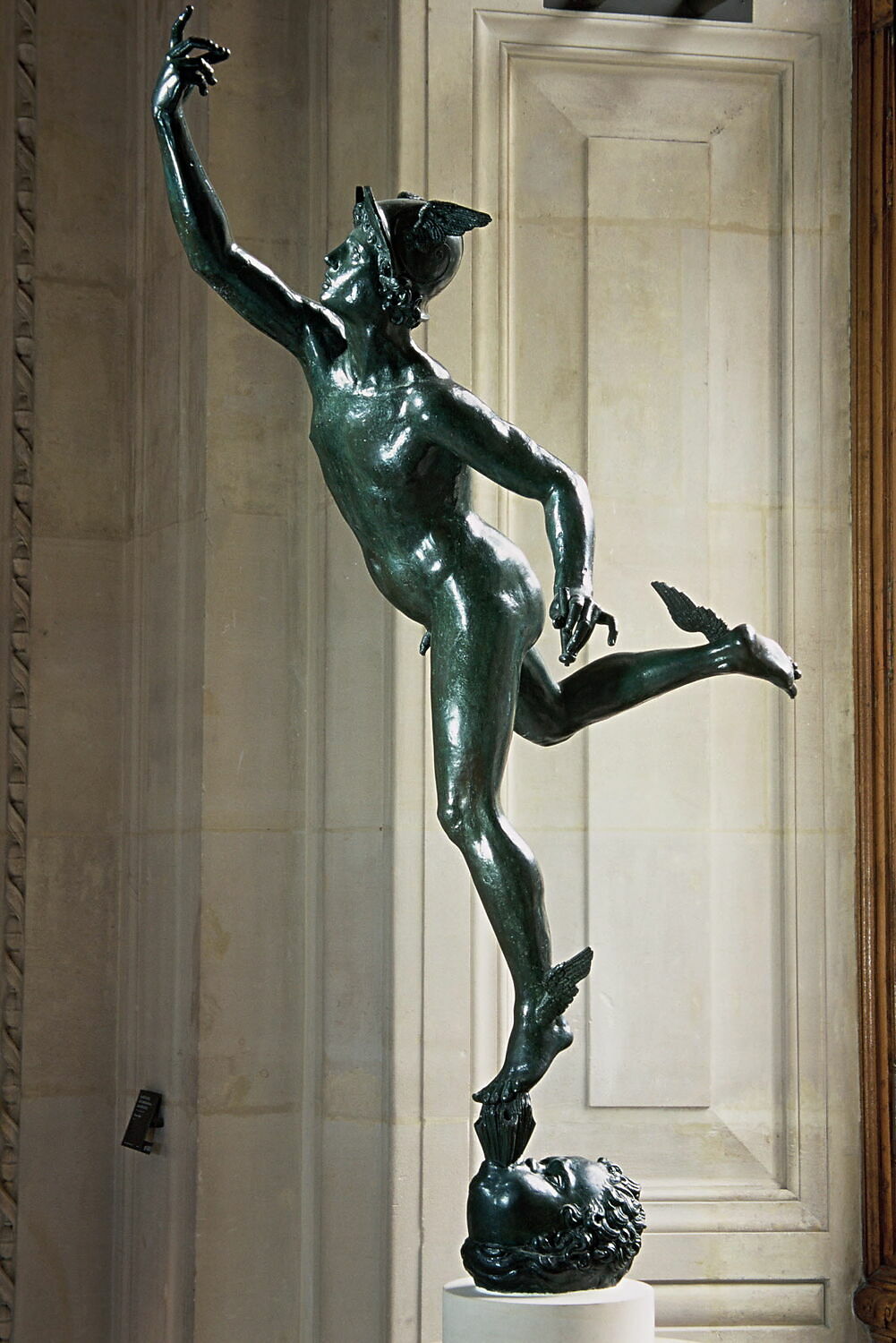
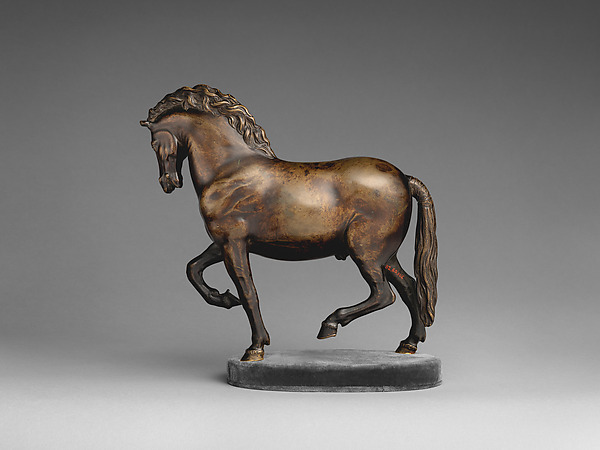
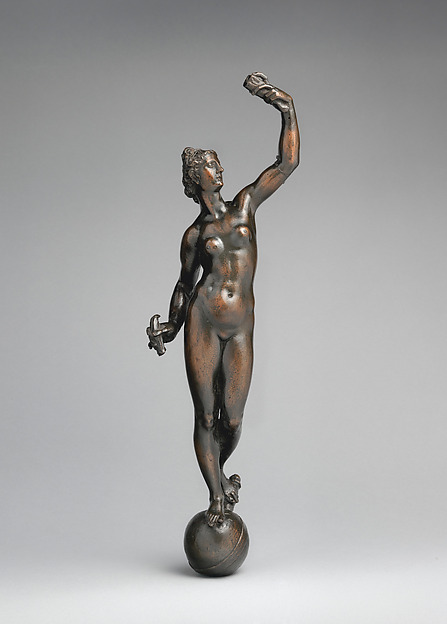
GiambolognaFlandria, 1529–1608
Testa di vecchio
Czy można zobaczyć?
Nie wiadomo
Gdzie jest teraz „Testa di vecchio”? Kolekcja: Palazzo del Bargello, Florencja. Nie wiadomo, czy jest dziś na wystawie.
Florencja, Włochy
Wiemy, do kogo należy, ale nie wiemy, czy jest dziś na wystawie.
- Ten status od
- Źródło
- Muzeum
O rzeźbie
Tekst muzeum, język: włoski
Le due testine in terracotta, sono bozzetti per la statua in marmo di Firenze vittoriosa su Pisa, commissionato nel 1565 al Giambologna da Francesco I de' Medici. Del gruppo scultoreo esistono diversi bozzetti in terracotta e in cera; le due testine sembrano essere state modellate separatamente e potrebbero anche essere stati degli studi individuali per l'espressione
Palazzo del Bargello
Szczegóły
- Numer inwentarzowy
- Bargello Sculture 459
Co przedstawia
W katalogu
Źródła
- Palazzo del Bargello
- Zdjęcie: Palazzo del Bargello — I Musei del Bargello - Museo Nazionale del Bargello · Beni Culturali Standard (BCS) · Catalogo generale dei Beni Culturali (ICCD – MiC)
Z życia: Giambologna
Cały życiorys1529
Born
1550
Moves to Italy and studies ancient sculpture in Rome
The son of a craftsman from Douai, probably a mason and sculptor, Jean moved to Italy after youthful studies in Antwerp with the architect-sculptor Jacques Du Brœucq and made a detailed study of ancient sculpture in Rome. Michelangelo influenced him strongly, but he developed his own Mannerist style, less emotional but refined in its surfaces and smallest details.
1553
Settles in Florence
Giambologna settled in Florence, at first as a guest at the Palazzo Vecchietti. He studied the works of Niccolò Tribolo and Pierino da Vinci, Leonardo's nephew, and through Vecchietti's mediation was introduced at the court of Francesco I de' Medici.
1563 · Kariera
the Accademia del Disegno and Medici court sculptor
Giambologna was made a member of the prestigious Accademia delle Arti del Disegno, which by some accounts had just been founded by Duke Cosimo I de' Medici on 13 January 1563 under the influence of Giorgio Vasari, and by others was founded by Vasari in 1561 and reorganised by the Duke. He also became one of the Medici's most important court sculptors.