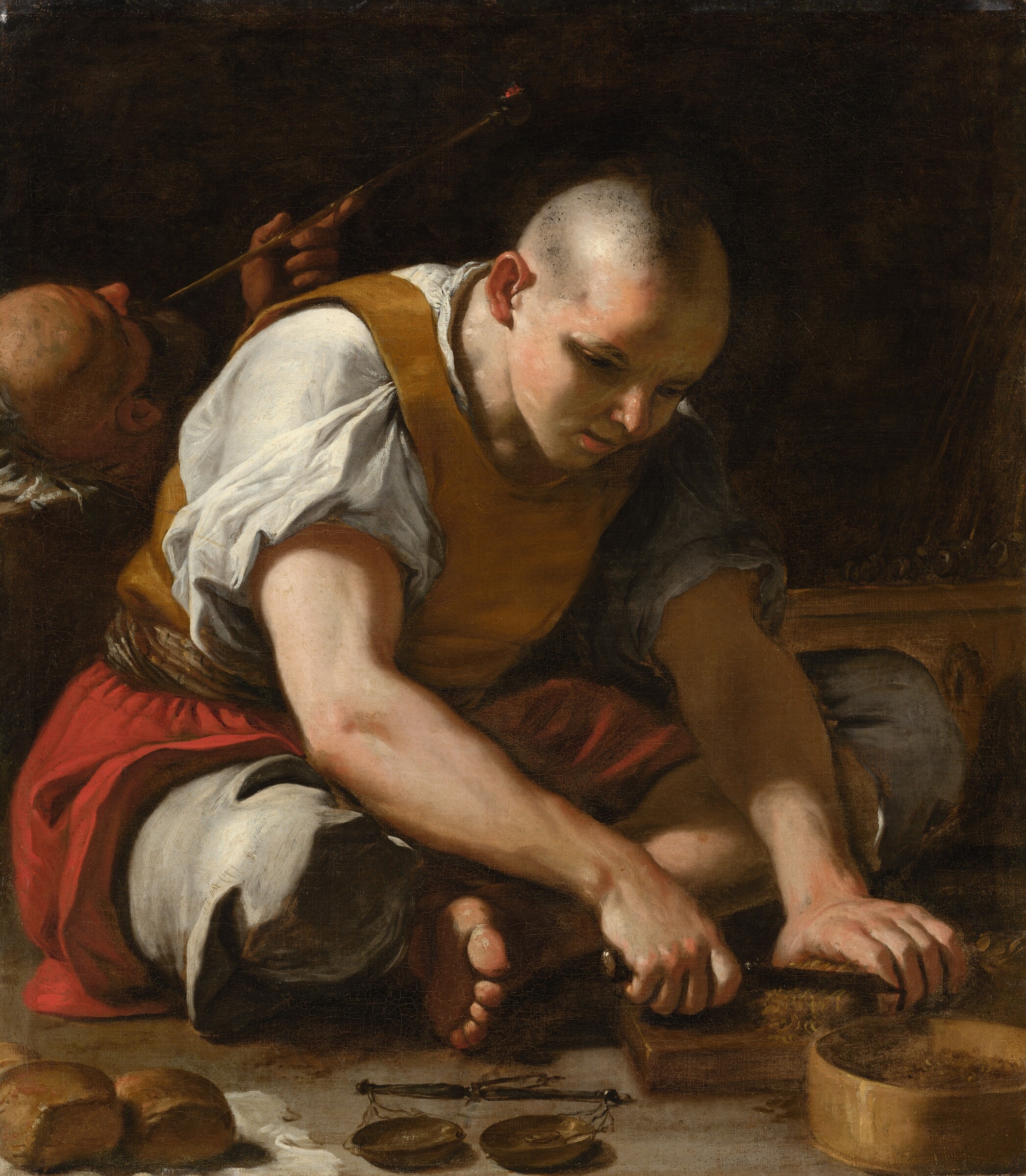
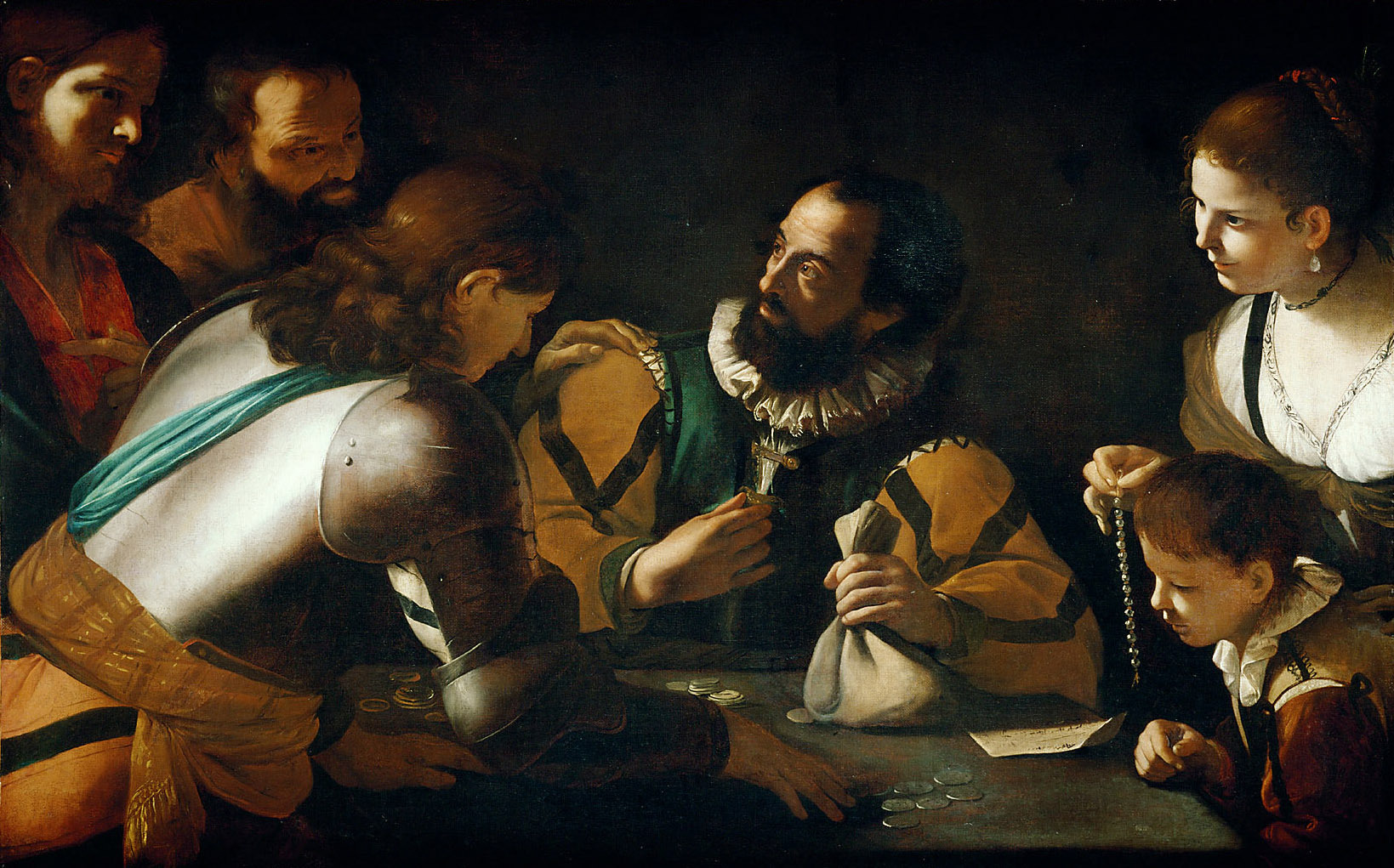
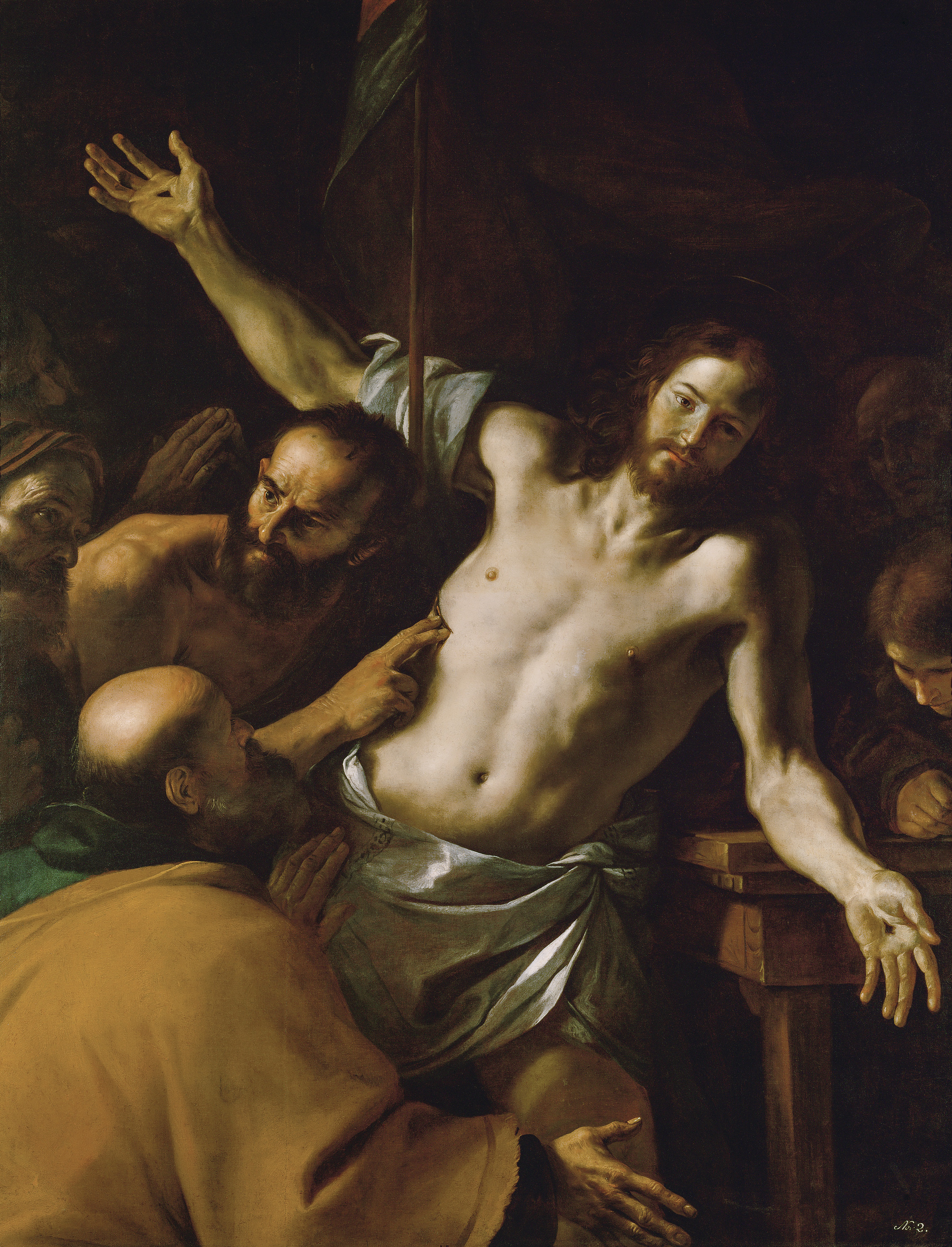
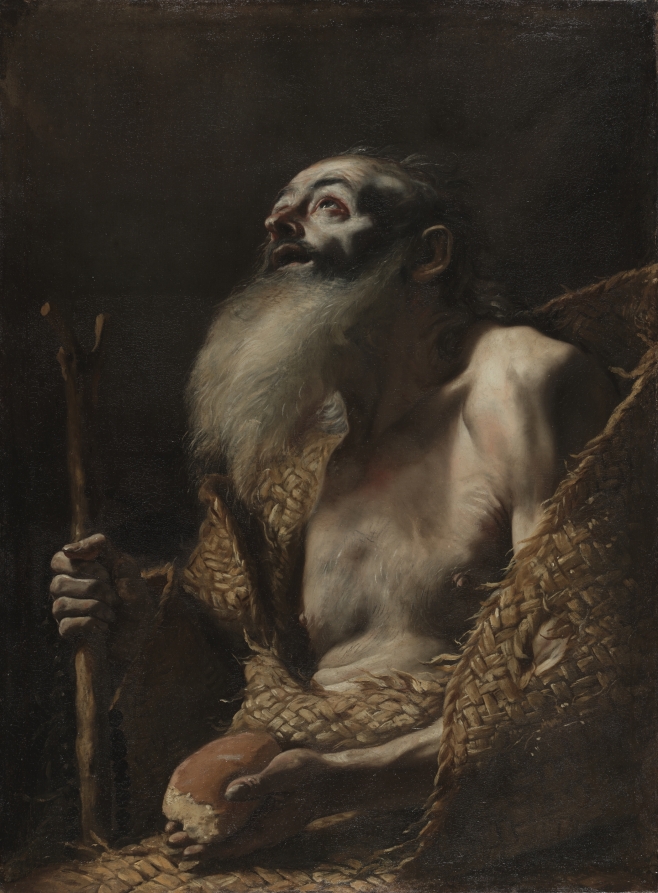
Mattia PretiWłochy, 1613–1699
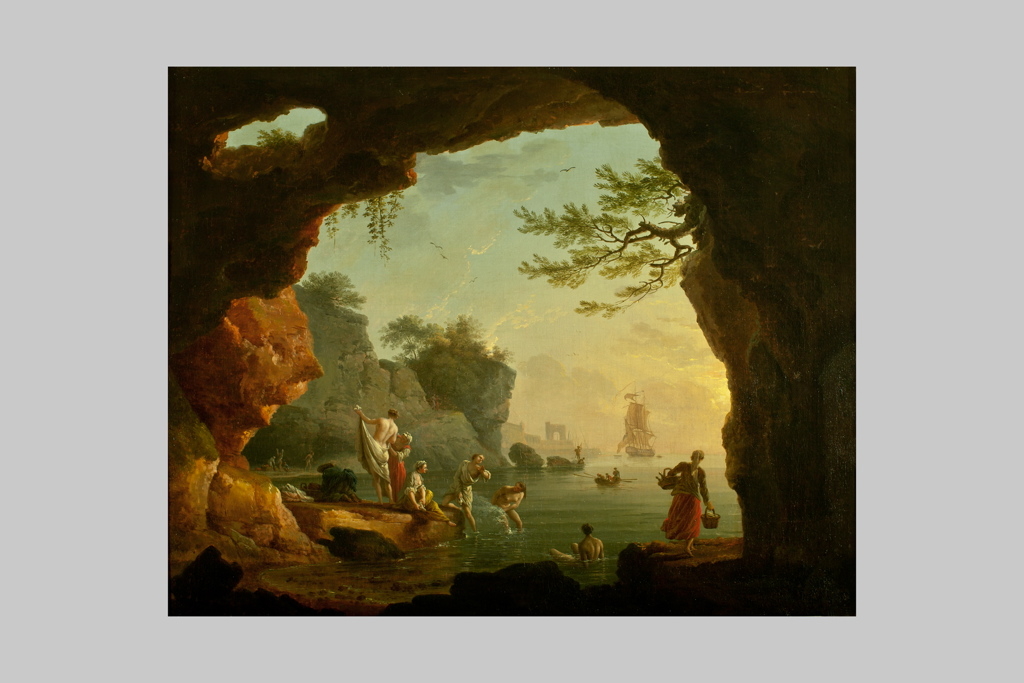
Jésus au milieu des docteurs
Czy można zobaczyć?
Nie wiadomo
Gdzie jest teraz „Jésus au milieu des docteurs”? Kolekcja: Musée des Beaux-Arts de Nîmes, Nîmes. Nie wiadomo, czy jest dziś na wystawie.
Nîmes, Francja
Wiemy, do kogo należy, ale nie wiemy, czy jest dziś na wystawie.
- Ten status od
- Źródło
- Muzeum
Szczegóły
- Numer inwentarzowy
- 242
Co przedstawia
W katalogu
Źródła
- Musée des Beaux-Arts de Nîmes
- Zdjęcie: Musée des Beaux-Arts de Nîmes — © Florent Gardin; Ministère de la Culture (France), base Joconde
Z życia: Mattia Preti
Cały życiorys1630–1653
Frequent journeys: Italy, Spain and Flanders
Although he remained in Rome for nearly twenty-five years, he travelled frequently throughout Italy and abroad, particularly to Spain and Flanders, and established contacts with Emilian painters of the preceding generation, Guercino and Giovanni Lanfranco, who further influenced his style.
early 1640s
The Preti brothers’ success in Roman circles
By the early 1640s the brothers were enjoying considerable success in Roman circles: numerous works by Mattia were catalogued in important private collections belonging to the local nobility, alongside significant public commissions.
31 October 1642
Admitted to the Order of St John of Jerusalem
He was admitted to the Order of St John of Jerusalem. The large canvas of Empress Faustina visiting Saint Catherine of Alexandria in prison (Dayton Art Institute, Dayton, Ohio) dates from this period: its original frame bore the Barberini coat of arms, and the work was most likely created to celebrate his knighthood.
1644–1646
A possible stay in Venice
Between 1644 and 1646 Preti may have spent time in Venice, but remained based in Rome until 1653. His interest in the Neo-Venetian style is evident in a series of mythological paintings he created for the Pallavicini Gallery in Rome, most notably “The Rape of Europa”, which shows his affinity with Guercino’s pictorial style.
1646–1651
A house near Piazza di Spagna with Bartolomeo Dardovini
From Easter 1646 until 1651 he is recorded as living fairly steadily in Rome, in a house near Piazza di Spagna alongside Bartolomeo Dardovini, who would later become one of his collaborators. He resumed working for the Roman nobility: his “The Concert”, “The Tribute Money” and “Hagar in the Desert” entered the city’s most illustrious collections, such as those of the Sacchetti and the Pamphilj; there were also public commissions, including the abbey’s processional banner and murals for the Abbey of San Martino al Cimino in Viterbo.