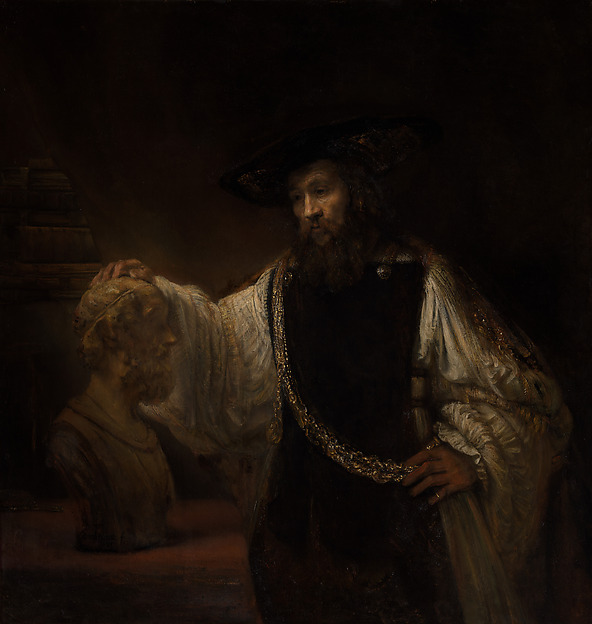
Oskar KokoschkaOostenrijk, 1886–1980
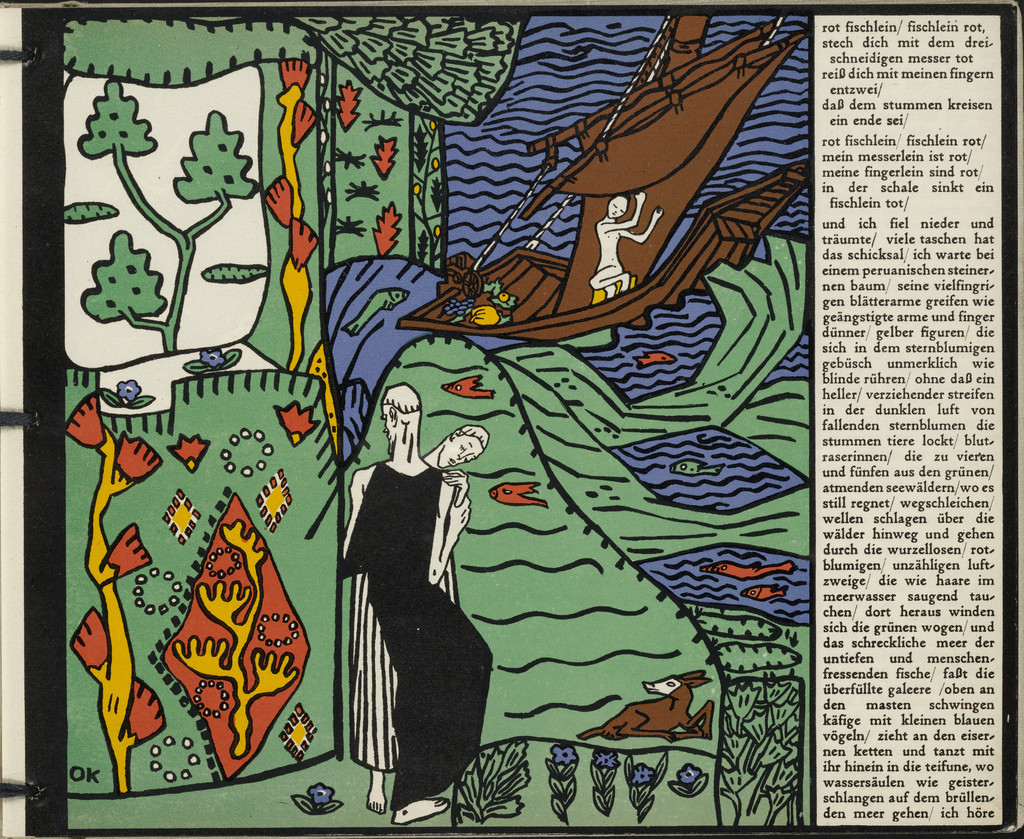
Walter Hasenclever
Kan ik het zien?
Nu niet te zien
Waar is „Walter Hasenclever” nu? Collectie: National Gallery of Art, Washington D.C. Nu niet te zien. Gecontroleerd 29 september 2026.

Washington D.C., Verenigde Staten
Het hoort bij de collectie, maar is momenteel niet tentoongesteld.
- Gecontroleerd
- Ongewijzigd sinds
- Bron
- Het museum
Gegevens
- Inventarisnummer
- 1994.60.38
Wat het toont
In de catalogus
Bronnen
- National Gallery of Art
- Afbeelding: National Gallery of Art — © the artist or rights holder
In het leven van Oskar Kokoschka
Het hele leven1915
Gravely wounded in the First World War
Having volunteered as a cavalryman in the Austrian army, Kokoschka was seriously wounded on the Galician front in 1915 and survived captivity, and the doctors at the hospital judged him mentally unstable. Nevertheless he went on working, travelling across Europe and painting landscapes.
1916
Meets Hofmannsthal and Rilke
In 1916 Kokoschka met Hugo von Hofmannsthal and Rainer Maria Rilke.
1917
The play “Job”
Kokoschka drew the impressions of the war into his play “Hiob” (“Job”) of 1917.
c. 1918 – 1919
The Alma doll
Unable to rid himself of painful memories of Alma, Kokoschka commissioned a life-sized female doll from the dollmaker Hermine Moos, later describing it in his book “Fetish” (1925). The doll did not satisfy him, and he destroyed it during a party.
1919
The play “Orpheus and Eurydice”
Ernst Krenek based an opera (1923) on Kokoschka’s play “Orpheus and Eurydice” (1919).
1919–1924
Professor at the Dresden Academy of Fine Arts
From 1919 Kokoschka was a professor at the Dresden Academy of Fine Arts.
![Ginevra de' Benci [obverse], Leonardo da Vinci, c. 1474/1478](https://api.nga.gov/iiif/8f29e3c9-a289-4d53-abf0-31a66e9e98fa/full/!2400,2400/0/default.jpg)
![Wreath of Laurel, Palm, and Juniper with a Scroll inscribed Virtutem Forma Decorat [reverse], Leonardo da Vinci, c. 1474/1478](https://api.nga.gov/iiif/ff62e8d0-45c4-498f-ad36-6358de827e04/full/!2400,2400/0/default.jpg)