ART WIKI33.040 te zien
KaartCollectieKunstenaarsMuseaTentoonstellingenJournal
Inloggen

ART WIKI

Waar het meesterwerk hangt en wanneer men u toelaat.

Collecties: Art Institute of Chicago, Cleveland Museum of Art, Getty Villa, Harvard Art Museums, Hermitage, Hirshhorn Museum and Sculpture Garden, J. Paul Getty Museum, Louvre, Metropolitan Museum of Art, Minneapolis Institute of Art, Museum of Modern Art, National Gallery of Art, National Museum of Asian Art, National Portrait Gallery, Poesjkinmuseum, Rijksmuseum Amsterdam, Russisch Museum, Smithsonian American Art Museum, Statens Museum for Kunst, Tretjakovgalerij, Victoria and Albert Museum, Whitney Museum of American Art, Staatscatalogus van het Russische museumfonds (274 musea), Europeana (19 musea), Wikidata (6 musea), Paris Musées (12 musea) en Joconde, de museumdatabank van het Franse ministerie van Cultuur (495 musea). De afbeeldingen behoren toe aan hun rechthebbenden.

Rubrieken

  • Kaart
  • Zoeken
  • Collectie
  • Meesterwerken
  • Nu te zien
  • Kunstenaars

Meer

  • Musea & galerieën
  • Tentoonstellingen
  • Journal
  • Waar de gegevens vandaan komen
  • Privacy & cookies
StartpaginaKaartCatalogus
  1. Collectie/
  2. Minneapolis Institute of Art/
  3. Wagtails
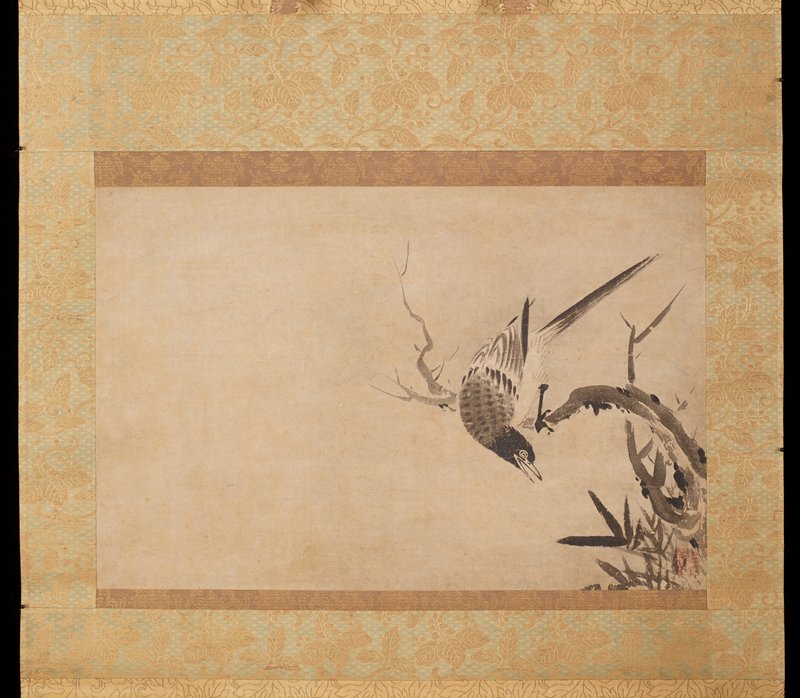
Wagtails, Kenkō Shōkei, early 16th century
KKenkō ShōkeiJapan, 1478–1506

Wagtails

early 16th century · Painting

Mag men het zien?

Ontvangt momenteel niet

Minneapolis Institute of Art

Minneapolis, Verenigde Staten

Het hoort bij de collectie, maar is momenteel niet tentoongesteld.

Gecontroleerd
9 dagen geleden
Ongewijzigd sinds
25 sep 2026
Bron
Het museum
Op de kaartMuseumpagina

Over het schilderij

Kenkō Shōkei was both a Zen priest and a highly skilled ink painter who spent most of his career at the major Zen monastery Kenchōji in the city of Kamakura. Here he depicted a pair of wagtails on branches in strikingly contrasting poses. One stares down to the right as if aiming at some prey, while the other stands straight with a glance to the left. Shōkei painted his birds using a rapid brush technique called “boneless” (that is, without outlines), a method seen as particularly suitable for Zen themes. This combination of compositional device and technique suggests that these wagtails once flanked a third painting of a Zen deity or patriarch as part of a devotional triptych. Pictures of birds or flowers often served this purpose in Zen painting. But Shōkei’s original format seems to have been radically transformed by some later owner.

Verder lezen

Not only is the central painting missing but the vertical seams on each painting suggest that a previous owner cut up the original paintings to create two large horizontal compositions. The new format was less suitable for a Zen temple but fit the wide display alcove typical of grand residences. This type of conversion of a once sacred image to a secular one was not uncommon in Japan after the 1500s.

Minneapolis Institute of Art

Gegevens

Inventarisnummer
2015.79.3.2

In de catalogus

SchilderijenInktJapanse schilderkunstRenaissance16e eeuwJapan

Bronnen

  • Minneapolis Institute of Art
  • Afbeelding: Minneapolis Institute of Art — public domain
Meer van Kenkō Shōkei

Alle werken
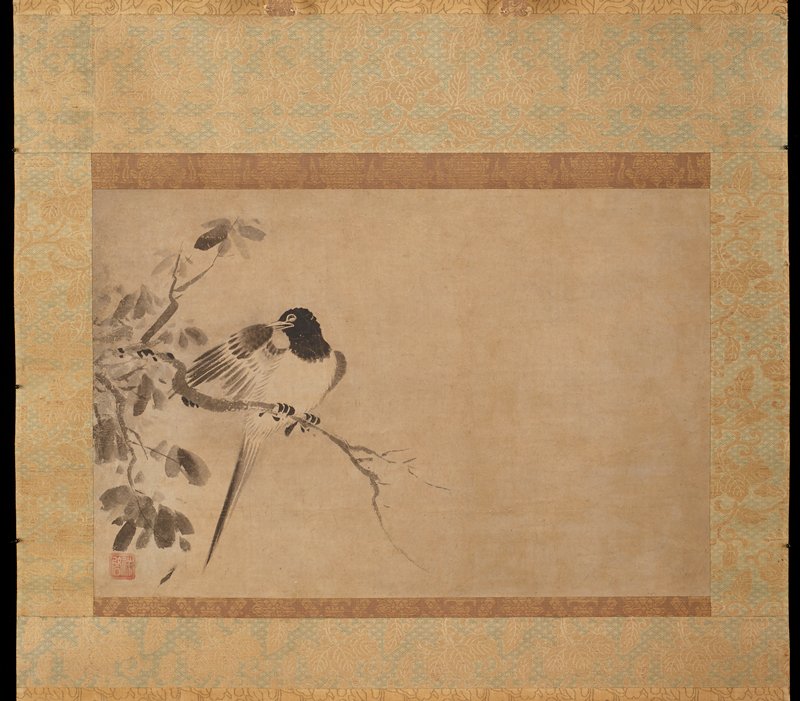
Wagtails, Kenkō Shōkei, early 16th century

Wagtails

early 16th century · Niet te zien · Minneapolis Institute of Art

Encounter of Yun-men Wen-yen and Fa-yen Wen-i, Kenko Shokei, 1473-1523

Encounter of Yun-men Wen-yen and Fa-yen Wen-i

1473-1523 · National Museum of Asian Art

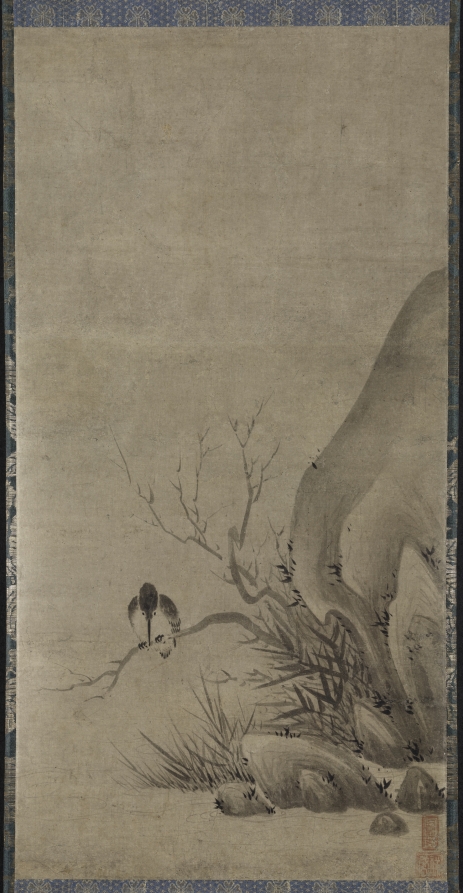
Kingfisher Perched above a Stream, Kenkō Shōkei, late 1400s

Kingfisher Perched above a Stream

late 1400s · Niet te zien · Cleveland Museum of Art

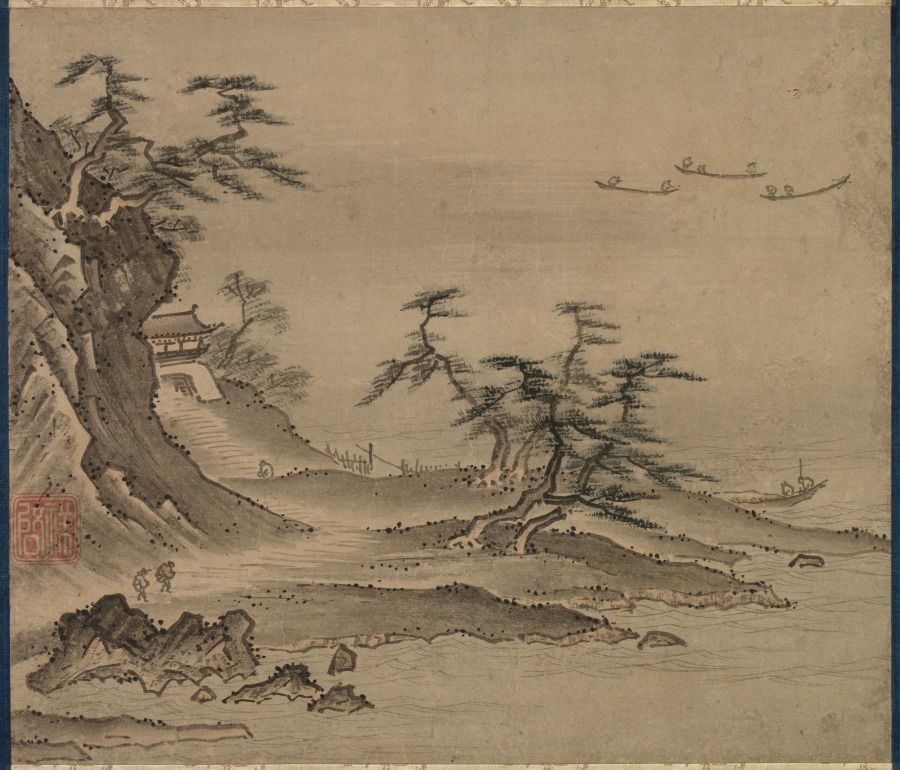
Landscape, Kenkō Shōkei, late 1400s–early 1500s

Landscape

late 1400s–early 1500s · Niet te zien · Cleveland Museum of Art

View of Xiao Xiang, Kenkō Shōkei, c. 1478–1506

View of Xiao Xiang

c. 1478–1506 · Niet te zien · Cleveland Museum of Art

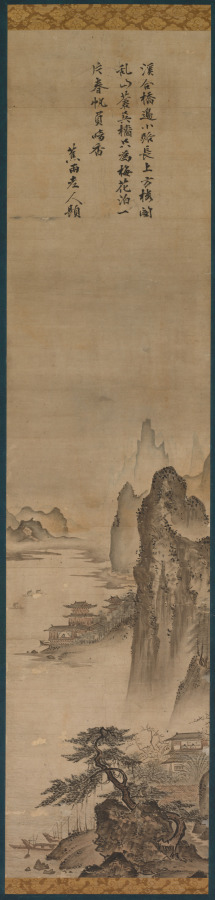
Lonely Temple and Towering Cliff, Kenkō Shōkei, c. 1480

Lonely Temple and Towering Cliff

c. 1480 · Niet te zien · Cleveland Museum of Art

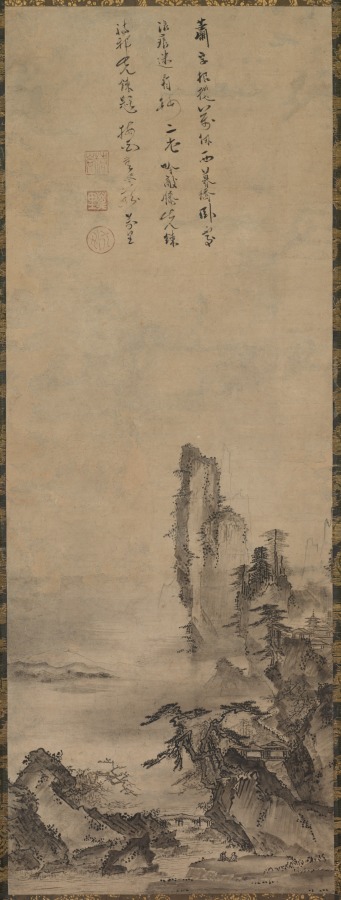
Landscape: mountains, stream and bridge, Kenko Shokei, late 15th-early 16th century

Landscape: mountains, stream and bridge

late 15th-early 16th century · National Museum of Asian Art

Buren in huis: Minneapolis Institute of Art

Museumpagina
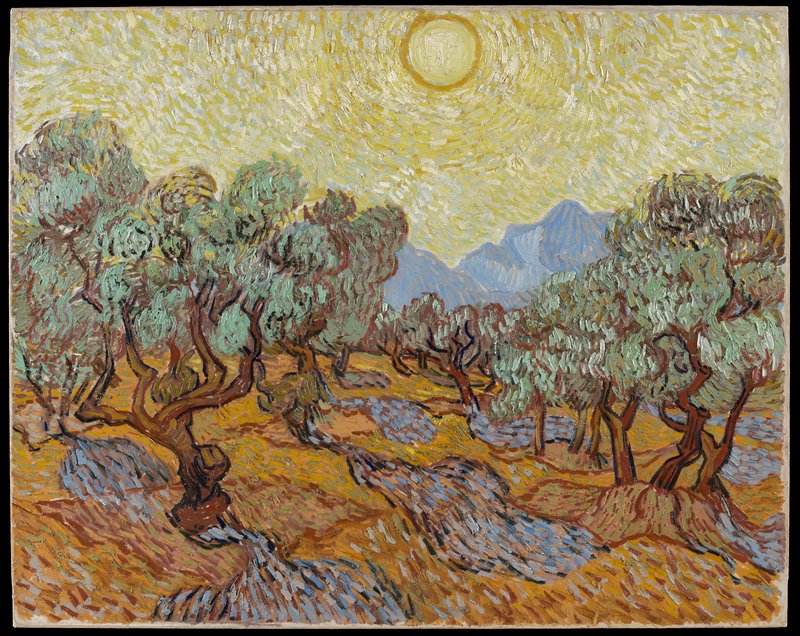
Olive Trees, Vincent van Gogh, 1889

Vincent van Gogh

Olive Trees, 1889

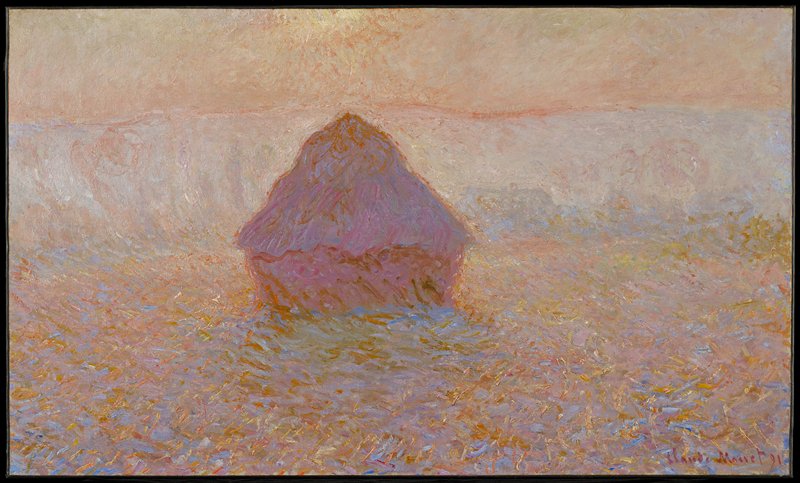
Grainstack, Sun in the Mist, Claude Monet, 1891

Claude Monet

Grainstack, Sun in the Mist, 1891

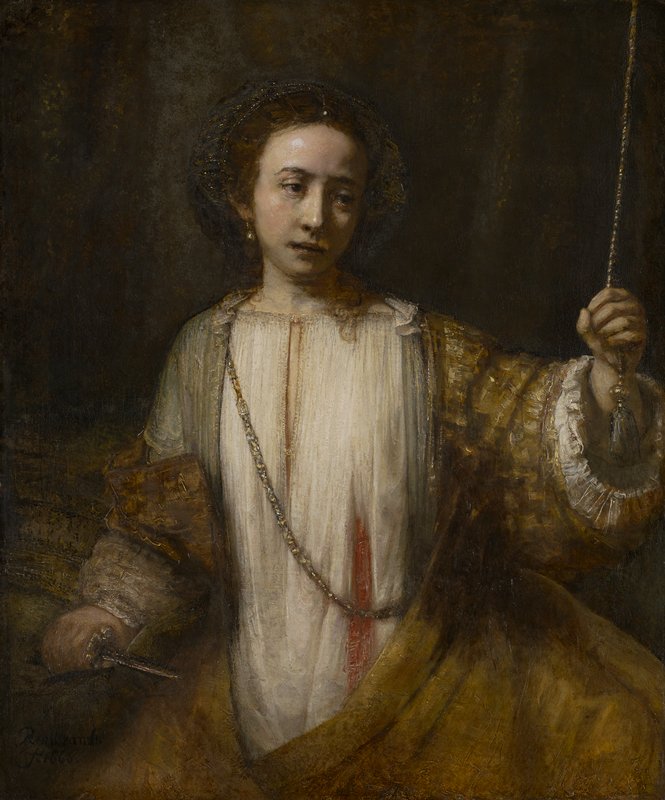
Lucretia, Rembrandt van Rijn, 1666

Rembrandt van Rijn

Lucretia, 1666

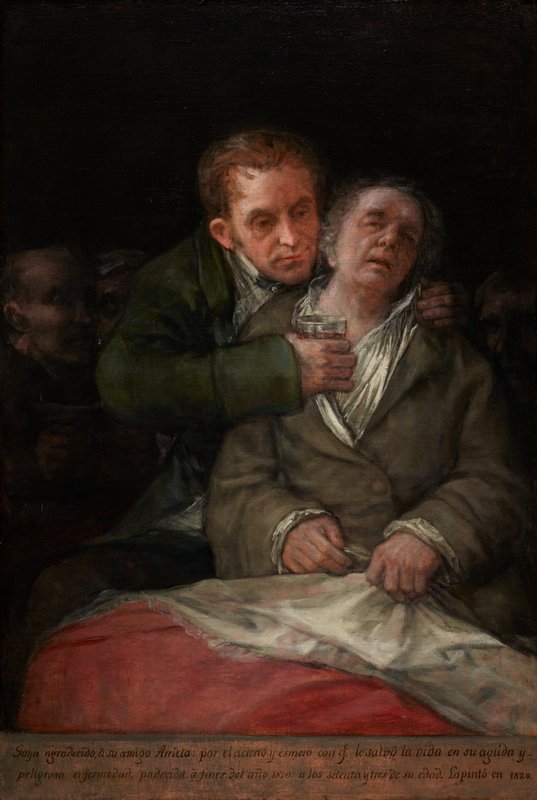
Self-Portrait with Dr. Arrieta, Francisco José de Goya y Lucientes, 1820

Francisco de Goya

Self-Portrait with Dr. Arrieta, 1820

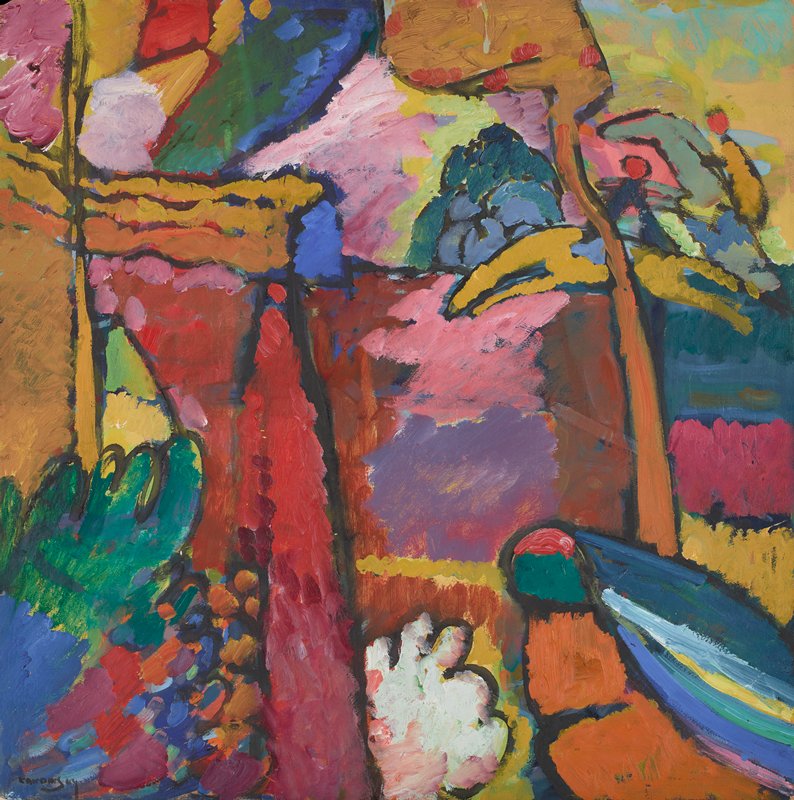
Study for Improvisation V, Vassily Kandinsky, 1910

Vasily Kandinsky

Study for Improvisation V, 1910

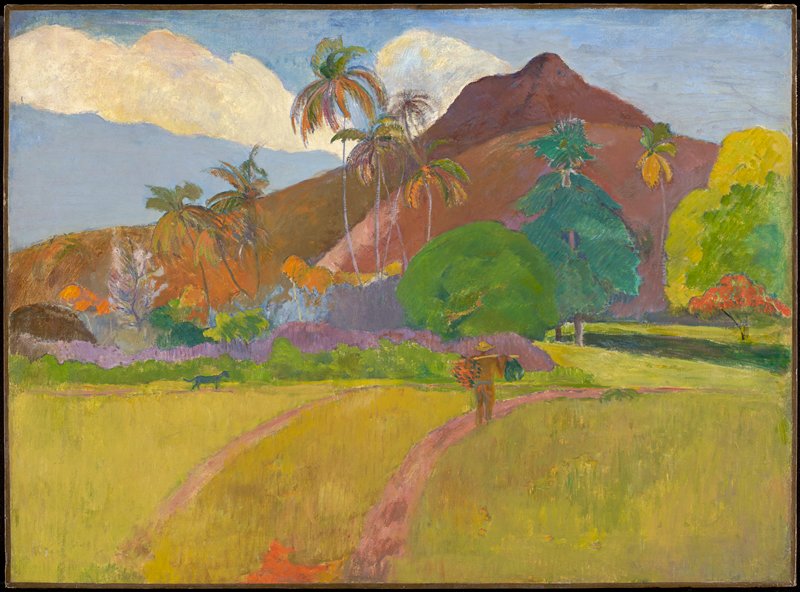
Tahitian Landscape, Paul Gauguin, 1891

Paul Gauguin

Tahitian Landscape, 1891

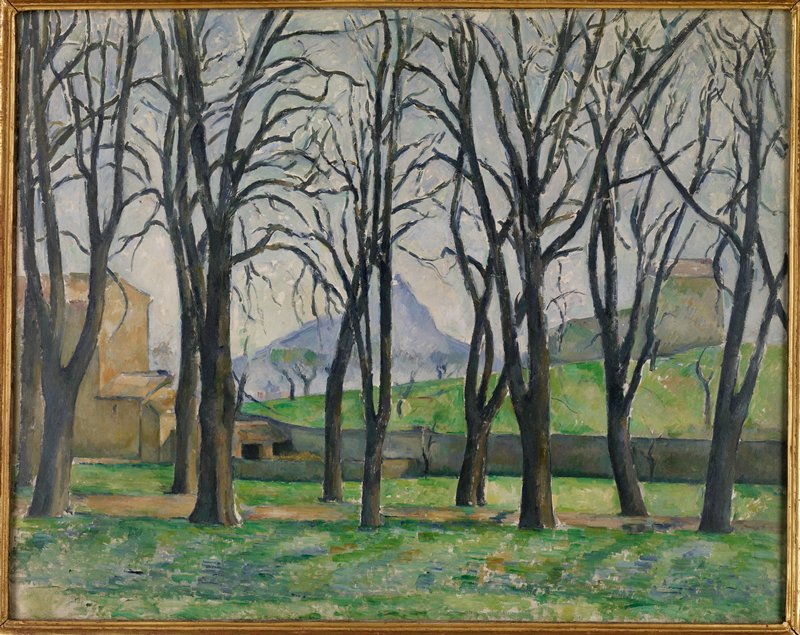
Chestnut Trees at Jas de Bouffan, Paul Cézanne, c. 1885–86

Paul Cézanne

Chestnut Trees at Jas de Bouffan, c. 1885–86

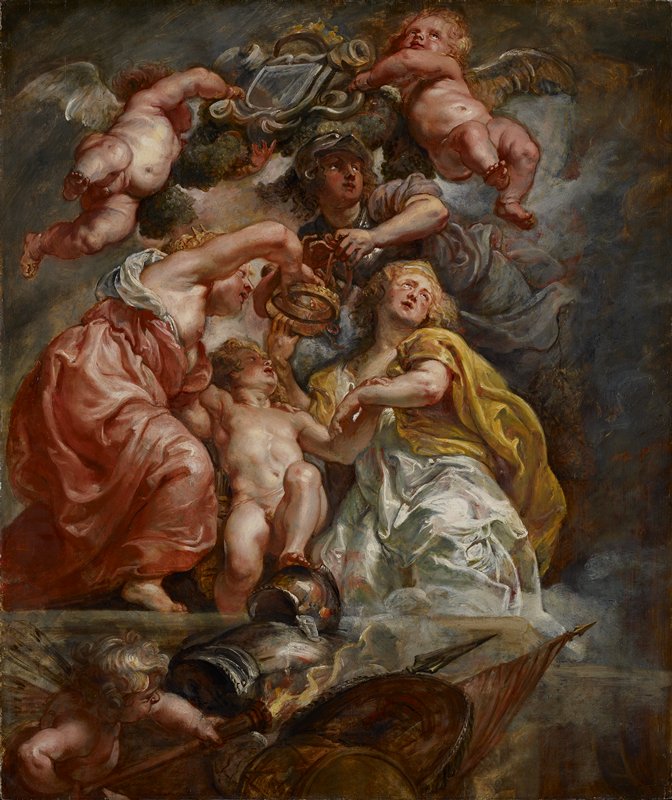
The Union of England and Scotland (Charles I as the Prince of Wales), Peter Paul Rubens, 1633–34

Peter Paul Rubens

The Union of England and Scotland (Charles I as the Prince of Wales), 1633–34