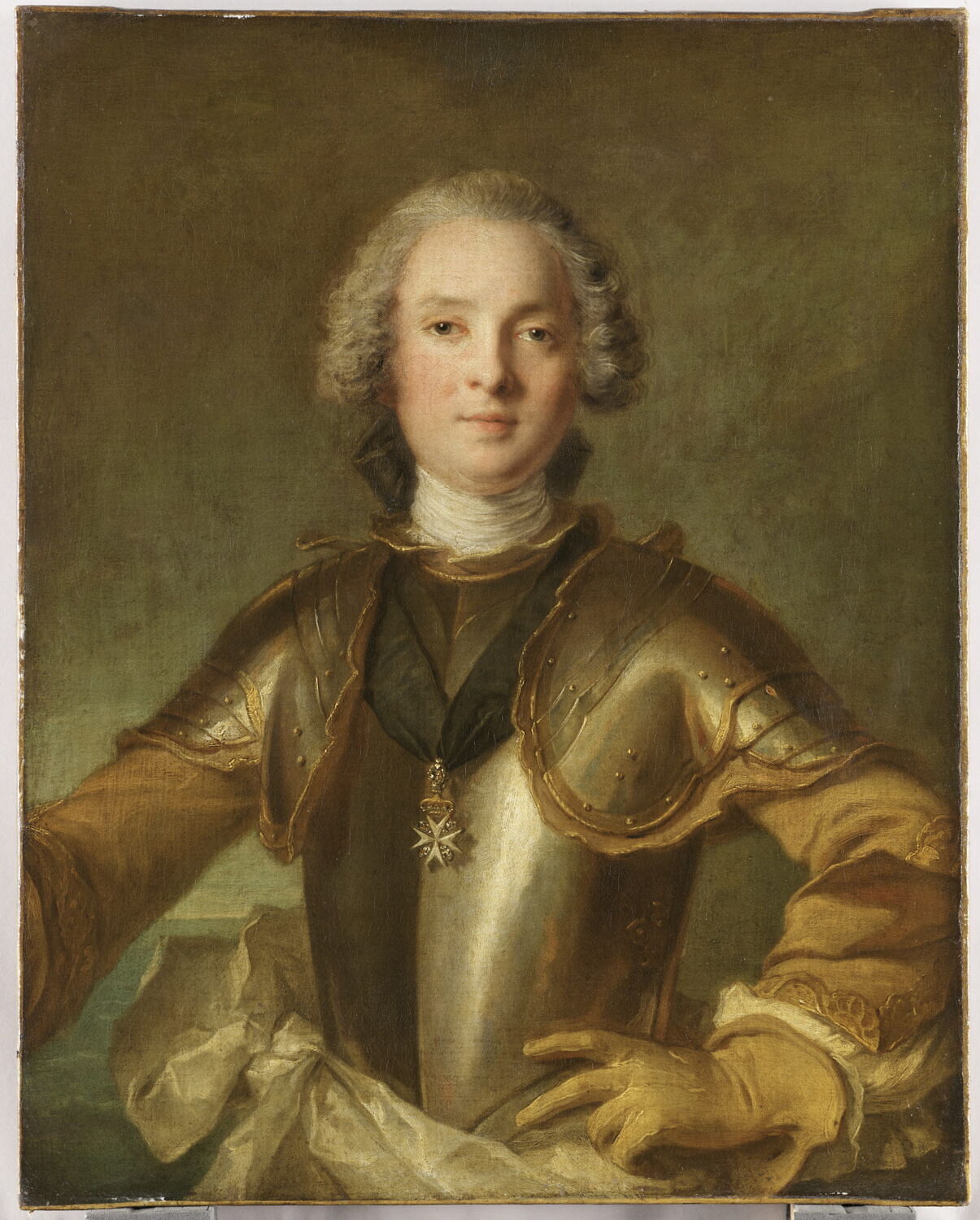
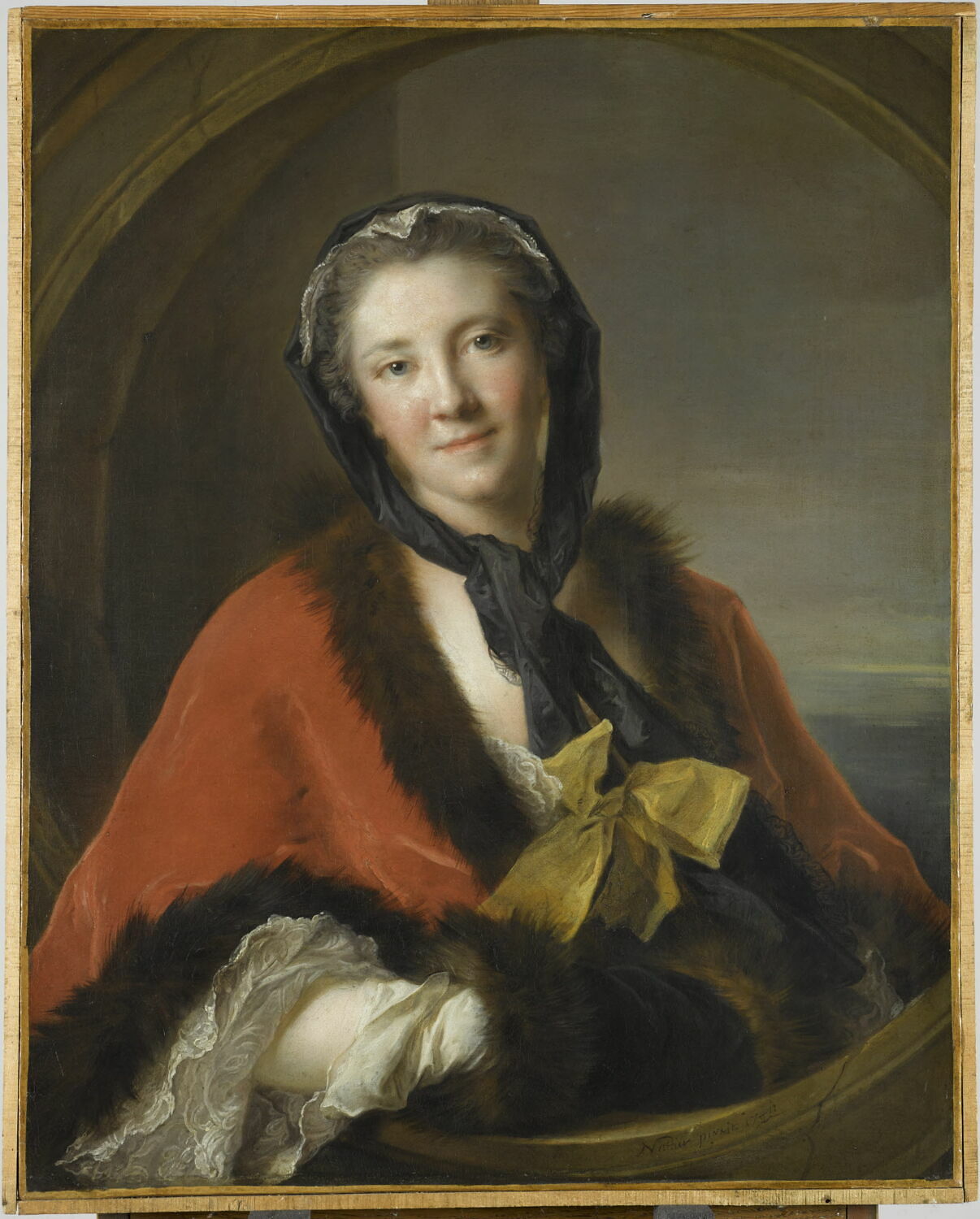
Jean-Marc NattierFrankrijk, 1685–1766
Vénus et l'Amour
Kan ik het zien?
Onbekend
Waar is „Vénus et l'Amour” nu? Collectie: Musée des Beaux-Arts de Marseille, Marseille. Onbekend.
Marseille, Frankrijk
De eigenaar is bekend; of het werk nu te zien is, is onbekend.
- Ongewijzigd sinds
- Bron
- Het museum
Gegevens
- Inventarisnummer
- BA 689
In de catalogus
Bronnen
- Musée des Beaux-Arts de Marseille
- Afbeelding: Musée des Beaux-Arts de Marseille — © Raphaël Chipault (Photographe) ; © Benjamin Soligny (Photographe); Ministère de la Culture (France), base Joconde
In het leven van Jean-Marc Nattier
Het hele levenc. 1715 – 1717
Declines to become Peter I’s court painter
Peter I offers Nattier the post of court painter in Russia, but he, citing his attachment to his homeland, declines and spends almost his entire life in Paris.
29 October 1718
Elected to the Academy for “Phineus and His Companions”
Nattier is elected to the Academy for his mythological painting “Phineus and His Companions Turned to Stone by the Head of Medusa”, painted after his return to Paris (now in the Musée des Beaux-Arts, Tours).
1720
A financial collapse all but ruins Nattier
The financial collapse of 1720, caused by the schemes of Law, all but ruined the painter. He had aspired to be a history painter, but was forced to devote all his energy to the more lucrative portrait.
1740s
Appointed first portraitist to Louis XV
In the 1740s Nattier is appointed first portraitist to King Louis XV. His portraits of court ladies as classical goddesses were very fashionable, partly because he could beautify a sitter while keeping her likeness.
1754
His son Jean-Marc drowns in the Tiber
Nattier had sent his son, who showed great promise, to Italy to finish his training as a painter; six months after reaching Rome the young man drowned while bathing in the Tiber.
7 november 1766
Died