
 Mark RothkoVerenigde Staten, 1903–1970
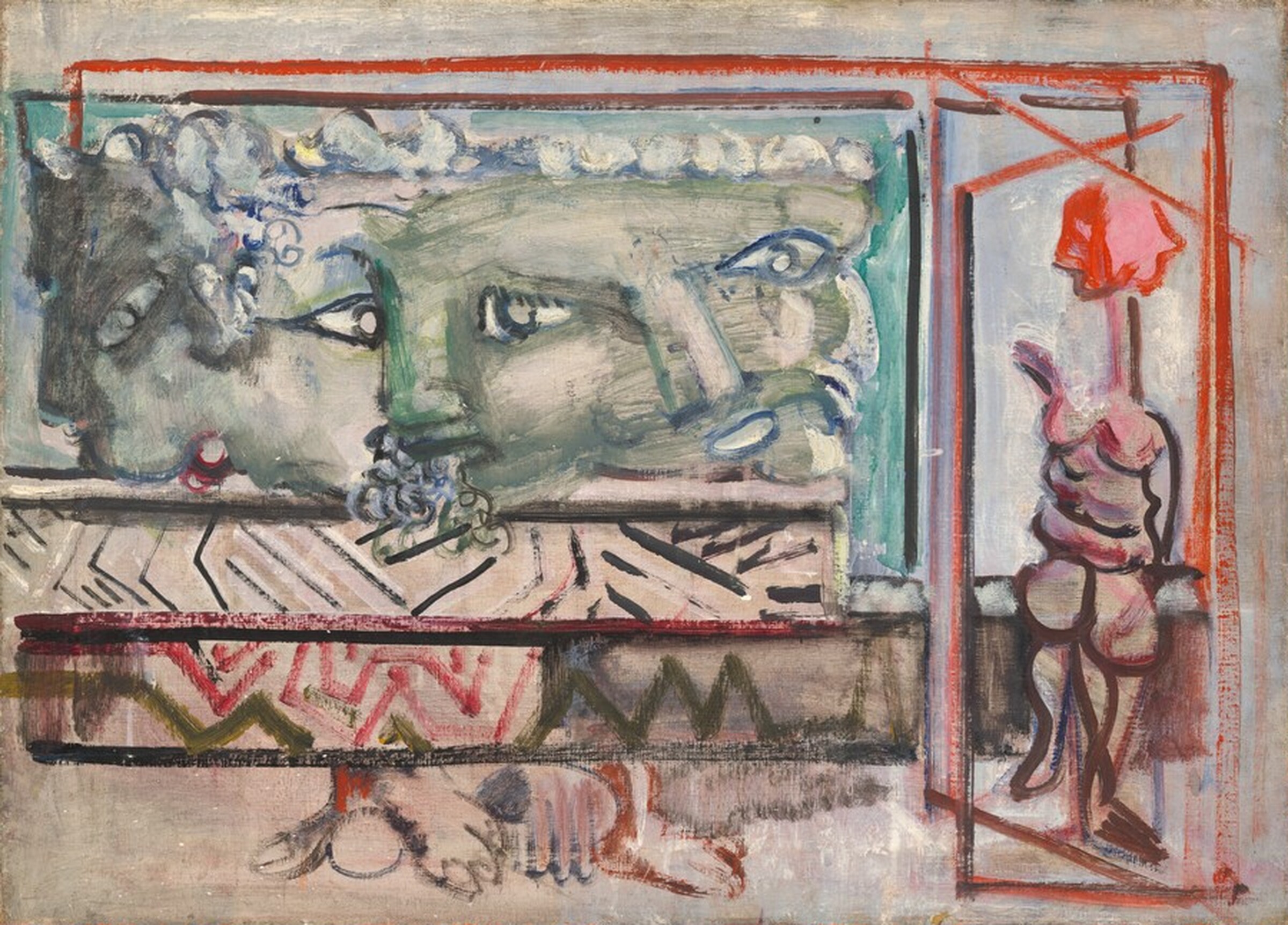
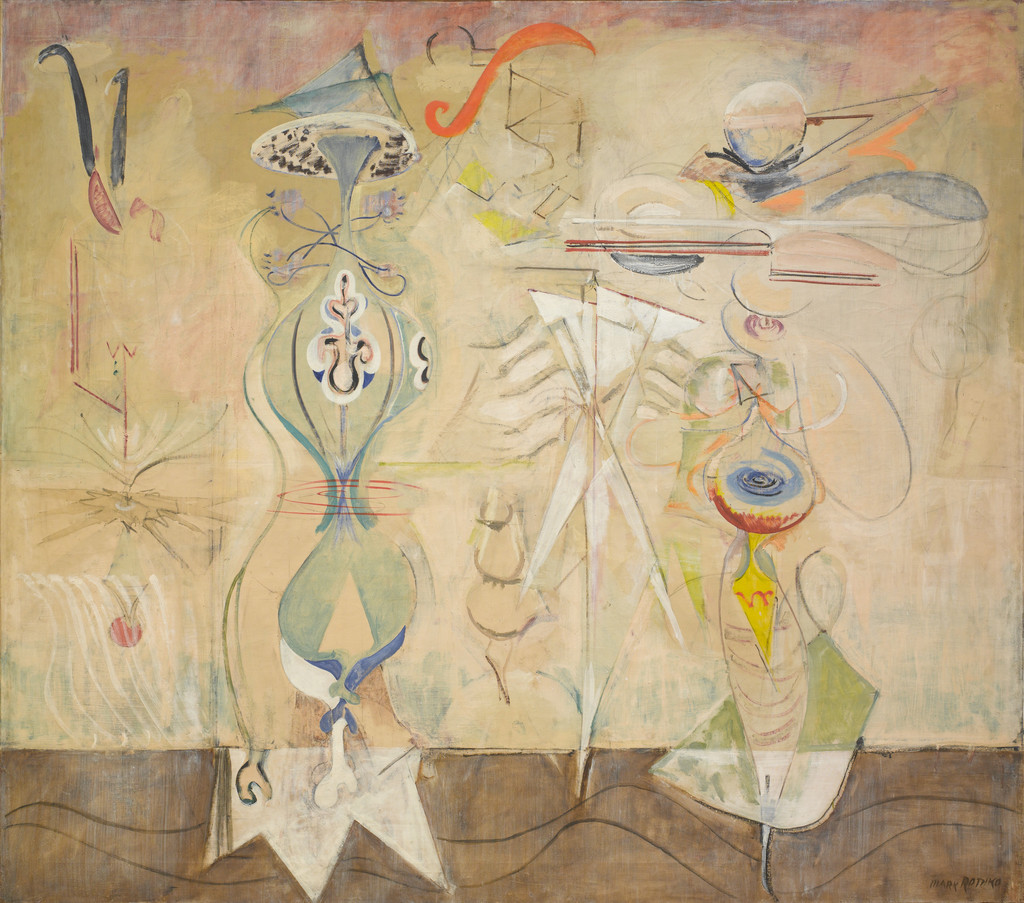
Untitled
Mag men het zien?
Ontvangt momenteel niet

National Gallery of Art
Washington D.C., Verenigde Staten
Het hoort bij de collectie, maar is momenteel niet tentoongesteld.
- Gecontroleerd
- 4 uur geleden
- Ongewijzigd sinds
- 19 aug 2026
- Bron
- De eigen collectiegegevens van het museum
About the painting
A group of paintings created by Mark Rothko now known as a series including works on canvas and paper produced before the artist's death by suicide.
The series has works which used both a combination of black and grey, or are monotone black, or with only a small quantity of color. The artists' works include an expression of color as more wholly dark, absent in previous works, from sometime during the 1950s.
Some of the serial of works were gifted by The Mark Rothko Foundation Incorporated to various city galleries in the United States, including: The Museum of Contemporary Art, Los Angeles, the Guggenheim and Museum of Modern Art of New York, the National Gallery of Art in Washington.
Altogether during 1970 the artist Rothko output three works of these
[
{\displaystyle [}
ACCESSION 85.27
]
{\displaystyle ]}
Read on
is possessed by MoCA LA: Untitled the final in the grey-black serial painting. Although black with or without grey was the theme of Rothko's end works his penultimate painting Untitled included blue. The termination of Rothko's art and life in 1970 was death, his final product, red only.
Gegevens
- Inventarisnummer
- 1986.43.165
What it shows
In de catalogus
Bronnen
- National Gallery of Art: the museum's own open data · opgehaald 6 dagen geleden
- Afbeelding: National Gallery of Art — © the artist or rights holder
Intussen, in het leven van Mark Rothko
Het hele leven1964–1970
The Rothko Chapel: six years of work
The chapel for the oil millionaires John and Dominique de Menil in Houston was originally meant to be Roman Catholic, and for the first three years, until 1967, Rothko believed it would remain so; he took a close interest in its layout and insisted on a central cupola. Because of his health he hired two assistants to apply the layers of paint; on half of the works he applied none himself, calling the completion of the paintings “torment”.
1964–1970
The last studio on East 69th Street
In 1964 Rothko moved into his last New York studio at 157 East 69th Street. To simulate the lighting he wanted for the chapel he equipped it with pulleys carrying large walls of canvas material to regulate light from a central cupola.
spring 1968
An aneurysm is discovered
In the spring of 1968 Rothko was found to have an arterial aneurysm. He kept drinking and smoking heavily and ignored his diet, but heeded the advice not to take on canvases more than a metre high and moved to more compact formats; in his declining health he also began painting most of his large works in acrylic rather than oil.
1 January 1969
Divorce from Mell and a move into the studio
His marriage to Mell Beistle, already in deep crisis, was strained further by his illness; on the first day of 1969 they divorced and Rothko moved into his studio.
25 February 1970
Death in his studio
On 25 February 1970 Rothko’s assistant Oliver Steindecker found him dead on the kitchen floor of his studio. The autopsy showed that he had taken his own life after taking a large dose of antidepressants.
25 februari 1970
Died




![Ginevra de' Benci [obverse], Leonardo da Vinci, c. 1474/1478](https://api.nga.gov/iiif/8f29e3c9-a289-4d53-abf0-31a66e9e98fa/full/!2400,2400/0/default.jpg)
![Wreath of Laurel, Palm, and Juniper with a Scroll inscribed Virtutem Forma Decorat [reverse], Leonardo da Vinci, c. 1474/1478](https://api.nga.gov/iiif/ff62e8d0-45c4-498f-ad36-6358de827e04/full/!2400,2400/0/default.jpg)


