
 Alexander CalderVerenigde Staten, 1898–1976
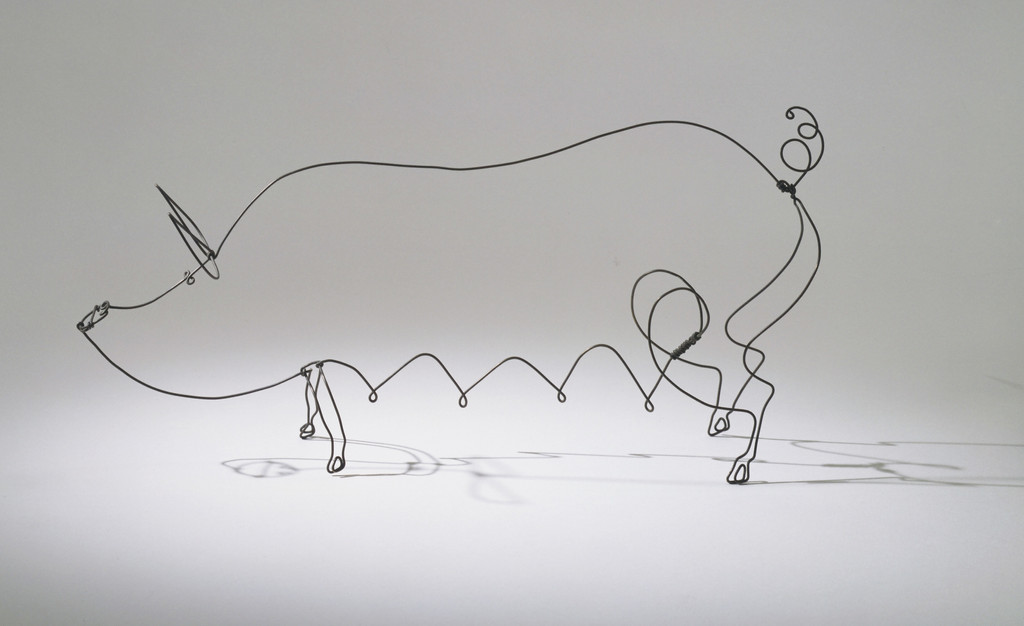
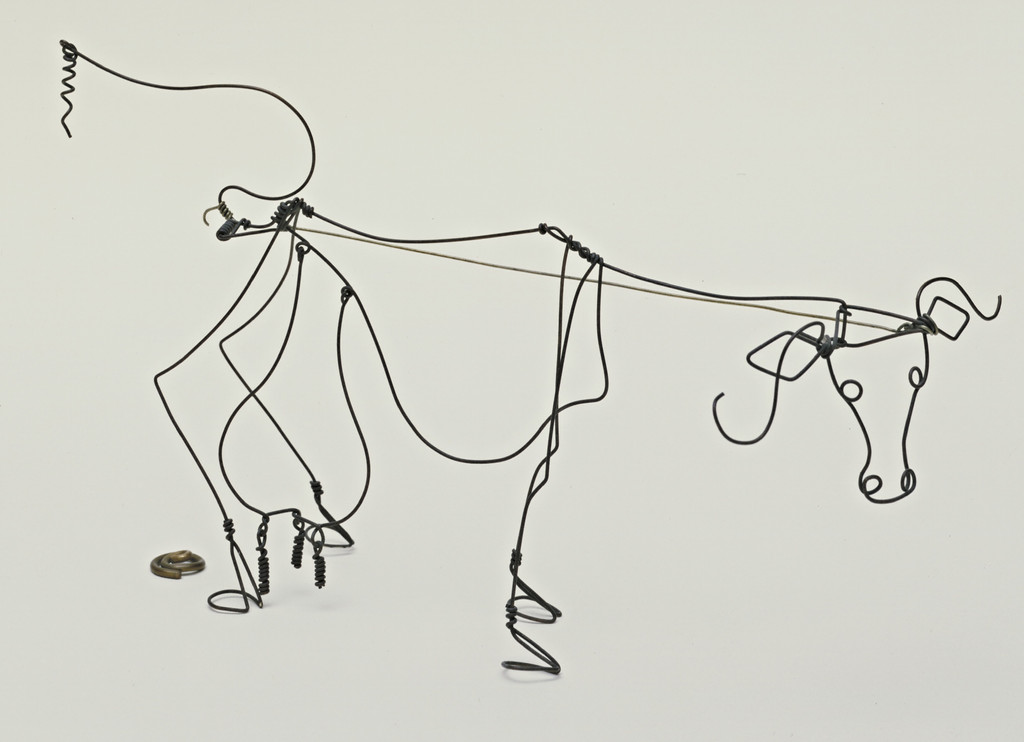
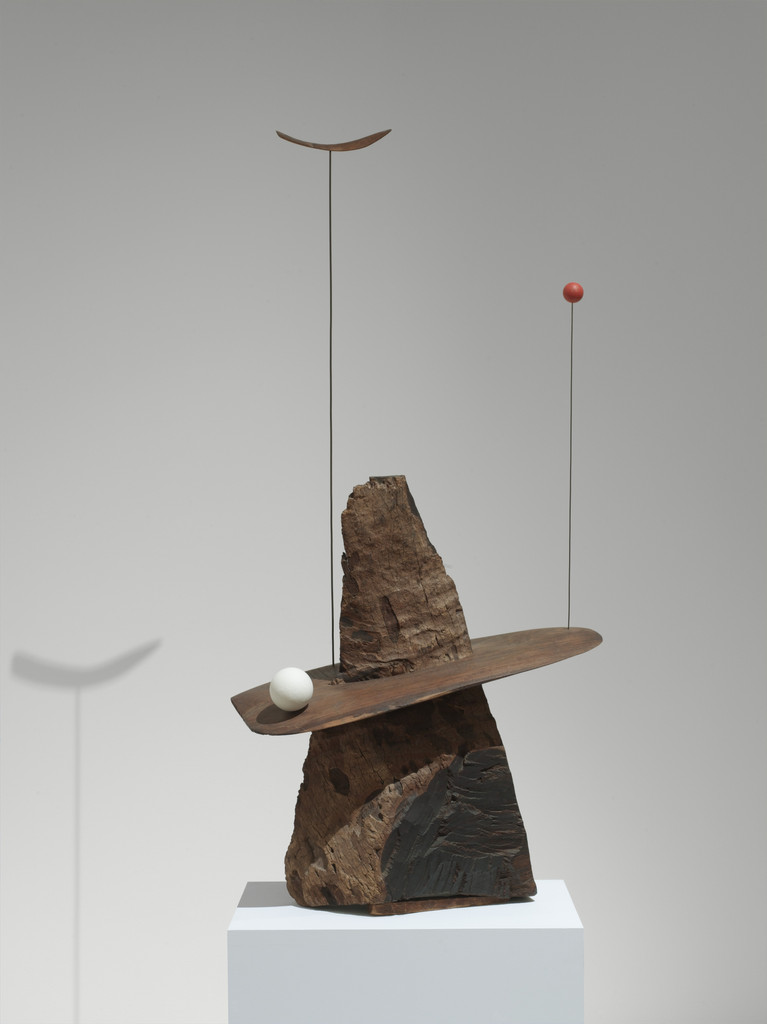
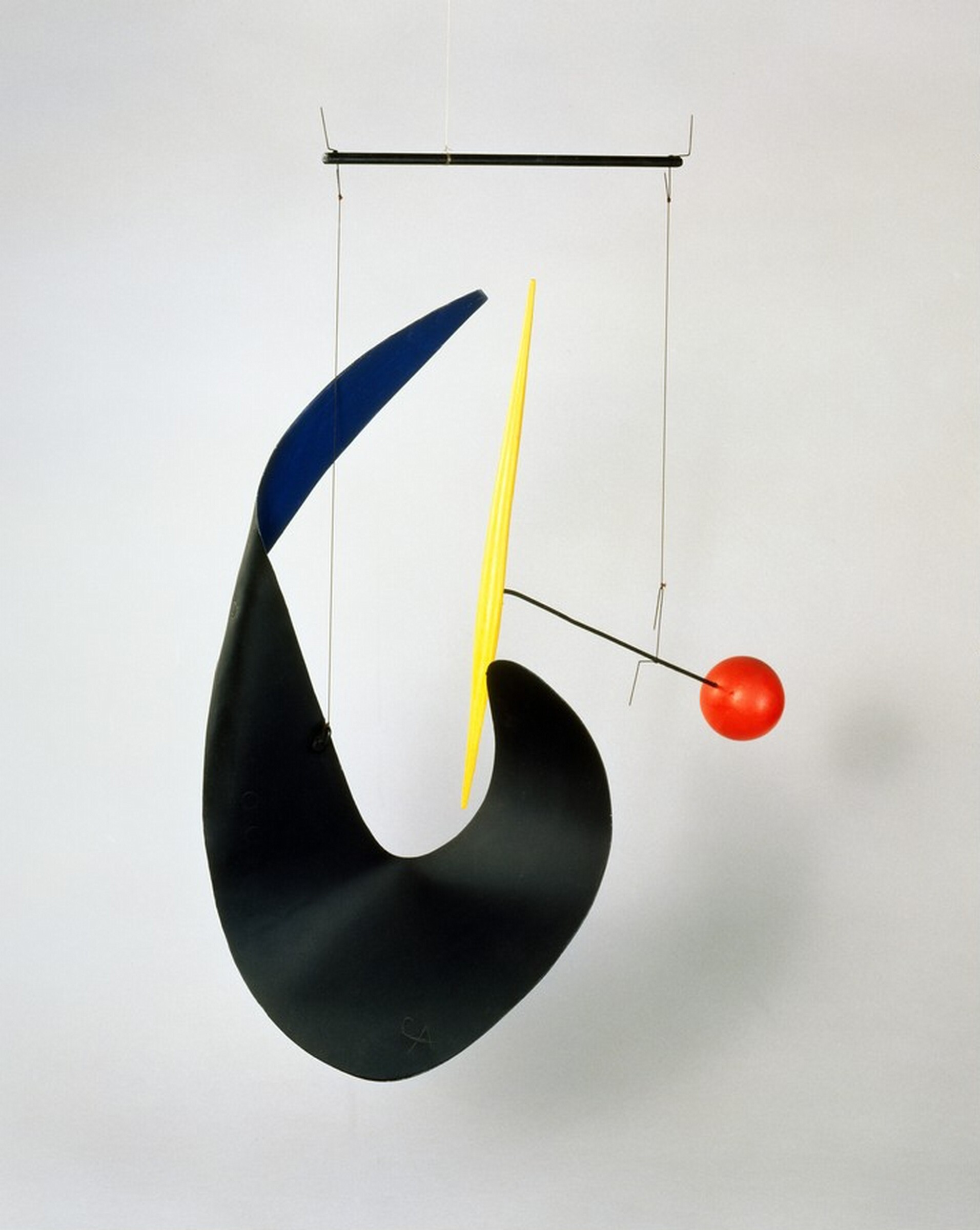
Untitled
Mag men het zien?
Ontvangt momenteel niet

National Gallery of Art
Washington D.C., Verenigde Staten
Het hoort bij de collectie, maar is momenteel niet tentoongesteld.
- Gecontroleerd
- Ongewijzigd sinds
- Bron
- De eigen collectiegegevens van het museum
Gegevens
- Inventarisnummer
- 2008.115.1146
What it shows
In de catalogus
Bronnen
- National Gallery of Art: the museum's own open data · opgehaald 7 dagen geleden
- Afbeelding: National Gallery of Art — © the artist or rights holder
Intussen, in het leven van Alexander Calder
Het hele leven1933
Back in America: a farmhouse in Roxbury
In 1933 Calder and Louisa return to America, to a farmhouse they have bought in Roxbury, Connecticut, where they will raise a family.
1934
MoMA buys its first Calder for $60
The Museum of Modern Art buys its first Calder for $60, after talking him down from $100; the museum has championed him since the early 1930s.
1935
His first solo museum exhibition in the United States
In 1935 Calder has his first solo museum exhibition in the United States, at The Renaissance Society at the University of Chicago.
1936
Barr’s exhibition “Cubism and Abstract Art”
Calder is one of three Americans included in Alfred H. Barr Jr.’s 1936 exhibition “Cubism and Abstract Art”; the Museum of Modern Art had championed him since the early 1930s.
1936
Small maquettes that grow into monuments
By 1936 Calder changes his working method: he makes a small maquette, the first step toward a monumental sculpture and one he considered a sculpture in its own right, and then enlarges it with a grid from a drawing on craft paper, as his father and grandfather had done.
1937
“Mercury Fountain” in the Spanish pavilion
At the 1937 Exposition Internationale des Arts et Techniques dans la Vie Moderne the Spanish pavilion includes Calder’s sculpture “Mercury Fountain”, made of sheet iron and mercury.




![Ginevra de' Benci [obverse], Leonardo da Vinci, c. 1474/1478](https://api.nga.gov/iiif/8f29e3c9-a289-4d53-abf0-31a66e9e98fa/full/!2400,2400/0/default.jpg)
![Wreath of Laurel, Palm, and Juniper with a Scroll inscribed Virtutem Forma Decorat [reverse], Leonardo da Vinci, c. 1474/1478](https://api.nga.gov/iiif/ff62e8d0-45c4-498f-ad36-6358de827e04/full/!2400,2400/0/default.jpg)


