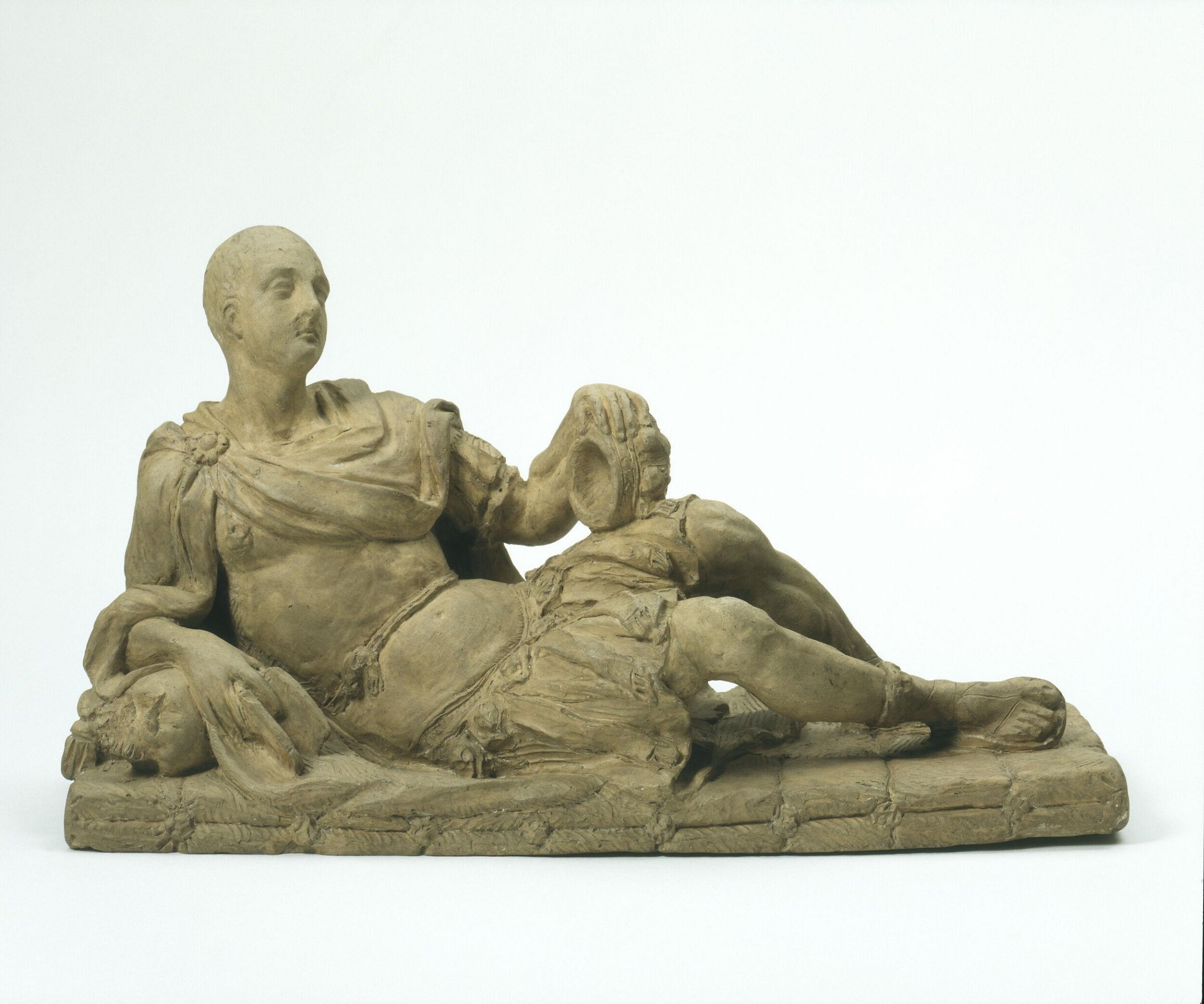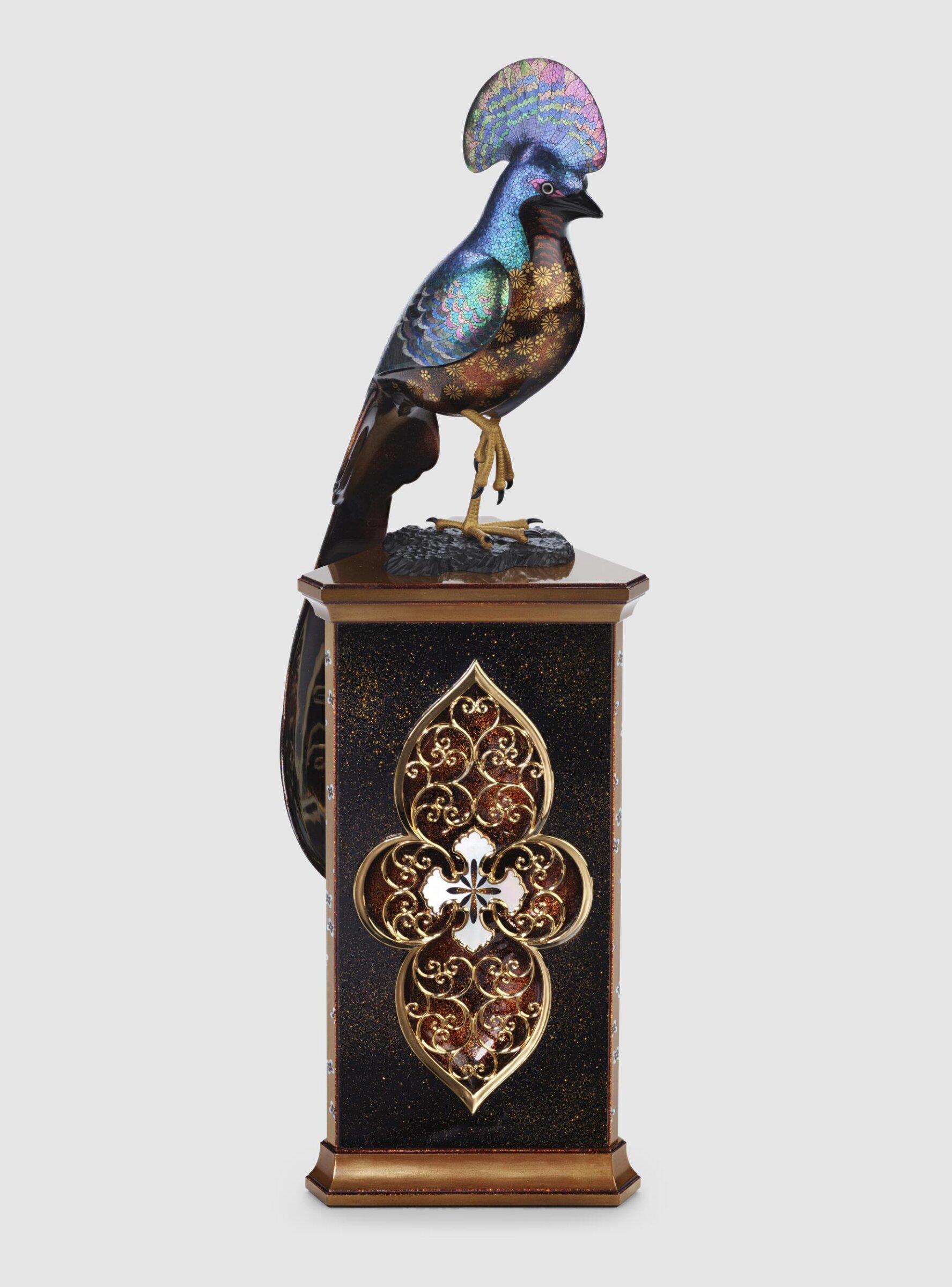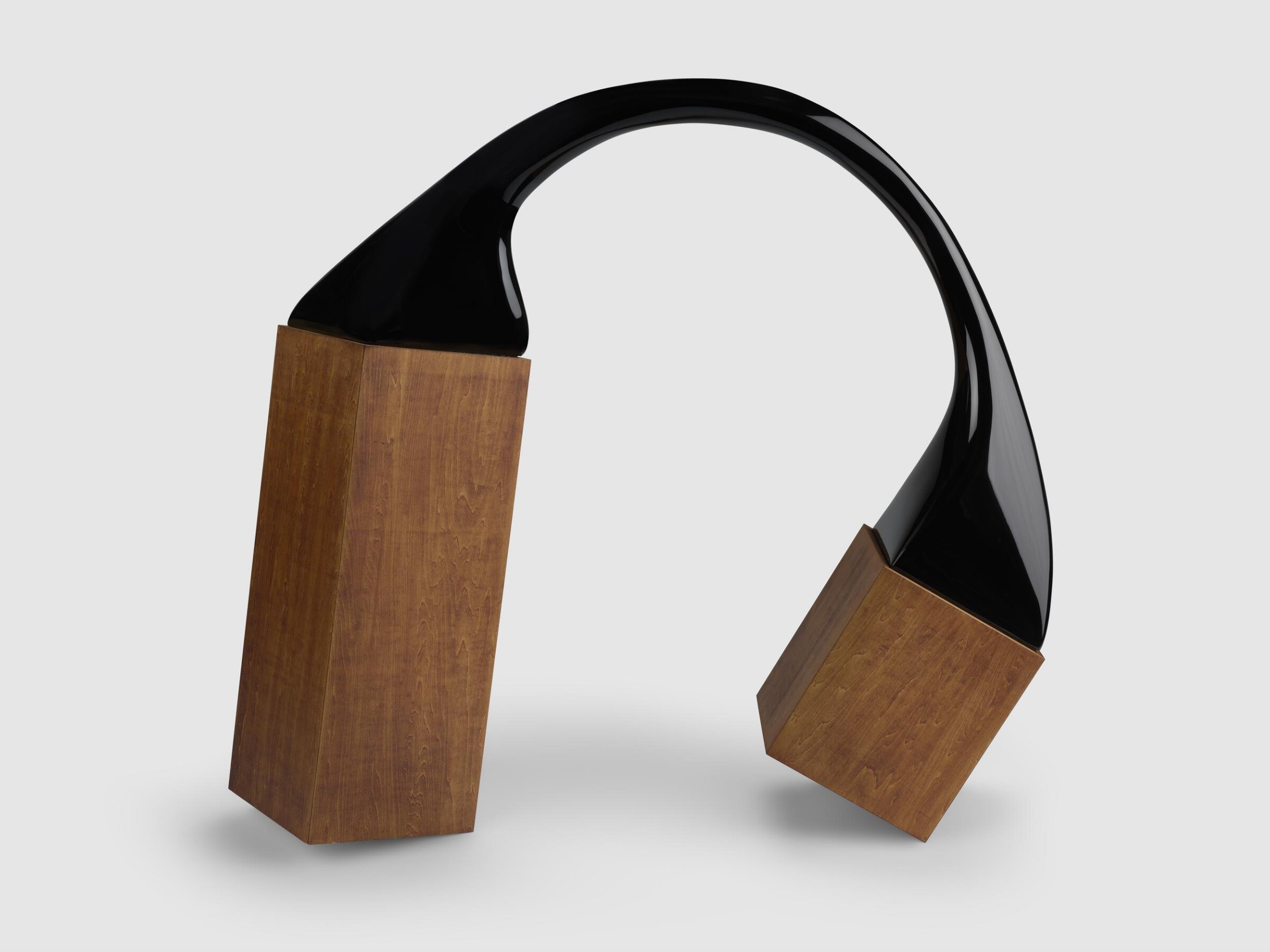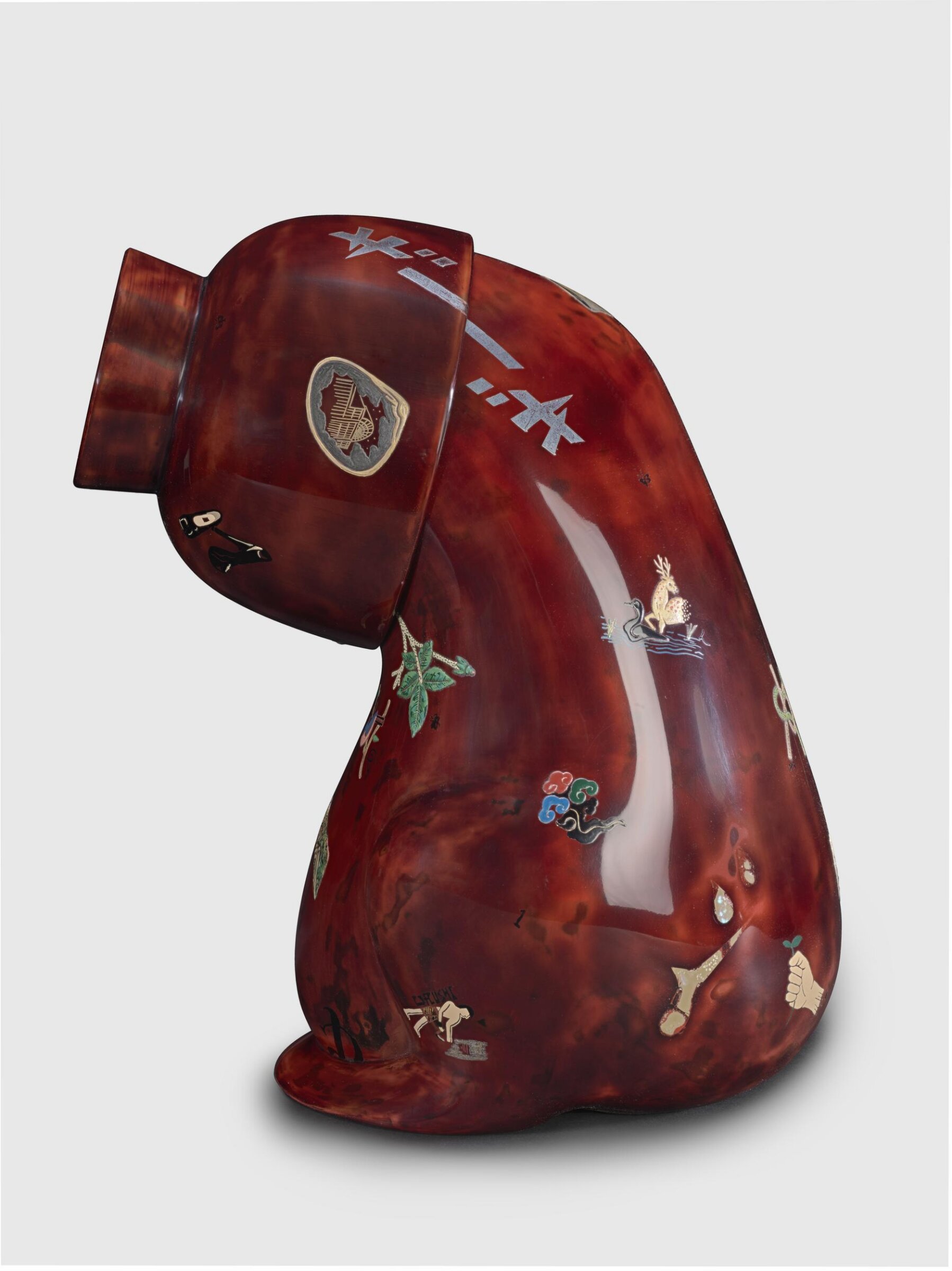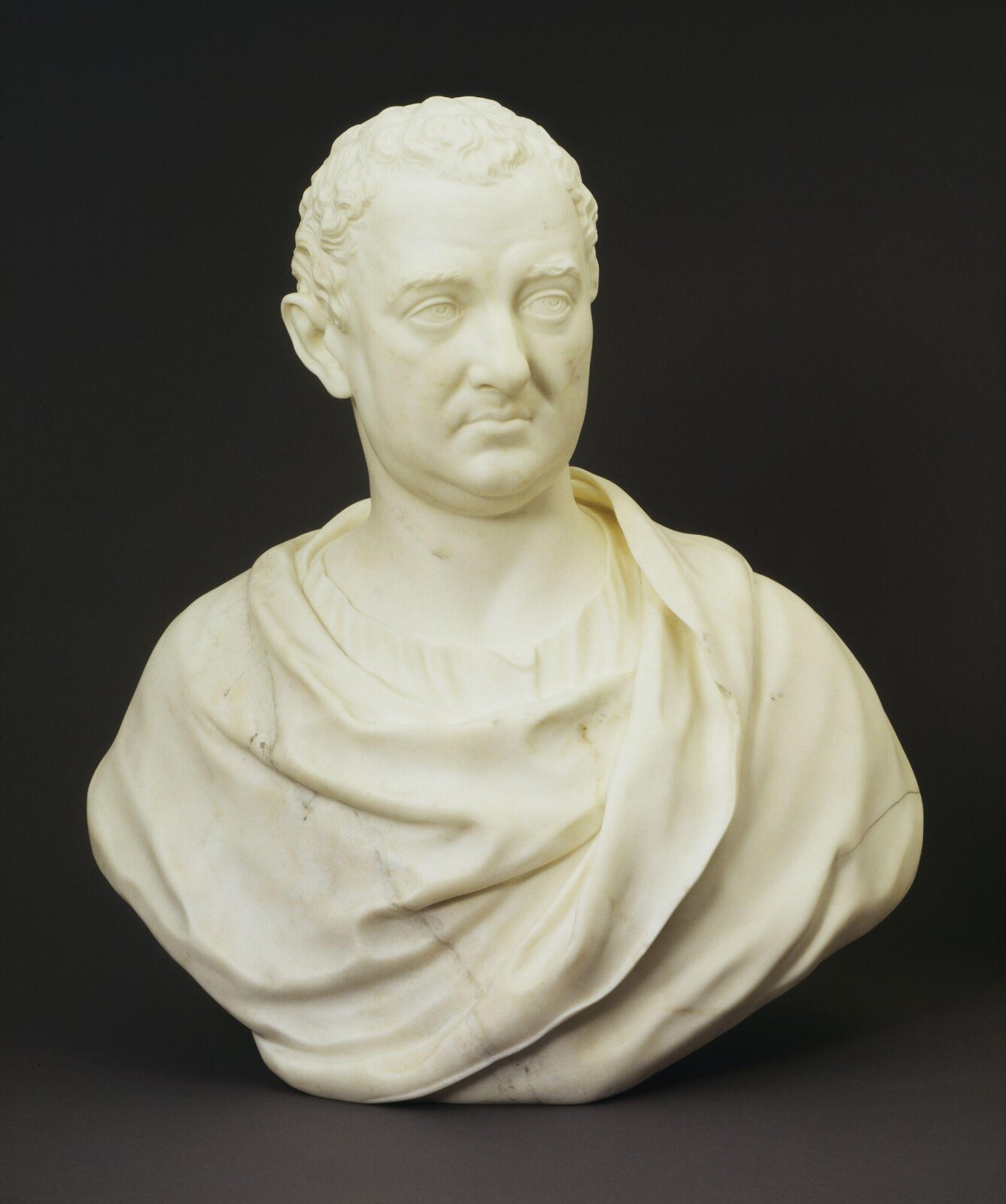
attributed to Peter Scheemakers
Unknown man
Mag men het zien?
Ja, het ontvangt bezoek

Victoria and Albert Museum
ZaalBritish Galleries, Room 52, The George Levy GalleryLonden, Verenigd Koninkrijk
Publiek tentoongesteld. Wie daarvoor instaat, staat hieronder.
- Gecontroleerd
- 8 dagen geleden
- Ongewijzigd sinds
- 25 sep 2026
- Bron
- De eigen collectiegegevens van het museum
About the sculpture
Object Type
This bust of a man is in a classicising style particularly popular in the mid-18th century. The toga the sitter wears denotes his public and political role, while also giving a classical timelessness to the portrait. The bust may have been a commission for a domestic interior, or possibly it is a commemorative bust, perhaps a version of one for a funerary monument, and therefore made posthumously.
People
Read on
Peter Scheemakers (1691-1781) was born in Antwerp and trained under his father, the sculptor Peter Scheemaekers the Elder (1652-1714). Scheemakers was in London by 1721, where he first collaborated with Pieter-Denis Plumier (1688-1721) and Laurent Delvaux (1696-1778) on the monument to John Sheffield, 1st Duke of Buckingham, for Westminster Abbey. Scheemakers continued in partnership with Delvaux, carving funerary monuments as well as garden statuary. They went together to Rome in 1728, where Scheemakers remained for two years before returning to England in 1730 and setting up an independent workshop. He spent the rest of his working life in England, concentrating on monuments and portrait busts.
Materials & Making
Marble busts were among the most prestigious types of portrait undertaken in Britain during the18th century. Marble, a relatively expensive material, was imported, usually from Italy via The Netherlands, since there are no marble quarries in this country. The skills needed to carve this material were often learned abroad, where an aspiring artist would probably gain his most important training assisting an established sculptor.
Victoria and Albert Museum
Gegevens
- Inventarisnummer
- A.61-1965
In de catalogus
Bronnen
- Victoria and Albert Museum: the museum's own open data · opgehaald 8 dagen geleden
- Afbeelding: Victoria and Albert Museum — © Victoria and Albert Museum, London