ART WIKI32.963 te zien
KaartCollectieKunstenaarsMuseaTentoonstellingenJournal
Inloggen

ART WIKI

Waar het meesterwerk hangt en wanneer men u toelaat.

Collecties: Art Institute of Chicago, Cleveland Museum of Art, Getty Villa, Harvard Art Museums, Hermitage, Hirshhorn Museum and Sculpture Garden, J. Paul Getty Museum, Louvre, Metropolitan Museum of Art, Minneapolis Institute of Art, Museum of Modern Art, National Gallery of Art, National Museum of Asian Art, National Portrait Gallery, Poesjkinmuseum, Rijksmuseum Amsterdam, Russisch Museum, Smithsonian American Art Museum, Statens Museum for Kunst, Tretjakovgalerij, Victoria and Albert Museum, Whitney Museum of American Art, Staatscatalogus van het Russische museumfonds (274 musea), Europeana (19 musea), Wikidata (6 musea), Paris Musées (12 musea) en Joconde, de museumdatabank van het Franse ministerie van Cultuur (495 musea). De afbeeldingen behoren toe aan hun rechthebbenden.

Rubrieken

  • Kaart
  • Zoeken
  • Collectie
  • Meesterwerken
  • Nu te zien
  • Kunstenaars

Meer

  • Musea & galerieën
  • Tentoonstellingen
  • Journal
  • Waar de gegevens vandaan komen
  • Privacy & cookies
StartpaginaKaartCatalogus
  1. Collectie/
  2. Cleveland Museum of Art/
  3. Twenty-three Deity Nairatma Mandala
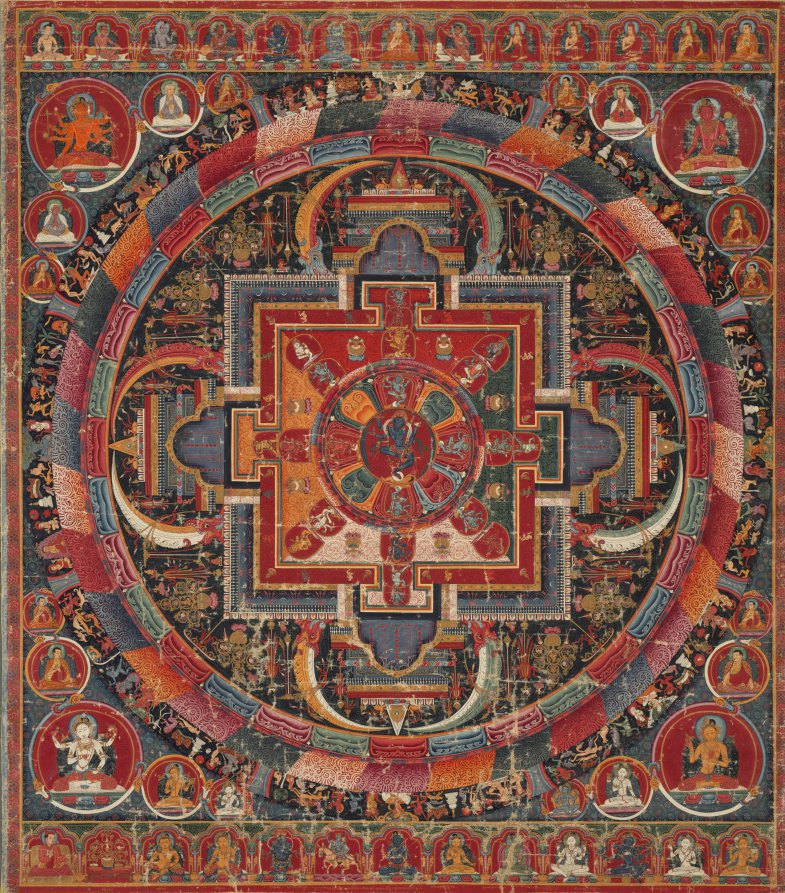
Twenty-three Deity Nairatma Mandala, c. 1375

Twenty-three Deity Nairatma Mandala

c. 1375 · Painting

Mag men het zien?

Ja, het ontvangt bezoek

Cleveland Museum of Art

Cleveland, Verenigde Staten

Zaal237 Himalayan

Publiek tentoongesteld. Wie daarvoor instaat, staat hieronder.

Gecontroleerd
eergisteren
Ongewijzigd sinds
28 sep 2026
Bron
Het museum
Op de kaartMuseumpagina

Over het schilderij

One of the main types of imagery in tantric Buddhist art is the mandala, a two-dimensional diagram of the realm of an enlightened being. This mandala depicts the palace of Nairatma, who dances in the center surrounded by her entourage. Using the painting as a guide, the tantric practitioner in meditation mentally projects the two-dimensional plan into three-dimensional space and enters into it. The outermost ring contains depictions of the cremation grounds, where corpses are being burned and consumed, as well as tantric yogis and masters who work there in order to understand the impermanence of the body, defeat their fear of death, and overcome irrational aversions to impure aspects of life. Virupa is depicted twice, always pointing to arrest the sun with his raised left hand.

Verder lezen

He sits among the row of lineage masters along the top edge, and is also depicted in the topmost segment of the ring of cremation grounds, being served a cup of liquor. Along with lineage masters at the top of this impressive painting, bodhisattvas and important masters are depicted in the spandrels, each identified by an inscription.

Cleveland Museum of Art

Gegevens

Inventarisnummer
1993.4

In de catalogus

SchilderijenTemperaMiddeleeuwenVóór 1400Central Tibet, Sakya-affiliated monastery, 14th century

Bronnen

  • Cleveland Museum of Art
  • Afbeelding: Cleveland Museum of Art — Museum open access
Buren in huis: Cleveland Museum of Art

Museumpagina
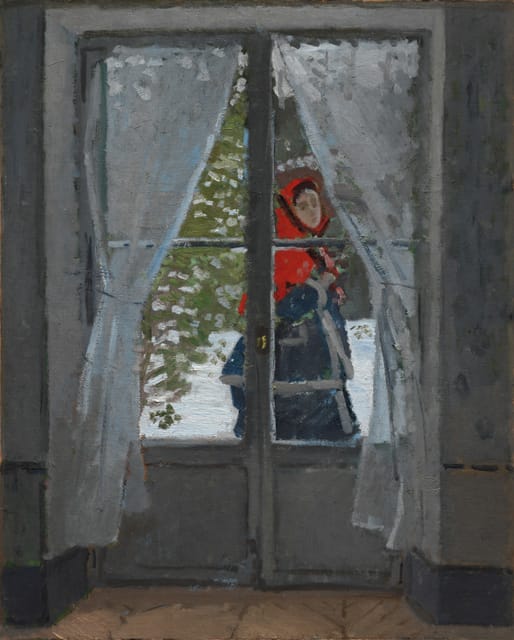
The Red Kerchief, Claude Monet, c. 1868–73

Claude Monet

The Red Kerchief, c. 1868–73

Melencolia I, Albrecht Dürer, 1514

Albrecht Dürer

Melencolia I, 1514

The Virgin and Child with the Pear, Albrecht Dürer, 1511

Albrecht Dürer

The Virgin and Child with the Pear, 1511

The Nativity, Albrecht Dürer, probably c. 1509/1510

Albrecht Dürer

The Nativity, probably c. 1509/1510

The Virgin and Child on a Crescent with a Starry Crown, Albrecht Dürer, 1508

Albrecht Dürer

The Virgin and Child on a Crescent with a Starry Crown, 1508

The Lamentation, Albrecht Dürer, 1507

Albrecht Dürer

The Lamentation, 1507

Large Horse, Albrecht Dürer, 1505

Albrecht Dürer

Large Horse, 1505

Nemesis (The Great Fortune), Albrecht Dürer, c. 1501/1502

Albrecht Dürer

Nemesis (The Great Fortune), c. 1501/1502