ART WIKI32.963 te zien
KaartCollectieKunstenaarsMuseaTentoonstellingenJournal
Inloggen

ART WIKI

Waar het meesterwerk hangt en wanneer men u toelaat.

Collecties: Art Institute of Chicago, Cleveland Museum of Art, Getty Villa, Harvard Art Museums, Hermitage, Hirshhorn Museum and Sculpture Garden, J. Paul Getty Museum, Louvre, Metropolitan Museum of Art, Minneapolis Institute of Art, Museum of Modern Art, National Gallery of Art, National Museum of Asian Art, National Portrait Gallery, Poesjkinmuseum, Rijksmuseum Amsterdam, Russisch Museum, Smithsonian American Art Museum, Statens Museum for Kunst, Tretjakovgalerij, Victoria and Albert Museum, Whitney Museum of American Art, Staatscatalogus van het Russische museumfonds (274 musea), Europeana (19 musea), Wikidata (6 musea), Paris Musées (12 musea) en Joconde, de museumdatabank van het Franse ministerie van Cultuur (495 musea). De afbeeldingen behoren toe aan hun rechthebbenden.

Rubrieken

  • Kaart
  • Zoeken
  • Collectie
  • Meesterwerken
  • Nu te zien
  • Kunstenaars

Meer

  • Musea & galerieën
  • Tentoonstellingen
  • Journal
  • Waar de gegevens vandaan komen
  • Privacy & cookies
StartpaginaKaartCatalogus
  1. Collectie/
  2. Cleveland Museum of Art/
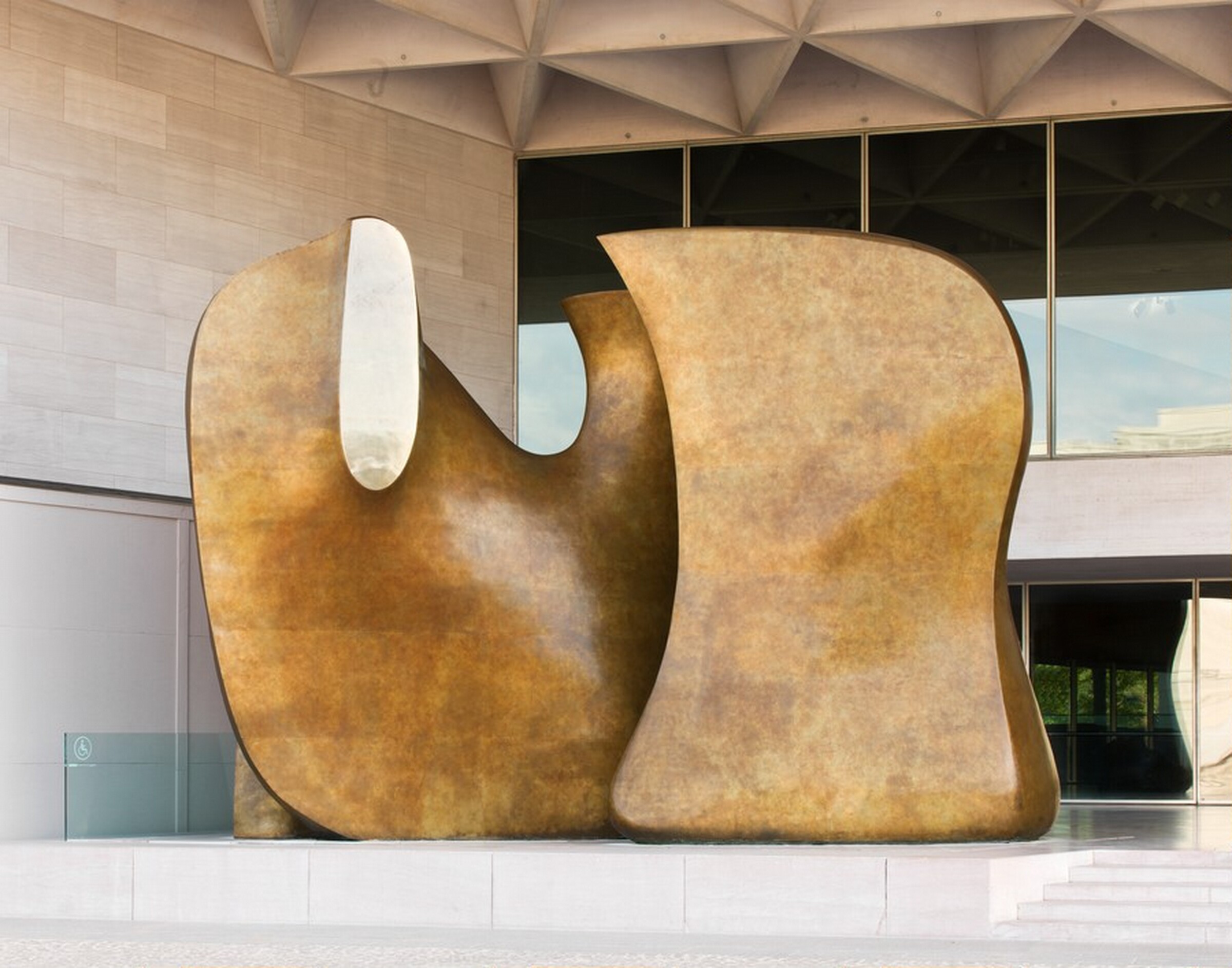
  3. Three-Way Piece No. 2: Archer
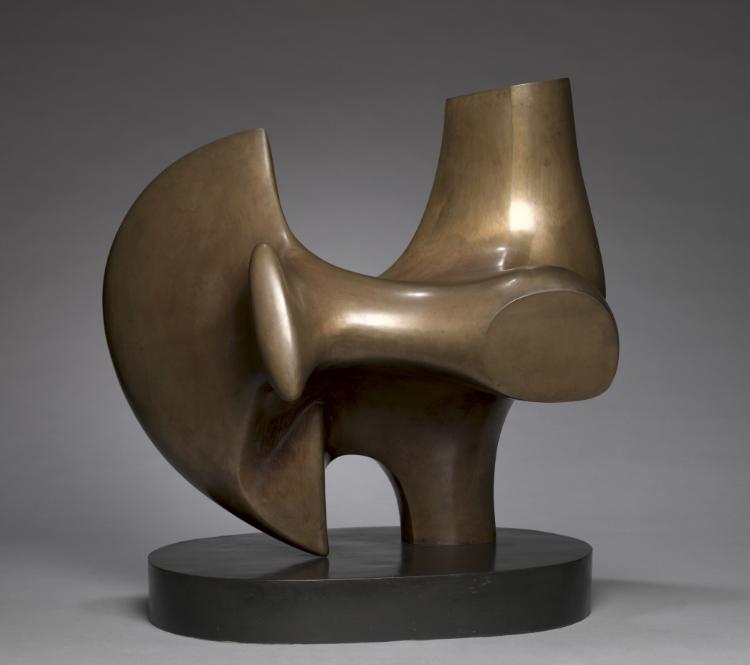
Three-Way Piece No. 2: Archer, Henry Moore, 1964
Henry Moore, portretHenry MooreEngeland, 1898–1986

Three-Way Piece No. 2: Archer

1964 · Sculpture

Over de sculptuur

Considered by many to be the 20th century's greatest figurative sculptor, Henry Moore was also the creator of remarkable abstract works. Three-Way Piece No. 2: Archer does not literally depict an archer; rather it evokes the qualities of vigor, strength, and conflict associated with warriors or hunters. The "three ways" of the title may refer to the three main elements of the work. First, a large sweeping curved form suggests a bent bow pulling in one direction. Second, a curved vertical section represents the torso of an archer, which joins the base and leans backward. Finally, a horizontal section protruding from one side is reminiscent of an arm connecting the archer's torso to the bow. Using these abstract elements, Moore created a sculpture that may remind us of ancient images of hunters—from those drawn on cave walls to classical Greek warriors. Three-Way Piece No. 2: Archer captures the energy of the hunt in a thoroughly modern way.

Cleveland Museum of Art

Gegevens

1964 · op 66-jarige leeftijd
18981986
Inventarisnummer
1970.112

Meer van Henry Moore

Alle werken

Buren in huis: Cleveland Museum of Art

Museumpagina

Mag men het zien?

Ja, het ontvangt bezoek

Cleveland Museum of Art

Cleveland, Verenigde Staten

ZaalAAE Art Allée East

Publiek tentoongesteld. Wie daarvoor instaat, staat hieronder.

Gecontroleerd
3 dagen geleden
Ongewijzigd sinds
19 aug 2026
Bron
Het museum
Op de kaartMuseumpagina

In de catalogus

BeeldhouwkunstBronsNaoorlogse kunst20e eeuwEngland, 20th century

Bronnen

  • Cleveland Museum of Art
  • Afbeelding: Cleveland Museum of Art — © 2010 The Henry Moore Foundation. All Rights Reserved / Artists Rights Society (ARS), New York
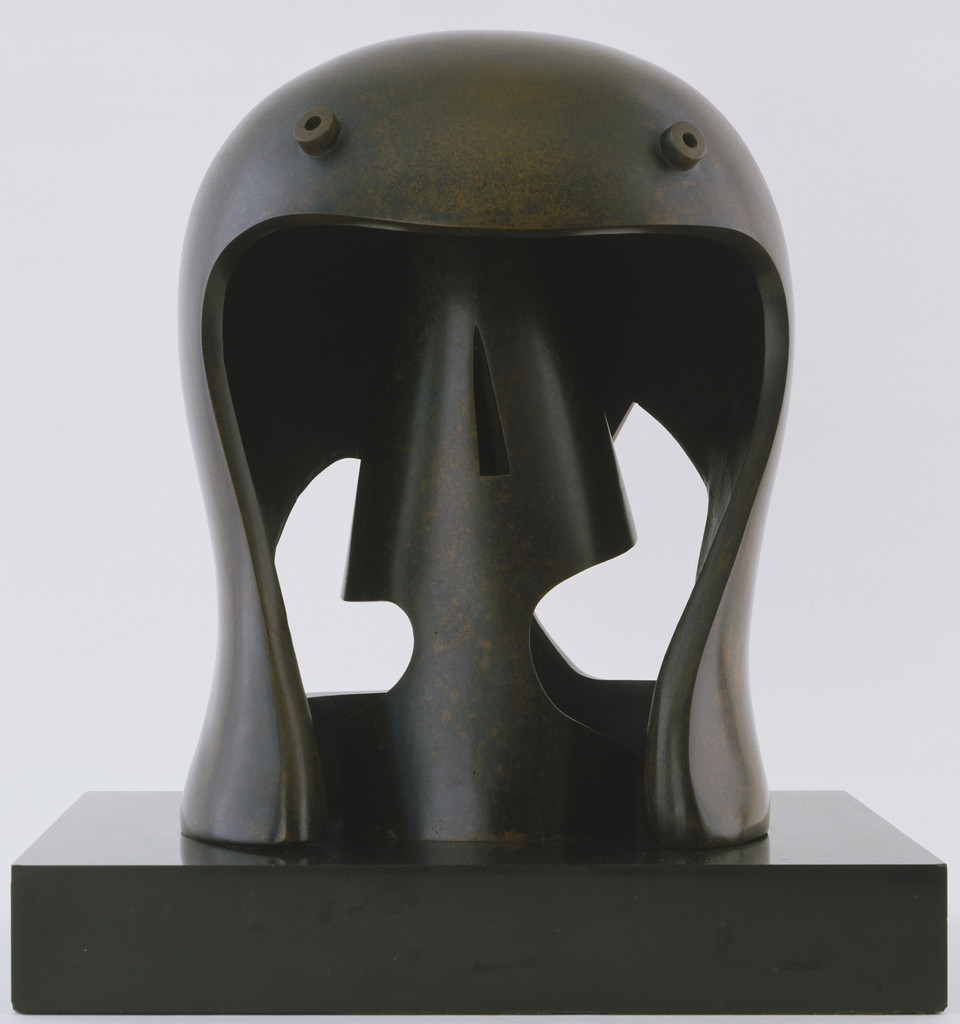
Helmet Head Number 1, Henry Moore, 1950

Helmet Head Number 1

1950 · Museum of Modern Art

Three Motives Against Wall, Number 1, Henry Moore, 1958

Three Motives Against Wall, Number 1

1958 · National Gallery of Art

Seated Woman, Henry Moore, designed 1958–1959; cast 1975

Seated Woman

designed 1958–1959; cast 1975 · J. Paul Getty Museum

Stone Memorial, Henry Moore, 1961/1969

Stone Memorial

1961/1969 · National Gallery of Art

Knife Edge Mirror Two Piece, Henry Moore, 1976-1978

Knife Edge Mirror Two Piece

1976-1978 · National Gallery of Art

Bronze Form, Henry Moore, 1985

Bronze Form

1985 · J. Paul Getty Museum

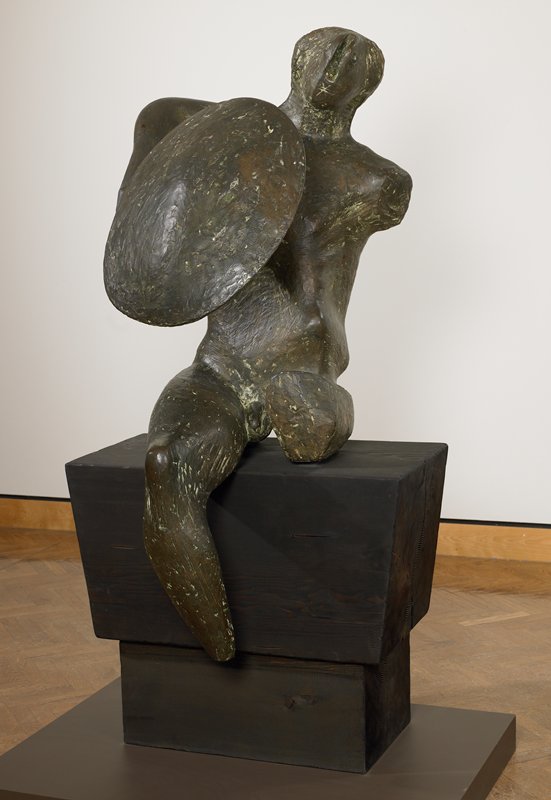
Warrior with Shield, Henry Moore, 1953–54

Warrior with Shield

1953–54 · Minneapolis Institute of Art

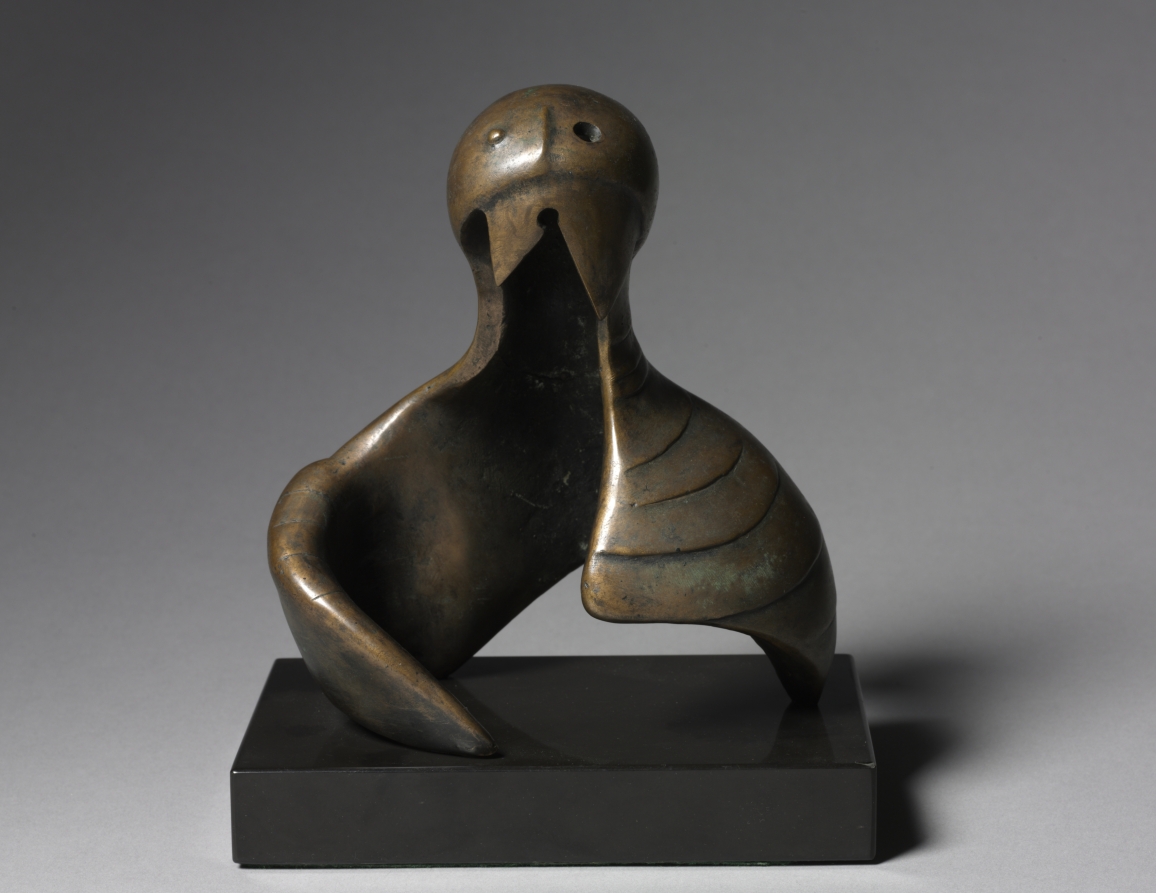
Helmet Head, Henry Moore, 1952

Helmet Head

1952 · Cleveland Museum of Art

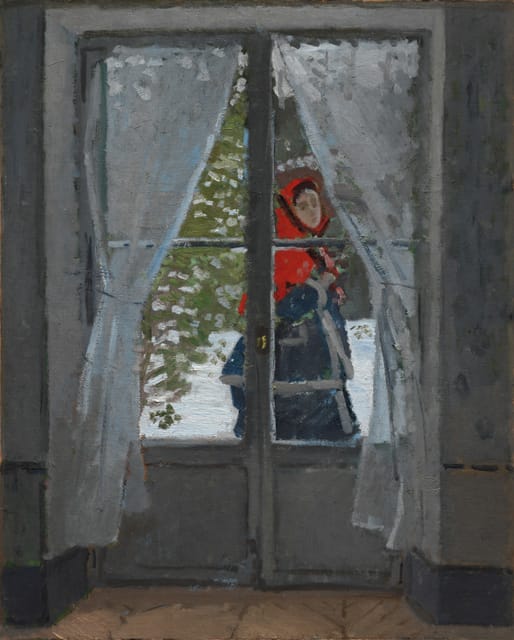
The Red Kerchief, Claude Monet, c. 1868–73

Claude Monet

The Red Kerchief, c. 1868–73

Melencolia I, Albrecht Dürer, 1514

Albrecht Dürer

Melencolia I, 1514

The Virgin and Child with the Pear, Albrecht Dürer, 1511

Albrecht Dürer

The Virgin and Child with the Pear, 1511

The Nativity, Albrecht Dürer, probably c. 1509/1510

Albrecht Dürer

The Nativity, probably c. 1509/1510

The Virgin and Child on a Crescent with a Starry Crown, Albrecht Dürer, 1508

Albrecht Dürer

The Virgin and Child on a Crescent with a Starry Crown, 1508

The Lamentation, Albrecht Dürer, 1507

Albrecht Dürer

The Lamentation, 1507

Large Horse, Albrecht Dürer, 1505

Albrecht Dürer

Large Horse, 1505

Nemesis (The Great Fortune), Albrecht Dürer, c. 1501/1502

Albrecht Dürer

Nemesis (The Great Fortune), c. 1501/1502