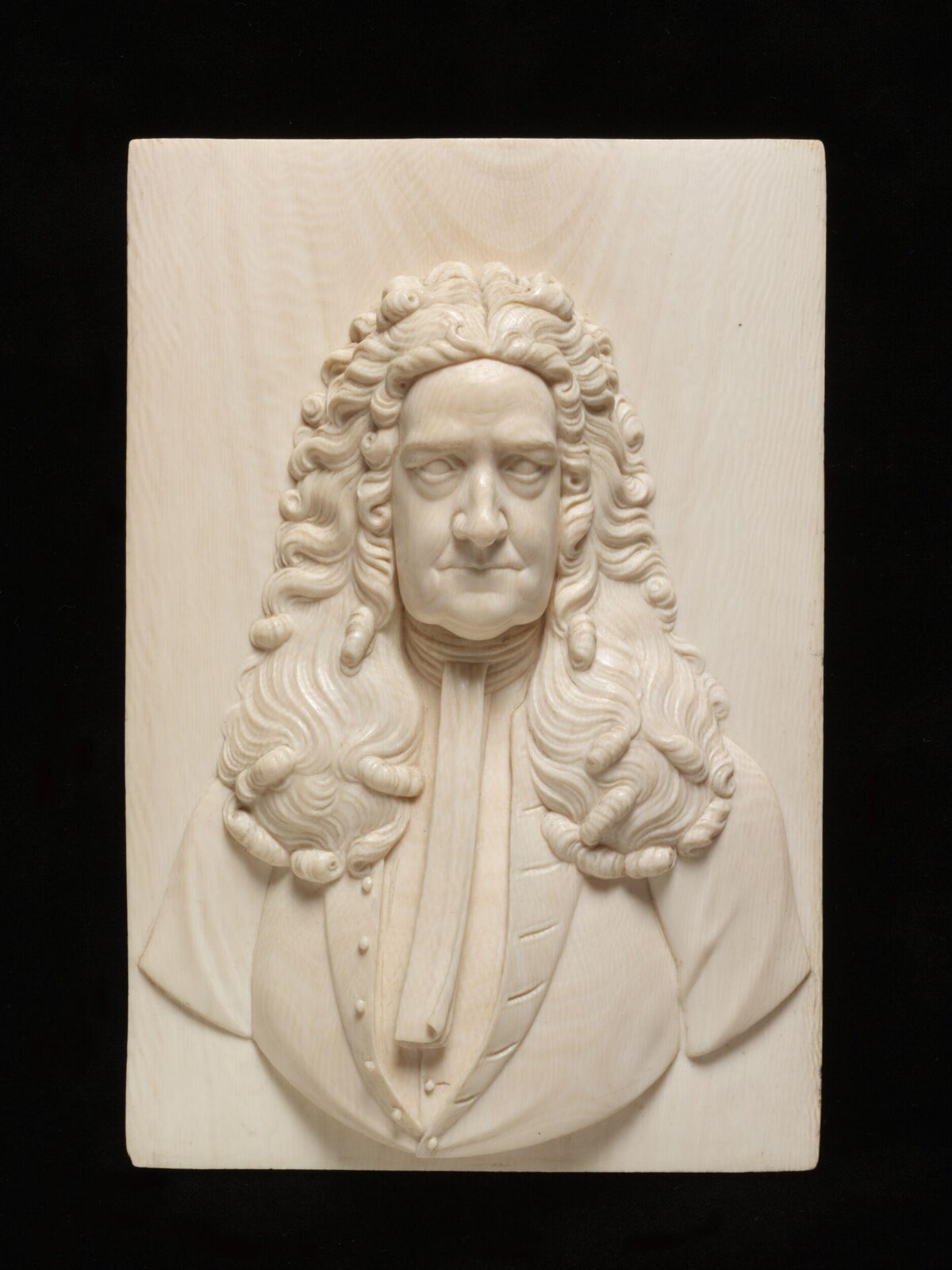
 David Le Marchand1674–1726
Thomas Guy
Mag men het zien?
Ja, het ontvangt bezoek

Victoria and Albert Museum
Londen, Verenigd Koninkrijk
ZaalSculpture, Room 111, The Gilbert Bayes Gallery
Publiek tentoongesteld. Wie daarvoor instaat, staat hieronder.
- Gecontroleerd
- 9 dagen geleden
- Ongewijzigd sinds
- 25 sep 2026
- Bron
- De eigen collectiegegevens van het museum
About the sculpture
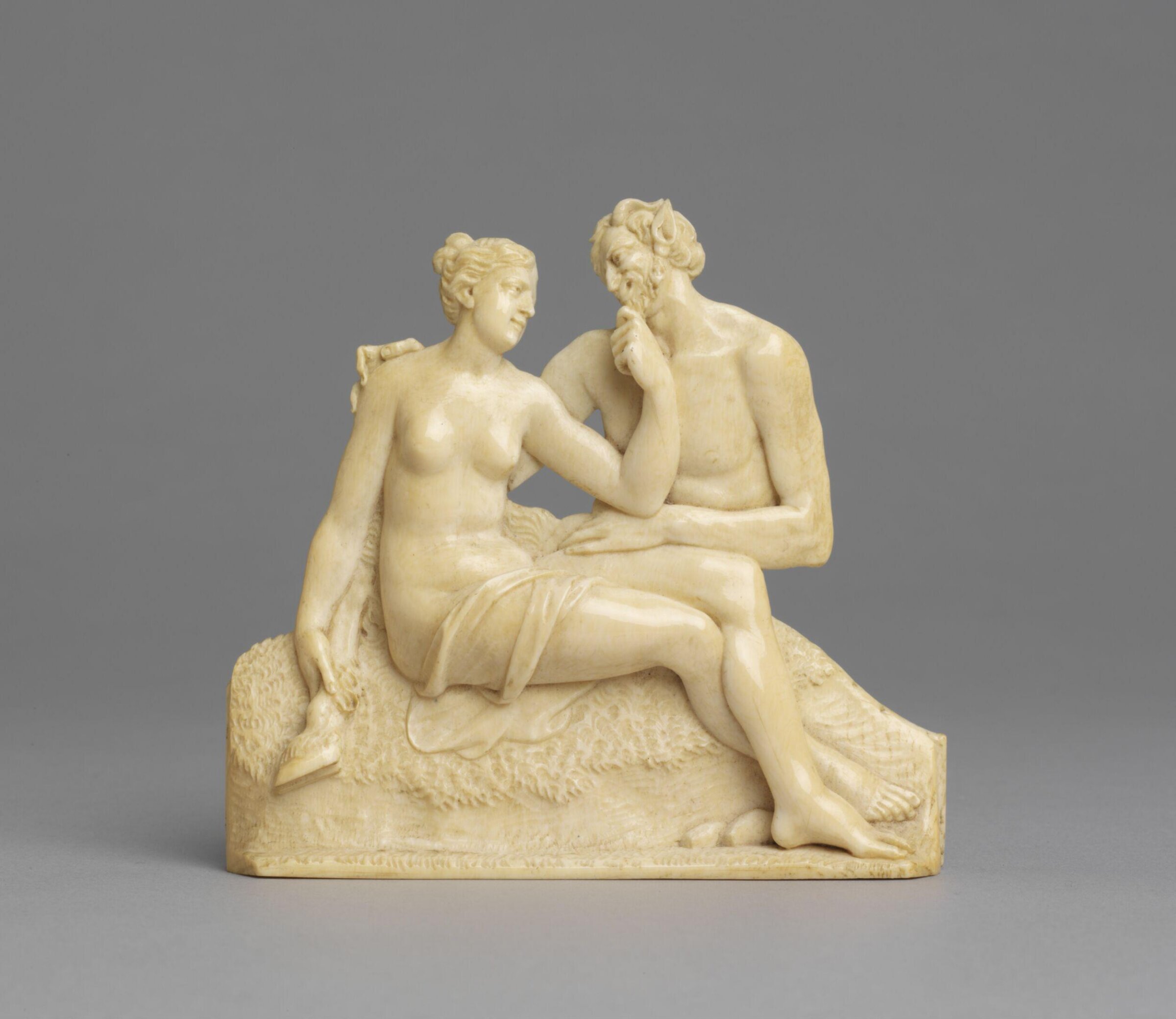
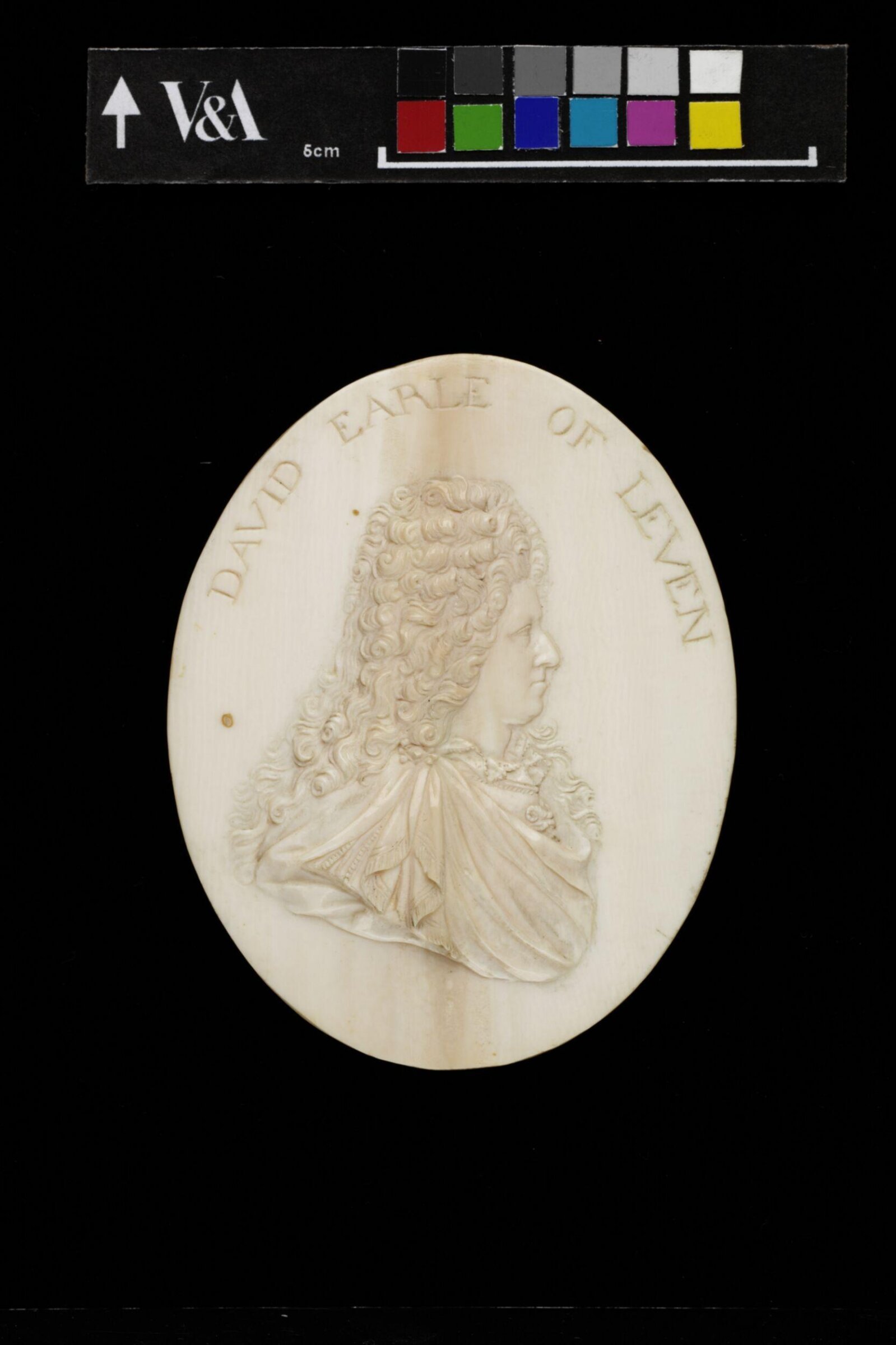
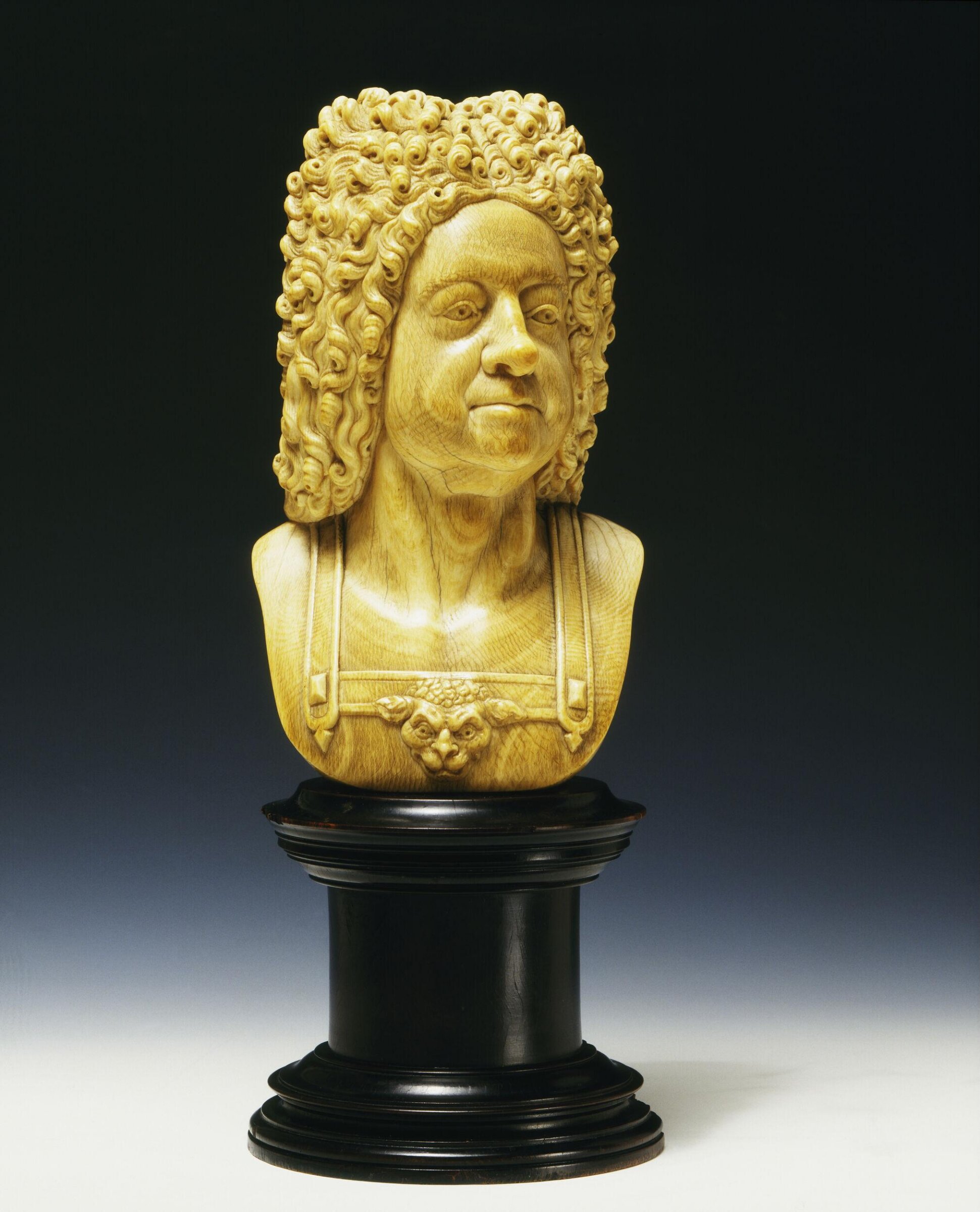
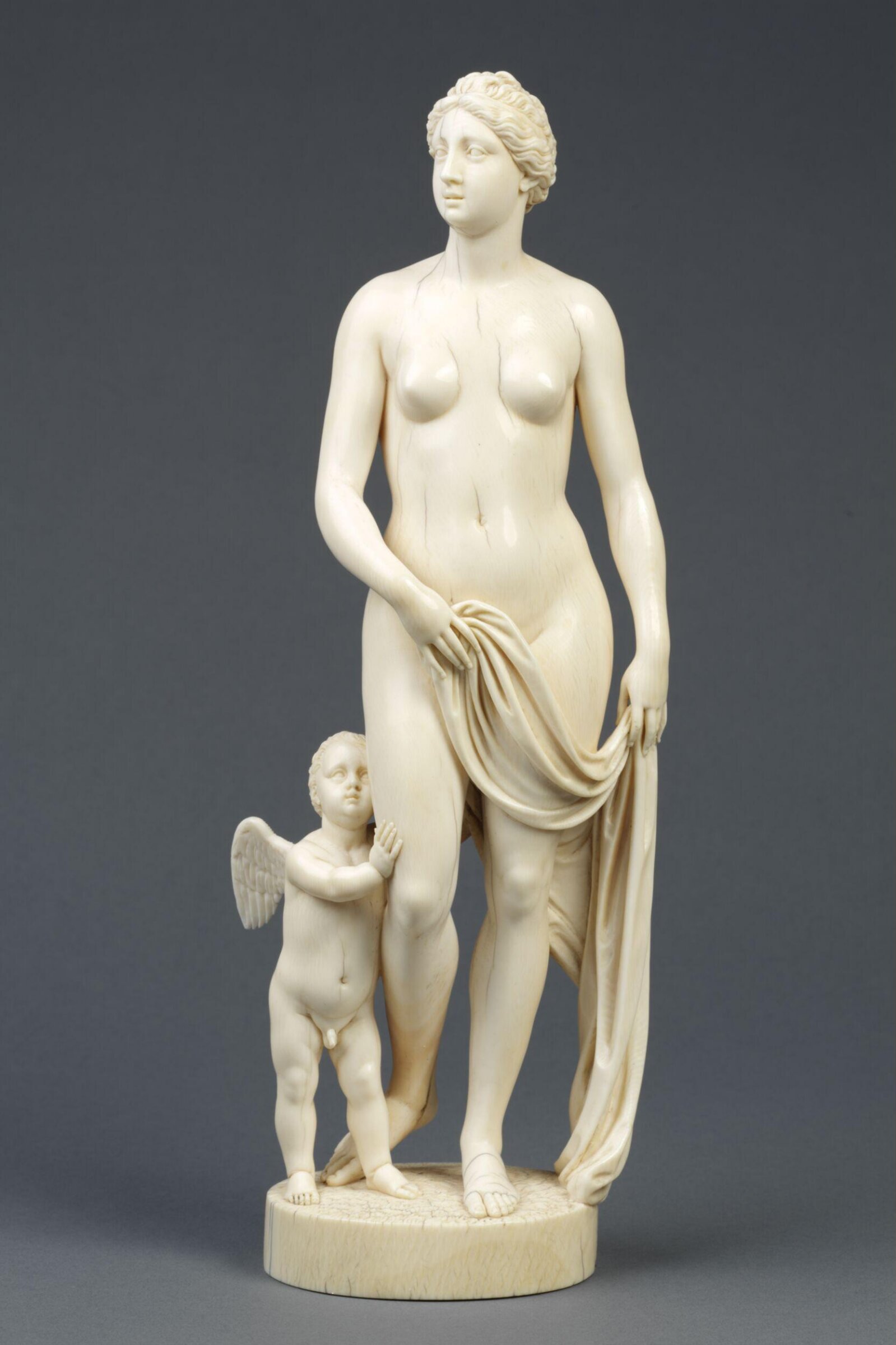
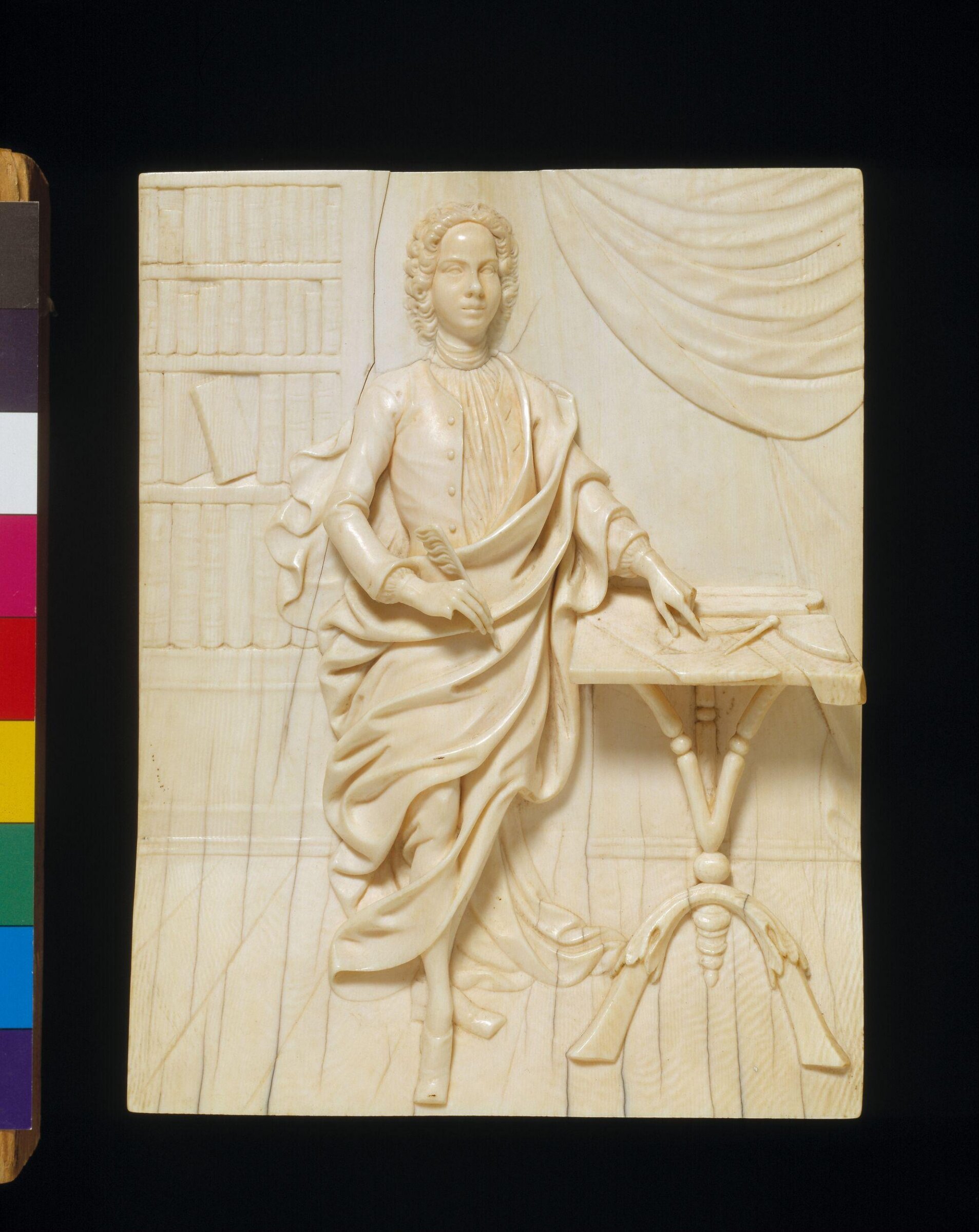
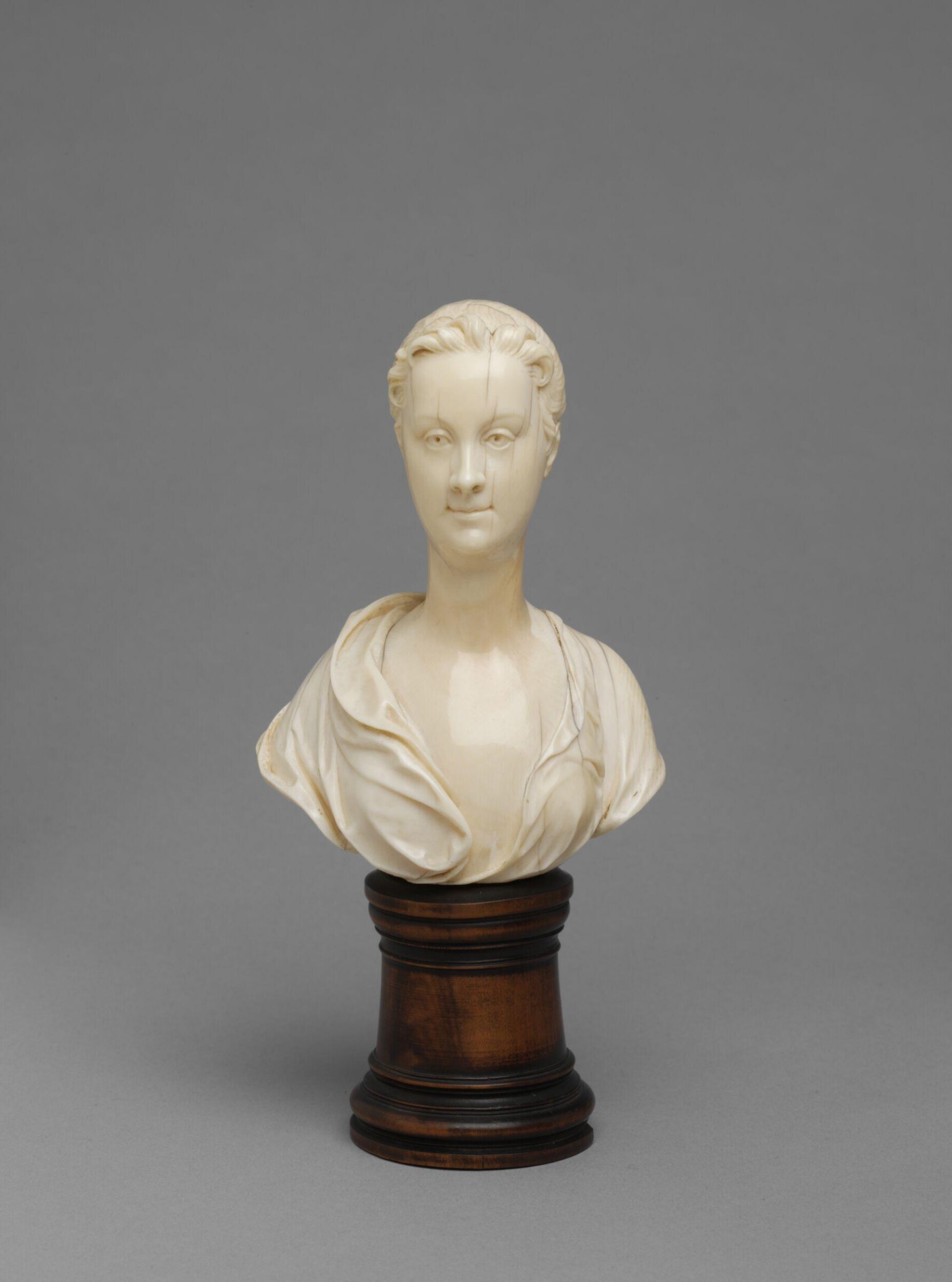
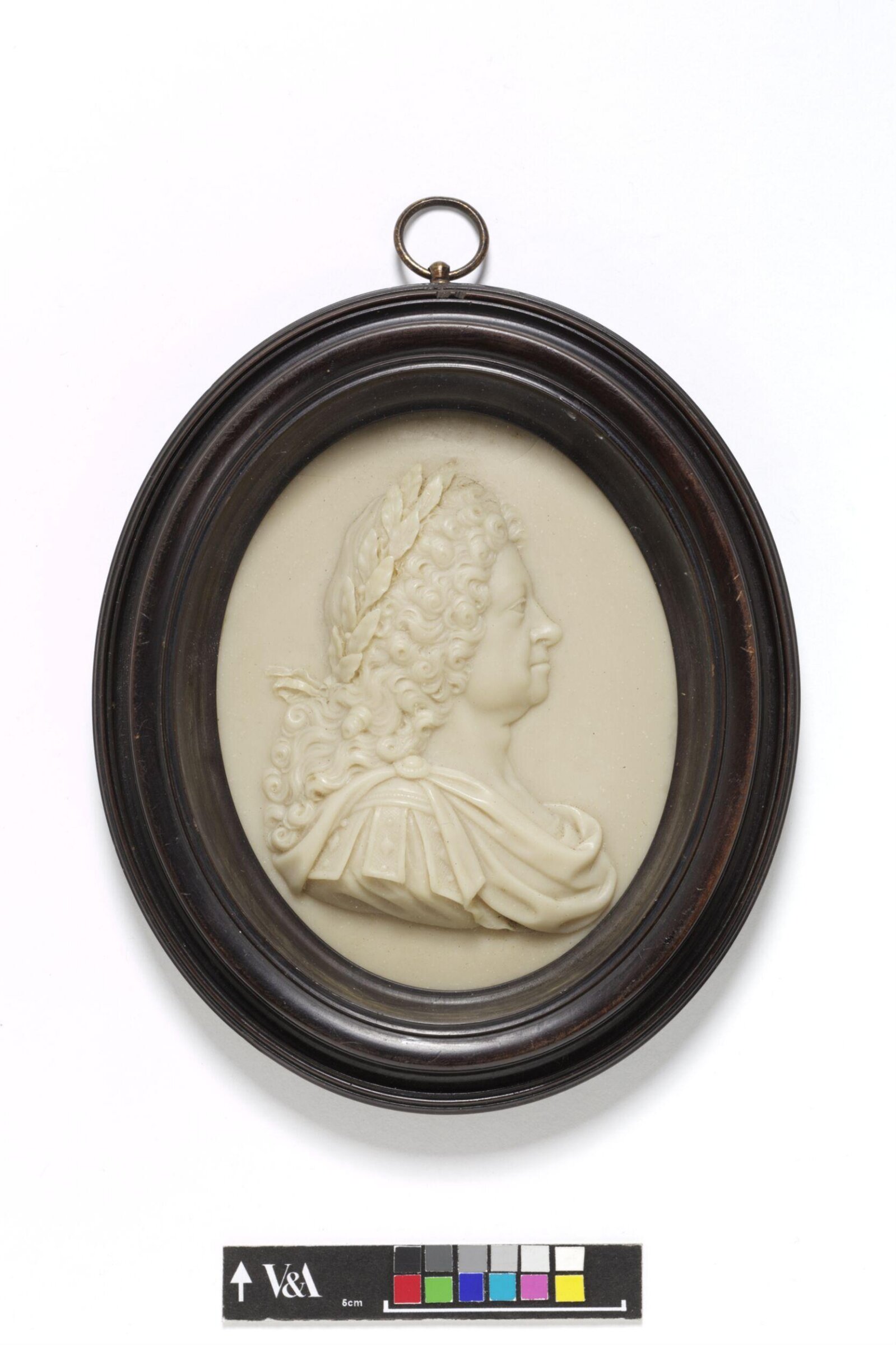
This rectangular relief depicts in vivid form the renowned philanthropist and founder of Guy's Hospital, Thomas Guy, and is made by David Le Marchand in ca. 1700-1724. Portraits in ivory were fashionable in the 17th and 18th centuries. Generally elephant or walrus ivory was used. Since the pieces were limited in size the portraits tended to be small, yet they could still be monumental in form.
Read on
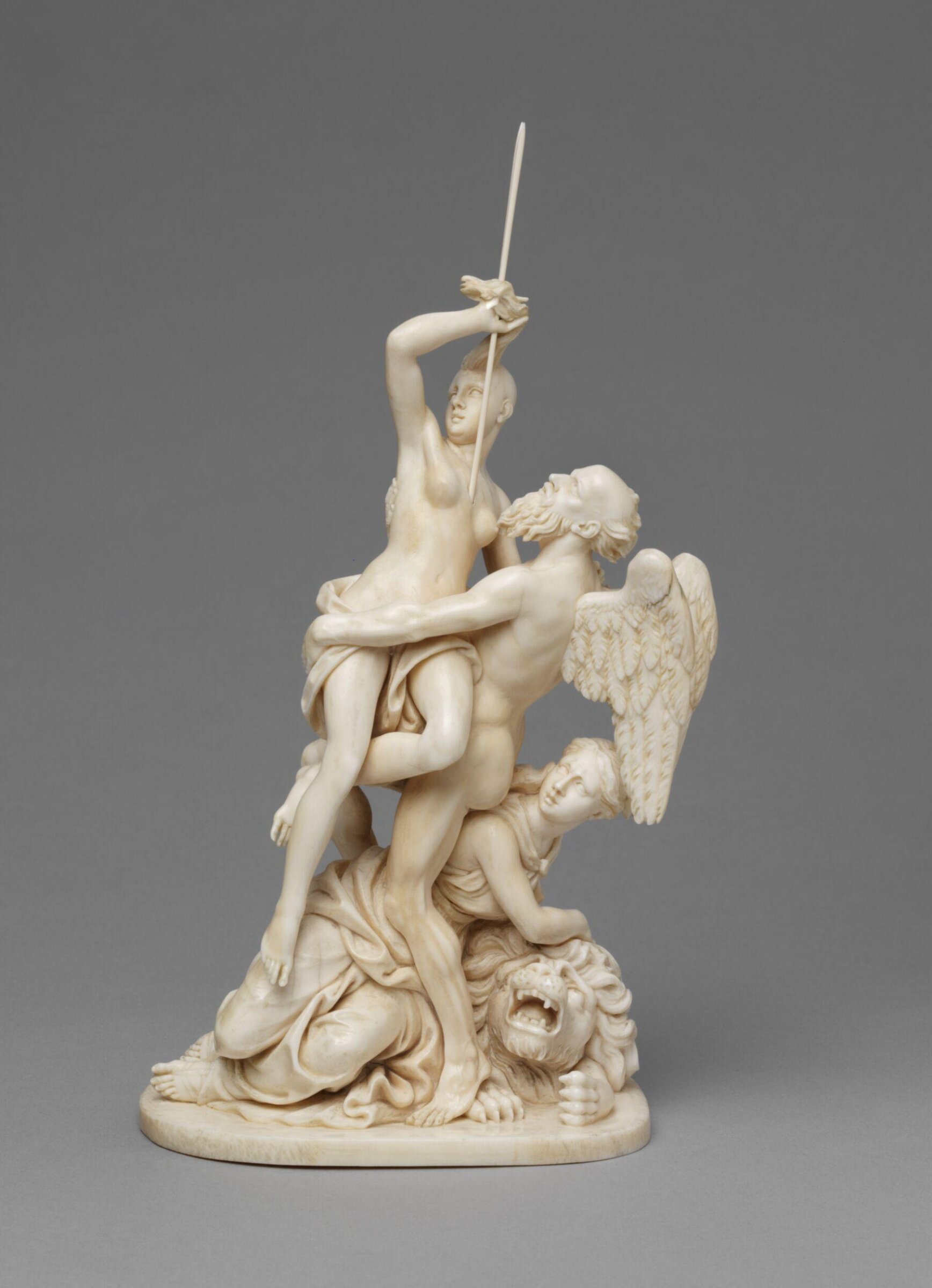
David Le Marchand (1674-1726) was famed for his ivory carvings, particularly his portraits. He was a native of Dieppe, France, and came from a Huguenot, or Protestant, family. With the Revocation of the Edict of Nantes in 1685, and the consequent persecution of non-Catholics, he had to flee France. He was next recorded in Edinburgh in 1696, where he is documented as receiving official permission to open a shop and take on apprentices. He was in London by 1700, when he started to achieve a reputation for his portraits. Despite his wide circle of important patrons and his evident success, Le Marchand apparently died in poverty, though the exact reasons for this are unknown.
He is recognised as the most distinguished ivory carver to have worked in England in the early 18th century, a period when the art enjoyed a popularity unknown since the Middle Ages.
Victoria and Albert Museum
Gegevens
- Inventarisnummer
- A.1-1936
What it shows
In de catalogus
Bronnen
- Victoria and Albert Museum: the museum's own open data · opgehaald 9 dagen geleden
- Afbeelding: Victoria and Albert Museum — © Victoria and Albert Museum, London