
 John Everett MillaisVerenigd Koninkrijk, 1829–1896
The Vale of Rest
Kan ik het zien?
Onbekend
Waar is „The Vale of Rest” nu? Collectie: National Gallery, Londen. Onbekend.

Londen, Verenigd Koninkrijk
De eigenaar is bekend; of het werk nu te zien is, is onbekend.
- Ongewijzigd sinds
- Bron
- Het museum
Over het schilderij
The Vale of Rest - where the weary find repose (Nederlands: Het Dal der Stilte - waar de vermoeiden rust vinden) is een schilderij van de Engelse prerafaëlitische kunstschilder John Everett Millais uit 1858 en 1859, olieverf op doek, 102,9 × 172,7 centimeter groot. Het toont een tafereel met twee nonnen op een kerkhof, dat een primaire associatie oproept met het memento mori-thema, maar ook diverse andere interpretaties in zich bergt. Het schilderij behoort tot de collectie van de Tate Gallery in Londen.
Gegevens
- Inventarisnummer
- NG1507
In de catalogus
Bronnen
- Wikidata
- Afbeelding: National Gallery — John Everett Millais · Public domain · Wikimedia Commons
In het leven van John Everett Millais
Het hele leven1850
The scandal over “Christ in the House of His Parents”
Christ in the House of His Parents (1850) was judged excessively realistic, showing a working-class Holy Family in a messy carpentry workshop, and The Times called it outrageous. Millais was undaunted: the critic John Ruskin saw his outstanding talent at once and backed him, and his works were always accepted for the Academy’s exhibitions, however radical.
1853
Elected an associate member of the Royal Academy
In 1853 Millais was elected an associate member of the Royal Academy of Arts.
summer 1853
A summer at Glenfinlas: falling in love with Effie Ruskin
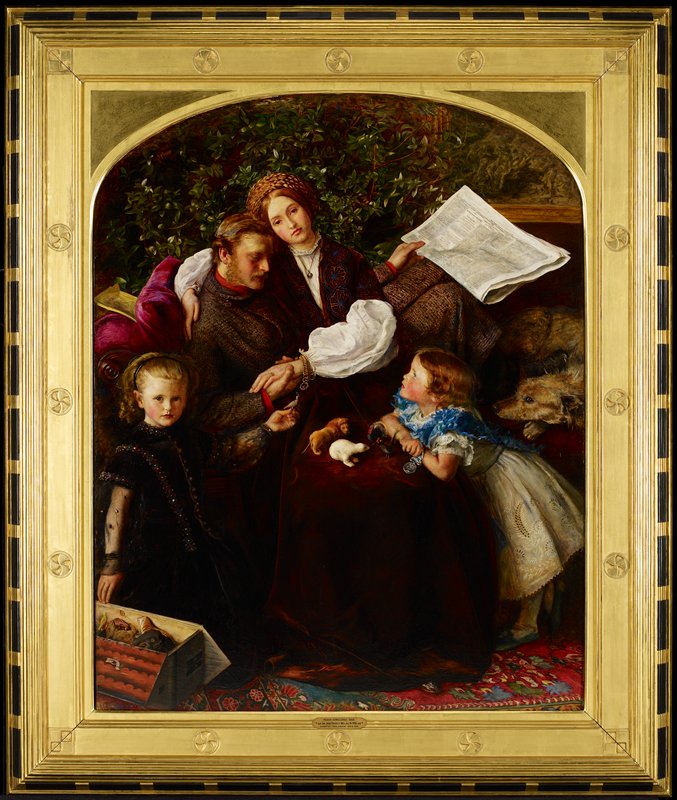
In the summer of 1853 John Ruskin and his wife Effie invited Millais to spend the summer with them at Glenfinlas, where Millais and Effie fell in love. Effie modelled for his The Order of Release; her marriage to Ruskin, which had lasted several years, was annulled after her parents realised something was wrong and she filed for annulment, and Millais and Effie then married.
3 juli 1855
Married: Effie Gray
1855–1857
After his marriage he changes manner: faster and dearer
Marriage changed Millais: to support his growing family he began to paint more quickly and in greater quantity and to sell his pictures dearly, moving away from Pre-Raphaelite principles. Effie became a powerful promoter of his work, and together they secured commissions and widened their circle; he gained great popularity and a fortune (up to £30,000 a year), while William Morris and other critics accused him of selling out.
1857
Ruskin calls “Sir Isumbras” a catastrophe
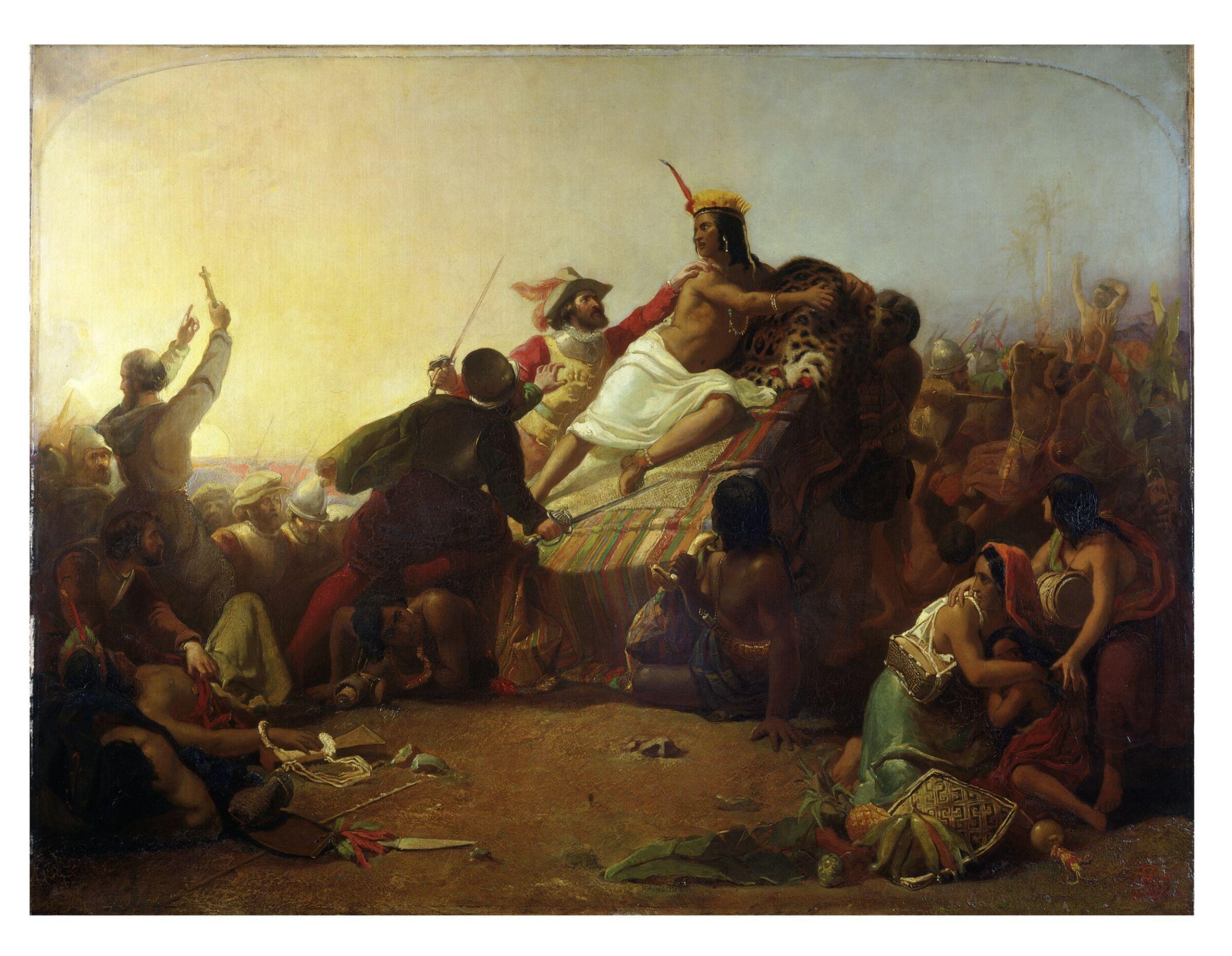
Ruskin called Sir Isumbras (1857), in which Millais had departed sharply from Pre-Raphaelite technique, not even a failure but a catastrophe.



![Study of a Pottery Jug [recto], John Everett Millais, c. 1842](https://api.nga.gov/iiif/bd3617b6-ebda-468c-9b54-142851ab029e/full/!2400,2400/0/default.jpg)


