ART WIKI33.040 te zien
KaartCollectieKunstenaarsMuseaTentoonstellingenJournal
Inloggen

ART WIKI

Waar het meesterwerk hangt en wanneer men u toelaat.

Collecties: Art Institute of Chicago, Cleveland Museum of Art, Getty Villa, Harvard Art Museums, Hermitage, Hirshhorn Museum and Sculpture Garden, J. Paul Getty Museum, Louvre, Metropolitan Museum of Art, Minneapolis Institute of Art, Museum of Modern Art, National Gallery of Art, National Museum of Asian Art, National Portrait Gallery, Poesjkinmuseum, Rijksmuseum Amsterdam, Russisch Museum, Smithsonian American Art Museum, Statens Museum for Kunst, Tretjakovgalerij, Victoria and Albert Museum, Whitney Museum of American Art, Staatscatalogus van het Russische museumfonds (274 musea), Europeana (19 musea), Wikidata (6 musea), Paris Musées (12 musea) en Joconde, de museumdatabank van het Franse ministerie van Cultuur (495 musea). De afbeeldingen behoren toe aan hun rechthebbenden.

Rubrieken

  • Kaart
  • Zoeken
  • Collectie
  • Meesterwerken
  • Nu te zien
  • Kunstenaars

Meer

  • Musea & galerieën
  • Tentoonstellingen
  • Journal
  • Waar de gegevens vandaan komen
  • Privacy & cookies
StartpaginaKaartCatalogus
  1. Collectie/
  2. Cleveland Museum of Art/
  3. The Letter
The Letter, Karl Hofer, 1934
Karl Hofer, portretKarl HoferDuitsland, 1878–1955

The Letter

1934 · Painting

Mag men het zien?

Ontvangt momenteel niet

Cleveland Museum of Art

Cleveland, Verenigde Staten

Het hoort bij de collectie, maar is momenteel niet tentoongesteld.

Gecontroleerd
9 dagen geleden
Ongewijzigd sinds
19 aug 2026
Bron
Het museum
Op de kaartMuseumpagina

Over het schilderij

Hofer's art is filled with disillusionment and pessimism, expressing his dark vision of modern life through a limited range of themes that the artist repeated obsessively. Born in Karlsruhe, Hofer settled in Berlin in 1913. Condemned by the Nazis as a "degenerate artist," in 1933 he was dismissed from his teaching post. In 1943 Hofer's studio and most of his work were destroyed by bombing.

Cleveland Museum of Art

Gegevens

1934 · op 56-jarige leeftijd
18781955
Inventarisnummer
1939.750

In de catalogus

SchilderijenOlieverfDuitse schilderkunstModernisme20e eeuwGermany, 20th century

Bronnen

  • Cleveland Museum of Art
  • Afbeelding: Cleveland Museum of Art — Museum open access

Meer van Karl Hofer

Alle werken
Under the Door (In der Tur), Karl Hofer

Under the Door (In der Tur)

Niet te zien · National Gallery of Art

Zum Raskolnikov, Karl Hofer, 1888 - 1952

Zum Raskolnikov

1888 - 1952 · Rijksmuseum Amsterdam

Carnaval, Karl Hofer, 1888 - 1949

Carnaval

1888 - 1949 · Rijksmuseum Amsterdam

Nocturnal Crossing, Karl Hofer, 1899

Nocturnal Crossing

1899 · Niet te zien · National Gallery of Art

Der Blick (The Gaze), Karl Hofer, c. 1900

Der Blick (The Gaze)

c. 1900 · Niet te zien · National Gallery of Art

Einsamkeit (Loneliness), Karl Hofer, 1900

Einsamkeit (Loneliness)

1900 · Niet te zien · National Gallery of Art

Sokotra, Karl Hofer, c. 1913

Sokotra

c. 1913 · Niet te zien · National Gallery of Art

Milliner (Putzmacherin II), Karl Hofer, 1922

Milliner (Putzmacherin II)

1922 · Niet te zien · National Gallery of Art

Buren in huis: Cleveland Museum of Art

Museumpagina
The Red Kerchief, Claude Monet, c. 1868–73

Claude Monet

The Red Kerchief, c. 1868–73

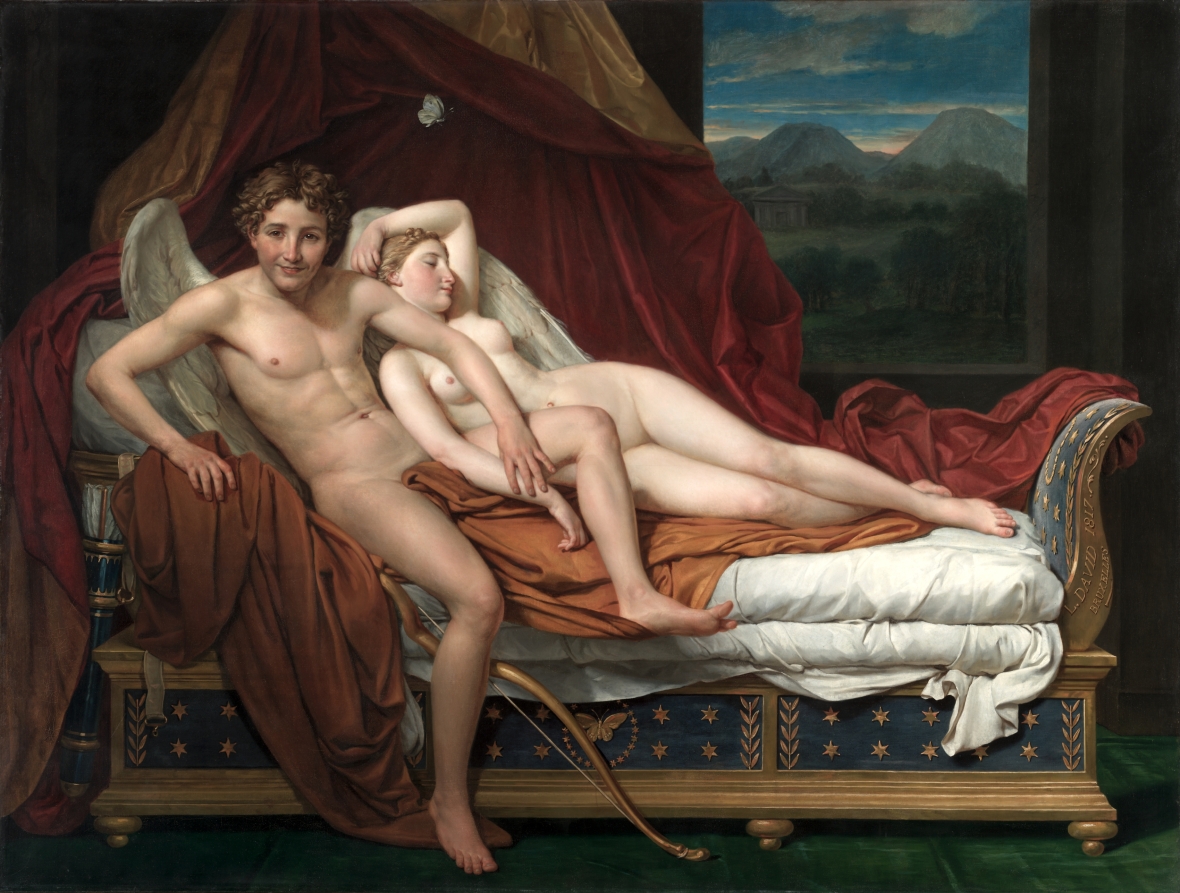
Cupid and Psyche, Jacques-Louis David, 1817

Jacques-Louis David

Love and Psyche, 1817

Mars, Venus, and Eros, Marcantonio Raimondi possibly after Andrea Mantegna, 1508

Andrea Mantegna

Mars, Venus, and Eros, 1508

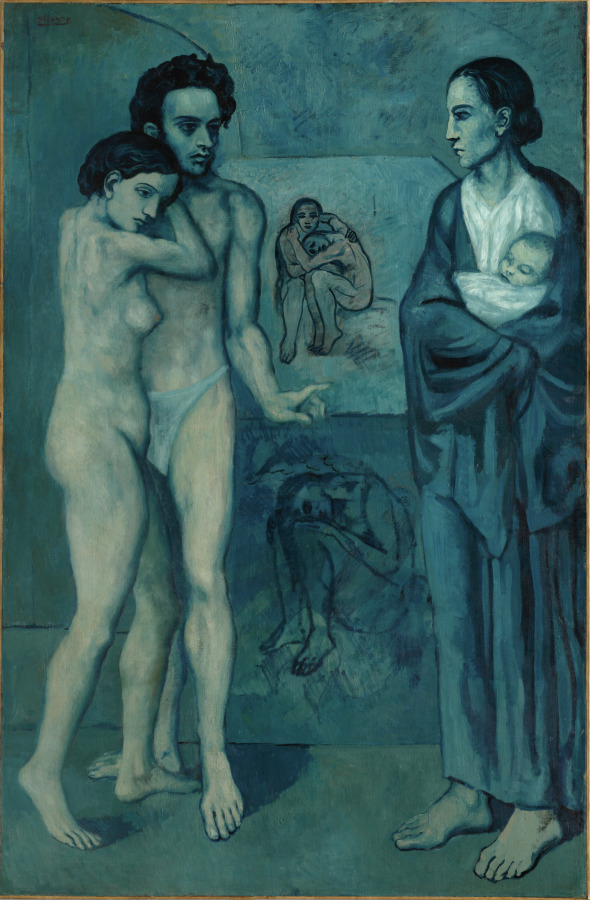
La Vie, Pablo Picasso, 1903

Pablo Picasso

La Vie, 1903

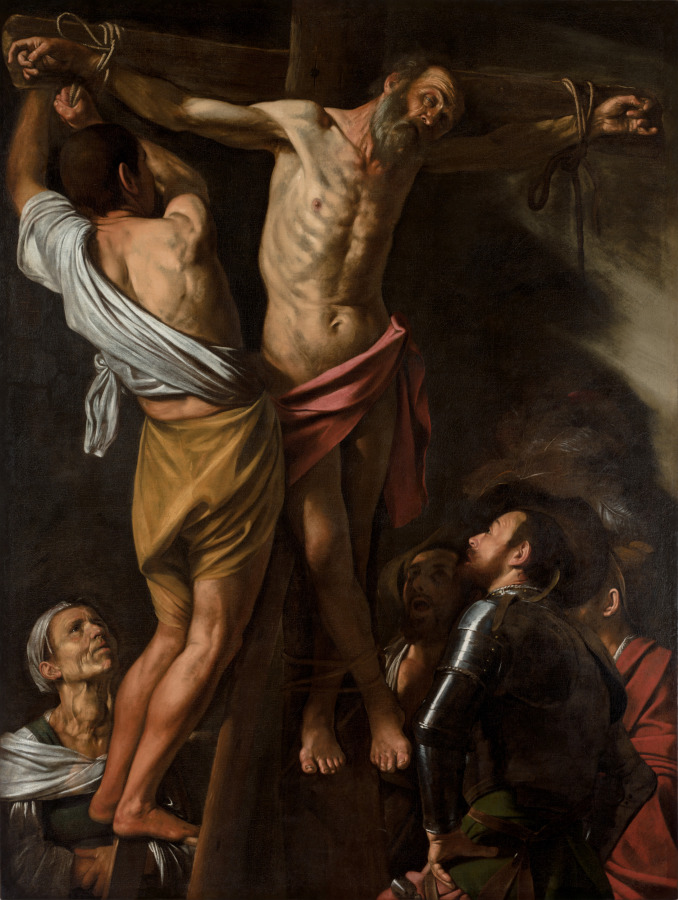
The Crucifixion of Saint Andrew, Caravaggio, 1606–7

Caravaggio

The Crucifixion of Saint Andrew, 1606–7

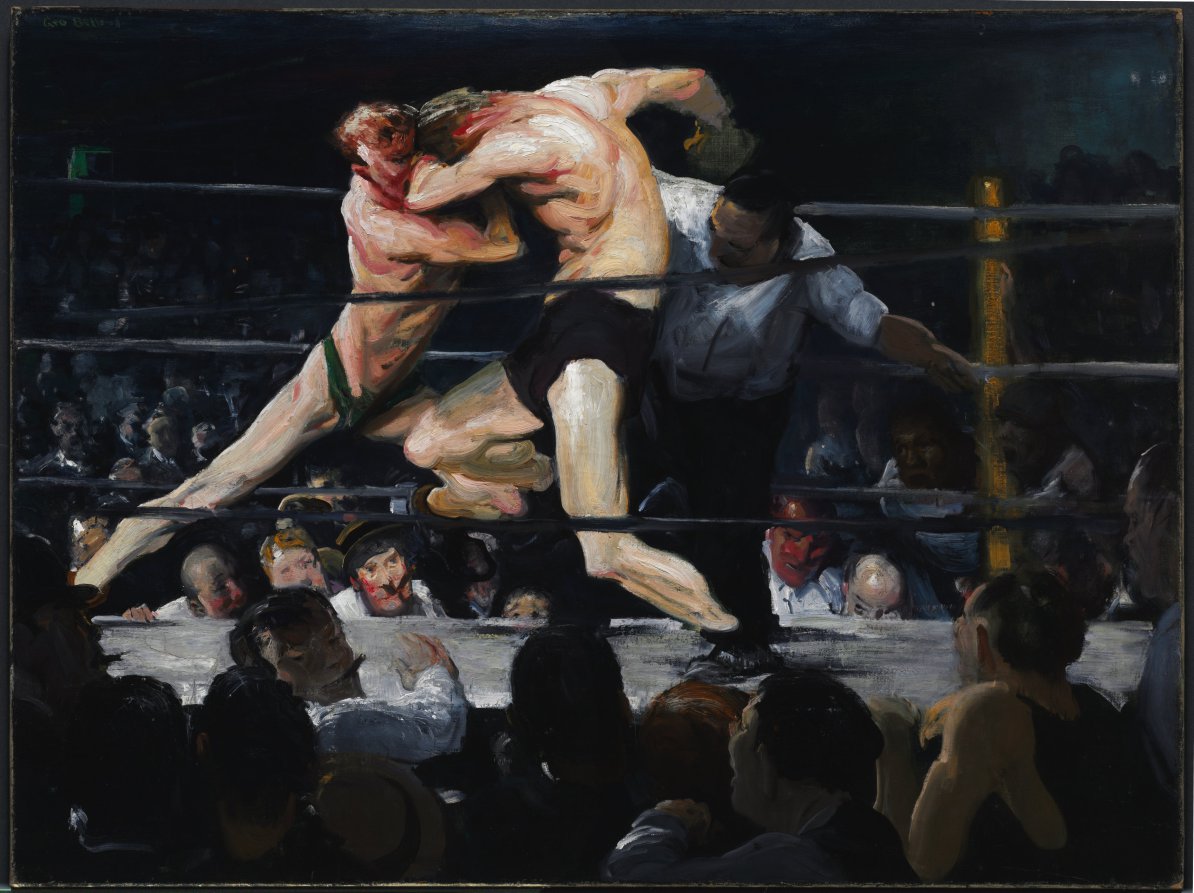
Stag at Sharkey's, George Bellows, 1909

George Bellows

Stag at Sharkey's, 1909

Twilight in the Wilderness, Frederic Edwin Church, 1860

Frederic Edwin Church

Twilight in the Wilderness, 1860

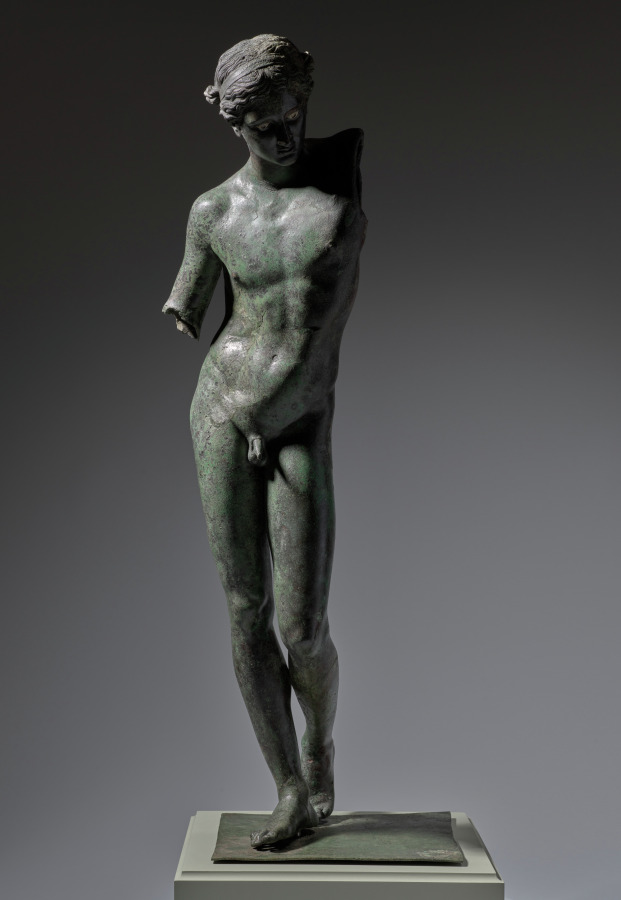
The Cleveland Apollo: Apollo Sauroktonos (Lizard-Slayer) or Apollo the Python-Slayer, Praxiteles, c. 350–200 BCE

Praxiteles

The Cleveland Apollo: Apollo Sauroktonos (Lizard-Slayer) or Apollo the Python-Slayer, c. 350–200 BCE