 Albrecht DürerDuitsland, 1471–1528
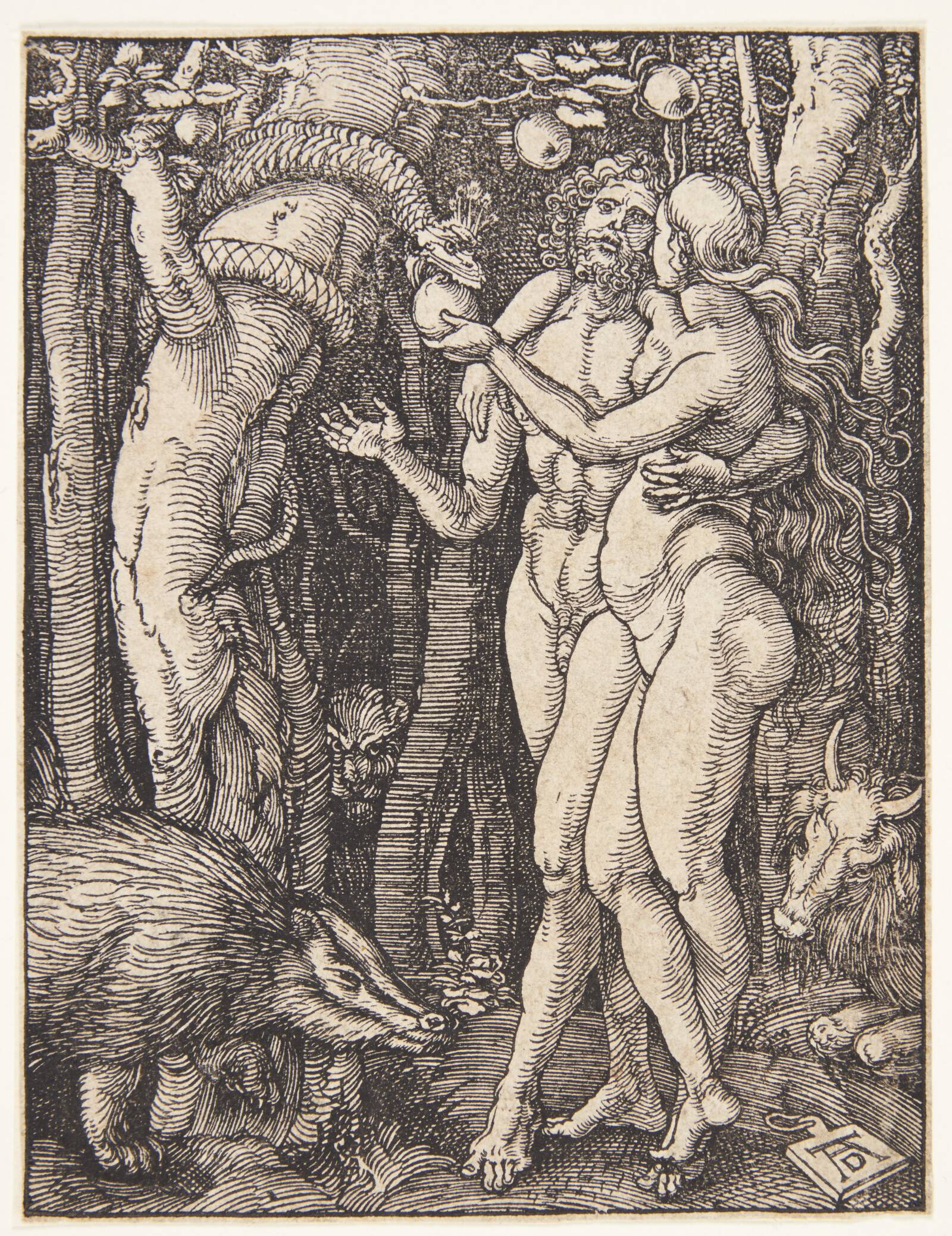
Syndefaldet
Mag men het zien?
Ontvangt momenteel niet

Kopenhagen, Denemarken
Het hoort bij de collectie, maar is momenteel niet tentoongesteld.
- Gecontroleerd
- Ongewijzigd sinds
- Bron
- Het museum
Gegevens
- Inventarisnummer
- KKSgb8364/2
In de catalogus
Bronnen
- Statens Museum for Kunst
- Afbeelding: Statens Museum for Kunst — public domain
Intussen, in het leven van Albrecht Dürer
Het hele leven1505–1507
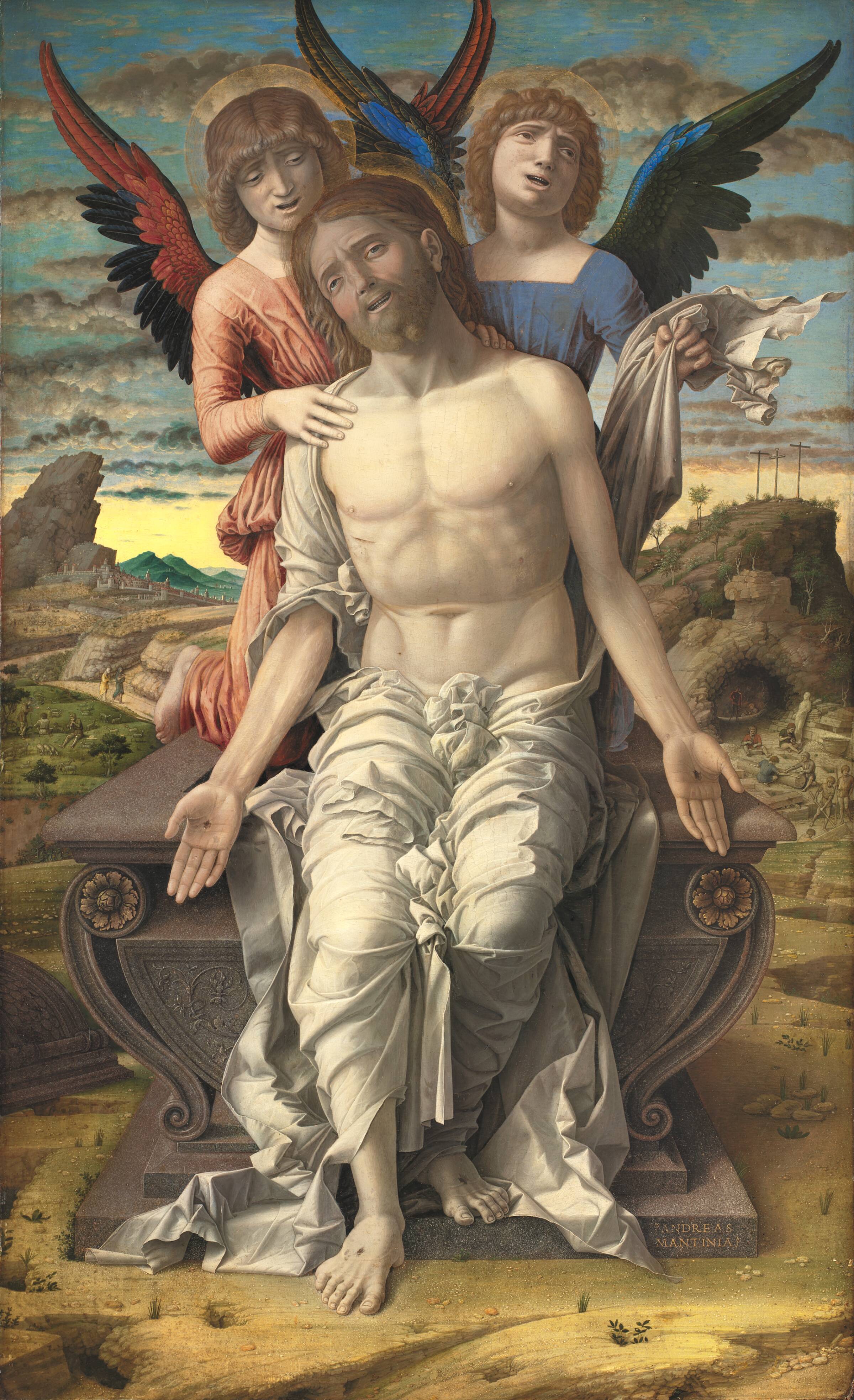
To Bologna for the secrets of perspective
Dürer travelled to the university city of Bologna, hoping to learn the secrets of geometric perspective from its scholars. He then meant to visit Mantegna in Padua but received news of his death, which he greatly regretted afterwards.
1505–1507
Friendship with Giovanni Bellini
Dürer considered Giovanni Bellini “the best in painting”, the only Venetian master with whom he became friends. The Madonna of the Siskin may have been painted at Bellini's request.
1505–1507 · Werkzaam in
Venice
1507–1528 · Werkzaam in
Nuremberg
1511
Publishes the Great Passion and the Life of the Virgin
Dürer published two woodcut series as books, the Great Passion and the Life of the Virgin, with a second edition of the Apocalypse and the 37 woodcuts of the Little Passion. His post-Venetian woodcuts developed chiaroscuro modelling.
1512
Emperor Maximilian I becomes his chief patron
From 1512 Emperor Maximilian I was Dürer's chief patron. For him Dürer and his workshop produced the Triumphal Arch, a giant woodcut 295 × 357 cm printed from 192 blocks and modelled on the triumphal arches of ancient Rome.
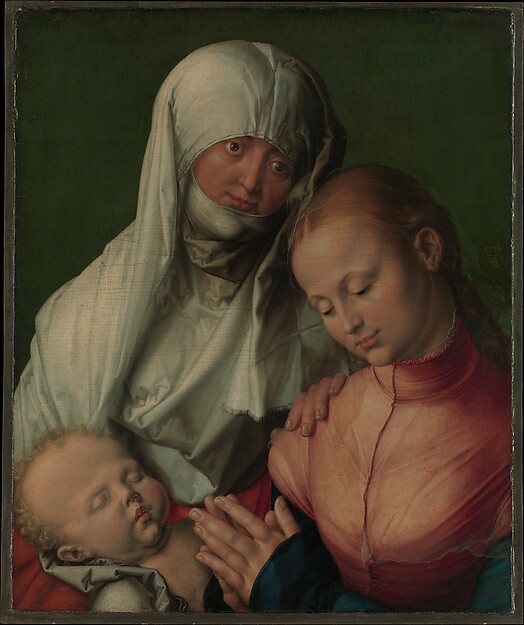
![Madonna and Child [obverse], Albrecht Dürer, c. 1496/1499](https://api.nga.gov/iiif/878db7e6-10ae-4cae-ba5d-6d6f5c413ae8/full/!2400,2400/0/default.jpg)
![Lot and His Daughters [reverse], Albrecht Dürer, c. 1496/1499](https://api.nga.gov/iiif/7565a449-f82a-414b-9bda-c93f55a51b4d/full/!2400,2400/0/default.jpg)