ART WIKI33.040 te zien
KaartCollectieKunstenaarsMuseaTentoonstellingenJournal
Inloggen

ART WIKI

Waar het meesterwerk hangt en wanneer men u toelaat.

Collecties: Art Institute of Chicago, Cleveland Museum of Art, Getty Villa, Harvard Art Museums, Hermitage, Hirshhorn Museum and Sculpture Garden, J. Paul Getty Museum, Louvre, Metropolitan Museum of Art, Minneapolis Institute of Art, Museum of Modern Art, National Gallery of Art, National Museum of Asian Art, National Portrait Gallery, Poesjkinmuseum, Rijksmuseum Amsterdam, Russisch Museum, Smithsonian American Art Museum, Statens Museum for Kunst, Tretjakovgalerij, Victoria and Albert Museum, Whitney Museum of American Art, Staatscatalogus van het Russische museumfonds (274 musea), Europeana (19 musea), Wikidata (6 musea), Paris Musées (12 musea) en Joconde, de museumdatabank van het Franse ministerie van Cultuur (495 musea). De afbeeldingen behoren toe aan hun rechthebbenden.
Rubrieken

  • Kaart
  • Zoeken
  • Collectie
  • Meesterwerken
  • Nu te zien
  • Kunstenaars

Meer

  • Musea & galerieën
  • Tentoonstellingen
  • Journal
  • Waar de gegevens vandaan komen
  • Privacy & cookies
StartpaginaKaartCatalogus
  1. Collectie/
  2. Louvre/
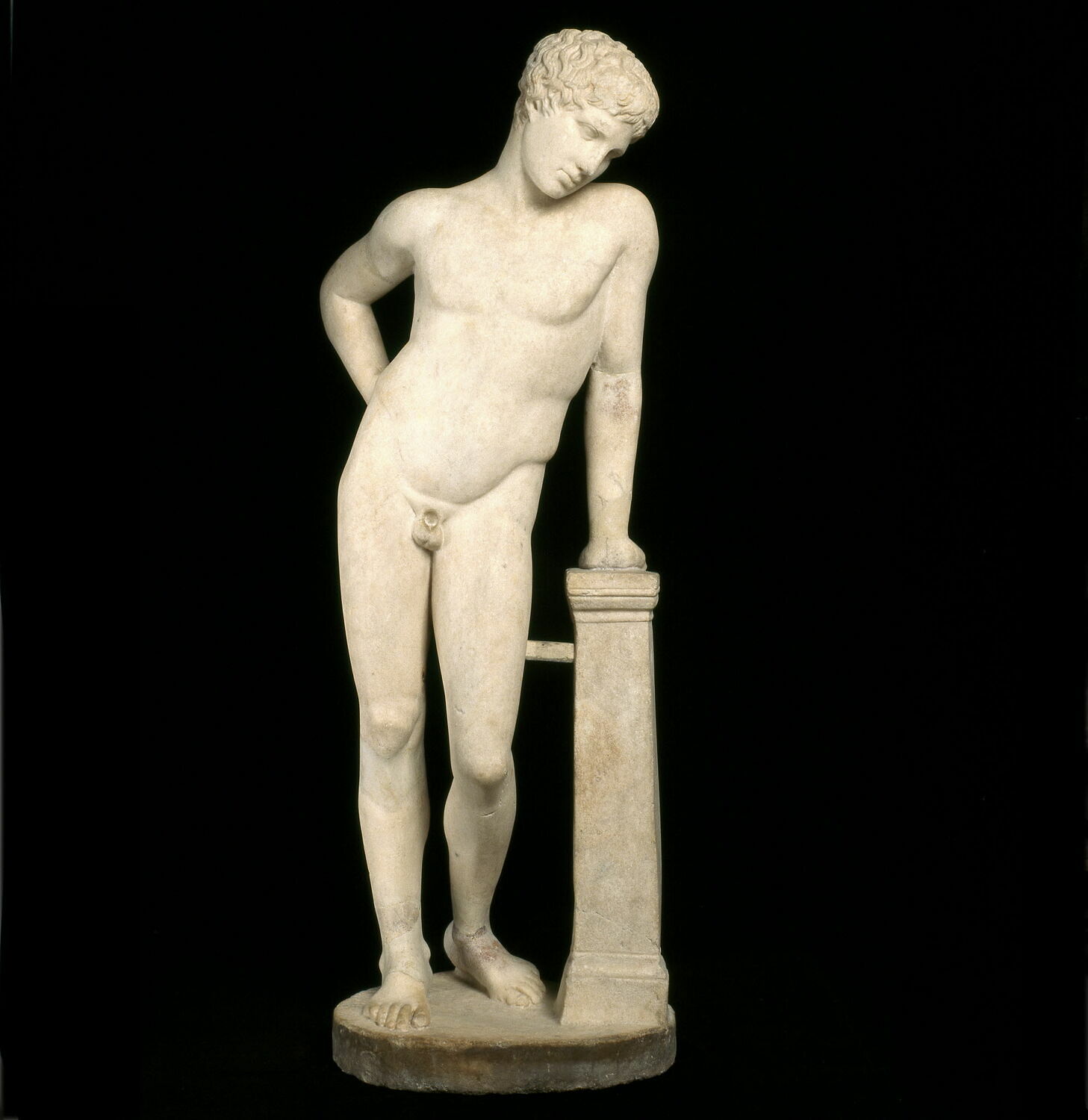
  3. Statue d'éphèbe du type de "Narcisse"
Statue d'éphèbe du type de "Narcisse", romain impérial

Date de création/fabrication : IIe s. ap. J.-C. (d'après Lauter) (vers 150)

Statue d'éphèbe du type de "Narcisse"

romain impérial Date de création/fabrication : IIe s. ap. J.-C. (d'après Lauter) (vers 150) · Antiquités grecques, étrusques et romaines

Gegevens

Inventarisnummer
MNC 1800

In dezelfde zaal · Salle 344, Aile Sully, Niveau 0, Louvre

Museumpagina

Mag men het zien?

Ja, het ontvangt bezoek

Louvre

Parijs, Frankrijk

Zaal344, Aile Sully, Niveau 0

Publiek tentoongesteld. Wie daarvoor instaat, staat hieronder.

Gecontroleerd
13 dagen geleden
Ongewijzigd sinds
26 sep 2026
Bron
Het museum
Op de kaartMuseumpagina

In de catalogus

BeeldhouwkunstMarmerBasse Égypte

Bronnen

  • Louvre
  • Afbeelding: Louvre — © 2006 Musée du Louvre, Dist. GrandPalaisRmn / Daniel Lebée/Carine Deambrosis
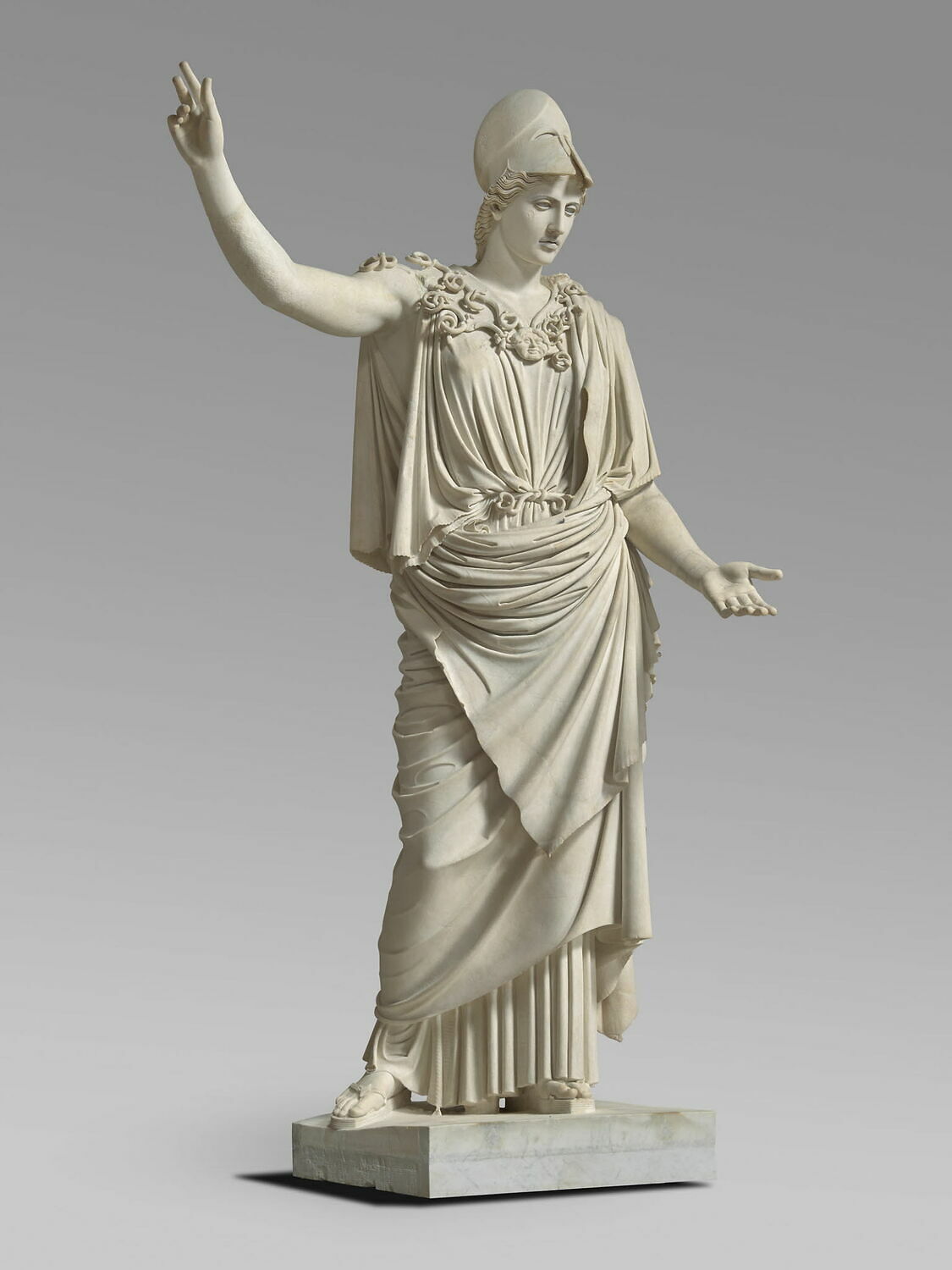
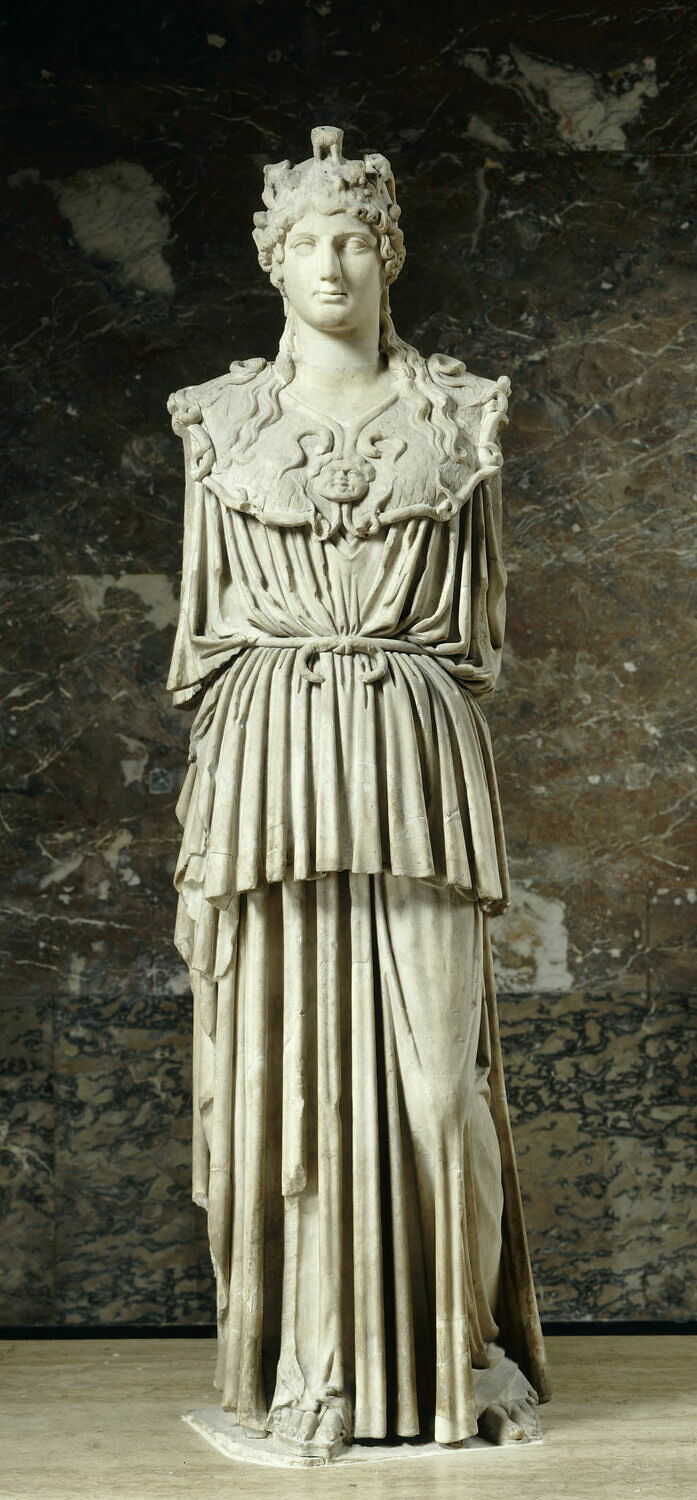
Pallas de Velletri, romain impérial

Date de création/fabrication : Ie s. ap. J.-C. (d'après Mathiopoulos) (1 - 100)

Athena van Velletri, romain impérial Date de création/fabrication : Ie s. ap. J.-C. (d'après Mathiopoulos) (1 - 100)

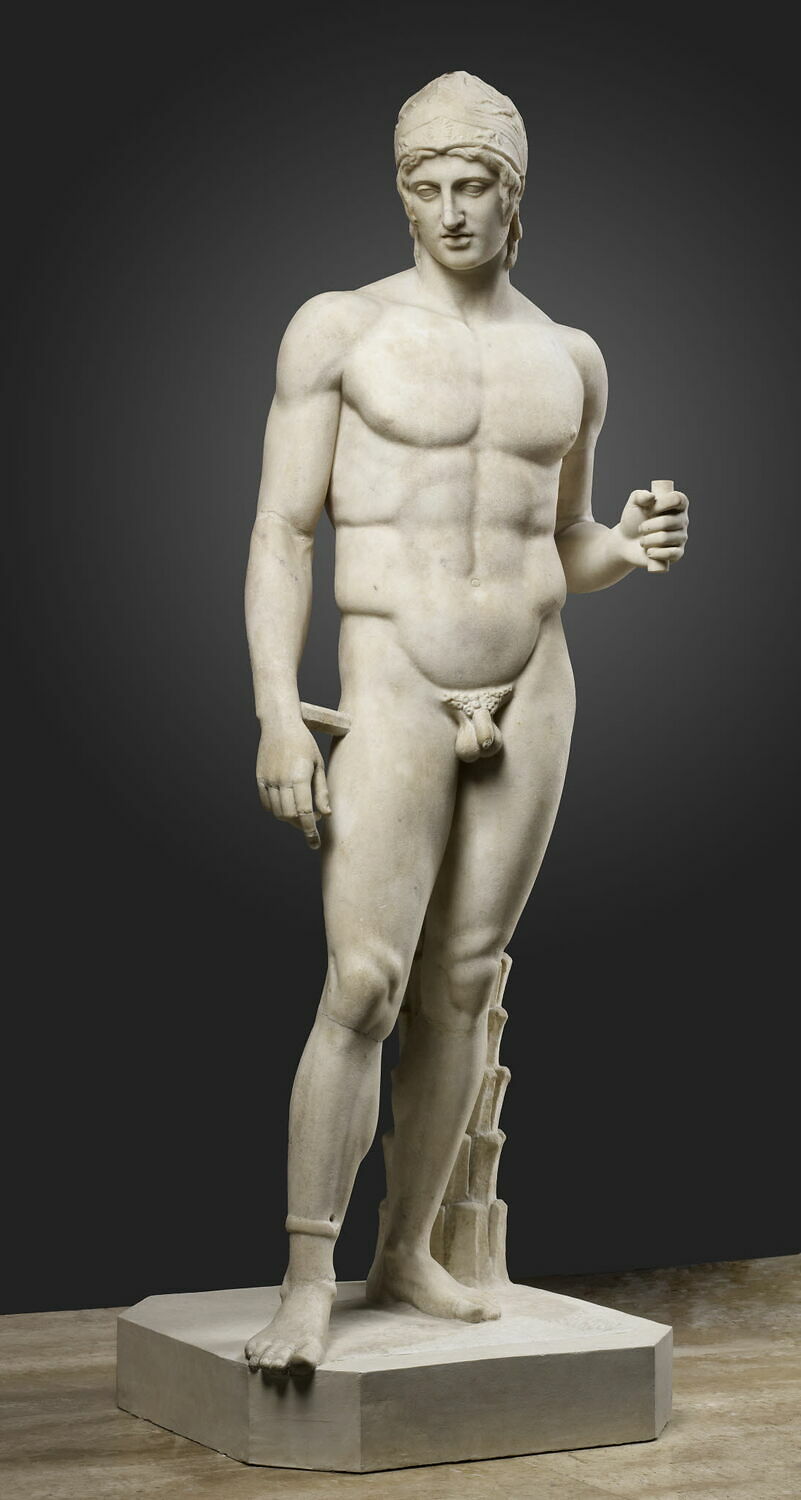
Arès Borghèse, romain impérial

Date de création/fabrication : 1e quart Ie s. av. J.-C. ; 2e quart Ie s. ap. J.-C. (-100 - 50)

Arès Borghèse, romain impérial Date de création/fabrication : 1e quart Ie s. av. J.-C. ; 2e quart Ie s. ap. J.-C. (-100 - 50)

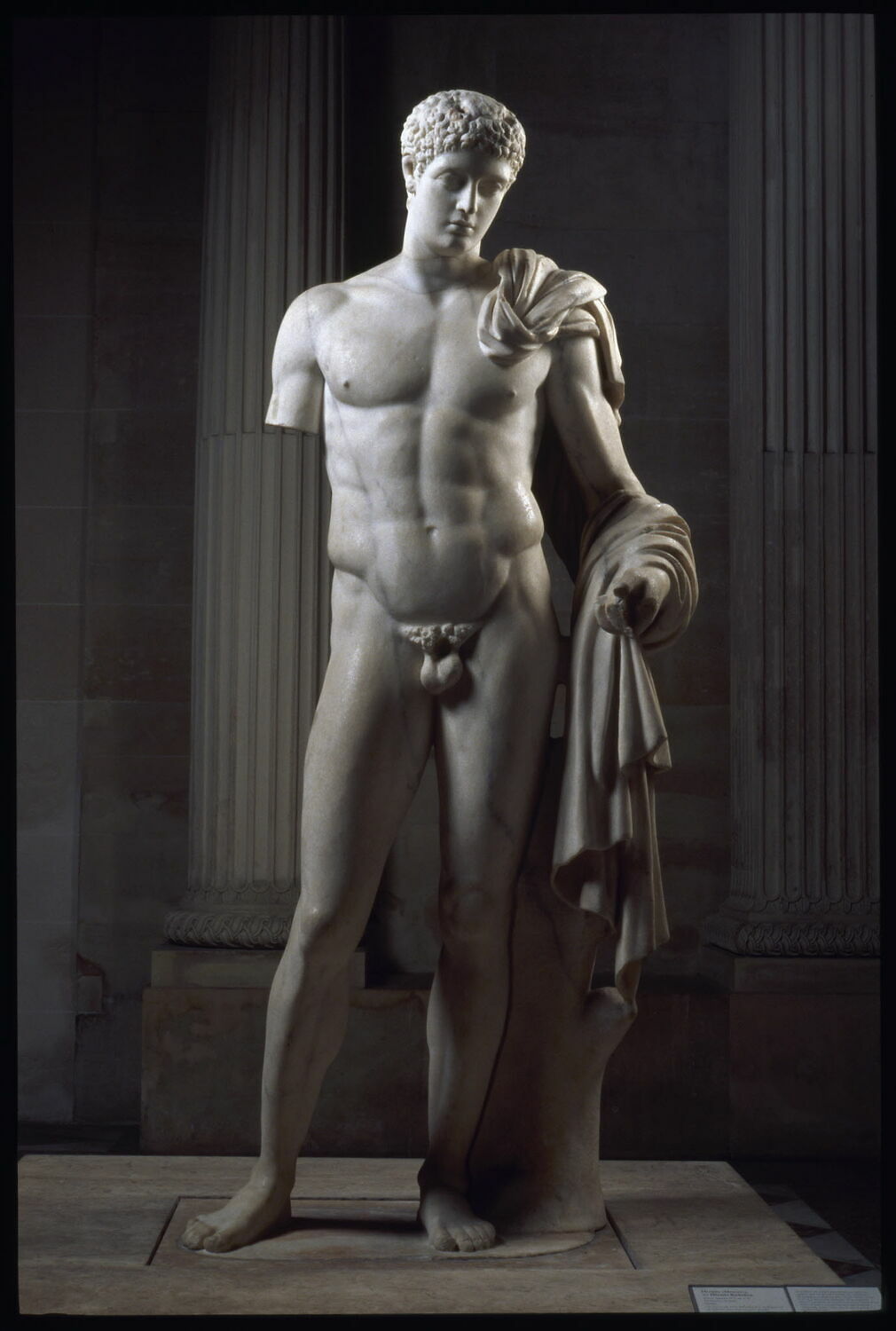
Hermès Richelieu, romain impérial

Date de création/fabrication : 2e quart IIe s. ap. J.-C. (125 - 150)

Hermès Richelieu, romain impérial Date de création/fabrication : 2e quart IIe s. ap. J.-C. (125 - 150)

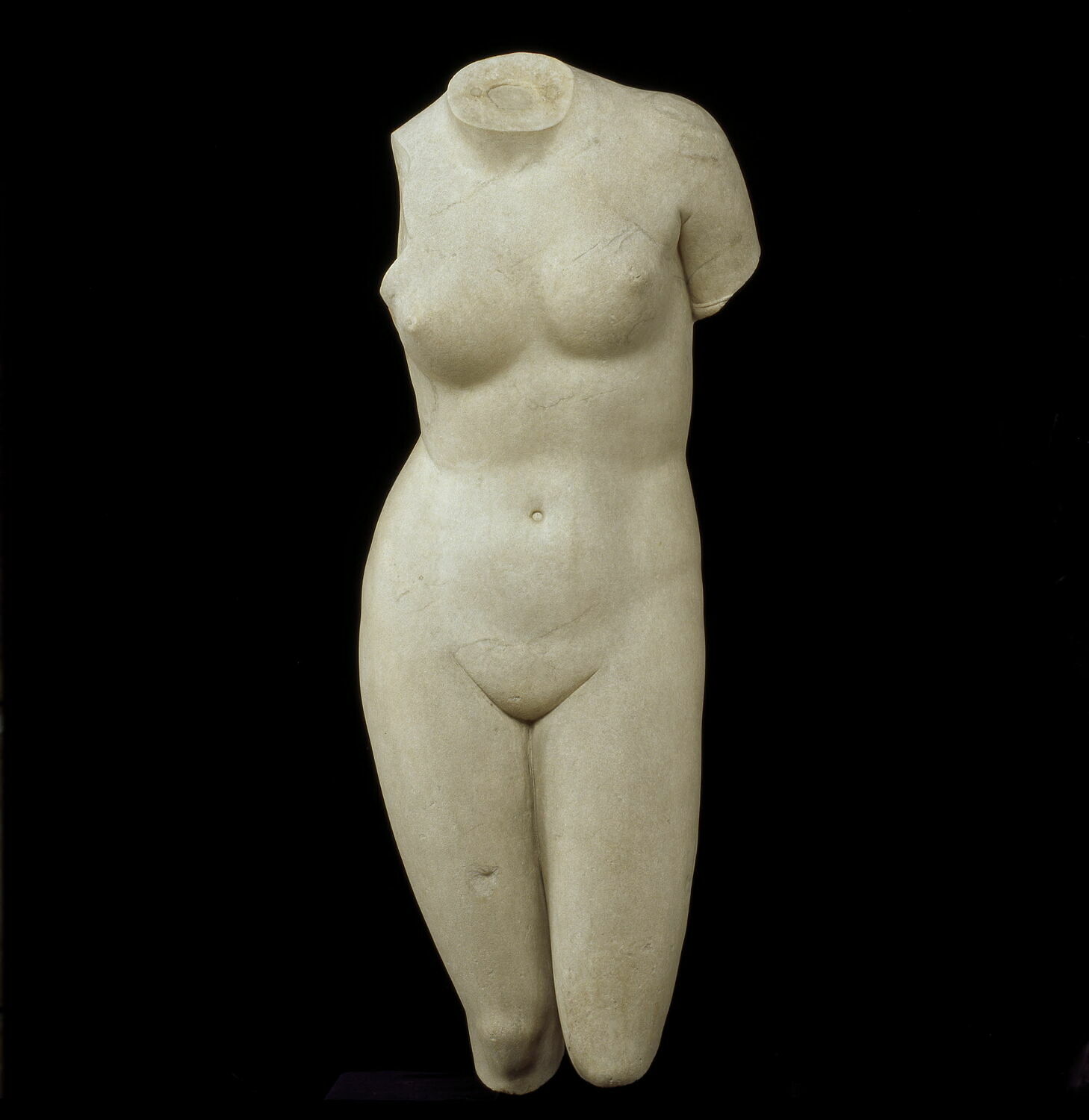
Aphrodite du type de l'"Aphrodite de Cnide", romain impérial

Date de création/fabrication : IIe s. ap. J.-C. (?) (100 - 200)

Aphrodite du type de l'"Aphrodite de Cnide", romain impérial Date de création/fabrication : IIe s. ap. J.-C. (?) (100 - 200)

Minerve au collier, romain impérial

Date de création/fabrication : Ie s. ap. J.-C. ; IIe s. ap. J.-C. (1 - 200)

Minerve au collier, romain impérial Date de création/fabrication : Ie s. ap. J.-C. ; IIe s. ap. J.-C. (1 - 200)

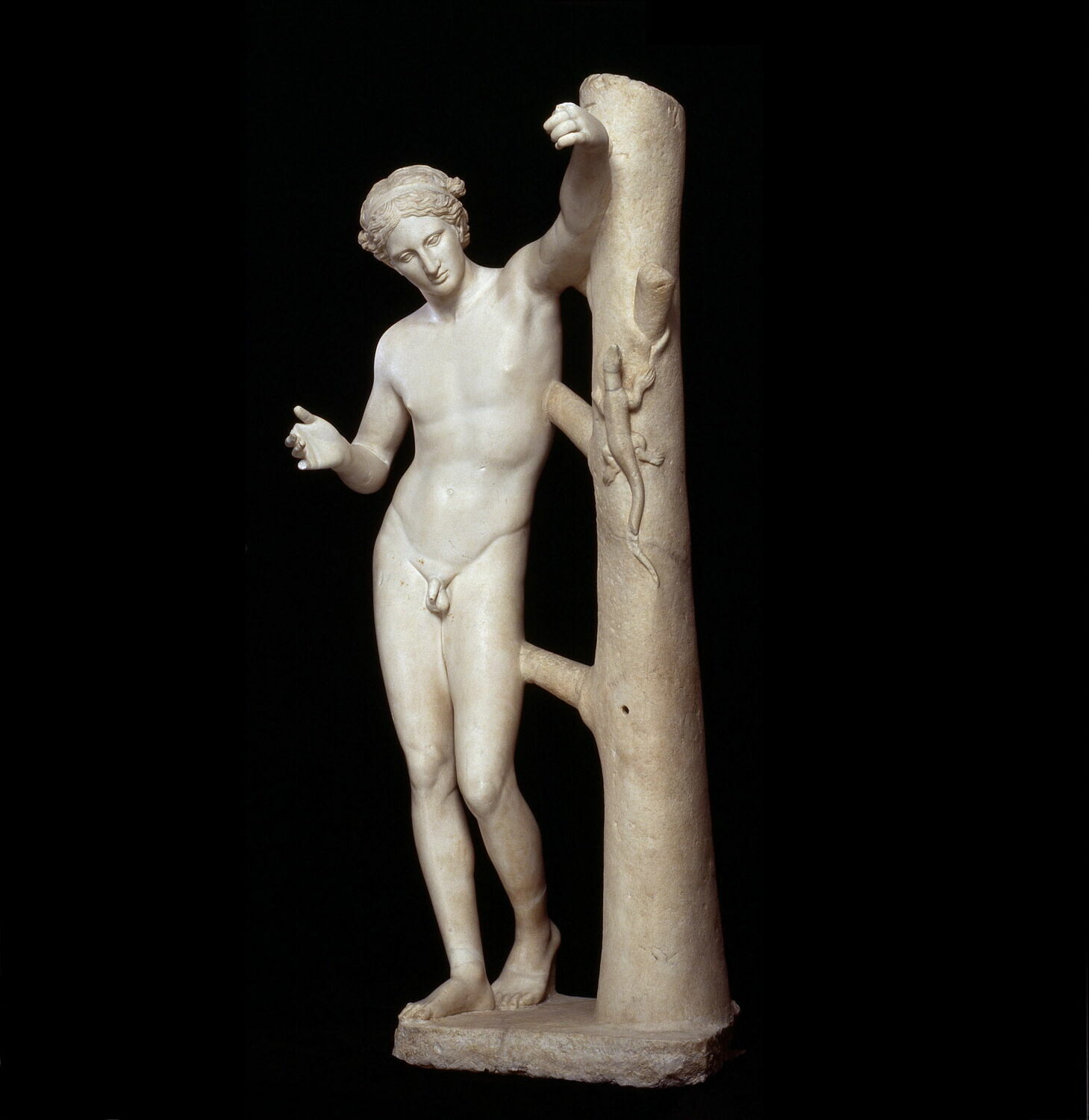
Apollon Sauroctone, romain impérial

Date de création/fabrication : 2e quart Ie s. ap. J.-C. (époque claudienne d'après Preisshofen) (25 - 50)

Apollon Sauroctone, romain impérial Date de création/fabrication : 2e quart Ie s. ap. J.-C. (époque claudienne d'après Preisshofen) (25 - 50)

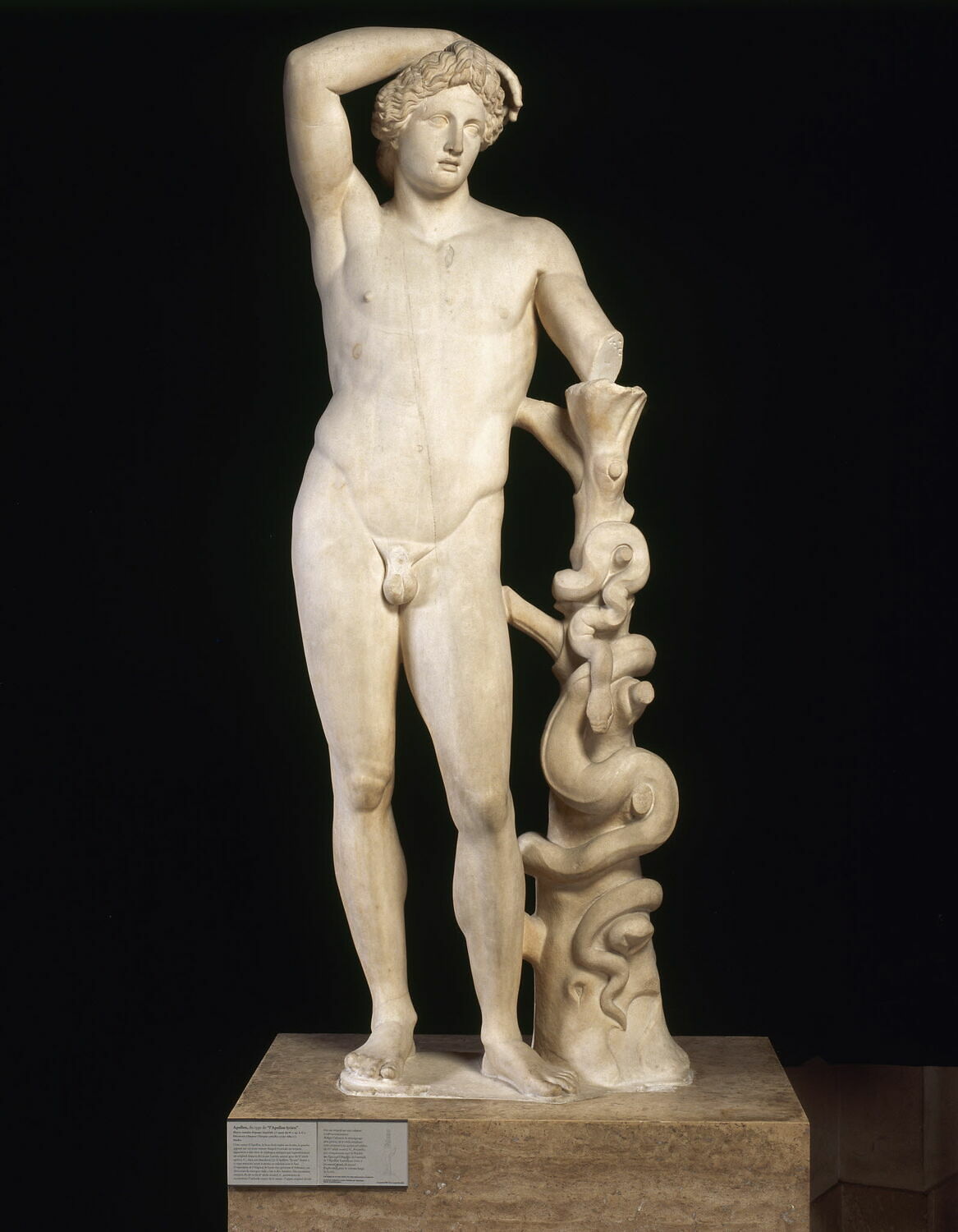
Apollon du type de l'"Apollon Lycien", romain impérial

Date de création/fabrication : 2e quart IIe s. ap. J.-C. (vers 150)

Apollon du type de l'"Apollon Lycien", romain impérial Date de création/fabrication : 2e quart IIe s. ap. J.-C. (vers 150)

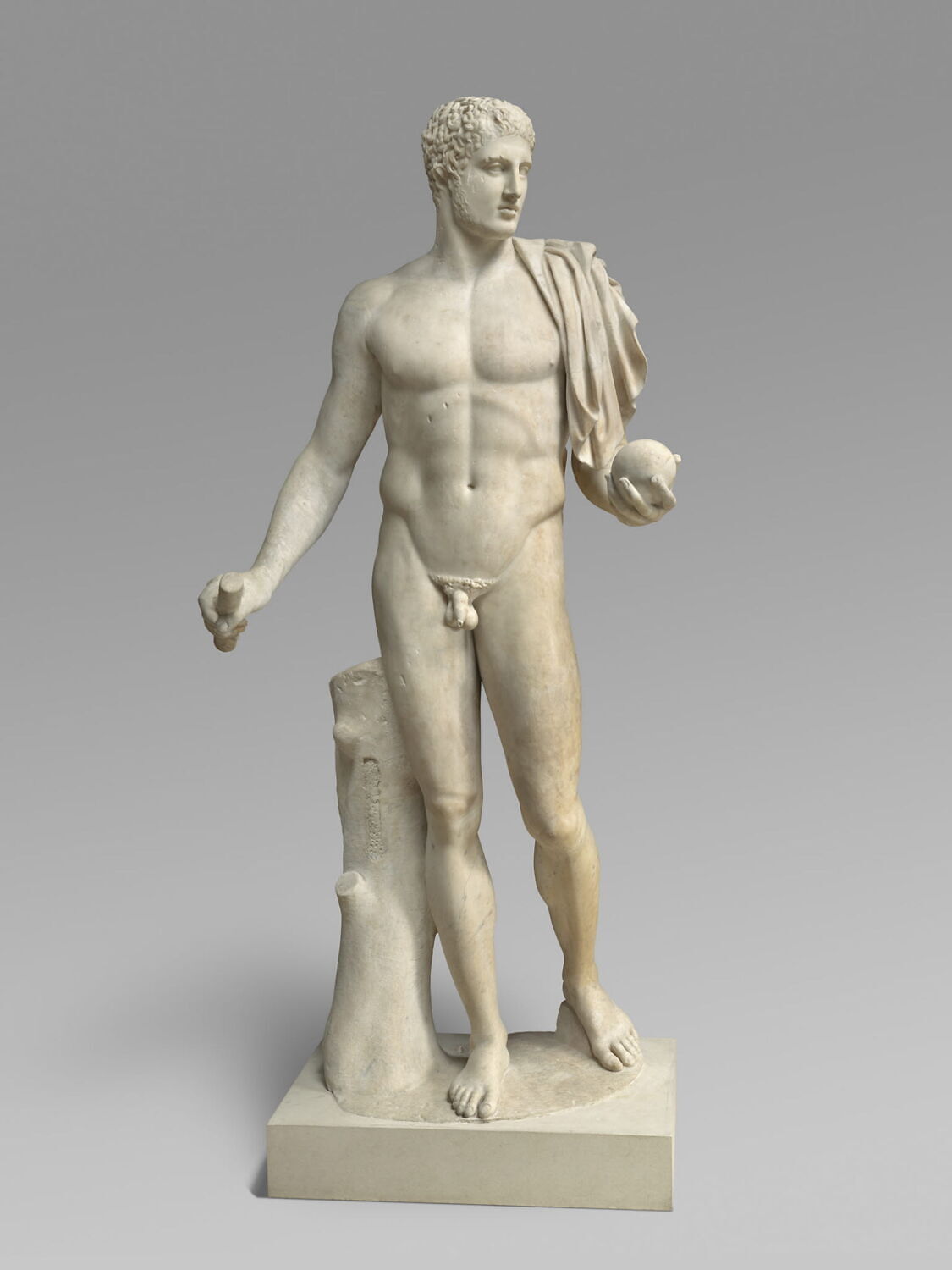
Diomède Richelieu, romain impérial

Date de création/fabrication : 2e moitié IIe s. ap. J.-C. (vers 150 d'après Lauter-vers 200 d'après Pasquier et Martinez) (150 - 200)

Diomède Richelieu, romain impérial Date de création/fabrication : 2e moitié IIe s. ap. J.-C. (vers 150 d'après Lauter-vers 200 d'après Pasquier et Martinez) (150 - 200)