ART WIKI32.963 te zien
KaartCollectieKunstenaarsMuseaTentoonstellingenJournal
Inloggen

ART WIKI

Waar het meesterwerk hangt en wanneer men u toelaat.

Collecties: Art Institute of Chicago, Cleveland Museum of Art, Getty Villa, Harvard Art Museums, Hermitage, Hirshhorn Museum and Sculpture Garden, J. Paul Getty Museum, Louvre, Metropolitan Museum of Art, Minneapolis Institute of Art, Museum of Modern Art, National Gallery of Art, National Museum of Asian Art, National Portrait Gallery, Poesjkinmuseum, Rijksmuseum Amsterdam, Russisch Museum, Smithsonian American Art Museum, Statens Museum for Kunst, Tretjakovgalerij, Victoria and Albert Museum, Whitney Museum of American Art, Staatscatalogus van het Russische museumfonds (274 musea), Europeana (19 musea), Wikidata (6 musea), Paris Musées (12 musea) en Joconde, de museumdatabank van het Franse ministerie van Cultuur (495 musea). De afbeeldingen behoren toe aan hun rechthebbenden.

Rubrieken

  • Kaart
  • Zoeken
  • Collectie
  • Meesterwerken
  • Nu te zien
  • Kunstenaars

Meer

  • Musea & galerieën
  • Tentoonstellingen
  • Journal
  • Waar de gegevens vandaan komen
  • Privacy & cookies
StartpaginaKaartCatalogus
  1. Collectie/
  2. Museum of Modern Art/
  3. Solo for Voice 2
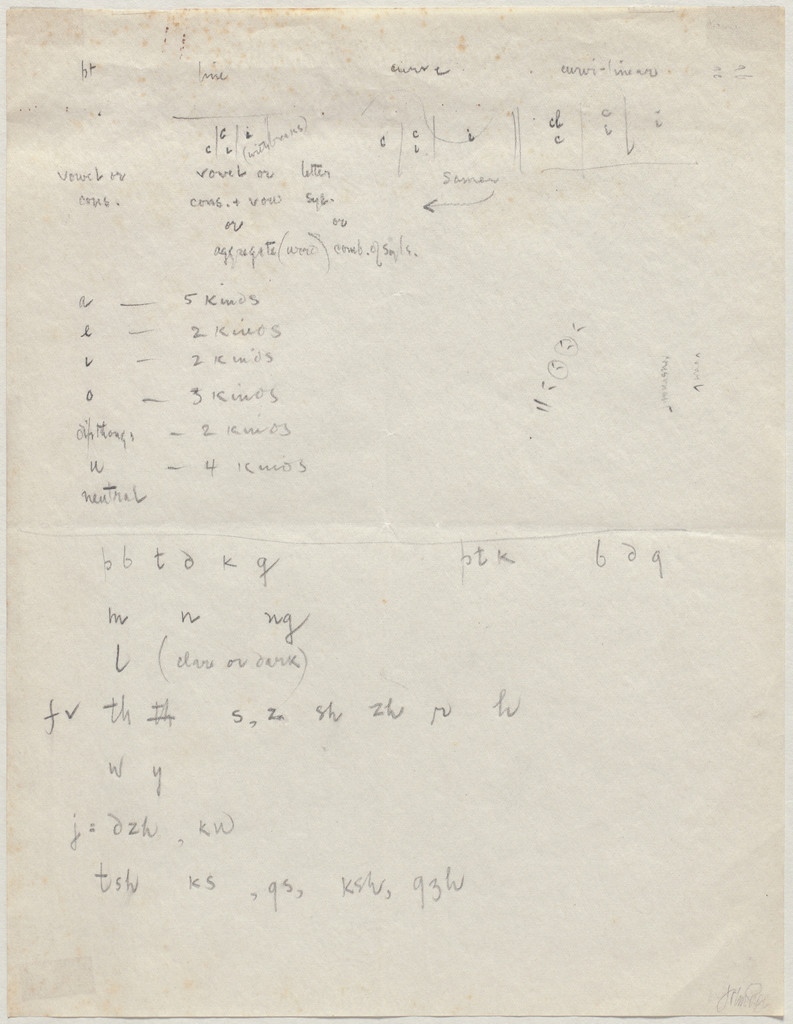
Solo for Voice 2, John Cage, 1960
John Cage, portretJohn CageVerenigde Staten, 1912–1992

Solo for Voice 2

1960 · Drawing

Mag men het zien?

Ontvangt momenteel niet

Museum of Modern Art

New York, Verenigde Staten

Het hoort bij de collectie, maar is momenteel niet tentoongesteld.

Gecontroleerd
9 dagen geleden
Bron
Het museum
Op de kaartMuseumpagina

Gegevens

1960 · op 48-jarige leeftijd
19121992
Inventarisnummer
2117.2008.1-4

In de catalogus

Tekeningen & aquarellenPotloodNaoorlogse kunst20e eeuw

Bronnen

  • Museum of Modern Art
  • Afbeelding: Museum of Modern Art — © the artist or rights holder

Intussen, in het leven van John Cage

Het hele leven
  1. 1950s

    Chance wrecks his reputation

    The adoption of chance procedures has disastrous consequences for Cage's reputation: the press, which used to react favourably to his percussion and prepared-piano music, ignores his new works, and many valuable friendships and connections are lost. Boulez, who used to promote Cage's work in Europe, opposes his particular use of chance, as do other composers who came to prominence in the 1950s, such as Stockhausen.

  2. 1956–1961

    The New School class and Fluxus

    From 1956 to 1961 Cage teaches classes in experimental composition at The New School in New York (from 1956 to 1958 he also works as an art director and designer of typography); most of his students are visual artists with little or no musical background: Jackson Mac Low, Allan Kaprow, Al Hansen, George Brecht, Ben Patterson, Dick Higgins. The classes influence the formation of Fluxus; Cage met Kaprow, who coined the term “happenings”, on a mushroom hunt with George Segal and invited him to join his class.

  3. 1960

    Wesleyan University and Norman O. Brown

    From the 1950s until his death Cage collaborates with the music department of Wesleyan University in Middletown, where the philosopher, poet and classicist Norman O. Brown befriends him — an association fruitful to both. In 1960 Cage is appointed a fellow on the faculty of the Center for Advanced Studies and starts teaching classes in experimental music.

  4. October 1960

    Cologne: Paik cuts Cage's tie

    In October 1960 Mary Bauermeister's Cologne studio hosts a joint concert by Cage and the video artist Nam June Paik, Cage's friend and mentee; in the course of his performance of “Etude for Piano” Paik cuts off Cage's tie and pours a bottle of shampoo over the heads of Cage and Tudor.

  5. from 1960 until the early 1970s

    Arthritis: Cage stops performing in public

    Arthritis troubles Cage from 1960, and by the early 1970s his hands are painfully swollen, so that he can no longer perform — “Cheap Imitation” is the last work he plays in public — and manuscripts for publication, previously done in his calligraphic script, now have to be completed by assistants. On top of this, David Tudor leaves performing for composition in the early 1970s, and Cage, for the first time in two decades, has to rely on other performers — Grete Sultan, Paul Zukofsky, Margaret Leng Tan and many others.

  6. October 1961

    “Silence” and Edition Peters: wide fame

    In October 1961 Wesleyan University Press publishes “Silence”, a collection of Cage's lectures and writings on a wide variety of subjects, including the famous “Lecture on Nothing”, composed using a complex time-length scheme; it is the first of his six books and remains his most widely read and influential. In the early 1960s he begins a lifelong association with the music publisher Edition Peters: its president Walter Hinrichsen offers an exclusive contract and instigates a catalogue of Cage's works (1962); together with “Silence” this brings the composer much greater prominence than ever before.

Meer van John Cage

Alle werken
Bassoon Chart for HPSCHD (with Lejaren Hiller), John Cage

Bassoon Chart for HPSCHD (with Lejaren Hiller)

Niet te zien · National Gallery of Art

Solo for Violin (Concert for Piano and Orchestra): Sketch, John Cage

Solo for Violin (Concert for Piano and Orchestra): Sketch

Niet te zien · National Gallery of Art

Atlas Eclipticalis (Mixer Manipulation), John Cage

Atlas Eclipticalis (Mixer Manipulation)

Niet te zien · National Gallery of Art

Solo for Violin (Concert for Piano and Orchestra): Sketch, John Cage

Solo for Violin (Concert for Piano and Orchestra): Sketch

Niet te zien · National Gallery of Art

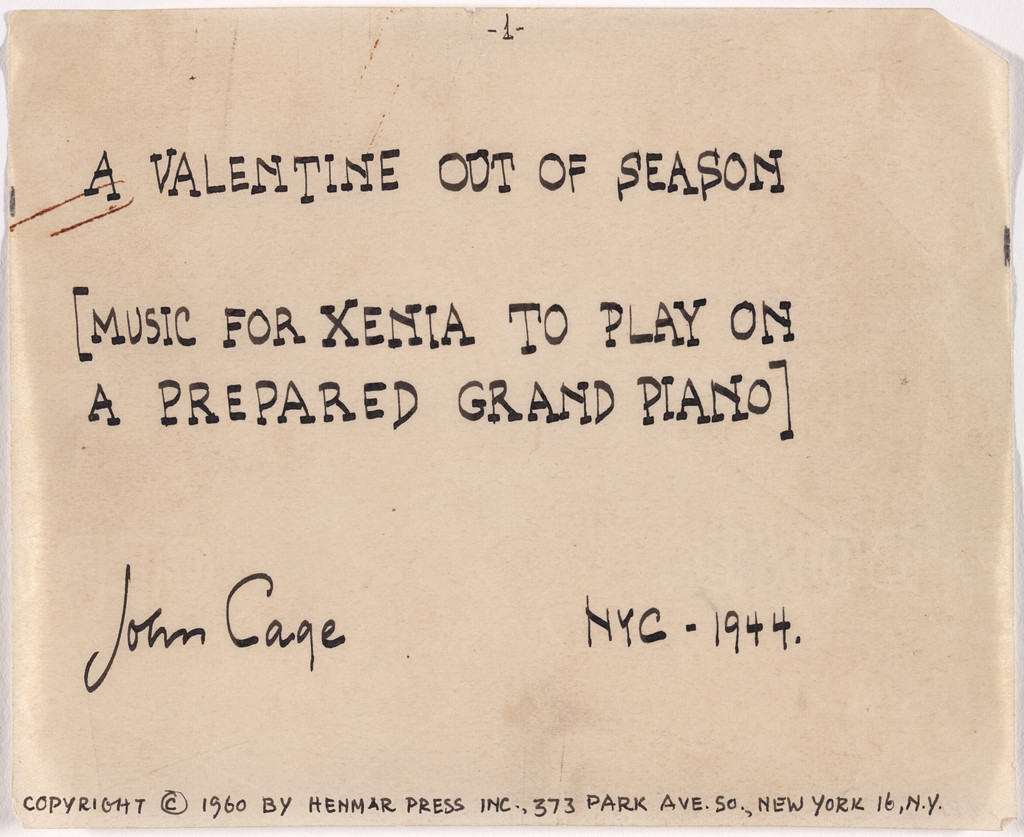
A Valentine out of Season, John Cage, 1944/1960

A Valentine out of Season

1944/1960 · Niet te zien · Museum of Modern Art

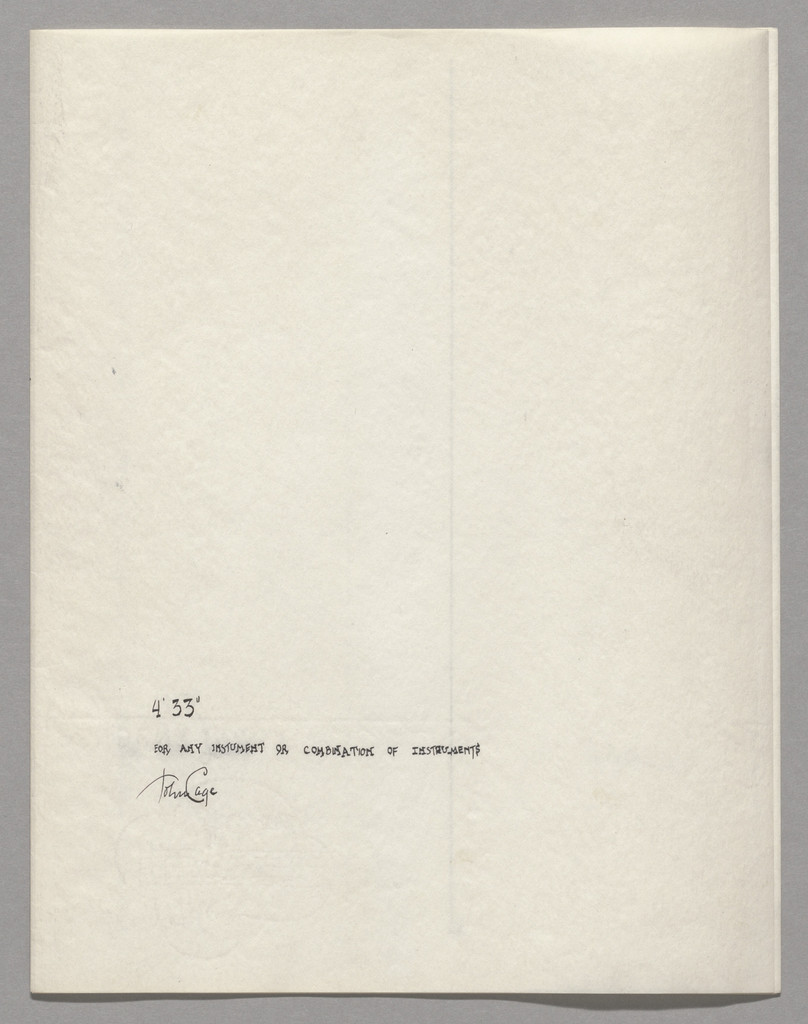
4'33" (In Proportional Notation), John Cage, 1952/1953

4'33" (In Proportional Notation)

1952/1953 · Niet te zien · Museum of Modern Art

Solo for Flute (Concert for Piano and Orchestra): Sketch, John Cage, 1957-1958

Solo for Flute (Concert for Piano and Orchestra): Sketch

1957-1958 · Niet te zien · National Gallery of Art

Music Walk (Notation Plan), John Cage, c. 1958

Music Walk (Notation Plan)

c. 1958 · Niet te zien · National Gallery of Art

Buren in huis: Museum of Modern Art

Museumpagina
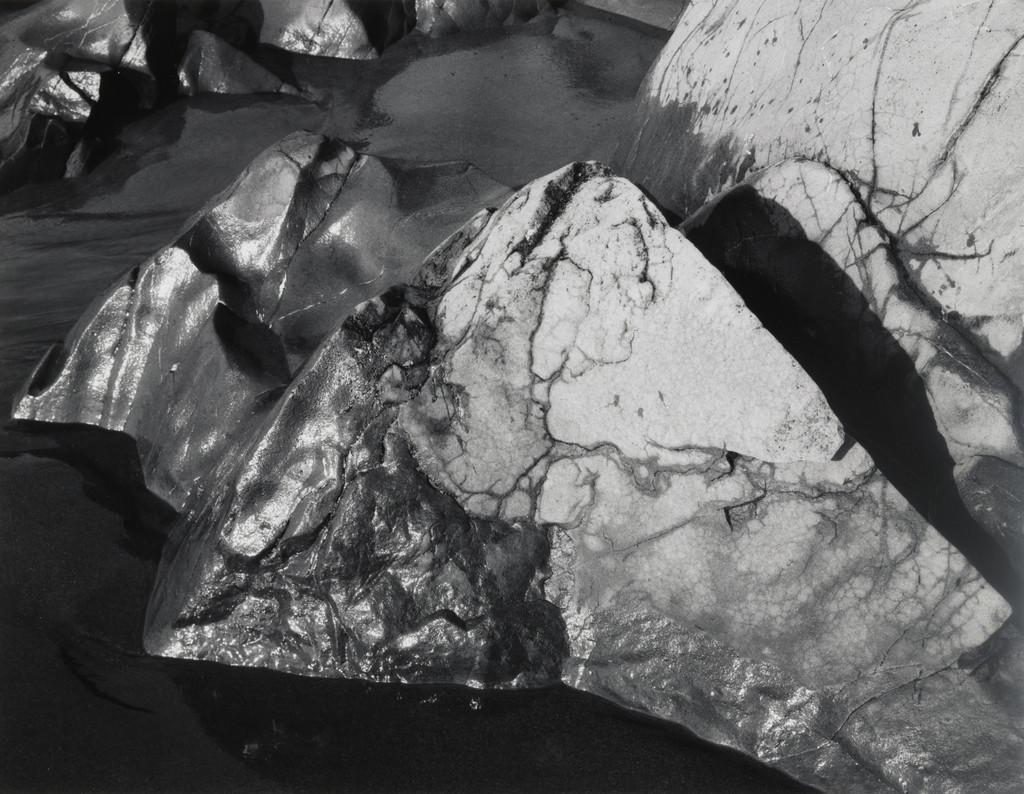
Rock, Bakers Beach, San Francisco, California, Ansel Adams, c. 1931

Ansel Adams

Rock, Bakers Beach, San Francisco, California, c. 1931

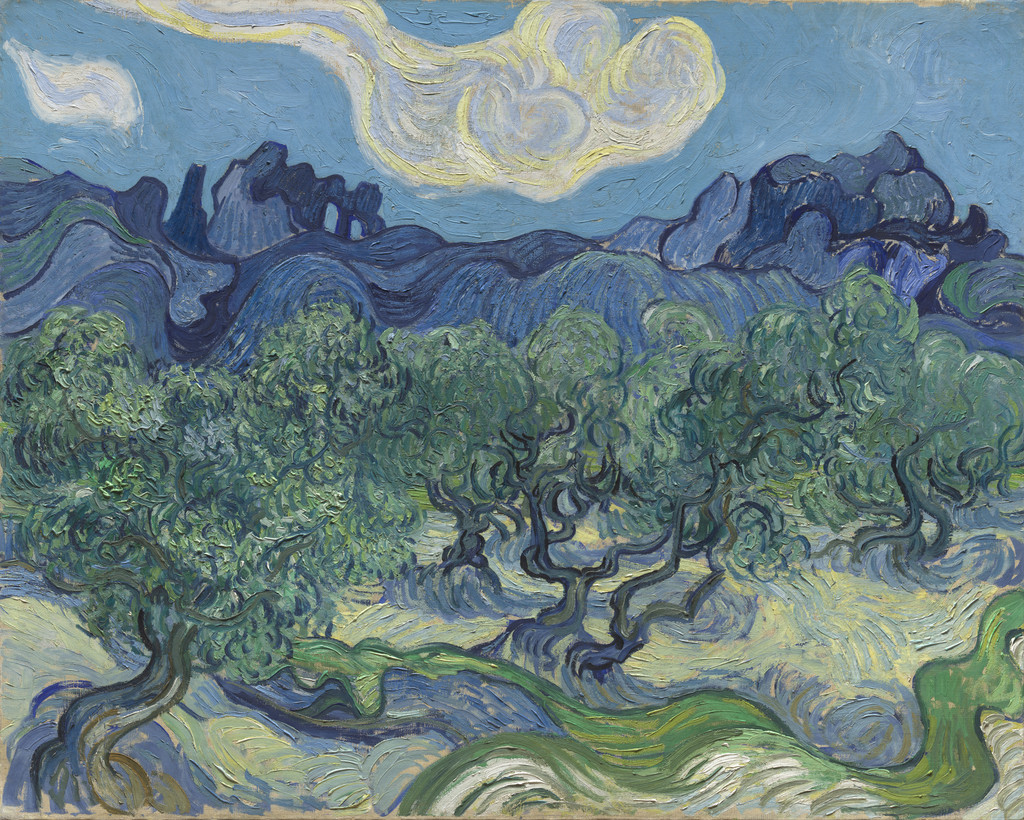
The Olive Trees, Vincent van Gogh, Saint Rémy, June-July 1889

Vincent van Gogh

The Olive Trees, Saint Rémy, June-July 1889

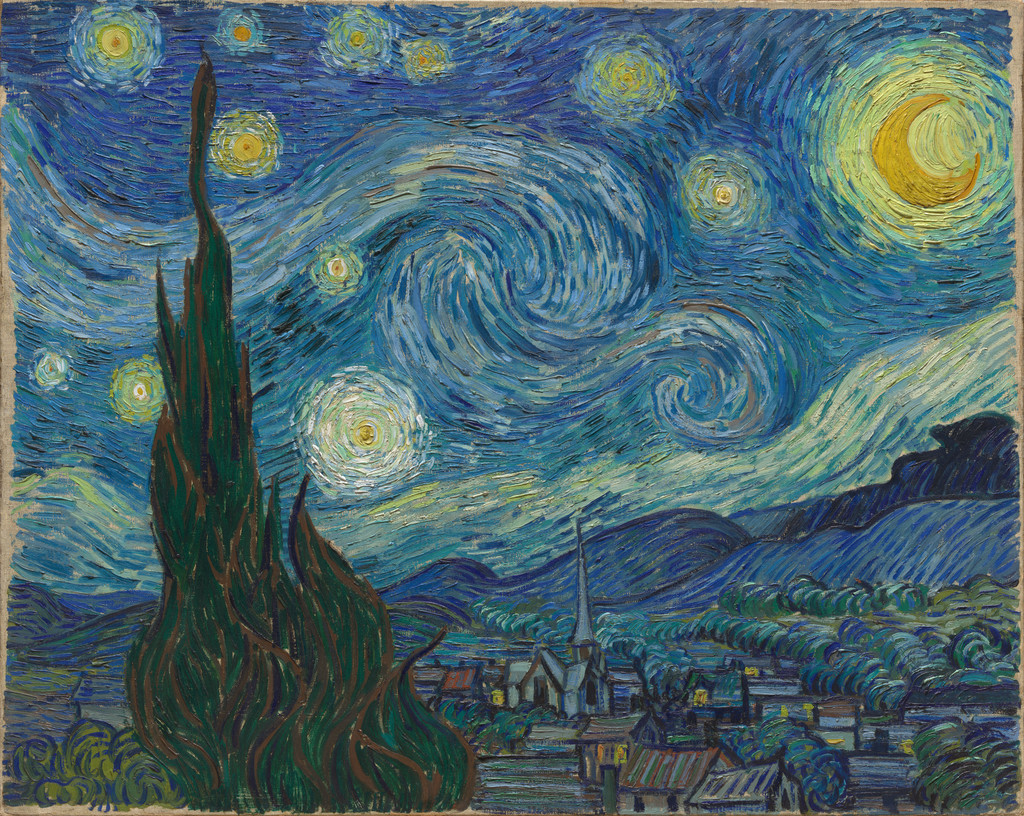
The Starry Night, Vincent van Gogh, Saint Rémy, June 1889

Vincent van Gogh

De sterrennacht, Saint Rémy, June 1889

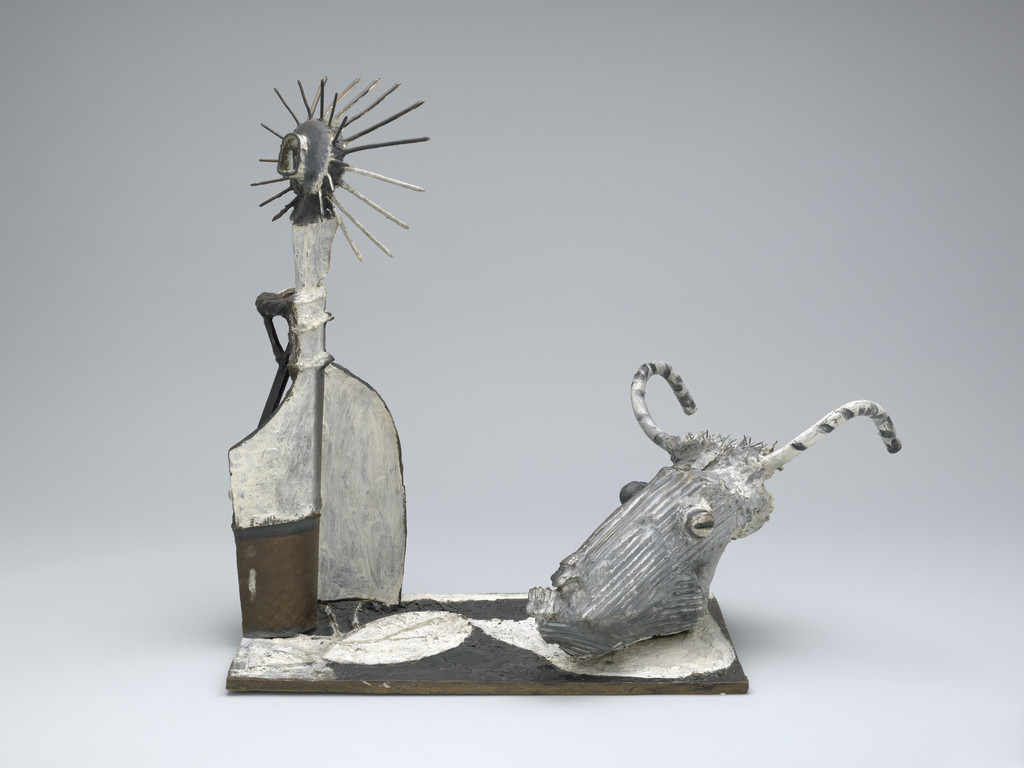
Goat Skull and Bottle, Pablo Picasso, Vallauris, 1951 (cast 1954)

Pablo Picasso

Goat Skull and Bottle, Vallauris, 1951 (cast 1954)

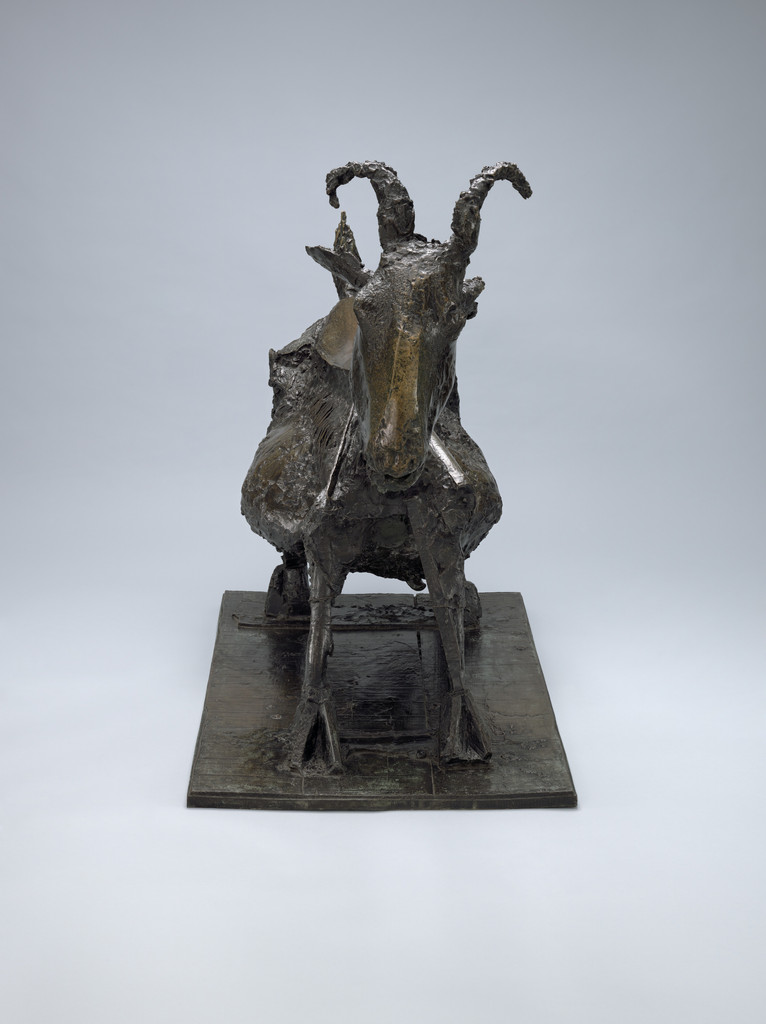
She-Goat, Pablo Picasso, Vallauris, 1950 (cast 1952)

Pablo Picasso

She-Goat, Vallauris, 1950 (cast 1952)

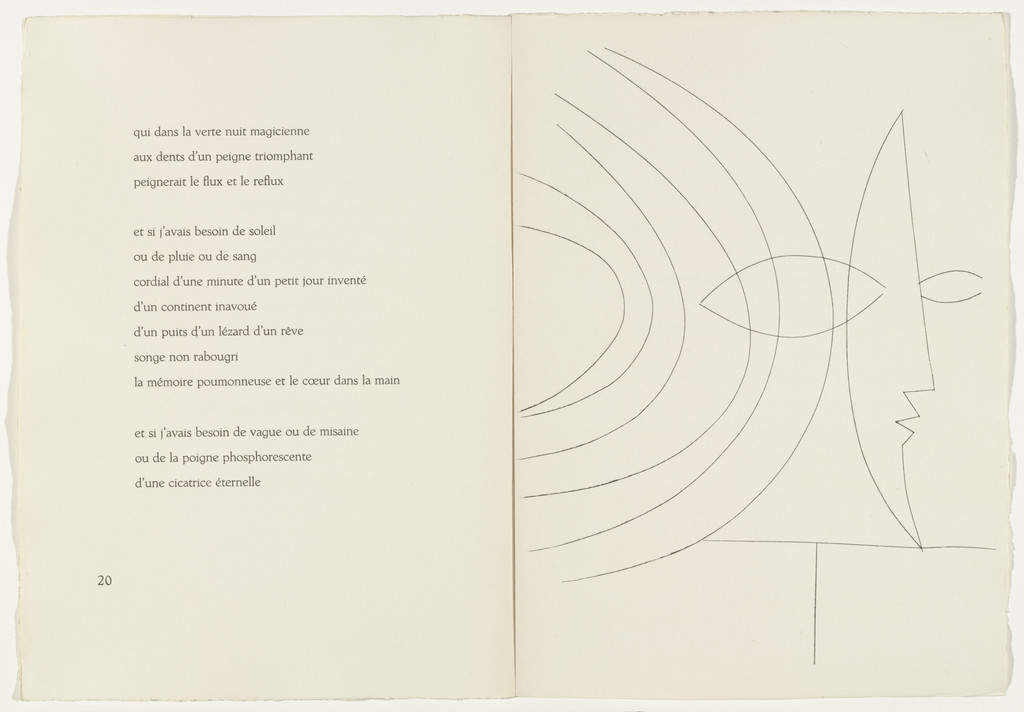
Face in Profile (plate, page 21) from Corps perdu, Pablo Picasso, 1949, published 1950

Pablo Picasso

Face in Profile (plate, page 21) from Corps perdu, 1949, published 1950

Coupling (plate, page 17) from Corps perdu, Pablo Picasso, 1949, published 1950

Pablo Picasso

Coupling (plate, page 17) from Corps perdu, 1949, published 1950

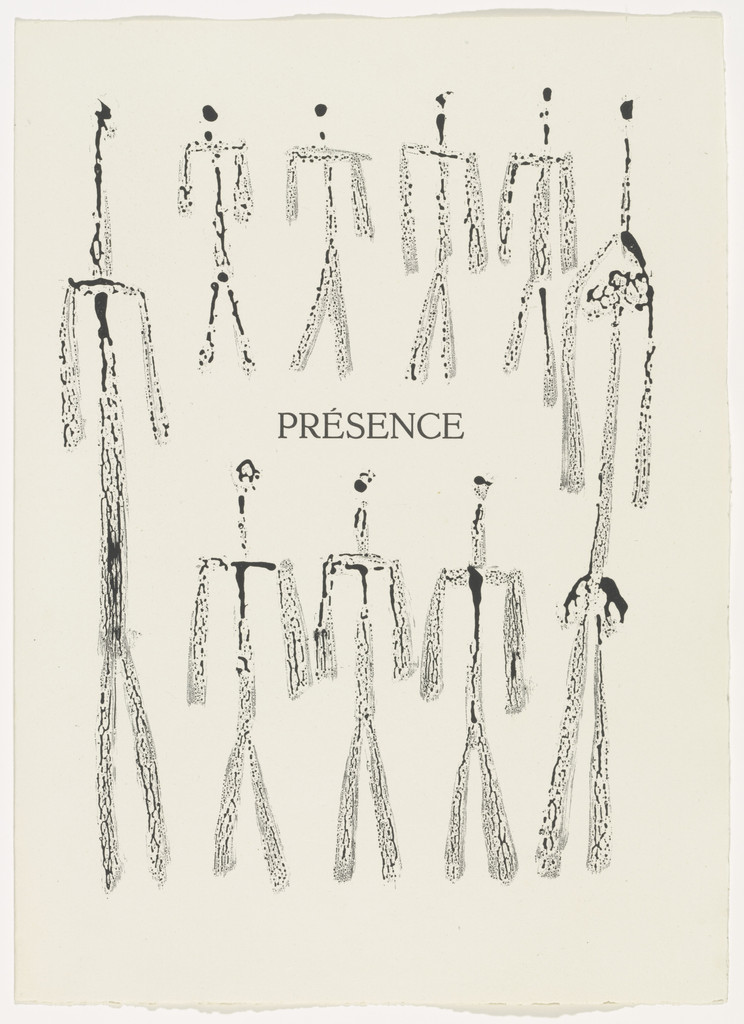
"Présence" (chapter title, page 13) from Corps perdu, Pablo Picasso, 1949, published 1950

Pablo Picasso

"Présence" (chapter title, page 13) from Corps perdu, 1949, published 1950