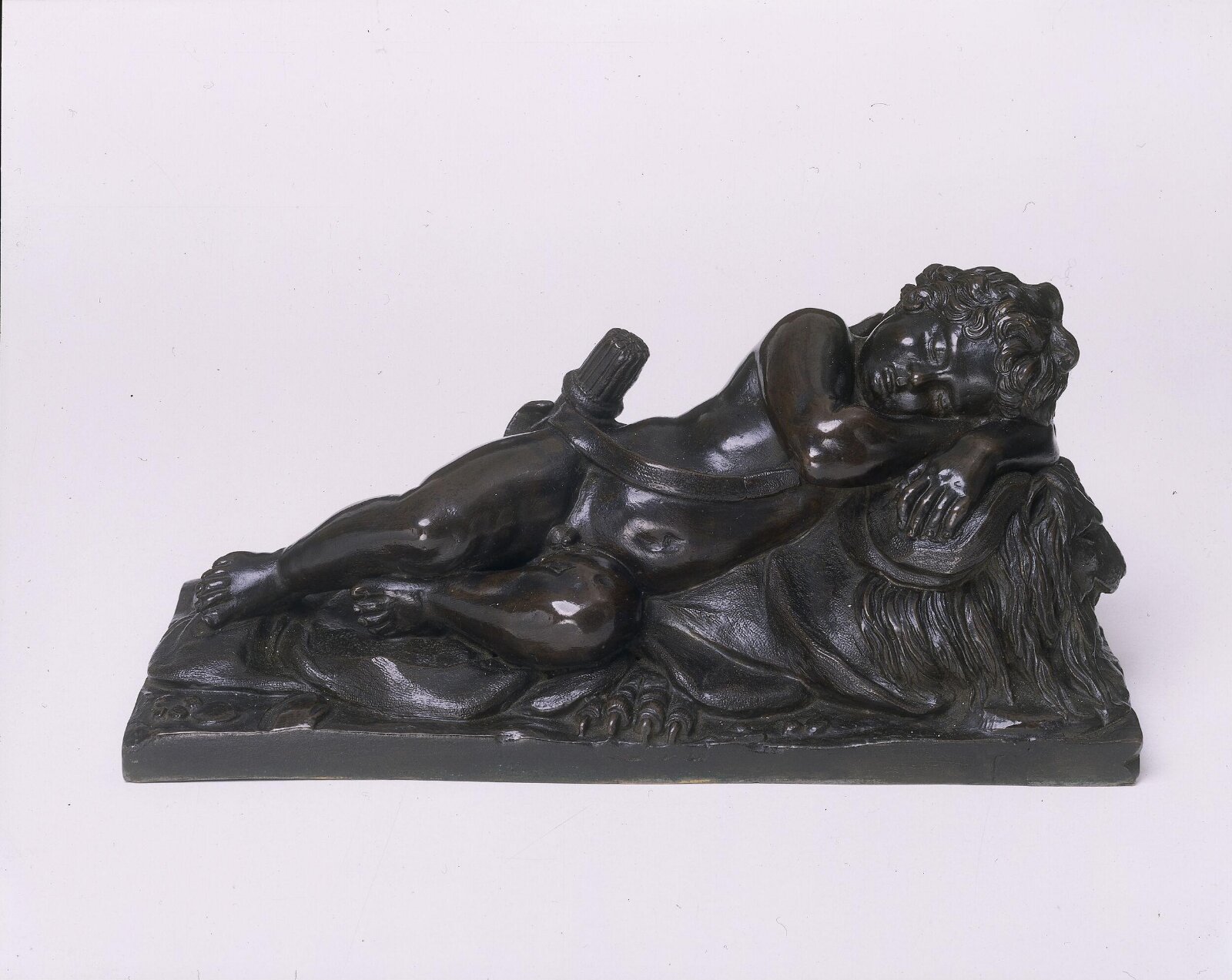
 Francesco FanelliItalië, 1577
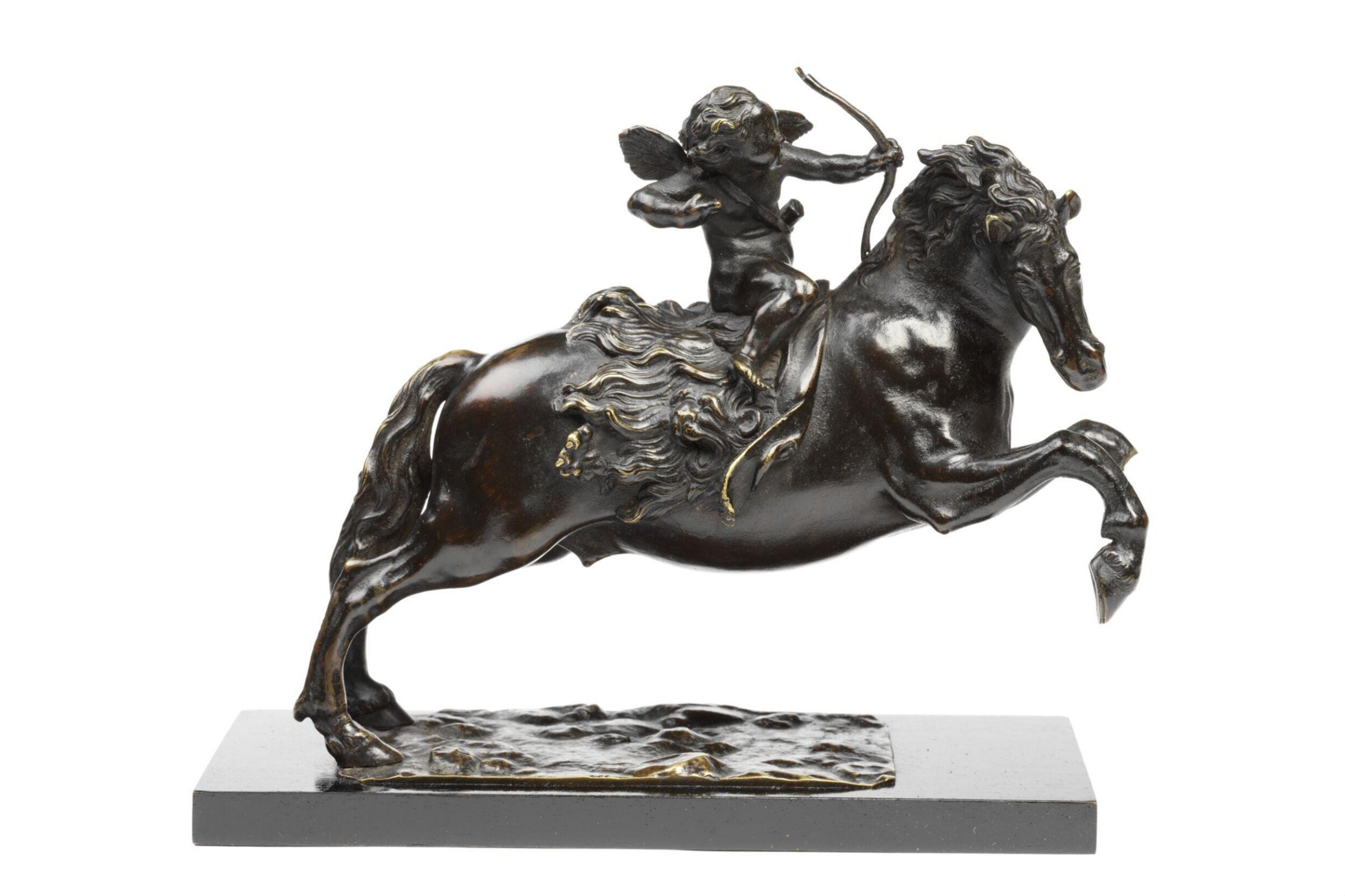
Sleeping Cupid
Mag men het zien?
Ja, het ontvangt bezoek

Londen, Verenigd Koninkrijk
ZaalBritish Galleries, Room 56, The Djanogly Gallery
Publiek tentoongesteld.
- Gecontroleerd
- Ongewijzigd sinds
- Bron
- Het museum
Over de sculptuur
Object Type
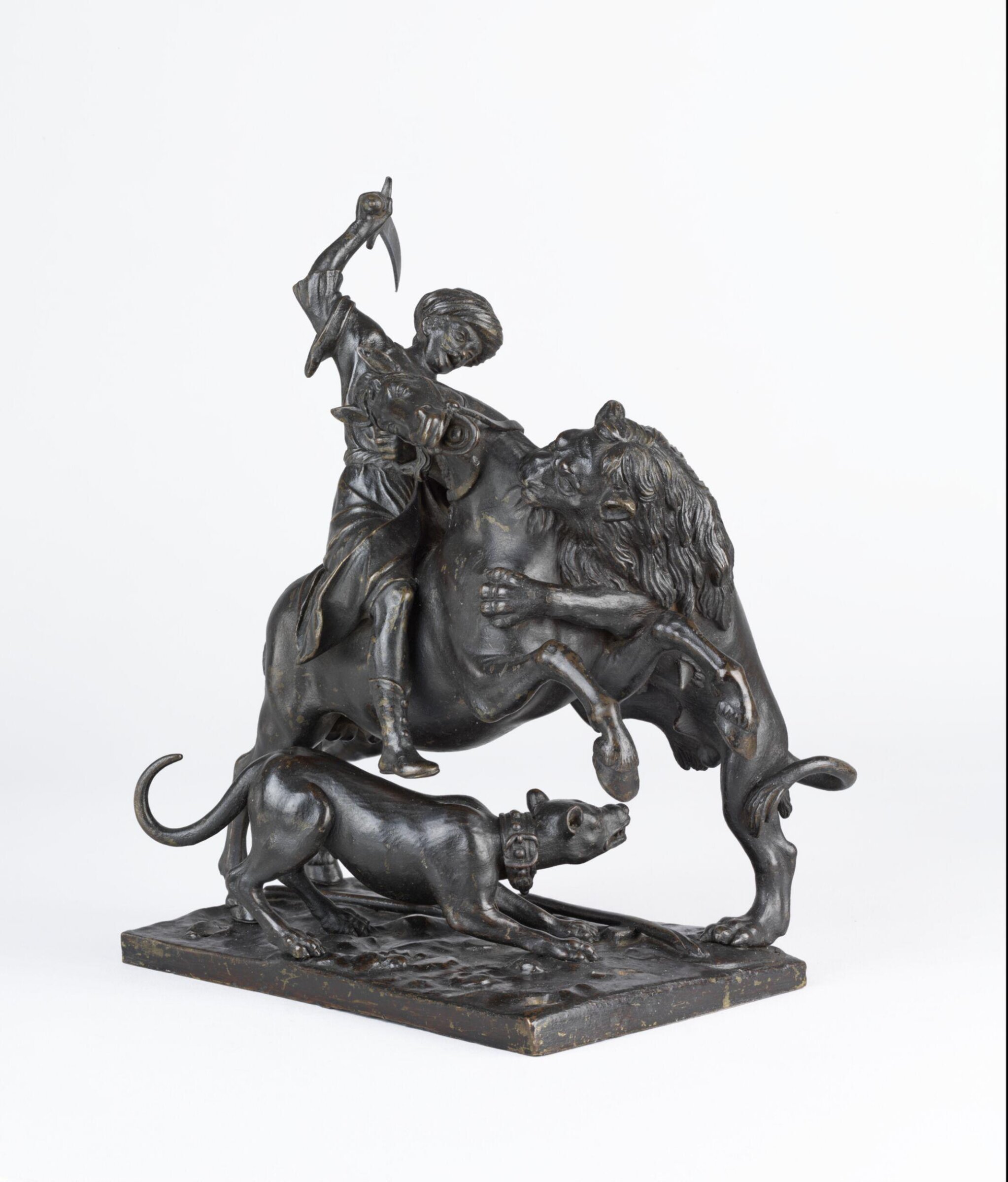
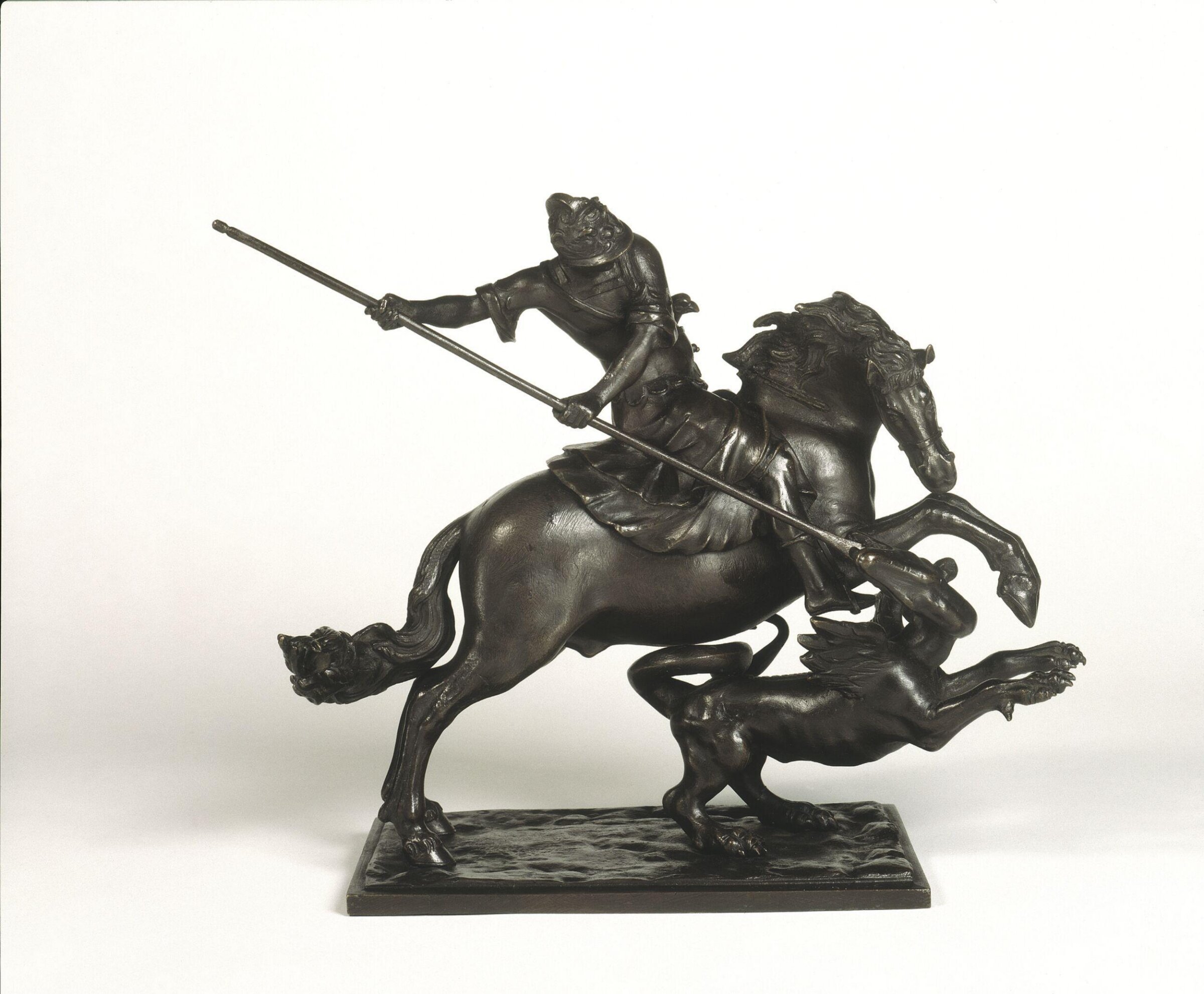
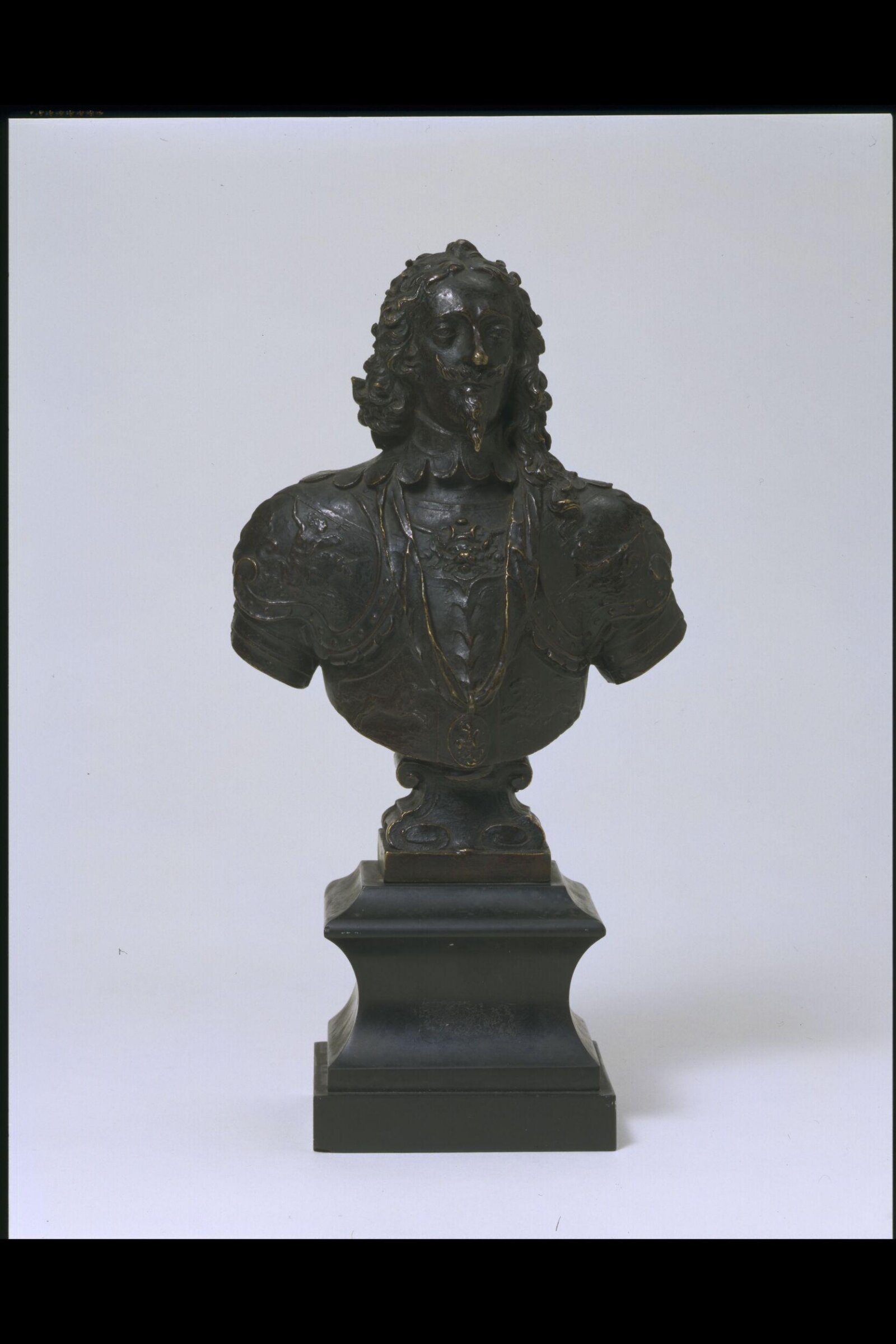
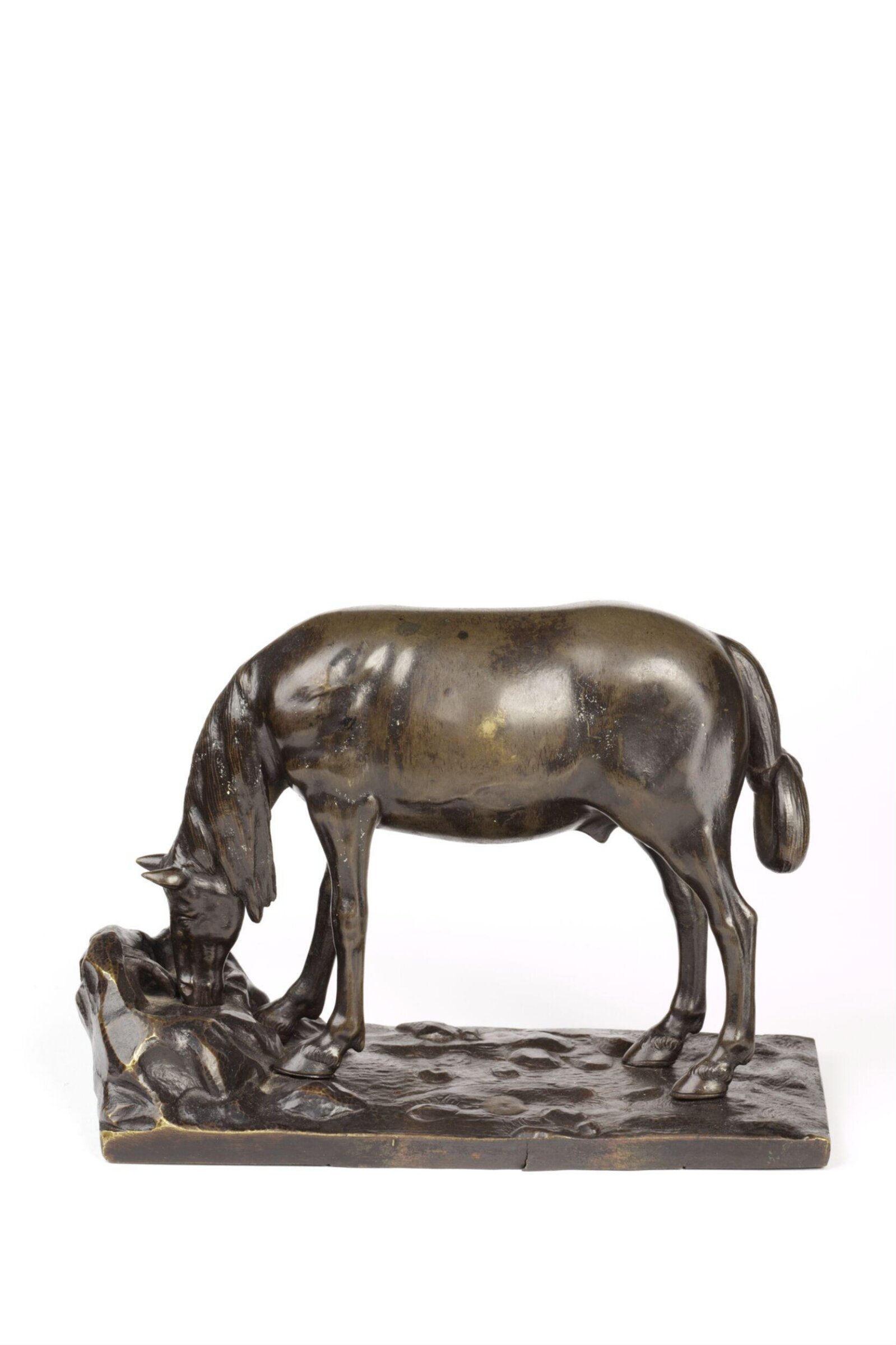
The bronze is signed underneath with a single F, while another version in a private collection in England is marked FFF, representing the sculptor's name and city of origin (Florence). The monogram was added in the wax before casting. This signed Cupid is rare and of high quality, but Fanelli's bronzes were reproduced in some numbers, of varying quality, even after his death.
People
Fanelli was born in Florence. He worked in Genoa, using marble, ivory and silver, as well as bronze, before coming to England in the early 1630s. Although he was said to have 'livd and dyd in England', it has sometimes been assumed that he left the country at the outbreak of the Civil War. The recent discovery of his baptismal records, revealing his birth date of 1577, make it more likely that he died around 1641, when he was last documented.
Time
Lees meer
In the late 16th century, the sculptor Giovanni Bologna (1529-1608, active in Florence), and his followers were responsible for a significant output of sophisticated and high quality statuettes. These were dispersed throughout Europe and Charles I inherited a group from his elder brother, Henry, who died in 1612. They doubtless influenced both the King's taste and Francesco Fanelli's production.
Materials & Making
Bronze is an alloy of copper and tin, though its exact content can vary. Fanelli's 'bronzes' actually appear to be brass, which is a copper-zinc alloy, with a dark lacquer applied to the surface.
The lost wax method of casting is a complicated procedure that creates a bronze sculpture using a wax model taken from the original design. In Fanelli's workshop, waxes were cast in moulds taken from individual elements of the original, which could have been made of clay or wax. By assembling the wax sections slightly differently, Fanelli was able to produce variations of the same composition.
Victoria and Albert Museum
Gegevens
- Inventarisnummer
- A.2&:2-1981
Wat het toont
In de catalogus
Bronnen
- Victoria and Albert Museum
- Afbeelding: Victoria and Albert Museum — © Victoria and Albert Museum, London