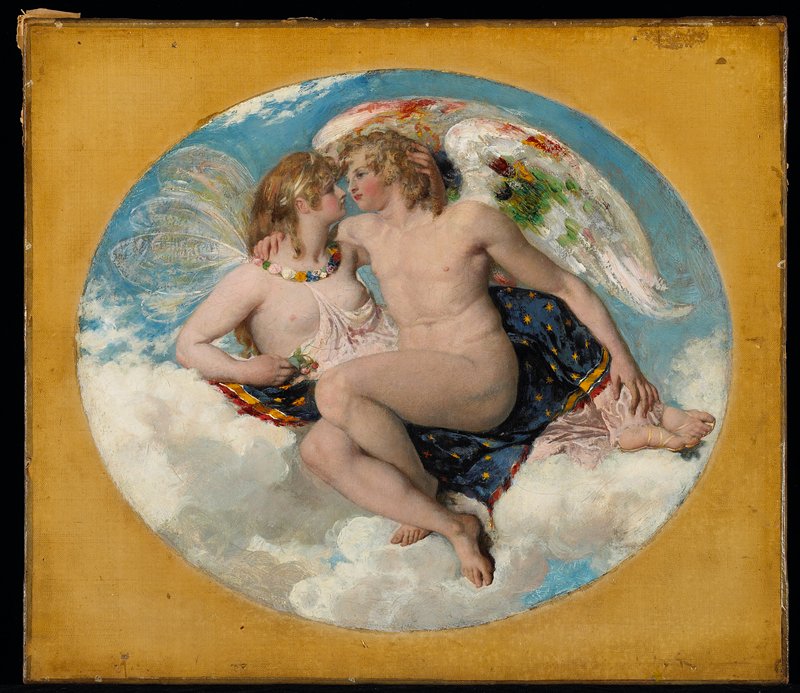
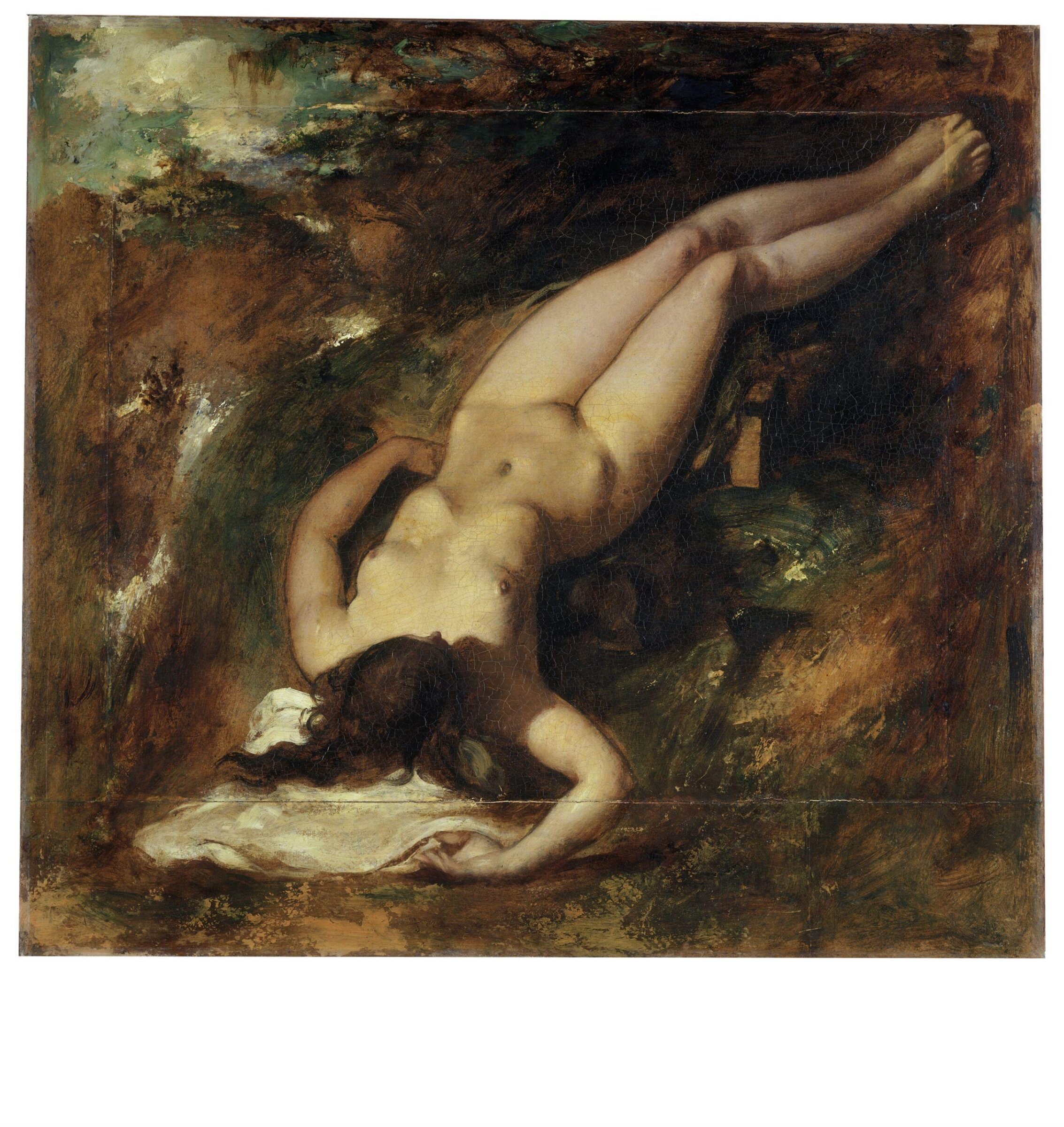
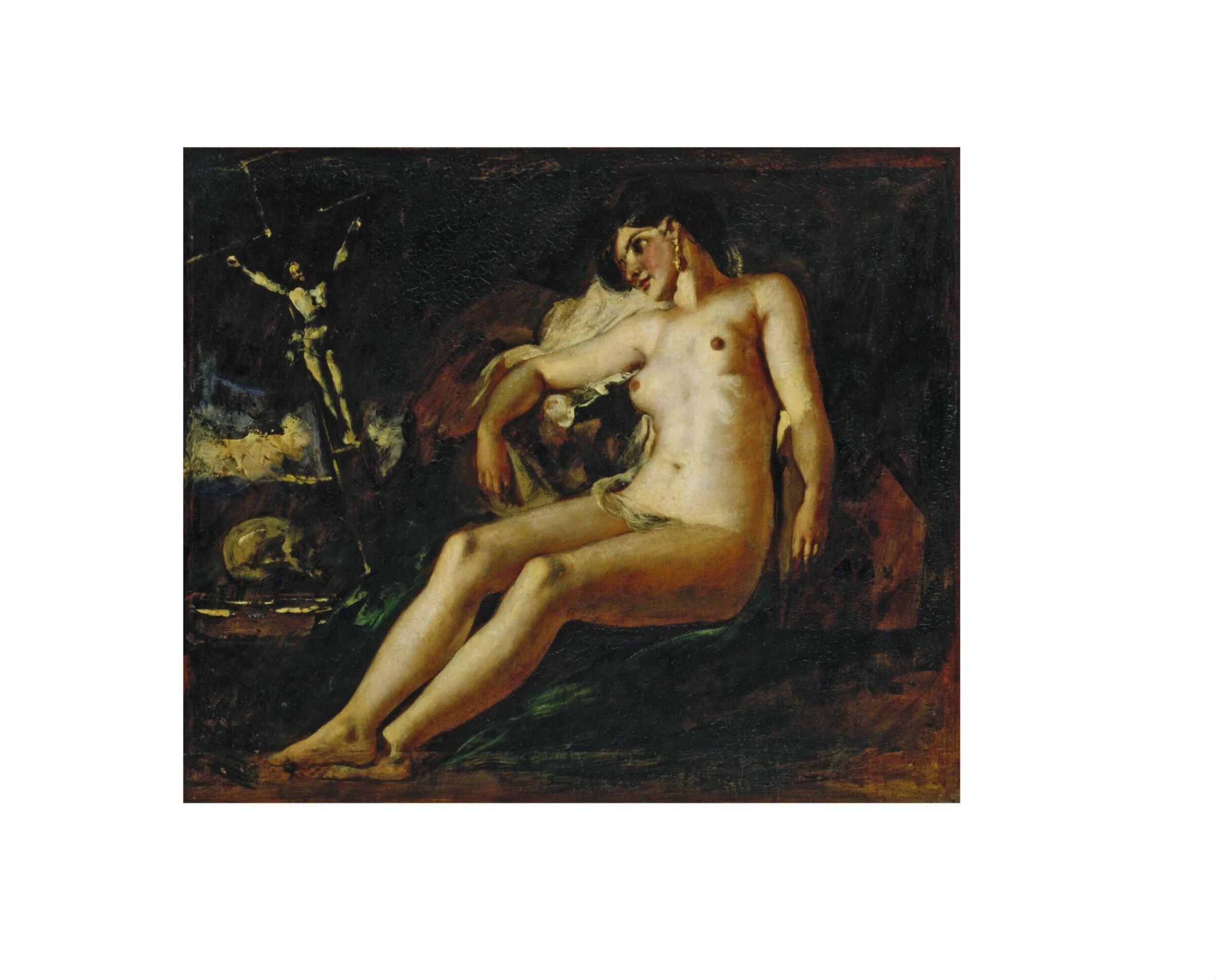
William EttyVerenigd Koninkrijk, 1787–1849
Sketches (recto and verso)
Kan ik het zien?
Nu niet te zien
Waar is „Sketches (recto and verso)” nu? Collectie: Harvard Art Museums, Cambridge. Nu niet te zien. Gecontroleerd 29 september 2026.

Cambridge, Verenigde Staten
Het hoort bij de collectie, maar is momenteel niet tentoongesteld.
- Gecontroleerd
- Ongewijzigd sinds
- Bron
- Het museum
Gegevens
- Inventarisnummer
- 1962.14
In de catalogus
Bronnen
- Harvard Art Museums
- Afbeelding: Harvard Art Museums — © President and Fellows of Harvard College
In het leven van William Etty
Het hele leven1805–1807
The road to the Academy: Opie and Fuseli
To prepare for the entrance tests Etty drew from prints and from nature in Gianelli’s plaster-cast shop near Smithfield, which he called his first academy. The Member of Parliament Richard Sharp gave him a letter of introduction to the painter John Opie; impressed by a drawing from a cast of Cupid and Psyche, Opie recommended him to Henry Fuseli, who admitted him to the Royal Academy Schools as a probationer.
15 januari 1807 · Opleiding
Royal Academy of Arts
1811
First accepted works: “Telemachus” and “Sappho”
After many failed attempts, two of Etty’s paintings were accepted in 1811: “Telemachus Rescues Antiope” at the Royal Academy Summer Exhibition and “Sappho” at the British Institution, where it sold for 25 guineas. From then on at least one of his works was accepted each year, though for the next few years this brought little commercial success or public interest.
1816
Rejected in love, he sets out for the Continent
Having had little success, Etty decided to spend a year in Italy studying the great collections, since England had no public galleries with permanent collections. The 28-year-old was in love and fretted over what marriage would mean for the journey, but the woman rejected him, and in early September 1816 he left for the Continent and landed at Dieppe; before that he had been abroad only briefly, in France in early 1815.
1817
First favourable press review
His two paintings at the 1817 Summer Exhibition, “Bacchanalians: a Sketch” and “Cupid and Euphrosyne”, drew a favourable review from William Paulet Carey in the Literary Gazette, who found the first a fine classical invention and the second full of promise. Carey was later proud to have been the first critic to recognise Etty’s potential and championed him throughout his career; Etty appears to have developed as a painter during his travels.
13 november 1849
Died