ART WIKI32.963 te zien
KaartCollectieKunstenaarsMuseaTentoonstellingenJournal
Inloggen

ART WIKI

Waar het meesterwerk hangt en wanneer men u toelaat.

Collecties: Art Institute of Chicago, Cleveland Museum of Art, Getty Villa, Harvard Art Museums, Hermitage, Hirshhorn Museum and Sculpture Garden, J. Paul Getty Museum, Louvre, Metropolitan Museum of Art, Minneapolis Institute of Art, Museum of Modern Art, National Gallery of Art, National Museum of Asian Art, National Portrait Gallery, Poesjkinmuseum, Rijksmuseum Amsterdam, Russisch Museum, Smithsonian American Art Museum, Statens Museum for Kunst, Tretjakovgalerij, Victoria and Albert Museum, Whitney Museum of American Art, Staatscatalogus van het Russische museumfonds (274 musea), Europeana (19 musea), Wikidata (6 musea), Paris Musées (12 musea) en Joconde, de museumdatabank van het Franse ministerie van Cultuur (495 musea). De afbeeldingen behoren toe aan hun rechthebbenden.

Rubrieken

  • Kaart
  • Zoeken
  • Collectie
  • Meesterwerken
  • Nu te zien
  • Kunstenaars

Meer

  • Musea & galerieën
  • Tentoonstellingen
  • Journal
  • Waar de gegevens vandaan komen
  • Privacy & cookies
StartpaginaKaartCatalogus
  1. Collectie/
  2. Museum of Modern Art/
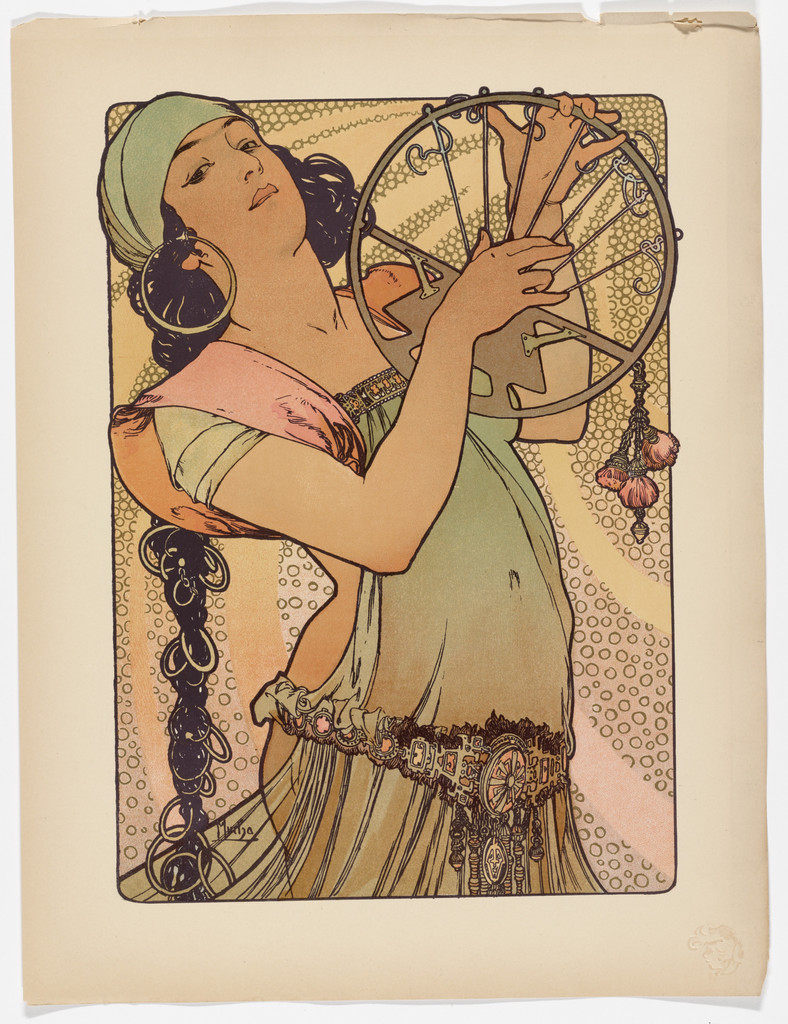
  3. Salomé from L'Estampe moderne, no. 2
Salomé from L'Estampe moderne, no. 2, Alphonse Mucha, 1897
Alphonse Mucha, portretAlphonse MuchaTsjechië, 1860–1939

Salomé from L'Estampe moderne, no. 2

1897 · Print

Mag men het zien?

Ontvangt momenteel niet

Museum of Modern Art

New York, Verenigde Staten

Het hoort bij de collectie, maar is momenteel niet tentoongesteld.

Gecontroleerd
8 dagen geleden
Bron
Het museum
Op de kaartMuseumpagina

Gegevens

1897 · op 37-jarige leeftijd
18601939
Inventarisnummer
343.1958.4

In de catalogus

PrentenLithografieImpressionisme19e eeuw

Bronnen

  • Museum of Modern Art
  • Afbeelding: Museum of Modern Art — © the artist or rights holder

Intussen, in het leven van Alphonse Mucha

Het hele leven
  1. 1 January 1895

    The “Gismonda” poster appears on the streets of Paris

    The poster, a little over two metres high, with Bernhardt as a Byzantine noblewoman under a rainbow-shaped arch almost like a halo, appeared on the streets of Paris on 1 January 1895 and caused an immediate sensation; Bernhardt ordered four thousand copies in 1895 and 1896 and gave Mucha a six-year contract.

  2. after 1 January 1895

    A contract with the printer Champenois and a new studio

    Bernhardt switched to a different printer, F. Champenois, who, like Mucha, was put under a six-year contract to work for her and gave Mucha a generous monthly salary in exchange for the rights to publish all his works. With the extra income Mucha moved to a three-bedroom apartment with a large studio in a historic house at 6 Rue du Val-de-Grâce.

  3. 1897

    Retrospective at the Salon des Cent: 448 works

    Léon Deschamps, the editor of La Plume, invited him to show at the Salon des Cent in 1896, and in 1897 the same gallery gave him a major retrospective of 448 works; the magazine La Plume devoted a special issue to him, and the exhibition travelled to Vienna, Prague, Munich, Brussels, London and New York, giving him an international reputation.

  4. January 1898

    Joins a lodge of the Grand Orient de France

    In January 1898 Mucha joined the Paris masonic lodge of the Grand Orient de France; a devoted Catholic, he was also interested in mysticism.

  5. 20 December 1899

    “Le Pater” is published

    Wishing to be recognised as a serious artist and philosopher, he gave a pictorial expression to every line of the Lord’s Prayer in a book published by Henri Piazza in an edition of only 510 copies; he considered it his printed masterpiece and said he had put his soul into it. The original watercolours were shown in the Austrian pavilion at the 1900 Exposition Universelle.

  6. c. 1899 – 1900

    A trip to the Balkans for sketches

    As soon as the project was accepted, Mucha left for the Balkans to sketch costumes, ceremonies and architecture, which he put into his work for the pavilion.

Meer van Alphonse Mucha

Alle werken
Maude Adams (1872–1953) as Joan of Arc, Alphonse Mucha, 1909

Maude Adams (1872–1953) as Joan of Arc

1909 · Metropolitan Museum of Art

Napoleon Views His Rising Star, Alphonse Marie Mucha

Napoleon Views His Rising Star

Niet te zien · National Gallery of Art

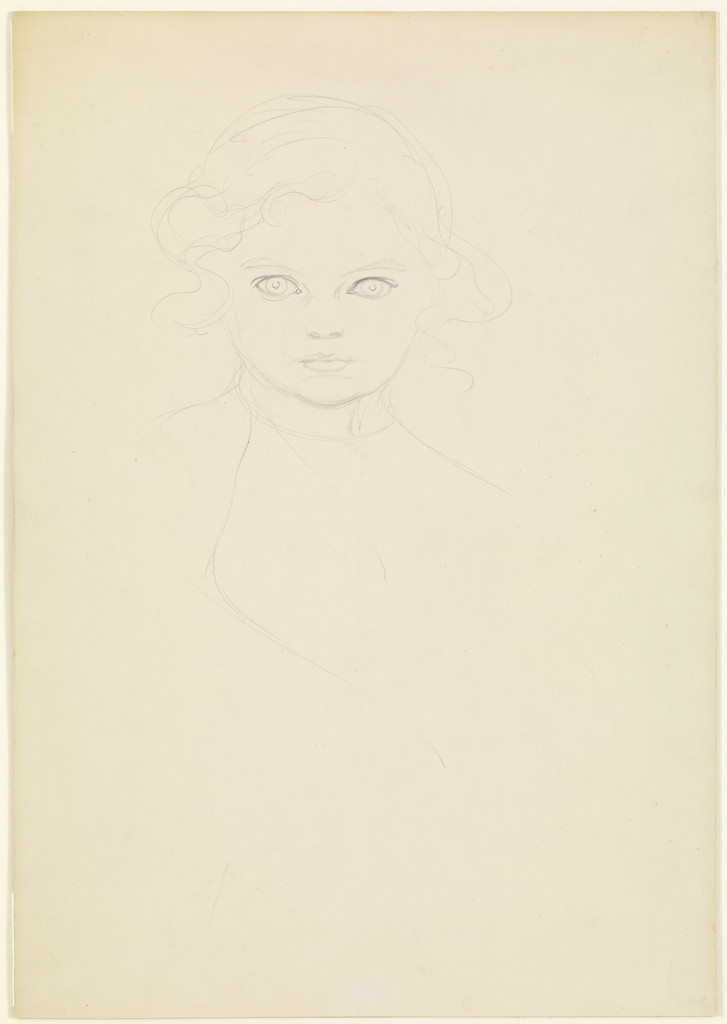
Head of a Child, Alphonse Mucha, (n.d.)

Head of a Child

(n.d.) · Niet te zien · Museum of Modern Art

Job, Alfons Maria Mucha, 1860 - 1916

Job

1860 - 1916 · Rijksmuseum Amsterdam

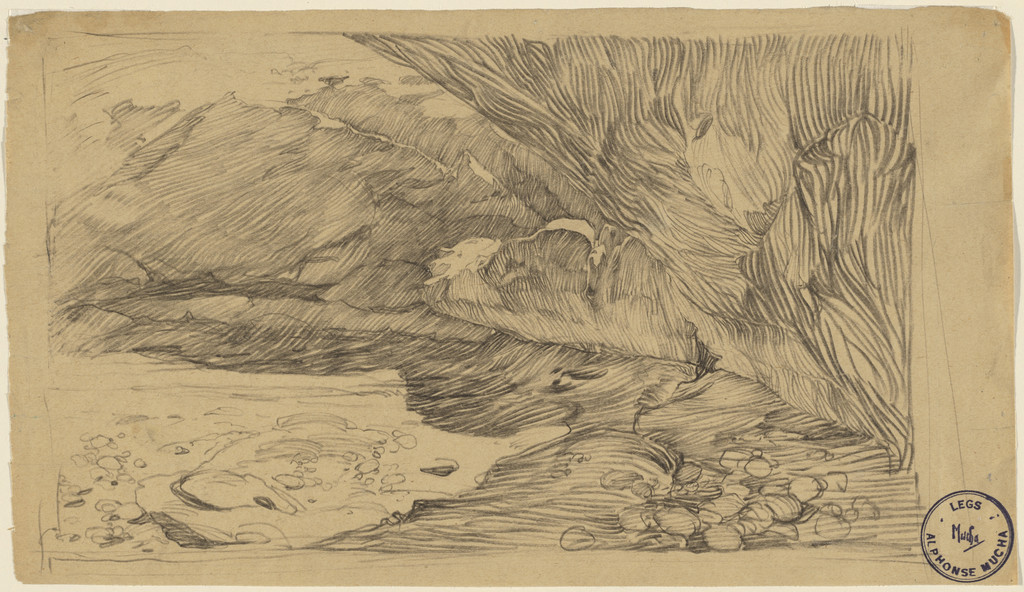
Rocks on the Shore, Alphonse Mucha, n.d.

Rocks on the Shore

n.d. · Niet te zien · Museum of Modern Art

IMPRIMERIE CASSAN FILS; FONDEE EN 1851, Alphonse Mucha

IMPRIMERIE CASSAN FILS; FONDEE EN 1851

Albertina

Liegende Frau mit Blumen im Haar, Alphonse Mucha

Liegende Frau mit Blumen im Haar

Albertina

GISMONDA; SARAH BERNHARDT; THÉATRE DE LA RENAISSANCE, Alphonse Mucha, 1894

GISMONDA; SARAH BERNHARDT; THÉATRE DE LA RENAISSANCE

1894 · Albertina

Buren in huis: Museum of Modern Art

Museumpagina
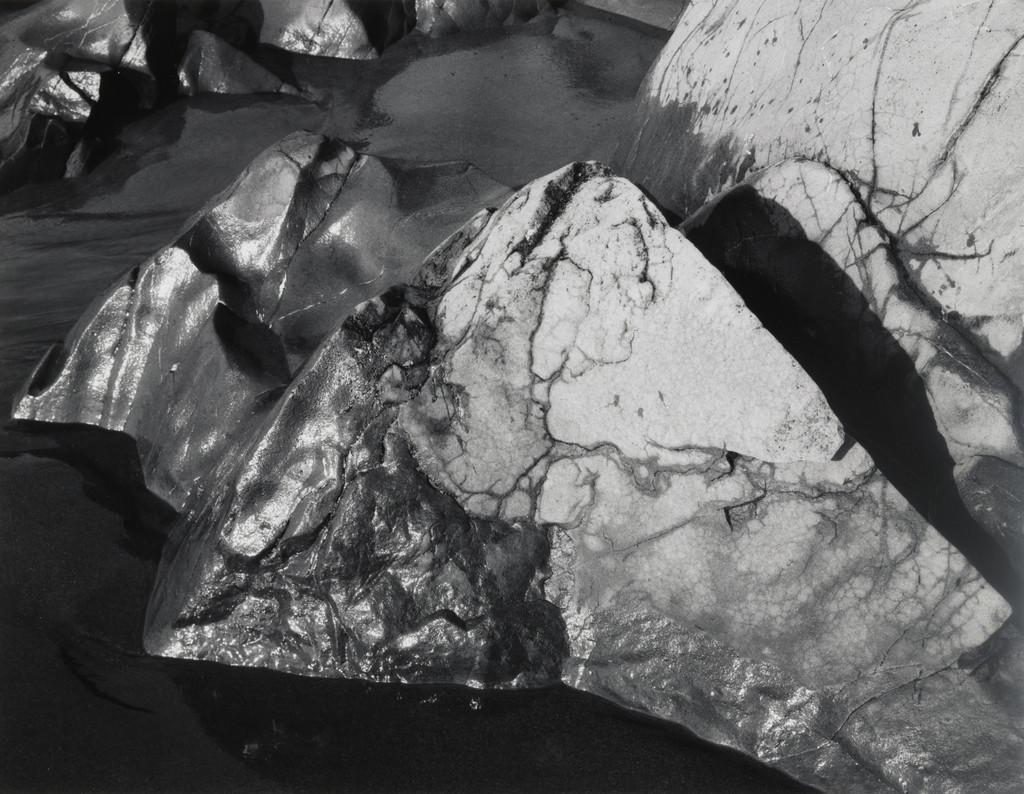
Rock, Bakers Beach, San Francisco, California, Ansel Adams, c. 1931

Ansel Adams

Rock, Bakers Beach, San Francisco, California, c. 1931

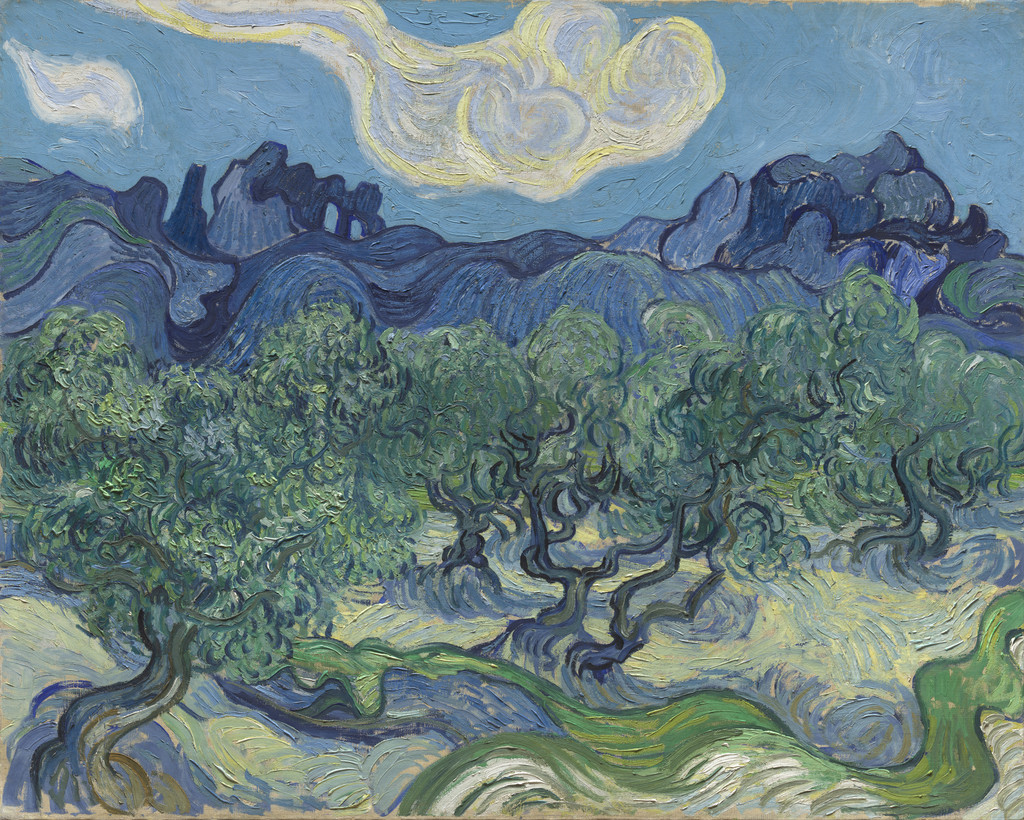
The Olive Trees, Vincent van Gogh, Saint Rémy, June-July 1889

Vincent van Gogh

The Olive Trees, Saint Rémy, June-July 1889

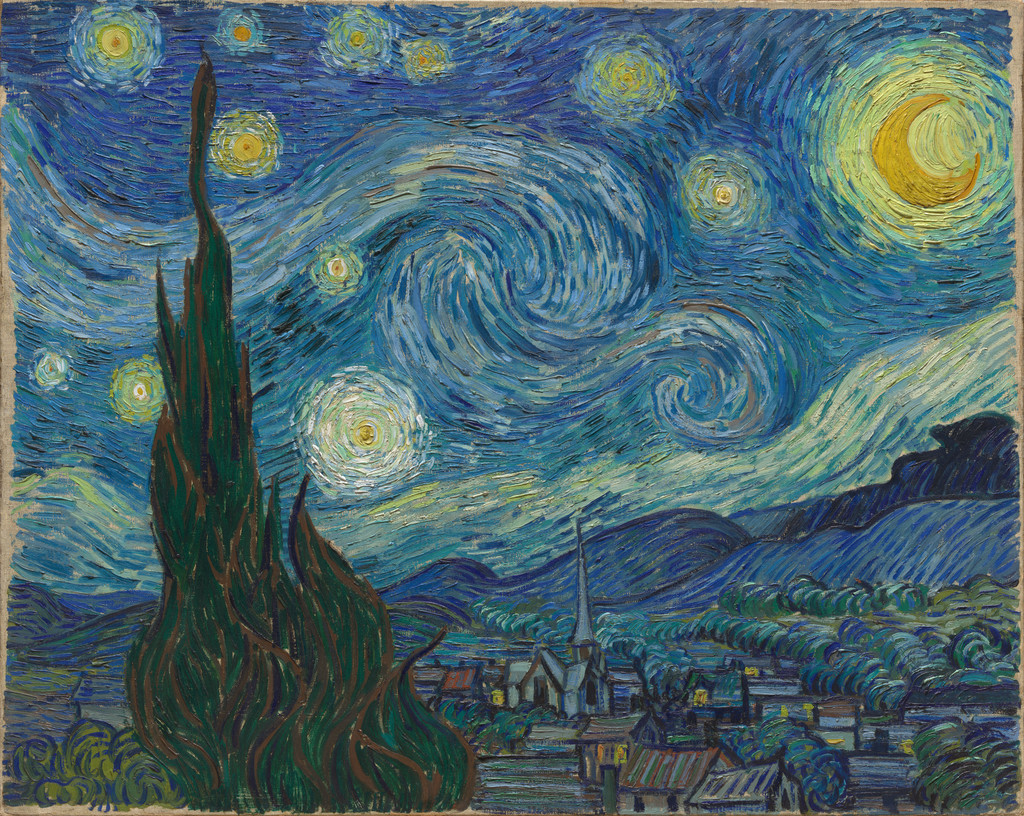
The Starry Night, Vincent van Gogh, Saint Rémy, June 1889

Vincent van Gogh

De sterrennacht, Saint Rémy, June 1889

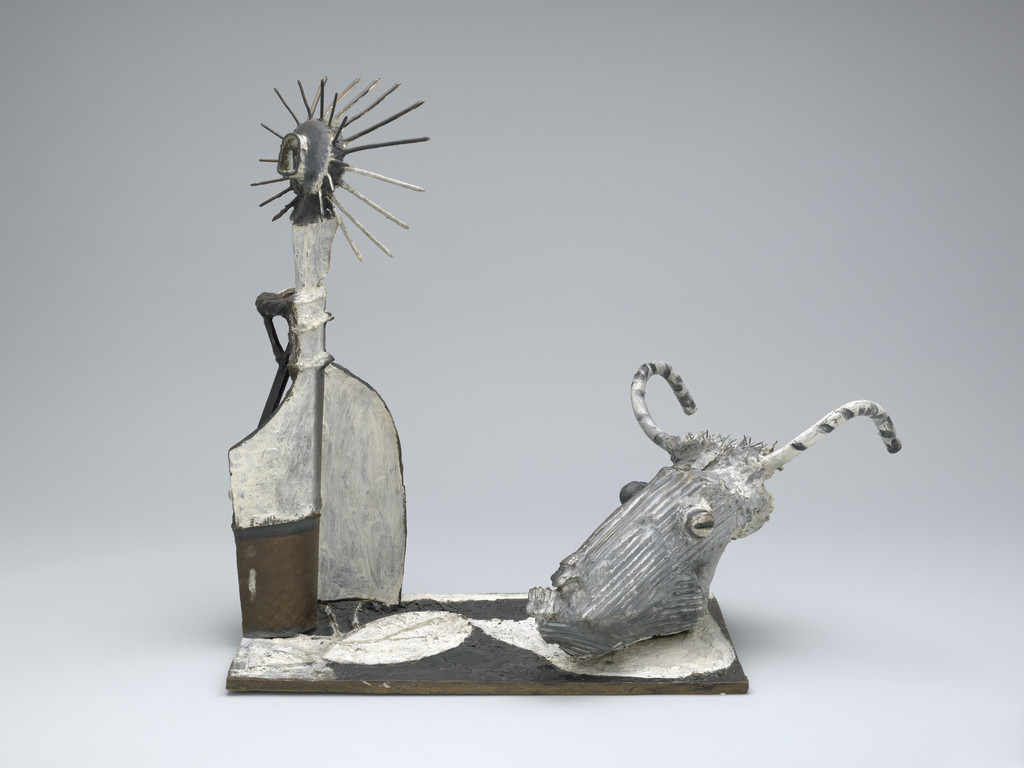
Goat Skull and Bottle, Pablo Picasso, Vallauris, 1951 (cast 1954)

Pablo Picasso

Goat Skull and Bottle, Vallauris, 1951 (cast 1954)

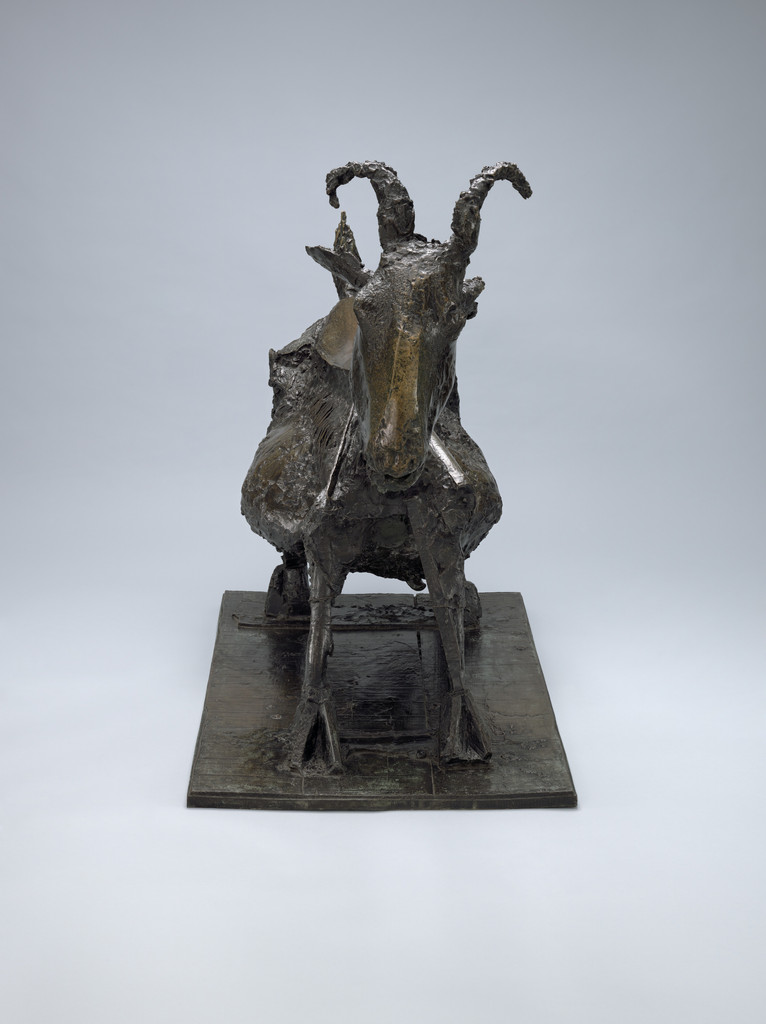
She-Goat, Pablo Picasso, Vallauris, 1950 (cast 1952)

Pablo Picasso

She-Goat, Vallauris, 1950 (cast 1952)

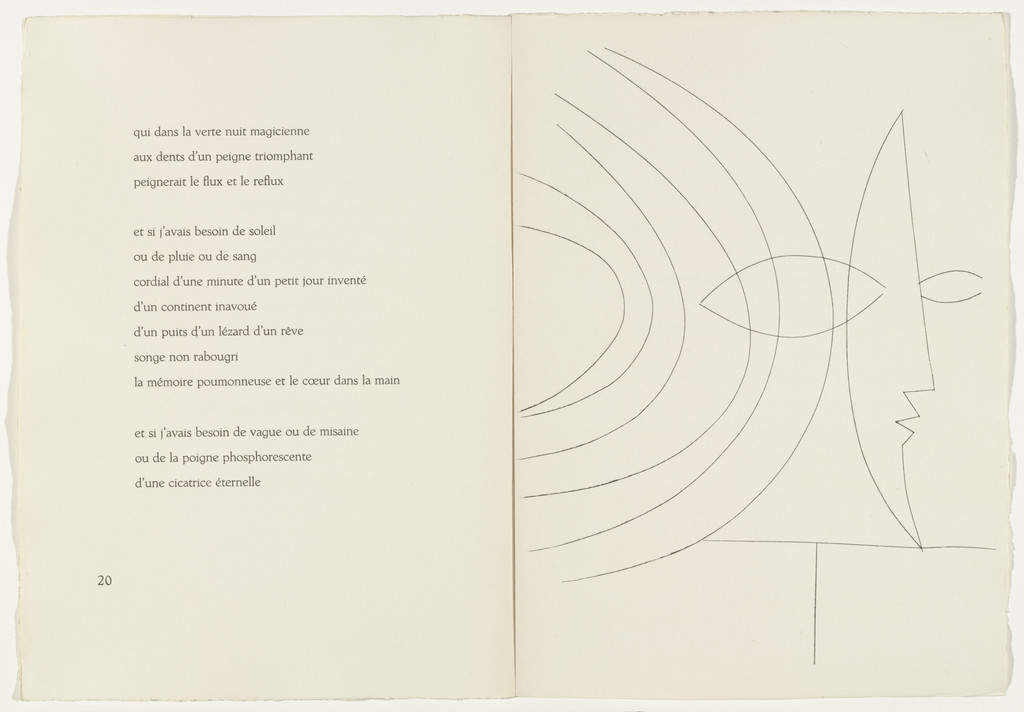
Face in Profile (plate, page 21) from Corps perdu, Pablo Picasso, 1949, published 1950

Pablo Picasso

Face in Profile (plate, page 21) from Corps perdu, 1949, published 1950

Coupling (plate, page 17) from Corps perdu, Pablo Picasso, 1949, published 1950

Pablo Picasso

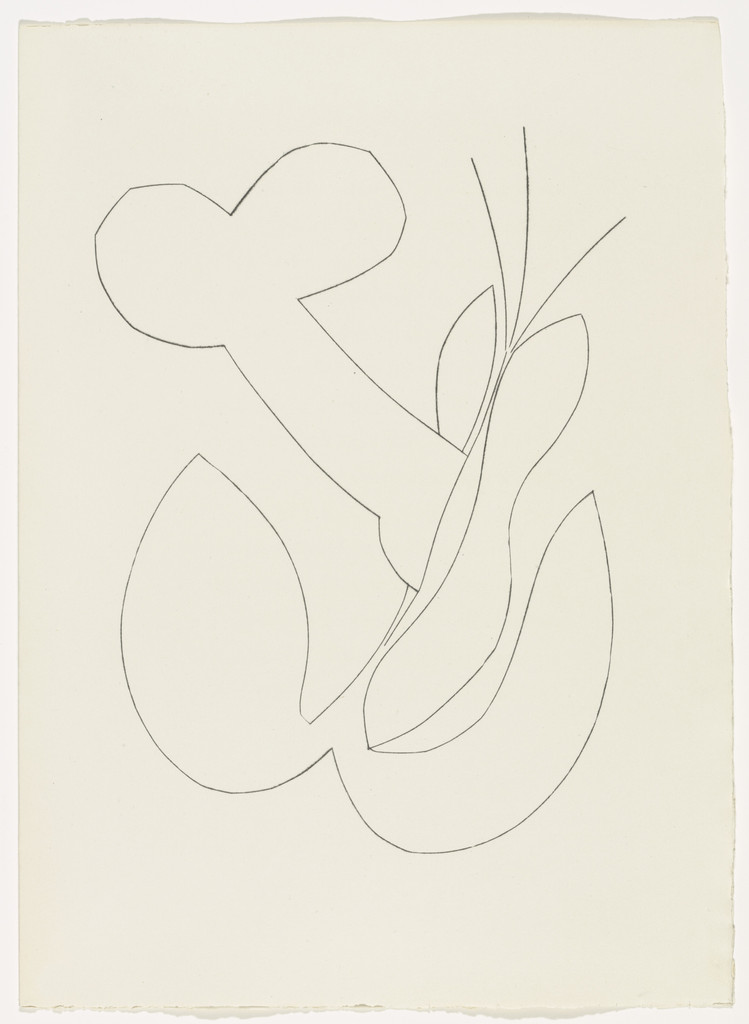
Coupling (plate, page 17) from Corps perdu, 1949, published 1950

"Présence" (chapter title, page 13) from Corps perdu, Pablo Picasso, 1949, published 1950

Pablo Picasso

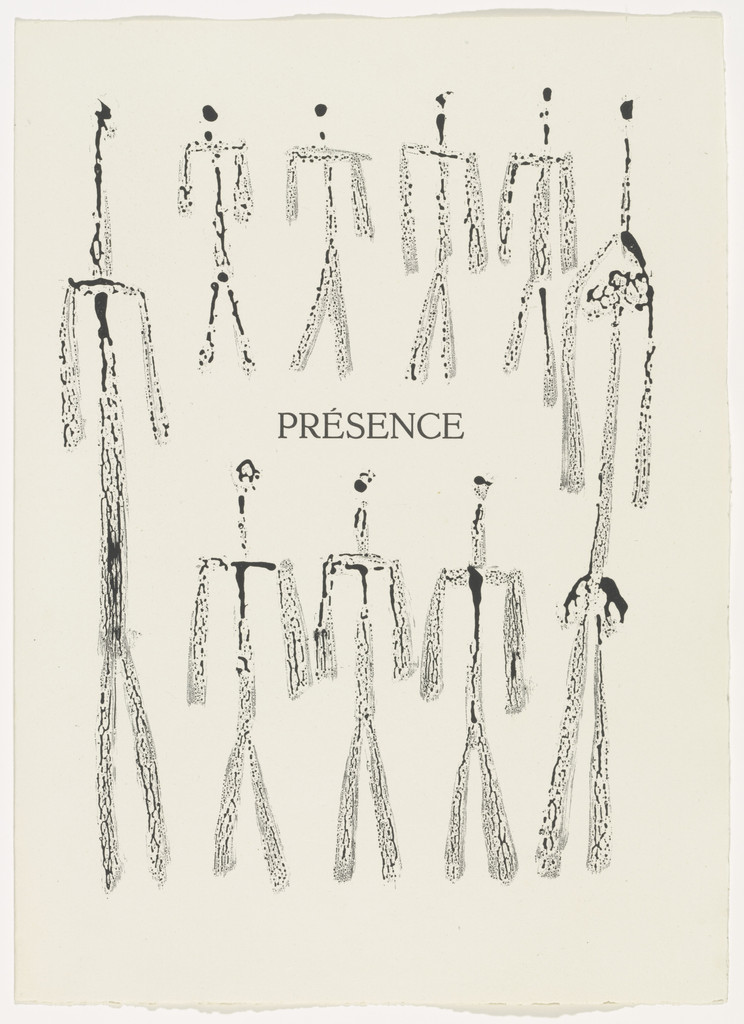
"Présence" (chapter title, page 13) from Corps perdu, 1949, published 1950