ART WIKI32.979 te zien
KaartCollectieKunstenaarsMuseaTentoonstellingenJournal
Inloggen

ART WIKI

Waar het meesterwerk hangt en wanneer men u toelaat.

Collecties: Art Institute of Chicago, Cleveland Museum of Art, Getty Villa, Harvard Art Museums, Hermitage, Hirshhorn Museum and Sculpture Garden, J. Paul Getty Museum, Louvre, Metropolitan Museum of Art, Minneapolis Institute of Art, Museum of Modern Art, National Gallery of Art, National Museum of Asian Art, National Portrait Gallery, Poesjkinmuseum, Rijksmuseum Amsterdam, Russisch Museum, Smithsonian American Art Museum, Statens Museum for Kunst, Tretjakovgalerij, Victoria and Albert Museum, Whitney Museum of American Art, Staatscatalogus van het Russische museumfonds (274 musea), Europeana (19 musea), Wikidata (6 musea), Paris Musées (12 musea) en Joconde, de museumdatabank van het Franse ministerie van Cultuur (495 musea). De afbeeldingen behoren toe aan hun rechthebbenden.

Rubrieken

  • Kaart
  • Zoeken
  • Collectie
  • Meesterwerken
  • Nu te zien
  • Kunstenaars

Meer

  • Musea & galerieën
  • Tentoonstellingen
  • Journal
  • Waar de gegevens vandaan komen
  • Privacy & cookies
StartpaginaKaartCatalogus
  1. Collectie/
  2. Minneapolis Institute of Art/
  3. Roman Matron
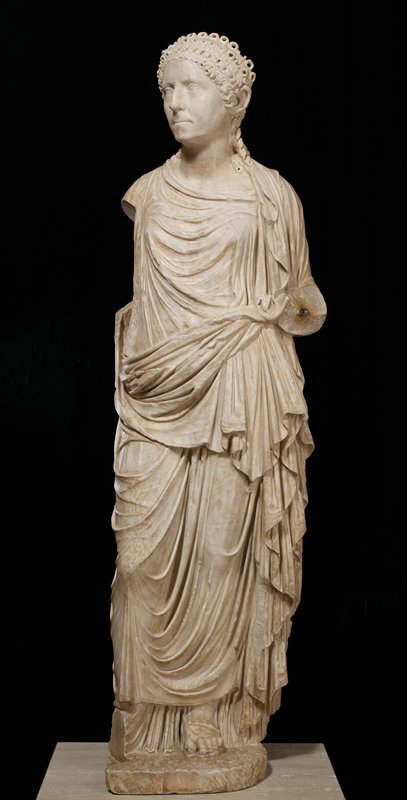
Roman Matron, Roman Empire, 50–60 CE

Roman Matron

50–60 CE · Sculpture · 128.27 × 33.02 cm

Over de sculptuur

Once identified as Agrippina the younger, mother of the emperor Nero, this statue is now thought to represent an unidentified Roman matron. The hairstyle, a feature often used to date ancient Roman female portraits, corresponds to a fashion during Nero's reign (54-68 A.D.) The stark, realistic depiction of the woman's bony and lined face contrasts with the gracefully flowing, deeply carved folds of the clothing, characteristics of late Greek (Hellenistic) sculpture. This subtle combination of realism and idealism was common in portraiture of the Roman Republic and Empire, particularly during the reigns of the Julio-Claudian emperors (27 B.C.-68 A.D.) and of Hadrian (117-138 A.D.).

Minneapolis Institute of Art

Gegevens

Inventarisnummer
32.16

Meer van Roman Empire

Alle werken

In dezelfde zaal · G241, Minneapolis Institute of Art

Museumpagina
RRoman EmpireSyrië

Mag men het zien?

Ja, het ontvangt bezoek

Minneapolis Institute of Art

Minneapolis, Verenigde Staten

ZaalG241

Publiek tentoongesteld. Wie daarvoor instaat, staat hieronder.

Gecontroleerd
3 dagen geleden
Ongewijzigd sinds
25 sep 2026
Bron
Het museum
Op de kaartMuseumpagina

In de catalogus

BeeldhouwkunstMarmerOude Rome

Bronnen

  • Minneapolis Institute of Art
  • Afbeelding: Minneapolis Institute of Art — public domain
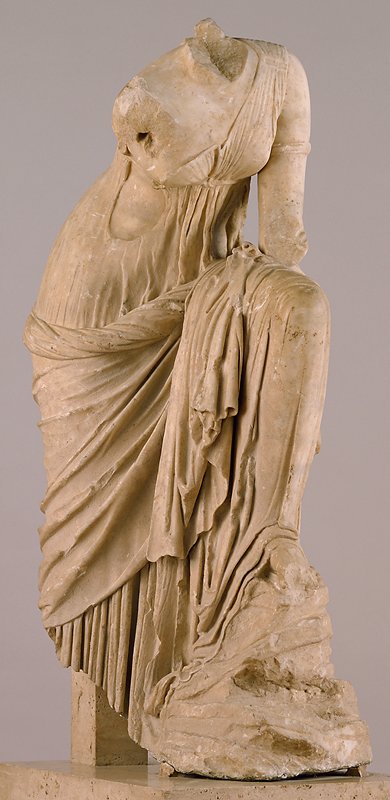
The Tiber Muse, Roman Empire, 2nd–1st century BCE

The Tiber Muse

2nd–1st century BCE · Minneapolis Institute of Art

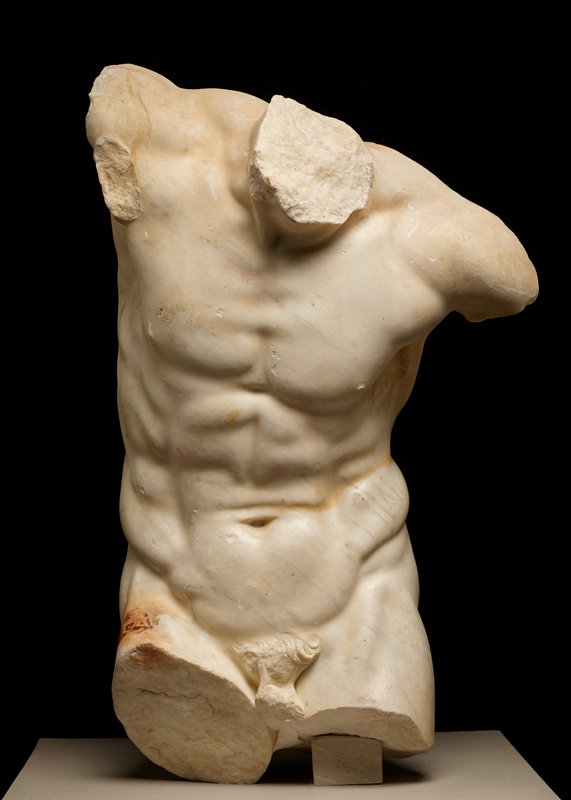
Torso of a Dancing Faun, Roman Empire, 1st century CE

Torso of a Dancing Faun

1st century CE · Minneapolis Institute of Art

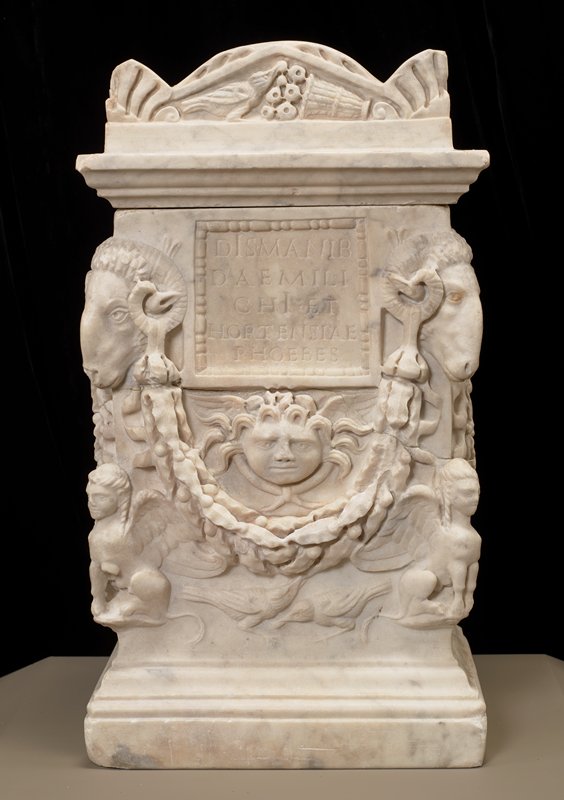
Cinerary Box with Cover, Roman Empire, 50–100 CE

Cinerary Box with Cover

50–100 CE · Minneapolis Institute of Art

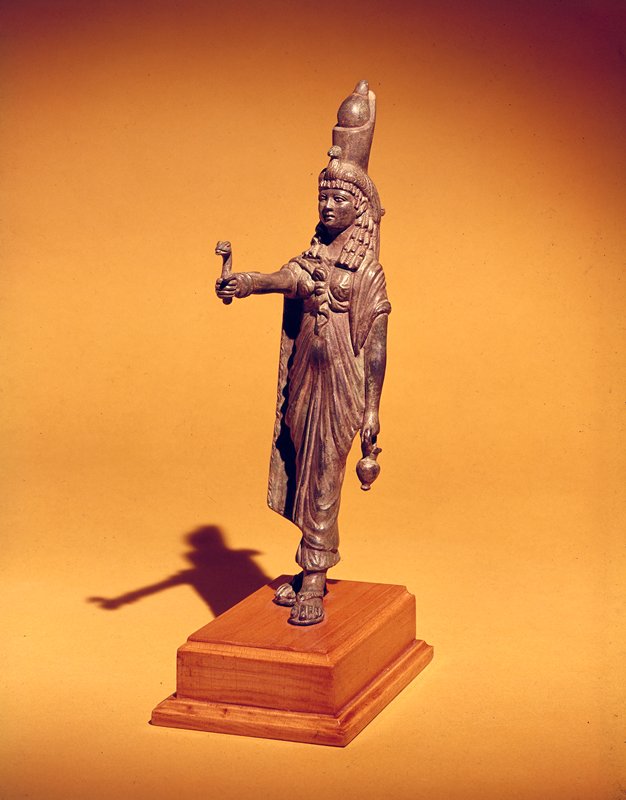
Goddess Isis, Roman Empire, 1st century CE

Goddess Isis

1st century CE · Minneapolis Institute of Art

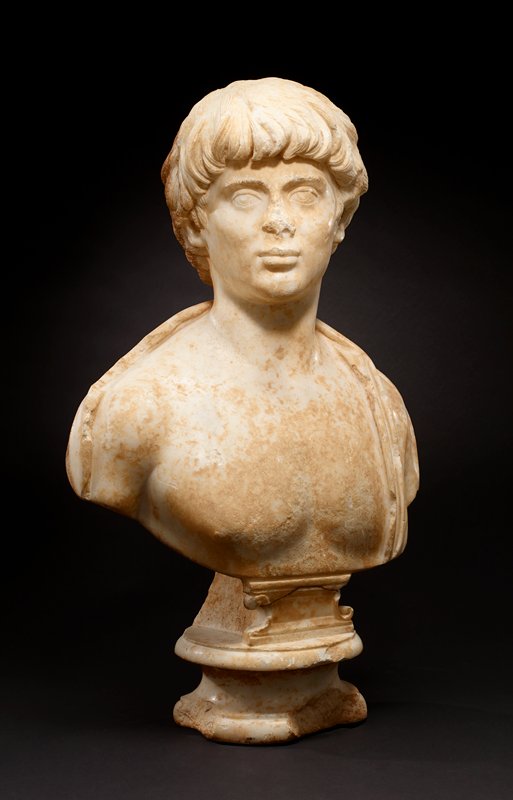
Bust of a Young Man, Probably Polydeukion, Roman Empire, 2nd century

Bust of a Young Man, Probably Polydeukion

2nd century · Minneapolis Institute of Art

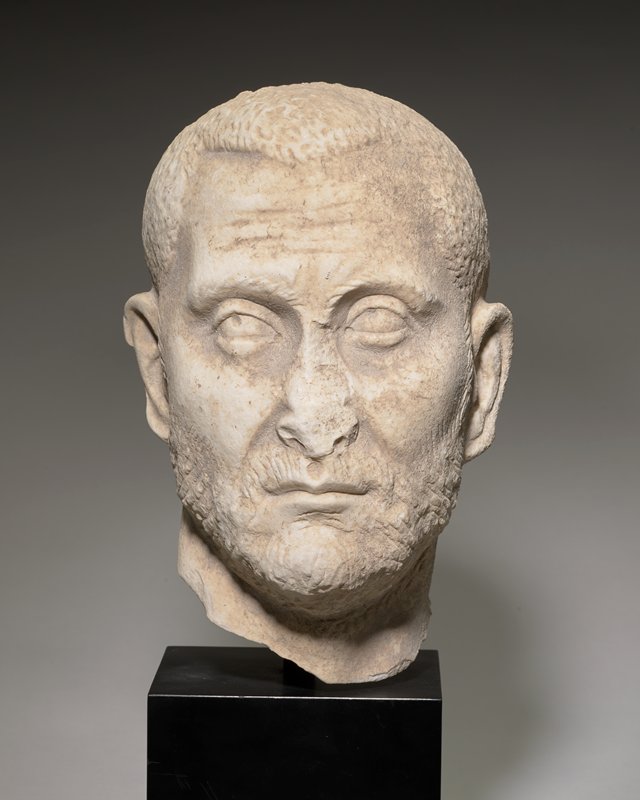
Portrait of a Man, Roman Empire, 252–268

Portrait of a Man

252–268 · Niet te zien · Minneapolis Institute of Art

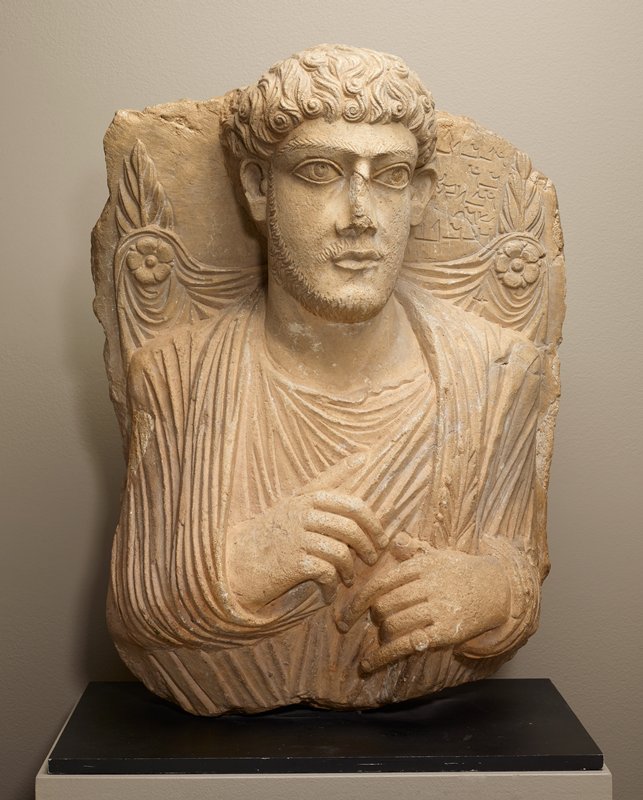
Funerary Relief, Roman Empire, late 2nd century–first half of the 3rd century

Funerary Relief

late 2nd century–first half of the 3rd century · Niet te zien · Minneapolis Institute of Art

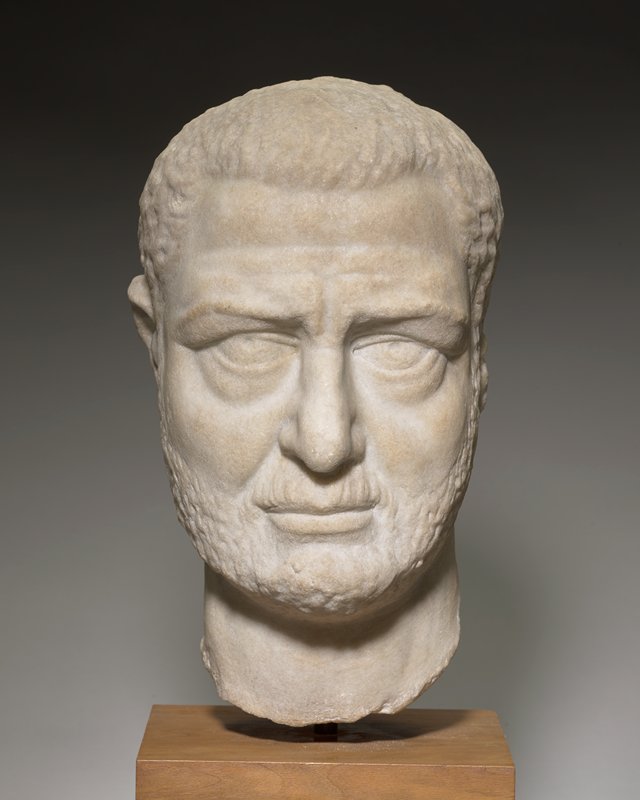
Head of a Man, Roman Empire, c. 250–275

Head of a Man

c. 250–275 · Niet te zien · Minneapolis Institute of Art

Torso of a Dancing Faun, Roman Empire, 1st century CE

Roman Empire

Torso of a Dancing Faun, 1st century CE

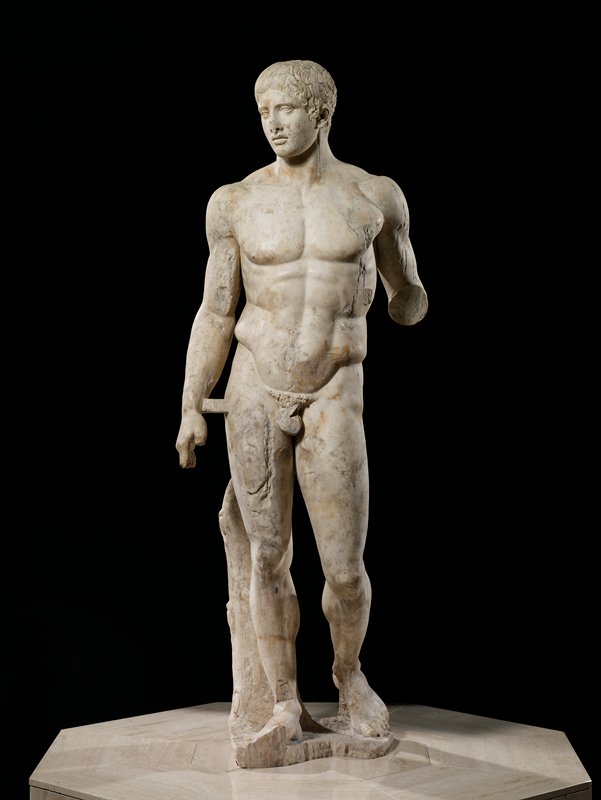
The Doryphoros (after Polykleitos), Copy of work attributed to Polykleitos, 27 BCE–68 CE

Copy of work attributed to Polykleitos

The Doryphoros (after Polykleitos), 27 BCE–68 CE

The Tiber Muse, Roman Empire, 2nd–1st century BCE

Roman Empire

The Tiber Muse, 2nd–1st century BCE

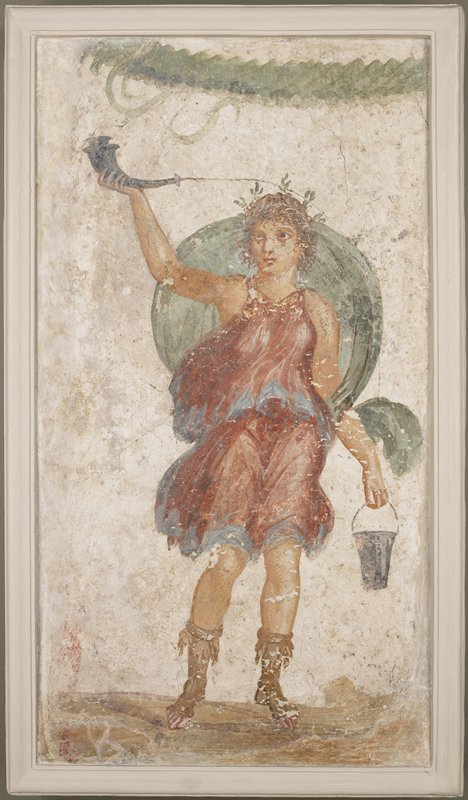
Figure of a Lar, 1st century CE

Figure of a Lar, 1st century CE

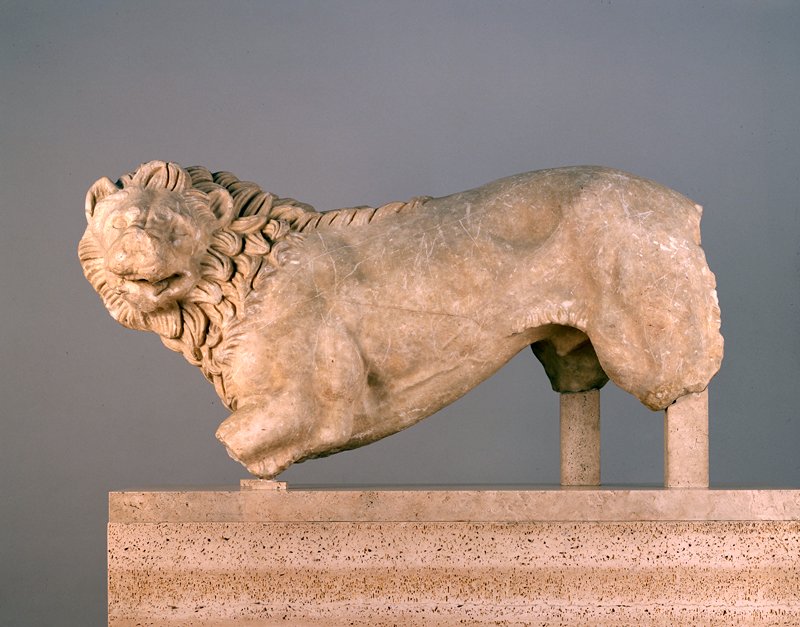
Crouching Lion, 330–317 BCE

Crouching Lion, 330–317 BCE

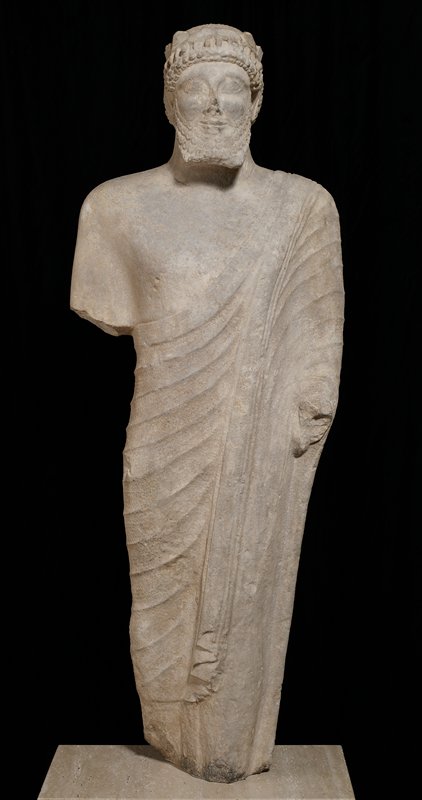
Votary Figure, c. 470 BCE

Votary Figure, c. 470 BCE

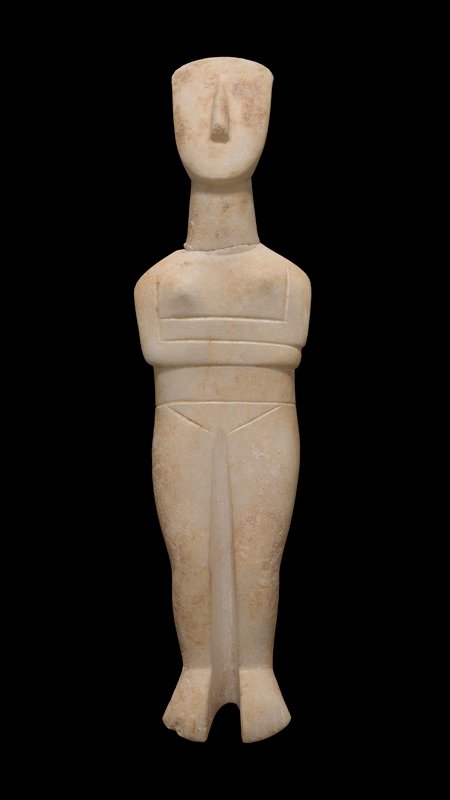
Female Figure, c. 2500–2400 BCE

Female Figure, c. 2500–2400 BCE

Cinerary Box with Cover, Roman Empire, 50–100 CE

Roman Empire

Cinerary Box with Cover, 50–100 CE