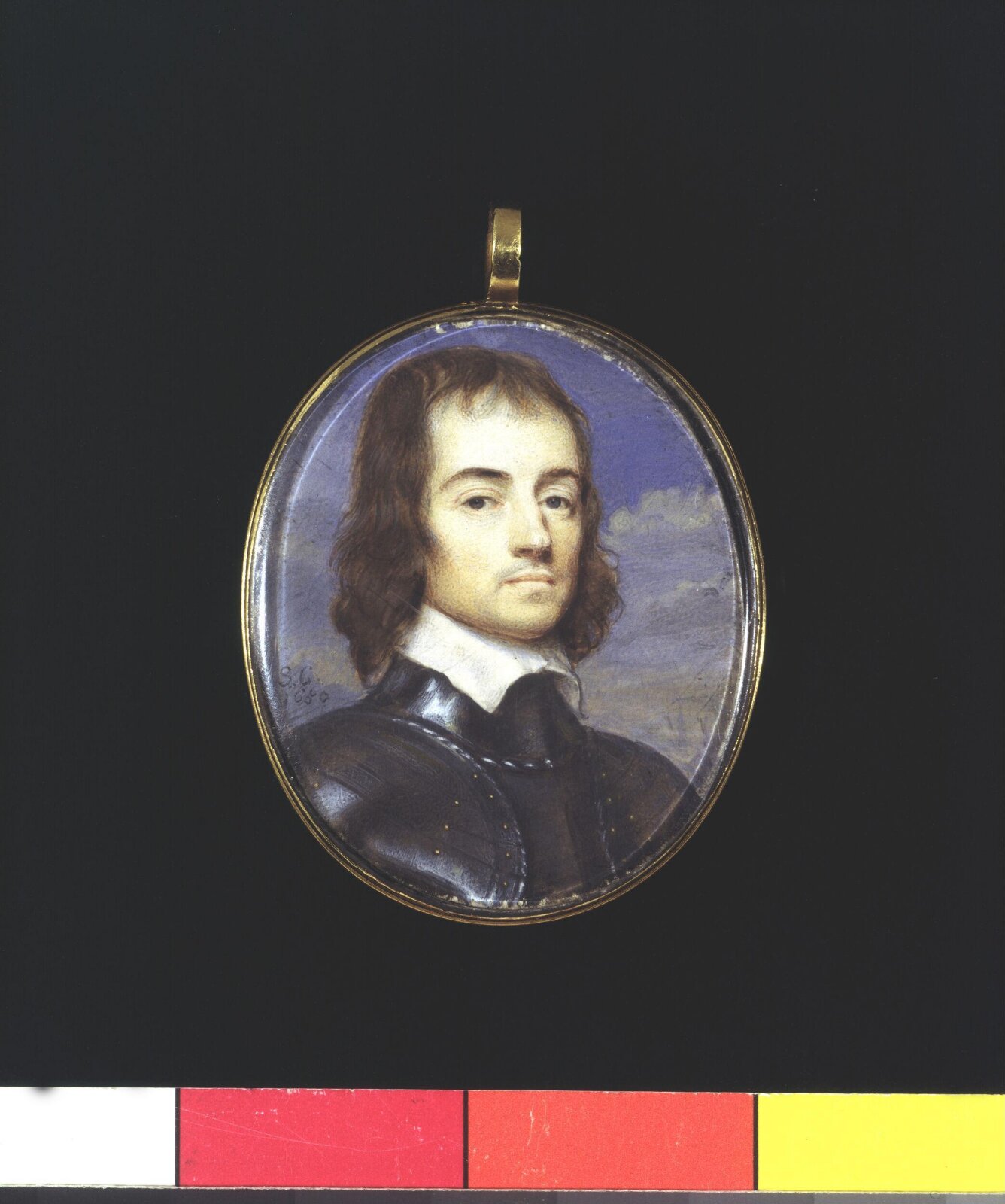
 Samuel CooperVerenigd Koninkrijk, 1609–1672
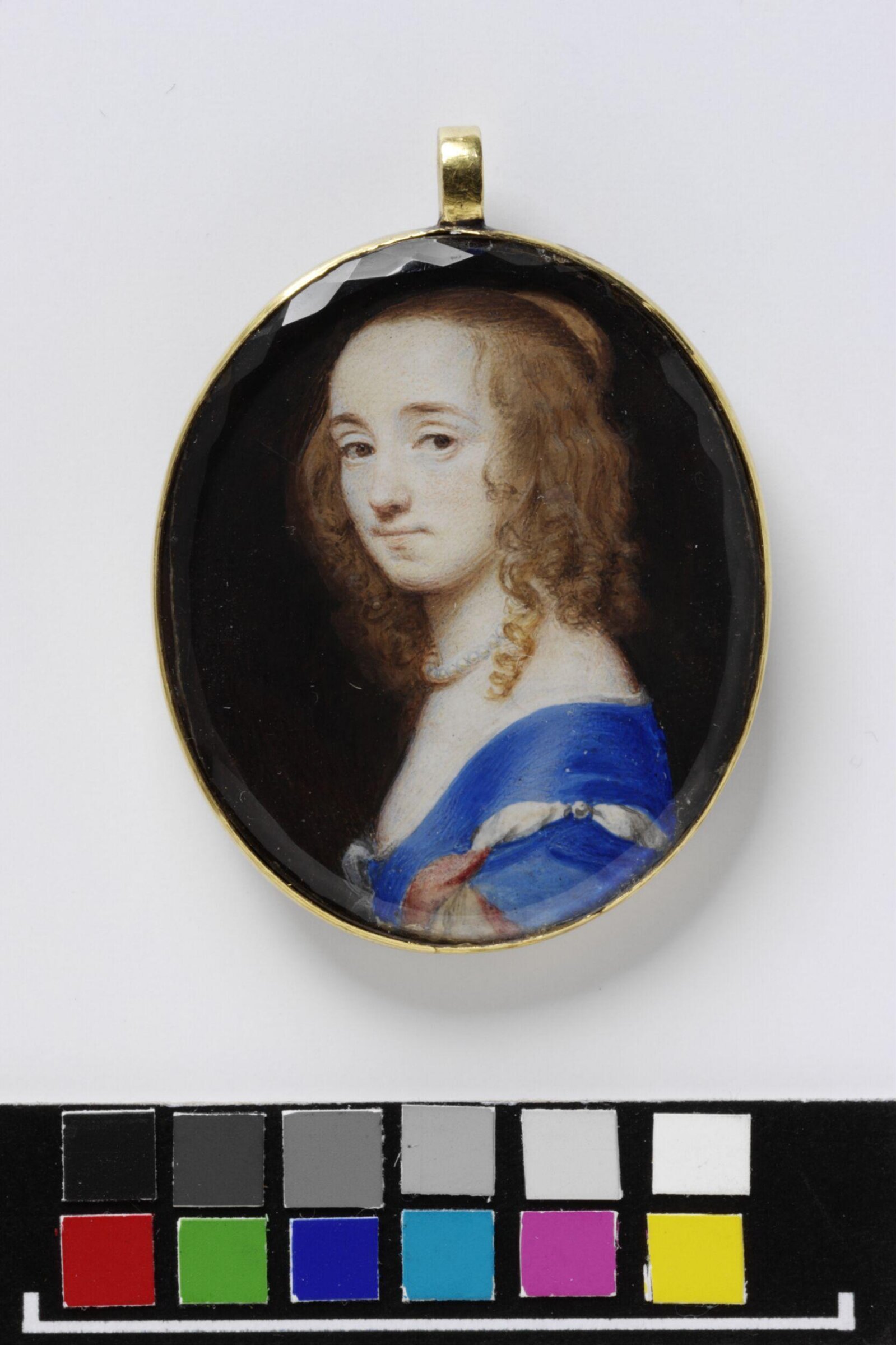
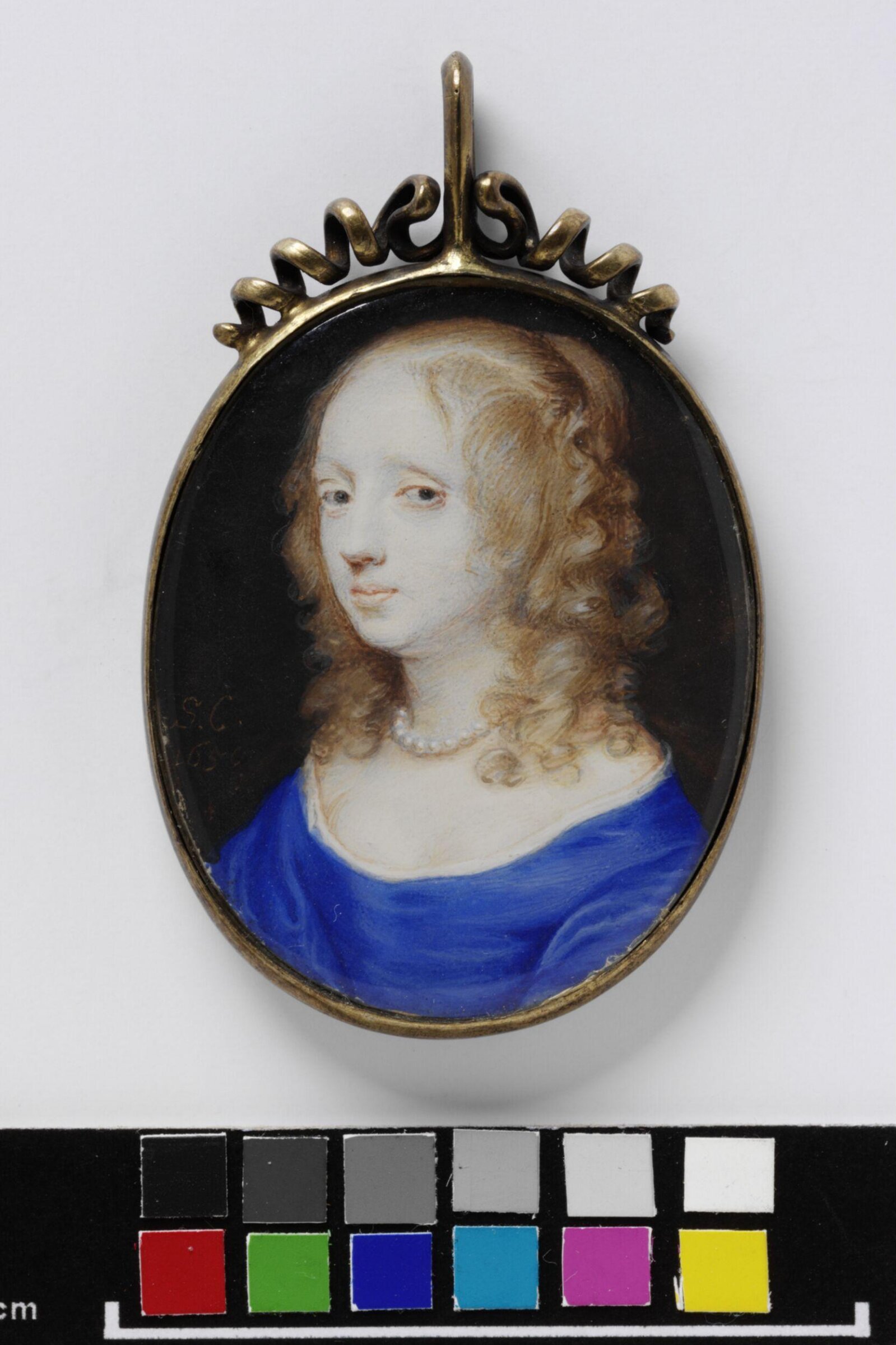
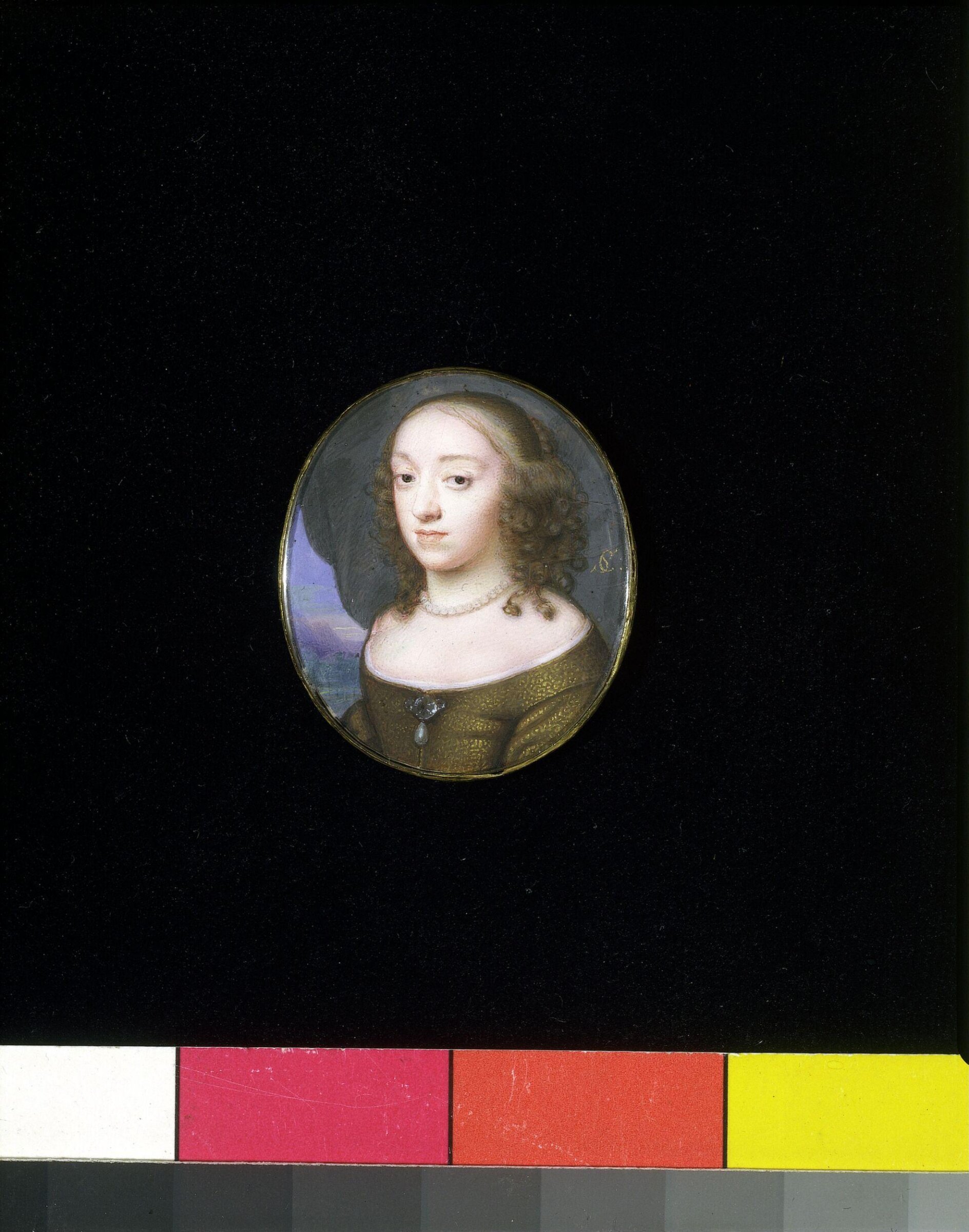
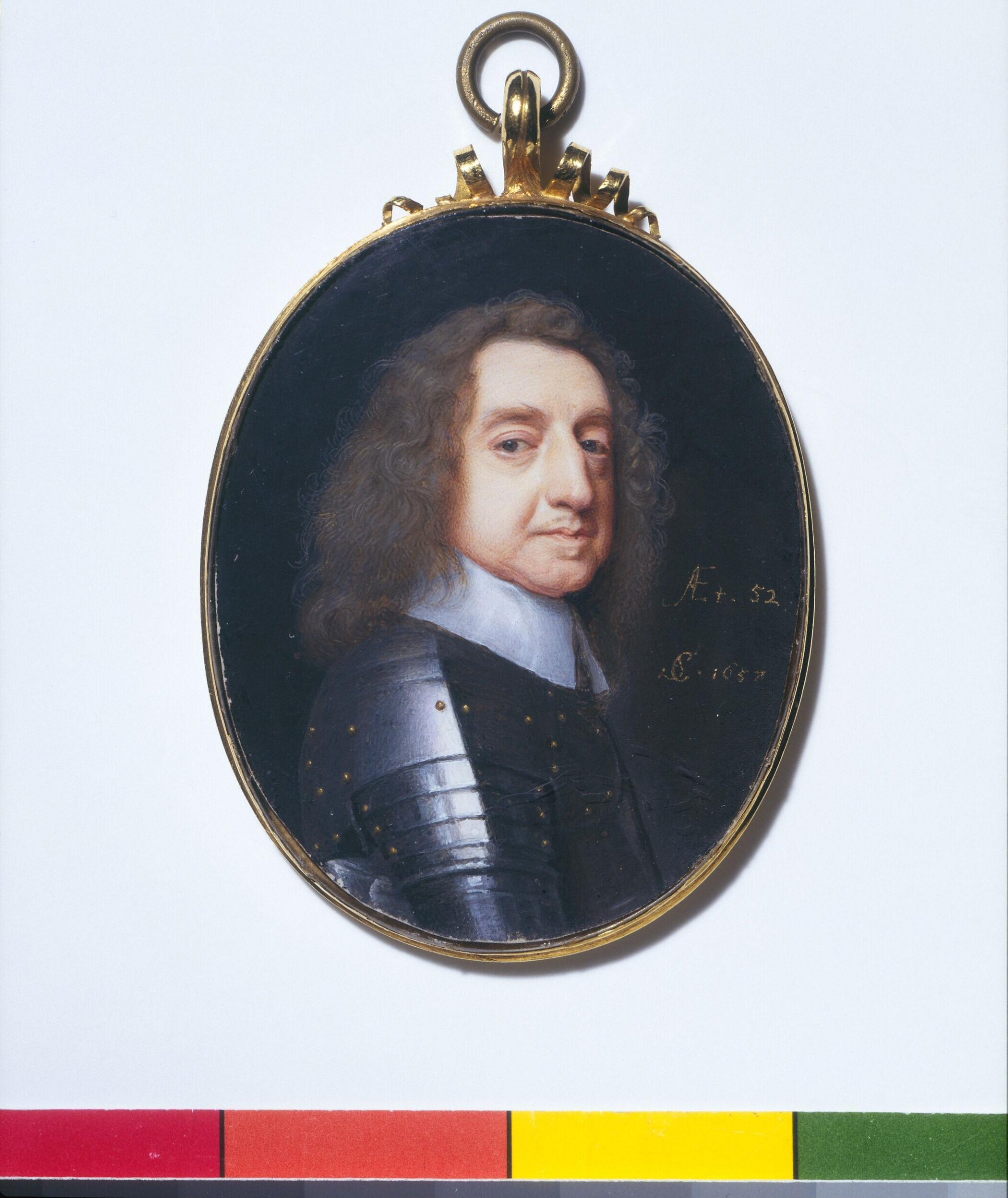
Robert Lilburne
Mag men het zien?
Ja, het ontvangt bezoek

Victoria and Albert Museum
ZaalBritish Galleries, Room 56, The Djanogly GalleryLonden, Verenigd Koninkrijk
Publiek tentoongesteld. Wie daarvoor instaat, staat hieronder.
- Gecontroleerd
- 8 dagen geleden
- Ongewijzigd sinds
- 25 sep 2026
- Bron
- De eigen collectiegegevens van het museum
About the painting
Object Type
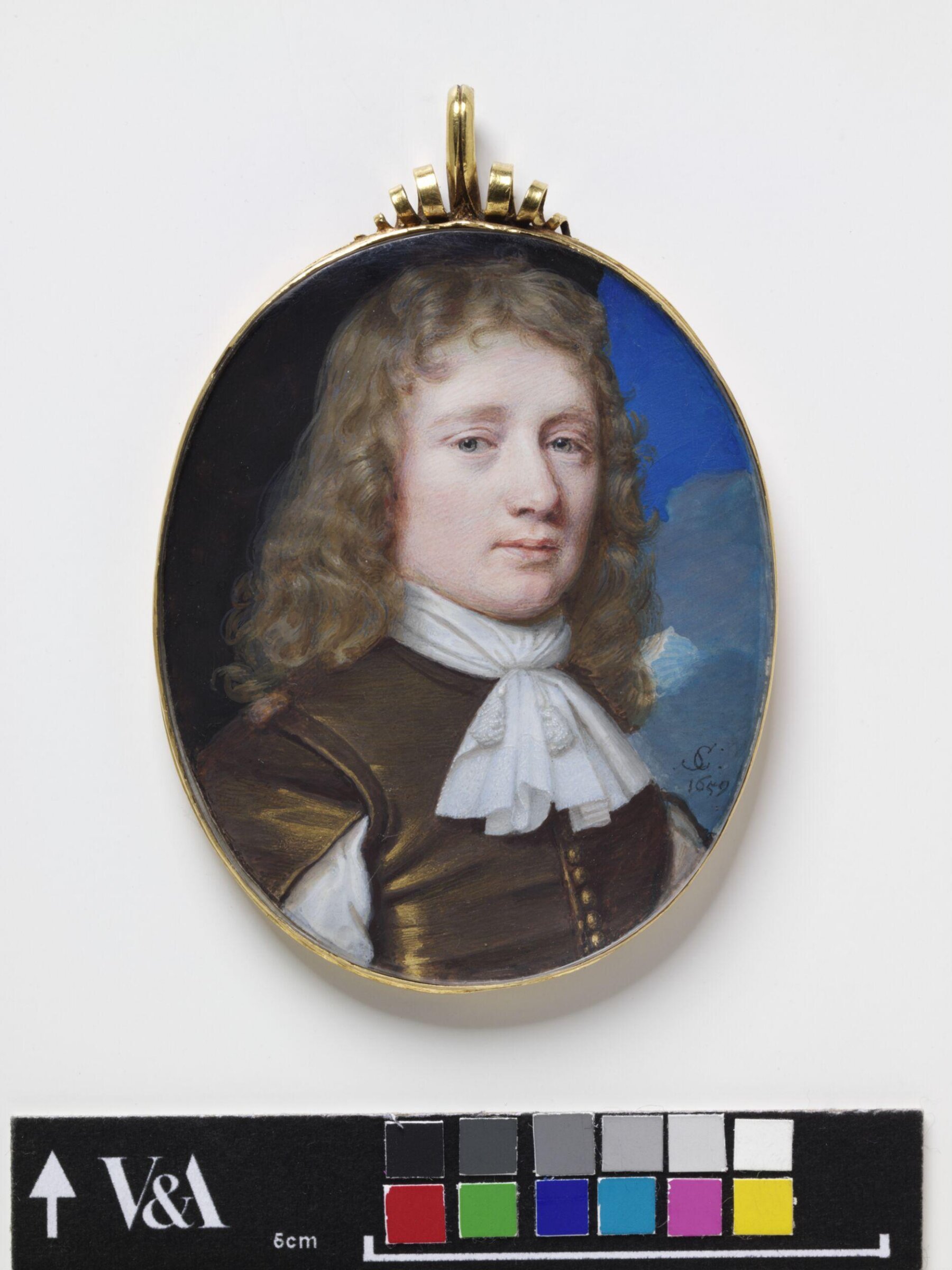
Miniature painting is defined as watercolour on a vellum (fine animal skin) support . Most miniaturists learned the technique from another miniaturist. Samuel Cooper was no exception since he was trained by his uncle, John Hoskins (born around 1590, died in 1665). In this work there are faint traces of a landscape background, possibly two church spires, low down on the right. Landscape backgrounds were rare in Cooper's work and show Hoskins' influence. The low-angle view of the sitter, with the head standing out freely against the sky, shows the influence of Hoskins' son, also John.
Sitter
Read on
Robert Lilburne entered the Parliamentary army at the beginning of the Civil War and played a leading role in campaigns against the Royalists. He was nominated one of the King's judges in December 1648 and was the 28th in the list of signatures on the death warrant of the King. When Charles II was restored to the throne in 1660 Lilburne surrendered himself. He was tried and sentenced to death, but instead was imprisoned and died a prisoner five years later.
Identification
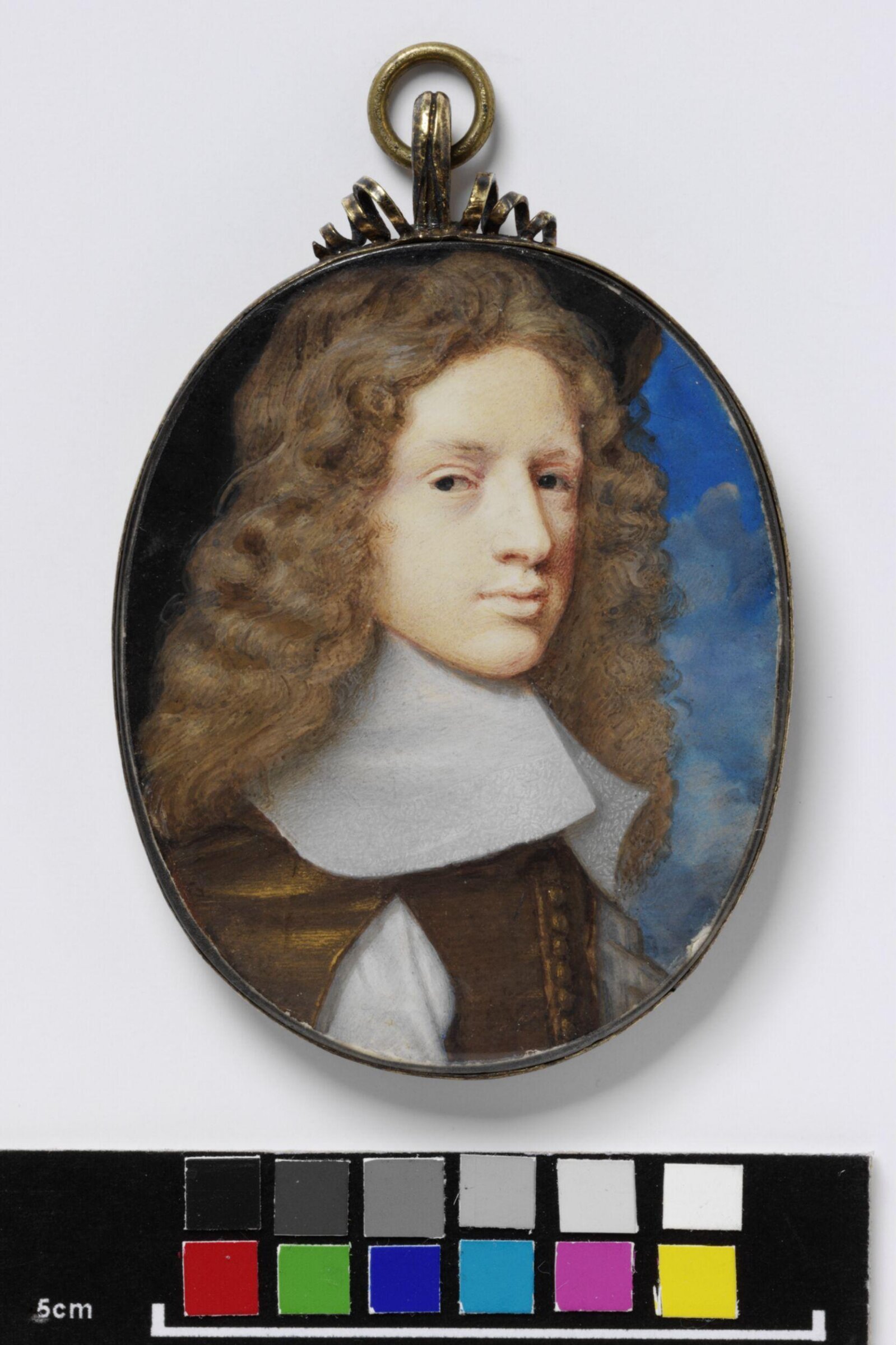
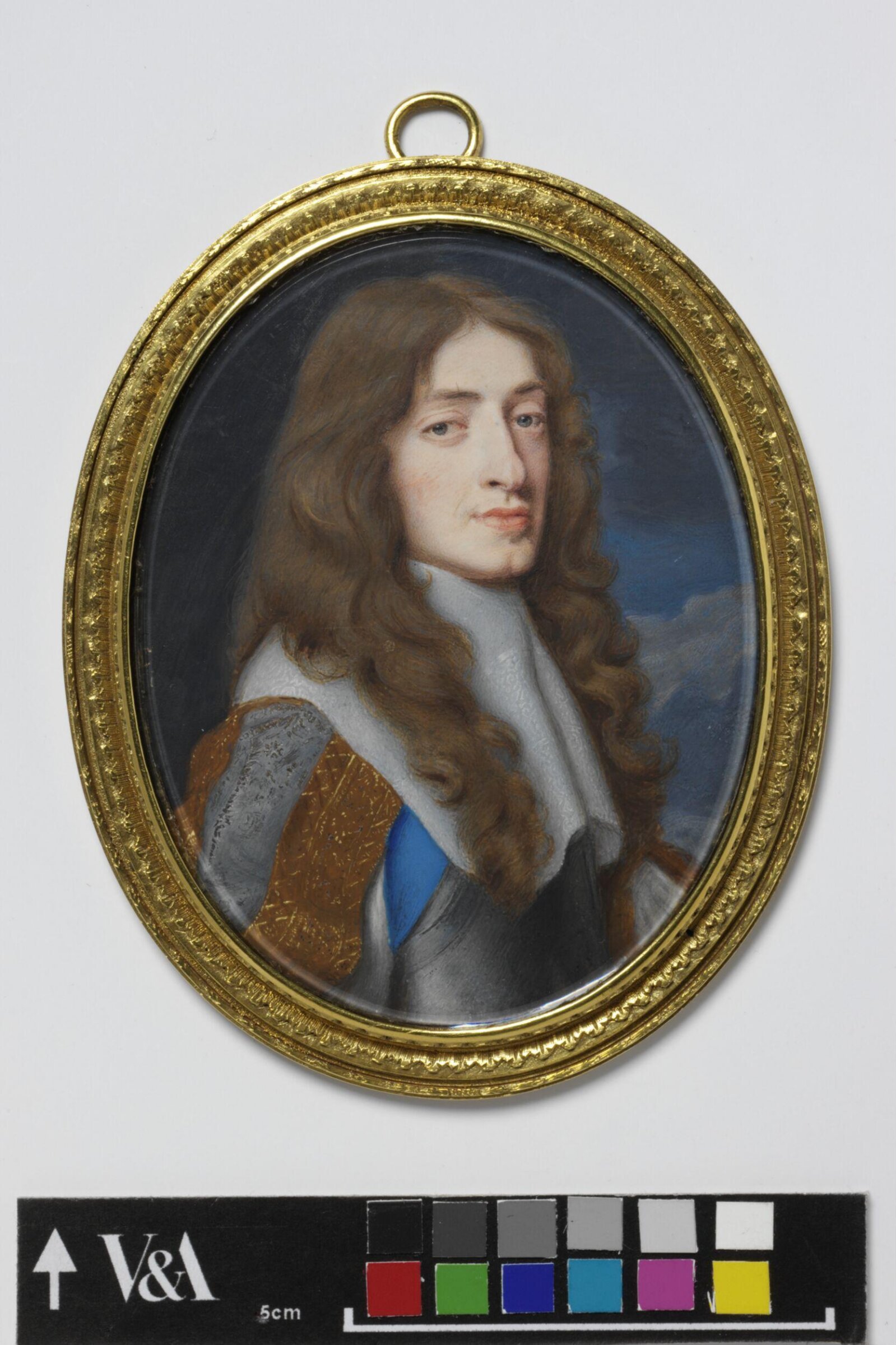
Various portraits have been thought to be of Robert Lilburne. This miniature is one of four very plausible ones. Its traditional identification was supported in 1938 by a Dr Lilburne, a descendant of Robert's ultra-republican brother John, on the basis of portraits then still in the family possession.
Victoria and Albert Museum
Gegevens
- Inventarisnummer
- P.126-1910
What it shows
In de catalogus
Bronnen
- Victoria and Albert Museum: the museum's own open data · opgehaald 8 dagen geleden
- Afbeelding: Victoria and Albert Museum — © Victoria and Albert Museum, London